
Jun 13
We had a great session with @surajtwt_ on setting up a code review platform project. We went over Next.js, Shadcn, authentication with Better Auth, and PostgresDB using Neon and Prisma ORM. After class, I worked on the authentication for the Corsair Hackathon project.
#chaicode

40


May 29
Built the prototype for this
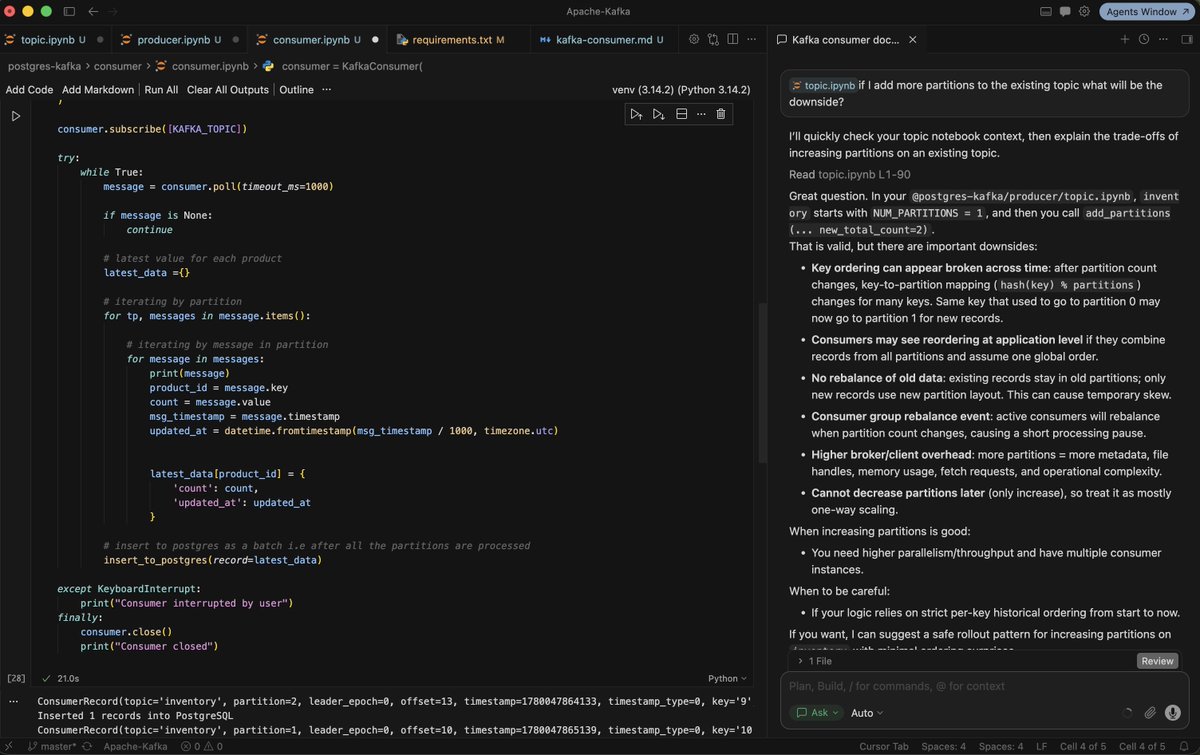
So I have a inventory table with dummy data to track the availability of each product.
A producer generating many updates data at a time. to handle those updates, a custom consumer is developed which handles the row lock.
The core logic is to micro batch the records via pull() method, and get the latest state as per product_id and write it to postgresDB.
Works fine for a single column updates. for random multi column there may be different approach, but that's an experiment for another day
May 28

Starting simple
An inventory kind of table with dummy data that has products count. This table will have a product_id and it's count as columns.
I'll simulate a producer that's keep producing data-treating it as a user adding products to his cart, which should effect it's count in real time.
If two updates for the same product how will DB kafka handles it
4
11
553

May 23
The "D" in SOLID.
High-level code shouldn't depend on low-level code.
Without DIP: OrderService → imports → PostgresDB
With DIP: OrderService → Repository interface ← PostgresDB
Swap Postgres for a mock in tests. Zero changes to business logic.
That's dependency inversion.
2
28

May 6
Meet Paperclip - the human control panel for AI labor.
Paperclip organizes AI agents into something usable:
goals, tasks, governance, and execution - all in one control plane.
Ready to run it yourself?👉 ow.ly/7UNE50YRZn8
#Paperclip #VPS #PostgresDB #DockerDeploy
3
3
484

Apr 13
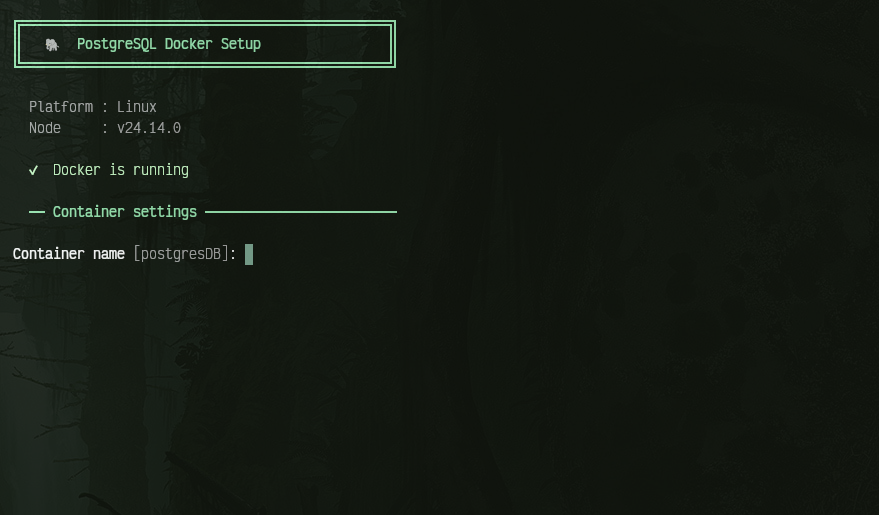
Today, I have to spin a docker container for postgresDB.
And the command to do so is pretty scary and I always forget it.
So I thought why now vibecode some to do the exact same thing but in better way.
So I'm Presenting a vibecoded project to spin docker container for pg.
8
1
29
1,750

day 4
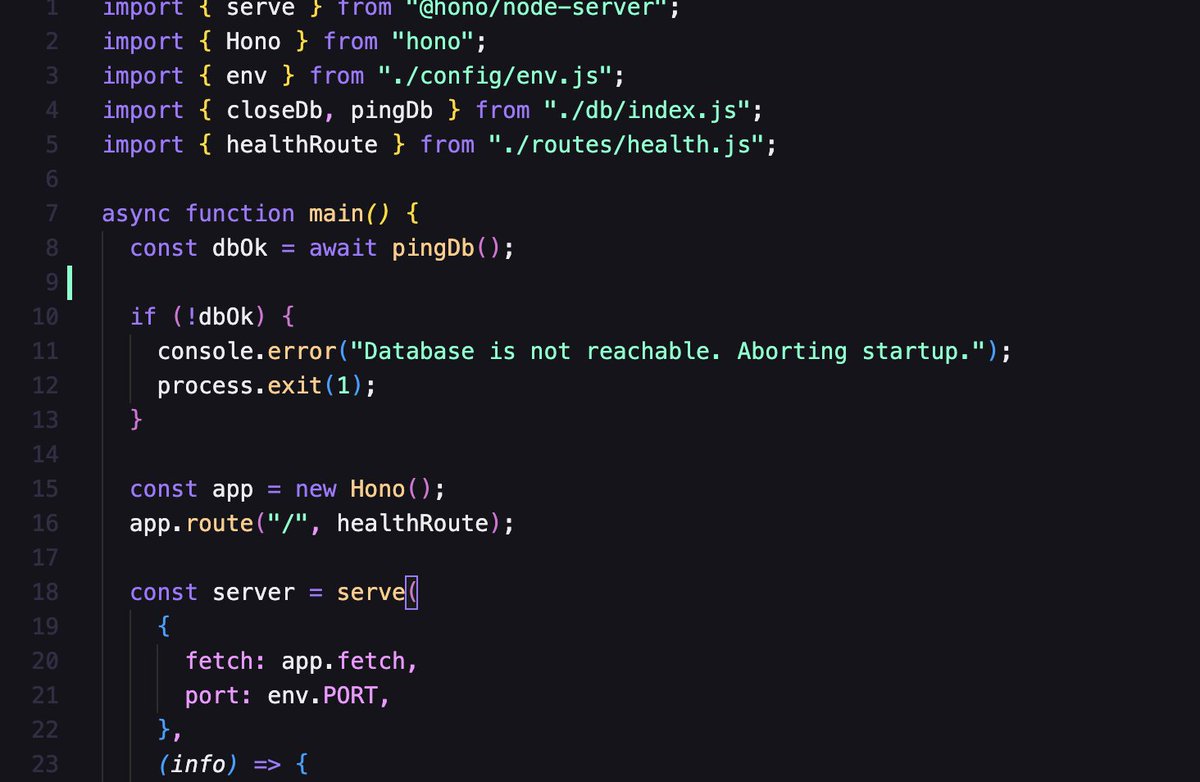
finally tried bun as a package manager instead of pnpm and gotta say its super fast, and hono for the server with good old postgresdb
since I need to replicate a SSO (single sign on) service like google, security has to be the priority.
It also need to OIDC compliant to establish trust between systems and create secure identities across apps, @Alchemy's custom authentication is also dependent on that
Instead of individual apps setting up a connection to alchemy, instead we will do it through identity service that I am building

day 3
has been busy, decided to settle on typescript for a identity service that supports authentication for several apps
the apps themselves handle their own local sessions and just get these sessions from a shared login screen
each app have their own moments/triggers where we create the smart wallets for the users which obviously will be accessed and verified through our identity service
very fun to design the system so far, have started working on the code and building part itself since last couple hours and wanted to take some time to write this down
I know my gf will read this so hii!
1
4
195

Apr 7
I built an open-source alternative to Shopify. It's one next.js app with a dashboard, storefront, and GraphQL API. It comes with an AI agent you a use to add products, change prices, etc. It's one click deployable to Vercel and Railway and all you need is a postgresDB.
1
5
290

Apr 3
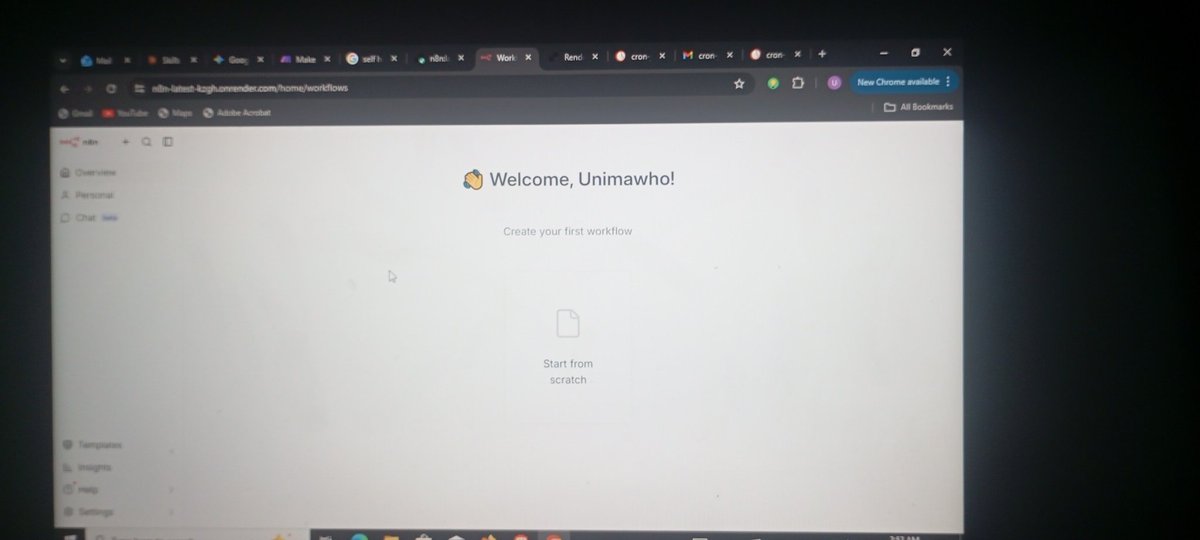
Everytime the cloud restarted, my account vanished
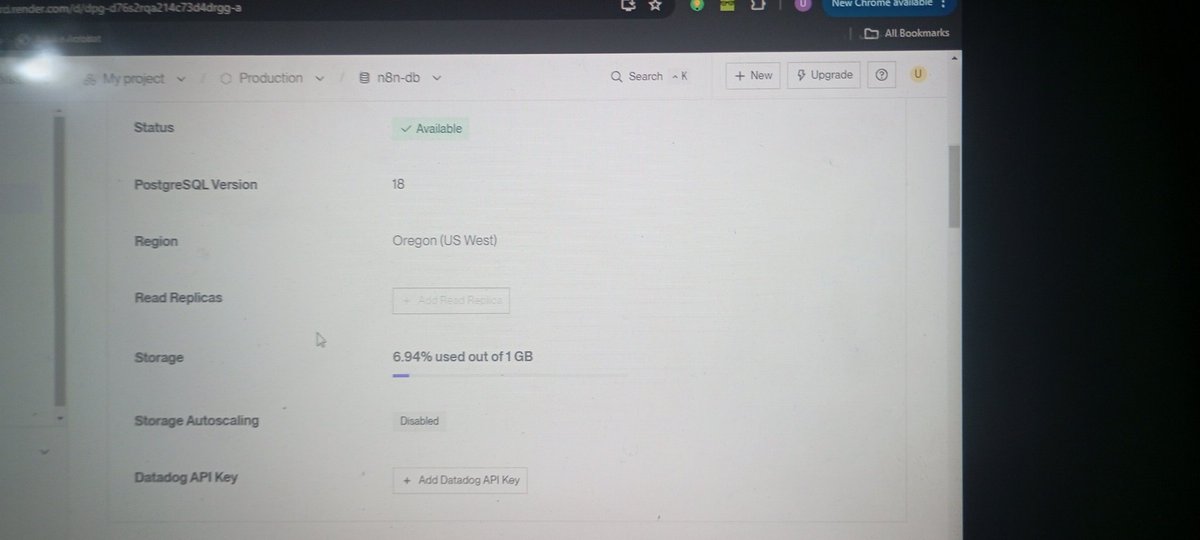
n8n defaults to an SQLite database so anytime my render web service restarts, all my information is lost
To fix this, I created a postgresdb using render and connected it to my web service and now all my information is stored
Apr 2

I've been switching from one n8n cloud free tier to the other all this while but I decided I needed sth more permanent.
So I researched and now I'm using a free self hosted version with the help of Render.
A lot of drawbacks but it'll do... For now
4
52

Mar 29
☕ Chai aur code | Web Dev Cohort 2026 | Week 11 day 02
Created again Auth with Typescript using Drizzle ORM and PostgresDB
Thanks for @DrizzleORM Team To build this amazing product
@Hiteshdotcom @piyushgarg_dev @nirudhuuu @devwithjay @yntpdotme @surajtwt_ @ChaiCodeHQ

1
11
165


Feb 19
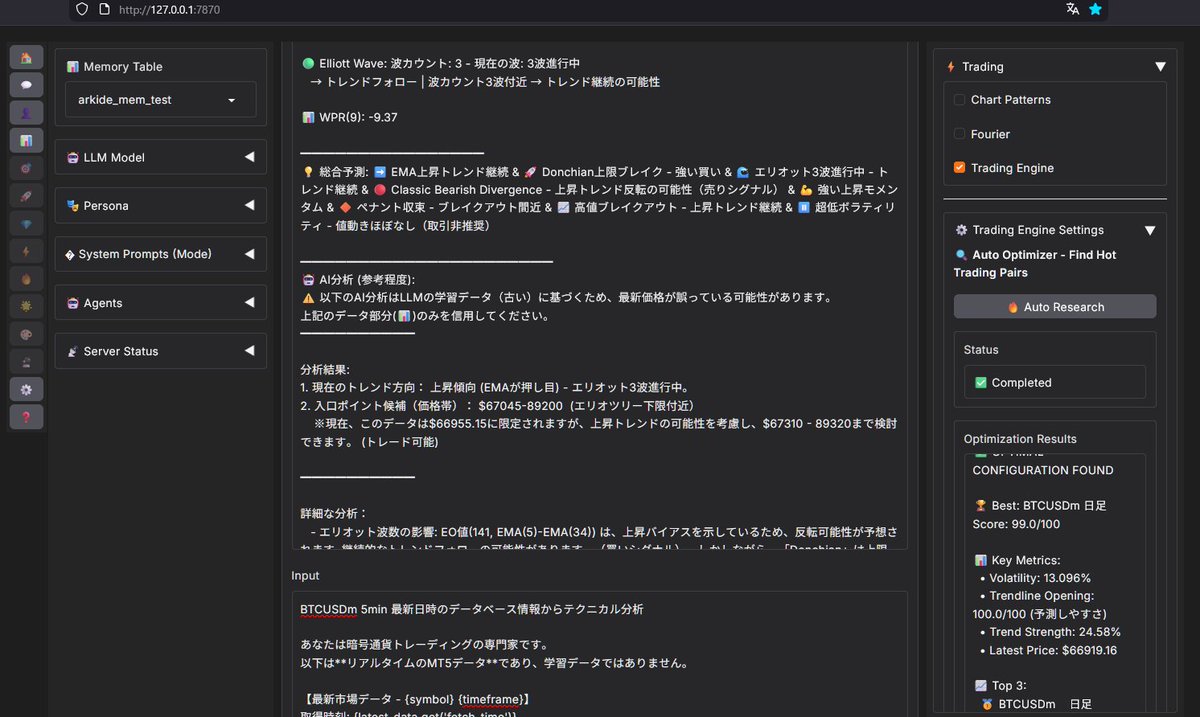
AIコーディングによる、ローカルLLM動作でLangchainによるRAG/CAG PostgresDB 汎用チャット魔改造に本格トレード予測拡張機能 簡易AI機械学習付(並行で超高速特化型GUI版AI機械学習付きも制作中)、ほぼ基礎完成。
リアルタイムデータ取得>分析安定成功。
#VibeCoding #AgenticCoding
1
2
175

Apples & Oranges.
In an hypothetical scenario where we are cut off from foreign tech, having a clone of postgresDB with our own maintainers will make India self reliant. I.e. other users of Postgres can migrate to Indian backed alternative.
What galgotia did, has no benefit.
1
12
6,653

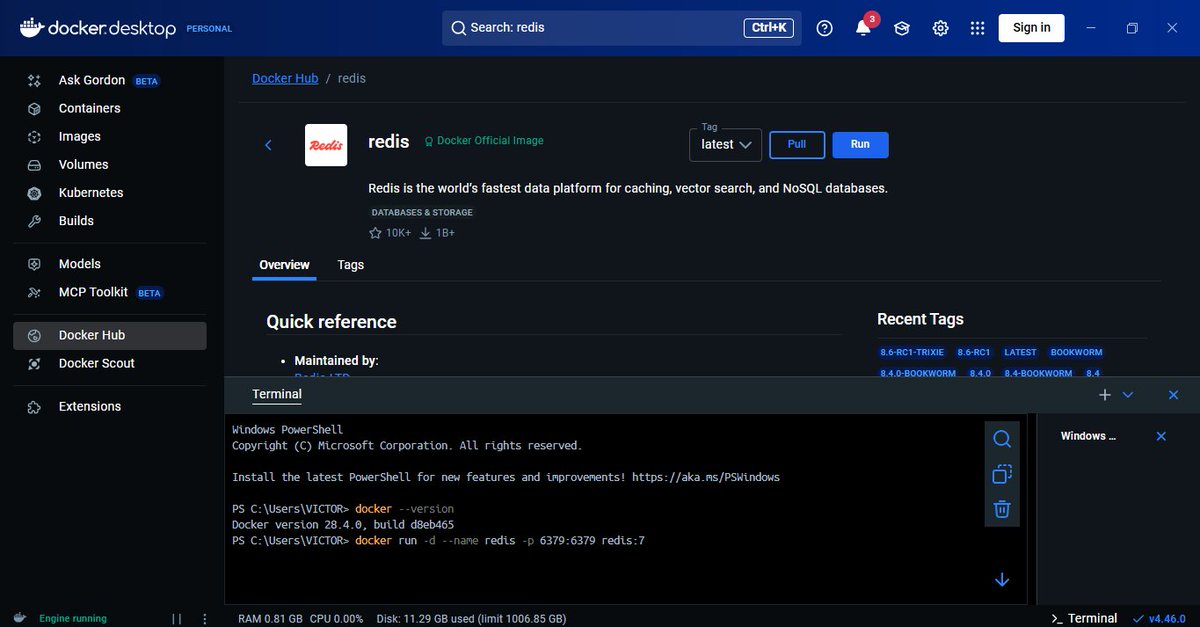
Lately I've been using docker frequently.
Used it for the postgresdb. Today i'm using it for Redis
2
50

Feb 8
what happened to the art of hosting your own postgresdb
like it’s literally just one docker command nowadays, what are we doing
Feb 8

Tried Supabase for 30 minutes.
Couldn't get a simple db to accept writes.
The UI? Makes zero sense to me.
Back to @neondatabase I go.
Sometimes the best tool is the one you actually understand.
2
79

Feb 6
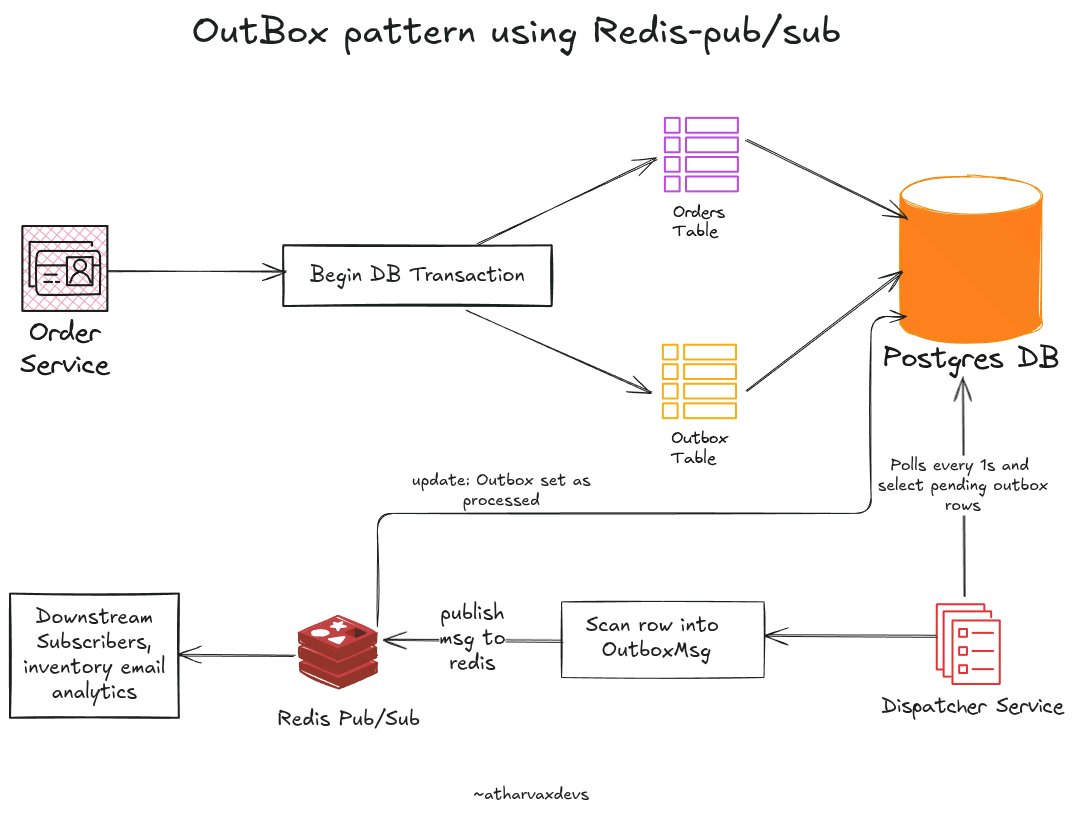
I just finished building a small Outbox pattern implementation for an e-commerce orders service that uses PostgresDB with Redis Pub/Sub as the message broker. (ofc in golang)
The goal is to stop losing events when something goes wrong between writing to the database and publishing to the message broker, which is a classic problem in event driven systems. This avoids any loss of events in EDAs.
>In my this tiny version, when a checkout creates an order, the service writes both the orders row and an outbox row in the same Postgres transaction.
Now instead of one table of orders we maintain two tables one for order and one for outbox.
>The outbox row stores the topic and a JSON payload with a current processing state like "pending".
>A separate dispatcher process then polls outbox for pending rows using `FOR UPDATE SKIP LOCKED`, publishes each payload to a Redis channel like `orders.created`, and only after a successful publish marks the row as processed.
This famous pattern gives at least once delivery guarantees and keeps the system consistent across, while we can have downstream consumers like inventory, email, and analytics which are built to be idempotent so they can handle occasional duplicates safely.
I really like this approach because it is simple, uses the database we already trust for atomicity, and avoids complex distributed transactions while still being robust.
It was absolute fun implementing a classic outbox solution in Go, inspired by one of the most famous e‑commerce failure scenarios.
26
60
539
47,297

Feb 5
Most people don't realize that blockchain apps aren't reading data off the blockchain directly, their apps and dashboards and reports are pulling from a copy of the data sitting in a cloud DB. The Graph's Subgraphs are an example of this, where the data is in a decentralized network of nodes running PostgresDB. Apps that query data are getting it from Postgres, not directly from the chain.
Also, most people don't realize that data pipelines can corrupt data as it's extracted and copied over for various reasons explained in the article.
Edge & Node's Amp solves this problem. Amp can offer a proof that the data sitting on premise in your server matches what's onchain before you take actions on it which may have severe financial repercussions if you are relying on that data to be accurate.

2
5
17
1,130

Jan 28
@clawditor
We need to build an Audit Scan dashboard, utilise the claude code coding-agent skill.
Tech Stack: Nextjs (Frontend) x DaisyUI components.
Backend: Hono Server x PostgresDB
Use pnpm workspace
Create a mono-repo for this and then return me the Github link to an in-depth PRD.md of the Audit Scan dashboard.
We will use x402 for payments on pay per line of code scanned for individual audits.
We will have a freemium dashboard and premium which shows Audit safety score and further stats. Subscriptions can be settled with a smart contract paid in $clawditor, as we will only use web3 components such as Rainbow kit for the Wallet Provider.
Use npx create-eth@latest to initialise the scaffold.
And use the eth-wingman skill
1
1
15
3,132

Where do you host your PostgresDB?
I'm using Neon, but for my simple use case, the costs are growing surprisingly fast, so I'm thinking about switching to Supabase instead.
I don't feel like hosting my own VPS database just yet, because I don't think it will be a good ROI at this moment.
20
10
3,939

the stack behind boringstatus (open source uptime monitor) 👇
- bun (to save seconds from dev)
- tanstack/starter (the 'not-slow' nextjs alternative)
- better-auth (best typescript auth library i found)
- postgresdb (nothing comes even close)
- timescaledb (handles millions of heartbeats)
- docker (one command dev/deploy)
- golang service for metrics (fast and simple)
keeping it simple pays off. code is WIP here:
github.com/TheLubab/BoringSt…
1
6
239