
Gefällt dir das du kleiner Lutscher.....
#DominaStyle #LeatherMistress #GermanMistress #BDSM #FetishModel #LederDomina #LeatherQueen #FemdomLife #PowerAndControl #FetishWear #LeatherOutfit #Lederlook #LederhoseLiebe #AlternativeFashion #KinkCommunity #MistressLife #Dominant
1
1
10
113

 sissyslave- Philippines

#ElonMusk #SpaceXIPO #Trillionaire #SPCX #WealthInequality #ProdigalBreakingNews #PowerAndControl #ChurchAndMoney #BreakingNews #Oligarchy #SpaceX #Starlink #ProdigalMovement #TruthTeller #JesusFlippedTables #WealthConsolidation #EvangelicalSilence #NotASuccessStory

Looking forward to taking our exciting partnership with Nvidia to the next-level
57

10

Jun 12
The Etymology of Exclusion
Two men in a wood-paneled office, leather chairs, bookshelves, the full costuming of respectability, sit across from each other and casually define what a "gentleman" is allowed to be. The word is being used as a gate. Not a description of behavior or character, but a velvet rope disguised as a compliment.
Rome had this exact conversation, just with different furniture. The mos maiorum, the ancestral customs that governed Roman social life, were never written down as law but enforced with the same quiet, devastating certainty as this exchange. A Roman gentleman was expected to embody virtus, a word that literally shares its root with "man," and any deviation from that rigid masculine ideal was not punished loudly, it was simply excluded. You were still invited to the forum, you just were not really there.
The Greeks before them were somehow more honest about the contradiction. Pederasty and male intimacy were woven into the very fabric of Athenian civic life, and yet the same culture drew its own arbitrary lines about what counted as acceptable. Every civilization builds the word "gentleman" and then quietly fills it with whatever the ruling class needs it to mean that particular decade.
The prank is that the word was never about gentleness. It was always about control, dressed in a collar and tie, sitting in a very tasteful chair, speaking in a very reasonable voice.
#HumanNature #PowerAndControl #HistoryRepeats
22

Jun 12
Ah yes, nothing says “freedom” like policing desire and slapping moral panic on pleasure. Kinkservatism: where control dresses up as virtue. 🔥 #PowerAndControl #CulturalCritique — 👉patheos.com/blogs/snarkyfait…
9
Respect first. Devotion second. Everything else is earned.😈🇧🇪
#Mistress #Femdom #DominantWoman #FemaleDominance #Findom #LuxuryMistress #GoddessEnergy #QueenEnergy #AlphaFemale #PowerAndControl #DommeLife #StrictMistress #ElegantMistress
6
6
100
1,946


May 25
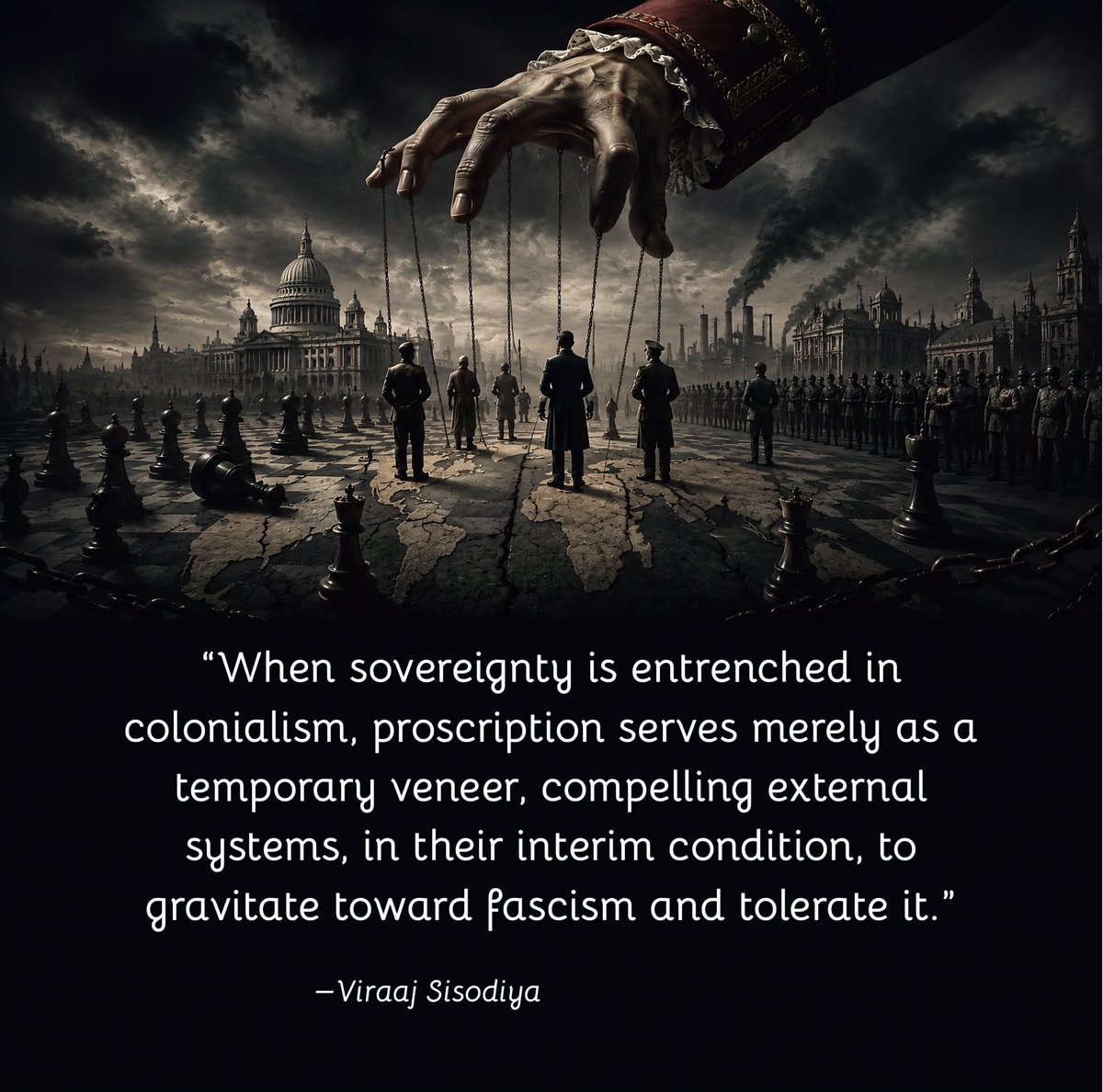
Hands raised, empires kneel.
Your prayers melt at my feet along with your cash.This is what true devotion looks like🔥💸
#AlphaCashMaster #CashMaster #FindomKing #HumanATM #WorshipMe #PayPig #DominantAlpha #LuxuryDom #MeltForMaster #KneelAndPay #FinancialDomination #MasterRayyyan #Devotion #PowerAndControl #PakistaniAlpha

2
23
1,132

May 24
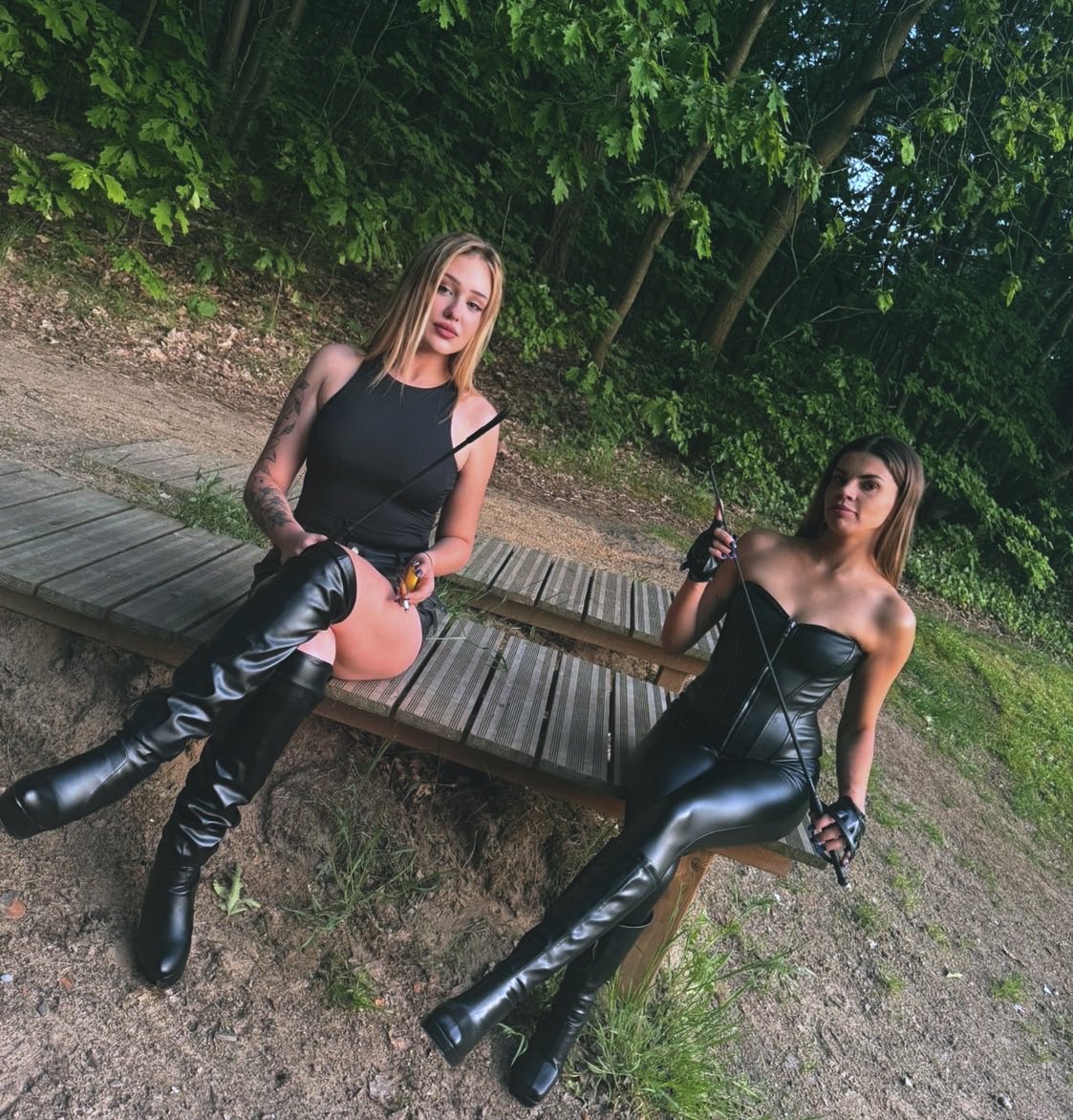
@misslaurabe and I two mistresses, one dark command. 🖤
Serve the queens, know your place, and respect the power in front of you.
We don’t ask for attention… we demand devotion. ⛓️👑
#ServeTheQueens #DominantVibes #DarkElegance #PowerAndControl
11
13
117
2,610

Have you been financially controlled, exploited or sabotaged? Dr Nicola Sharp-Jeff’s is a world leading expert on economic abuse - a standalone form of abuse. It often co-occurs with emotional abuse and coercive control. And there are typologies…💴 🚩💀
🎧 LEARN more. JOIN my needle moving interview with Dr Nicola Sharp-Jeffs in the Crime Analyst Squad:
patreon.com/posts/may-ringle…
#EconomicAbuse #PowerAndControl #CoerciveControl #redflags🚩 #CrimeAnalystSquad @laurarichards99
3
13
1,585
💰 = financial freedom. Coercive control is a pattern of domination restricting the victims autonomy, with economic abuse serving as a primary tactic of abusers to create dependency and prevent the victim from leaving. It’s present in 99% of cases.
In England and Wales economic abuse is a legally recognized form of domestic abuse.
You need to know about it….and ask the right questions.
🎧 JOIN me and world leading expert Dr Nicola Sharp-Jeffs on May 10 at 10am PT: patreon.com/CrimeAnalyst
#CoerciveControl #EconomicAbuse #CrimeAnalyst #Expert #PowerAndControl @laurarichards99

1
4
10
531

May 11
A Pulitzer winning investigation exposes something most people never get told straight.
The Associated Press spent three years digging through documents, interviews, and internal records.
What they found is simple and uncomfortable.
The surveillance system used in China to track, monitor, and control millions of people did not appear out of nowhere.
It was built over time.
And parts of it were strengthened with help from U.S. technology companies.
Not on the margins.
Inside the core infrastructure.
Tools, systems, and capabilities that made large scale monitoring possible were developed, sold, and expanded through global business deals.
Some firms even marketed surveillance capability as a selling point.
More control. More visibility. More data.
That pitch helped shape a system that now operates at national scale.
The reporting shows how commercial tech does not stay neutral once it enters political environments built for control.
It gets absorbed. Repurposed. Scaled.
What starts as a product becomes infrastructure.
And once infrastructure is built, it does not disappear when the intent changes.
It stays in place.
It grows.
It gets optimized.
Now the result is a system that can track behavior at population level with tools that were once sold as innovation.
This is where the gap shows up.
Corporate incentives pushed capability forward.
Government demand pulled it into control systems.
And oversight failed to keep pace with either.
The outcome is a global warning that arrived too late to stop the buildout.
This is what happens when power, profit, and technology move faster than accountability.
Every system built for efficiency eventually gets tested for control.
And once that switch flips, it does not flip back cleanly.
What looks like progress in a sales pitch turns into permanent infrastructure in the real world.
The damage is already embedded in networks, contracts, and systems that cannot be undone with statements or apologies.
This is the part most people miss.
It was never about one country building surveillance alone.
It was about a global supply chain feeding it until the system became too large to question in real time.
Now the system exists.
Now the data flows.
Now the precedent is set.
And the real question is not how it happened.
It is how many more systems are being built right now under the same pattern, with the same blind spots, and the same delay in accountability that only shows up after the architecture is already locked in.
#SurveillanceState #BigTech #DataPrivacy #GlobalSecurity #AIEthics #PowerAndControl
YouTube Source: youtu.be/vGYd6emyk-0?si=Nhxu…
4
112

Power isn’t always loud. Sometimes it whispers, pulls strings, reshapes lives without ever showing its face. This post dives into books that explore control in all...
Check it here: djoinerbooks.com/books-about…
#powerandcontrol #darkthemes #thoughtprovokingreads #booklovers
1
3
12
Power isn’t always loud. Sometimes it whispers, pulls strings, reshapes lives without ever showing its face. This post dives into books that explore control in all...
Check it here: djoinerbooks.com/books-about…
#powerandcontrol #darkthemes #thoughtprovokingreads #booklovers
2
3
24

Apr 24
Some voices don’t just speak… they threaten.
If power starts sounding like fear, then the real question isn’t who’s targeted, it’s what’s being hidden.
#LeakedAudio #PowerAndControl #KhalistanDebate #TruthMatters #GlobalPolitics
3
6
1,611

Apr 24
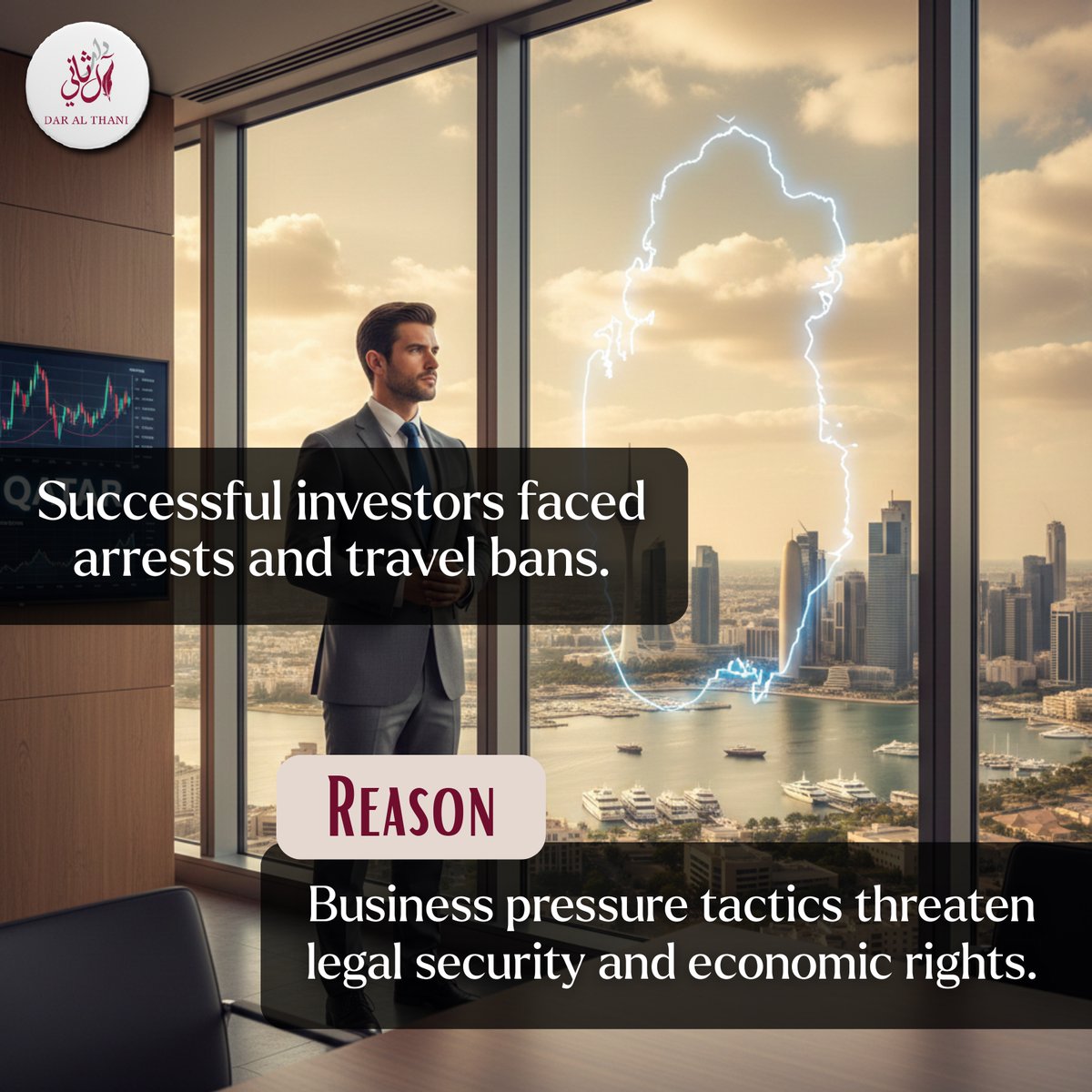
When power controls opportunity, who really wins?
#TargetedSuccess #EconomicFreedom #JusticeMatters #BusinessEthics #EntrepreneurLife #HumanRights #GlobalBusiness #TruthBehindSuccess #PowerAndControl #SpeakUp #explorepage #viral #trending #fyp

5
11
16
70