
As precision imaging continues advancing in prostate cancer care, education remains important across the oncology community.
What nuclear medicine topics would you like to learn more about?
#NuclearMedicine #PrecisionImaging #Urology

15
When PSA levels begin to rise after initial prostate cancer treatment, determining next steps can be complex.
How does precision imaging help support decision-making in your practice when evaluating possible biochemical recurrence?
#NuclearMedicine #PrecisionImaging #Urology

12

May 20
The next biomarker may already be in the scan.
Radiomics turns CT, MRI and PET into quantitative signatures: texture, shape, intensity, change. FDA’s AI-enabled device list keeps expanding, and radiology still dominates [1]. A 2024 Nature Communications study reported DL-radiomics AUCs around 0.85 for tumor diagnosis [2]. 📈
The prize: sharper triage, trial selection and treatment planning. The risk: poor data infrastructure leaves hospitals behind.
Stop buying “AI demos.” Demand validation, workflow fit and outcomes-based payment. 🧬
🤔 Where is the line between useful biomarker and overfitted black box?
[1] [fda.gov/medical-devices/soft…](fda.gov/medical-devices/soft…)
[2] [nature.com/articles/s41467-0…](nature.com/articles/s41467-0…)
[3] [ncbi.nlm.nih.gov/pmc/article…](ncbi.nlm.nih.gov/pmc/article…)
#Radiomics #PrecisionImaging #AIinHealthcare
1
2
257

Apr 24
Stories Etched in Narrow Lanes - Where light and shadow sketch the rhythm of everyday life,
and fleeting moments turn ordinary streets into timeless narratives. #StreetPhotography #UrbanStories #LifeInFrames #precisionimaging #itsinournature @iamdpc @om… instagr.am/p/DXgI9adEUny/

2
17
Apr 17
A quite pause in the City’s Rythm -A man finds stillness amidst the chaos of the street. #streetphotography #momentsintime #itsinournature #omsystemindia #precisionimaging instagr.am/p/DXOKoMnkrEm/

2
18
Apr 16
Radiomics is leaving the lab.
FDA said its public list reached 1,247 AI-enabled medical devices in 2025, and more than 75% are tied to radiology [1]. At the same time, Radiomics Quality Score 2.0 introduced “readiness levels” to push models beyond clever papers toward real clinical deployment [2] 🧠
That matters now because the bottleneck is no longer feature extraction. It is reproducibility, harmonization, and workflow fit. RSNA’s QIBA already lists clinically feasible quantitative imaging profiles across CT, MR, PET and ultrasound [3] 📈
For providers, medtech leaders, and policymakers, the competitive edge is shifting from “best model” to “most trustworthy model at scale.”
What will matter more in the next 3 years: better algorithms, or the boring infrastructure needed to make radiomics reliable enough to change care?
[1] [dailybulletin.rsna.org/en/20…](dailybulletin.rsna.org/en/20…)
[2] [nature.com/articles/s41571-0…](nature.com/articles/s41571-0…)
[3] [qibawiki.rsna.org/index.php/…](qibawiki.rsna.org/index.php/…)
#Radiomics #PrecisionImaging #DigitalHealth #OncologyAI #MedicalImaging
1
1
2
122

Feb 24
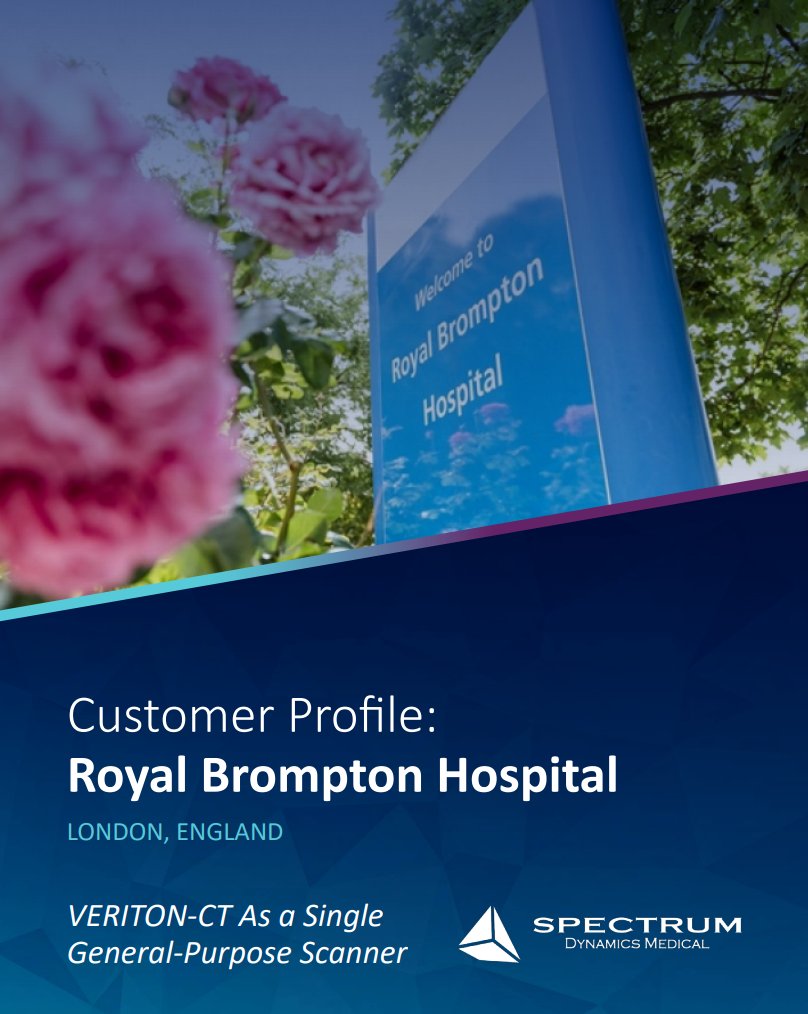
Customer Spotlight: Royal Brompton Hospital 🇬🇧
We’re excited to share a featured customer profile highlighting the innovative work being done at the Royal Brompton Hospital in Chelsea, West London with the VERITON-CT® 360° CZT Digital SPECT/CT.
Download and read the full profile to learn how clinicians at Royal Brompton are using advanced digital SPECT/CT imaging to support precision diagnostics, elevate clinical confidence, and enhance patient care across cardiology and theranostics applications.
👉 Read the full profile here:
spectrum-dynamics.com/wp-con…
Huge thanks to the team at Royal Brompton — including leaders like Dr. Lucy Hossen and Kshama Wechalekar — for sharing their experience and insights.
#CustomerSpotlight #VERITONCT #DigitalSPECTCT #PrecisionImaging #Theranostics #NuclearMedicine #InnovationInImaging #RoyalBrompton #SpectrumDynamicsMedical #VERITON #theranostics #nucmed @spectdynamics
2
123
🫀 “Treat-to-plaque” is no longer a concept.
Photon-Counting CT makes it clinically achievable.
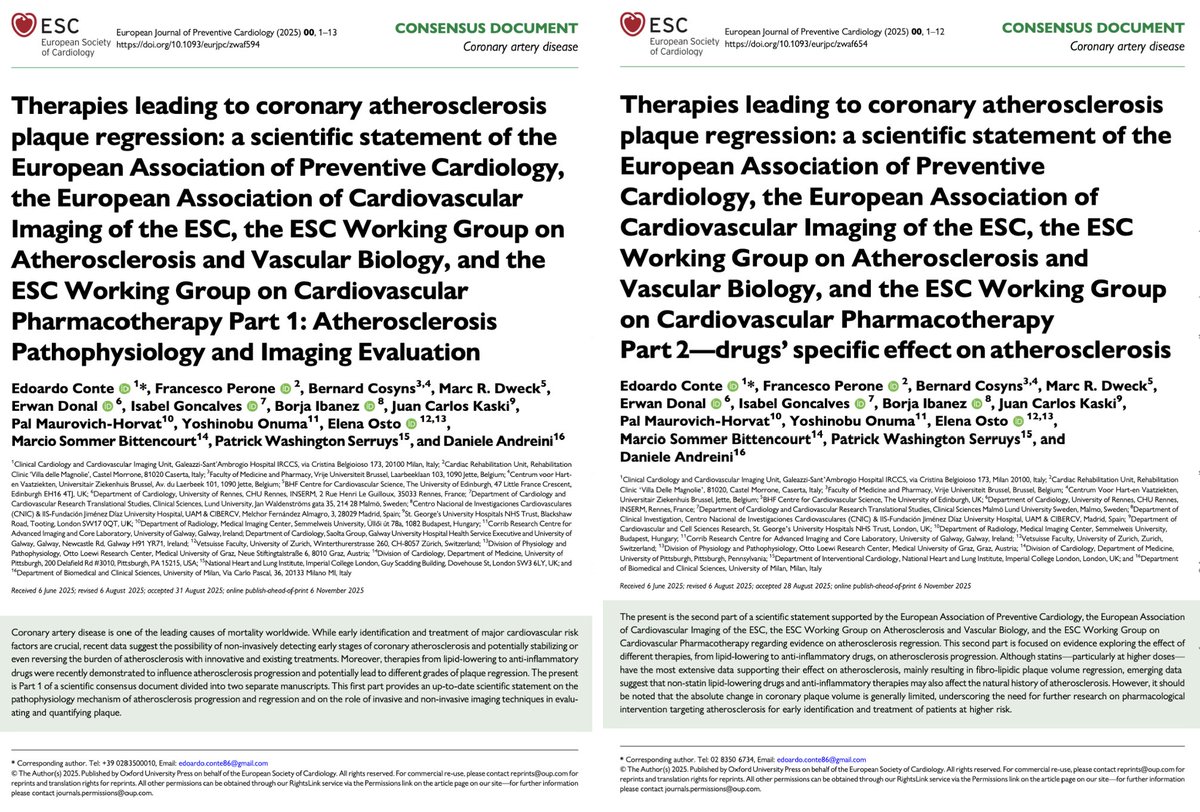
The recent ESC consensus documents remind us of a key truth:
👉 atherosclerosis is a dynamic, measurable disease, not just a risk profile.
Yes, anti-atherosclerotic therapies—high-intensity statins, combination lipid-lowering, PCSK9 inhibitors, and selected anti-inflammatory strategies—can slow progression, stabilize plaques, and induce modest regression.
But the documents are also clear:
⚠️ Absolute plaque changes are small
⚠️ Effects are heterogeneous
⚠️ Monitoring must be accurate and reproducible
🖥️ This is where Cardiac CT becomes central.
And Photon-Counting CT (PCCT) directly addresses the limitations highlighted in the papers.
Compared with conventional CT, PCCT offers:
🔬 Higher spatial resolution
→ better visualization of non-calcified and fibro-lipidic plaque
→ improved assessment in heavily calcified coronaries
📉 Lower noise, contrast, and radiation dose
→ making serial plaque imaging realistic, not theoretical
📊 More reliable quantitative plaque metrics
→ essential if plaque burden and composition are used as surrogate markers of treatment response, as proposed in the consensus documents
🤖 AI-ready data for standardized analysis
→ a prerequisite for moving plaque quantification from trials into daily clinical practice
This is exactly what the ESC papers point toward:
not imaging for anatomy alone, but imaging to monitor disease modification.
👉 Not just treat-to-LDL
👉 Not just rule-out stenosis
🫀 Treat-to-plaque — guided by advanced Cardiac CT
With photon-counting technology, this strategy becomes realistic, scalable, and clinically meaningful.
#PhotonCountingCT #TreatToPlaque #CardiacCT #Atherosclerosis #ESCGuidelines #PreventiveCardiology #PrecisionImaging
1
39
85
5,956
🔬 Why Perfect Visualization of Stents and Calcified Plaques Requires the Highest Spatial, Temporal and Contrast Resolution: The Case for Ultra-High-Resolution with Photon Counting CT
Image: a close look at a RCA stent with very mild intimal hyperplasia.
Seeing is everything in coronary imaging.
Yet when it comes to stents and heavily calcified plaques, even the best conventional CT systems hit their physical limits — blooming, partial volume effects, and metal artifacts blur what truly matters.
That’s where Ultra-High-Resolution Photon Counting CT (PCCT) changes the game.
🧠 Why it matters:
Conventional CT often overestimates stenosis in calcified vessels and hides in-stent lumen due to blooming and noise.
This leads to diagnostic uncertainty, unnecessary invasive testing, and poor evaluation of stent patency or neo-atherosclerosis.
⚡ What PCCT adds:
Ultra-high spatial resolution (0.1 mm voxels) sharply delineates stent struts, plaque borders, and residual lumen.
True spectral resolution minimizes blooming and metal artifacts, enhancing visualization even in highly calcified segments.
Improved contrast-to-noise enables clear lumen assessment at lower doses.
Quantitative, energy-resolved data provide material differentiation between calcium, metal, and contrast — something previously unthinkable in CT.
In short, accurate visualization of stents and calcified plaques demands Photon Counting CT — not just for sharper images, but for better diagnostic confidence and patient management.
The era of artifact-free coronary imaging has begun — and it’s photon-counting powered. ⚡❤️
#PCCT #CardiacImaging #CoronaryCT #StentImaging #CalciumScore #PhotonCountingCT #PrecisionImaging #CardiovascularImaging #RadiologyInnovation #yesCCT
1
27
152
11,189
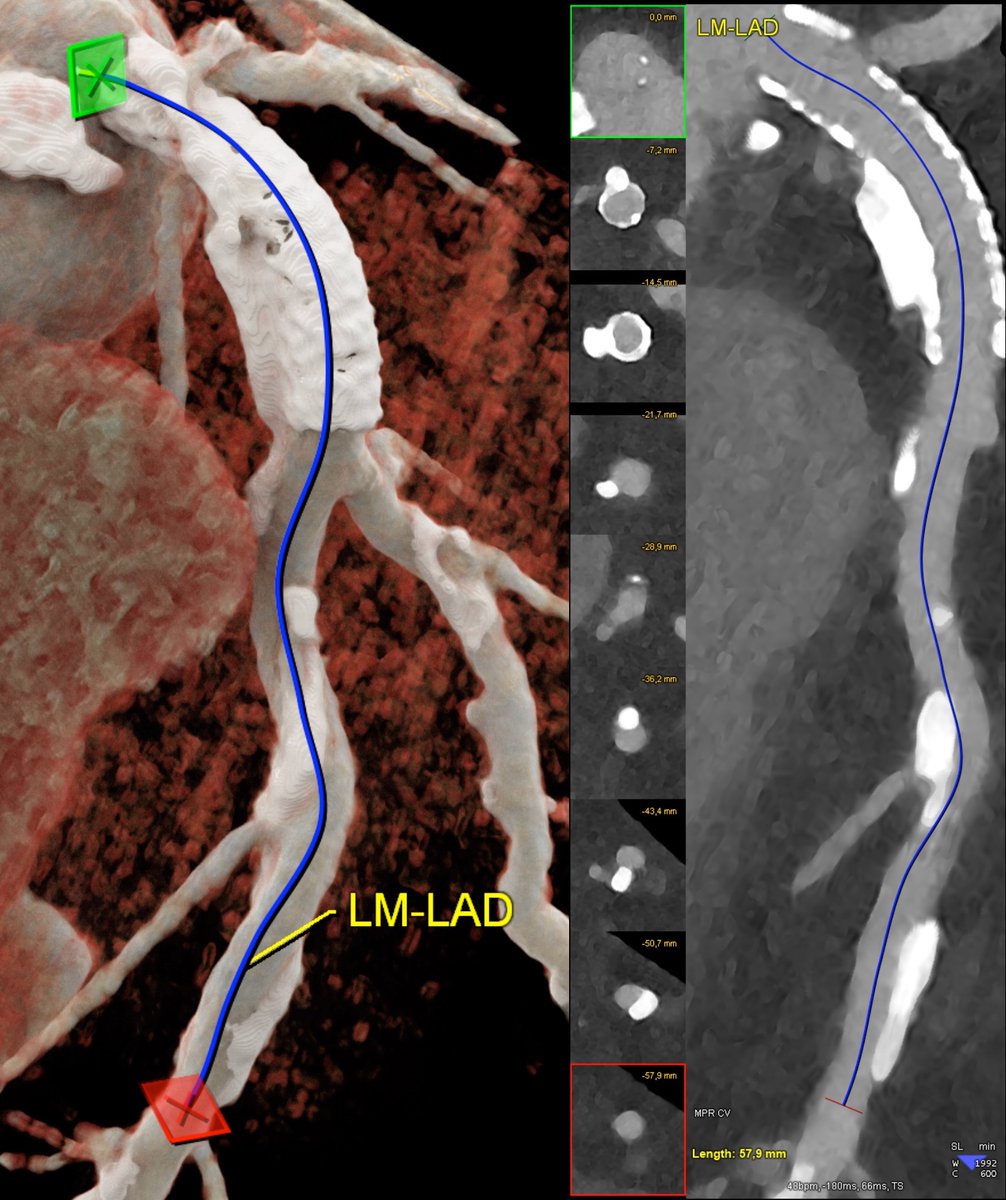
🔬 Why Perfect Visualization of Stents and Calcified Plaques Requires the Highest Spatial, Temporal and Contrast Resolution: The Case for Ultra-High-Resolution with Photon Counting CT
Image: a very close look at a LM-proximal LAD stent.
Seeing is everything in coronary imaging.
Yet when it comes to stents and heavily calcified plaques, even the best conventional CT systems hit their physical limits — blooming, partial volume effects, and metal artifacts blur what truly matters.
That’s where Ultra-High-Resolution Photon Counting CT (PCCT) changes the game.
🧠 Why it matters:
Conventional CT often overestimates stenosis in calcified vessels and hides in-stent lumen due to blooming and noise.
This leads to diagnostic uncertainty, unnecessary invasive testing, and poor evaluation of stent patency or neo-atherosclerosis.
⚡ What PCCT adds:
Ultra-high spatial resolution (0.1 mm voxels) sharply delineates stent struts, plaque borders, and residual lumen.
True spectral resolution minimizes blooming and metal artifacts, enhancing visualization even in highly calcified segments.
Improved contrast-to-noise enables clear lumen assessment at lower doses.
Quantitative, energy-resolved data provide material differentiation between calcium, metal, and contrast — something previously unthinkable in CT.
In short, accurate visualization of stents and calcified plaques demands Photon Counting CT — not just for sharper images, but for better diagnostic confidence and patient management.
The era of artifact-free coronary imaging has begun — and it’s photon-counting powered. ⚡❤️
#PCCT #CardiacImaging #CoronaryCT #StentImaging #CalciumScore #PhotonCountingCT #PrecisionImaging #CardiovascularImaging #RadiologyInnovation #yesCCT
3
12
26
1,976
12 Dec 2025
CZT Technology in the Spotlight — Featured Today on the BBC!
We’re excited to see Cadmium Zinc Telluride (CZT) technology highlighted in the BBC’s latest coverage — and how this breakthrough material is reshaping the future of nuclear medicine.
CZT detectors bring unprecedented sensitivity, rapid acquisition, and enhanced image quality, enabling clinicians to see more, sooner, and with greater confidence.
At the Royal Brompton and Harefield hospitals, Dr. Kshama Wechalekar is using the VERITON full-body digital SPECT/CT to harness the full potential of CZT technology. With its 360° digital detector ring and exceptional energy resolution, VERITON-CT delivers the clarity and precision needed for advanced cardiology, lung imaging, oncology, and cutting-edge research.
Her work beautifully illustrates how VERITON-CT powered by CZT is elevating diagnostic accuracy and expanding the role of quantitative SPECT in clinical practice.
Read the BBC article here: bbc.com/news/articles/c24l22…
#NuclearMedicine #CZT #SPECT #InnovationInImaging #Theranostics #VERITON #DSPECT #PrecisionImaging @spectdynamics #VERITON @BBC
1
1
2
55

11 Dec 2025
🔬 Why Perfect Visualization of Stents and Calcified Plaques Requires the Highest Spatial, Temporal and Contrast Resolution: The Case for Ultra-High-Resolution with Photon Counting CT
Image: FU in TAVI.
Seeing is everything in coronary imaging.
Yet when it comes to stents and heavily calcified plaques, even the best conventional CT systems hit their physical limits — blooming, partial volume effects, and metal artifacts blur what truly matters.
That’s where Ultra-High-Resolution Photon Counting CT (PCCT) changes the game.
🧠 Why it matters:
Conventional CT often overestimates stenosis in calcified vessels and hides in-stent lumen due to blooming and noise.
This leads to diagnostic uncertainty, unnecessary invasive testing, and poor evaluation of stent patency or neo-atherosclerosis.
⚡ What PCCT adds:
Ultra-high spatial resolution (0.1 mm voxels) sharply delineates stent struts, plaque borders, and residual lumen.
True spectral resolution minimizes blooming and metal artifacts, enhancing visualization even in highly calcified segments.
Improved contrast-to-noise enables clear lumen assessment at lower doses.
Quantitative, energy-resolved data provide material differentiation between calcium, metal, and contrast — something previously unthinkable in CT.
In short, accurate visualization of stents and calcified plaques demands Photon Counting CT — not just for sharper images, but for better diagnostic confidence and patient management.
The era of artifact-free coronary imaging has begun — and it’s photon-counting powered. ⚡❤️
#PCCT #CardiacImaging #CoronaryCT #StentImaging #CalciumScore #PhotonCountingCT #PrecisionImaging #CardiovascularImaging #RadiologyInnovation #yesCCT
1
8
34
2,702
3 Dec 2025
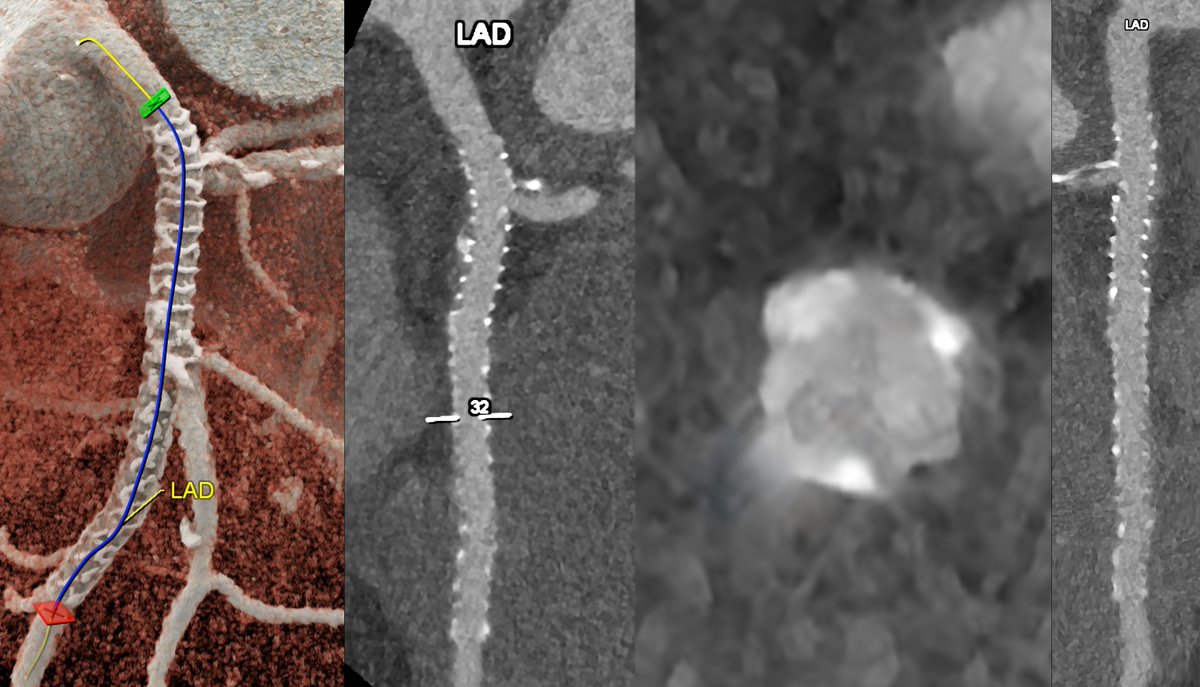
🔬 Why Perfect Visualization of Stents and Calcified Plaques Requires the Highest Spatial, Temporal and Contrast Resolution: The Case for Ultra-High-Resolution with Photon Counting CT
Image: a very close look at a Proximal LAD stent.
Seeing is everything in coronary imaging.
Yet when it comes to stents and heavily calcified plaques, even the best conventional CT systems hit their physical limits — blooming, partial volume effects, and metal artifacts blur what truly matters.
That’s where Ultra-High-Resolution Photon Counting CT (PCCT) changes the game.
🧠 Why it matters:
Conventional CT often overestimates stenosis in calcified vessels and hides in-stent lumen due to blooming and noise.
This leads to diagnostic uncertainty, unnecessary invasive testing, and poor evaluation of stent patency or neo-atherosclerosis.
⚡ What PCCT adds:
Ultra-high spatial resolution (0.1 mm voxels) sharply delineates stent struts, plaque borders, and residual lumen.
True spectral resolution minimizes blooming and metal artifacts, enhancing visualization even in highly calcified segments.
Improved contrast-to-noise enables clear lumen assessment at lower doses.
Quantitative, energy-resolved data provide material differentiation between calcium, metal, and contrast — something previously unthinkable in CT.
In short, accurate visualization of stents and calcified plaques demands Photon Counting CT — not just for sharper images, but for better diagnostic confidence and patient management.
The era of artifact-free coronary imaging has begun — and it’s photon-counting powered. ⚡❤️
#PCCT #CardiacImaging #CoronaryCT #StentImaging #CalciumScore #PhotonCountingCT #PrecisionImaging #CardiovascularImaging #RadiologyInnovation #yesCCT
1
7
19
1,523
3 Dec 2025
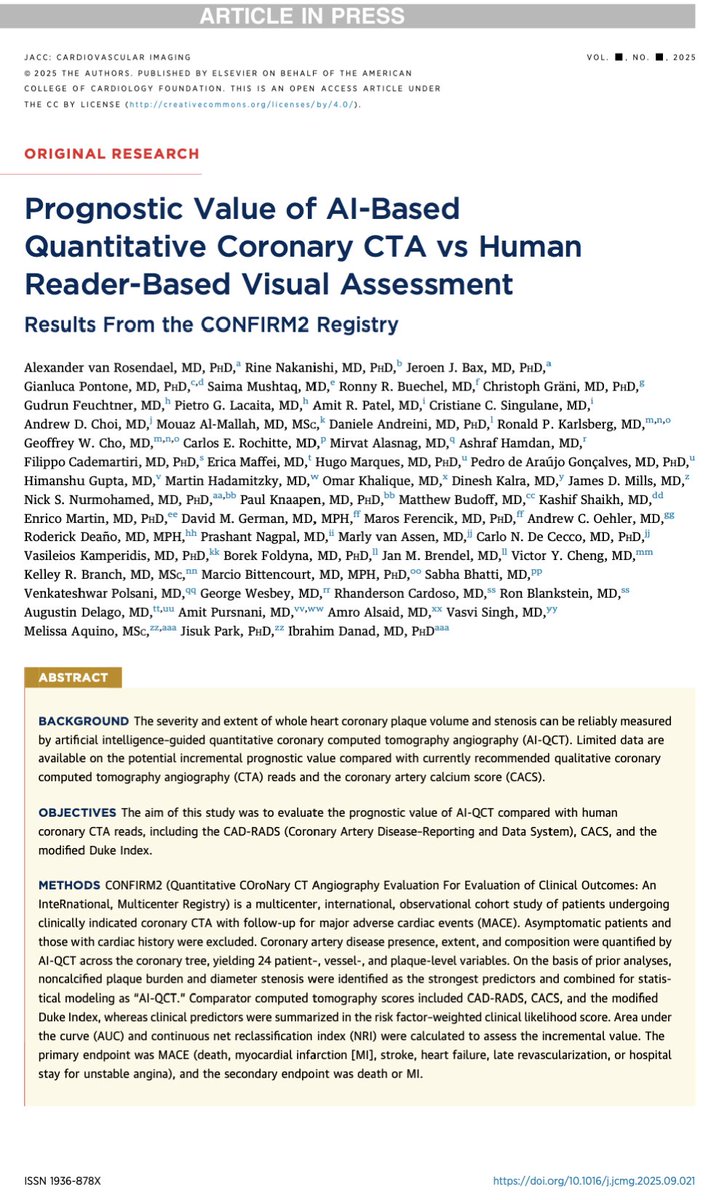
🚀📊 **AI-Based Quantitative CCTA Provides Superior Prognostic Value
— Insights From the CONFIRM2 Registry (7,663 Patients)**
The CONFIRM2 registry delivers one of the most robust evaluations to date of how AI-derived quantitative plaque metrics compare with conventional human visual assessment in predicting future cardiovascular events. The conclusion is clear and clinically meaningful: AI-based quantitative CCTA offers stronger and more consistent prognostic information.
🔍 1. Study overview and population
Across 7,663 patients (mean age 58; 52% women) from multiple international centers, the study evaluated whether automated plaque quantification improves prediction of major adverse cardiovascular events (MACE) over a median follow-up of 2.7 years.
AI automatically extracted quantitative features — total plaque volume, low-attenuation plaque volume, calcified and non-calcified components, lesion stenosis, and vessel-level metrics — while human readers provided standard visual CAD severity scores.
🌟 2. AI metrics outperform human visual grading
The findings demonstrate that quantitative plaque burden is more strongly associated with MACE than visually estimated stenosis severity. In multivariable Cox models, AI-derived plaque features remained independent predictors, whereas many visual assessments lost significance.
Kaplan–Meier analyses (Fig. 3–5) show clear, graded event-risk separation based on AI plaque volume — highlighting its sensitivity for identifying biologically meaningful disease even when visually “non-obstructive.”
📈 3. Implications for clinical practice
AI transforms CCTA into a quantitative biomarker tool, enabling:
• More accurate risk stratification
• Enhanced detection of high-risk plaque phenotypes
• Improved prognostic precision beyond stenosis grading
This is particularly relevant for patients with mild-to-moderate disease where visual interpretation often underestimates risk.
🔬 BOTTOM LINE
AI-based quantitative CCTA provides superior, reproducible, and biologically relevant prognostic informationcompared with human visual assessment.
The CONFIRM2 registry positions quantitative CCTA as a key component of next-generation coronary risk prediction and preventive cardiology.
#PCCT #CardiacImaging #CoronaryCT #StentImaging #CalciumScore #PhotonCountingCT #PrecisionImaging #CardiovascularImaging #RadiologyInnovation #yesCCT
1
8
34
2,622
3 Dec 2025
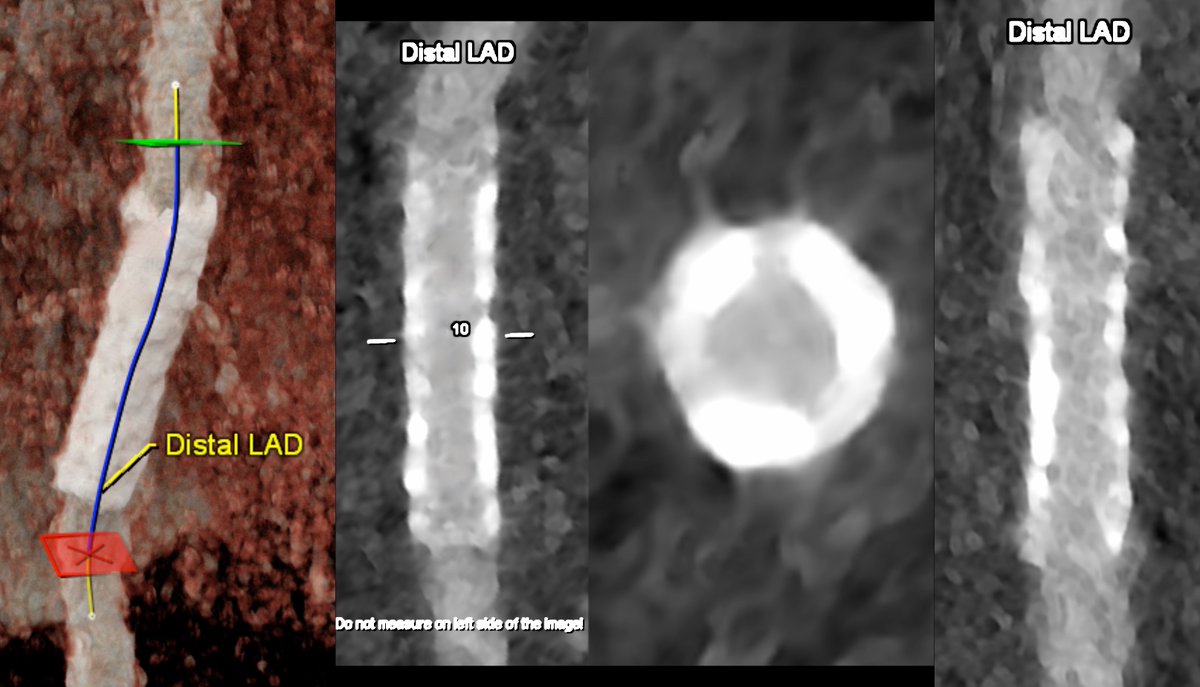
🔬 Why Perfect Visualization of Stents and Calcified Plaques Requires the Highest Spatial and Contrast Resolution: The Case for Ultra-High-Resolution with Photon Counting CT
Image: a very close look at a Distal LAD stent (diameter 1.8mm).
Seeing is everything in coronary imaging.
Yet when it comes to stents and heavily calcified plaques, even the best conventional CT systems hit their physical limits — blooming, partial volume effects, and metal artifacts blur what truly matters.
That’s where Ultra-High-Resolution Photon Counting CT (PCCT) changes the game.
🧠 Why it matters:
Conventional CT often overestimates stenosis in calcified vessels and hides in-stent lumen due to blooming and noise.
This leads to diagnostic uncertainty, unnecessary invasive testing, and poor evaluation of stent patency or neo-atherosclerosis.
⚡ What PCCT adds:
Ultra-high spatial resolution (0.1 mm voxels) sharply delineates stent struts, plaque borders, and residual lumen.
True spectral resolution minimizes blooming and metal artifacts, enhancing visualization even in highly calcified segments.
Improved contrast-to-noise enables clear lumen assessment at lower doses.
Quantitative, energy-resolved data provide material differentiation between calcium, metal, and contrast — something previously unthinkable in CT.
In short, accurate visualization of stents and calcified plaques demands Photon Counting CT — not just for sharper images, but for better diagnostic confidence and patient management.
The era of artifact-free coronary imaging has begun — and it’s photon-counting powered. ⚡❤️
#PCCT #CardiacImaging #CoronaryCT #StentImaging #CalciumScore #PhotonCountingCT #PrecisionImaging #CardiovascularImaging #RadiologyInnovation #yesCCT
6
12
1,161
1 Dec 2025
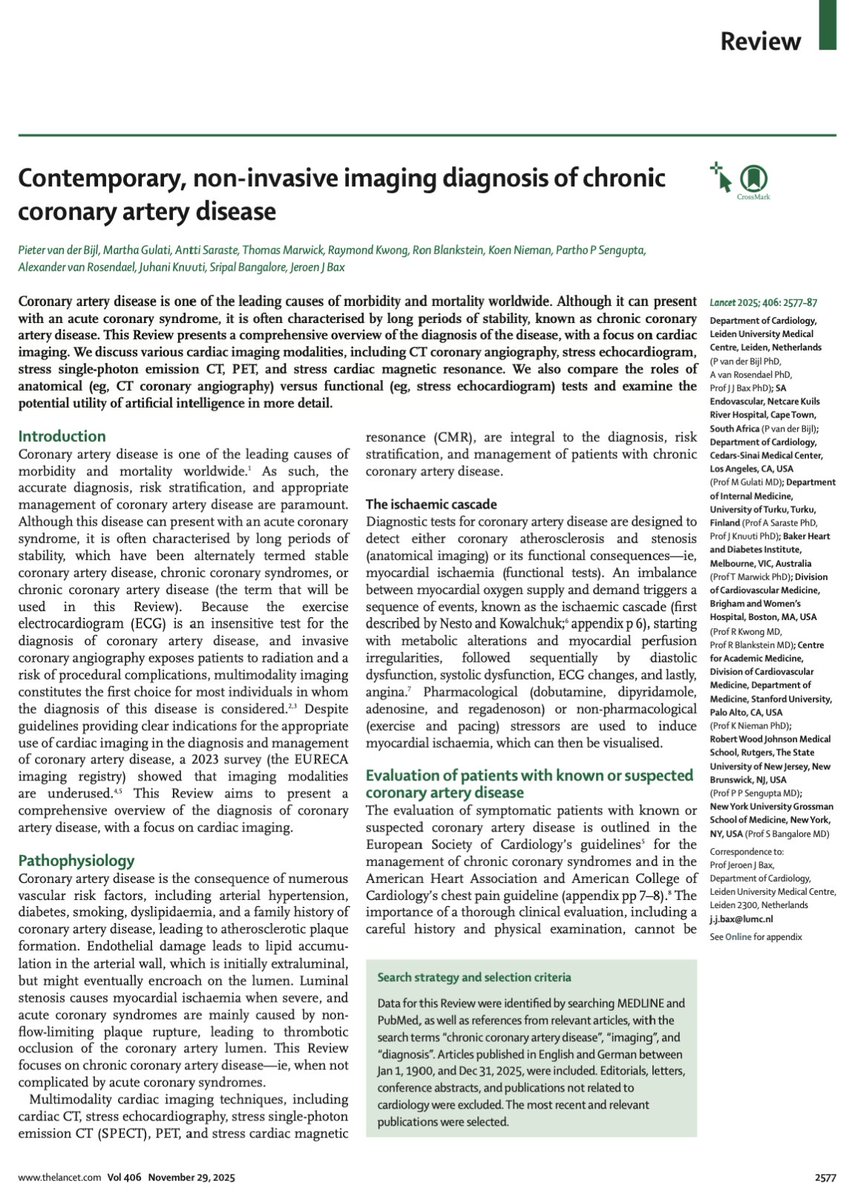
🚀❤️ Chronic Coronary Artery Disease: The New Era of Non-Invasive Imaging
Cardiac CT especially with Photon Counting CT technology takes center stage
This major Lancet Review brings together global leaders to answer a critical question: How should we diagnose chronic coronary artery disease (CAD) today — with the technology we now have?
The result is a clear, modern roadmap that every clinician should know.
🌟 1. Start with pre-test probability — and use it correctly
The paper reinforces that accurate pre-test probability (PTP) assessment based on age, sex, symptoms, and risk factors is essential to avoid over-testing and false positives.
Most patients today fall into lower PTP categories, making non-invasive imaging even more crucial than before.
📸 2. CT Coronary Angiography (CCTA) takes center stage
For low-to-intermediate likelihood chest pain, CCTA is now the preferred first-line test.
Why?
✔️ 97% sensitivity for detecting CAD
✔️ Excellent ability to identify non-obstructive plaque, the true driver of many acute coronary events
✔️ Proven impact on outcomes—CCTA-guided care reduces MI rates at 1, 5, and even 10 years (PROMISE & SCOT-HEART)
Photon-counting CT (PCCT) is highlighted as a massive upgrade, reducing blooming artifacts, making highly calcified vessels and stents viable and decreasing unnecessary invasive angiography.
💥 3. Functional imaging remains essential — when used for the right patients
For higher PTP or suspected flow-limiting disease, tests like stress echo, SPECT, PET, and stress CMR provide powerful ischemia evaluation.
PET and CMR deliver top-tier accuracy but depend on availability and expertise.
🤖 4. AI is accelerating everything
From coronary calcium scoring to plaque analysis and on-site FFRCT, AI is already improving workflow, sensitivity, and reproducibility.
🔍 BOTTOM LINE
Modern CAD diagnosis is multimodal, but the strategy is simple:
👉 CCTA first for most stable chest pain
👉 Functional imaging when ischemia is suspected
👉 AI and PCCT are pushing diagnostic precision to new levels
A clear, evidence-based guide for the next decade of CAD imaging. 🚀💙
#PCCT #CardiacImaging #CoronaryCT #StentImaging #CalciumScore #PhotonCountingCT #PrecisionImaging #CardiovascularImaging #RadiologyInnovation #yesCCT
2
31
87
5,469
1 Dec 2025
🔬 Why Perfect Visualization of Calcified Coronary Arteries Requires the Highest Spatial, Temporal and Contrast Resolution: The Case for Ultra-High-Resolution with Dual Source Photon Counting CT
Seeing is everything in coronary imaging.
Yet when it comes to stents and heavily calcified plaques, even the best conventional CT systems hit their physical limits — blooming, partial volume effects, and metal artifacts blur what truly matters.
That’s where Ultra-High-Resolution Dual Source Photon Counting CT (PCCT) changes the game.
🧠 Why it matters:
Conventional CT often overestimates stenosis in calcified vessels and hides in-stent lumen due to blooming and noise.
This leads to diagnostic uncertainty, unnecessary invasive testing, and poor evaluation of stent patency or neo-atherosclerosis.
⚡ What PCCT adds:
Ultra-high spatial resolution (0.1 mm voxels) sharply delineates stent struts, plaque borders, and residual lumen.
True spectral resolution minimizes blooming and metal artifacts, enhancing visualization even in highly calcified segments.
Improved contrast-to-noise enables clear lumen assessment at lower doses.
Quantitative, energy-resolved data provide material differentiation between calcium, metal, and contrast — something previously unthinkable in CT.
In short, accurate visualization of stents and calcified plaques demands Photon Counting CT — not just for sharper images, but for better diagnostic confidence and patient management.
The era of artifact-free coronary imaging has begun — and it’s photon-counting powered. ⚡❤️
#PCCT #CardiacImaging #CoronaryCT #StentImaging #CalciumScore #PhotonCountingCT #PrecisionImaging #CardiovascularImaging #RadiologyInnovation #yesCCT
2
17
58
3,866
1 Dec 2025
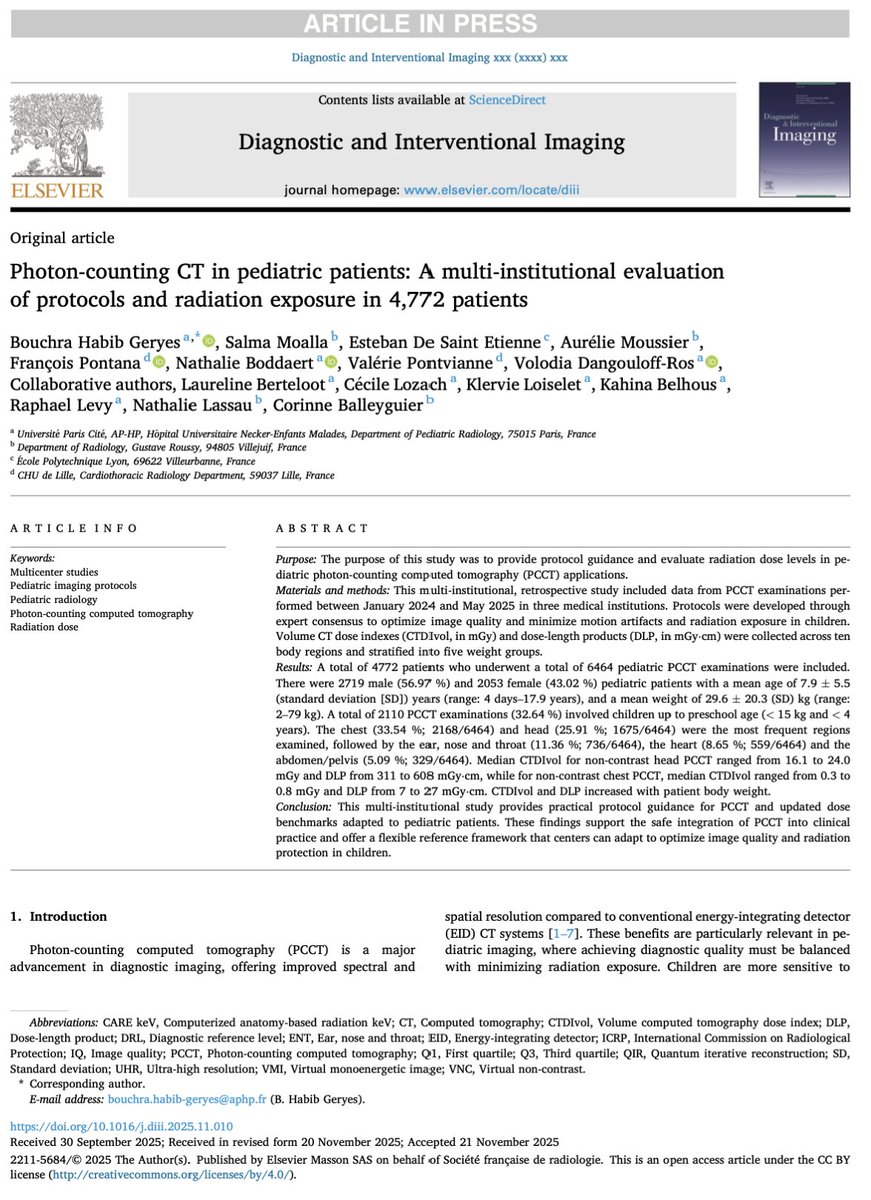
🚀 Photon-Counting CT in Kids: The Largest Real-World Study to Date!
(4,772 patients • 3 hospitals • 6,464 scans)
Photon-counting CT (PCCT) is often described as the future of CT — but what happens when we bring this cutting-edge technology into pediatric imaging? This massive multi-institutional study delivers the most comprehensive answer to date — and the results are very encouraging. 🤩
🔍 What Was Done
Three leading French centers analyzed every pediatric PCCT exam performed over 17 months. They didn’t just look at dose — they created protocol guidance, compared 10 anatomical regions, stratified kids into 5 weight groups, and mapped how PCCT behaves across real-world pediatric practice.
🌟 Key Findings
✅ Ultra-low doses in chest CT
CTDIvol as low as 0.3–0.8 mGy, DLP 7–27 mGy·cm — dramatically lower than EID systems.
Flash mode tin filtration shine for free-breathing kids.
✅ High-resolution where it matters
Temporal bone UHR scans deliver 125-µm detail — with optimized dose for tiny structures.
Perfect for otology, trauma, and ossicular chain evaluation.
✅ Consistently lower or comparable dose vs. conventional CT
Across nearly all body regions, PCCT dose metrics stay at or below EID benchmarks — a milestone for pediatric radiation protection.
✅ Spectral imaging without slowing acquisition
Full spectral maps available even in fast-pitch modes
Reduces need for multiphase scans and contrast volume
🧭 Why It Matters
This study provides the clearest real-world blueprint for safe, efficient pediatric PCCT adoption. It establishes new dose benchmarks, highlights protocol strategies, and shows that PCCT can improve image quality AND lower radiation — a rare win-win in pediatric imaging. 🎯
🧩 Bottom Line
PCCT isn’t “promising” anymore — it’s ready. And for children, it may be the most important CT innovation of the decade. 💙📸
#CardiacCT #CoronaryCT #Prevention #Atherosclerosis #CalciumScore #CCTA #CVImaging #MI #JACC #SilentCAD
#PCCT #CardiacImaging #CoronaryCT #StentImaging #CalciumScore #PhotonCountingCT #PrecisionImaging #CardiovascularImaging #RadiologyInnovation #yesCCT
2
7
762
30 Nov 2025
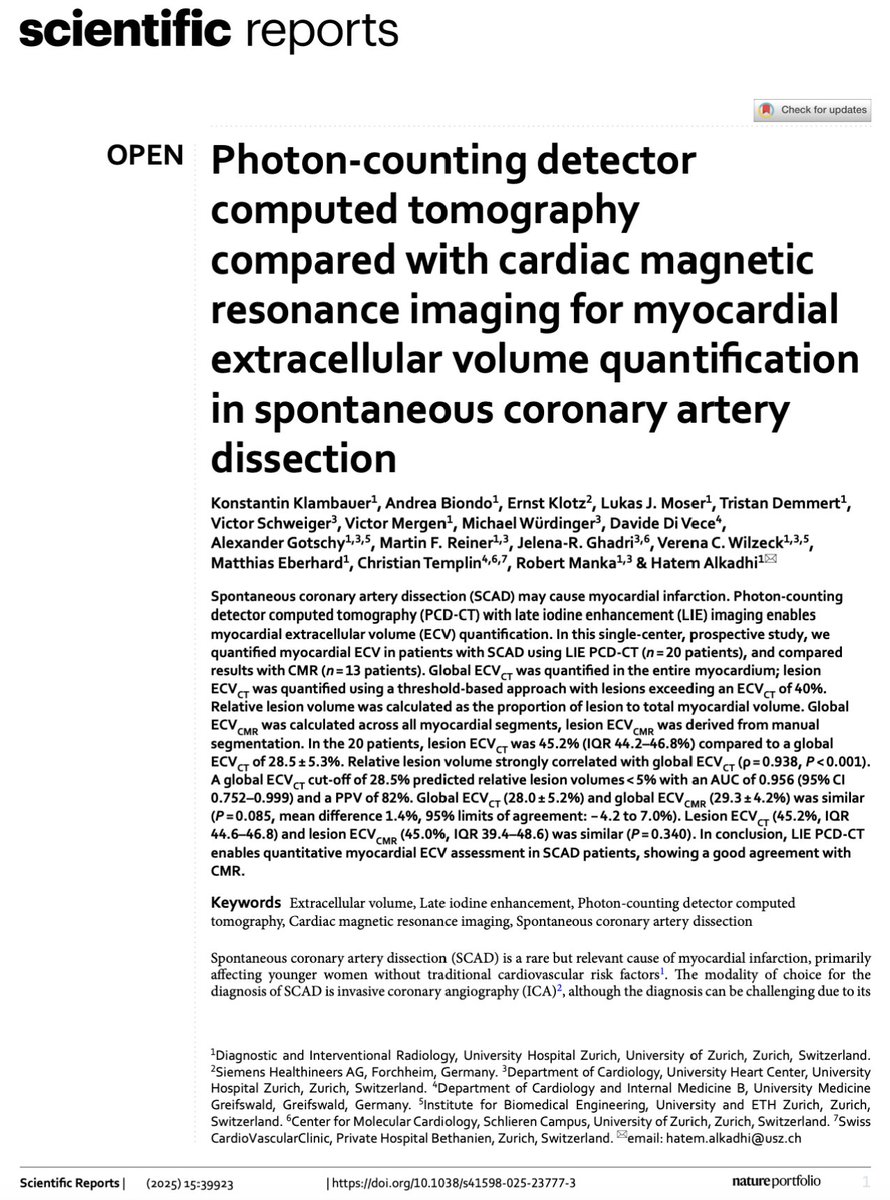
🚀❤️ Can Photon-Counting CT Replace CMR for Myocardial Injury in SCAD?
This New Study Says… most likely yes.
Spontaneous coronary artery dissection (SCAD) is a challenging, underdiagnosed cause of myocardial infarction—usually in younger women—and timely imaging is essential. But CMR, the gold standard for tissue characterization, isn’t always available, feasible, or tolerated.
This prospective study delivers an exciting message: late iodine enhancement photon-counting CT (LIE PCD-CT) can quantify myocardial extracellular volume (ECV) with excellent agreement to CMR in SCAD patients.
🔍 1. PCD-CT captures myocardial injury accurately
Across 20 patients (27 CT scans), global ECVCT averaged 28.5%, while lesion ECVCT was markedly higher at ~45%—a clear separation of normal vs injured myocardium.
Importantly, global ECVCT strongly reflected lesion burden (ρ = 0.938), meaning one simple global value carries real pathophysiologic information (Fig. 4B).
A global ECVCT cutoff of 28.5% predicted very small infarcts (<5% lesion volume) with AUC 0.956, and <10% lesion volume with AUC 1.00. That’s outstanding diagnostic performance.
🧲 2. CT and CMR agree—really well
In the 13 patients with both modalities:
Global ECVCT vs ECVCMR: mean difference 1.4%, no significant bias
Lesion ECV: CT and ROI-based CMR values were almost identical
The Bland–Altman plot on page 8 shows the tight agreement visually—very small limits of confidence.
⚡ 3. Why this matters clinically
PCD-CT offers:
✔️ Fast acquisition
✔️ Lower noise and better iodine CNR
✔️ No need for subtraction scans
✔️ Compatibility with acute workflows
So when CMR is not available—or when rapid answers matter—PCD-CT may provide a reliable, quantitative alternative to assess myocardial injury in SCAD.
🌟 BOTTOM LINE
This is early but compelling evidence: PCD-CT can quantify ECV and detect myocardial injury in SCAD with CMR-like accuracy.
More data are needed, but this technology is pushing CT closer to true myocardial tissue characterization.
A small study—yes.
A big step forward—absolutely. 🚀❤️
#CardiacCT #CoronaryCT #Prevention #Atherosclerosis #CalciumScore #CCTA #CVImaging #MI #JACC #SilentCAD
#PCCT #CardiacImaging #CoronaryCT #StentImaging #CalciumScore #PhotonCountingCT #PrecisionImaging #CardiovascularImaging #RadiologyInnovation #yesCCT
2
3
9
837
30 Nov 2025
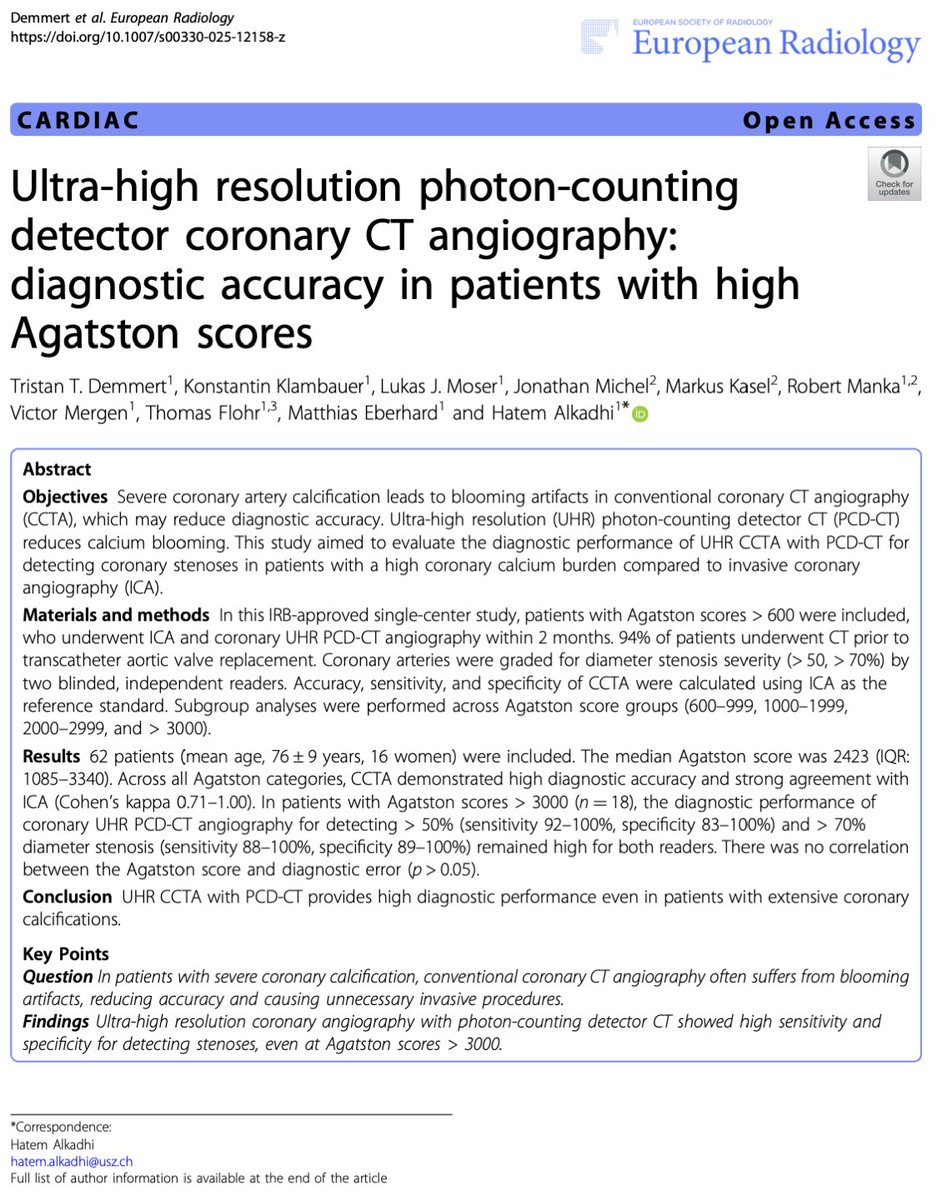
🚀💙 PHOTON COUNTING CT Breaks the Calcium Barrier in Coronary CTA
This impressive study delivers one of the clearest messages yet: ultra-high-resolution photon-counting CT (PCD-CT)can accurately diagnose coronary stenoses even in patients with extreme coronary calcifications — a group where conventional CT traditionally struggles.
And this is exactly our own clinical experience. In fact, there is absolutely no limitation in access to Coronary CT Angiography in our Photon Counting CT Labs in Milan (CDI Centro Diagnostico Italiano) and Naples (IRCCS SDN, Istituto di Ricerca) depending on coronary calcifications.
🔍 Why this matters
Patients with very high Agatston scores (> 600… and even > 3000) usually present a nightmare scenario for CCTA: blooming artifacts that blur the lumen, inflate stenosis severity, and trigger unnecessary invasive angiograms.
But this study shows that UHR PCD-CT completely changes the game.
🌟 The key results
In 62 high-risk patients (median Agatston score 2423), UHR PCD-CCTA demonstrated:
Sensitivity 92–100%
Specificity 83–100%
Accuracy consistently > 90%
— even in those with Agatston > 3000 (Table 2, p. 6).
Crucially, there was no decline in diagnostic performance across increasing calcium categories. Trend tests showed no erosion of accuracy, sensitivity, or specificity (p > 0.05).
In other words: more calcium did NOT mean worse CT performance.
🧠 Why PCD-CT performs so well
Photon-counting detectors offer:
Ultra-high spatial resolution (0.11–0.16 mm)
Direct photon conversion → less electronic noise
Smaller pixels → less partial volume and blooming
The vessel lumen stays visible even in massively calcified plaques (demonstrated vividly in Figs. 2–3).
❤️ Clinical implications
For heavily calcified patients — especially those undergoing TAVR work-up — PCD-CT may finally provide:
✔️ Reliable noninvasive stenosis assessment
✔️ Fewer unnecessary invasive angiographies
✔️ Safer, streamlined pre-procedural evaluation
This is realistic, data-driven progress toward a long-awaited goal: accurate coronary CT in all patients, not just the easy ones.
#CardiacCT #CoronaryCT #Prevention #Atherosclerosis #CalciumScore #CCTA #CVImaging #PCCT #CardiacImaging #CoronaryCT #StentImaging #CalciumScore #PhotonCountingCT #PrecisionImaging #CardiovascularImaging #RadiologyInnovation #yesCCT #coronarycalcifications
1
8
27
1,990