
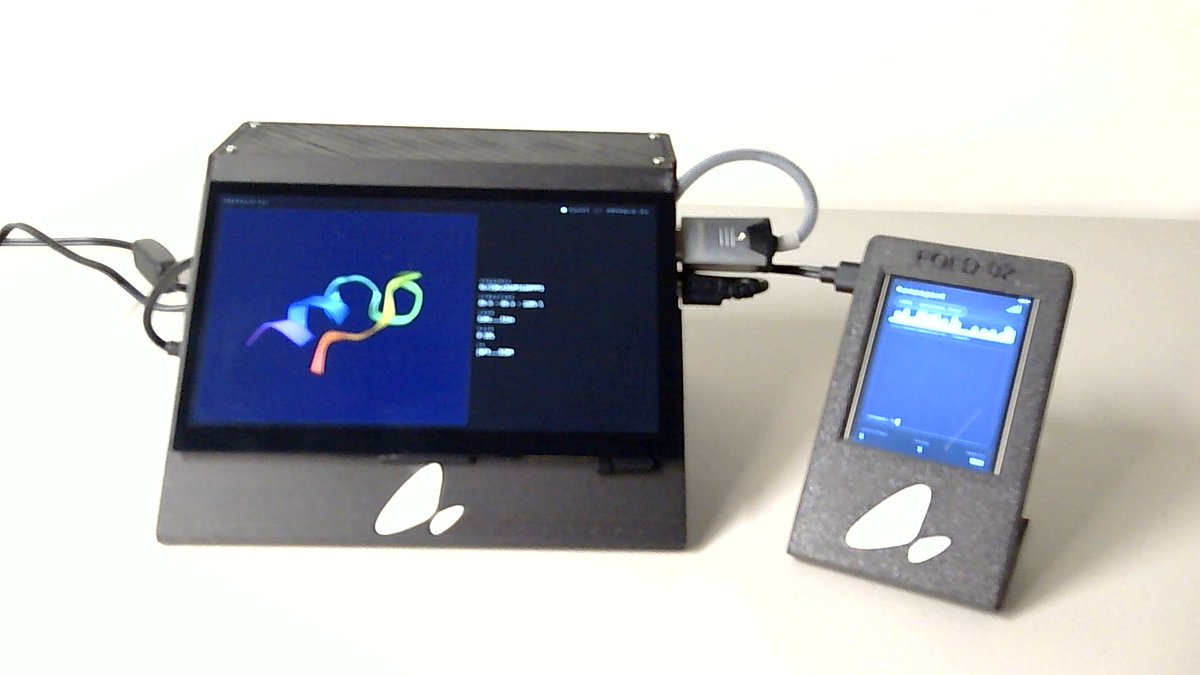
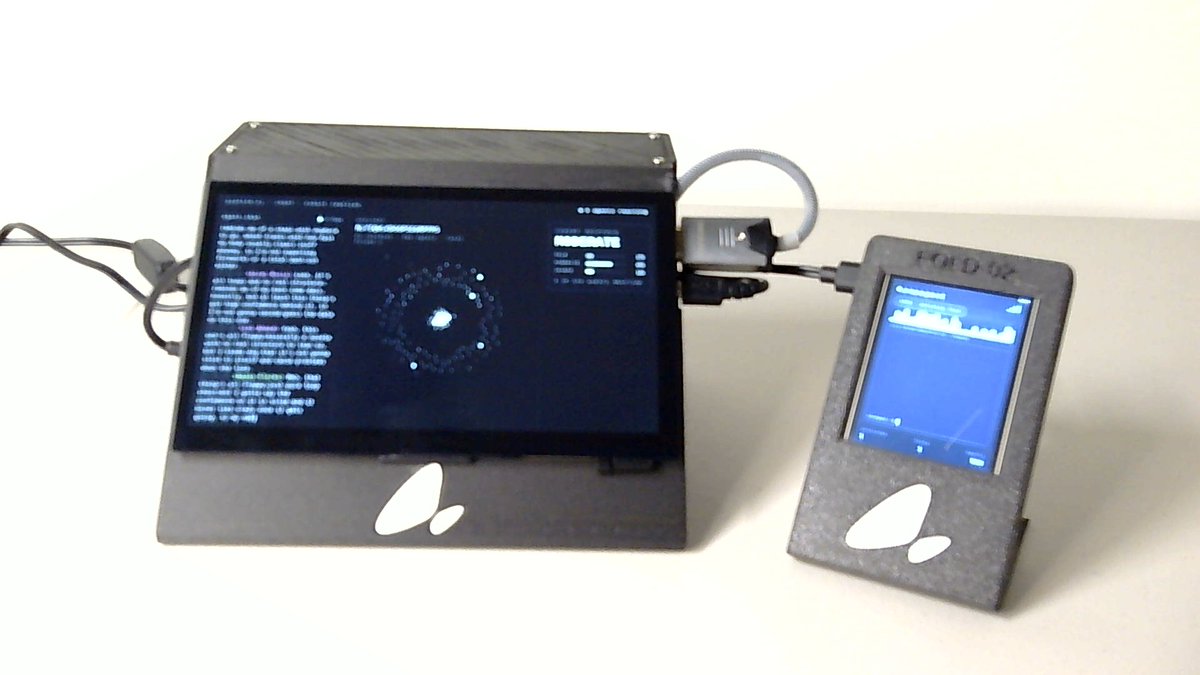
SPECIMEN #0007 // PEPFOLD-01
all loop, no structure to speak of. that NLYIQWLKDGGPSSGRPPPS opens with the HIV-1 tat-ish motif and then collapses into a proline-rich tail that refuses to fold. floppy by design.
SEQ: NLYIQWLKDGGPSSGRPPPS
FROM: 52Mc...32dn
PAID: 0 SOL
TX: solscan.io/tx/jBFXwCdog2Tn2c…
4
Disclaimer🔰 retweeted

Class is permanent
Director @MujibKasule Showing how its Done at the Proline Elders Jackpot Match




1
7
65
1,744


I take 10g of Vitamin C (sodium ascorbate) a day with L-Lycine and L-Proline (Pauling Protocol)
8

Italian tune up son 2 horas igual para que quede bien siempre al mismo régimen. Podes aprovechar y ponerle un limpia inyectores proline de liqui moly tambien
1
3
387
Fac retweeted

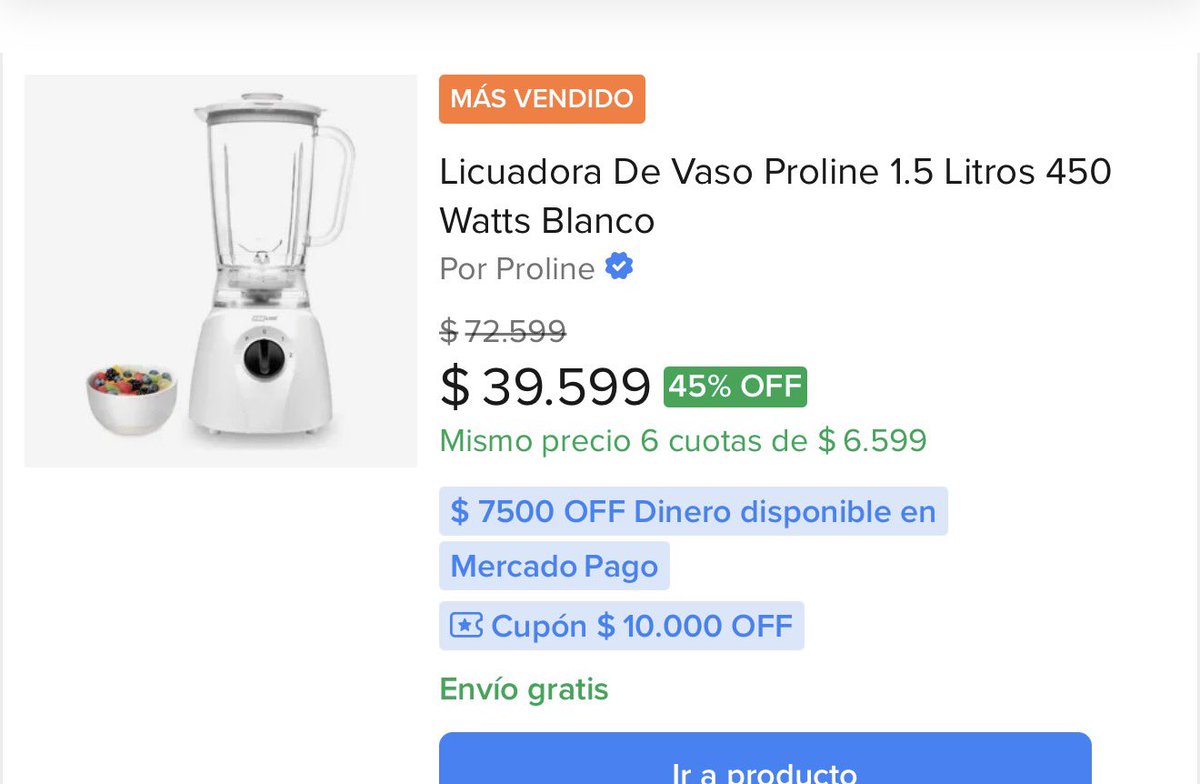
🥤🔥 ¡LICUADORA A PRECIO DE REMATE!
🚨 Licuadora Proline 1,5 Litros – 450W 🚨
💲 $39.599
💳 6 cuotas
🎟️ Cupón extra de $10.000 OFF
🚚 Envío gratis
✅ Jarra de 1,5 litros
✅ Potencia de 450W
✅ Ideal para licuados, smoothies y preparaciones diarias
✅ Diseño compacto y fácil de limpiar
✅ Excelente relación precio-calidad
#Licuadora #Electrodomésticos #Oferta #Descuento #MercadoLibre #MissOfertas 🥤🔥🏷️
Link 🔗
meli.la/1dWBvAj
1
8
8,810

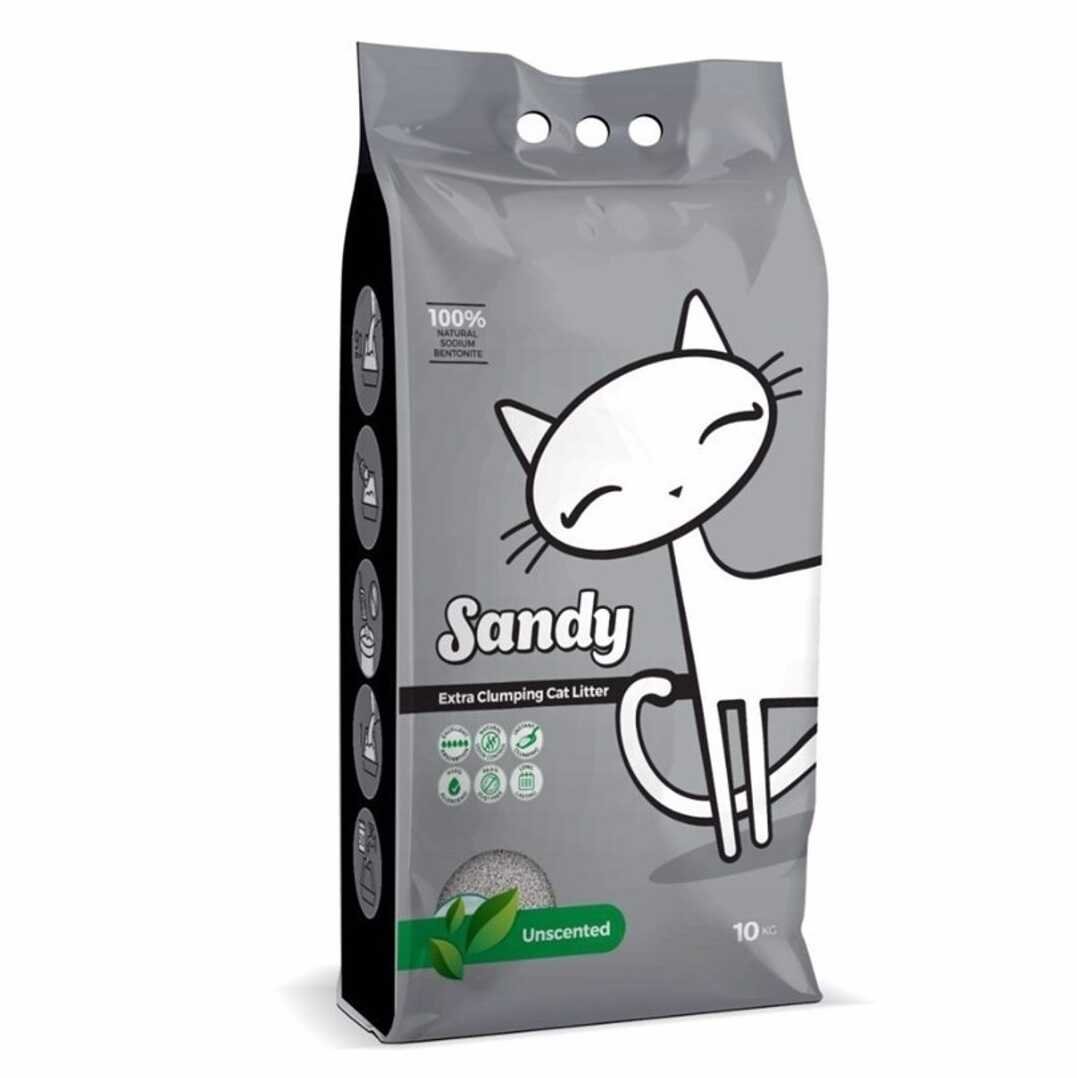

Actually, its low tryptophan, possibly because of her high glycine and proline intake, thats driving her OCD. Ironically
1
82


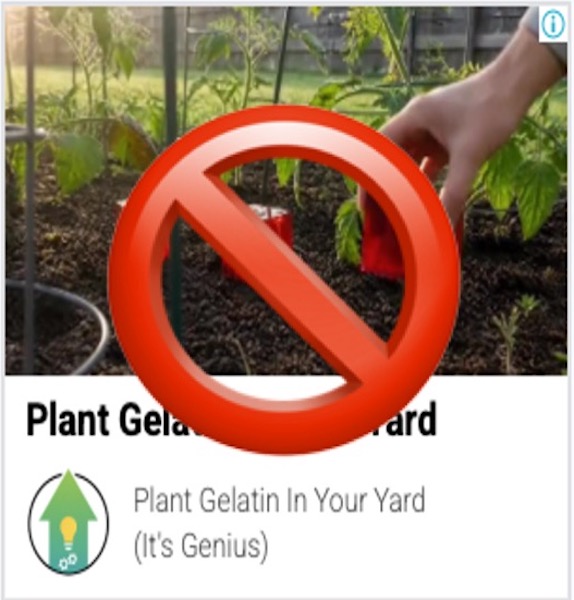
Please Don't.
The ad shown below—actually placed by GoogleAds on our website until we took it down within hours—recommends an unsafe and likely harmful use for gelatin in a home vegetable garden.🌿
Gelatin is a food ingredient commonly derived from collagen taken from animal body parts, consisting of amino acids, including glycine, proline, and hydroxyproline.🌿
GrownByYou has blocked misleading ads before, including machine (A.I.) written and image ads. Our site is A.I.-free. We never use A.I. to develop content, photos, or videos.🌿
Exploitive advertisers mislead the unwary with a long list of unsuitable and potentially dangerous additives for gardens.🌿
This message is posted as both a warning and as a public service to protect our users and community.🌿
🔗grownbyyou.com
#safetywarning #healthyfood #AI #foodsafety #organicgardening
1
38
Dr Karan Juneja 🇮🇳 retweeted

Jun 13
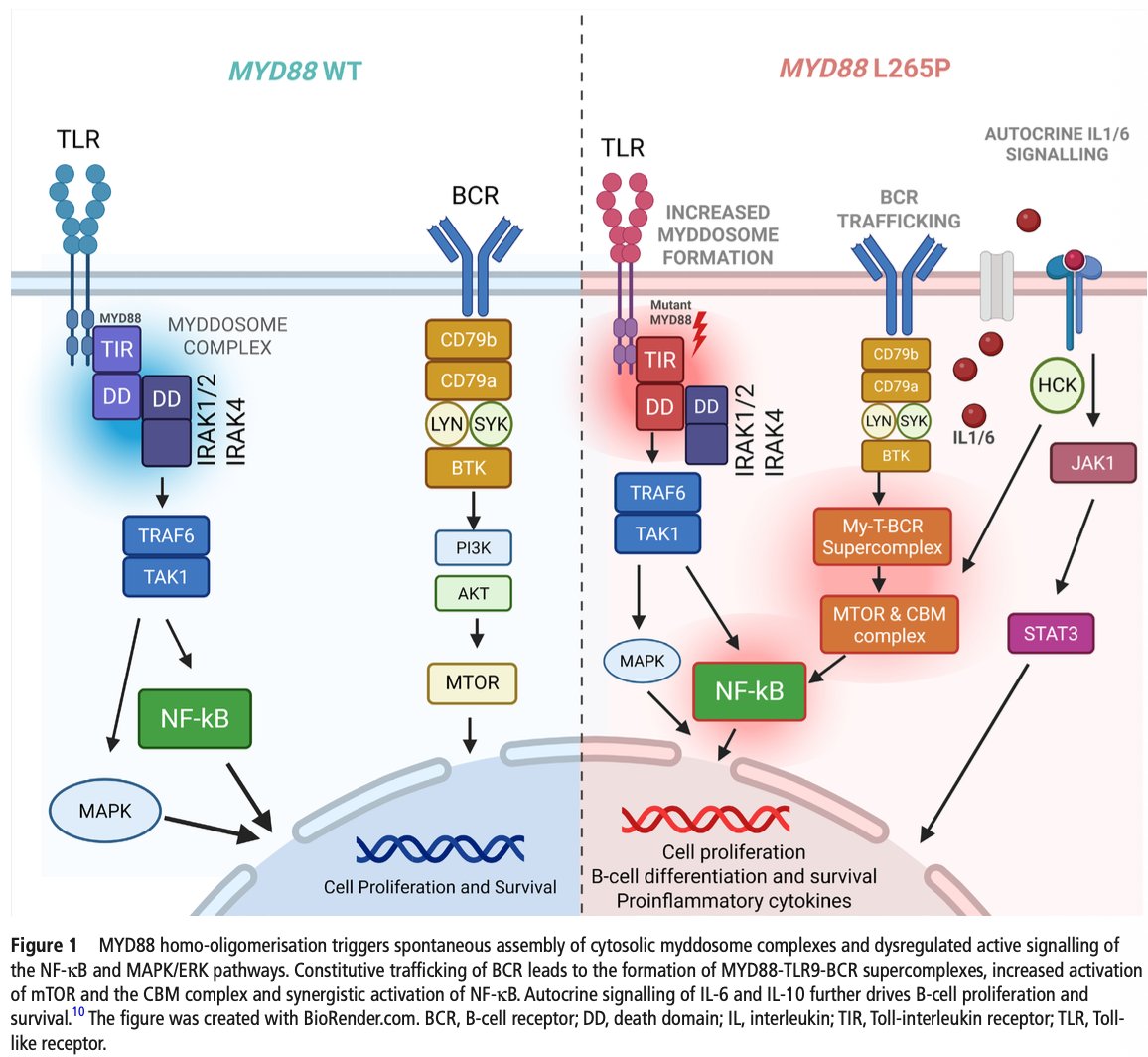
From adaptor protein to oncogenic driver.
A leucine-to-proline substitution at codon 265 (L265P) transforms MYD88 from a tightly regulated signalling adaptor into a constitutively active driver of lymphoma.
The result?
- Persistent NF-κB activation
- Enhanced B-cell survival
- Uncontrolled proliferation
How does a single molecular alteration reshape an entire signalling network?
Read the full Gene of the Month article to see how MYD88 became one of the most important biomarkers in lymphoid malignancies: bit.ly/4o94W5b
1
6
7
439

I’m referring to their match grade trigger but the proline is a killer trigger for the price.
1
28

Jun 14
@grok
Why Removing the Site Reduces Inflammation
Restricts Viral Entry: Without the furin cleavage site, the Spike protein cannot be pre-activated during viral packaging. This slows down the virus's ability to replicate and spread efficiently through deep lung tissue.
Lowers Immune Overreaction: The virus normally uses the furin site to fuse infected cells together (forming large structures called syncytia). These fused cells, along with the shedding of the Spike S1 subunit, act as a strong trigger for immune cells (like macrophages) to overproduce cytokines. Removing the site significantly curtails this trigger.
Limits Pathogenesis: In animal models, viruses with a deleted furin site (like the Δ PRRA mutant) cause drastically less severe disease and tissue damage compared to the wild-type virus.
Real-World ApplicationsVaccine Safety: This biological mechanism is actively utilized in vaccine design. mRNA vaccines by platforms like Pfizer-BioNTech and Moderna use modified Spike proteins where the furin cleavage site is intentionally mutated or stabilized with proline substitutions. This structural modification prevents the Spike from interacting inappropriately with cell surfaces and reduces adverse inflammatory effects while safely triggering an immune response.
Antiviral Therapeutics: Because the furin site is crucial for virulence and syncytia formation, pharmaceutical companies have explored Furin Inhibitors (such as EIDD-1931/Molnupiravir or specific protease inhibitors) to block this cleavage in patients. By preventing the Spike from being processed, these drugs can blunt the severity of COVID-19 and its associated hyperinflammatory storms.
This virus was lab engineered to create cytokine storm. Without it, it's just the flu that can be treated with antibodies.
2
31