
VIA CON LA PRIMA MOTOGP 26 Chang lunga vita Bro ma anche alla MIa !! #motog26 #CrisICS #apriliatrackhouse #Changcircuit #ThaiGP #modecarrer #promode #nohelp #ps5pro #4k #gameplay #ps5 #xboxseriesx #pcgames #youtubegaming youtu.be/QfkEewHDE58?si=fXzS… via @YouTubeGaming
24

Jun 13
Well the difference is Promode uses single frame shots, ExpertRAW uses multiframe. I use ExpertRAW because it uses DCG and has less noise.
1
1
15

#광고
⚡ 빠르게 도전하고 싶다면 → HourTrader
📈 꾸준하게 성장하고 싶다면 → Standard
👑 최고의 목표를 원한다면 → Pro Mode
트레이딩 스타일은 다 다르잖아.
PropW는 내 스타일에 맞는 챌린지를 고를 수 있는 구조임 👀
🔗홈페이지 참고🌐: propw.com/ko_KR?utm_source=t…
🔗가입시 초대링크🤝: propw.com/ko_KR/referral-cod…
#PropW #HourTrader #StandardMode #ProMode #트레이딩챌린지

27

@cpimspeak party founders like Jyoti Basu, Promode Dasgupta, EMS Namboodiripad, B.T. Ranadive were arrested for supporting Chinese invasion in 1962.
1
7
#광고
🎯 내 트레이딩 스타일에 맞는 챌린지 모드 선택 가능.
HourTrader · Standard · Pro —
나만의 방식으로 도전하고
최대 $200,000 자본 지원받을 수 있는 구조임 👀
트레이딩 스타일이 다양한 만큼 챌린지도 다양하게 준비돼 있음.
🔗홈페이지 참고🌐: propw.com/ko_KR?utm_source=t…
🔗가입시 초대링크🤝: propw.com/ko_KR/referral-cod…
#PropW #트레이딩챌린지 #HourTrader #StandardMode #ProMode #무료자본 #암호화폐

40
#광고
🏆 트레이딩 능력을 증명하고 보상까지 받을 수 있음.
HourTrader · Standard · Pro —
내 스타일에 맞는 챌린지 골라서
최대 $200,000 자본으로 도전해봐 👀
실력으로 수익 만드는 구조 🚀
🔗홈페이지 참고🌐: propw.com/ko_KR?utm_source=t…
🔗가입시 초대링크🤝: propw.com/ko_KR/referral-cod…
#PropW #트레이딩챌린지 #HourTrader #StandardMode #ProMode #무료자본 #암호화폐

2
32
#광고
🏆 내 트레이딩 능력을 증명하고 보상까지 받을 수 있음.
HourTrader · Standard · Pro —
트레이딩 스타일에 맞는 챌린지 골라서
최대 $200,000 자본으로 도전 가능한 구조임 👀
내 돈 없이 시작해서 실력으로 수익 만들어봐 🚀
🔗홈페이지 참고🌐: propw.com/ko_KR?utm_source=t…
🔗가입시 초대링크🤝: propw.com/ko_KR/referral-cod…
#PropW #트레이딩챌린지 #HourTrader #StandardMode #ProMode #무료자본 #암호화폐 #투자기회

48

Thank you☺️🙏
All photos were taken in Pro Mode📷️
Promode(JPG) TealFilter(70/100)
I added ChromeFilter to the gallery after taking the photos.
1
2
118






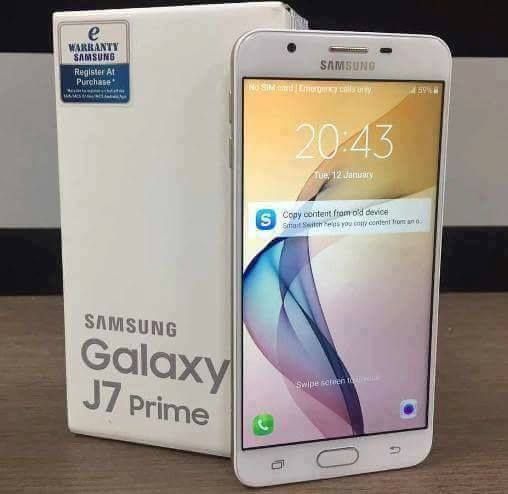
This photo belongs to that phone actually (photo taken in 2021 or 22' if I remember it right 🤔)
#ShotOnSamsung #ProMode #SamsungJ7


1
2
53

May 5
He was directly involved on other Quake codes either.
With Quake and QW, he kind of changed the game scene and playability.
As a team, Q3 was even better but introducing snapshot reading bug kinda feature. Arqon's net code actually refined and pushed it further on Promode.
2
60

Apr 28
Slogan: “Inquilab Zindabad” was first coined by Batukeshwar Dutt after the bombing of the Central Legislative Assembly in Delhi.
CPI(M) Founders (Bengalis): Jyoti Basu, Hare Krishna Konar, Promode Dasgupta.

4
10
57
2,997

Apr 27
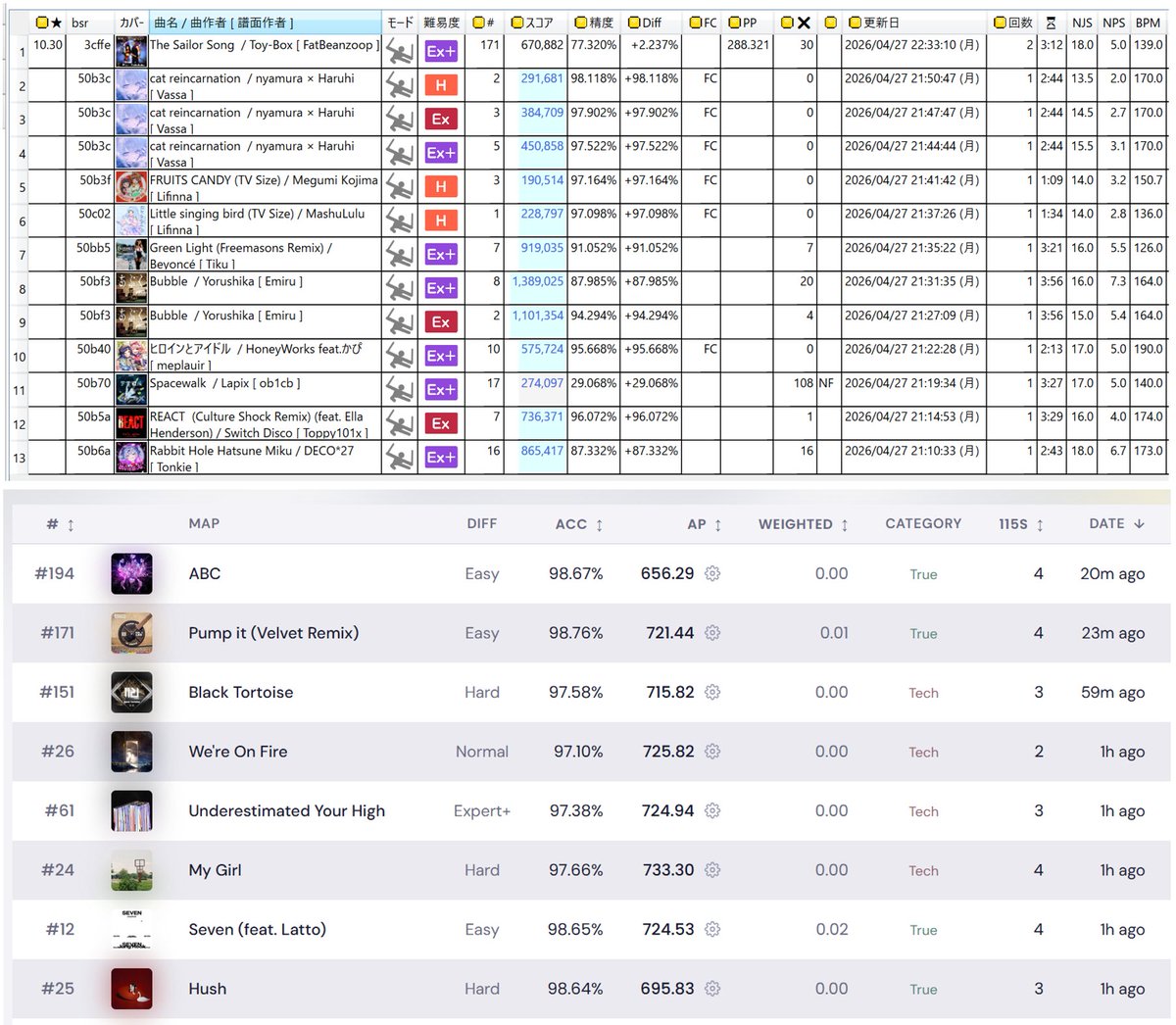
今日の軽ビ!
体調がイマイチで眠すぎなので軽めにしました。
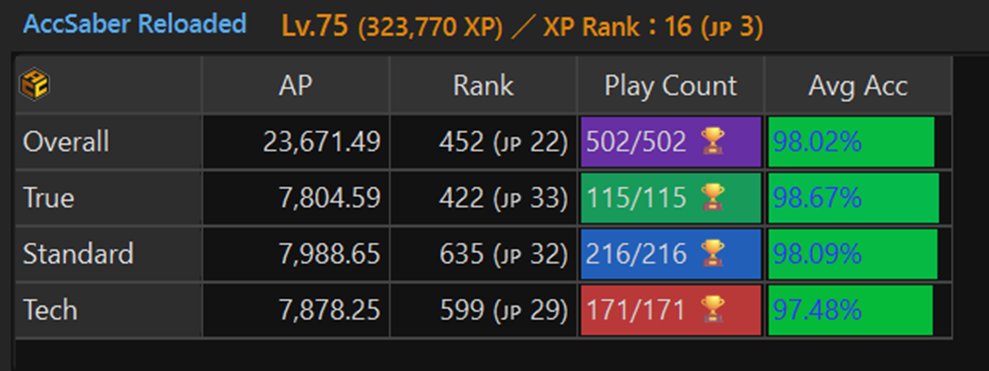
Acc SaberReloadedは、新譜を埋めてModifire(ProMode)でのクリア25譜面も達成でLV75に上がった😅
GW前に体調崩したくないし早く寝よう!
19
169


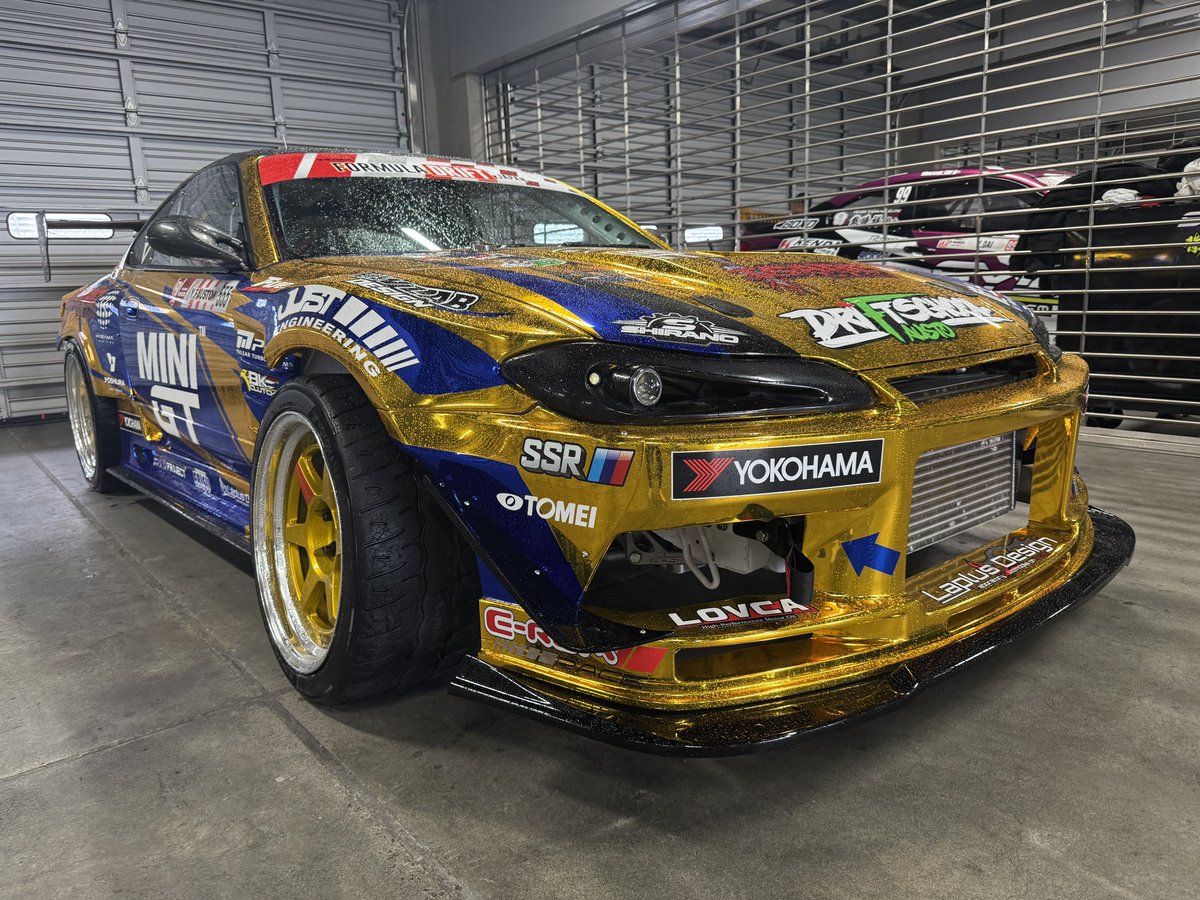
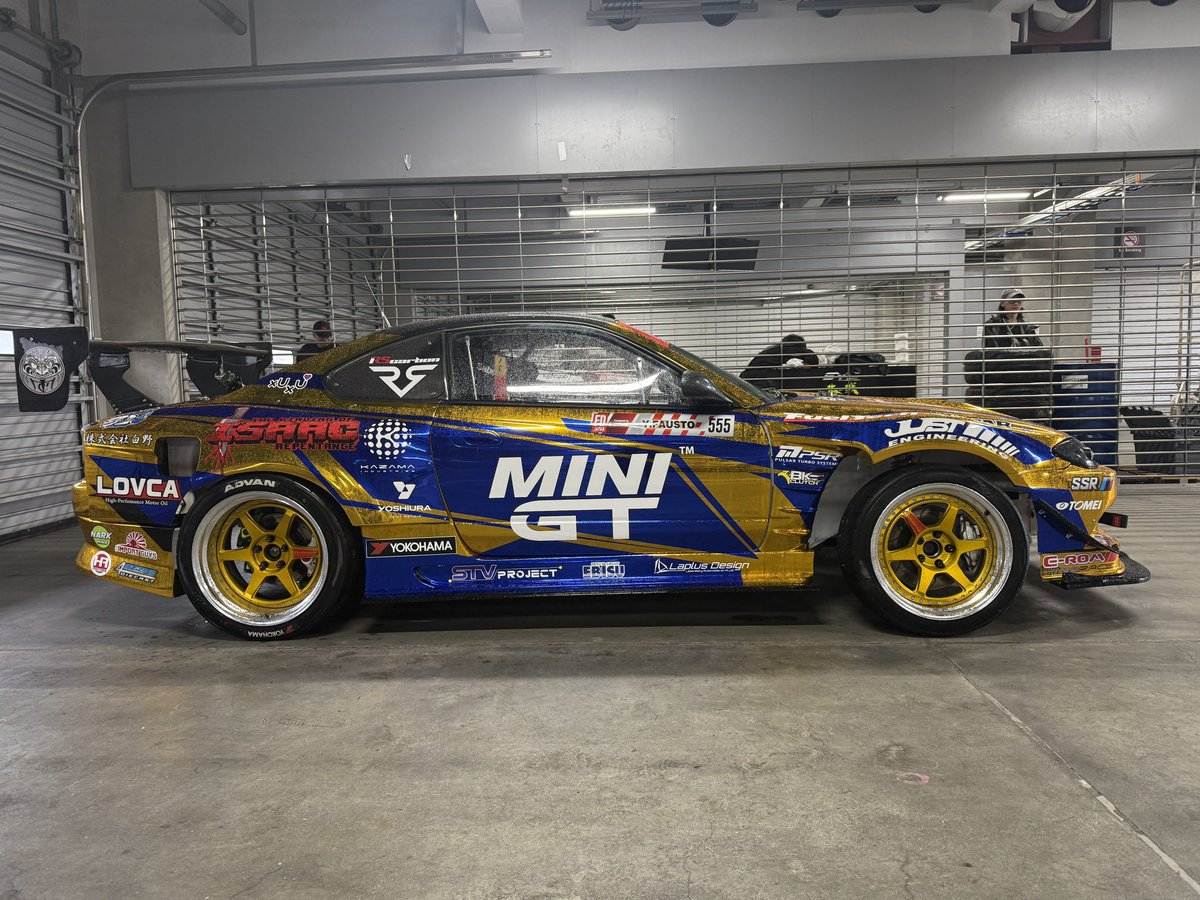
Starting this season, Brazilian drifter Fausto will be competing in FDJ wearing Promode SS Aero!
#yukiofaust
#yukoitarumi
14
257
11,635


Apr 9
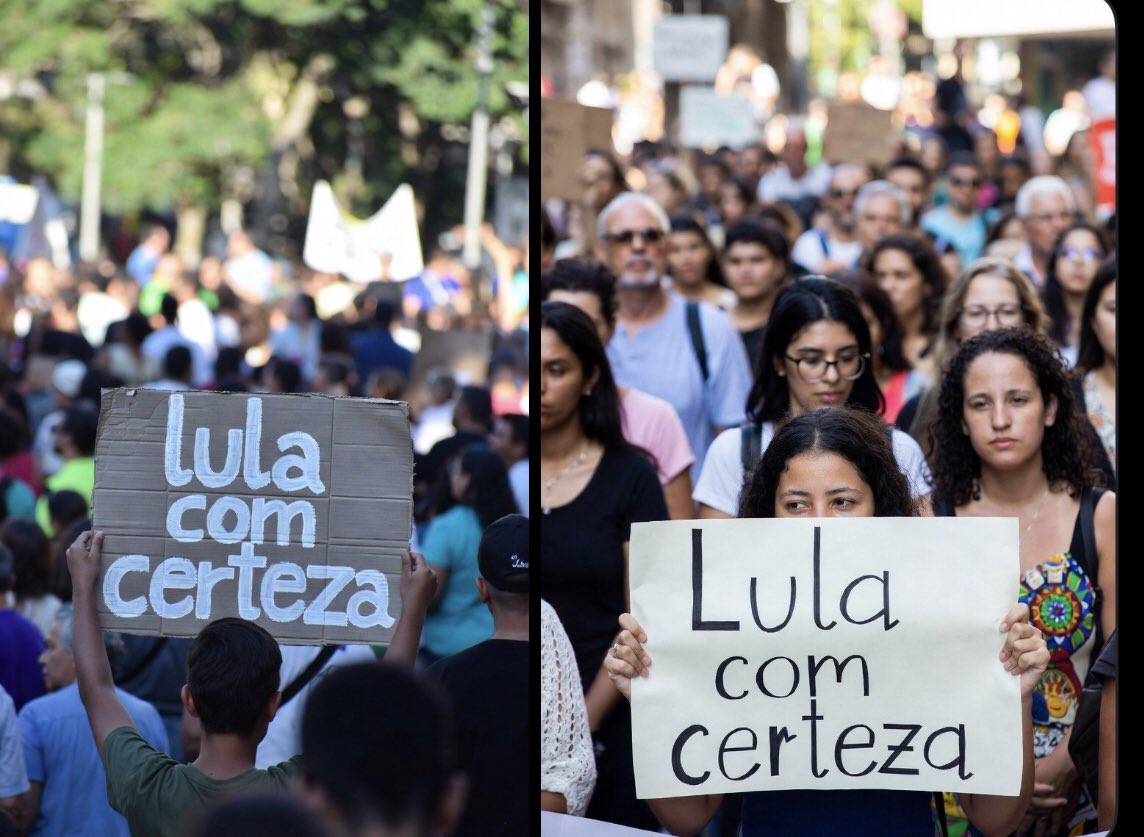
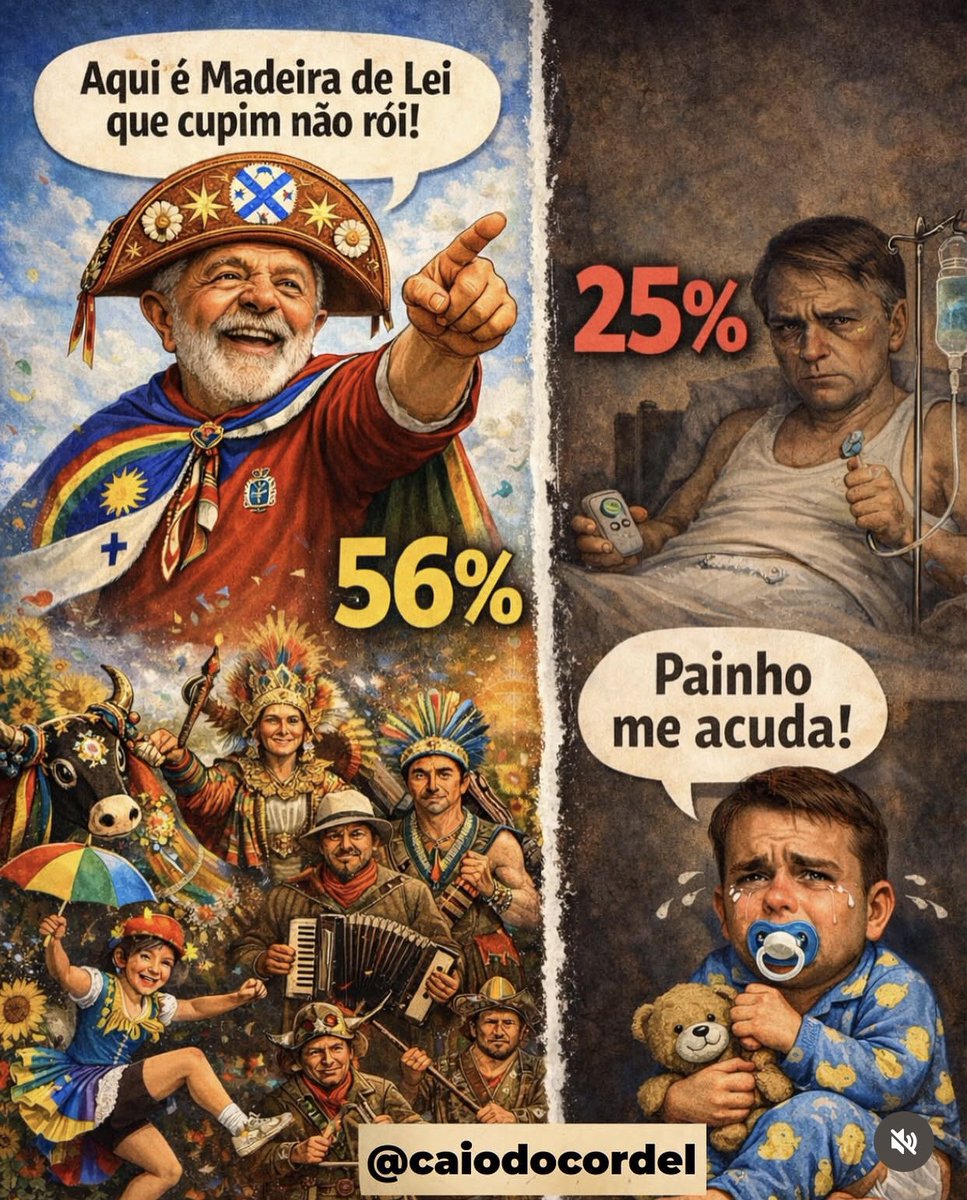
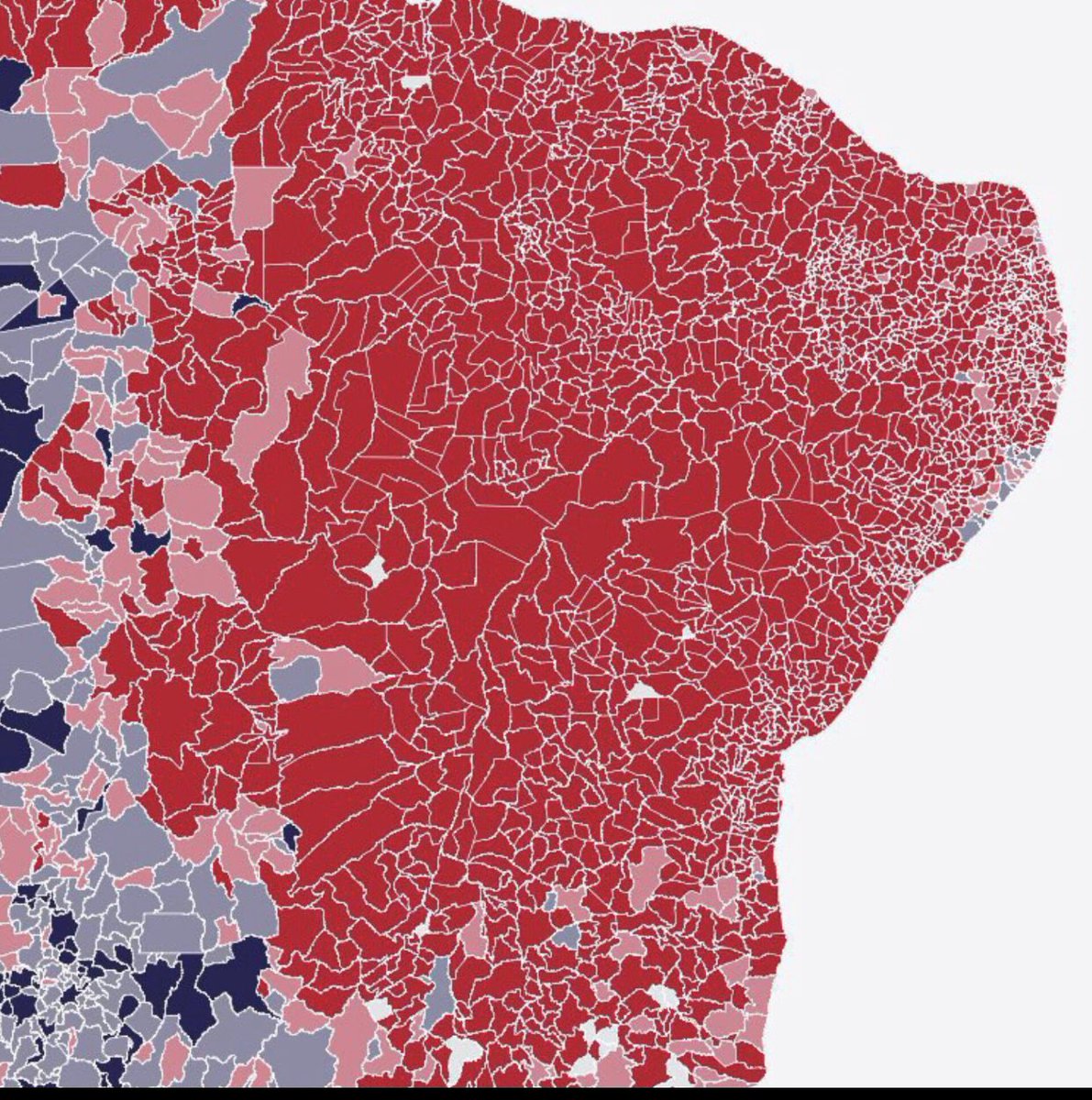
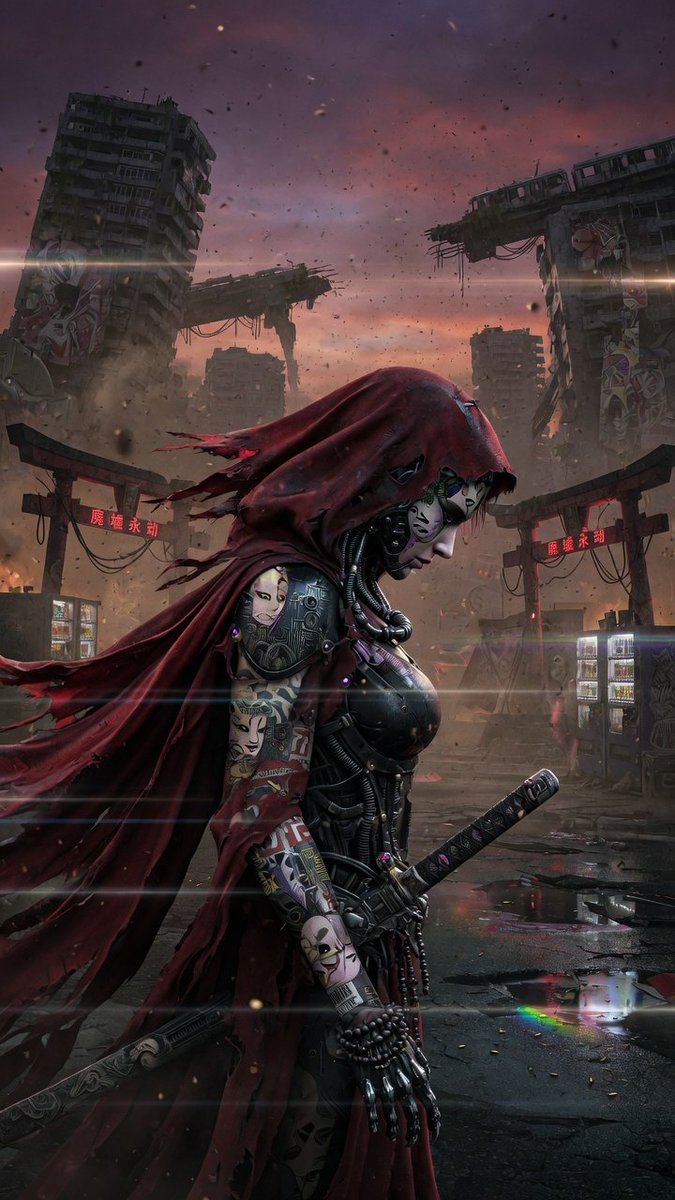
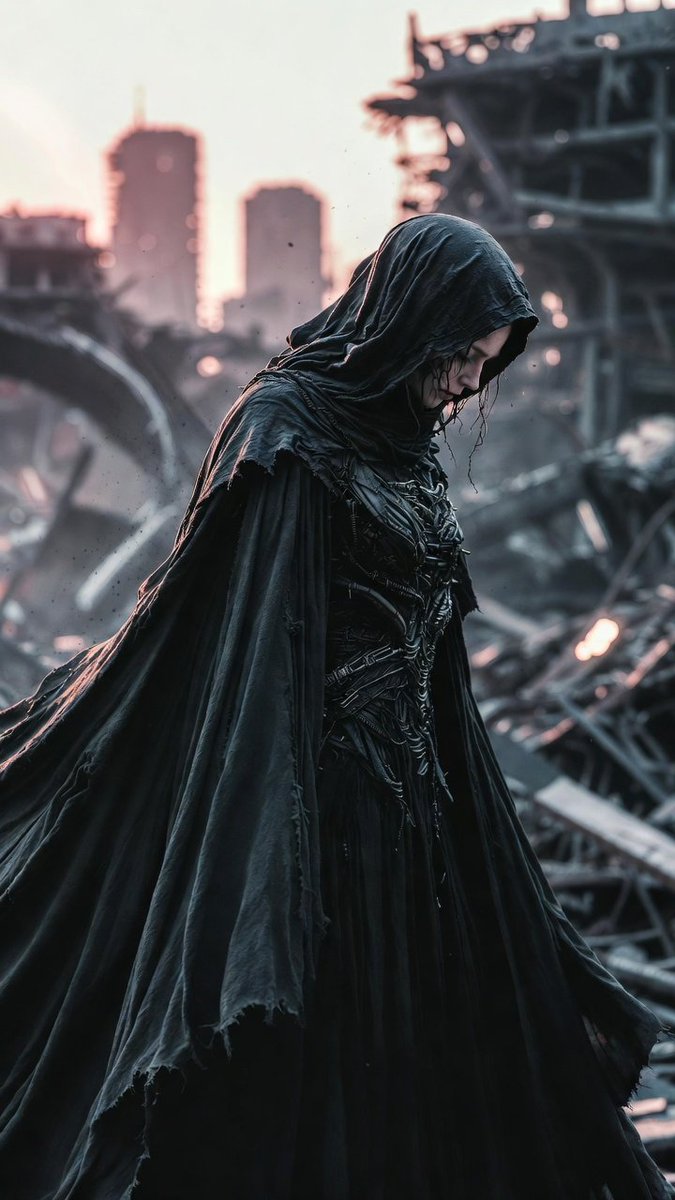
Anyone who has used Promode a few times will know what I mean, it feels so artificial that you just don’t want to use it.
Even while scrolling up, you can instantly tell 'Oh, this is Promode'
Especially if you’ve been using your own custom prompts all this time, it feels even more obvious 🤔
Results from the same prompt :
2
5
88

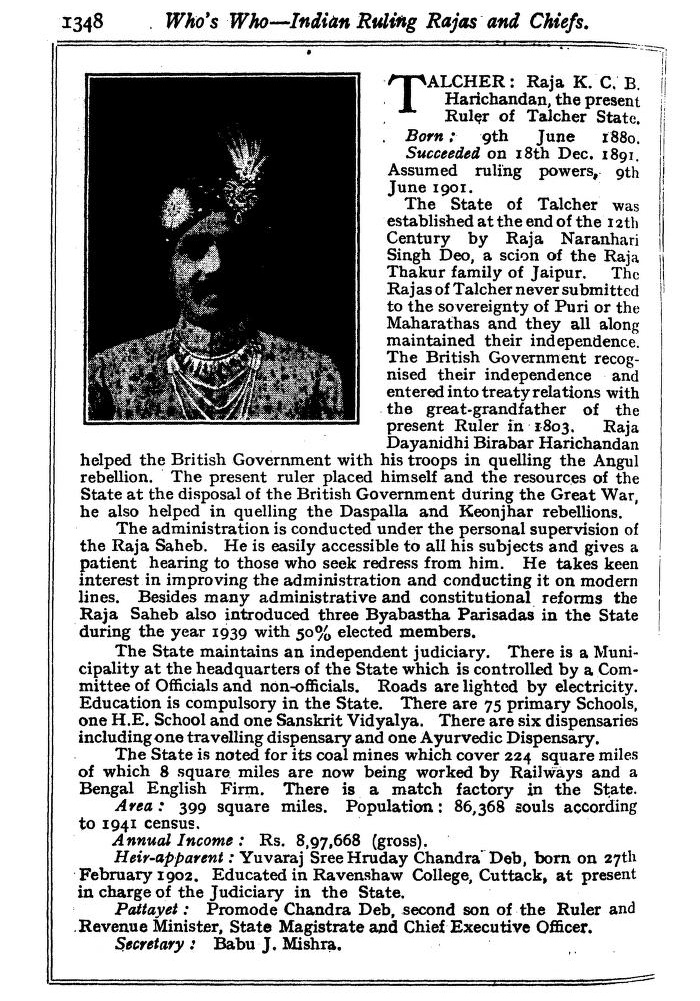
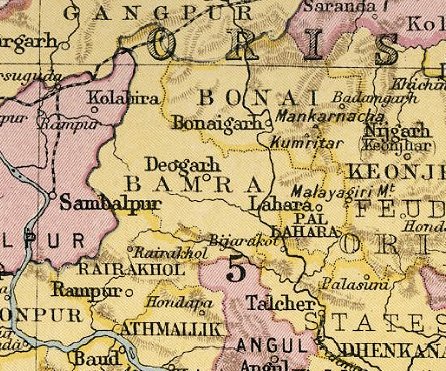
𝐓𝐚𝐥𝐜𝐡𝐞𝐫 𝐒𝐭𝐚𝐭𝐞: 𝐀 𝐋𝐞𝐠𝐚𝐜𝐲 𝐨𝐟 𝐈𝐧𝐝𝐞𝐩𝐞𝐧𝐝𝐞𝐧𝐜𝐞 & 𝐑𝐨𝐲𝐚𝐥 𝐂𝐨𝐧𝐭𝐢𝐧𝐮𝐢𝐭𝐲
Talcher State, located in present-day Odisha, traces its origin to the late 12th century. It was founded by Raja Naranhari Singh Deo, a scion of the Raja Thakur family of Jaipur—establishing a strong Rajput lineage in eastern India.
𝐎𝐧𝐞 𝐨𝐟 𝐭𝐡𝐞 𝐦𝐨𝐬𝐭 𝐫𝐞𝐦𝐚𝐫𝐤𝐚𝐛𝐥𝐞 𝐚𝐬𝐩𝐞𝐜𝐭𝐬 𝐨𝐟 𝐓𝐚𝐥𝐜𝐡𝐞𝐫’𝐬 𝐡𝐢𝐬𝐭𝐨𝐫𝐲 𝐢𝐬 𝐢𝐭𝐬 𝐜𝐨𝐧𝐬𝐢𝐬𝐭𝐞𝐧𝐭 𝐢𝐧𝐝𝐞𝐩𝐞𝐧𝐝𝐞𝐧𝐜𝐞. 𝐓𝐡𝐞 𝐫𝐮𝐥𝐞𝐫𝐬 𝐨𝐟 𝐓𝐚𝐥𝐜𝐡𝐞𝐫 𝐧𝐞𝐯𝐞𝐫 𝐬𝐮𝐛𝐦𝐢𝐭𝐭𝐞𝐝 𝐭𝐨 𝐭𝐡𝐞 𝐬𝐨𝐯𝐞𝐫𝐞𝐢𝐠𝐧𝐭𝐲 𝐨𝐟 𝐏𝐮𝐫𝐢 𝐧𝐨𝐫 𝐭𝐨 𝐭𝐡𝐞 𝐌𝐚𝐫𝐚𝐭𝐡𝐚𝐬, 𝐦𝐚𝐢𝐧𝐭𝐚𝐢𝐧𝐢𝐧𝐠 𝐭𝐡𝐞𝐢𝐫 𝐚𝐮𝐭𝐨𝐧𝐨𝐦𝐲 𝐭𝐡𝐫𝐨𝐮𝐠𝐡𝐨𝐮𝐭 𝐜𝐡𝐚𝐧𝐠𝐢𝐧𝐠 𝐩𝐨𝐥𝐢𝐭𝐢𝐜𝐚𝐥 𝐥𝐚𝐧𝐝𝐬𝐜𝐚𝐩𝐞𝐬.
This independence was formally acknowledged by the British Government, which entered into treaty relations with the state in 1803 during the rule of Raja Dayanidhi Birabar Harichandan, who also assisted the British in suppressing regional rebellions like the Angul uprising.
Raja K.C.B. Harichandan, born on 9 June 1880, succeeded to the throne in 1891 and assumed full ruling powers in 1901. During his reign, Talcher supported the British during the Great War and helped suppress the Daspalla and Keonjhar rebellions.
Administratively, Talcher was progressive for its time. The Raja personally supervised governance, ensured accessibility to subjects, and introduced reforms including Byabastha Parisads (1939) with 50% elected members—indicating early steps toward representative governance.
The state maintained an independent judiciary, had electrified roads, and made education compulsory. Infrastructure included 75 primary schools, a high school, a Sanskrit Vidyalaya, and multiple dispensaries including Ayurvedic facilities.
Economically, Talcher was rich in coal resources, covering 224 square miles, with active mining operations involving railways and British firms. It also had industrial activity like a match factory.
📊 Key Stats (1941 Census):
• Area: 399 sq. miles
• Population: 86,368
• Annual Income: ₹8,97,668
👑 Heir Apparent: Yuvraj Sree Hruday Chandra Deb (b. 1902)
🏛 Administration: Included key officials like Promode Chandra Deb and Babu J. Mishra

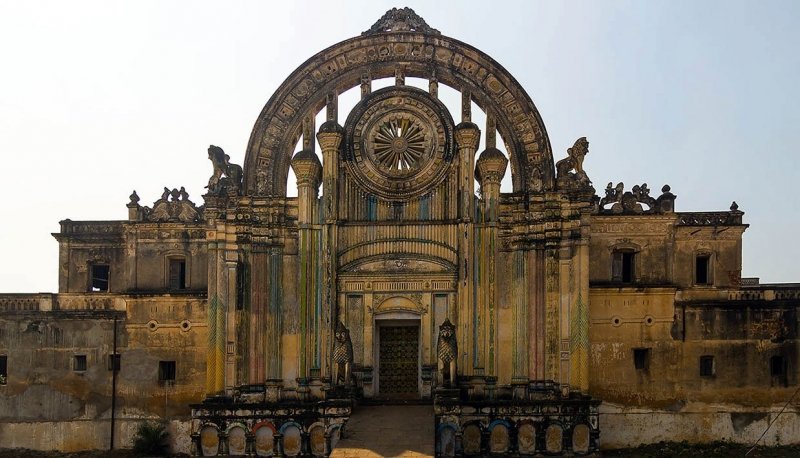
3
7
43
817

Apr 4
Pro mode in Grok Imagine just dropped — sharper details, richer colors, no more weird faces 🔥
Quality mode already feels like a game-changer.
1080p coming end of April? Can't wait 👀
What do you think? ✨
Made with Grok Imagine💪
#GrokImagine #ProMode #AIArt #QualityUpgrade #GrokUpdate

1
1
4
158