
Mar 2
#RecipharmAdvancedBio, the #ATMP division of #CDMO #Recipharm, will provide educational seminar series to scientific staff at #FDA focused on next-generation testing enabled by #ProcessAnalyticalTechnology, #digitalmanufacturing, and advanced #analytics. pharmamanufacturing.com/indu…
2
108

NMR is integral to (Bio)Process Analytical Technology (PAT), providing high sensitivity and resolution for monitoring, understanding, and optimizing chemical and bioproduction workflows.
Learn more: goto.bruker.com/4cswP4v
#NMR #Pharma #BioPharma #ProcessAnalyticalTechnology
2
202

25 Oct 2025
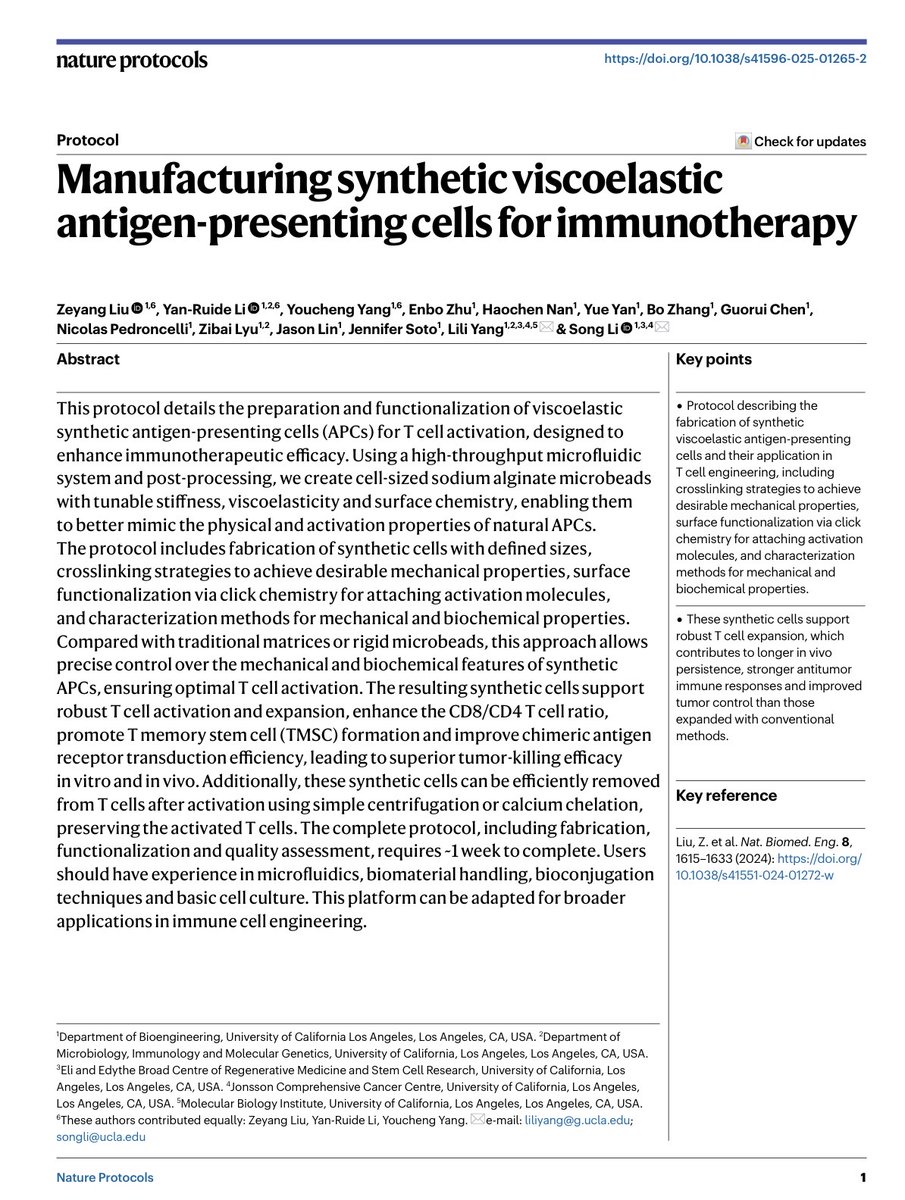
🧬 The Proof of the Machine: How UCLA’s Viscoelastic #APC Protocol Mechanistically Validates Flaskworks Eden for Regulator-Ready $NWBO #DCVax Manufacturing
TLDR
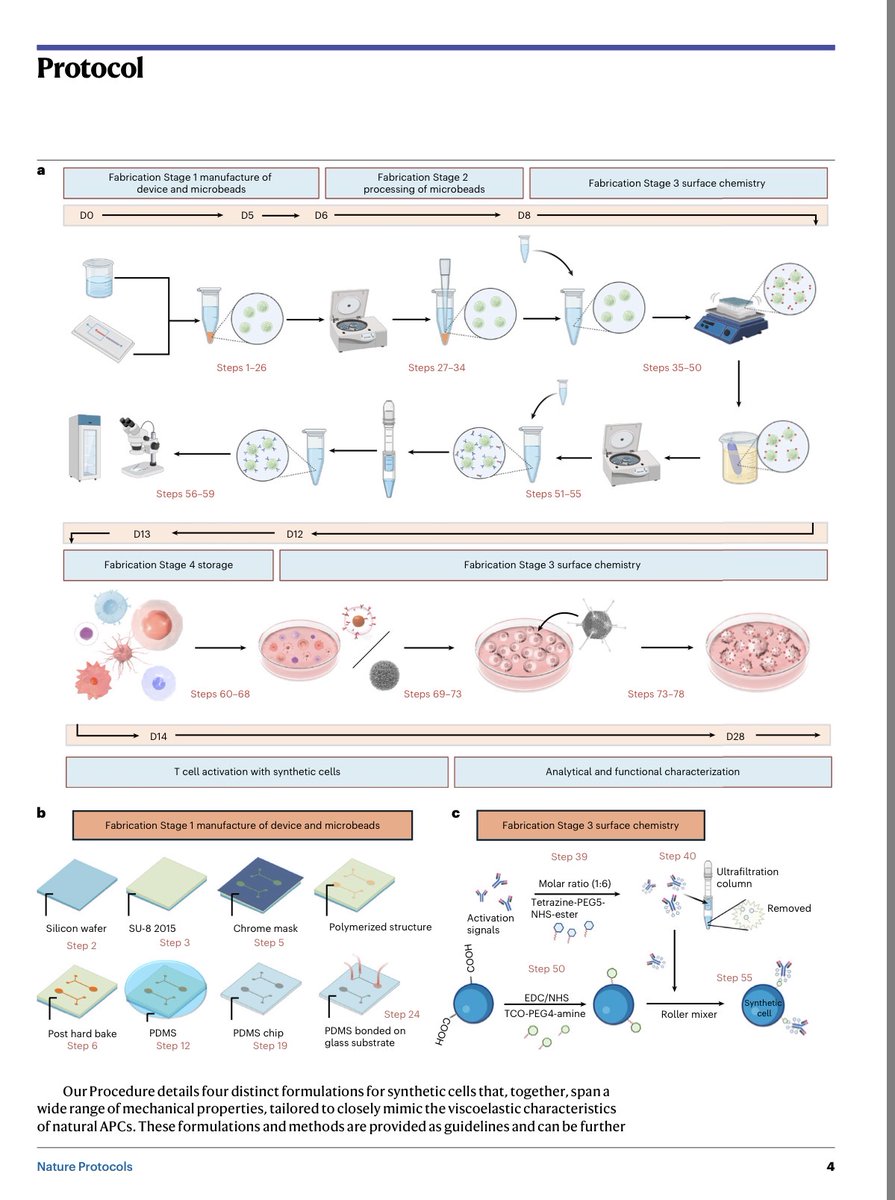
In 2025, #UCLA researchers published a Nature Protocols paper describing how to manufacture synthetic, viscoelastic antigen-presenting cells — microscopic spheres engineered to mimic the physical and mechanical properties of human dendritic cells. At first, it appeared to be an academic exercise in material science. But when placed alongside Flaskworks’ patented Eden bioreactor and Northwest Biotherapeutics’ DCVax process, the connection becomes unmistakable.
The UCLA study did not use living dendritic cells; it built physical replicas of them. Yet the resulting immune outcomes — potent T-cell activation, expansion, and memory formation driven purely by mechanical cues — align exactly with the biophysical logic Flaskworks encoded into Eden and the temporal rhythm NWBO perfected within it.
Together they form a unified truth: controlled viscoelastic environments and precisely timed cytokine pulses — whether synthetic or biological — drive immune potency. This dual alignment provides peer-reviewed and process-verified justification for Eden’s regulatory readiness as a closed-system, GMP manufacturing platform for DCVax under both the U.K. MHRA and U.S. FDA frameworks.
(Liu et al., Nature Protocols, Vol. 20, Issue 3, 2025, pp. 412–428.)
⚙️ 1. The Insight — A Public Paper That Quietly Confirmed a Private System
UCLA’s system created synthetic antigen-presenting cells (APCs) using microfluidic encapsulation of activating molecules within alginate beads. They controlled bead elasticity, perfusion rate, and oxygen tension so precisely that mechanical tuning alone was enough to trigger full T-cell activation and durable memory.
The synthetic APCs exhibited a modulus of roughly 10–30 kPa — identical to live dendritic cells — and were perfused under low-shear flow (< 0.1 dyn/cm²).
That discovery, that the immune system interprets mechanical context as part of its activation code, explained why Flaskworks’ Eden bioreactor works.
Eden, now operated within Northwest Biotherapeutics (NWBO) and implemented at Advent BioServices, was engineered years earlier on the same premise: the micro-environment of immune instruction can be measured, digitized, and repeated.
UCLA had demonstrated the physics that Eden had already industrialized.
🧩 2. The Architecture Match — Eden by Another Name
When the technical specifications of UCLA’s system are laid beside Flaskworks’ patents, the match is exact. Both rely on closed, sterile perfusion to maintain laminar flow and viscoelastic uniformity.
U.S. Patent 10,647,954 B1 (2020) defines Eden’s cartridge: eight inlet channels feeding an octagonal chamber with a single central outlet, eliminating dead zones and maintaining wall-shear < 0.1 dyn/cm² — the same condition UCLA identified as optimal for immune contact. The patent even specifies pressure-balancing pillars and triangular notches that create a uniform mechanical field equivalent to 10–30 kPa stiffness.
In UCLA’s terminology, this window of stiffness and flow created optimal viscoelastic coupling for T-cell activation. In Flaskworks’ terminology, it is the operating range of Eden’s maturation chamber.
Eden’s embedded sensors — pH, dissolved O₂, glucose, and lactate — feed a central processor that adjusts flow in real time. The system fulfills the FDA’s definition of Process Analytical Technology (PAT): a self-monitoring, self-correcting process ensuring comparability across every batch.
UCLA demonstrated the mechanics of immune activation. Eden turned those mechanics into a programmable GMP process.
🧠 3. The Institutional Bridge — Shared DNA Between UCLA and Flaskworks
Both UCLA’s mechanobiology program and Flaskworks’ engineering lineage emerged from the same effort to fuse immunology with soft-matter physics. UCLA’s Song Li and Lili Yang developed viscoelastic APCs inside the California NanoSystems Institute, an ecosystem that holds translational patents through the Regents of the University of California and entities such as Endangered Excel Technology.
Flaskworks’ founders — Andrew Kozbial and Shashi Murthy — had already captured that concept in the Eden patents, filing perfusion and flow-control claims in 2017 under NSF support. What UCLA later quantified experimentally, Flaskworks had already written into hardware.
Both proved the same law from opposite ends of the spectrum: the mechanical environment defines immune identity.
🧬 4. The Regulatory Consequence — When Mechanics Become Licensable
This alignment carries direct regulatory weight.
Under the U.K.’s SI 2025/87 framework for Advanced Therapy Medicinal Products (ATMPs), automation must reproduce the same critical quality attributes — potency, purity, consistency — as the manual reference process, supported by mechanistic understanding.
UCLA’s viscoelastic data supply that understanding. By proving that mechanical uniformity yields reproducible immune activation, they provide Advent BioServices with peer-reviewed justification for Eden’s design space.
Advent already holds MHRA authorization MIA(IMP) 54923 for manufacturing cell and gene therapies at Sawston. The viscoelastic and perfusion controls UCLA described are identical to those Advent now maintains digitally through Eden.
In the U.S., FDA PAT and CNPV programs require proof that each parameter affecting product quality is scientifically understood. Eden’s software monitors precisely those parameters — shear, oxygen, stiffness — and dynamically adjusts them.
The outcome is a regulator-ready platform: a closed, traceable, feedback-controlled bioreactor validated by external mechanistic science.
🔥 5. The Temporal Dimension — Eden’s Six-Hour Pulse
If UCLA’s work explained the physics, Eden mastered the rhythm.
NWBO’s Chief Technical Officer Marnix Bosch discovered that dendritic-cell potency depends on a six-hour cytokine window. Too long a TNF-α exposure and IL-12p70 collapses; too short and the cells never mature. Within that window, TNF-α and IL-12p70 rise together, imprinting the immune system’s most powerful message — fight, then remember.
Eden enforces that window with micro-second accuracy. After five days of silent differentiation under GM-CSF and IL-4, its firmware triggers a synchronized six-hour maturation pulse delivering TNF-α, IL-1β, IFN-γ, and a TLR agonist. Sensors measure oxygen, pH, and temperature each second; software adjusts perfusion in milliseconds.
At NYAS 2025, Bosch reported that patients whose dendritic-cell batches achieved perfect IL-12/TNF synchrony had median overall survival of 34.7 months — more than double external controls.
Timing, not chemistry, proved decisive. Eden made timing reproducible.
🏗️ 6. From Patent to Plant — The Manufacturing Bridge
In August 2020 NWBO acquired Flaskworks LLC, securing Eden’s IP and automation team. In October 2025 it completed the purchase of Advent BioServices Ltd., the licensed GMP manufacturer operating the Sawston facility. Advent’s MHRA license (MIA(IMP) 54923) covers autologous cell-based therapies and has passed MHRA and HTA inspection.
NWBO’s Oct 24 2025 release confirmed Advent as a wholly owned subsidiary, aligning Flaskworks’ patented technology with an existing, licensed GMP facility. Pending MHRA audit in 2026, Eden’s deployment at Sawston — and eventual duplication at the U.S. Winterfell site — will fulfill all SI 2025/87 comparability and digital-manufacturing standards.
🧩 7. Bridging Synthetic and Biological Potency
UCLA’s beads used physics alone to activate T cells; Eden’s living dendritic cells use those same mechanics combined with cytokine rhythm.
The IL-12/TNF-α surge within Eden’s six-hour pulse corresponds to the same relaxation constants UCLA identified for optimal T-cell contact.
Where UCLA’s system delivered activation without cytokines, Eden reproduces the full biological cascade. In JAMA Oncology (2022), DCVax-L’s phase 3 trial linked high IL-12p70 output with extended survival in GBM patients. The cytokine kinetics recorded in Eden mirror those therapeutic outcomes.
Physics builds the stage; timing conducts the play. Both culminate in the same immune architecture: long-lived, tumor-specific memory.
🧭 8. Mechanistic Alignment as Validation
UCLA quantified how viscoelastic microenvironments generate immune activation; Eden encodes those physics and times them to perfection.
U.S. 10,647,954 B1 defines the design; Bosch’s firmware defines the rhythm; Advent’s MIA(IMP) 54923 license defines the regulatory pathway.
The MHRA’s SI 2025/87 and FDA PAT/CNPV guidance together form the scaffolding.
Eden therefore stands as scientifically sound, digitally verifiable, and regulator-ready.
UCLA explained the mechanism.
Flaskworks patented the implementation.
Advent licensed the manufacturing.
NWBO unified them into one living platform — DCVax.
This is the world’s first end-to-end, digitally controlled, peer-validated immune-manufacturing architecture.
🧬 9. The Living Network — When Every Node Keeps the Same Time
By late 2025, Eden systems in Cambridge and Maryland were synchronized through DeltaV controllers. Every valve motion, temperature correction, and cytokine pulse shares the same timestamp across continents.
Overlaying production waveforms from Sawston and Winterfell shows IL-12 peaks at six hours eleven minutes in both runs, pH drift 0.03, O₂ variance 0.2 percent.
This is not statistical reproducibility; it is temporal identity.
Regulators no longer review static batch records — they read the digital waveform itself.
The IL-12/TNF signature becomes the license.
Each batch is both therapy and evidence.
Eden has turned Quality by Design into heartbeat.
💡 10. When Science Caught Up to the Machine
For years, Flaskworks built Eden around an intuition that immunology had yet to prove: antigen presentation is a mechanical and temporal language.
UCLA’s 2025 paper defined the mechanics.
Bosch’s six-hour pulse defined the rhythm.
Advent and NWBO built the regulatory home that joins them.
Under MHRA SI 2025/87 and FDA PAT, Eden now defines the template for digital immunotherapy — every dendritic cell created under measured physics, timed cytokine rhythm, and continuous self-audit.
Eden is no longer a theory; it is a chronometer of biology, a living regulator-approved proof of principle.
The public science proved the physics.
The private system mechanized it.
DCVax made it therapeutic.
Eden was built before the world knew why it would work.
Now science has explained it — and regulation can follow.
Sources
•Liu et al., Nature Protocols, Vol. 20, Issue 3 (2025): “Manufacturing synthetic viscoelastic antigen-presenting cells for immunotherapy.”
🔗 nature.com/articles/s41596-0…
•U.S. Patent 10,647,954 B1 (Flaskworks LLC, 2020): “Dendritic Cell Generating Apparatus and Method.”
•Northwest Biotherapeutics Press Release, Aug 2020: acquisition of Flaskworks LLC.
•Northwest Biotherapeutics Press Release, Oct 24 2025: acquisition of Advent BioServices Ltd.
•Advent BioServices MHRA Manufacturing Authorisation MIA(IMP) 54923 (UK public record).
•JAMA Oncology (2022): DCVax-L Phase 3 trial in glioblastoma patients showing IL-12p70/Th1 correlation with survival.
•Bosch M., ASCO 2023 and NYAS 2025 presentations on DCVax cytokine kinetics and survival data.
•MHRA SI 2025/87 (Advanced Therapy Medicinal Products Regulations).
•FDA Process Analytical Technology (PAT) Guidance and Commissioner’s National Priority Voucher (CNPV) Program.
Disclaimer
This publication is for informational and educational purposes only. It synthesizes publicly available scientific, regulatory, and corporate disclosures and should not be interpreted as financial, investment, or medical advice. All trademarks, data, and intellectual-property references remain the property of their respective owners. Readers should consult primary sources and qualified professionals before making decisions based on this material.
#DCVax #NWBO #Flaskworks #Eden #AdventBioServices #Immunotherapy #CellTherapy #MHRA #FDA #DigitalGMP #ProcessAnalyticalTechnology #CNPV #SI87 #IL12 #TNFalpha #Mechanobiology #ViscoelasticAPC #Glioblastoma #PrecisionMedicine #Biomanufacturing
1
4
44
2,712

17 Mar 2025
Maximize yield, quality, and sustainability with our Real-Time Reaction Analysis Guide! #SyntheticChemistry #ProcessAnalyticalTechnology #RealTimeAnalysis #Sustainability #Innovation #METTLERTOLEDO #AutoChem
okt.to/QeCh0l
2
78

20 Dec 2024
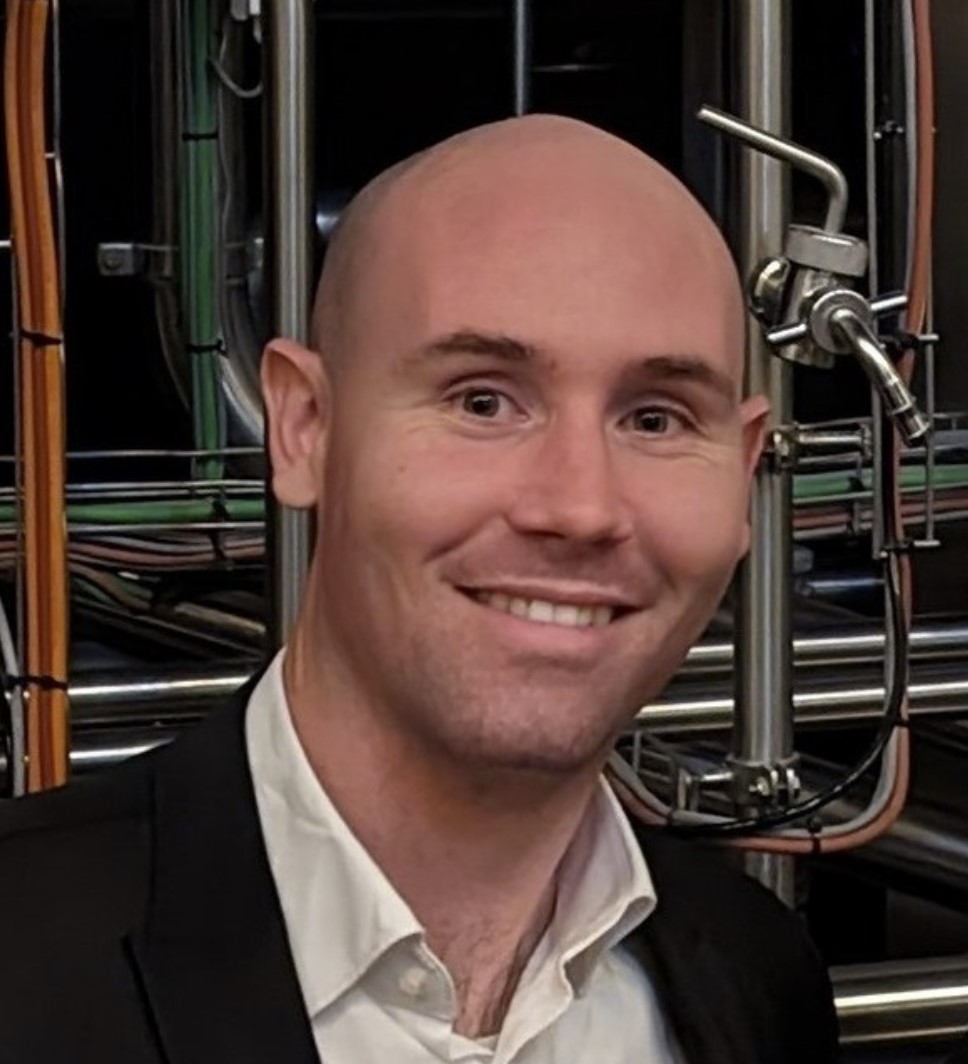
The scientific committee will also have the collaboration of experts in the area of Process Analytical Technology:
- Tobias Eifert, Covestro
- Rodolfo Romañach, University of Puerto Rico
#Euroanalysis #AnalyticalChemistry #EuChems #SCQ #ProcessAnalyticalTechnology #PAT

1
5
150

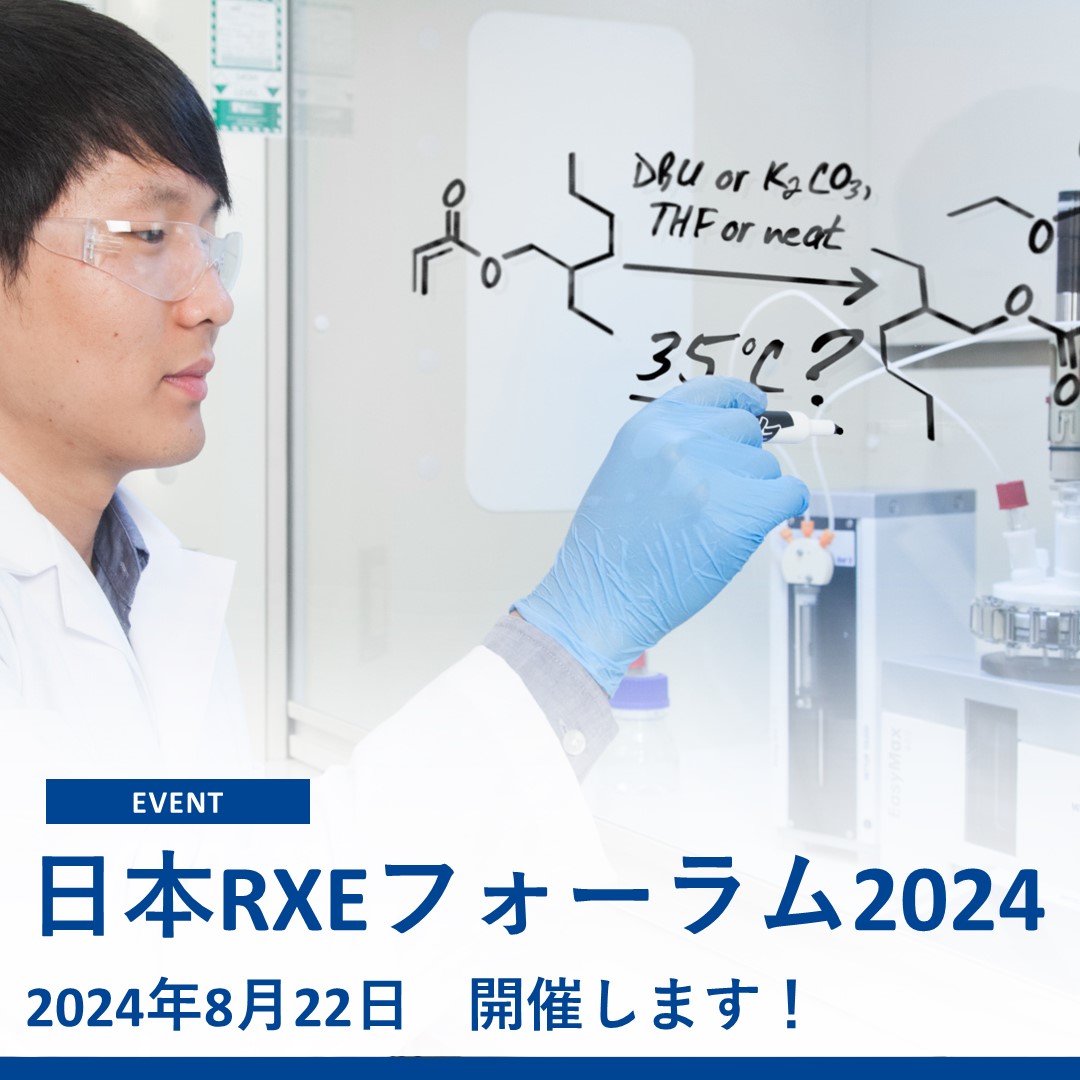
毎年ご好評のRXEフォーラムまであと1ヶ月となりました。
年々参加人数も増えているようで、また、ご出席の方同志の交流の場としてもご活用いただけております🤝
ご興味のある方は、ぜひ一度ご参加を☺️
#メトラー・トレド
#ProcessAnalyticalTechnology
#PAT
#バイオプロセス
21 Jul 2024

日本RXEフォーラム
■2024年8月22日開催決定!■
(大田区産業プラザ コンベンションホール)
化学・製薬メーカーおよびアカデミックのユーザー様より、実践的な活用事例をご講演いただきます!
お申込み:x.gd/31afv
テーマ:ラボ実験の自動化、安全性検討、スケールアップ、反応モニタリング、晶析最適化、実機製造への落とし込みなどお早目のお申込みをお待ちしております!
#セミナー #ラボ #実験 #自動化 #スケールアップ #モニタリング #晶析
3
288

1 Jul 2024
Curious how #ProcessAnalyticalTechnology (#PAT) can revolutionize pharma manufacturing? Siemens' #SIMATIC #SIPAT supports PAT to enhance efficiency, quality, and real-time product release. Read the white paper to learn more: sie.ag/5WL5Mt
#Pharma #PharmaManufacturing
2
19

25 Sep 2023
Visit bit.ly/43S9ilM and discover our dedicated teams providing and developing our industry-leading #ProcessAnalyticalTechnology (PAT) solutions and implementations. 👷🏼♂️📈
We are committed to supplying a customised solution that can fit seamlessly into your process!
1
13
31 Aug 2023
Watch the recording of this captivating webinar on "Interface Machine Learning, #ProcessAnalyticalTechnology, and Process Science for Next-Level Process Development.": biopharmawebinars.com/webina… @Biopharma_asia
1
9

22 Aug 2023
The future of #ProcessAnalyticalTechnology (PAT) is looking brighter than ever!
The demand for PAT is a result of the growing adoption of industrial automation and digitalisation technologies in various industries: europeanpharmaceuticalreview… @PharmaReview
1
3
16
In this free webinar, Dan Hill (@Biogen), Chris McCready (@SartoriusGlobal) & Martin Gadsby (@OptimalLtd_Auto) discuss process analytical technology (#PAT): goto.bruker.com/3NRfSEj
This webinar is copyright of Biopharma Webinars.
#ProcessAnalyticalTechnology #Bruker #Pharma
1
494
13 Apr 2023
We are excited to join @Bruker and @Mestrelab at the Indian Pharma Roadshow (24th-27th April), where we will offer an introduction to #ProcessAnalyticalTechnology (PAT), how it supports the digital transformation & a number of real-world applications: bit.ly/3GGJOie
1
2
184

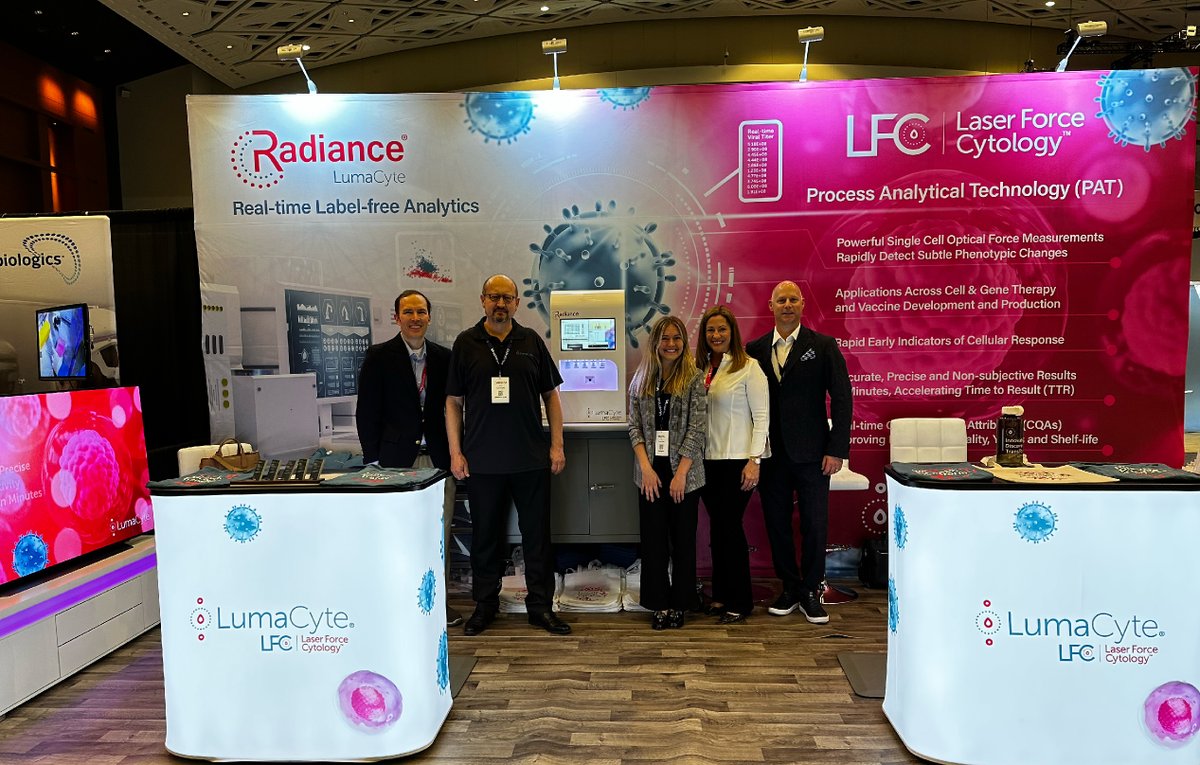
Looking forward to meeting you today at World Vaccine Congress Washington DC. Visit us at book 315.
terrapinn.com/conference/wor…
#vaccinedevelopment #vaccines #viraltiter #labelfree #processanalyticaltechnology #singlecellanalysis
2
228
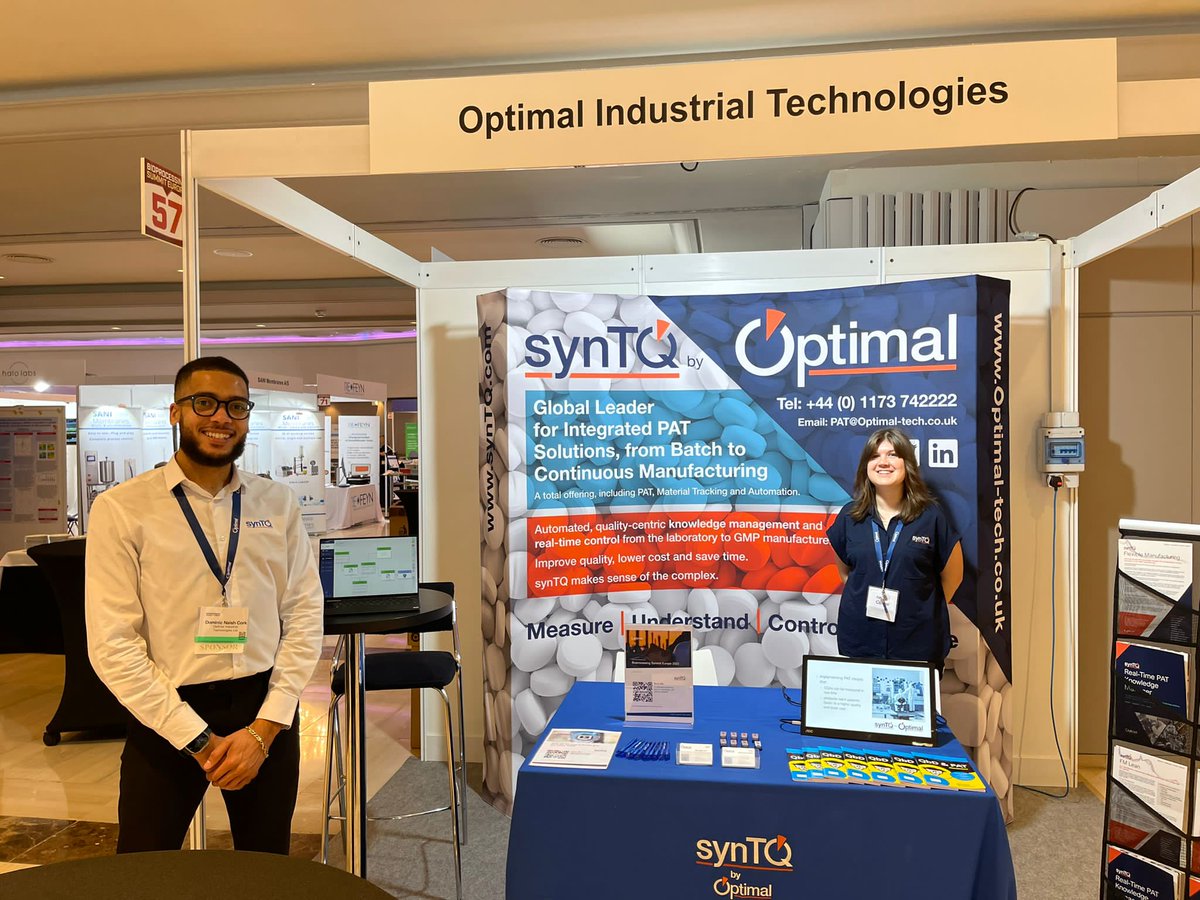
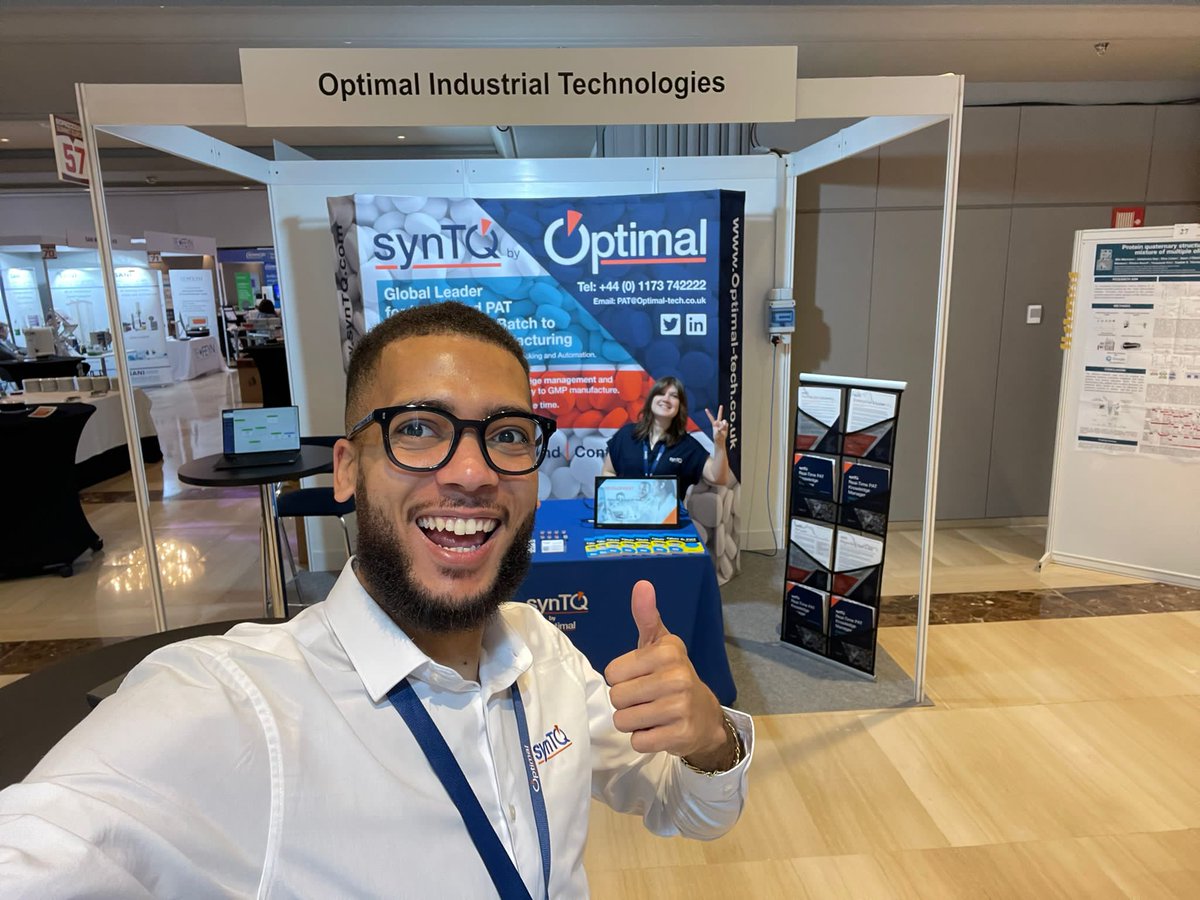
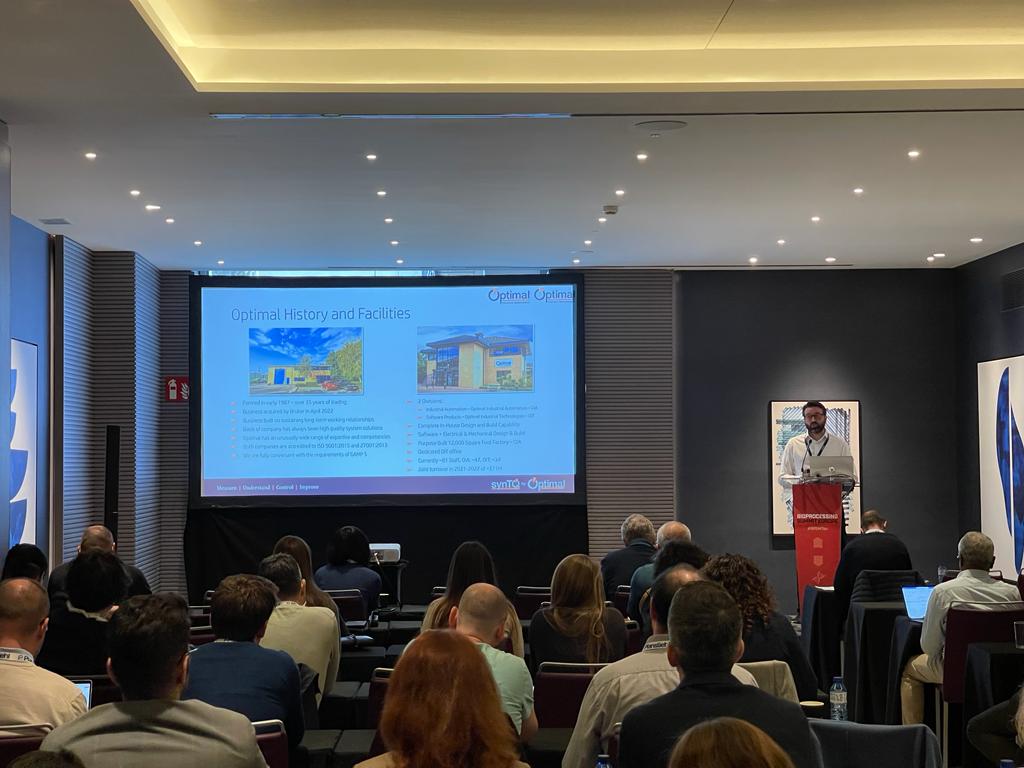
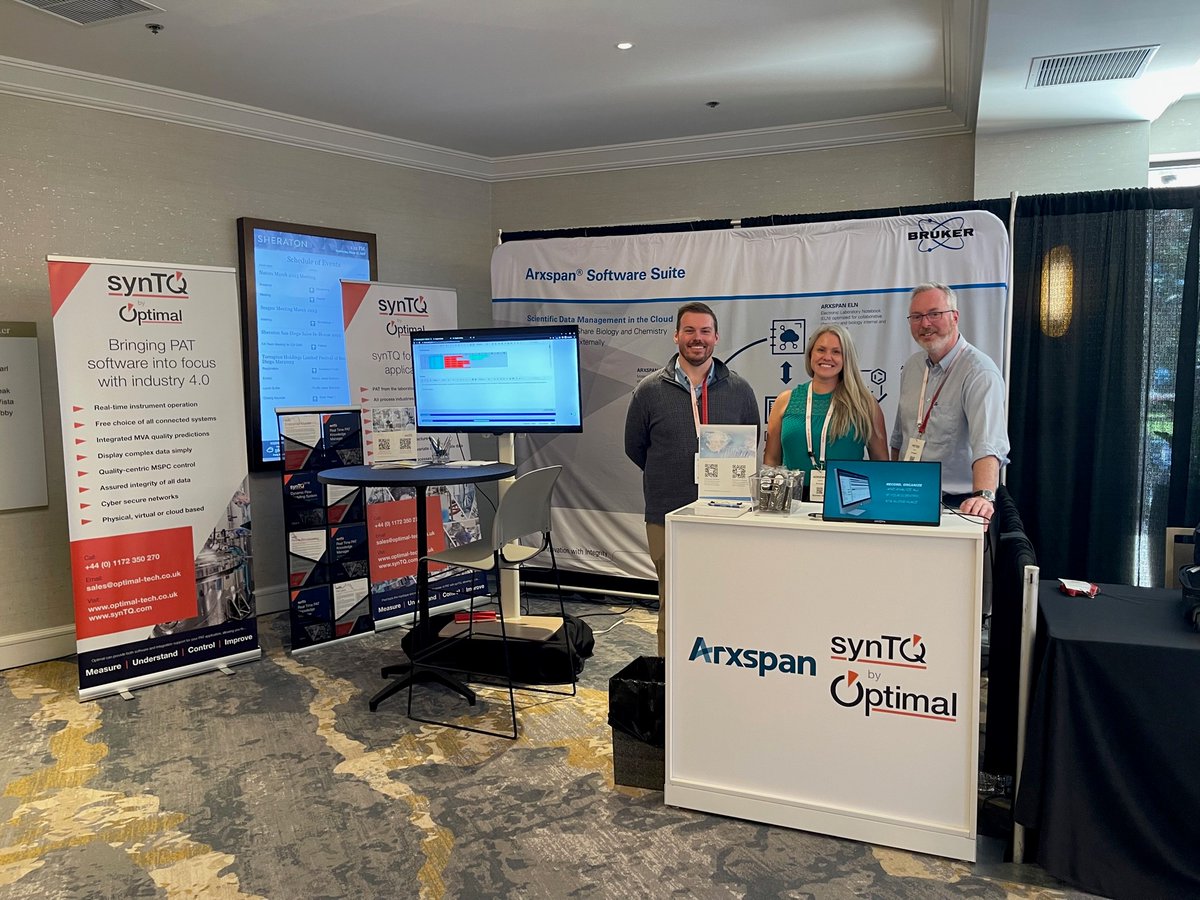
Our experts are back from multiple events, where they showcased the benefits of #ProcessAnalyticalTechnology! Here are some highlights, together with @Arxspan.
If you weren't able to attend these events, you can always access our #virtualstand at: lnkd.in/dpTAimQi
1
1
36
20 Mar 2023
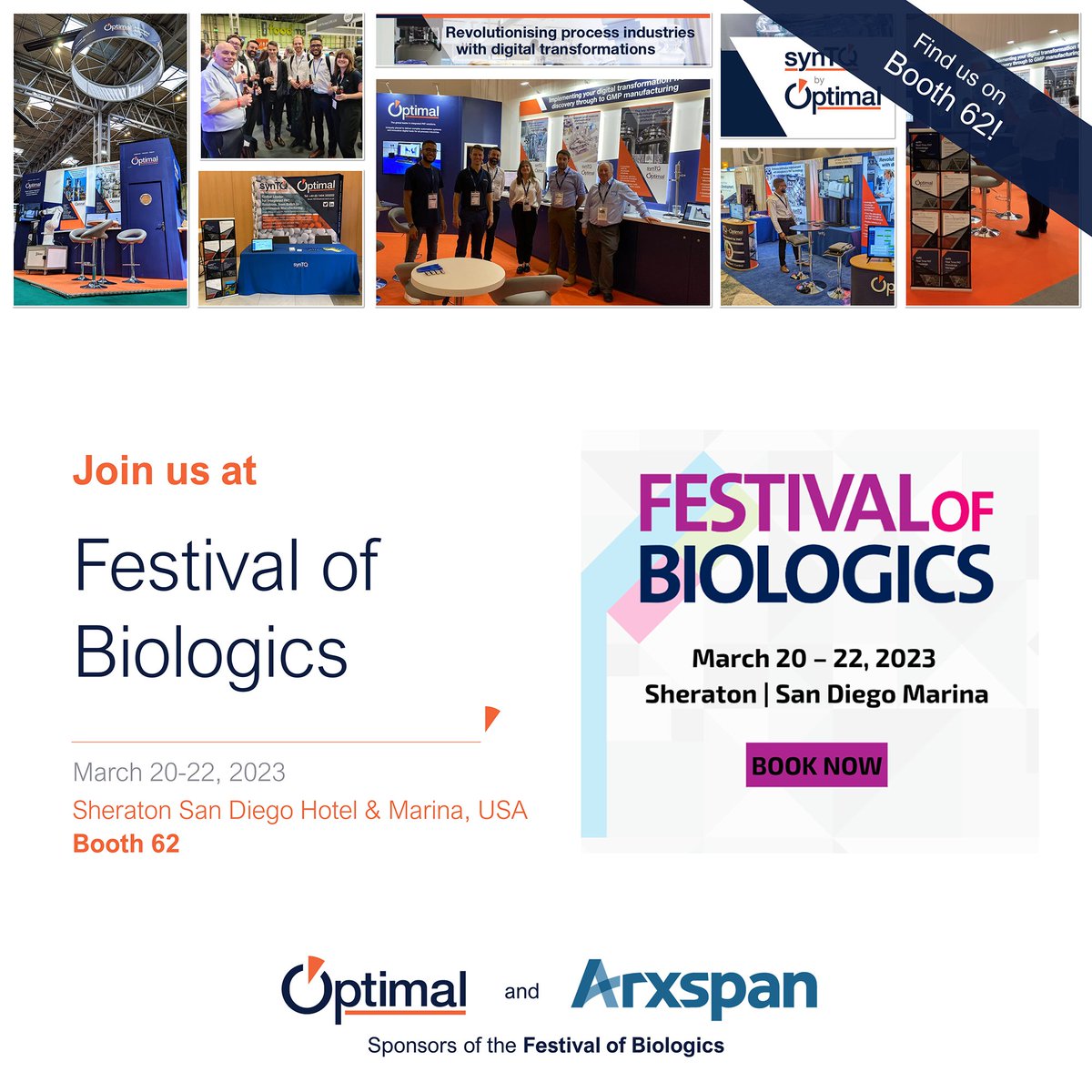
Today is the day! Join us on booth 62 at Festival of Biologics USA to learn more about how our solutions and expertise in #ProcessAnalyticalTechnology (PAT) can help you improve all aspects of #BiologicsProduction: bit.ly/2Ubh86K
1
1
2
43
10 Oct 2022
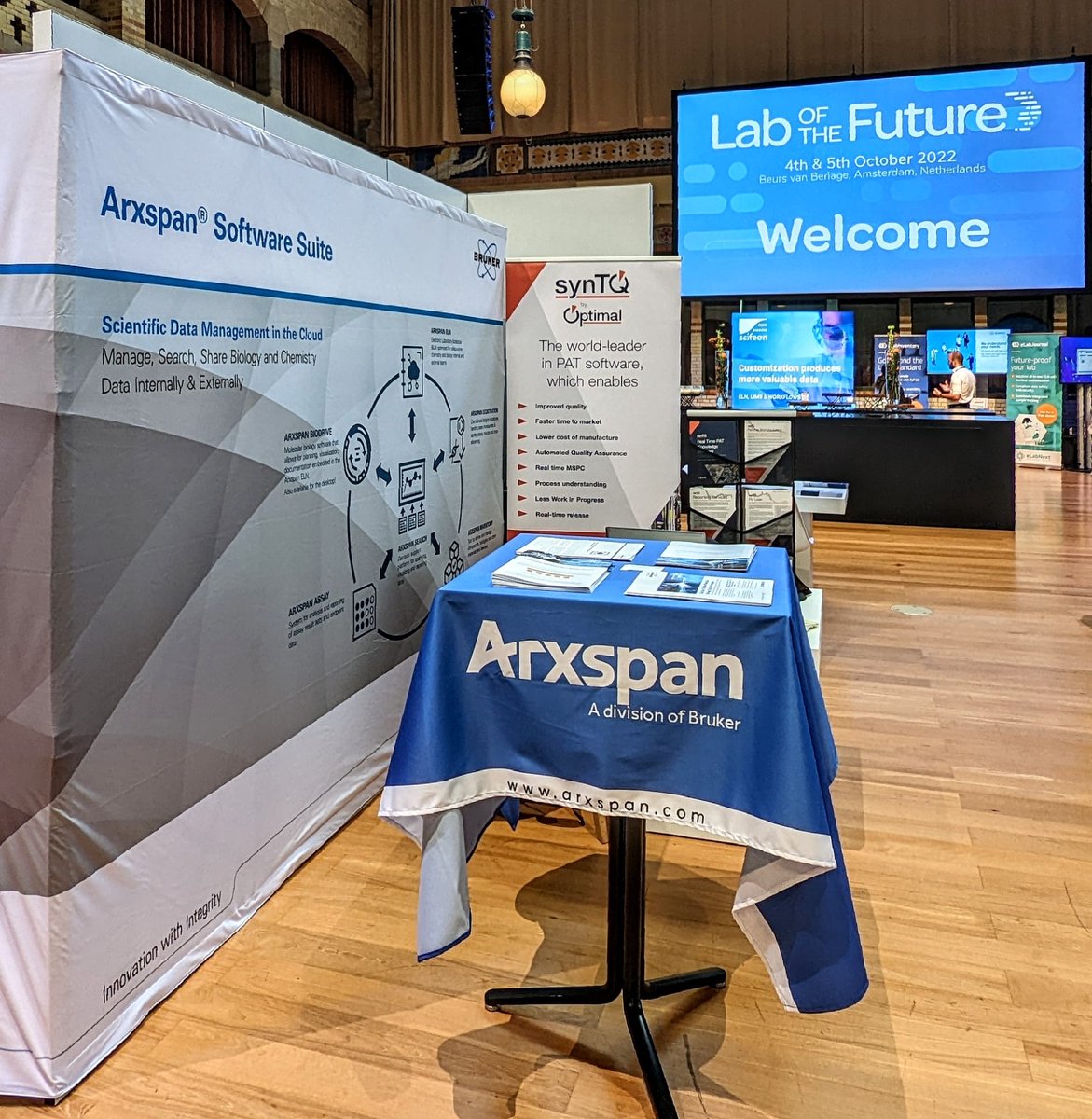
We are extremely happy with the discussions that took place at
@LabOfTheFuture last week!
Anyone that could not visit us at this event, can still visit our #virtualstand and get in touch with our experts here lnkd.in/dpTAimQi
#ProcessAnalyticalTechnology #LabOfTheFuture
1
2
Next week we will be exhibiting our synTQ software for #ProcessAnalyticalTechnology (PAT) knowledge management at #APACT 2022 in Chester. Register now and visit our stand to talk with our #processcontrol experts: apact.co.uk/ @cpact
1
2
24 Aug 2022
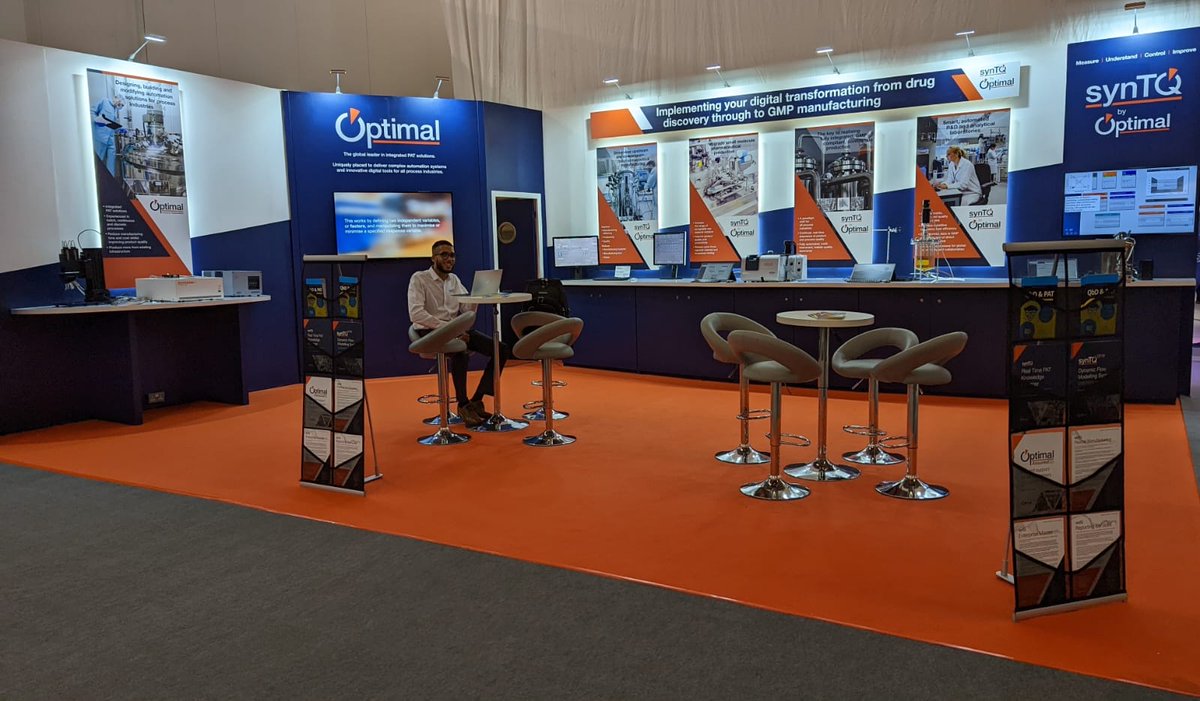
We are so thrilled to be at ACHEMA! Visit our experts in Hall 11.0 Booth E42 to learn more about Process Analytical Technology (PAT), process control and our software synTQ! @ACHEMAworldwide
#achema2022 #processanalyticaltechnology #processcontrol
1
2
18 Aug 2022
#FlowChemistry applications require next-level material tracking and tracing solutions and #ProcessAnalyticalTechnology (PAT) can help with that. Learn how in our latest article: lnkd.in/eiWgU6Gy @IndustrialNews_ #continuousprocessing #materialtracking
3
4

25 May 2022
In our latest blog post, leading life sciences expert Dr. Ajaz Hussain @AjazPhD explores 4 valuable lessons learned from the #PAT to #QbD journey. bit.ly/3NEqP9n
#QualitybyDesign #QualityMaturityModel #QualityCulture #ProcessAnalyticalTechnology #QMM
2