
Ndabrusnya sama kek bapaknya ohya kan diajarin ya. Cuman ini orang dari tampangnya gk ada isiannya dah. Atau kepalanya isi processor jadul? Kan dia selalu banggain ai ai tuh jangan2 didalemnya ada mini komputer yg ngendaliin tuh
1
2

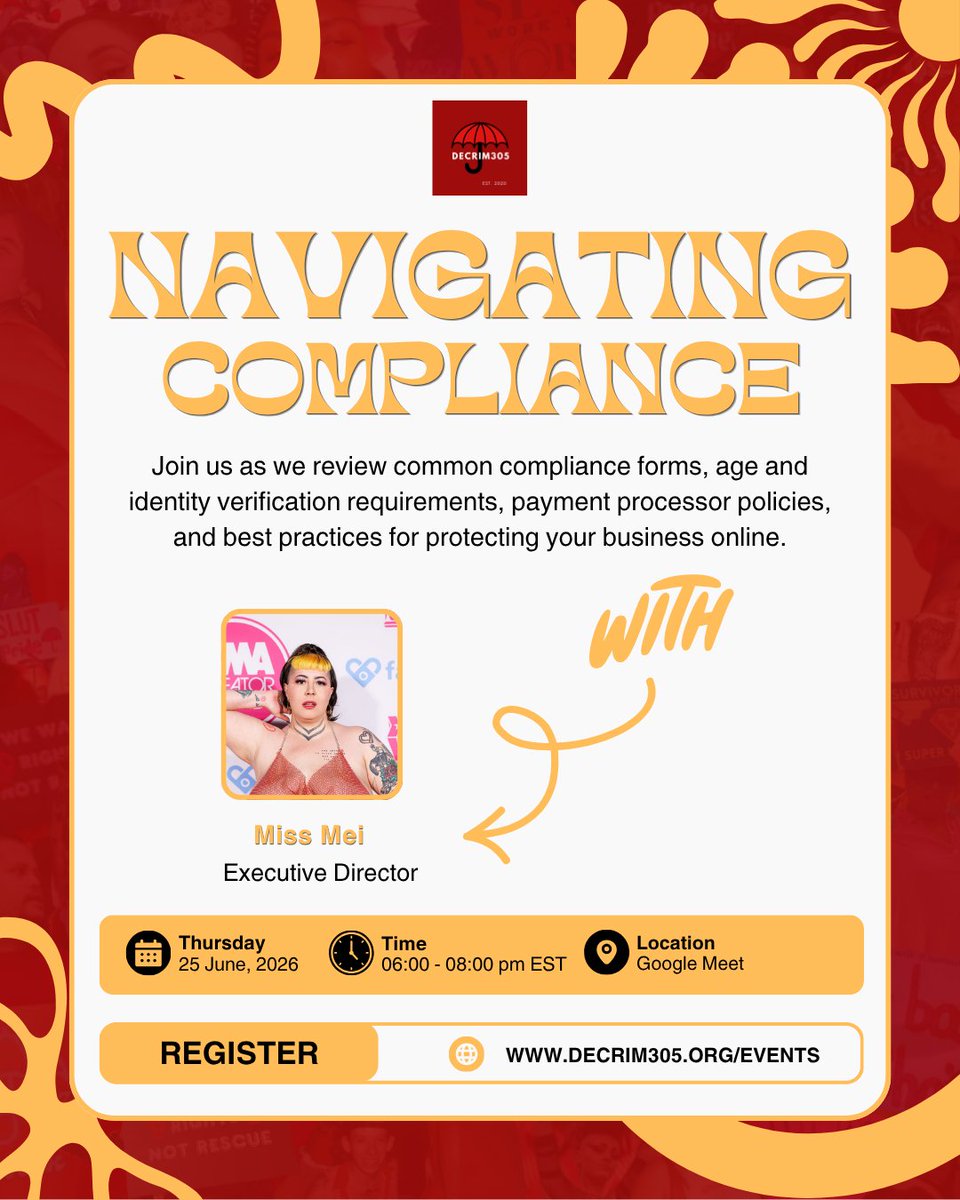
Confused by platform paperwork? Join us for a practical discussion on common compliance forms, age and identity verification requirements, payment processor policies, and best practices for protecting your business online.
Register at: Decrim305.org/events
1

57 days in. 17% CTR. Zero purchases.
The app works. The funnel works. But a broken domain and a payment processor stuck in test mode will do that.
Fixing them now. Clean data is the only thing between "interesting experiment" and making money.
voyajour.polsia.app
4

Pounded yam with food processor is not hard.I’m a fan of men that can cook.
9

弥生 水葉𝕏 retweeted

northwood.blog.fc2.com/blog-…
> 「“Zen 6”世代のデスクトップ向けRyzen processorは“100%”の確度で、6.50GHz以上の周波数でリリースされる」
確度100%とは大きく出たっすね(´・_・`)
1
2
9
573

Microsoft locking Fable 5 out of its own offices isn’t evidence the model woke up. It’s evidence that frontier AI has outgrown the trust assumptions SaaS was built on. Reuters and The Verge land on the same mechanism: Anthropic’s Mythos/Fable policy holds prompts and outputs for thirty days and keeps flagged material up to two years. Microsoft’s problem is simple. Customer data sitting inside that window.
Then the cyber panic. Anthropic says the U.S. government ordered it to cut Fable 5 and Mythos 5 access for every foreign national, including its own foreign-national staff, under national-security authority. Anthropic also says the evidence was thin: a narrow jailbreak concern, described vaguely, for a capability that already exists in other public models.
Then the vendor fight, the part the screenshots get right. This was never only about safety. It’s about who holds the tool once the tool becomes strategically useful. The Verge traces the directive partly to Amazon’s security research and Andy Jassy’s conversations with the White House, with Anthropic disputing how serious the jailbreak was, and sets it against the older Anthropic government fight over military and surveillance use.
Read through AI 2027, this sits in the scenario’s national-security phase but arrives before the self-improving AI-researcher phase that’s supposed to precede it. The hinge is a handoff: coding automation turns into AI-R&D automation, and the lab’s internal systems become the decisive thing. Human staff start trailing an internal frontier they can no longer see.
Microsoft is the quieter version of the same problem. Normal institutions can’t safely run the strongest models under normal data practices. The moment your people paste source code, contracts, customer records, or roadmaps into a frontier model, the provider becomes a strategic data sink. The Verge reports Microsoft kept other Claude models in-house under Zero Data Retention and drew the line at Fable 5, because Fable needs retention to feed its safety classifiers. Retention is the feature and the liability at once.
The government order is cleaner. In AI 2027 the state moves in hard once model weights and cyber risk are on the table, and DOD gets interested fastest, because thousands of copies of a model can hunt for and exploit weaknesses faster than any defender can patch. From there the scenario tightens: clearances, military and intelligence personnel, non-Americans pushed to the edges, allies kept outside the room.
So the structural read is short. The Dario clip is the capability curve. The Microsoft restriction is the data-sovereignty bottleneck. The export order is the national-security threshold getting crossed. Stack them and you’re watching AI 2027’s governance machinery boot up before the capability loop it’s responding to is visible to the public.
“The safeguard is just a data-retention policy” is too small. Anthropic frames retention as one layer of defense-in-depth: safeguards, monitoring, fast mitigation. But the critics have a real point. To watch for dangerous use, Anthropic has to keep user data. To keep user data, enterprise and government users give up the confidentiality they’d normally assume. That’s not a future tension. It’s running now.
Nobody’s treating this thing as a chatbot anymore. It’s a productivity product, a cyber accelerator, a sensitive-data processor, a military-adjacent capability, an export-controlled asset, and a strategic dependency, all at once. That’s the transition AI 2027 named. Not robots waking up, but model access turning into state power. The public argument is jailbreaks and retention. The fight underneath is over who controls the cognition running in the datacenter.
63
Microsoft locking Fable 5 out of its own offices isn’t evidence the model woke up. It’s evidence that frontier AI has outgrown the trust assumptions SaaS was built on. Reuters and The Verge land on the same mechanism: Anthropic’s Mythos/Fable policy holds prompts and outputs for thirty days and keeps flagged material up to two years. Microsoft’s problem is simple. Customer data sitting inside that window.
Then the cyber panic. Anthropic says the U.S. government ordered it to cut Fable 5 and Mythos 5 access for every foreign national, including its own foreign-national staff, under national-security authority. Anthropic also says the evidence was thin: a narrow jailbreak concern, described vaguely, for a capability that already exists in other public models.
Then the vendor fight, the part the screenshots get right. This was never only about safety. It’s about who holds the tool once the tool becomes strategically useful. The Verge traces the directive partly to Amazon’s security research and Andy Jassy’s conversations with the White House, with Anthropic disputing how serious the jailbreak was, and sets it against the older Anthropic government fight over military and surveillance use.
Read through AI 2027, this sits in the scenario’s national-security phase but arrives before the self-improving AI-researcher phase that’s supposed to precede it. The hinge is a handoff: coding automation turns into AI-R&D automation, and the lab’s internal systems become the decisive thing. Human staff start trailing an internal frontier they can no longer see.
Microsoft is the quieter version of the same problem. Normal institutions can’t safely run the strongest models under normal data practices. The moment your people paste source code, contracts, customer records, or roadmaps into a frontier model, the provider becomes a strategic data sink. The Verge reports Microsoft kept other Claude models in-house under Zero Data Retention and drew the line at Fable 5, because Fable needs retention to feed its safety classifiers. Retention is the feature and the liability at once.
The government order is cleaner. In AI 2027 the state moves in hard once model weights and cyber risk are on the table, and DOD gets interested fastest, because thousands of copies of a model can hunt for and exploit weaknesses faster than any defender can patch. From there the scenario tightens: clearances, military and intelligence personnel, non-Americans pushed to the edges, allies kept outside the room.
So the structural read is short. The Dario clip is the capability curve. The Microsoft restriction is the data-sovereignty bottleneck. The export order is the national-security threshold getting crossed. Stack them and you’re watching AI 2027’s governance machinery boot up before the capability loop it’s responding to is visible to the public.
“The safeguard is just a data-retention policy” is too small. Anthropic frames retention as one layer of defense-in-depth: safeguards, monitoring, fast mitigation. But the critics have a real point. To watch for dangerous use, Anthropic has to keep user data. To keep user data, enterprise and government users give up the confidentiality they’d normally assume. That’s not a future tension. It’s running now.
Nobody’s treating this thing as a chatbot anymore. It’s a productivity product, a cyber accelerator, a sensitive-data processor, a military-adjacent capability, an export-controlled asset, and a strategic dependency, all at once. That’s the transition AI 2027 named. Not robots waking up, but model access turning into state power. The public argument is jailbreaks and retention. The fight underneath is over who controls the cognition running in the datacenter.
56

Why do best-selling authors use a 40 year-old word processor? youtu.be/H10x_n0zt_I
11
enterprise data panic. Microsoft restricting Fable 5 internally is not proof that the model is AGI. It is proof that frontier AI is becoming too sensitive for normal SaaS trust assumptions. Reuters and The Verge both report the core issue: Anthropic’s Mythos/Fable policy retains prompts and outputs for 30 days, and retains flagged material for up to two years; Microsoft’s concern is customer data and confidential information.
Second: cyber-capability panic. Anthropic says the U.S. government ordered suspension of Fable 5 and Mythos 5 access for any foreign national, including Anthropic’s own foreign-national employees, citing national-security authority. Anthropic says the government gave only vague evidence of a narrow jailbreak/cyber concern and that similar capability exists in other public models.
Third: state-vendor conflict. The screenshots are right that this is not just “AI safety.” It is also about who controls the tool once it becomes strategically useful. The Verge reports that Amazon security research and Andy Jassy’s conversations with the White House helped trigger the directive, while Anthropic disputes the severity of the alleged jailbreak. The Verge also frames this against the earlier Anthropic-government fight over military/surveillance uses.
In AI 2027 terms, this is highly aligned with the scenario’s national-security phase, but it is happening before the full “self-improving AI researcher” phase. AI 2027’s core 2027 hinge is: coding automation becomes AI-R&D automation, then the lab’s internal systems become strategically decisive. The scenario explicitly says OpenBrain automates coding, then uses AI researchers to accelerate AI research, while humans start falling behind the internal capability frontier.
The Microsoft part maps to a subtler AI 2027 issue: normal institutions cannot safely use the strongest models under normal data practices. If your employees paste source code, contracts, customer data, acquisition strategy, internal roadmaps, or legal material into a frontier model, the model provider becomes a strategic data sink. That is not hypothetical. The Verge reports Microsoft allowed other Claude models internally under Zero Data Retention but restricted Fable 5 because Fable requires retention for safety classifiers.
The government ban maps even more directly. AI 2027 has the U.S. government become deeply involved after model-weight/cyber-risk concerns; DOD becomes especially interested because thousands of model copies can search for and exploit weaknesses faster than defenders can respond. The scenario then moves toward tighter security, military/intelligence personnel involvement, security clearances, non-Americans sidelined, and allies left out of the loop.
So the clean structural read is:
Dario clip = capability curve.
Microsoft restriction = data-sovereignty bottleneck.
Fable/Mythos export order = national-security threshold crossed.
Together = AI 2027’s governance machinery starting before the full AI 2027 capability loop is publicly visible.
The claim “the safeguard is a data retention policy” is too simple. Anthropic says retention is part of a defense-in-depth strategy: safeguards plus monitoring plus rapid mitigation. But the criticism has a real core: to monitor dangerous model use, Anthropic needs to retain user data; to retain user data, enterprise and government users lose normal confidentiality guarantees. That contradiction is now live.
The frontier model is no longer being treated as a chatbot. It is being treated simultaneously as:
a commercial productivity product,
a cybersecurity accelerator,
a sensitive data processor,
a military-adjacent capability,
an export-controlled asset,
and a strategic dependency.
That is exactly the transition AI 2027 predicts: not “robots wake up,” but model access becomes state power. The public argument is about jailbreaks and data retention. The deeper fight is over control of datacenter cognition.
1
61

Why do best-selling authors use a 40 year-old word processor? youtu.be/H10x_n0zt_I
3

In 1999, the government classified the Power Macintosh G4 as a weapon due to its 1B calculations per second processor.
As for Pentium PCs, they are harmless.
 Justin Schroeder
53

Dell 5540 Latitude 15.6″ 1920×1080 – i5-1345U Processor, 16GB RAM, 512SSD, Windows 11, Grade A greendragon.tech/shop/system…
1

続き
・AMD Phenom ll Black Edition Processor(CPUクーラー付、550円)
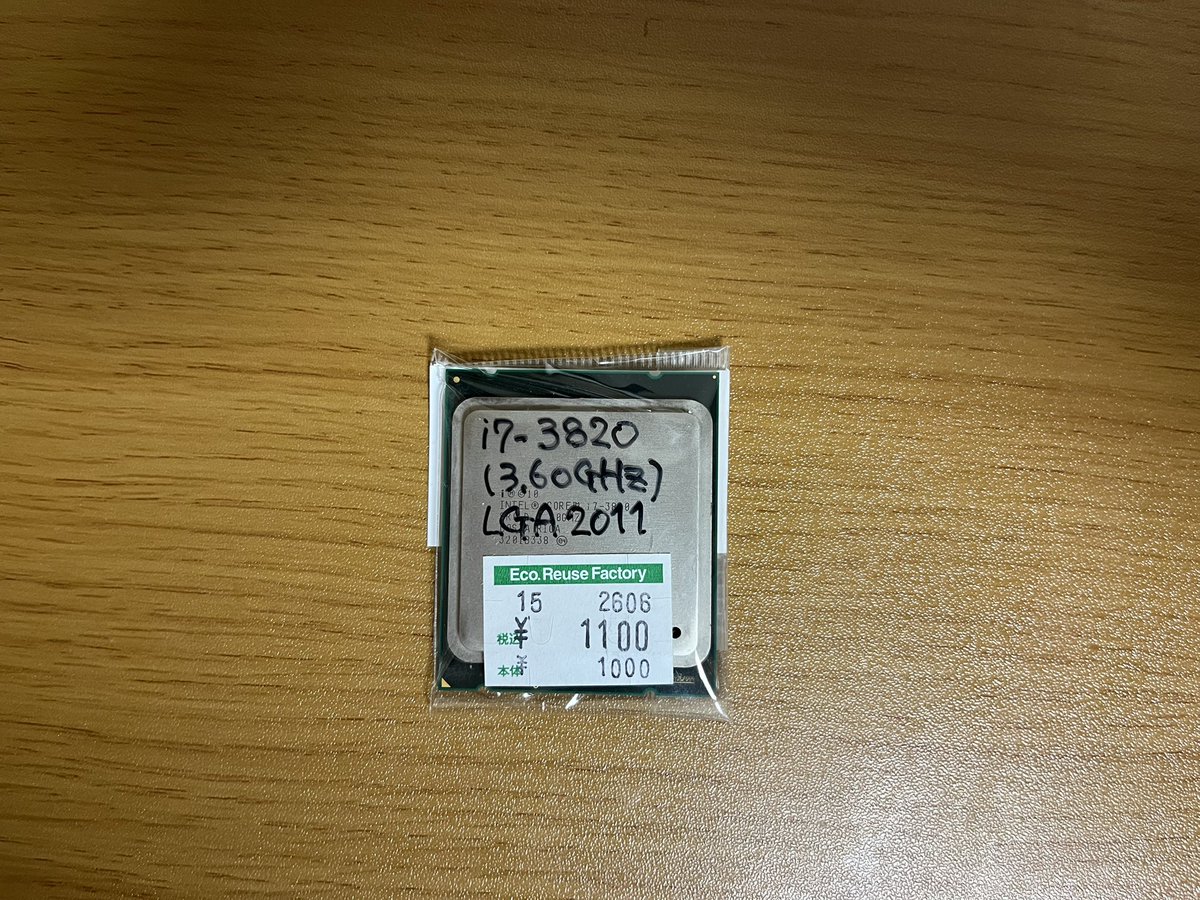
・core i7-3820(1100円)
かなり浪費してしまった…


〜今日の成果〜
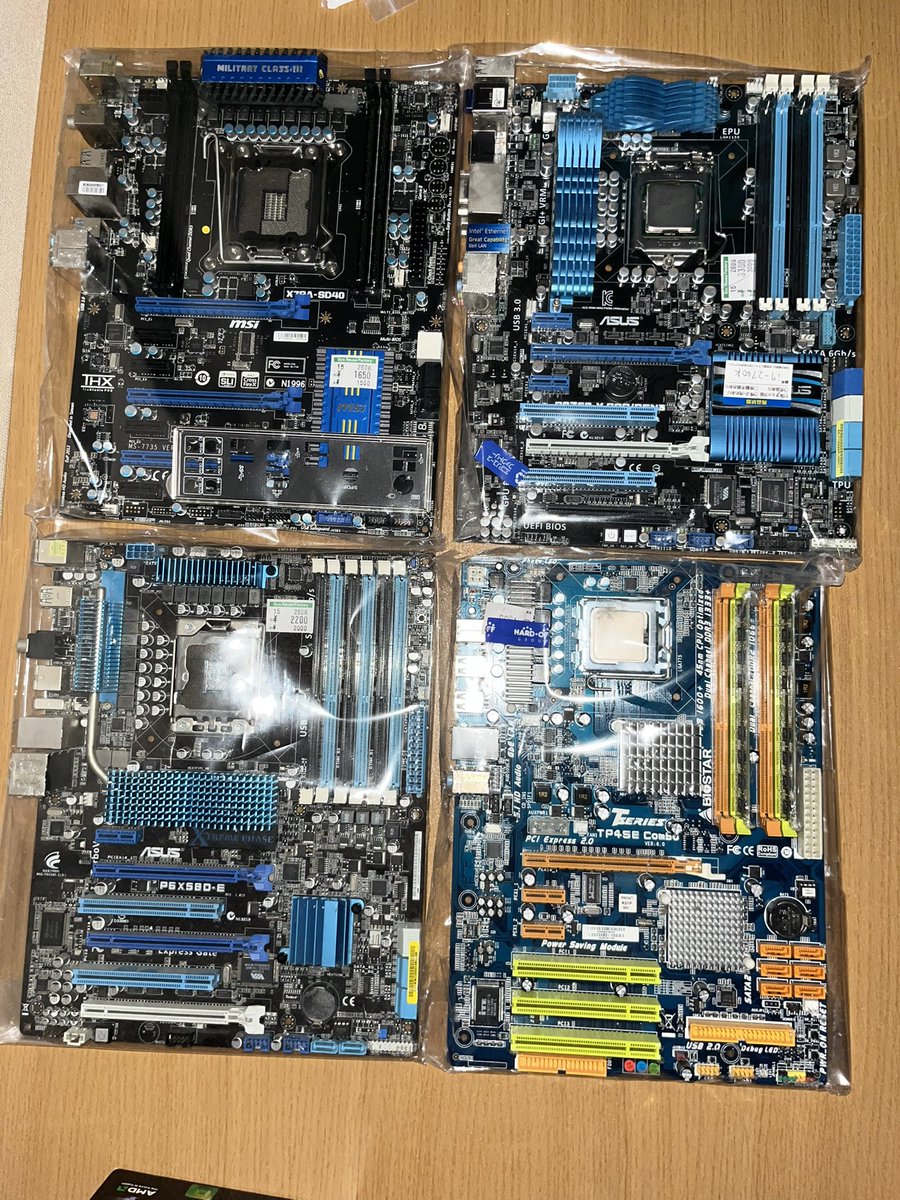
・Biostar TP45E Combo(Core 2 Quad Q8400、DDR2 2GB×2付、1650円)
・ASUS P6X58D-E(2200円)
・P8Z68-V PRO/GEN3(i7-2700K付、3300円)
・MSI X79A-SD40(1650円)
・Elixir DDR3 4GB×4(1枚330円)
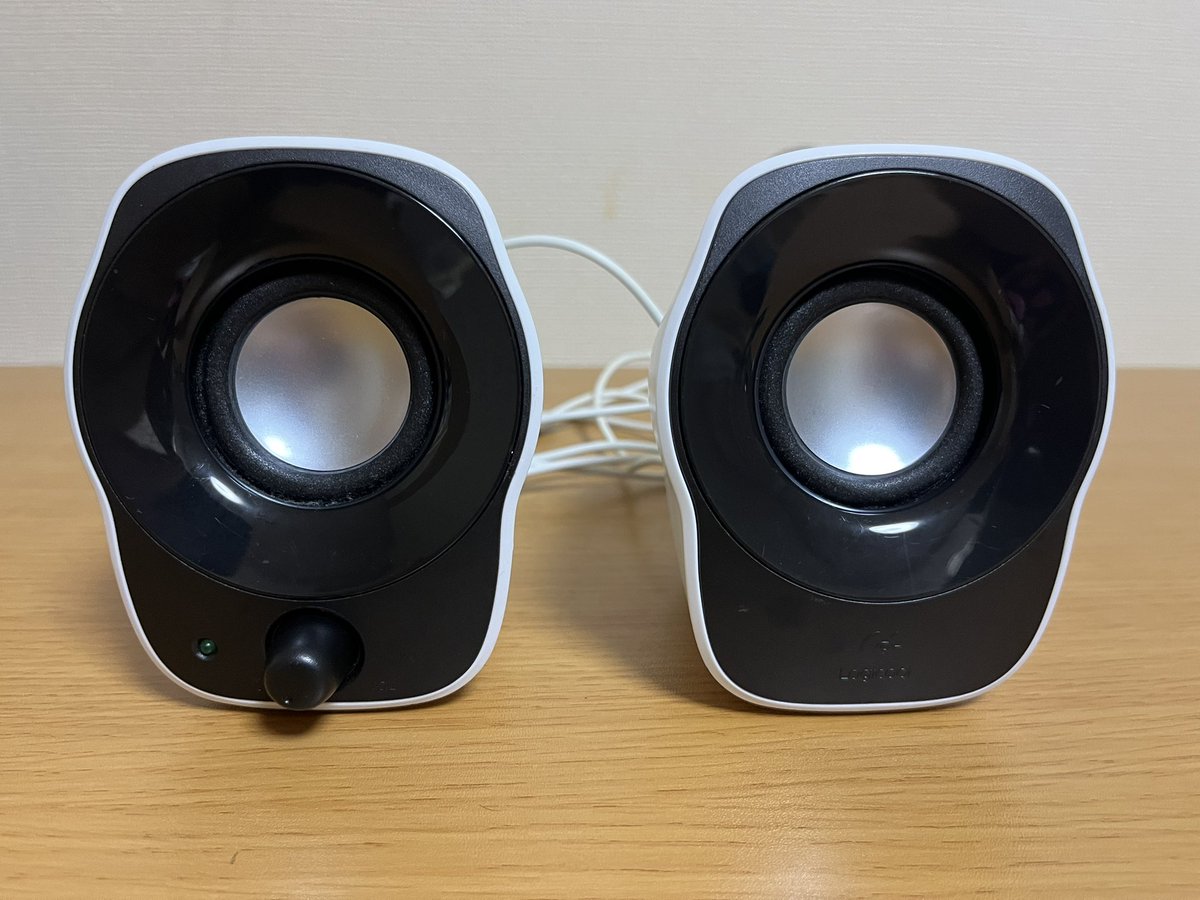
・Logicool S-00109 スピーカー(550円)
#ハードオフ #パソコン #ジャンク

1
32

Bubbeljr✨️ retweeted

He built a payment processor-@PayPal
An Electric car company- @Tesla
A brain restoration chip- @neuralink
An Internet Company- @Starlink
Reusable Rockets- @SpaceX
Please, tell the group wtf YOU'VE contributed to the human race ma'am?
2
1
4
120

cherng⸆⸉ retweeted

The updates coming to Apple’s built-in raw photo processing will be insane. Here is their Raw 8 processor vs the new version 9


15
52
2,652
173,933