
3 Jun 2025
You don’t need more ideas. You need better prioritization😎
Let’s be real — PM life = 937 ideas, 3 stakeholders fighting for air time, 0 clarity on what actually moves the needle.
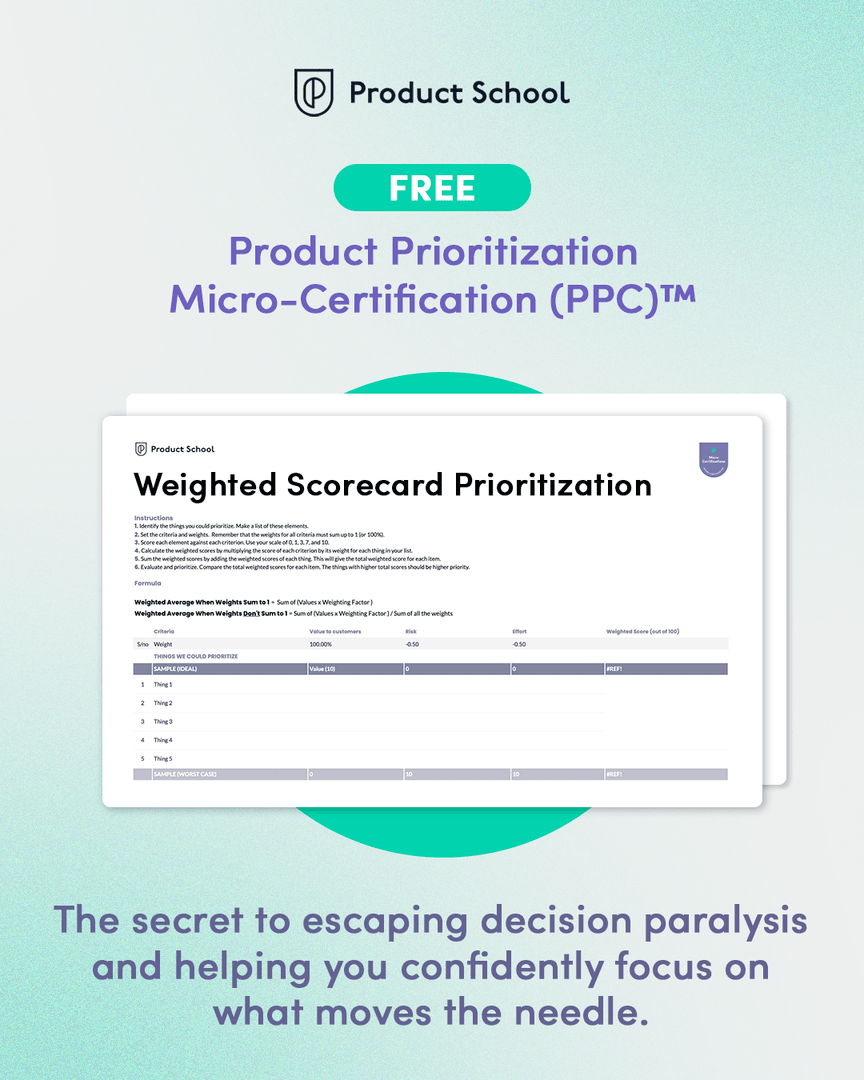
That’s where our brand-new Product Prioritization Micro-Certification (PPC)™️ comes in. And yes, it’s 100% FREE.
Learn how to:
💡 Say “no” with a strategy (not guilt)
💡 Choose the right framework at the right time (MoSCoW? RICE? Weighted Scoring? Yep.)
💡 Navigate shifting priorities, feedback, and ambiguity
💡 Clearly communicate trade-offs and get buy-in from stakeholders
What’s included:
📦 4 structured modules
📦 Short videos interactive readings
📦 Real-world examples
📦 Plug-and-play templates
🔗Enroll for free now prdct.school/43OUnvE — and finally start building with impact, not just urgency!
#ProdMgmt #ProductManagement #ProductPrioritization #ProductManagementCertification #ProductManagementTraining
2
353
31 Aug 2024
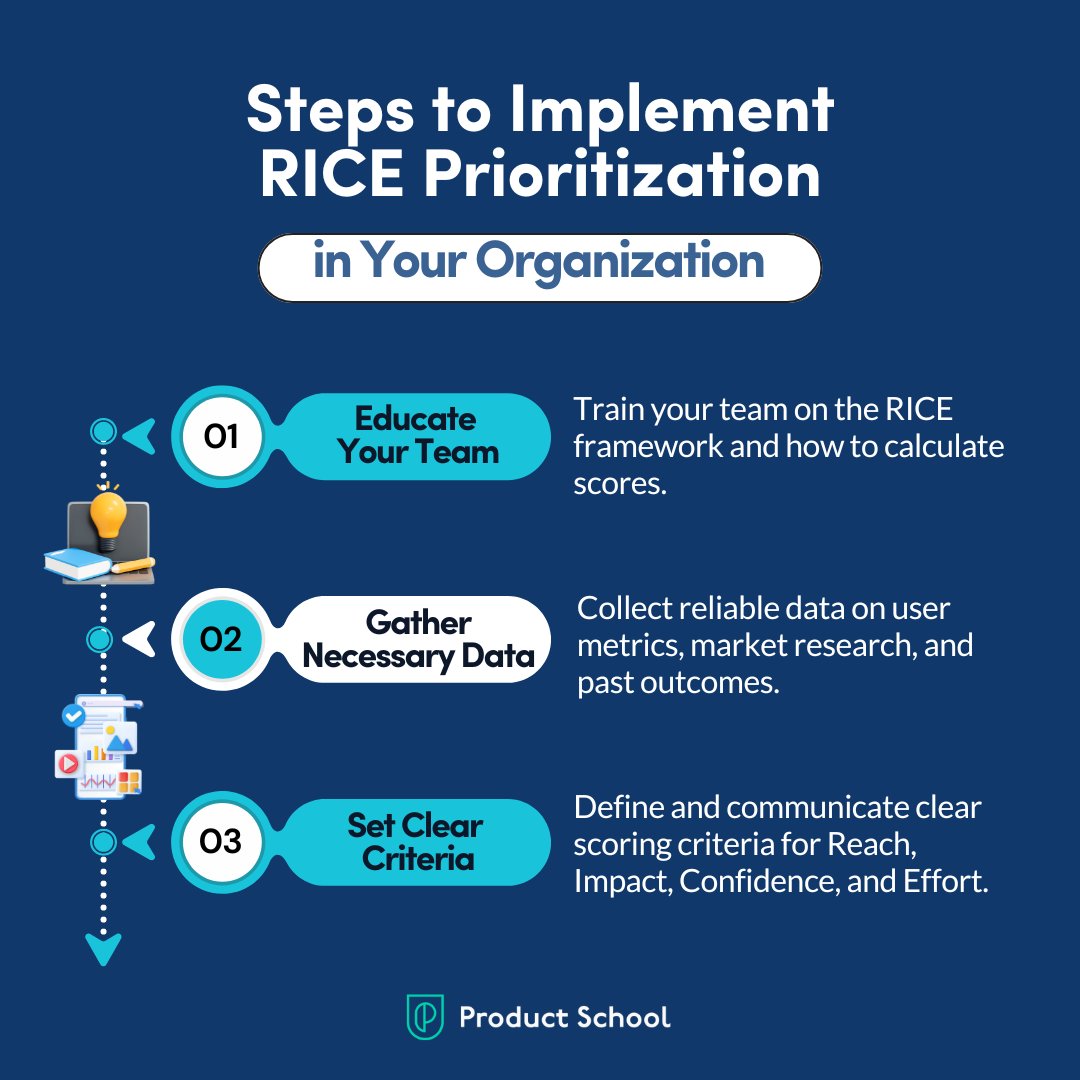
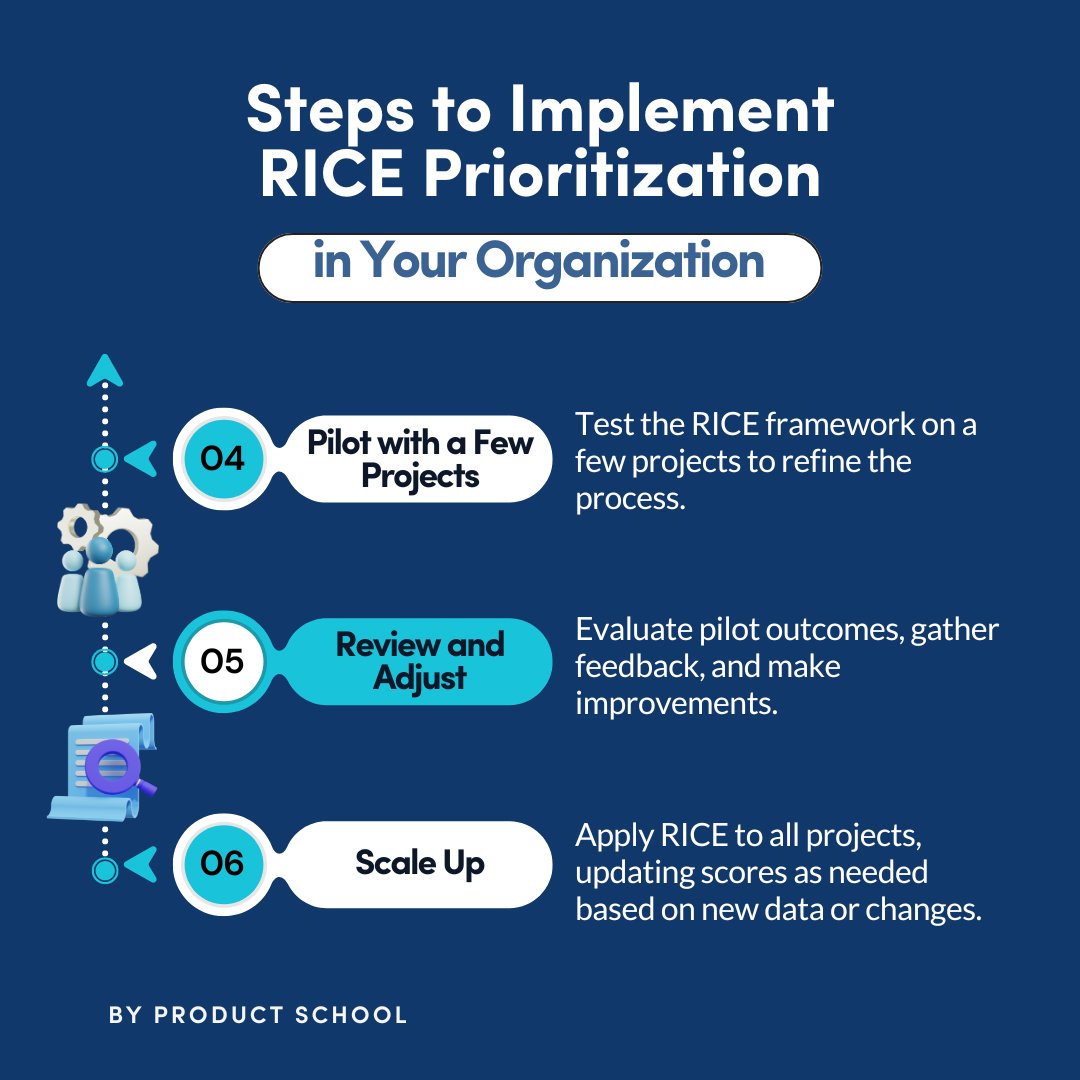
Are you feeling overwhelmed by product prioritization? Say hello 👋 to the RICE Framework that will help you make data-driven decisions that truly matter!
The RICE framework helps you make data-driven decisions by evaluating projects based on four factors: Reach, Impact, Confidence, and Effort. This approach ensures you focus on initiatives that offer the most value.🤩
Head to our blog at bit.ly/3YXhOB6 to learn how to calculate the RICE score and some of the best practices to get started!
#prodmgmt #productmanagement #riceframework #productprioritization #productproductivity #productstrategy #productleadership
1
4
547
30 Aug 2024
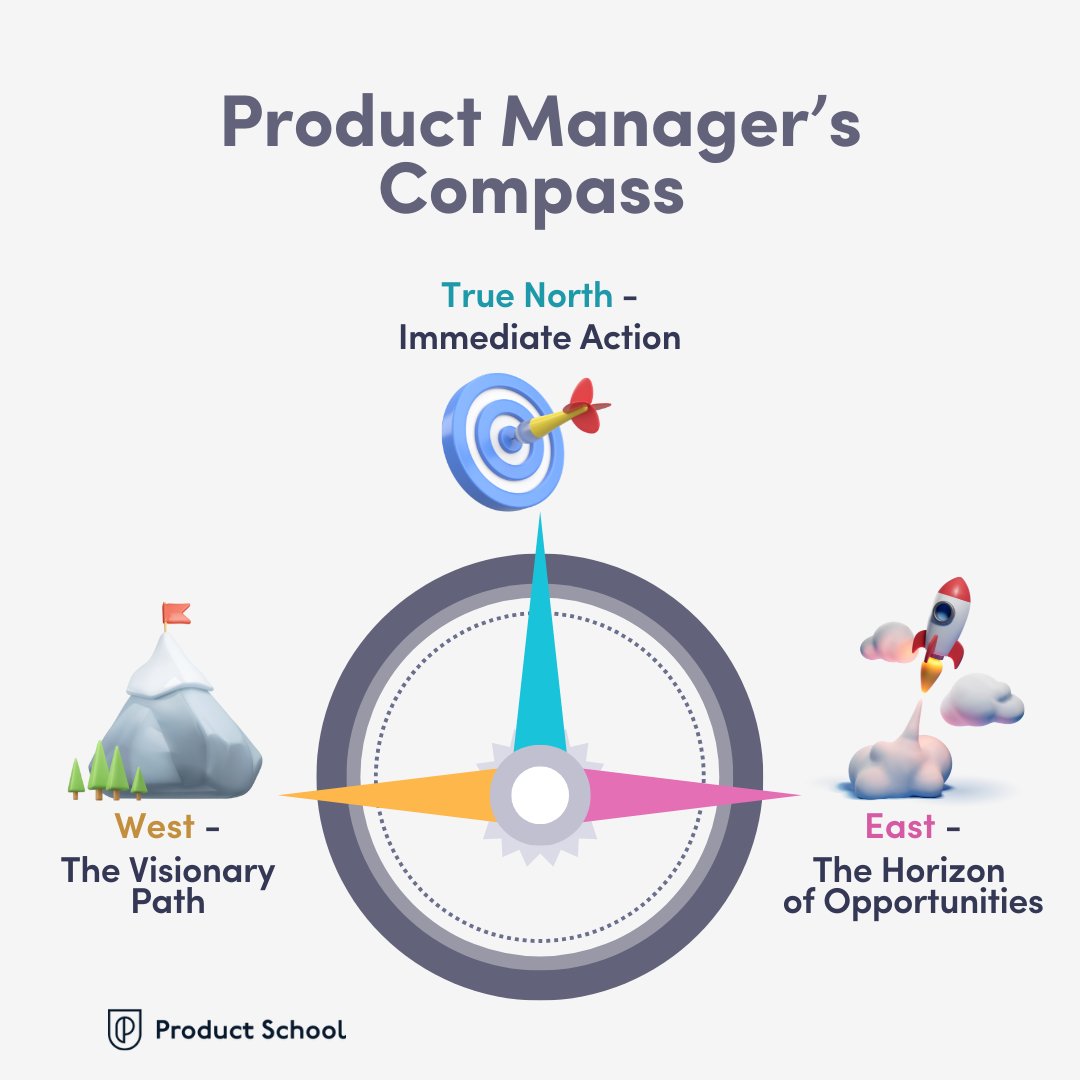
The Now-Next-Later framework should be your new best friend, if you want to avoid curves ahead!😉
Here’s a quick breakdown:
✨Now: Focus on immediate priorities that need action today. Keep your team sharp and responsive with clear, actionable tasks.
✨Next: Set your sights on what’s coming up. These are the short-term goals that will soon take center stage.
✨Later: Dream big! Outline your long-term vision and goals, guiding your product’s future direction.
Want to dive deeper into how this framework can streamline your product strategy? 📈
Head to our blog for the full guide at bit.ly/3Xdl8Xn!
#prodmgmt #productmanagement #nownextlaterframework #productstrategy #productdevelopment #productprioritization
2
397
17 Jun 2024
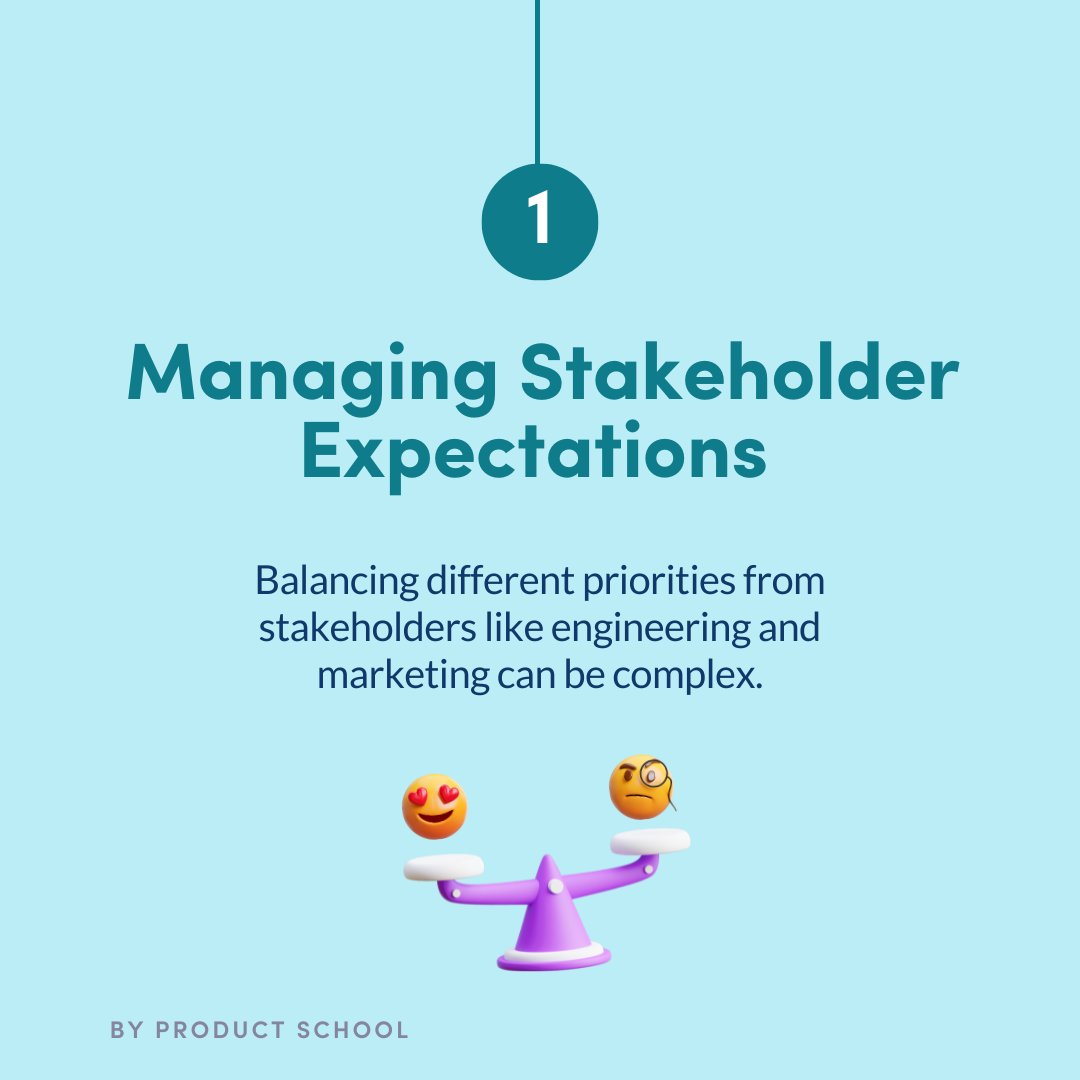
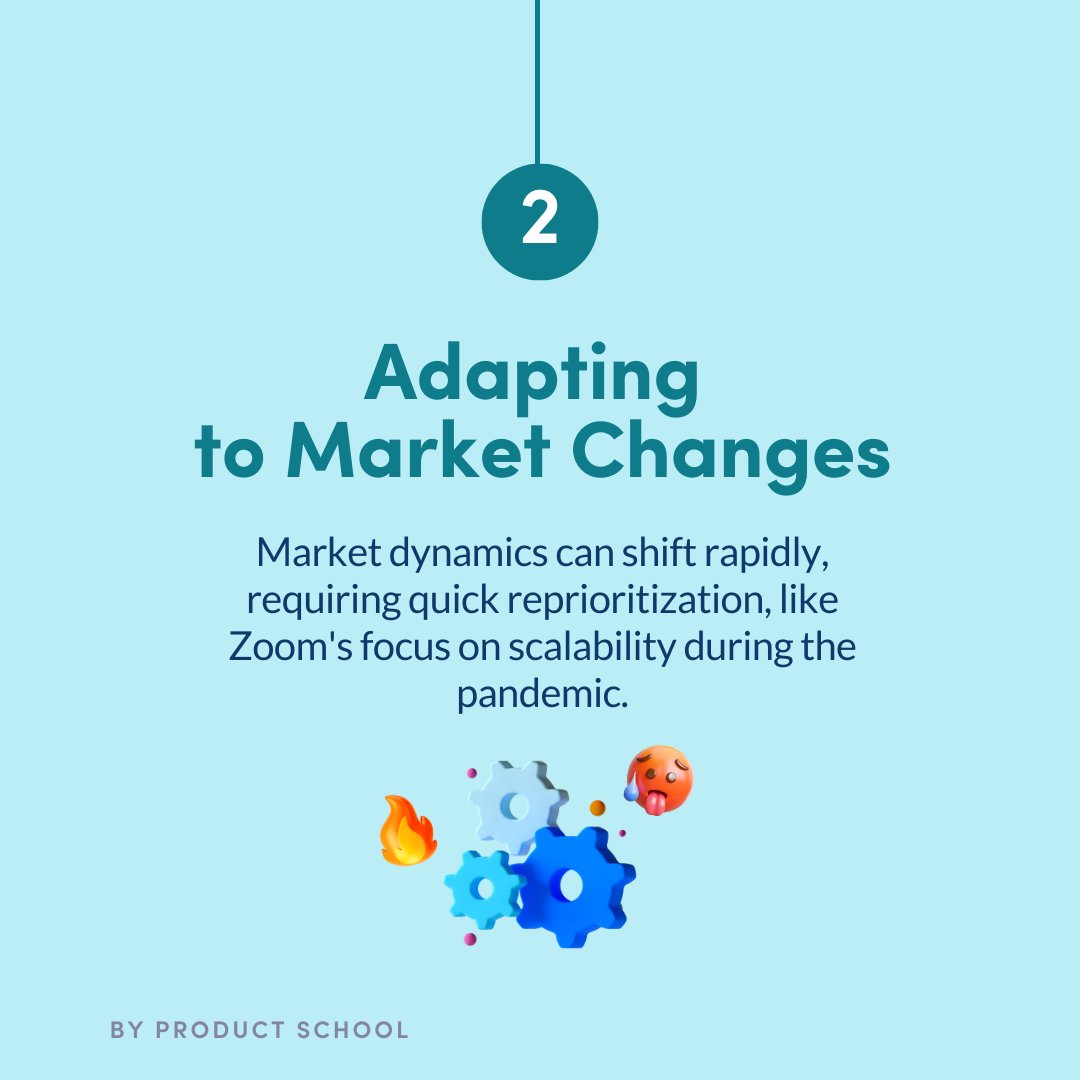
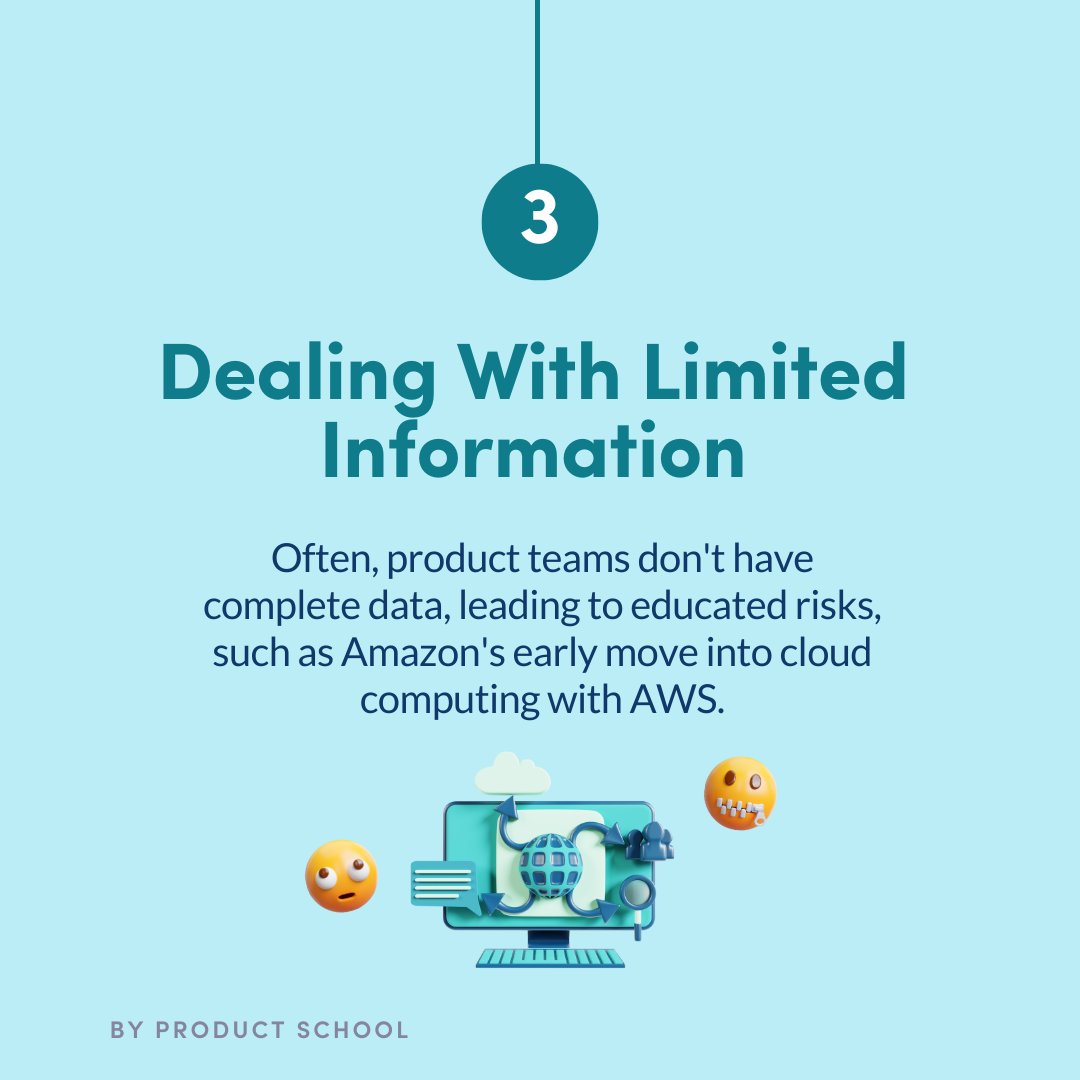
Prioritization is key for successful product development, but it can be a tough nut to crack.
Check out productschool.com/blog/produ… for more information!
#prodmgmt #productprioritization
1
5
547

19 Nov 2023
Day 2
In today's Product Management 101, we'll delve into the MoSCoW prioritization framework, exploring its principles and examining practical applications with real-world examples.
🚀Let's decode the essence of MoSCoW and see how it plays out in the dynamic landscape of product management.
**MoSCoW Framework: Unpacking Priorities**
🔍 Must-haves (M): These are the non-negotiable essentials, the backbone of your product. For example:
- Real World Application: An e-commerce app must have a secure payment system for transactions to function effectively.
🔍 Should-haves (S): Important features that enhance the product but aren't deal-breakers. Think of them as the spices in your recipe.
- Real World Application: A travel app should have a user-friendly interface, making navigation a smoother experience.
🔍 Could-haves (C): Nice-to-have features that add value but are not critical. These are the cherries on top.
- Real World Application: A social media platform could incorporate a dark mode for users who prefer a different aesthetic.
🔍 Won't-haves (W): Features that, for now, won't make the cut. Maybe due to resource constraints or low demand.
- Real World Application: A fitness app might decide not to include a virtual reality workout feature at the moment, as it's not widely requested.
Let’s look at this Real-world Mojo:
Imagine you're building a project management tool.
- Must-have (M): Task creation and assignment – fundamental for any project management system.
- Should-have (S): Gantt chart functionality, adding depth to project visualization.
- Could-have (C): Integration with a third-party messaging app for team communication.
- Won't-have (W): Gamified elements for task completion, as it might not align with the professional nature of the tool.
MoSCoW brings clarity, ensuring the team focuses on building what truly matters. It's like crafting a masterful dish; each ingredient (feature) contributes to the overall flavor (product success)! 🌟 #MoSCoWFramework #ProductPrioritization
#product #productdesign #productmanagement
24
20
29
2,650

In product development, saying ‘yes’ to one feature often means saying ‘no’ to another. Prioritization is the art of aligning your ‘yeses’ with your customer’s most critical needs and your business goals. #ProductPrioritization
2
74

15 Oct 2023
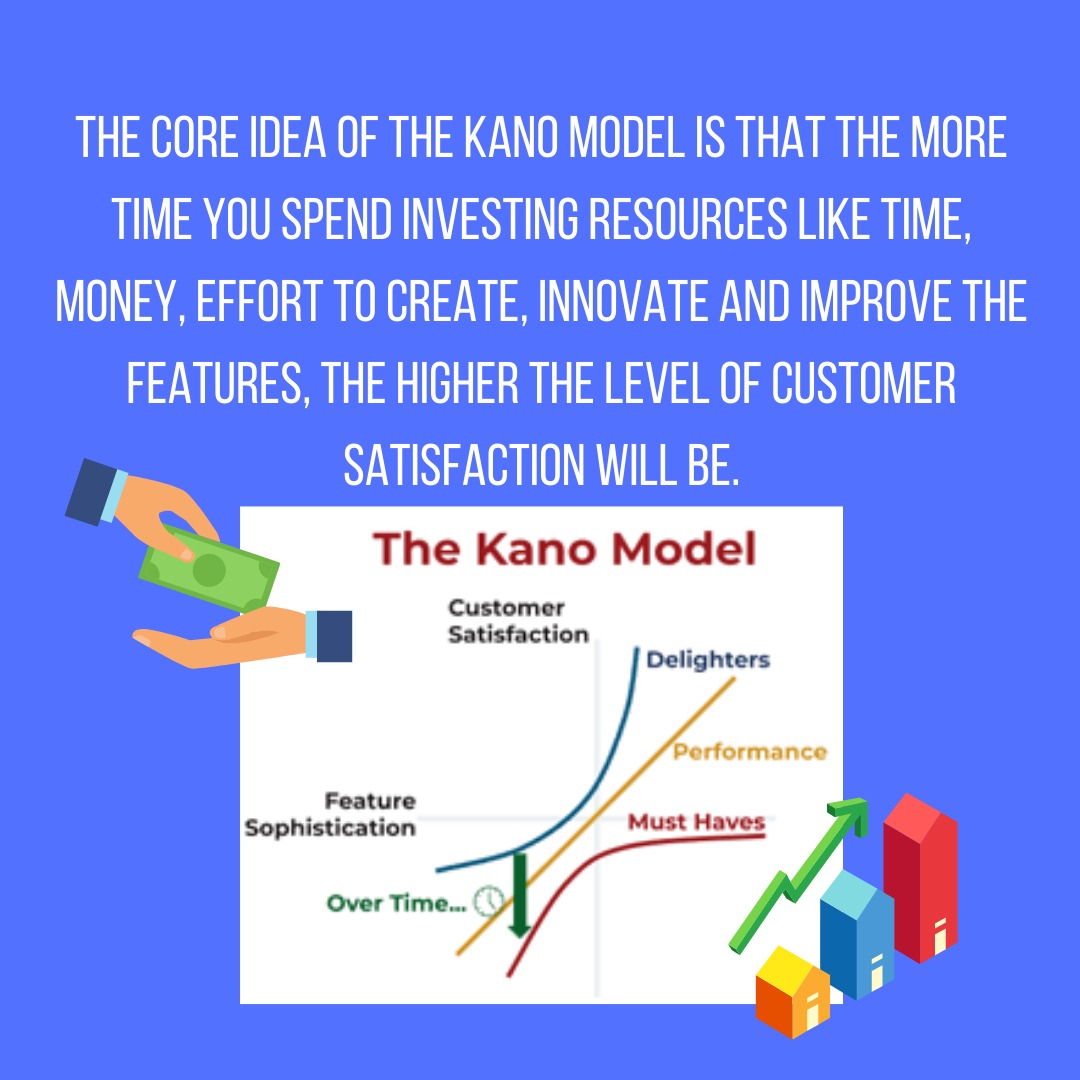
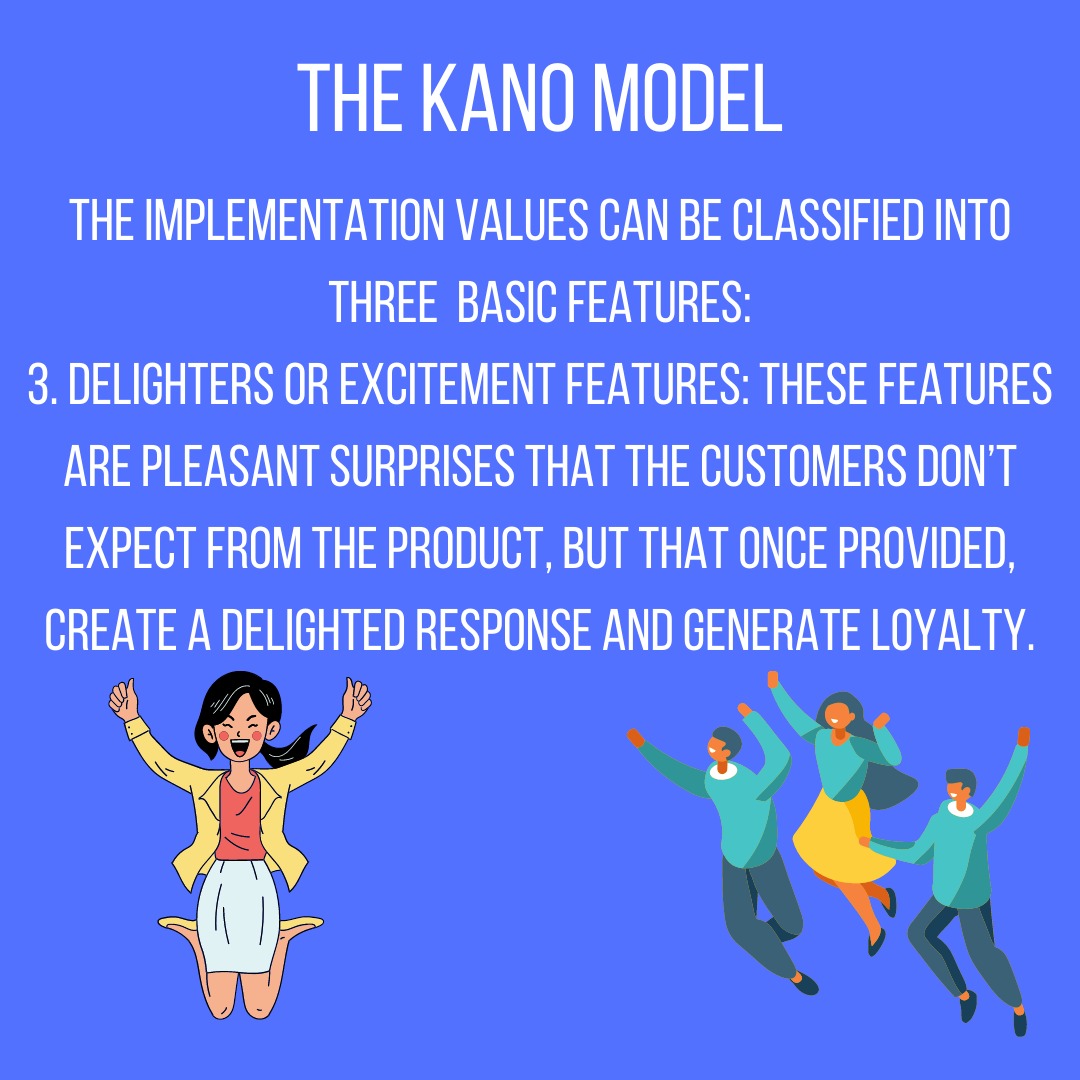
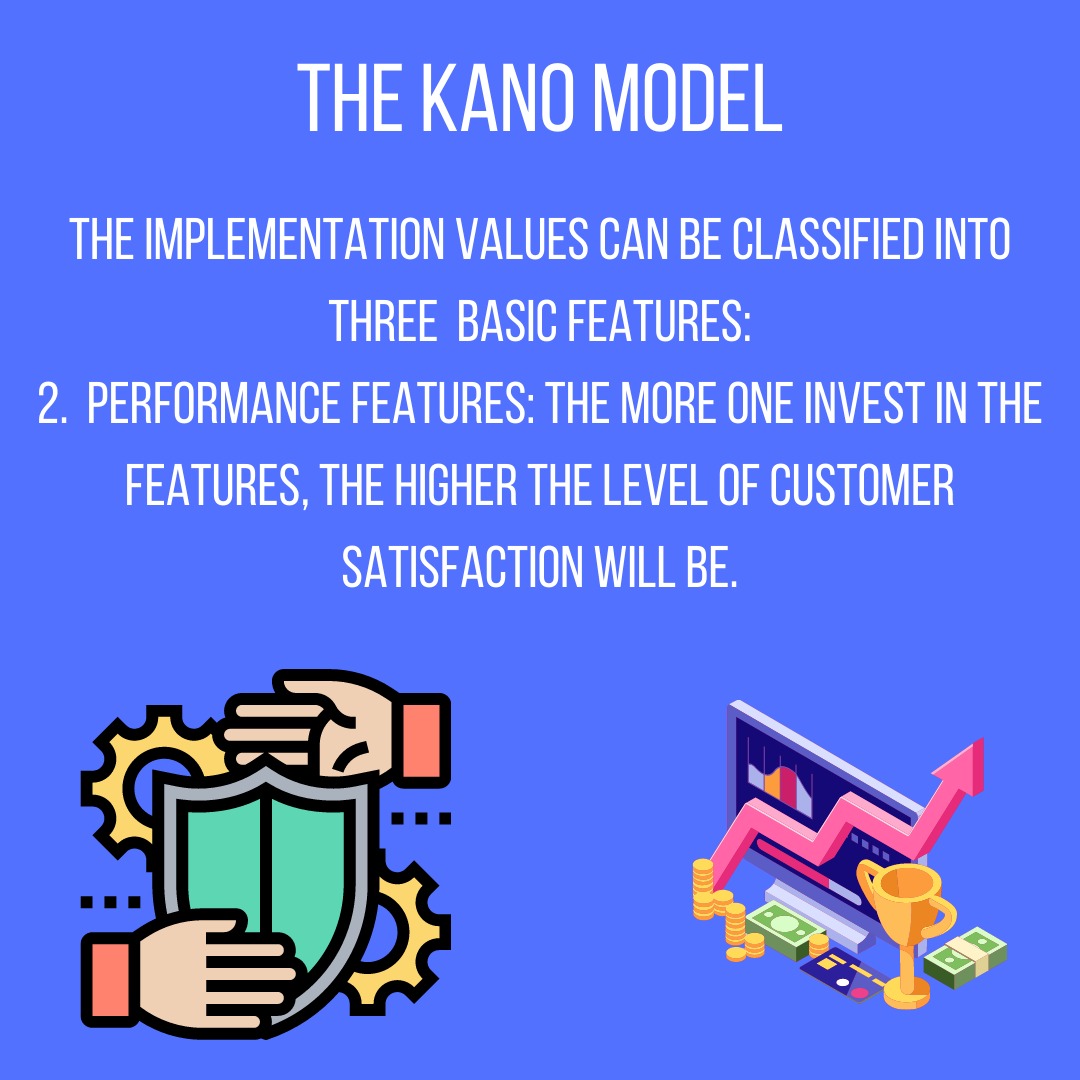
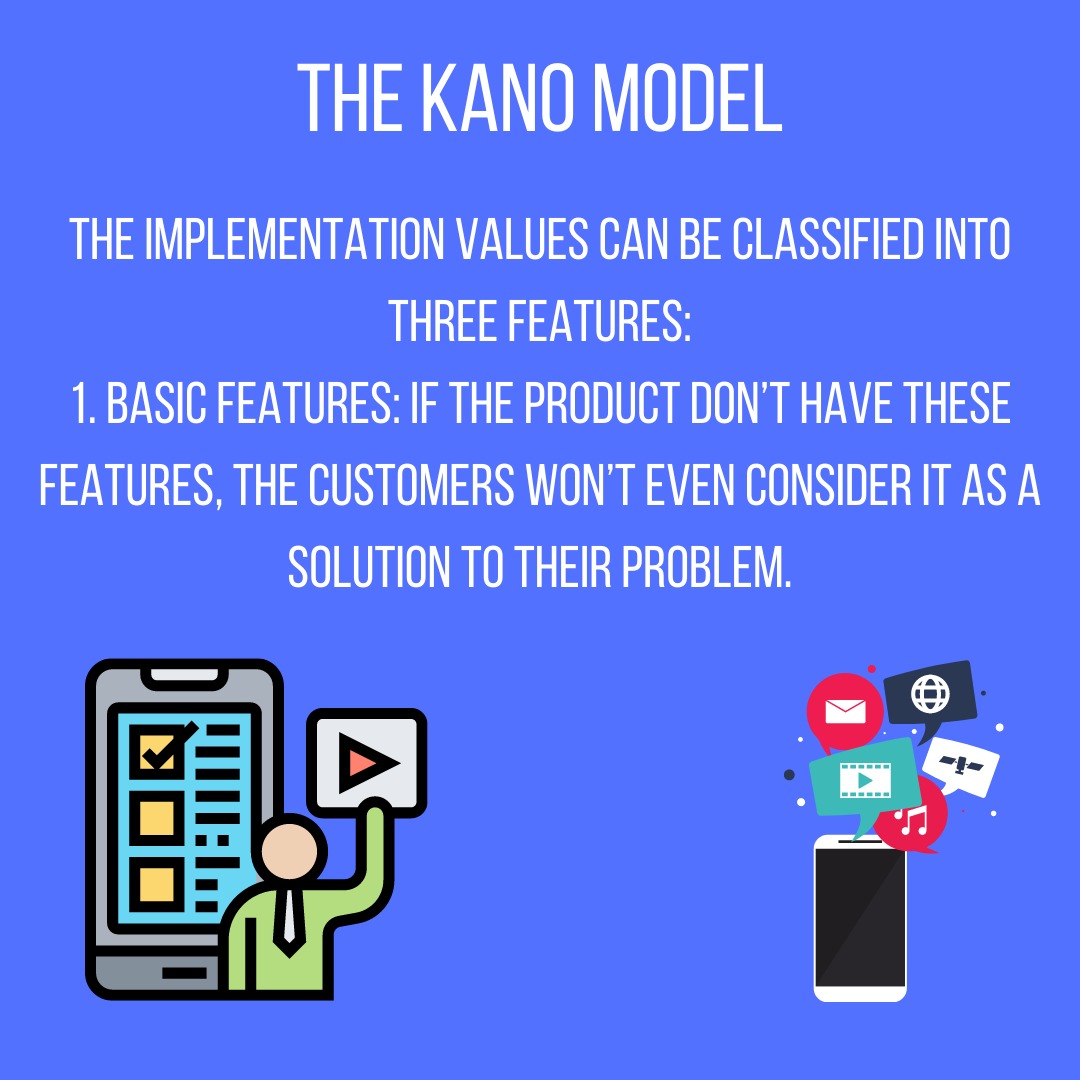
Explore the emotional connection between your product and customers with the Kano Model, classifying features to balance customer satisfaction with implementation. 🎉 #ProductManagement #ProductPrioritization #KanoModel
1
16

21 Dec 2021
How does SU-RICE prioritization framework make a better business case for SaaS products?
youtu.be/jXYWfFCHzA8
#productmanagement #productleadership #productleader #productmanager #saasproduct #saas #productprioritization

1
1
2

To prioritize your product features, you can use the RICE framework.
📢 R - Reach
🌩️ I - Impact
😎 C - Confidence
💪 E - Effort
Priority Score = (R x I X C) divided by E
#Prioritization #ProductPrioritization #ProductManagement
1
1
3

Zeda.io brings the 3rd #Productprioritization method #Kanomodel. We plot 2 sets of parameter implementation values & customer satisfaction along horizontal & vertical axis. It says that a product or service is more about customers' emotion than just functionality.
3

5 Aug 2020
A few weeks ago, @productboard PM @MartinMatus gave a super insightful talk about #productprioritization during a global pandemic. If you missed the live presentation, you can check out the video recording here.
buff.ly/3jDKYhB
#productmanagement #prioritization
1
2

3 Jul 2020
Hi,
I will be taking a Masterclass on Product Prioritization Techniques later todayby 7:15pm.
Please visit the treford.org to Register
#Product #Productivity #productmanagement #productprioritization #bootcamp

1
3

15 Jan 2017
My answer to What are the best tools and practices for managing a feature/ #ProductPipeline? quora.com/What-are-the-best-… #ProductPrioritization
1

9 Jun 2016
1

Using #instinct to lead #productprioritization? Think twice. Add analytics to your #prioritization for top results.
bit.ly/1vSbdS1
4