
Global success often comes from balance.
A consistent identity combined with thoughtful local adaptation helps products stay relevant across different markets.
#ProductStrategy #GlobalMarketing

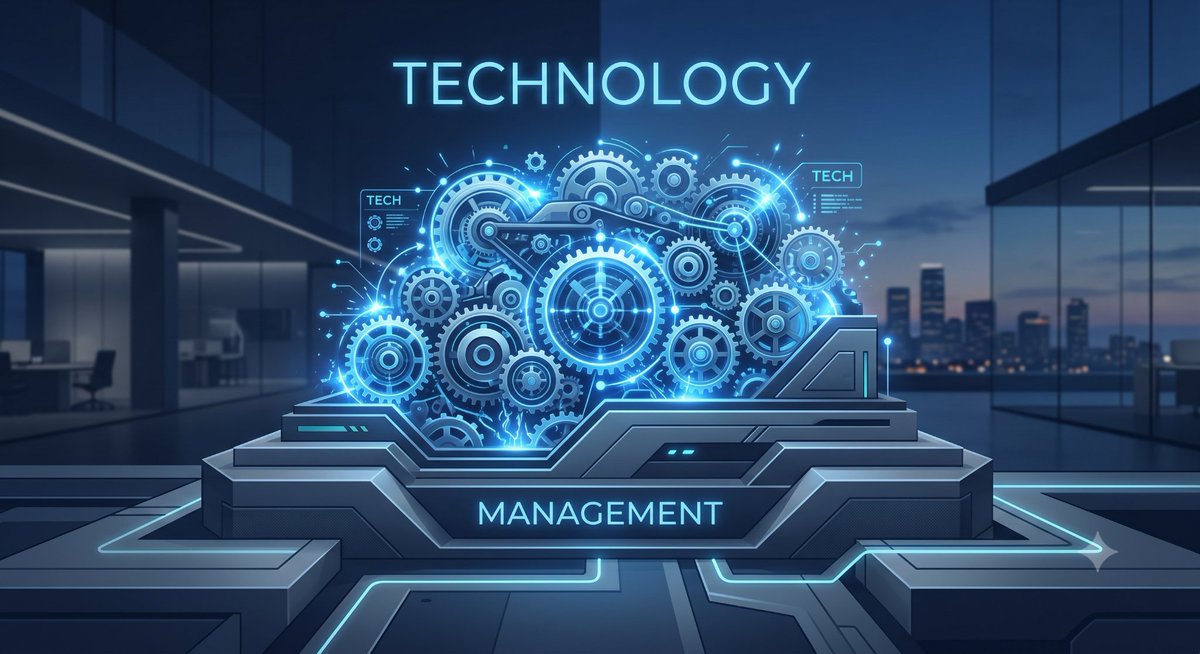
I value management, but I have always believed it is merely the best form of support. Fundamental breakthroughs only come from advancements in product and technology. 🚀
我重视管理,但我一直相信管理只是最佳辅助,产品和技术提升才是破局的根本。🚀
#ProductStrategy #TechInnovation #Management #Breakthrough
1

Most teams are building AI features on old architectures. Here's why that's the wrong approach. #AI #ProductStrategy
1
15
Most AI projects fail because teams build features first and figure out business value later. Map your pipeline from AI capability to business metric before you write code, or you'll build impressive demos that nobody pays for. #AI #ProductStrategy
1
6

We’re training models that can plan, use tools, and act.
At what point does “alignment” stop being a model property and become a system design problem across the entire product stack?
#AI #ProductStrategy
1
1
6
Dushyant Arora retweeted

Jun 10
1
1
8

🛠️ AI Product Management for LLM & Agentic Systems — the critical strategic & execution layer that turns powerful technical capabilities into valuable, safe, reliable, and transformative products.
Just read this excellent capstone technical white paper from @aasaitech — the perfect grand finale to the entire series.
Key highlights: • Adapted frameworks for uncertainty, evaluation complexity, cost/unit economics, safety, and rapid iteration • 6-step PM Framework full AI Product Lifecycle (Discover → Define → Design → Develop → Evaluate → Launch & Iterate) • Core skills, outcome-driven metrics, risk management, cross-functional collaboration, and experimentation under uncertainty • Industrial focus: Maintenance copilots, agentic workflows, edge orchestration, knowledge systems, and shop-floor adoption
Build. Learn. Improve. Repeat. This synthesizes everything from architecture, RAG, agents, edge deployment, governance, verification, human-AI teaming, and more into disciplined product strategy and execution.
Full white paper infographic: x.com/aasaitech/status/20656…
How mature is your AI product management practice — traditional frameworks, adapted outcome-driven iteration, or full AI-native PM with experimentation velocity and risk-aware development?
#AIProductManagement #LLMProduct #AgenticAI #IndustrialAI #ProductStrategy #ManufacturingAI #EdgeAI

1
17

Jun 13
¿Estamos viviendo las nuevas Crypto Wars, pero con IA?
Leyendo el debate sobre controles de exportación para modelos avanzados de IA, no puedo evitar acordarme de los años 90.
En aquella época, la criptografía fuerte era considerada una tecnología estratégica. Tan estratégica que, en determinados contextos, exportar software criptográfico podía tratarse de forma similar a exportar tecnología militar.
La paradoja llegó a ser tan evidente que el código fuente de PGP terminó publicándose en formato libro. Un libro estaba protegido como expresión; el mismo contenido en un soporte digital podía estar sujeto a restricciones de exportación.
Treinta años después, la criptografía no desapareció. Ocurrió justo lo contrario: se convirtió en una capa fundamental de Internet, del comercio electrónico, de la banca digital y de prácticamente cualquier servicio online.
Ahora observo algunas similitudes en el debate sobre IA:
Tecnología considerada estratégica.
Preocupación por la proliferación global.
Tensiones entre innovación y seguridad nacional.
Dificultad para controlar la difusión de software y conocimiento.
Pero también hay una diferencia importante.
Un algoritmo criptográfico puede copiarse infinitamente a coste casi cero. Un modelo de frontera requiere computación, talento, datos, energía e infraestructura. Por eso quizás la analogía correcta no sea solo la criptografía, sino una combinación de criptografía y semiconductores.
La pregunta que me parece realmente interesante no es si debemos regular la IA.
Es qué tipo de tecnología es realmente la IA avanzada.
¿Estamos ante algo que seguirá la trayectoria de la criptografía, convirtiéndose en infraestructura básica e imposible de contener a largo plazo?
¿O estamos ante algo más parecido a los chips avanzados, donde el control de la cadena de suministro seguirá siendo un factor geopolítico decisivo?
La respuesta probablemente definirá la próxima década de innovación tecnológica.
¿Qué analogía os parece más acertada: criptografía o semiconductores?
#AI #ArtificialIntelligence #CryptoWars #Technology #Innovation #Geopolitics #ProductStrategy #DigitalTransformation #Web3 #Fintech
41
Jun 13
¿Estamos viviendo las nuevas Crypto Wars, pero con IA?
Leyendo el debate sobre controles de exportación para modelos avanzados de IA, no puedo evitar acordarme de los años 90.
En aquella época, la criptografía fuerte era considerada una tecnología estratégica. Tan estratégica que, en determinados contextos, exportar software criptográfico podía tratarse de forma similar a exportar tecnología militar.
La paradoja llegó a ser tan evidente que el código fuente de PGP terminó publicándose en formato libro. Un libro estaba protegido como expresión; el mismo contenido en un soporte digital podía estar sujeto a restricciones de exportación.
Treinta años después, la criptografía no desapareció. Ocurrió justo lo contrario: se convirtió en una capa fundamental de Internet, del comercio electrónico, de la banca digital y de prácticamente cualquier servicio online.
Ahora observo algunas similitudes en el debate sobre IA:
Tecnología considerada estratégica.
Preocupación por la proliferación global.
Tensiones entre innovación y seguridad nacional.
Dificultad para controlar la difusión de software y conocimiento.
Pero también hay una diferencia importante.
Un algoritmo criptográfico puede copiarse infinitamente a coste casi cero. Un modelo de frontera requiere computación, talento, datos, energía e infraestructura. Por eso quizás la analogía correcta no sea solo la criptografía, sino una combinación de criptografía y semiconductores.
La pregunta que me parece realmente interesante no es si debemos regular la IA.
Es qué tipo de tecnología es realmente la IA avanzada.
¿Estamos ante algo que seguirá la trayectoria de la criptografía, convirtiéndose en infraestructura básica e imposible de contener a largo plazo?
¿O estamos ante algo más parecido a los chips avanzados, donde el control de la cadena de suministro seguirá siendo un factor geopolítico decisivo?
La respuesta probablemente definirá la próxima década de innovación tecnológica.
¿Qué analogía os parece más acertada: criptografía o semiconductores?
#AI #ArtificialIntelligence #CryptoWars #Technology #Innovation #Geopolitics #ProductStrategy #DigitalTransformation #Web3 #Fintech
18

Jun 13
Day 70 - The Most Interesting Thing in Product
The Price Changed. The Product Didn't. The Developers Did.
GitHub switched its most popular AI plan to usage-based billing without a value-aligned justification.
#ProductManagement #AIProduct #ProductStrategy
10

Jun 12
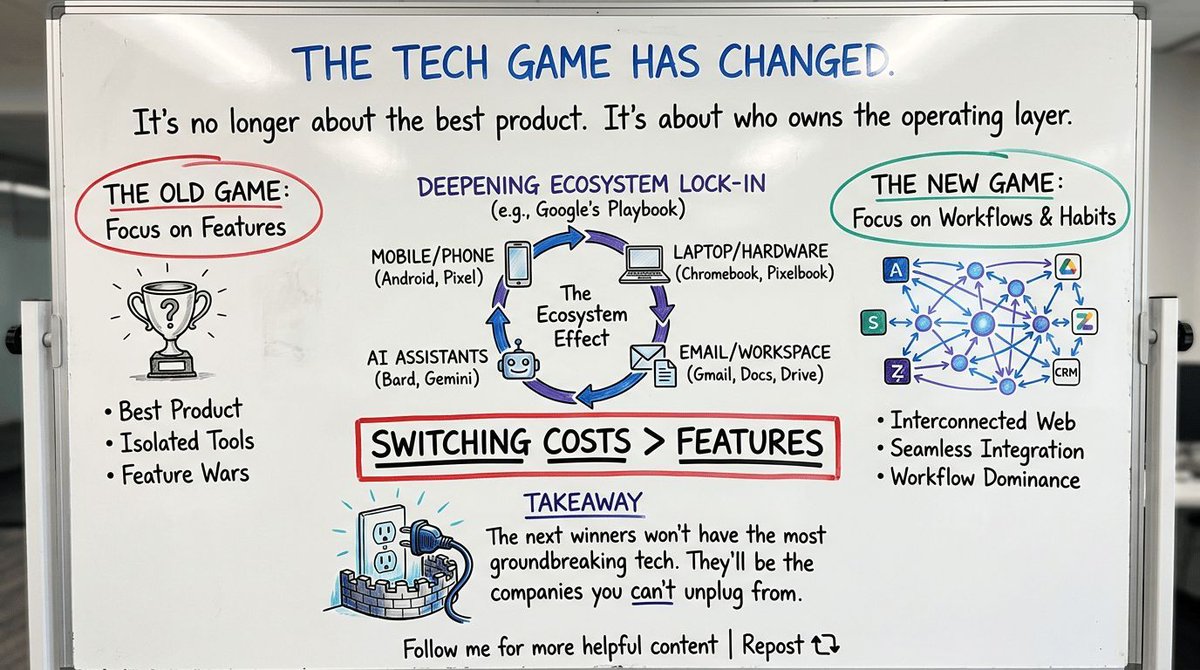
The tech game has changed.
It's no longer about who builds the best product.
It's about 𝘄𝗵𝗼 𝗼𝘄𝗻𝘀 𝘁𝗵𝗲 𝗼𝗽𝗲𝗿𝗮𝘁𝗶𝗻𝗴 𝗹𝗮𝘆𝗲𝗿 — the workflows, the integrations, the daily habits you can't escape.
🔗 Google's latest Googlebook isn't solving new problems. They're 𝗱𝗲𝗲𝗽𝗲𝗻𝗶𝗻𝗴 𝗲𝗰𝗼𝘀𝘆𝘀𝘁𝗲𝗺 𝗹𝗼𝗰𝗸-𝗶𝗻: phone to laptop, AI in Gmail, Gemini in your workflow, Android everywhere.
The insight? 𝗦𝘄𝗶𝘁𝗰𝗵𝗶𝗻𝗴 𝗰𝗼𝘀𝘁𝘀 𝗻𝗼𝘄 𝗺𝗮𝘁𝘁𝗲𝗿 𝗺𝗼𝗿𝗲 𝘁𝗵𝗮𝗻 𝗳𝗲𝗮𝘁𝘂𝗿𝗲𝘀.
💡 The next winners won't have the most groundbreaking tech. They'll be the companies you 𝗰𝗮𝗻'𝘁 𝘂𝗻𝗽𝗹𝘂𝗴 𝗳𝗿𝗼𝗺.
Integration is the new moat.
#TechStrategy #AI #ProductStrategy #Ecosystems #TechInnovation #DigitalTransformation #FutureOfWork #BigTech #CompetitiveAdvantage #Innovation
5

1. I made this proposal to add a new feature to messaging apps like WhatsApp, Telegram, and others. I’d like to hear the product manager’s opinion, and I’d also like to know how to write a product manager report.
#ProductManagement #ProductStrategy #ProductManager

1
27
Jun 12
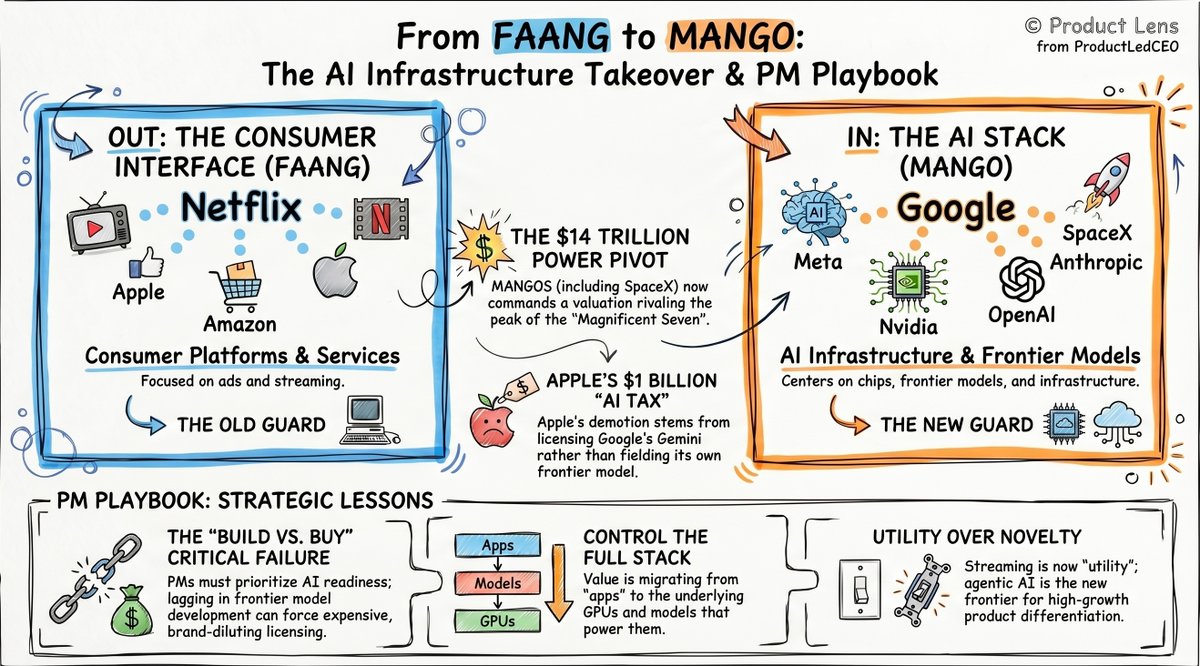
Day 40 - Product Lens | 🥭 The MANGO Era
The $14 trillion AI revolution has arrived, and it’s called MANGO. 🚀 This isn't just a new acronym—it's a fundamental shift in how "moats" and market dominance are built.
#ProductManagement #AIProduct #ProductStrategy
1
19

Jun 12
Stage 5 is not an incremental over Stage 4.
Stage 4, a well-run team uses systems.
Stage 5, agents run systems & the team runs agents. Everything changes.
The map tells you what the customer is ready for.
buff.ly/N8Pdk2k
#B2BSaaS #AI #ProductStrategy
17

Jun 12
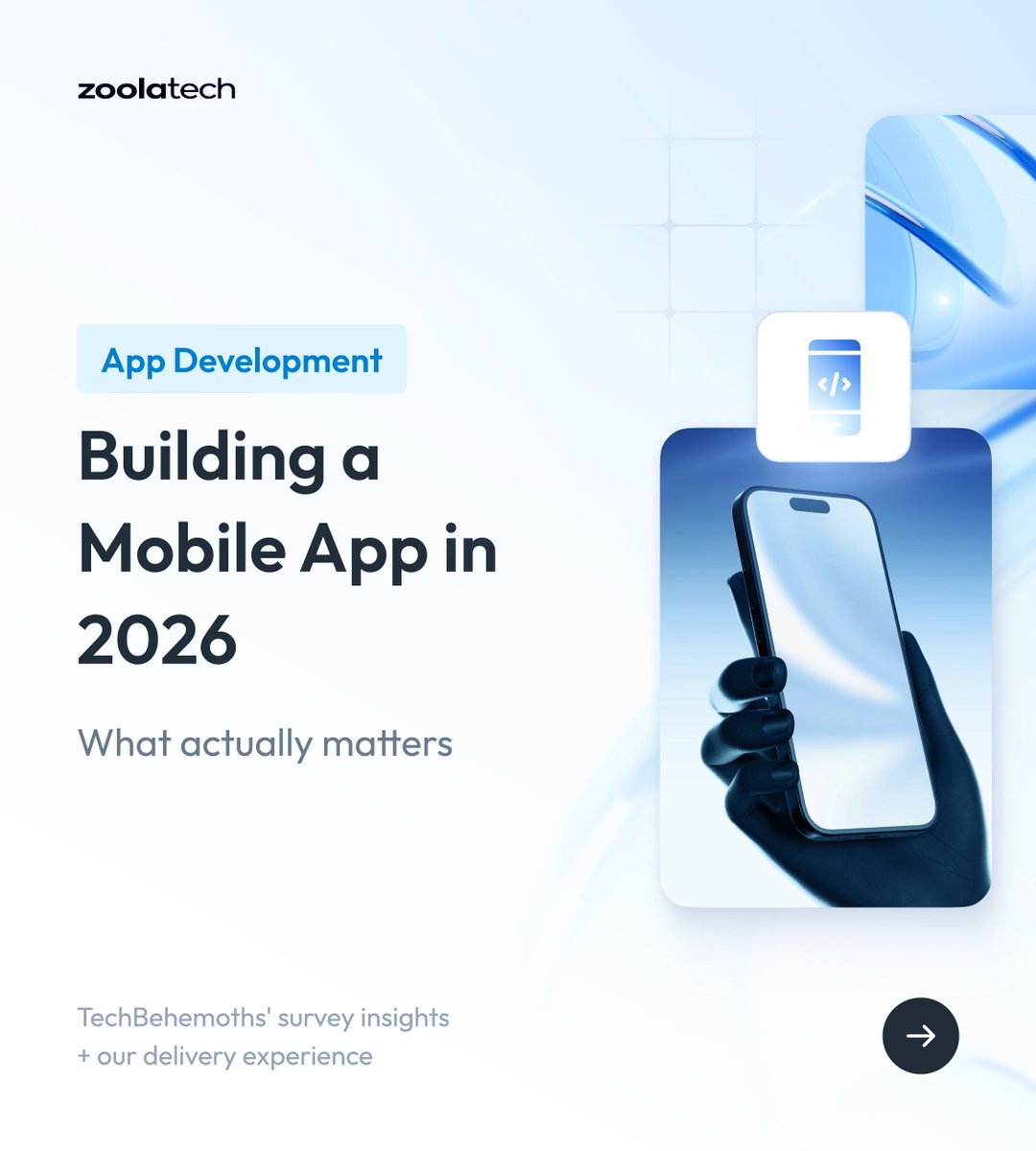
We took part in @TechBehemoths' 2026 global survey on mobile app development, alongside IT companies from 96 countries.
The teams seeing strong returns from mobile mostly do the same unglamorous thing: they get clear on what success looks like and how the app should be built before development starts. Nearly 43% don't, and later they can't really say whether the app worked.
Discover the groundwork that puts you in the 11.6%.
#Zoolatech #MobileDevelopment #AppDevelopment #ProductStrategy
1
3
22

Nokia didn’t fail overnight.
It failed slowly
by underestimating change.
Markets don’t wait.
And timing decides everything.
Follow @all4ps23
#Nokia #Apple #BrandStrategy #BusinessLessons #StartupGrowth #Innovation #MarketShift
#ProductStrategy #all4Ps
1
1
24

Jun 12
If you want to scale your SaaS, you have to stop being the "secret sauce."
Buyers don't pay for your 80-hour hustle; they pay for a machine that runs while you sleep. If your UX is confusing, you aren’t a founder—you’re a full-time support rep for your own product.
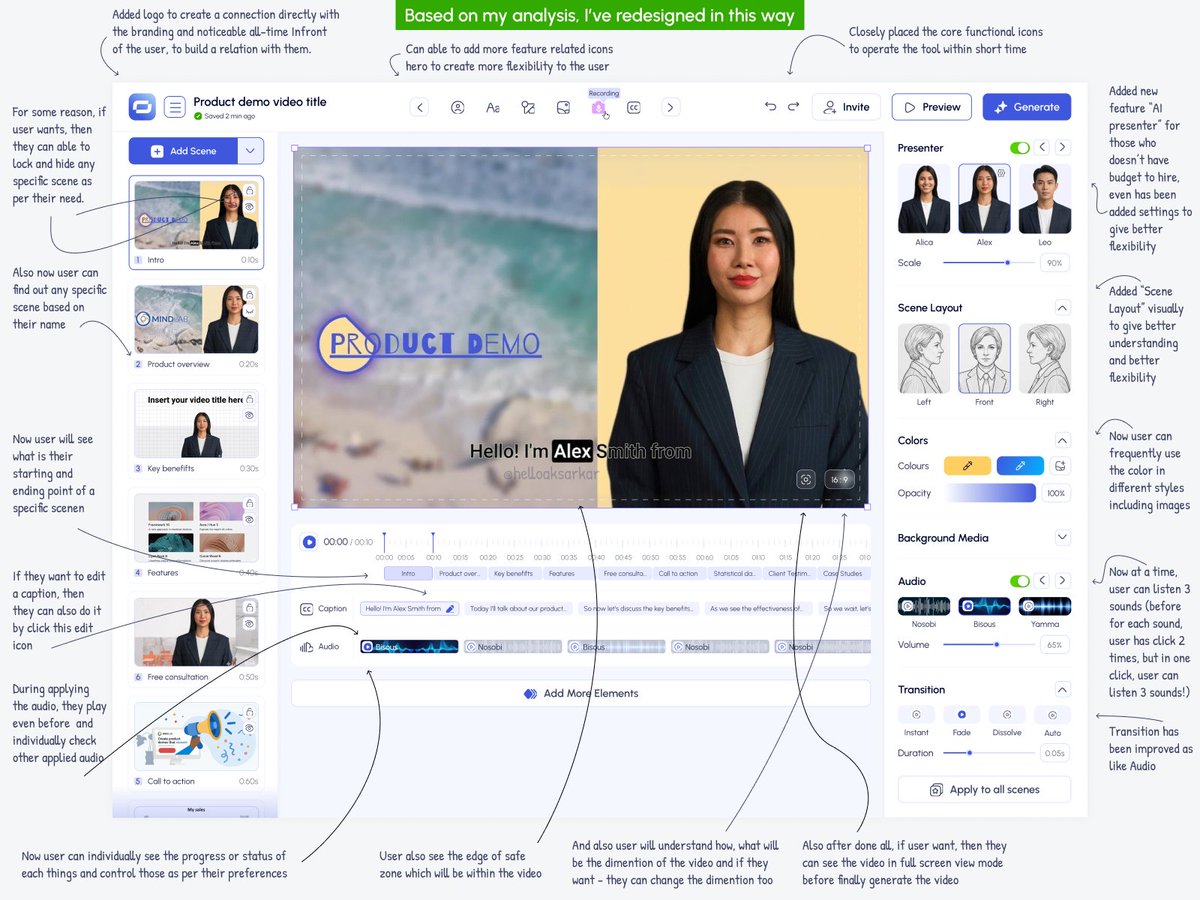
I recently took an AI video app and turned its "founder-dependent" friction into a self-serve system. You can see the transformation in image.
Here is how we made it "exit-ready":
Intuitive Navigation: Grouped core functions and added a clear logo to build an immediate brand connection.
User Control: Added scene locking, search filters, and individual progress tracking so users don't need a manual.
Smart Automation: Integrated AI presenters and streamlined audio/transition workflows to make complex tasks feel like a single click.
Visibility: Included safe zone indicators and full-screen previews so users know exactly what they are getting before hitting generate.
Don't build a cage, build an asset. I design the UX systems that let you step back and let the product do the heavy lifting. 🏗️
Ready to audit your workflow? Let’s talk.
#UXDesign #SaaS #ProductStrategy #BuildInPublic #UXaudit #UXresearch
1
57

Jun 12
Jonathan Haber helps early stage startups build clarity around positioning, operations, and user experience. Read his story. #StartupGrowth #ProductStrategy infinitesights.com/jonathan-…
1

Jun 12
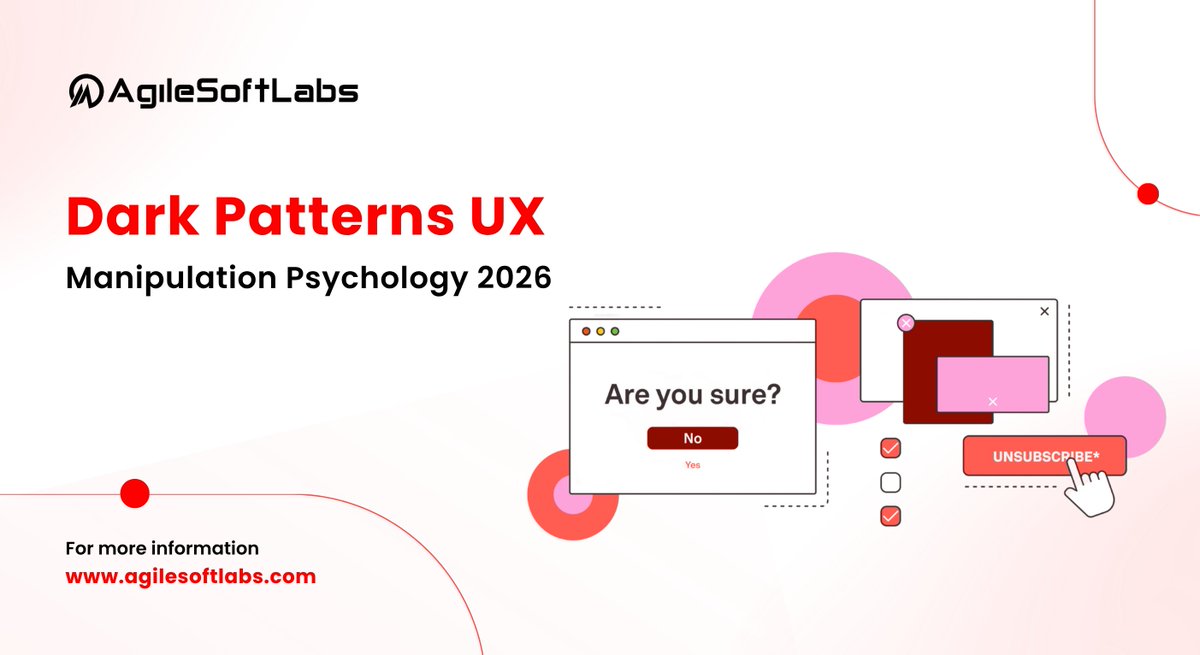
Nearly every digital product is optimized for conversion.
The question is: at what cost?
Dark patterns may drive short-term results, but user trust is what sustains growth.
🔗 tinyurl.com/3d9zk5kv
#AgileSoftLabs #UXDesign #ProductStrategy #UserTrust #EthicalDesign
1
1
6

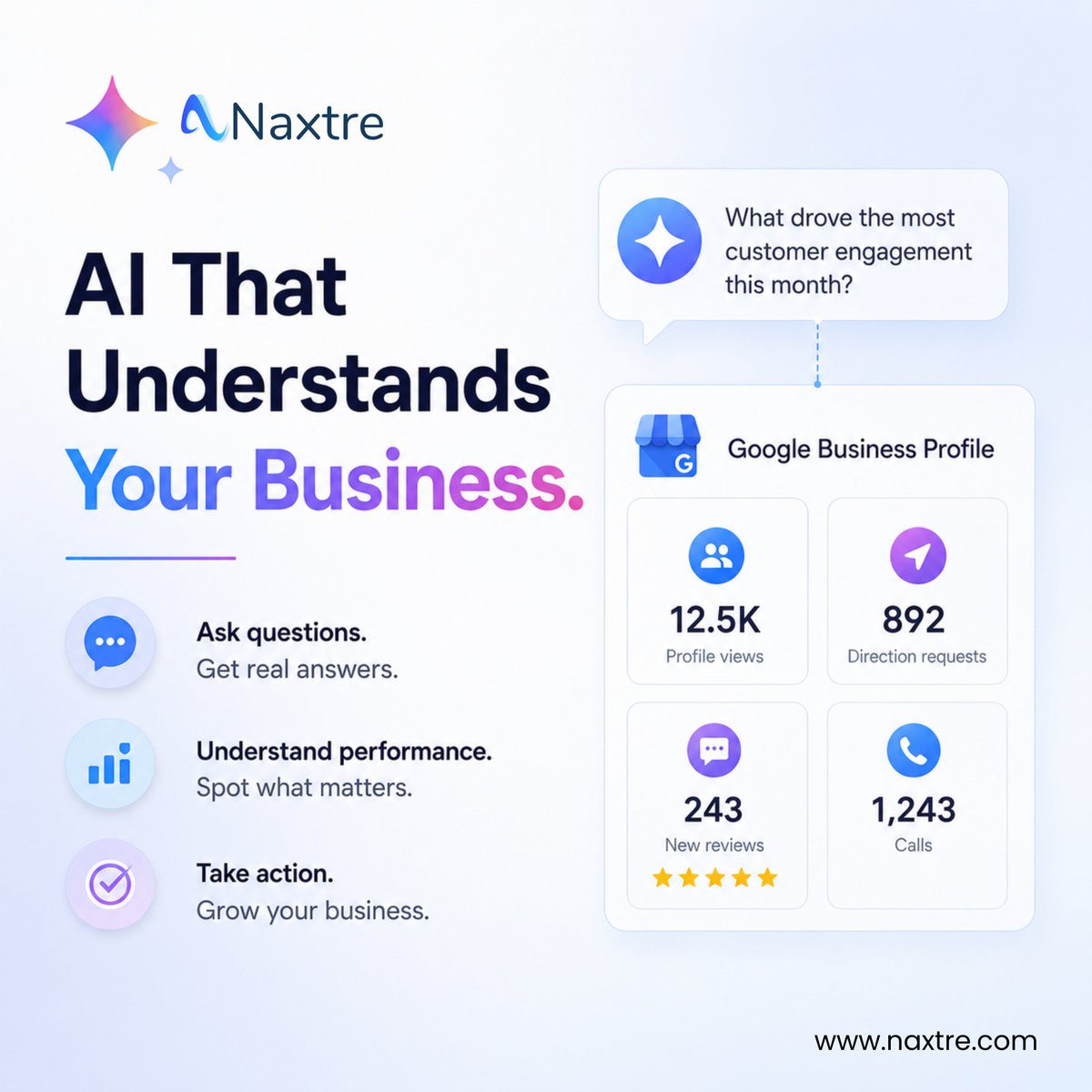
𝐅𝐨𝐫 𝐲𝐞𝐚𝐫𝐬, 𝐀𝐈 𝐡𝐚𝐬 𝐡𝐞𝐥𝐩𝐞𝐝 𝐛𝐮𝐬𝐢𝐧𝐞𝐬𝐬𝐞𝐬 𝐜𝐫𝐞𝐚𝐭𝐞 𝐜𝐨𝐧𝐭𝐞𝐧𝐭.
Now it's starting to understand the business itself.
Google's latest Gemini and Google Business Profile integration signals a much bigger shift than most people realize.
𝐁𝐮𝐬𝐢𝐧𝐞𝐬𝐬 𝐨𝐰𝐧𝐞𝐫𝐬 𝐰𝐢𝐥𝐥 𝐬𝐨𝐨𝐧 𝐛𝐞 𝐚𝐛𝐥𝐞 𝐭𝐨 𝐚𝐬𝐤 𝐪𝐮𝐞𝐬𝐭𝐢𝐨𝐧𝐬 𝐥𝐢𝐤𝐞:
→ "What drove the most customer engagement this month?"
→ "What patterns are showing up in recent reviews?"
→ "How many people requested directions last week?"
→ "What profile updates should I make before the holiday season?"
And instead of digging through dashboards, they'll get answers backed by real business data.
What's interesting isn't the feature set.
It's what the feature represents.
We're entering an era where AI isn't just a chatbot sitting on top of your business.
It's becoming connected to the systems that run your business.
Reviews provide customer sentiment.
Business profiles provide local visibility data.
CRMs provide relationship history.
Calendars provide operational context.
Financial systems provide revenue signals.
When AI can understand all of these together, it stops being a content assistant and starts becoming an operational assistant.
That's where the next wave of AI products will be won.
The companies that succeed won't necessarily have the smartest models.
They'll have the deepest business context.
In the next 12–18 months, users will expect AI tools to know their customers, performance metrics, workflows, and goals, not just answer prompts.
The future of AI isn't better text generation.
The future of AI is context.
What's one business process you'd immediately hand over to an AI assistant if it truly understood your business?
For anyone wondering whether AI is moving beyond content generation, this announcement is worth reading. Google is clearly positioning Gemini as a business operating partner, not just a chatbot.
Official announcement: tinyurl.com/3bsmtxxe
Visit Us: naxtre.com
#AI #Gemini #GoogleBusinessProfile #LocalSEO #ProductStrategy #AIAgents #BusinessGrowth #DigitalTransformation #Naxtre
37