
May 4
When devices fail, productivity stops.
Keep teams moving with fast, reliable support.
praise-group.com/
#PraiseGroup #ITServices #ProductivityFirst

1
6

Apr 21
Industry 4.0
Man and Machine
We are in Industry 4.0 driven by AI 🤖, Robotics, IOT, Super computing etc
The skill sets of yesteryears are becoming obsolete.
When AI is capable of doing most of routine jobs , many white collar jobs , organizations with useless layers of hierarchy, burdened with ballooning workforce , unplanned recruiting just to consume budget are realizing fast their mistakes.
During the 42 days shutdown , education department was almost closed, employees furloughed; still all schools running smoothly across America 🇺🇸!
So organizations and governments have employed too many people who were not required in first place ; need to stay competitive, and shed the fat .
2. Businesses are not created to employ people , they are created with only one purpose: produce goods & services .
And two 2️⃣ components required : man and machine .
As we automate processes the human component shrinks and becomes irrelevant.
It is simple an economic theory as that.
No emotions attached .
#Industry40 #AIRevolution #ManAndMachine #FutureOfWork #Automation #LeanOrganizations #ExecutionMatters #ProductivityFirst #Disruption #AdaptOrPerish
31

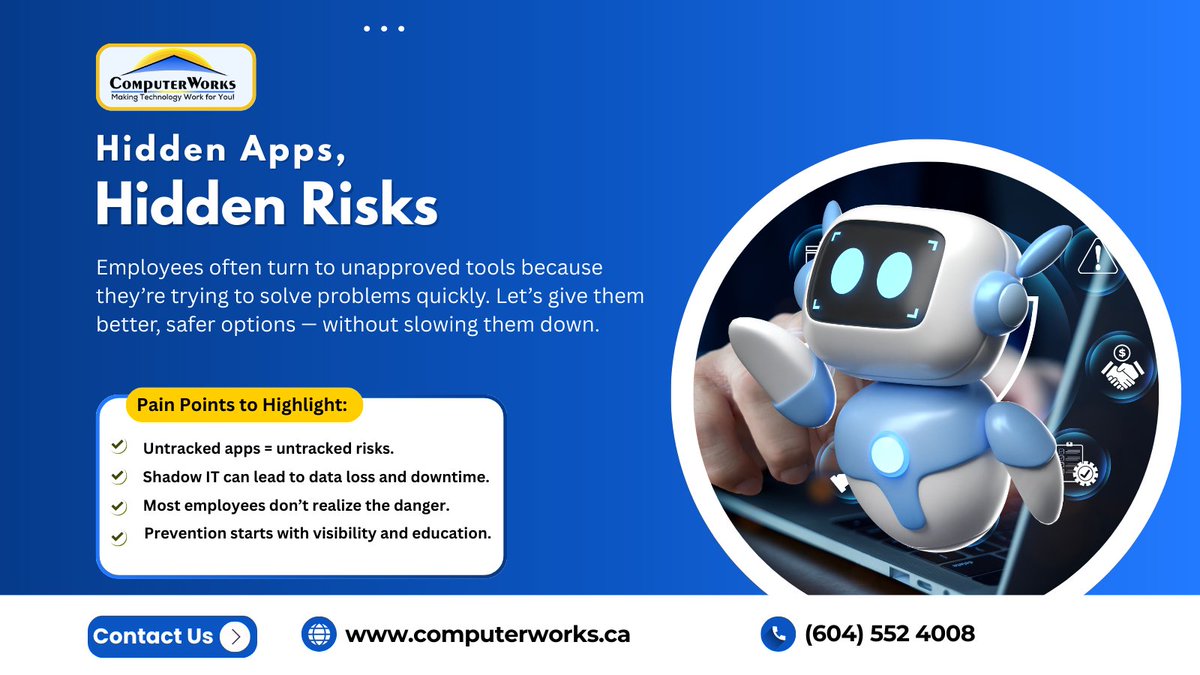
Most employees aren’t trying to break the rules—they’re trying to get work done.
The problem starts when unapproved apps go unnoticed. Safer tools better visibility = fewer risks.
#rulefollowers #productivityfirst #saferworkplace #visiblesecurity #riskreduction
9

10 Dec 2025
The industry must change to keep skilled fundis on site and projects moving.
#UNiTEForSafeWorksites #WomenFundisInConstruction #SafeSitesSafeWork #Buildher
#RespectOnSite #FairWorkForWomen
#ProductivityFirst
#16DaysOfActivism2025



36

11 Nov 2025
Every delay steals your productivity. ⚙️
Every inefficiency compounds your cost. 🕒
Switch to automation and reclaim your time ⏳, money 💰, and growth 📈.
Ready to take control?
👉 Reach out to Margo Industries today.
#AutomationSolutions #ProductivityFirst 🚀
6


25 Oct 2025
TOBACCO VANGUARD
Not for all and sundry.
Why We Do Not Back Reform UK
By M. Reuven
Reform UK presents itself as a party of hard truths and simple remedies. We see something else. Its programme leans toward speculative finance, headline-driven fixes, and a view of the state that treats welfare as a moral failing rather than a civil obligation. That is not our economics. Tobacco Vanguard stands for sound money, an industrial base that makes things, public services that protect the vulnerable, and a serious defence of the pound. Reform’s recent pitches on crypto, on the Bank of England, and on welfare point in the opposite direction.
The party has made cryptocurrencies a political totem. Nigel Farage has courted the sector, announced that Reform will take donations in bitcoin and other tokens, and talked up the United Kingdom as a crypto powerhouse. In mid-October he went further, promising lower crypto taxes and even a national bitcoin reserve. That is not monetary sobriety, it is speculation dressed as policy. The British state should not warehouse volatile digital assets inside the official reserves, nor hinge fiscal hopes on capital gains from a market that can lose half its value before lunch. We defend sterling, not script written on the wind.
This speculative turn comes with a willingness to recast the Bank of England as a political instrument. Reform’s published programme includes ending interest on commercial bank reserves to fund large tax cuts, a move that would tear up the current monetary-fiscal settlement and risk confidence in gilts and the currency. Analysts have already warned that such signals could steepen gilt curves, raise risk premia and weaken sterling. Conservatives once prized the stability of money. The present fashion is to treat it as an adjustable lever. We decline to follow that fashion.
On welfare, Reform’s text is clear. In Britain, if you can work, you must work, it says, while banking large annual savings from benefits. There is little sense of the modern labour market’s realities, the clinical complexity of disability assessment, or the civic case for steady support where capacity is limited or intermittent. A serious economy does not balance it's books by turning hardship into policy. Our view is simple. Protect the vulnerable, police fraud where it exists, and focus the reforming zeal on growth at source.
Nor does Reform offer a credible industrial path. Much of its pitch is framed as cuts, culture wars and reversals of net zero timetables, rather than a worked plan to expand Britain’s productive frontier. Britain needs a concrete industrial strategy, with predictable rules, domestic energy realism, and capital formation that favours plant, kit and skilled labour ahead of promotional narrative. The state’s job is to clear the way, enforce honest accounts, and buy what only it can buy. The private sector’s job is to invest in the tangible, to earn margins in cash, and to train people to do real work. On this test Reform’s programme falls short.
As for the Conservatives, the party is plainly in a funk. The 2024 general election delivered the worst result in its history with just 121 seats, and the hangover has not lifted. Polls through October show the Tories adrift in the mid-teens, with members flirting with a Farage pact and some councillors and MPs drifting to Reform, while reported membership has fallen since the leadership change. This is a vacuum of purpose. The route back is a modern Thatcherite programme, stated in today’s language and focused on monetary discipline, energy realism, capital formation, skills and productivity, which would speak directly to upper-working and middle-class voters without recourse to crude populism. Reform will not do this work. The field is open for a serious Conservative revival on first principles.
Our position follows from first principles. We support sound money, not token schemes. We support public services because a civilised country must carry its weak as well as its strong, and because services like the NHS and social care are part of national capital. We support a Thatcherite seriousness for modern conditions, which means treating inflation as a monetary problem, restoring credible price signals, cutting waste without vandalising the core, and building an industrial base that sells to the world. We will not chase headlines by striking at welfare to distract from the deeper work of rebuilding productivity.
Tobacco Vanguard is an investor’s paper. We prefer profits earned by production to valuations bid up by narrative. We prefer a currency defended by discipline to a treasury speculating on a balance sheet bet. We judge Reform UK on these terms and find it wanting. Britain does not need a crypto hub, it needs an industrial workshop. It does not need performative fights with the central bank, it needs institutions that can carry trust across cycles. Until Reform offers a programme grounded in cash, craft and credibility, it will not have our support.
#SoundMoney #DefendThePound #IndustrialPolicy #RealEconomy #ThatcheriteRevival #AntiSpeculation #NoToCrypto #NoStablecoins #CashFlowNotNarrative #PublicServices #ProtectTheVulnerable #WelfareWithDignity #ProductivityFirst #EnergyRealism #SkillsAndCapital #MakeInBritain #ConservativeRenewal #StopHeadlineChasing #UKPolitics #TobaccoVanguard
1
2
77

1 Oct 2025
On this Dussehra, let’s conquer inefficiency the way good triumphs over evil. 🚀✨
flowwork.ai wishes you a productive and victorious Dussehra!
#HappyDussehra #VictoryOfGood #SmartWorkflows #FlowWorkAI #ProductivityFirst

25

16 Sep 2025
IT downtime doesn’t just disrupt—it costs.
@KompiTech keeps your systems running and your team moving.
⚡ Maximize uptime. Minimize stress.
👉 kompitech.com
#KompiTech #DowntimeKills #ProductivityFirst #AlwaysOn

6


31 Aug 2025
Turn Every Task into a Clear Success with Grayt Desktop
#GraytDesktop #WorkSmarter #InnovationDriven #DesktopComputing #ProductivityFirst #SmartWorkplace #ITSolutions

1
5

3 Aug 2025
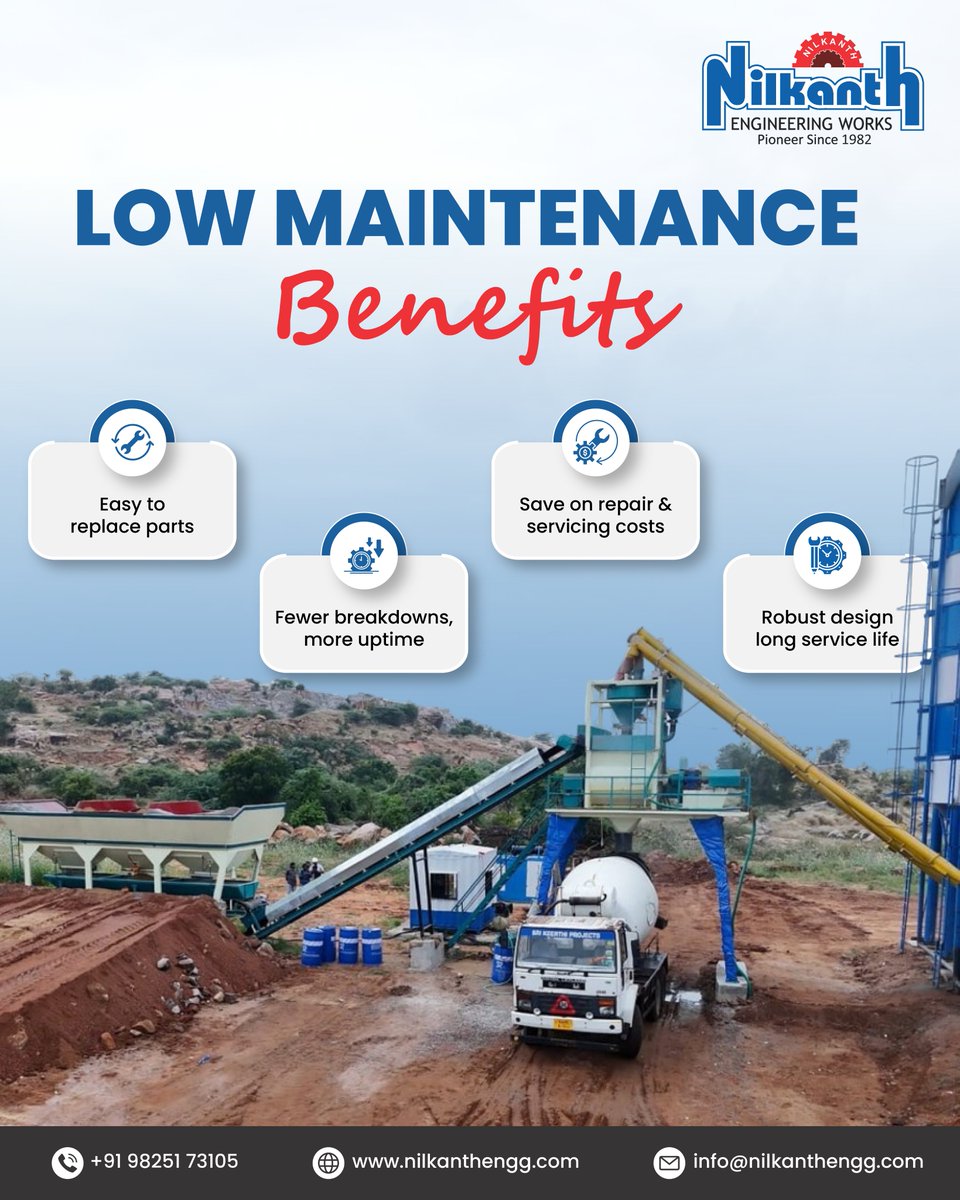
⚙️ Less Downtime. More Productivity.
Our machines are engineered for effortless upkeep, ensuring maximum performance with minimal interruptions.
That’s the Nilkanth Engineering Works advantage. 🏗️💡
#NilkanthEngineeringWorks #ProductivityFirst #EngineeredForEfficiency
1
8

2 Jun 2025
Listening to Forensic Files and hear the narrator say “and he killed her too that night” and my first thought is, well at least he got a lot done. 🤦🏻♀️🤣 #productivityfirst
39

16 May 2025
At Monopoly Systems, we don’t just build tools — we build momentum. Every app is designed to help you do more, with less friction.
#BuiltToScale #StartupVision #ProductivityFirst #MonopolySystems

28 Feb 2025
Devotion is personal, but productivity builds nations. Worship is sacred, but work is what drives progress. History proves economies flourish where effort exceeds rituals. Less religious fests, more time in innovation—that’s how a country grows. #WorkIsWorship #ProductivityFirst
28 Feb 2025

उत्तर प्रदेश में धार्मिक व ऐतिहासिक पर्यटन अर्थव्यवस्था का प्रमुख आधार बन रहा है। यहां हर वर्ष जनवरी में संगम स्नान के लिए प्रयागराज, फरवरी में महाशिवरात्रि पर वाराणसी, मार्च में होली पर ब्रज, अप्रैल में रामनवमी पर और अक्टूबर नवम्बर में दीपावली पर अयोध्या धाम के साथ ही नवरात्रि पर साल में दो बार विंध्यवासिनी धाम व अन्य देवी पीठ में 50 करोड़ पर्यटक आएंगे। महाकुंभ के जरिये यह आभास हुआ कि रोजगार व पर्यटन हमारी संस्कृति का हिस्सा रहा है। ब्रज 84 की परिक्रमा, गोवर्धन की परिक्रमा व चित्रकूट में कामदगिरि की परिक्रमा भी इसी का हिस्सा है।
@CMOfficeUP @ChiefSecyUP
@uptourismgov @PIBTour
20

23 Feb 2025
🎯 𝗙𝗼𝗰𝘂𝘀 𝗼𝗻 𝗦𝘂𝗰𝗰𝗲𝘀𝘀 – 𝗪𝗲’𝗹𝗹 𝗛𝗮𝗻𝗱𝗹𝗲 𝘁𝗵𝗲 𝗥𝗲𝘀𝘁! 🏢✨
Why waste time on office management when you could be 𝗴𝗿𝗼𝘄𝗶𝗻𝗴 𝘆𝗼𝘂𝗿 𝗯𝘂𝘀𝗶𝗻𝗲𝘀𝘀? 𝗔𝘁 𝗔𝗴𝗲𝗻𝗱𝗮 𝗕𝘂𝘀𝗶𝗻𝗲𝘀𝘀 𝗖𝗲𝗻𝘁𝗲𝗿 𝗧𝗮𝗯𝘂𝗸, we take care of everything—so you don’t have to.
✅ 𝗙𝘂𝗹𝗹𝘆 𝗙𝘂𝗿𝗻𝗶𝘀𝗵𝗲𝗱 𝗢𝗳𝗳𝗶𝗰𝗲𝘀 – Move in & start working
⚡ 𝗛𝗶𝗴𝗵-𝗦𝗽𝗲𝗲𝗱 𝗜𝗻𝘁𝗲𝗿𝗻𝗲𝘁 – Stay connected without hassle
☕ 𝗙𝗿𝗲𝗲 𝗖𝗼𝗳𝗳𝗲𝗲 & 𝗨𝘁𝗶𝗹𝗶𝘁𝗶𝗲𝘀 – No extra costs, just pure productivity
🖨️ 𝗣𝗿𝗶𝗻𝘁𝗶𝗻𝗴 & 𝗔𝗱𝗺𝗶𝗻 𝗦𝘂𝗽𝗽𝗼𝗿𝘁 – Work smarter, not harder
💼 𝗬𝗼𝘂𝗿 𝗴𝗼𝗮𝗹𝘀 𝗺𝗮𝘁𝘁𝗲𝗿. 𝗟𝗲𝘁’𝘀 𝗺𝗮𝗸𝗲 𝘁𝗵𝗲𝗺 𝗵𝗮𝗽𝗽𝗲𝗻.
📩 𝗚𝗲𝘁 𝘀𝘁𝗮𝗿𝘁𝗲𝗱 𝘁𝗼𝗱𝗮𝘆: agenda.tabuk@gmail.com
#ProductivityFirst #AgendaBusinessCenter #TabukOffices #WorkWithoutLimits #HassleFreeWork #BusinessSuccess #FocusOnGrowth #GrowWithAgenda

1
2
53

15 Nov 2024
Sounds like a tough decision! How about knocking out some of that homework tonight so you can enjoy your drinks tomorrow without stress? You got this! #ProductivityFirst
8

16 Oct 2024
A phrase often mentioned by our MD and millions around the world Delegating routine tasks frees you to focus on strategy and growth. Virtual assistants handle admin, customer support, and more—without the overhead.
#BusinessGrowth #TaskDelegation #ProductivityFirst #TasktideVA

11

7 Oct 2024
New week, fresh opportunities. It’s time to realign, refocus, and make things happen! Let’s start Monday with the right mindset, and the rest will follow.
#MondayMotivation #NewWeekGoals #SynergySuccess #ProductivityFirst #SynergyHR #freshstart

1
2
18

13 Sep 2024
Building a team?
Make sure everyone’s doing productive work that directly impacts the end result for the client.
No room for dead weight.
#ProductivityFirst #ImpactOverTitles
2
1
4
139