
May 4
Projectification: Her sorunu proje ile çözeceğini zannetme hezeyanıdır.
Batı proje yaptığı için gelişmedi, zaten geliştiği için proje yapma kapasitesi söz konusu. Çevre ve yarı çevre ülkelerin projecilik yoluyla sorunlarını çözmek yerine sadece görünür kıldığını düşünüyorum.
1
7
531

11 Aug 2025
The “projectification” of football is at a ridiculous all time high. Your value is no longer determined by your body of work anymore, it’s all “ceilings” and “potential”. There needs to be a hard reset soon
3
8
19
3,133

5 Jun 2025
It’s clear, more than ever, Renaissance Tour made noise bc of the forceful group projectification with Eras Tour. CC tour as a stand-alone is making absolutely ZERO noise & it’s incredibly jarring to witness. Time is the ultimate truth teller lmao.
5 Jun 2025

Beyoncé has sold out yet another stadium show—this time OUTSIDE the U.S.
The concert takes place at Tottenham Hotspur Stadium in London.
Here’s a view of the stadium:


25
117
2,397
169,155

3 Mar 2025
📢🆕 in Local Government Studies journal: Authors Irene Ponzo and @MilazzoEle explore the impact of EU funding on the local governance of migrant integration and the 'projectification' of public policies doi.org/10.1080/03003930.202…
2
97

23 Jan 2025
Is your organisation stuck in the 'Acceleration Trap', i.e. a rush to adopt new activities and projects to stay competitive? Is this driving burnout or breakthrough?
🏃♂️💨
#HenleyResearch #Projectification #Burnout #Innovation
0%
It’s fuelling innovation
0%
We can't keep up
0%
We are not affected
100%
With support, it could wo
1 votes • Final results
148
1 Dec 2024
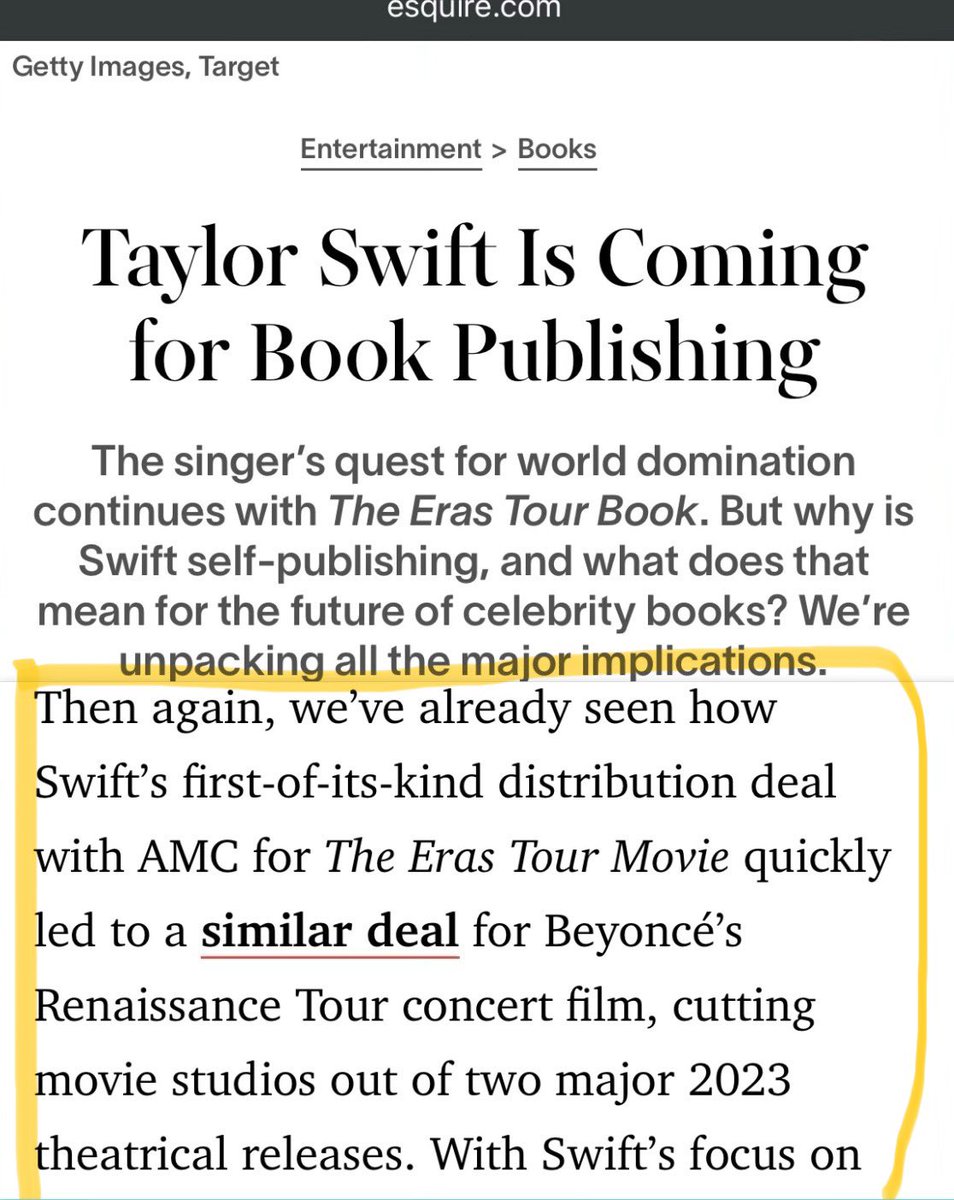
Clock that tea @esquire. Yet another forceful group projectification has commenced. Taylor Swift, you will always be famous 😭
esquire.com/entertainment/bo…

Beyoncé is releasing a COWBOY CARTER Art Book.
It includes 136 pages of never-before seen imagery inspired by the album.


7
18
145
5,088


4 Oct 2024
The group-projectification of movies can mean nothing but bad. Endless indecision and no coherent vision for what a movie will look like/be about.
Movies are good because a limited amount of people decide how it looks/feels
Slopping out the most mass-appeal version is a bad idea
3 Oct 2024

Studios are assembling superfan focus groups to assess various materials for a franchise project to avoid social media backlash.
“They will just tell us, ‘If you do that, fans are going to retaliate’ … If it’s early enough & the movie isn’t finished yet, we can make those kinds of changes.”
(Source: bit.ly/3Bw1RrO)




1
5
125

19 Sep 2024
When will the other NGOpreneurs catch up on the projectification of Somalia's gov't, which has now turned into Simadification due to the head start the Damul Jadiid gained with HSM being in power, compared to others like City University, owned by Heritage Institute of Daljir...?
19 Sep 2024

@voasomali: Madaxweyne Biden oo warqadaha aqoonsiga ka guddoomay Danjire @Dahirhasan
voasomali.com/a/7790122.html
————————————————-
“Ambassador Dr. ‘Dahir Carab’ waa waddani, aqoon yahan ah, xiriir dhowna la leh madaxda dowladda sida Madaxweynaha iyo Wasaaradda Arrimaha Dibadda — taas ayaana hawsha loo igmaday u sahlaysa;
Dowladda Maraykankuna waa fahmaysaa in safiirka loo soo diray uu wakiil buuxa ka yahay Madaxweynaha uuna yahay nin gaari kara madaxdiisa.
Taasina waa mid caawisa Safiirada — oo maaha nin la iska soo fogeeyey ee waa Danjire wakiil ka ah Qaran iyo hoggaankisa.
Soomaalida Maraykanku ha soo dhaweeyaan danjiraha.”
——————@AnalystSomalia————-
@JustAwHirsi @MPMursalKhaliif
5
10
836

19 Sep 2024
Here’s a 🧵 for UN delegations busy drafting talking points for meetings with UN leadership and speeches for the General Debate.
What do you imagine Ralph Bunche and Brian Urquhart would have made of the Summit of the Future and the armed conflicts raging in Ukraine, Israel-Gaza-Lebanon, and Sudan? Here's how we can move closer to the legendary standards the two set:
The times have certainly changed since the 1950s and 60s, and with them, the appetite — particularly among the most powerful states — to support the identification and recruitment of effective leadership. It is clear that to tackle the world’s most pressing problems, we need the most accomplished and empowered professionals.
Some of them are in office at the UN today, and I have been an admirer and a champion of their leadership. But too many others fall short of the immense challenges they are tasked with.
@nyuCIC's UN Senior Appointments Dashboard shows that from 2017 to 2023, 50% of appointments still went to the Western European and Others Group (WEOG), and 42% to nationals from high-income countries. Bunche and Urquhart, from the US and UK respectively, were part of this tradition. If WEOG still seeks to dominate leadership roles, its governments should ensure the UN benefits from their best in dedication to service, professionalism, inclusion, and ambition. Otherwise, it's time to open up competition globally.
Underrepresented regions, too, must resist pushing for change purely for representation’s sake. The issues are too urgent for tokenism to masquerade as empowerment; support your best and leave the rest at home!
It should be common knowledge that a major part of the UN’s present ineffectiveness lies in how leadership is identified, recruited, and supported. This is a critical but often overlooked insight in the many (mostly justified) calls for reforms, which sometimes mistake leadership shortfalls for institutional or mandate problems. Leaders at UNGA should demand leadership for UN funds, programmes, and specialized agencies that is capable and credible in responding to today’s challenges — and they should follow through with commitments to that goal.
Many of the countries leading in voluntary funding are freezing or cutting budgets for economic and political reasons. Even with these constraints, they can still help the UN. They can join in the call for raising the quality of human resources and enhancing knowledge management mechanisms and technologies. This is essential if the UN is to deliver real, tangible impact with limited funds.
Critically, donor states must also commit — even internally — to avoiding the “projectification” of the UN into irrelevance by prompting a race to the bottom among agencies, duplication of work, and inadequate scale. Strong leaders combined with low-quality financing leads only to frustration and early departures, as real performers always have multiple opportunities available to them.
Appoint the right leaders, provide core funding, and support them as they work to deliver real solutions!
2
9
47
4,802

7 Sep 2024
The Lincoln Projectification of the Democratic Party is complete. You can’t hide it anymore. Both can go to hell as far as I’m concerned.
7 Sep 2024

.@KamalaHarris took a break from debate prep and visited Penzeys Spices in Pittsburgh on Saturday. She told the pool she was honored to have Dick Cheney’s endorsement and it’s time to turn the page on divisiveness and bring the country together.

5
17
277

18 Jun 2024
This is a really thoughtful reflection on the ‘projectification’ of research, with implications beyond the medical humanities
1
756

13 Jun 2024
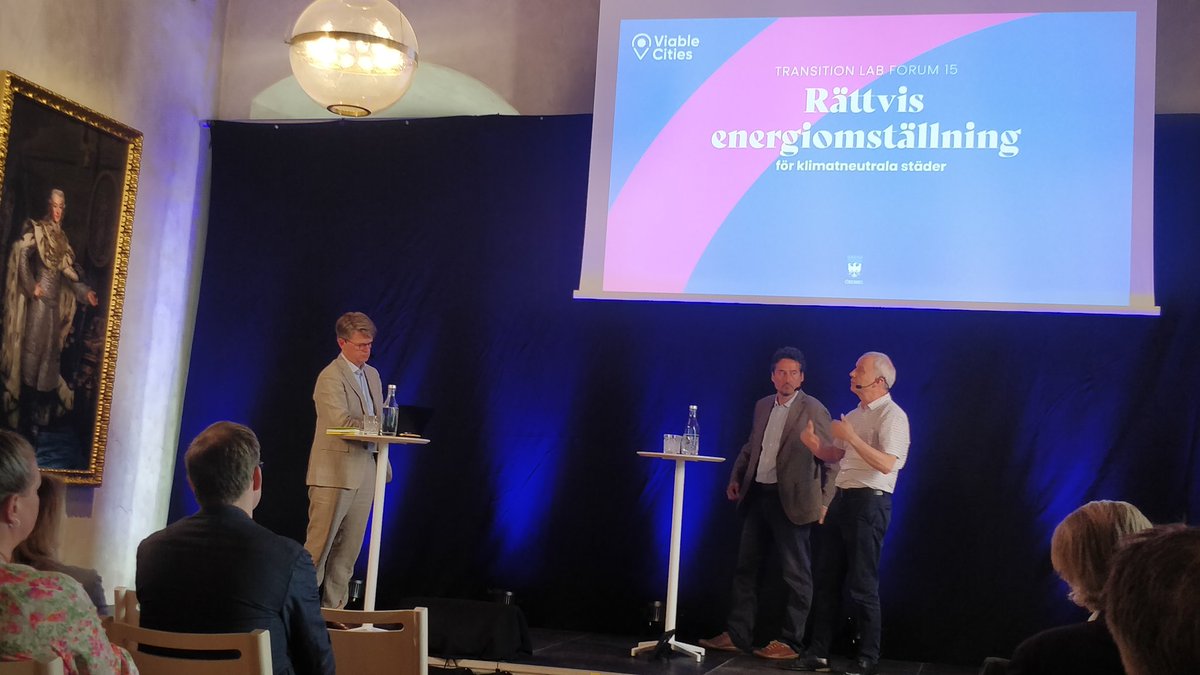
Interesting contributions from Jordi Peris from Valencia and Harald Rohracher from Linköping University on the importance of participatory and inclusive processes for #Just #EnergyTransition, the need in #scaling and overcoming #projectification
#TransitionLabForum @ViableCities
1
2
78

14 May 2024
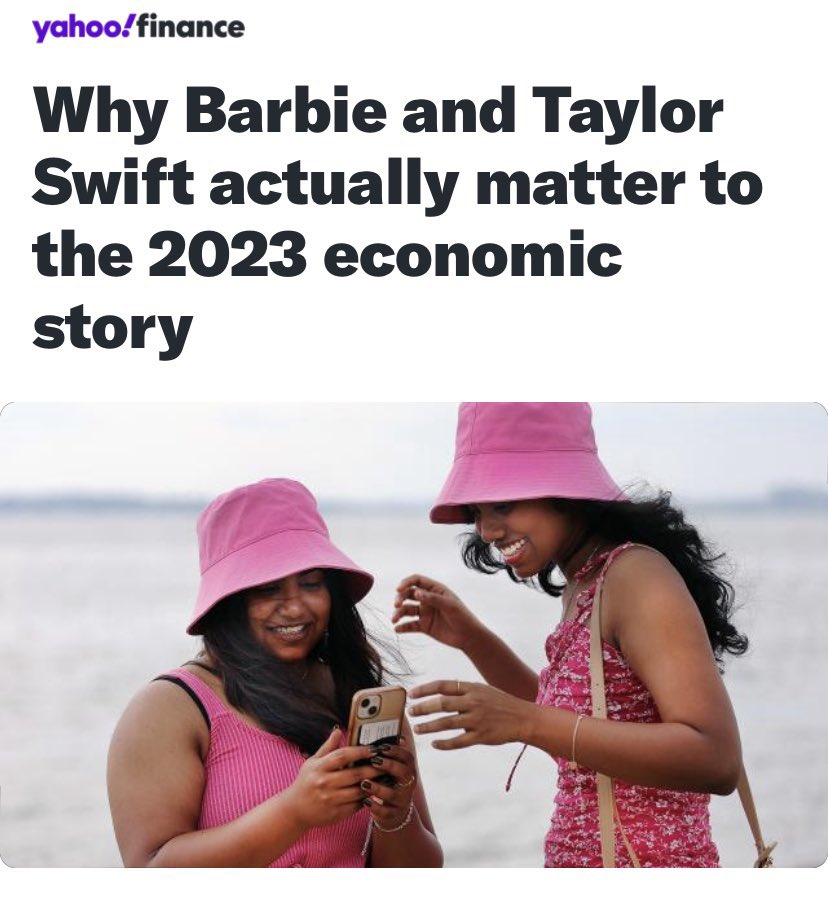
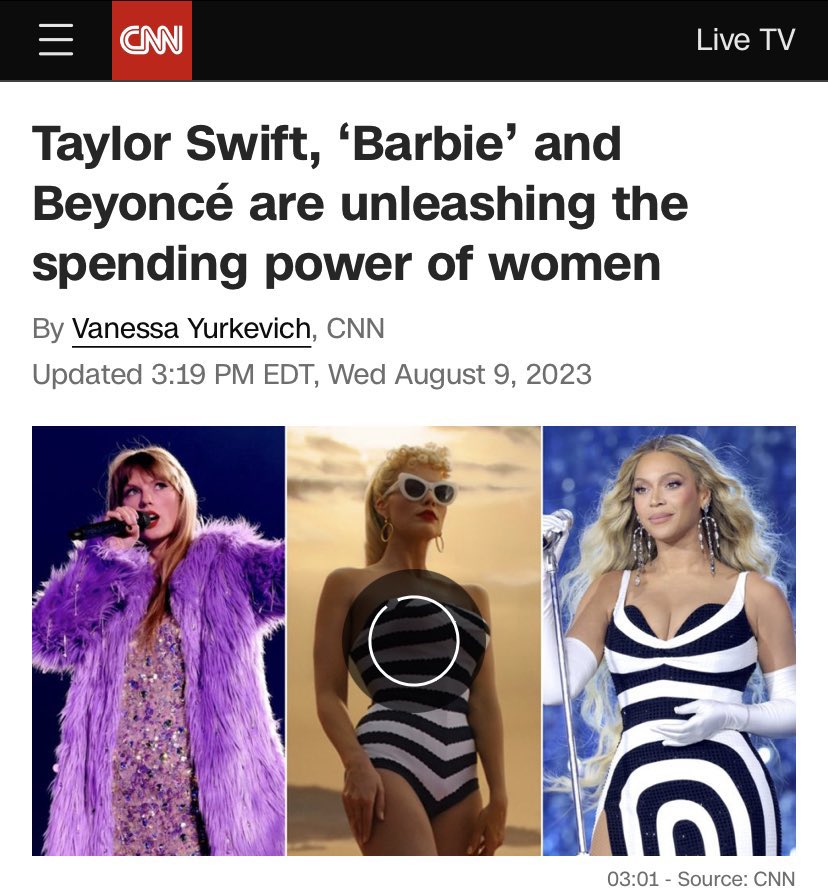
The group projectification. She inserted herself in the TayBarbie economy movement
5
10
140
14,059

5 Mar 2024
Get up to date or watch again! The recording of our brilliant Hot off the Press event Projectification of Organizations, Governance and Societies – Theoretical Perspectives and Empirical Implications is now available on our YouTube channel: youtube.com/watch?v=PDUO1xU0… @MatsFred1

4
4
467
29 Feb 2024
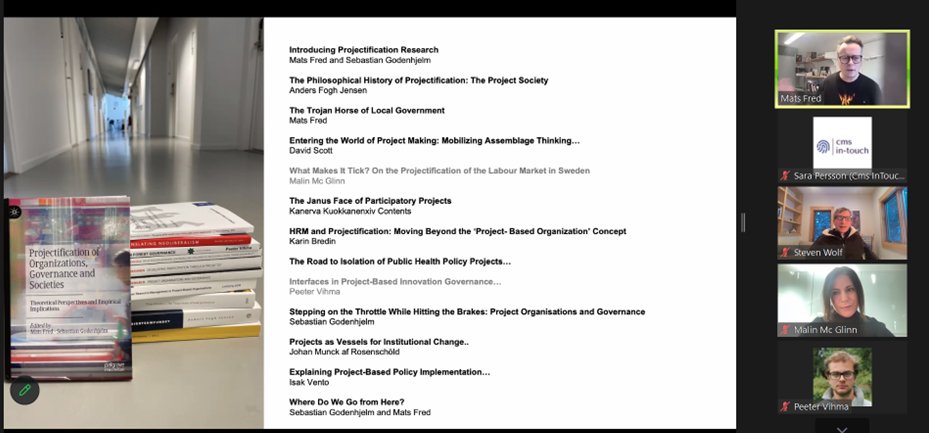
“Who benefits from projects and what do they do on the larger scale of politics?” Malin Mc Glinn introduces her chapter ‘What Makes It Tick? On the Projectification of the Labour Market in Sweden’ with @MatsFred1 Peeter Vihma, @HuemannMartina and Steven Wolf.

1
1
3
199
29 Feb 2024
We are off! @MatsFred1 introduces the book #Projectification of Organizations, Governance and Societies collecting researchers who regard ‘the project’ as something more than an organisational form or function. With Peeter Vihma, Malin Mc Glinn, @HuemannMartina and Steven Wolf.
1
3
173

15 Feb 2024
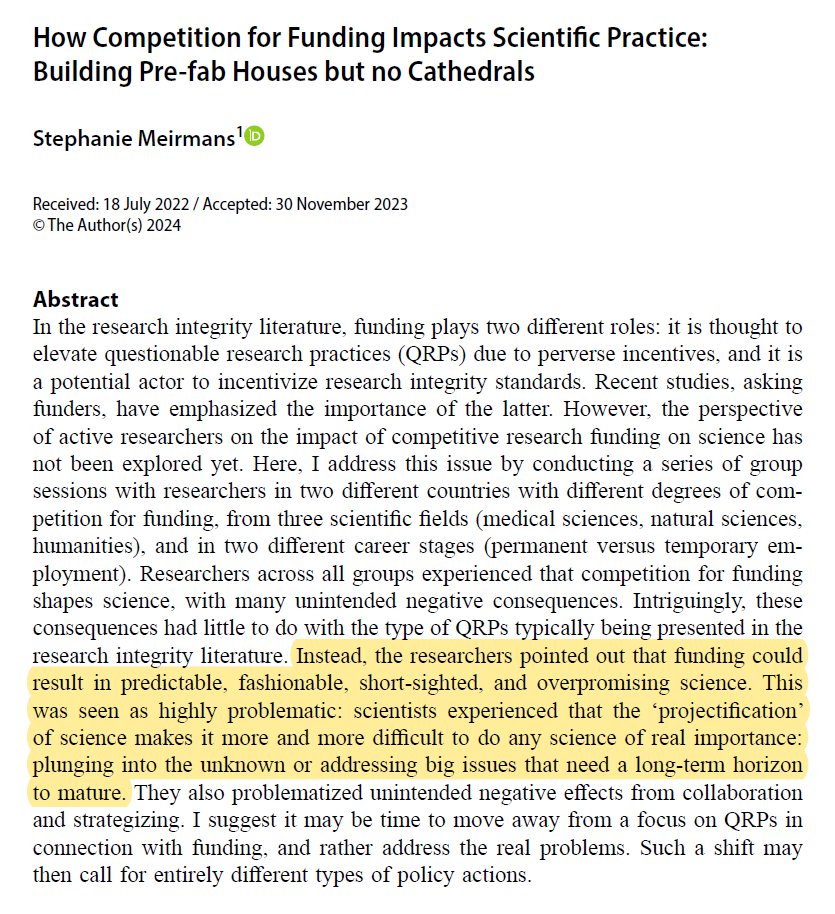
"[C]ompetition for funding could result in predictable, fashionable, short-sighted, and overpromising science… the ‘projectification’ of science makes it more and more difficult to do any science of real importance." doi.org/10.1007/s11948-024-0…
1
17
86
16,132
8 Feb 2024
Join our ’Hot off the Press’ event on 29 February 2024 2pm GMT to discuss the book #Projectification of Organizations, Governance and Societies with
@MatsFred1
Peeter Vihma, Malin Mc Glinn,
@HuemannMartina
and Steven Wolf. Free registration: eventbrite.com/e/hot-off-the…
3
5
282