TC retweeted

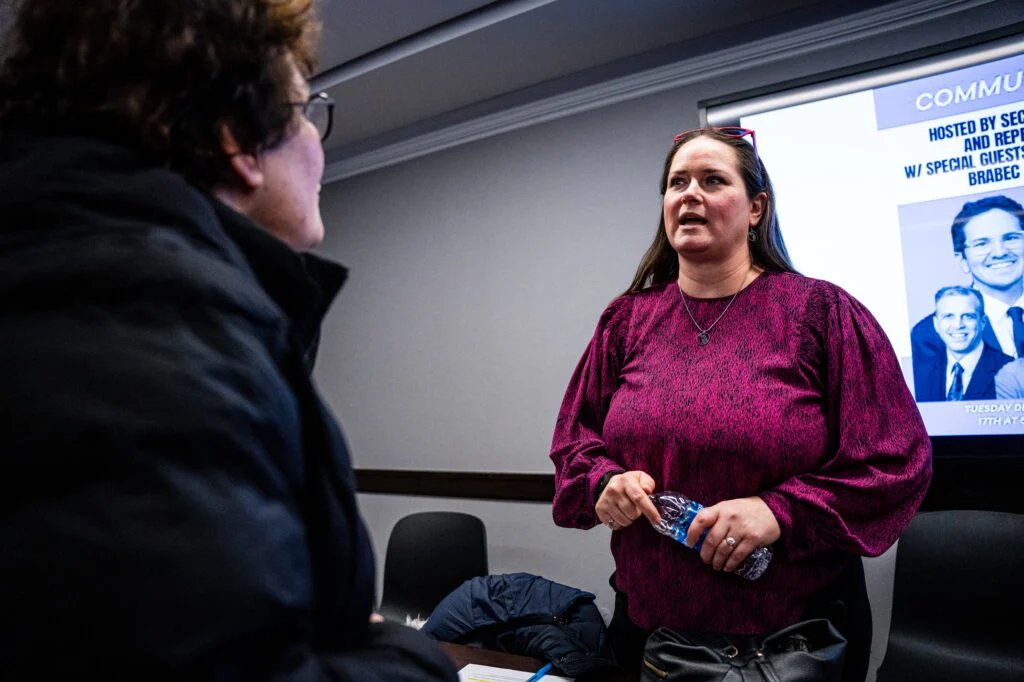
Michigan's party of Death is promoting their “Death with Dignity Act” to allow physician-assisted suicide in Michigan. Democrats aren't happy with just being able to murder babies in the womb, now they want to kill the most vulnerable. These people are sick and need to be removed from power.
Jun 13

Democrats’ solution for Whitmer’s Michigan: Legalize doctor-assisted suicide themidwesterner.news/2026/06…
40
84
191
2,990
ShadowDelta🇺🇸🇭🇳 retweeted

DOAXVV out here promoting good hygiene, something the FGC has no idea about loool.


3
4
25
685
The Intellectual Fujoshi retweeted

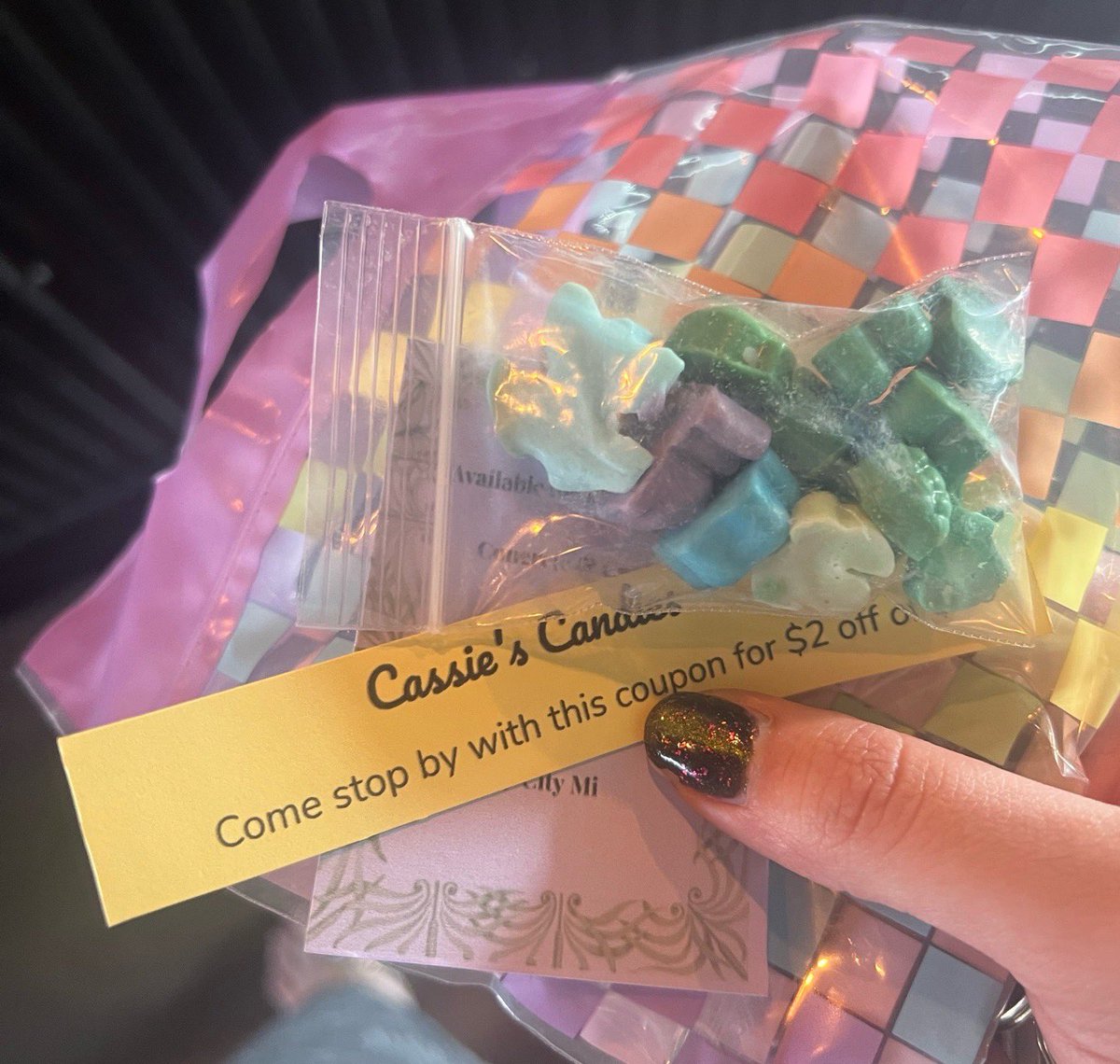
Just ate wax but in my defense I think handing out wax melts to promoting a candy store is very deceptive
15
41
2,858
30,874
Mike 🍻🍔🧀 retweeted

The Milwaukee Brewers are promoting INF Josh Adamczewski to Biloxi (Double-A).
Adamczewski had a .331 batting average with 21 extra-base hits and 38 RBI for the Wisconsin Timber Rattlers.
#ThisIsMyCrew
9
29
1,331
RAM retweeted

My 2 cents for WHATEVER it is worth.
STOP STOP instantly promoting people like this the minute they FLIP 180 degrees on Jew hate.
Give them a year. Watch their words, watch their actions.
Contrition is possible, forgiveness can be given. But please let people SHOW you with their actions over time, who they are… you know kind of like in real life??!!

"I'm done hating Jews."
He was one of the most notorious online antisemites.
But today, @LucasGageX is a changed man.
Full episode: youtu.be/x1ZARrXa7UA?is=n5u8…
8
4
69
2,678

They're promoting Law education, and that's great. As for us, we'll continue championing STEM education and creating opportunities in Science, Technology, Engineering, and Mathematics.
Don't forget—there are plenty of application fee waivers available on our Telegram channel.
1
JGAguedo-Money doesn't vote, Principles do retweeted

Watch | British activists interrupted the 'Great Israeli Real Estate Event' in London, which was promoting and selling property in illegal settlements built on stolen Palestinian land in the occupied West Bank.
3
8
17
150
S. Odyssey retweeted

Jun 13
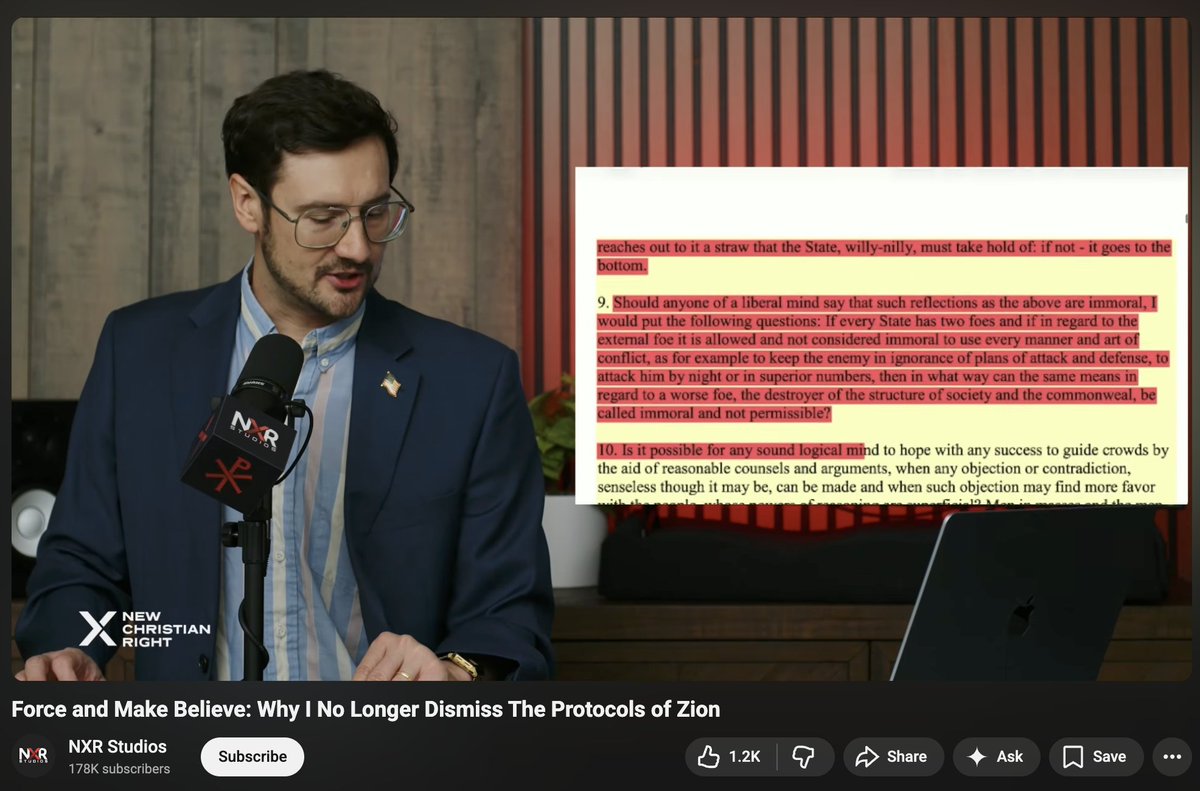
New Christendom is selling books by literal Nazis at their conference. And Joel Webbon's NXR Studios is promoting the Protocols of the Elders of Zion.
This could have been stopped at any point if enough Reformed influencers spoke up.
They didn't.

119
79
362
126,184

Steve, if you keep promoting this delay of them working on nuclear weapons as a win,I'll scream. Now when they start back, they will have billions, upon billions of dollars. You all are far to dangerous to have ever been in the WH. I can't believe this

Let’s get back to domestic prosperity, sovereignty, and exceptionalism!
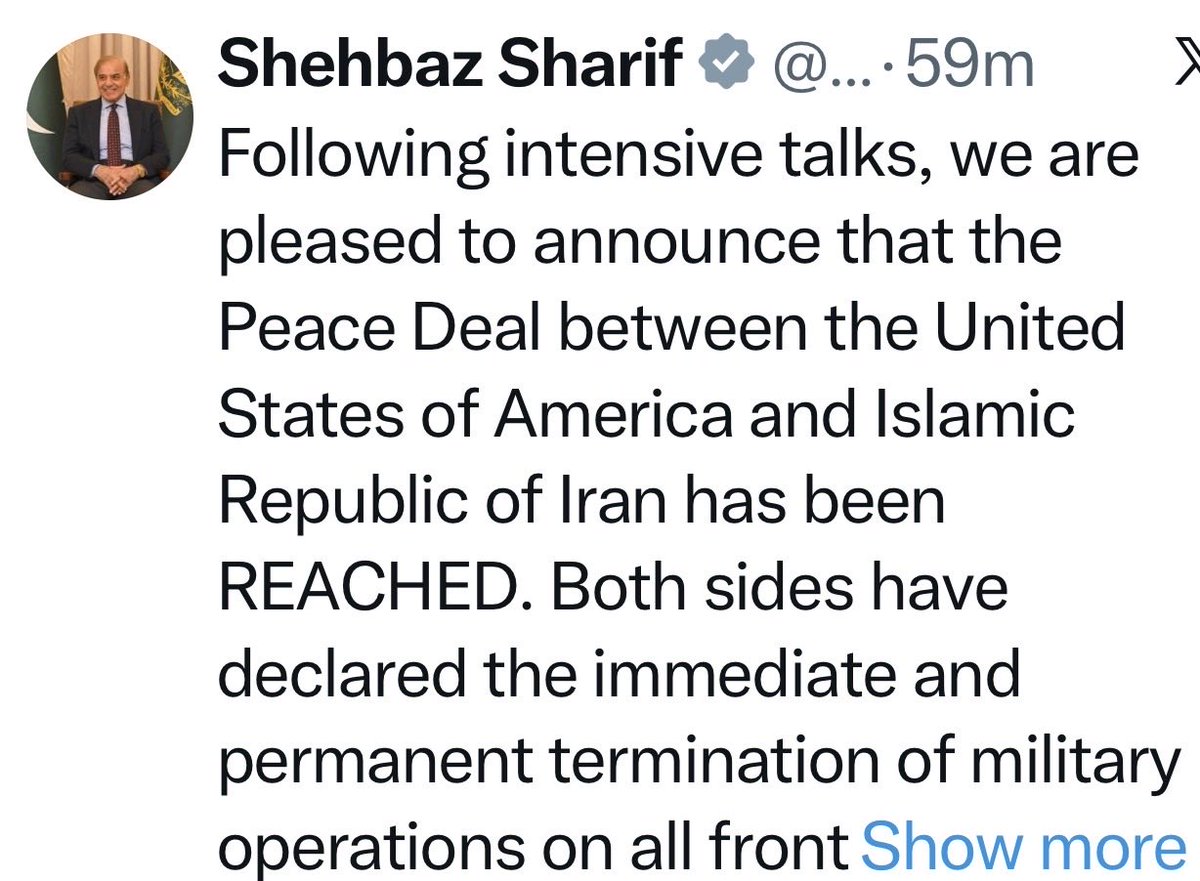
Pakistani PM announces a peace deal:

Joey Ortiz Is King retweeted
The Milwaukee Brewers are promoting INF Andrew Fischer to Biloxi (Double-A).
Fischer had a .298 batting average with 20 home runs and 50 RBI for the Wisconsin Timber Rattlers.
#ThisIsMyCrew
16
61
2,500

Lupane State University's Bigwa Icotourism Innovation Hub answers President's call for practical education
Lupane State University's Bigwa Ecotourism Innovation Hub is nearing completion in Matetsi, approximately 45 kilometres from Hwange. Strategically located within a buffer zone between Hwange National Park and surrounding communities such as Village 55, the hub is set to become a centre of excellence for innovation, research, tourism, and community development. The project directly responds to President Emmerson Mnangagwa's call for an inclusive education system that transitions tertiary institutions from purely academic learning to practical, skills-based training.
Supporting Zimbabwe's tourism growth agenda: The Bigwa Ecotourism Innovation Hub is expected to contribute significantly to Zimbabwe's tourism sector by supporting the Zimbabwe Tourism Authority's vision of achieving 20,000 tourism accommodation rooms nationwide. The facility initially has 12 traditional-style rondavels capable of accommodating at least 30 visitors, providing quality lodging while enhancing tourism opportunities within the Matetsi area. Beyond tourism, the hub will serve as an important research, teaching and learning centre for Lupane State University and the nation at large. Students, academics and researchers will have access to a practical environment where knowledge generation, innovation and hands-on learning can be integrated with real-world conservation and tourism activities.
Creating employment and enhancing community livelihoods: The innovation hub is poised to create employment opportunities for local communities through tourism-related services such as accommodation, guiding and hunting activities. By generating economic opportunities within the area, the project is expected to improve livelihoods while promoting sustainable use of natural resources. The hub reflects Government's commitment to inclusivity by actively involving surrounding communities in development processes. Through training, employment and participation in tourism-related enterprises, local residents will become key stakeholders in the success of the project, ensuring that development benefits are shared broadly and sustainably.
Reducing human-wildlife conflict: The location of the Bigwa Ecotourism Innovation Hub within the buffer zone between communities and wildlife areas also supports efforts to reduce human-wildlife conflict. Through research, community engagement and sustainable land-use initiatives, the hub is expected to contribute to improved coexistence between people and wildlife, while promoting conservation and community safety.
A model for practical tertiary education: As completion draws closer, the Bigwa Ecotourism Innovation Hub stands as a practical demonstration of how higher and tertiary education institutions can drive national development. By combining education, research, tourism, community empowerment and conservation, the project embodies the Government's vision of a modern, inclusive and skills-oriented education system that delivers tangible benefits to communities and the economy.
#EDworks
#Education5.0
#Vision2030AReality

1
𑣲⋆𝓎𝒶𝓃𝓃𝒾𝑒 retweeted

17h
He worked hard yesterday, talking to casual fans and promoting the group despite being under the scorching sun for hours. He ended up with a dry throat and even a slight scratch in his voice while singing, yet he kept smiling and gave his best the whole time. Seeing that level of dedication and effort, it's not hard to appreciate him.
97
348
3,371

.@NICKIMINAJ has been featured in a new video along with Ronaldinho promoting the Brazilian soccer team for the #FIFAWorldCup 2026. 🇧🇷
 📁
📁
22
538
4,107
39,167

anne mullin retweeted

Jun 13
FM promoting a positive view of Scotland in the USA. Meanwhile back home opposition parties squabble over SNP donations from SNP members.#groundhogday
Jun 13

First Minister @JohnSwinney hosted a Brand Scotland reception in partnership with the @ScottishFA in Boston, celebrating Scottish culture, tourism, innovation and food and drink.
He spoke about US-Scotland trade links and Scotland's ambitions on the world stage.
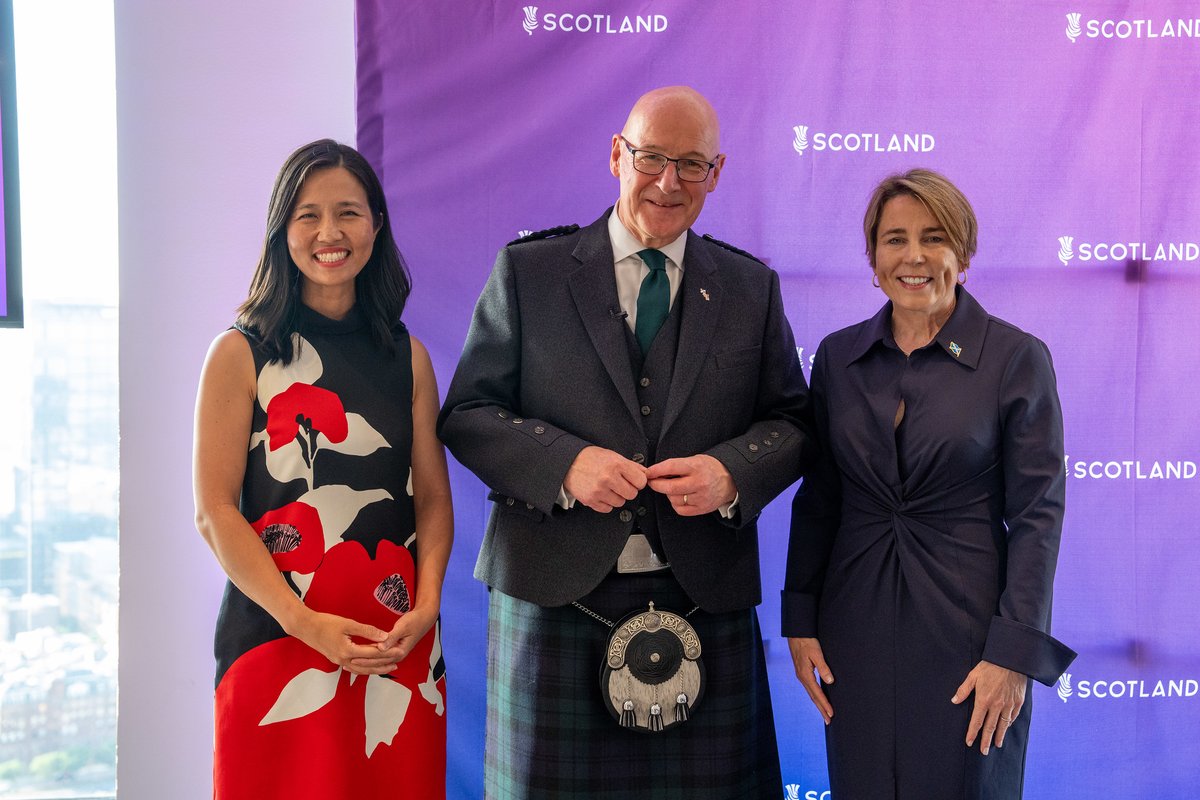
ALT Mayor of Boston Michelle Wu, First Minister John Swinney and Governor Maura Healey.
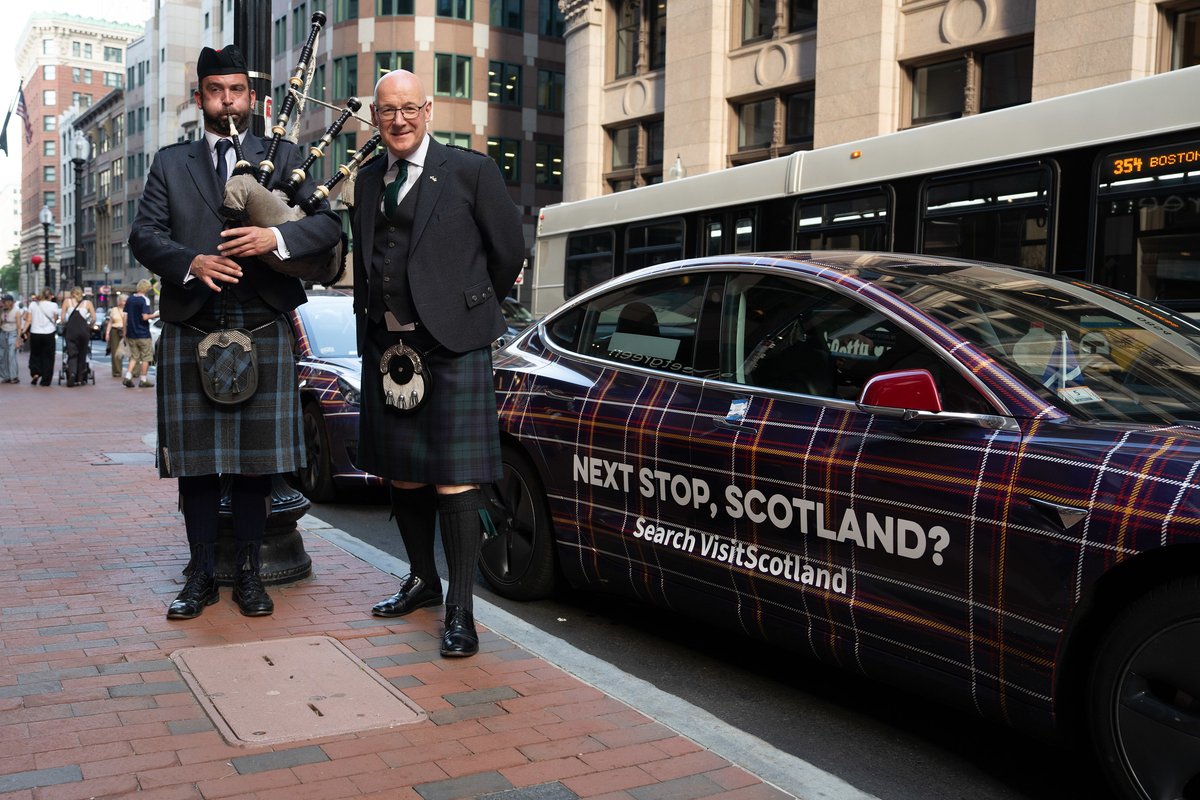
ALT First Minister John Swinney in Boston.
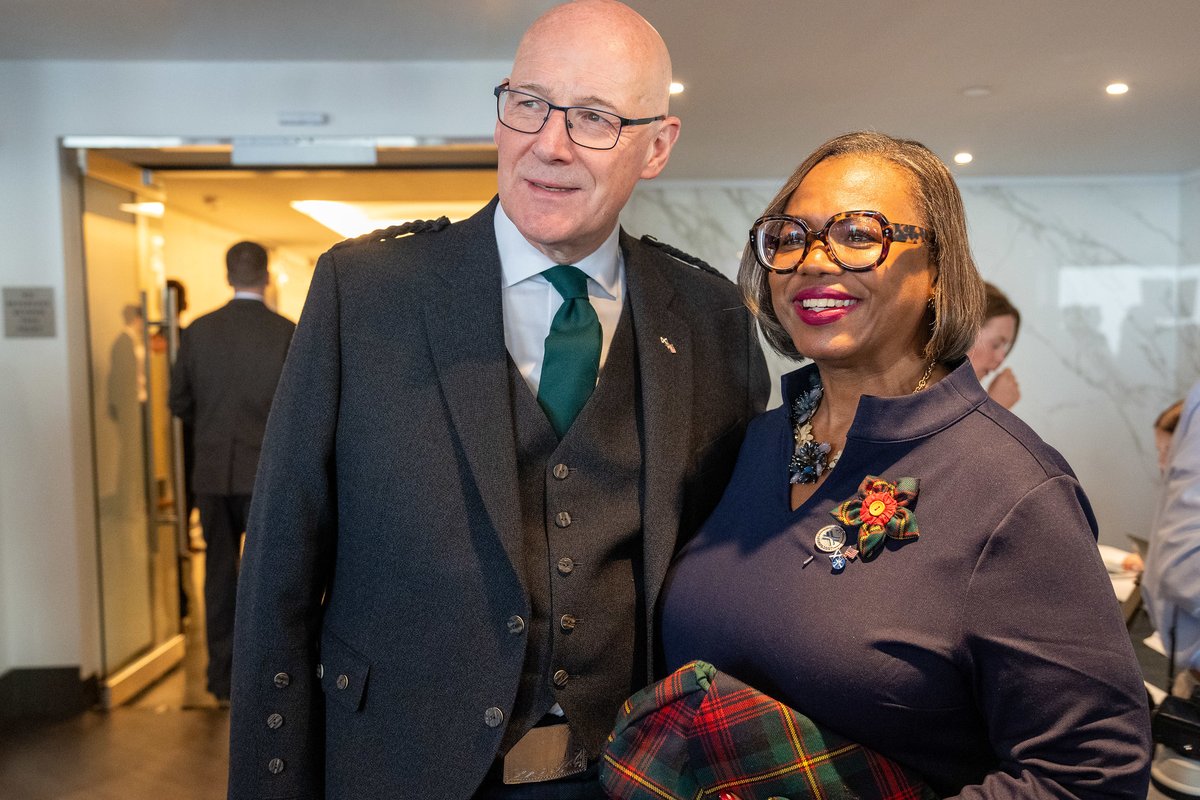
ALT First Minister John Swinney at the Brand Scotland reception in Boston.
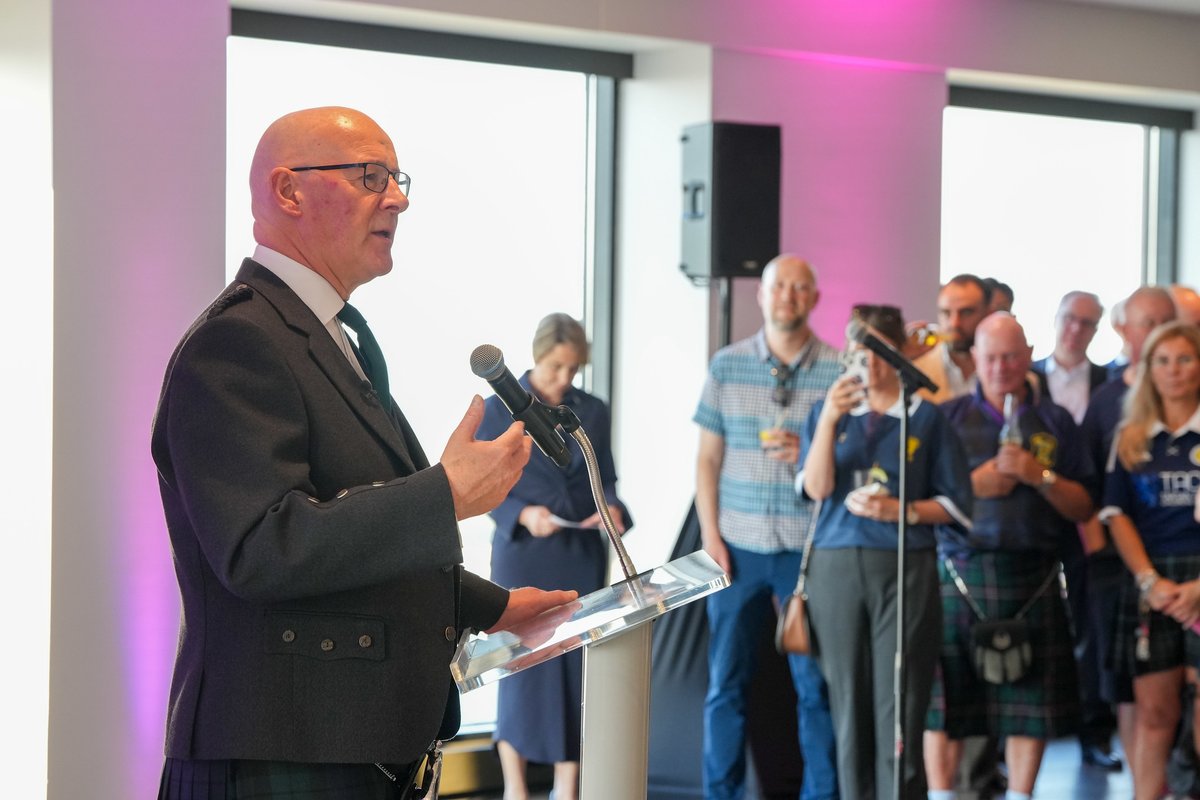
ALT First Minister John Swinney hosting the Brand Scotland reception in Boston.
21
121
249
3,557

SalzOld retweeted

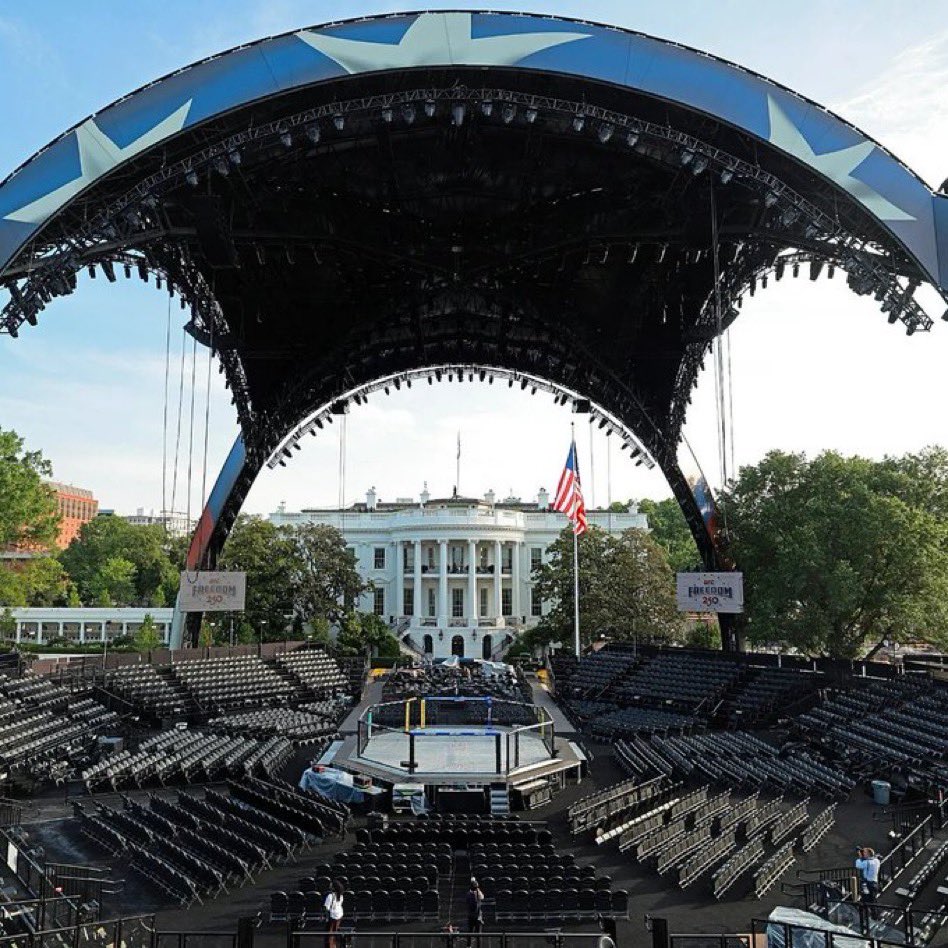
Biden promoted Pride Drag Queens.
Trump is promoting the UFC.
Why is the left so triggered by one, but not the other?

1
40