
Russia just built a 13-country disinformation network across Latin America. Not amateur hour social media stuff. Full infrastructure: local media outlets, influencers, proxy groups that can push narratives region-wide on command. They're weaponizing anti-American sentiment and local grievances to look like homegrown opinion. Classic playbook, new theater.
foreigninterference.org/post…
#foreigninterference #DisinformationCampaigns #RegionalIntelligenceGathering #ProxySupport #SocialMediaMonitoring
16
The scale is staggering: state-sponsored hackers aren't just going after government secrets anymore — they're systematically mapping and infiltrating the industrial systems that keep our lights on, our water flowing, and our factories running.
APT41 and multiple Chinese threat groups have been leading what can only be described as a comprehensive assault on global critical infrastructure throughout 2022. We're talking about sophisticated attacks targeting the operational technology that controls manufacturing, energy grids, and utility systems worldwide.
What makes this particularly alarming is the technical sophistication. Kaspersky's ICS CERT documented these groups deploying ShadowPad malware specifically designed to compromise industrial control systems. This isn't your typical data theft operation — they're going after the systems that physically control infrastructure operations.
But China isn't operating in a vacuum here. Russian actors have been getting creative with their operational models, outsourcing cyber-espionage activities to criminal groups — particularly for operations against Ukraine — while keeping direct state control over their most strategic targets. It's a hybrid approach that gives them both capability and deniability.
Meanwhile, Chinese state actors have been executing massive espionage campaigns against healthcare companies and medical research institutions. The focus appears to be intellectual property theft, medical data collection, and compromising research infrastructure across multiple countries. Think about the implications: state actors systematically harvesting medical research and patient data on a global scale.
Perhaps most concerning is the systematic reconnaissance effort intelligence agencies are tracking. State actors are methodically mapping critical infrastructure networks, identifying vulnerabilities, and establishing persistent access for what appears to be future operations. This spans telecommunications, energy, and transportation sectors across North America, Europe, and Asia.
The Iranians have adopted their own twist on hybrid operations. They're increasingly using criminal ransomware groups — including DragonForce and Handala — as proxies for cyberattacks. It's a model that complicates attribution and response efforts while giving Tehran plausible deniability.
This represents a fundamental shift in state-sponsored cyber operations. We're seeing a convergence of traditional espionage, criminal tactics, and infrastructure targeting that creates multiple layers of threat across both digital and physical domains.
The operational security implications are massive. When state actors establish persistent access to industrial control systems, they're not just stealing data — they're positioning themselves to potentially disrupt or destroy critical infrastructure during a crisis or conflict.
What's particularly troubling is how these campaigns demonstrate sustained, coordinated efforts rather than opportunistic attacks. The systematic nature suggests long-term strategic planning and resource allocation at the state level for comprehensive infrastructure compromise capabilities.
foreigninterference.org/post…
#foreigninterference #AdvancedPersistentThreatOperations #CriticalInfrastructureMapping #IndustrialSabotage #HealthcareDataBreach #RansomwareCampaigns #ProxySupport
59
Looking back at August 1996: The Senate Intelligence Committee was already documenting how state sponsors were weaponizing terrorist groups — and their warnings proved prophetic.
On August 1, 1996, the Senate Select Committee on Intelligence held what would become a landmark hearing on international terrorism. This wasn't your typical congressional dog-and-pony show. The 104th Congress was grappling with something intelligence officials were calling "hybrid threats" — a new breed of danger that combined traditional espionage with terrorist operations.
What made this hearing significant wasn't just the timing, but what intelligence officials were telling lawmakers behind closed doors.
The core revelation: hostile nations had figured out how to sponsor terrorist organizations while maintaining what intelligence professionals call "plausible deniability." Think of it as terrorism with training wheels provided by foreign intelligence services.
Intelligence officials laid out evidence of increasing collaboration between foreign spy agencies and terrorist groups. This wasn't just financial support or safe haven — we're talking about operational coordination, shared intelligence, and sophisticated tradecraft being passed down from professional intelligence operatives to non-state actors.
The implications were staggering. Traditional counterterrorism focused on disrupting terrorist cells. Traditional counterintelligence focused on foreign spies. But what happens when those lines blur?
The August 1996 assessment identified something intelligence analysts were struggling to categorize: terrorist organizations that operated with the sophistication of state intelligence services because they essentially were extensions of state intelligence services.
This hybrid model created multiple headaches for U.S. intelligence and law enforcement. How do you respond to a terrorist attack when the real puppet master is a foreign government? How do you gather intelligence on groups that have access to professional counterintelligence training?
The committee's findings directly influenced what would become enhanced counterterrorism legislation and improved intelligence sharing mechanisms. But more importantly, this hearing established the analytical framework for understanding state-sponsored terrorism as something distinct from both traditional terrorism and traditional espionage.
The senators weren't just looking at existing threats — they were trying to anticipate how state sponsors would evolve their methods. The hearing emphasized developing "comprehensive approaches" to address what they recognized as evolving national security challenges requiring sustained legislative attention.
What's particularly striking about the August 1996 assessment is how it anticipated trends that would define the next two decades of national security challenges. The committee was documenting the emergence of what we now recognize as standard operating procedure for state sponsors of terrorism.
This wasn't theoretical analysis. Intelligence officials were presenting evidence of active operations where foreign intelligence services were directly supporting terrorist groups with operational planning, technical expertise, and strategic coordination.
The hearing also addressed the challenge of attribution — how do you prove state sponsorship when governments specifically design their support to be deniable? This question would become central to U.S. counterterrorism policy for decades to come.
Looking back, the August 1996 Senate Intelligence Committee hearing reads like a roadmap for threats that would dominate headlines for the next quarter-century. The committee was documenting the professionalization of terrorism and the weaponization of non-state actors by hostile governments.
The legislative framework that emerged from this assessment recognized something crucial: traditional legal and policy tools weren't adequate for addressing hybrid threats that operated in the gray zone between terrorism and state-sponsored activity.
Twenty-seven years later, the challenges identified in that August 1996 hearing remain central to U.S. national security policy. State sponsors have only gotten more sophisticated at using terrorist proxies while maintaining deniability.
foreigninterference.org/post…
#foreigninterference #IntelligenceRestructuring #ProxySupport #StateMediaCoordination
25

19 Sep 2025
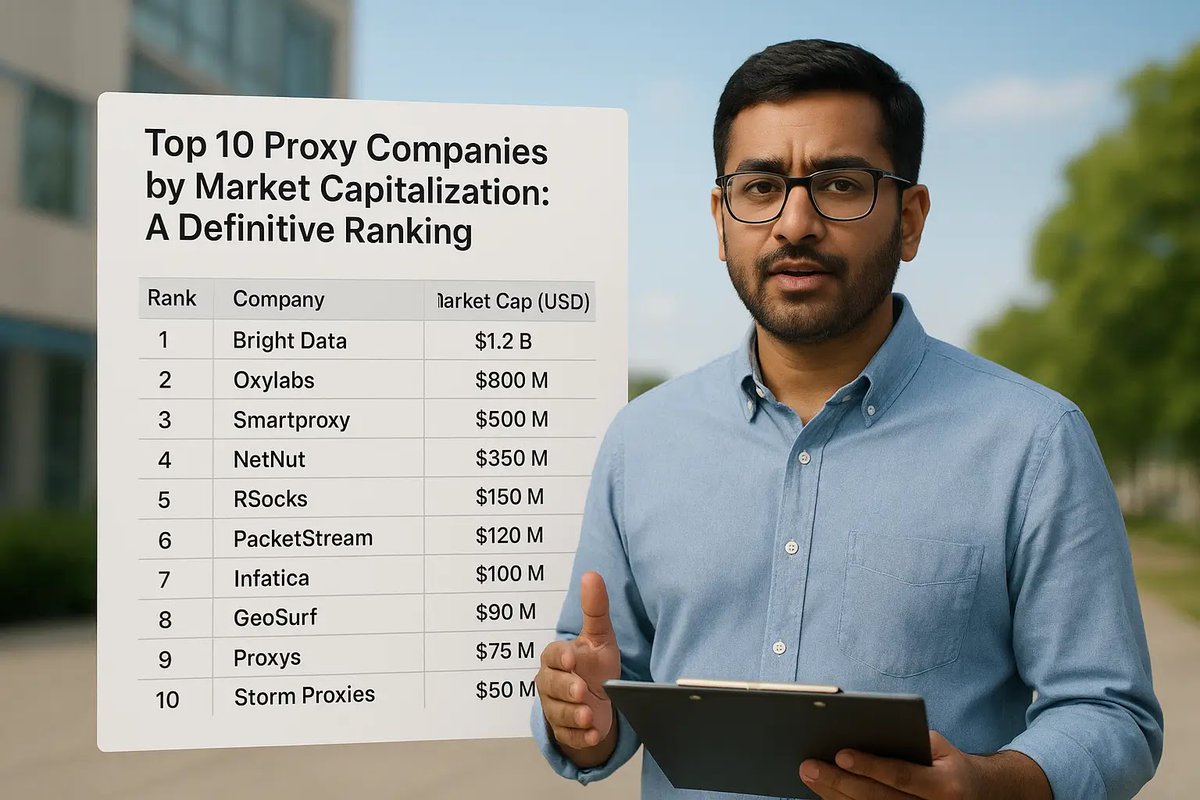
Top 10 Proxy Companies by Market Capitalization: A Definitive Ranking
techgape.com/2025/09/top-10-…
#proxyserver #proxysupport #proxycompanies #proxycompany #WashiYoWashi #GenZProtest #GenZ #VoteChori #BiharElections2025 #AsiaCup2025
1
3
143

14 Nov 2024
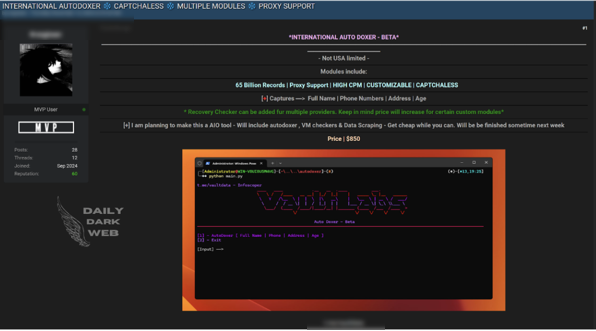
🌐 International Autodoxer - Captchaless Tool with Multiple Modules for Sale
A tool named "International Autodoxer" has been listed for sale on the dark web, featuring captcha bypass, multiple modules, and proxy support. This tool enables unauthorized automated access to various platforms without captcha restrictions, potentially facilitating large-scale data scraping, account takeovers, and other malicious activities. The listing highlights the ongoing development of sophisticated tools designed to bypass security measures.
#Autodoxer #CyberSecurity #DarkWeb #CaptchaBypass #ProxySupport #DataExploitation
1
12
4,348

8 Jun 2023
Authelia: Open source SSO and MFA in Docker @vexpert #vmwarecommunities #2fa #dockercompose #100daysofhomelab #Authelia #OpenSourceAuthentication #TwoFactorAuthentication #SingleSignOn #WebPortalSecurity #LDAPBackend #ProxySupport #Access virtualizationhowto.com/2023…
1
1
257

22 May 2023
How to use Pia s5 proxy?
LOOK HERE: urlzs.com/Qt5PQ
#pias5 #piaproxy #socks #SOCKS5 #sockschallenge #ipchanger #proxyserver #proxysupport #911re
5
1,176

22 May 2023
The World's Largest Commercial and Residential Proxy
$0.04/IP
IP Aging 12h
📷Get free now, limited time discounts 83%
URL: urlzs.com/Qt5PQ
#pias5 #piaproxy #sockschallenge #SOCKS5 #socks #ipchanger #proxyserver #proxysupport #911re
2
366

24 Jan 2023
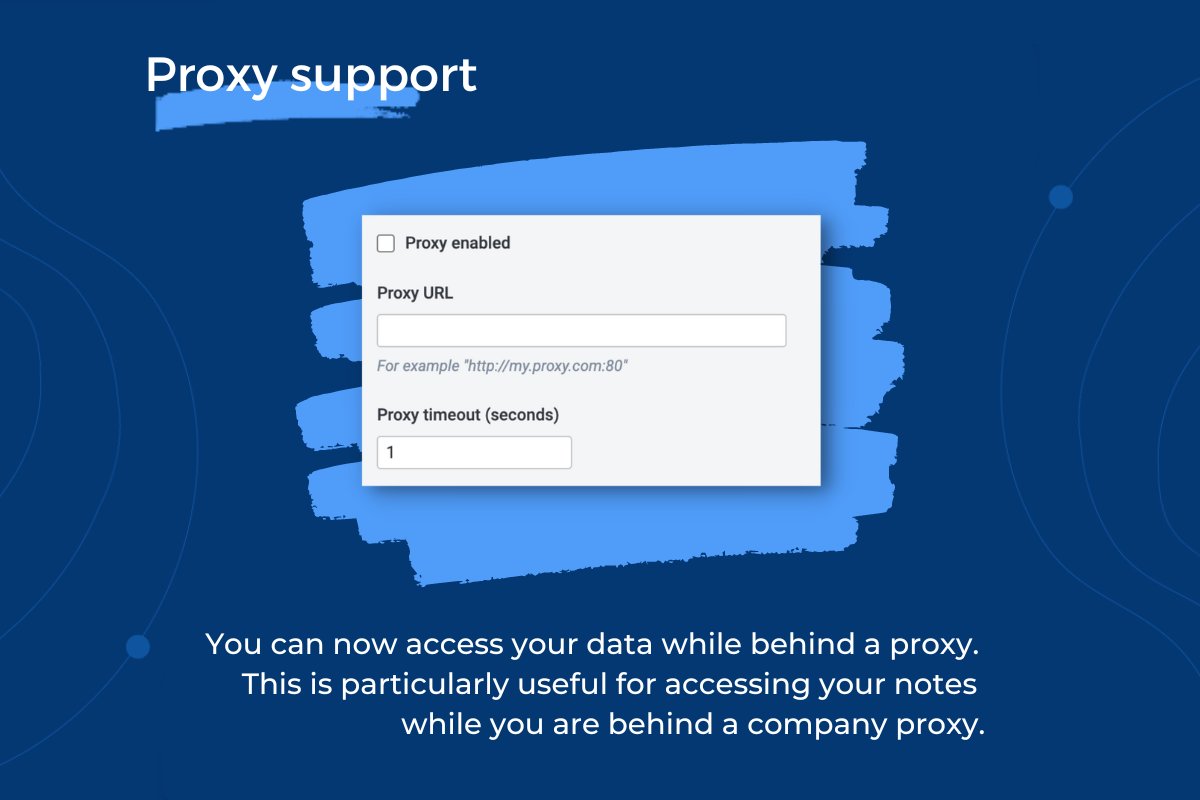
Proxy support 💻☁
You can now access your data while behind a proxy! (3/5) #ProxySupport
1
7
495

6 Jan 2023
#WhatsApp ने दुनियाभर के यूजर्स के लिए #ProxySupport लॉन्च किया है. प्रॉक्सी सपोर्ट की मदद से वॉट्सऐप यूजर्स बिना इंटरनेट के भी इस प्लेटफॉर्म पर कनेक्ट रह सकेंगे. उनके फोन ही नहीं एरिया में भी इंटरनेट नहीं होने पर भी यूजर्स वॉट्सऐप की सेवा को यूज कर पाएंगे.
#WhatsAppChat
6 Jan 2023

#WhatsAppका #NewYear गिफ्ट, अब बिना इंटरनेट के भी WhatsApp से हो पाएगी चैटिंग
#WhatsApp #viral #SocialMedia #WhatsAppChat
2
206

6 Jan 2023
Motorola #ThinkPhone, #SnapdragonSatellite, #LenovoTabExtreme, WhatsApp #ProxySupport | TVT # 1016 youtube.com/watch?v=6BQIYlfd…
4
697

6 Jan 2023
यूजर्ससाठी प्रॉक्सी सपोर्ट फीचर लाँच करण्यात आले आहे. प्रॉक्सी सपोर्टद्वारे यूजर्स इंटरनेटशिवाय व्हाट्सअप वापरू शकतात. विना इंटरनेटने मित्र-मैत्रिणींशी सहज चॅट करता येईल.
याबद्दल सविस्तर वाचाesakal.com/sci-tech/whatsapp…
#WhatsApp #NewFeature #Internet #ProxySupport

1
10
1,079

6 Jan 2023
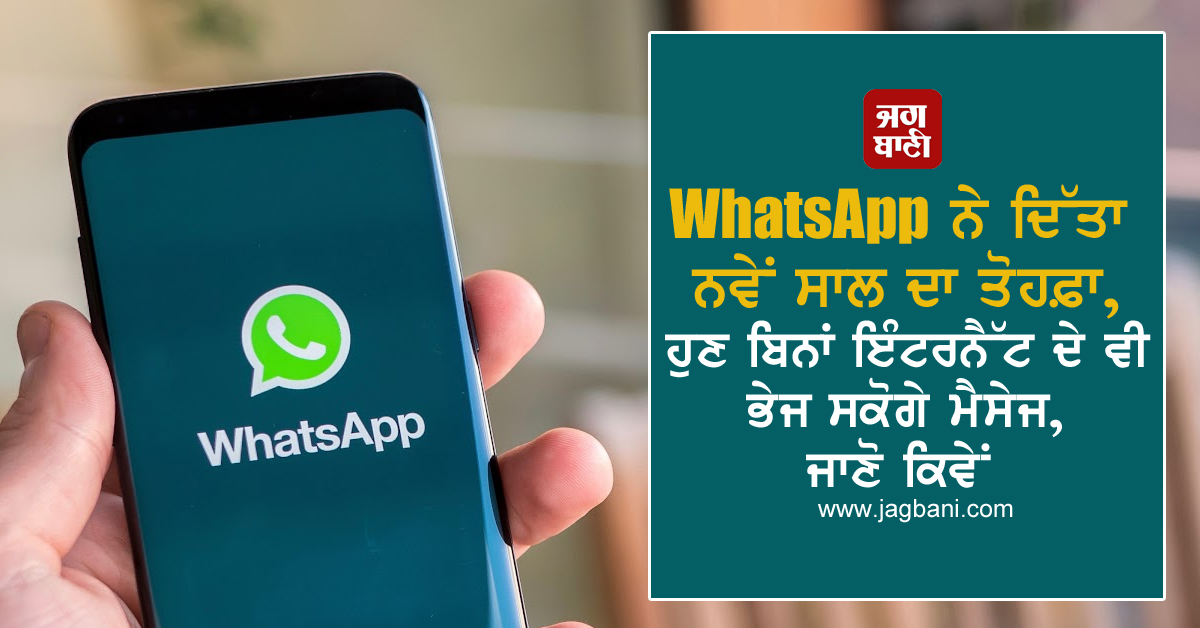
WhatsApp ਨੇ ਦਿੱਤਾ ਨਵੇਂ ਸਾਲ ਦਾ ਤੋਹਫ਼ਾ, ਹੁਣ ਬਿਨਾਂ ਇੰਟਰਨੈੱਟ ਦੇ ਵੀ ਭੇਜ ਸਕੋਗੇ ਮੈਸੇਜ, ਜਾਣੋ ਕਿਵੇਂ
jagbani.punjabkesari.in/nati…
#WhatsApp #iOS #Android #Apps #BlockInternet #ProxySupport
2
7
1,007

6 Jan 2023
Whatsapp ने ग्राहकों को नए साल का दिया तोहफा
@WhatsApp #WhatsappChat #Internet #ProxySupport #PunjabKesari

202

6 Jan 2023
WhatsApp adds proxy support to help users bypass internet shutdowns.
mobilemarketingreads.com/wha…
#WhatsApp #Iran #ProxySupport
2
105

6 Jan 2023
#WhatsApp ने दुनियाभर के यूजर्स के लिए #ProxySupport लॉन्च किया है. प्रॉक्सी सपोर्ट की मदद से वॉट्सऐप यूजर्स बिना इंटरनेट के भी इस प्लेटफॉर्म पर कनेक्ट रह सकेंगे. उनके फोन ही नहीं एरिया में भी इंटरनेट नहीं होने पर भी यूजर्स वॉट्सऐप की सेवा को यूज कर पाएंगे.
#WhatsAppChat
1
4
15
1,944

28 May 2021
Actualización de complementos: PlaceMarkers 15.4, clipContentsDesigner 13.4, AddonUpdater 21.05.1, CheckInputGestures 1.0 oficial, UpdateChannelSelector y ProxySupport 1.0.2 oficiales, DLEChecker 1.3, whatsAppDesktop 0.5, YandexTranslate 2021.5.26,… nvda.es/2021/05/28/actualiza…
2
2

2 Apr 2015
Anonymous Proxies Now Used In A Fifth Of DDOS Attacks | bit.ly/1IMzqiW | CSO Online Report | #Anonymous #Faststream #ProxySupport
5
3