
12 Jun 2025
How Does Query Augmentation Work in Google Search?
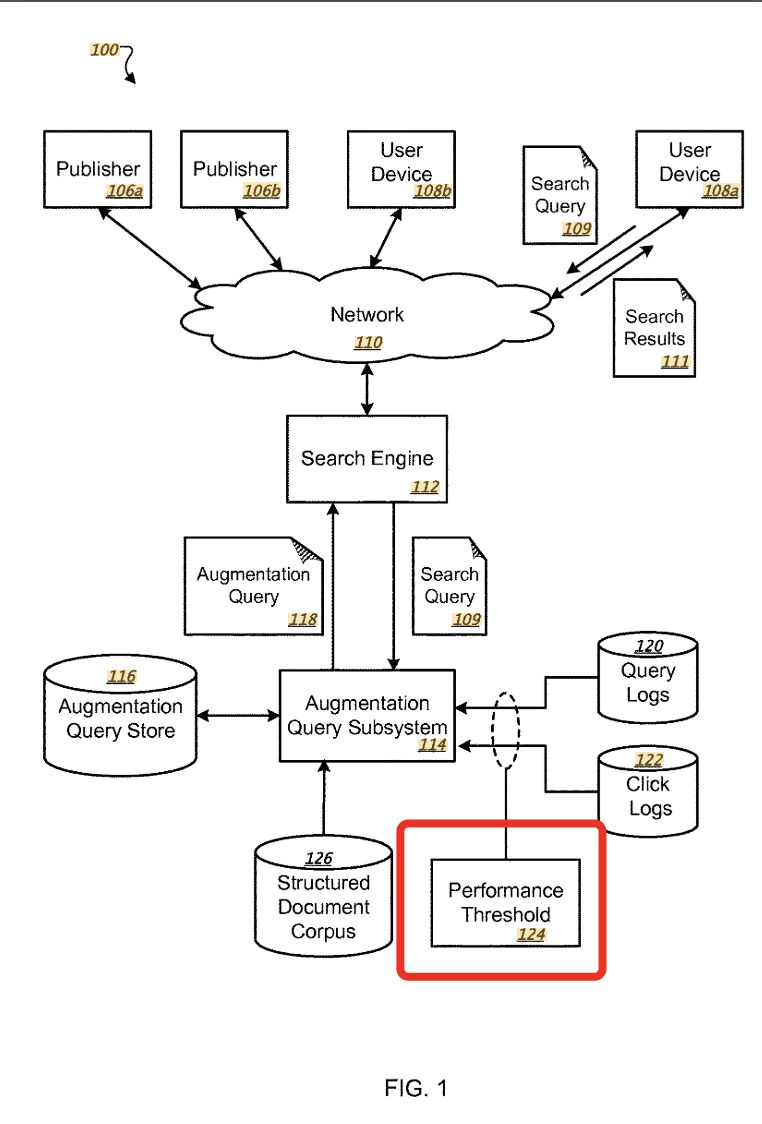
When you search for something like “best time to sleep”, Google doesn’t just stop there. It augments your query—expanding it into a tree of related and predictive variations like:
• “best time to sleep for newborns”
• “optimal sleep duration”
• “when does melatonin peak”
• “how to fall asleep faster”
…and many more.
This process is called Query Augmentation.
📌 Google builds augmentation trees for every individual user—or entire user clusters—based on their interests, history, and click paths. Each cluster may have a different augmentation direction, leading to separate indices and ranking systems.
🔍 When you hit “search,” Google actually performs multiple searches in parallel, using predicted click behavior to decide which version of the query to prioritize. This results in what we call an aggregation path, and it’s part of why different users may see different search results.
🧠 This system is backed by engineers like Krishna Bharat and Anand Shukla, the latter also being behind Google’s Search with Stateful Chat—a foundation of the new AI Mode.
✅ To rank in Google’s AI Mode or dominate Discover and generative experiences, you must:
• Cover the entire topic, not just the main keyword
• Include all relevant contexts, entities, and attribute-value pairs
• Understand click-path behavior and semantic relevance
This isn’t new—we’ve been documenting it for 3.5 years in the Holistic SEO Community.
While Google calls it “query fan-out,” we call it what it truly is: a Query Network.
🚫 Don’t just optimize for a keyword.
✅ Optimize for the augmented queries—because that’s what Google’s ranking systems truly evaluate.
—
🔎 Want to go deeper?
Join the Holistic SEO Community and stay ahead of the curve.
seonewsletter.digital/subscr…
#SEO #QueryAugmentation #GoogleAI
2
1
23
2,023
12 Jun 2025
How Does Query Augmentation Work in Google Search?
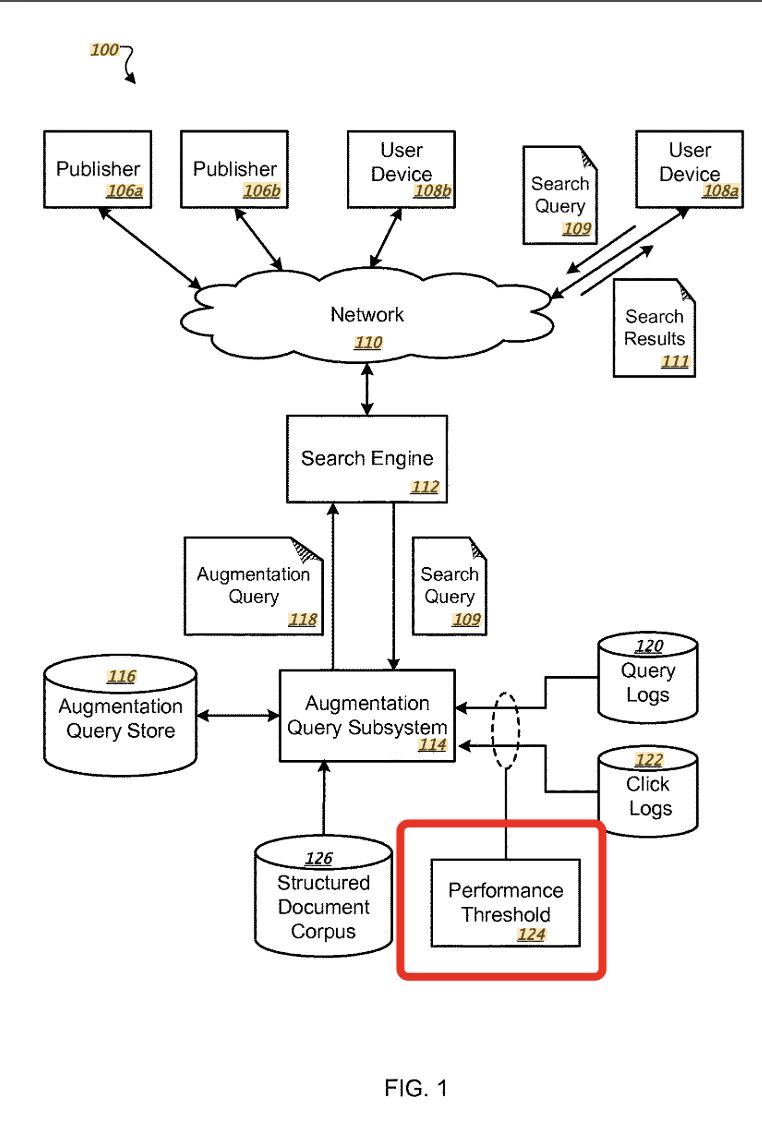
When you search for something like “best time to sleep”, Google doesn’t just stop there. It augments your query—expanding it into a tree of related and predictive variations like:
• “best time to sleep for newborns”
• “optimal sleep duration”
• “when does melatonin peak”
• “how to fall asleep faster”
…and many more.
This process is called Query Augmentation.
📌 Google builds augmentation trees for every individual user—or entire user clusters—based on their interests, history, and click paths. Each cluster may have a different augmentation direction, leading to separate indices and ranking systems.
🔍 When you hit “search,” Google actually performs multiple searches in parallel, using predicted click behavior to decide which version of the query to prioritize. This results in what we call an aggregation path, and it’s part of why different users may see different search results.
🧠 This system is backed by engineers like Krishna Bharat and Anand Shukla, the latter also being behind Google’s Search with Stateful Chat—a foundation of the new AI Mode.
✅ To rank in Google’s AI Mode or dominate Discover and generative experiences, you must:
• Cover the entire topic, not just the main keyword
• Include all relevant contexts, entities, and attribute-value pairs
• Understand click-path behavior and semantic relevance
This isn’t new—we’ve been documenting it for 3.5 years in the Holistic SEO Community.
While Google calls it “query fan-out,” we call it what it truly is: a Query Network.
🚫 Don’t just optimize for a keyword.
✅ Optimize for the augmented queries—because that’s what Google’s ranking systems truly evaluate.
—
🔎 Want to go deeper?
Join the Holistic SEO Community and stay ahead of the curve.
seonewsletter.digital/subscr…
#SEO #QueryAugmentation #GoogleAI
1
6
865