
RadiAllDayDatefm2026/6/15(月) 15:00-15:50 radiko.jp/share/?t=202606151…
昨年、能登復興支援の旅というツアーに行き、お土産物屋さんなど行く先々で現地の方々から来てくれるだけで嬉しいと言われました♡
今回は仕事で参加できませんがほんの少しクラファンで応援したいと思います#REIKO #RADDAY
2
6
150

Not by itself but concentric and chiastic structure is a well documented feature of ancient Near Eastern literature, attested in Sumero-Akkadian, Ugaritic and Aramaic texts going back to the third millennium. The standard reference is John Welch’s edited volume Chiasmus in Antiquity, with dedicated studies of each of those corpora.
As for the flood narrative itself, the structure has been recognised by a range of scholars working at different levels of detail, Cassuto, Wenham, Anderson, Radday, and they segment the units differently but keep arriving at the same pivot, “God remembered Noah.”
The purported J and P texts by contrast do not have the same structure and the claim of interweaving of the sources is not symmetric so the idea that a redactor edited the sources into one that suddenly ended up with a chiasm stretching across the entire narrative does make single authorship more plausible.
The parallels to the Epic of Gilgamesh even more so. Take the birds alone. On the documentary account one source gives the raven and the other the dove, so each purported original Israelite source preserved only half of the bird episode, and the serial bird release that actually resembles the Mesopotamian one emerges only after a redactor combined the two halves. That asks us to treat the resemblance to Gilgamesh as an accident of editing, when the simpler reading is that the author used a serial bird release for the same reason the Gilgamesh poet did. Gary Rendsburg, who is no apologist, has argued the biblical flood tracks the Gilgamesh chiasm point by point and in the same order.
19


May 7
RADDAYめっちゃいいイベントだったよな〜ラスト演者が勢揃いしてほぼ全員でフリースタイルしていかにもな平和空間だった
どのアーティストの曲も好き〜ってなってプレイリスト組んだのも良い思い出
9
770


Mar 22
I’m going to wear a Team Bart shirt, just to be obnoxious #RAD #RADday #RADday2026 #RAD40
amctheatres.com/movies/rad-4…
4
1
25
2,053

Mar 11
あの日東京にいました。
誰とも連絡がつかず、自分は帰宅困難者になりました。
その後、何かしたいと友達と募金活動をしようとするも、許可はおりませんでした。
インフラの関係で駆けつけることすらできませんでした。
RADDAYでこういう機会があったことは、私自身の救いでもありました。
#datefmrad
7
135

Feb 10
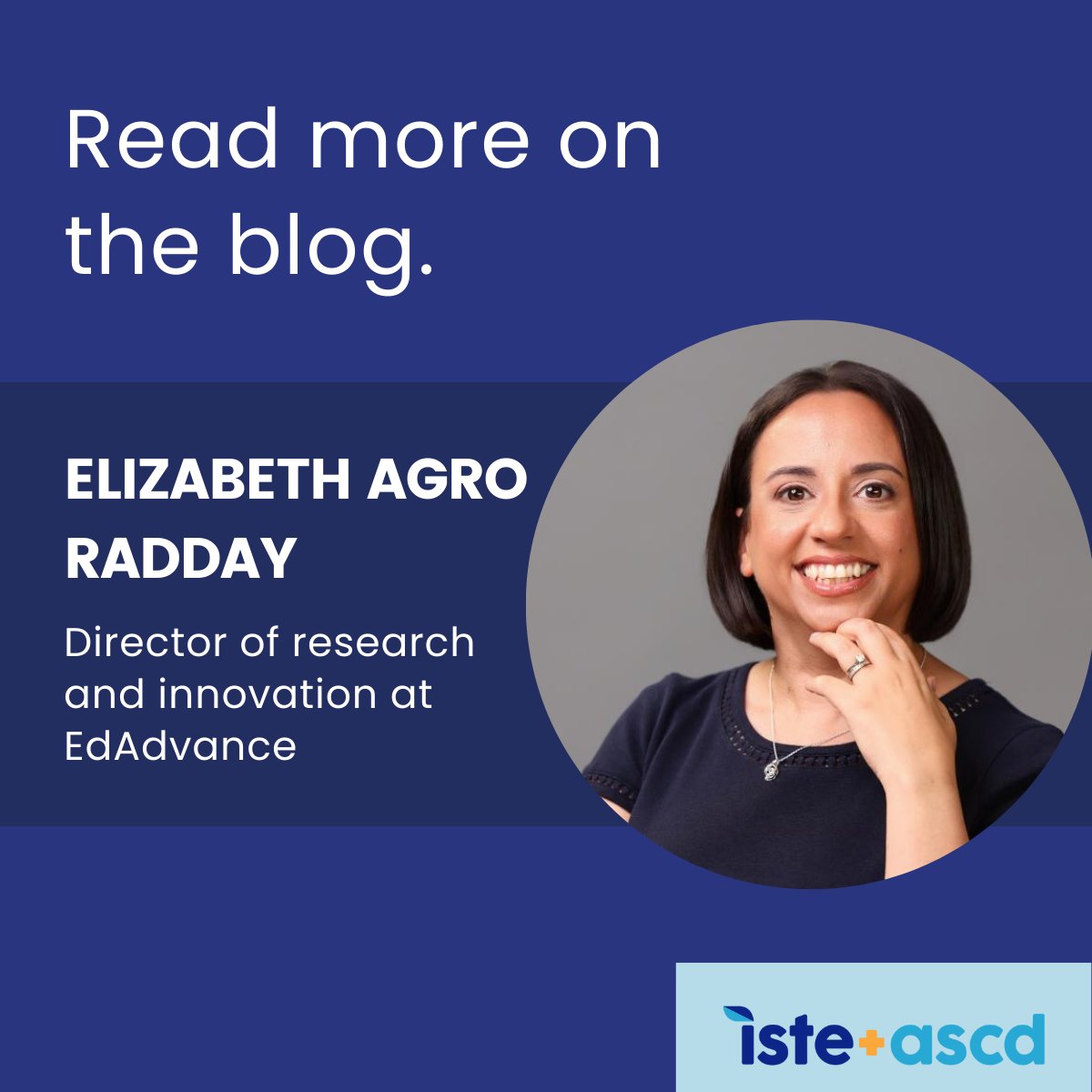
When learning starts with curiosity, purpose follows.
Elizabeth Agro Radday shows how Personal Interest Projects connect academics to the real world. As AI is reshaping the academic landscape, PIPs build skills that matter beyond school.
hubs.li/Q042vQzD0
#StudentCenteredLearning #ProjectBasedLearning



4
418

#RADDay is about awareness and action. Every donation, shared story, and step forward accelerates dementia research. Together, we can race toward a world without dementia 🧠💛
Learn more: raceagainstdementia.com/join…
#LACountyAD

1
2
34
Jan 13
4
105


12 Dec 2025
うええ、今度はCLAN QUEEN😅
こっちは髭男と日程被ってる…
RADDAYの企画だから後々CLAN QUEENもノースロードが持ちそうだな
12 Dec 2025

||◤ 開催告知! ◢||
SENDAI PIT 10th Anniversary Special
「LIVE STORAGE」
supported by Date fm RAD~Radio All Day~
📅2026/4/5(日)
📍#仙台PIT
⏲16:00/17:00
🎸出演🎸
CLAN QUEEN
凛として時雨
📣ただ今から最速先行受付!
お申込みはぴあへ➡ w.pia.jp/t/pit-livestorage/
⏱12/21(日)23:59まで
north-road.co.jp/detail/deta…
#CLANQUEEN #凛として時雨 #radsendai

3
618

20 Oct 2025
19 Oct 2025

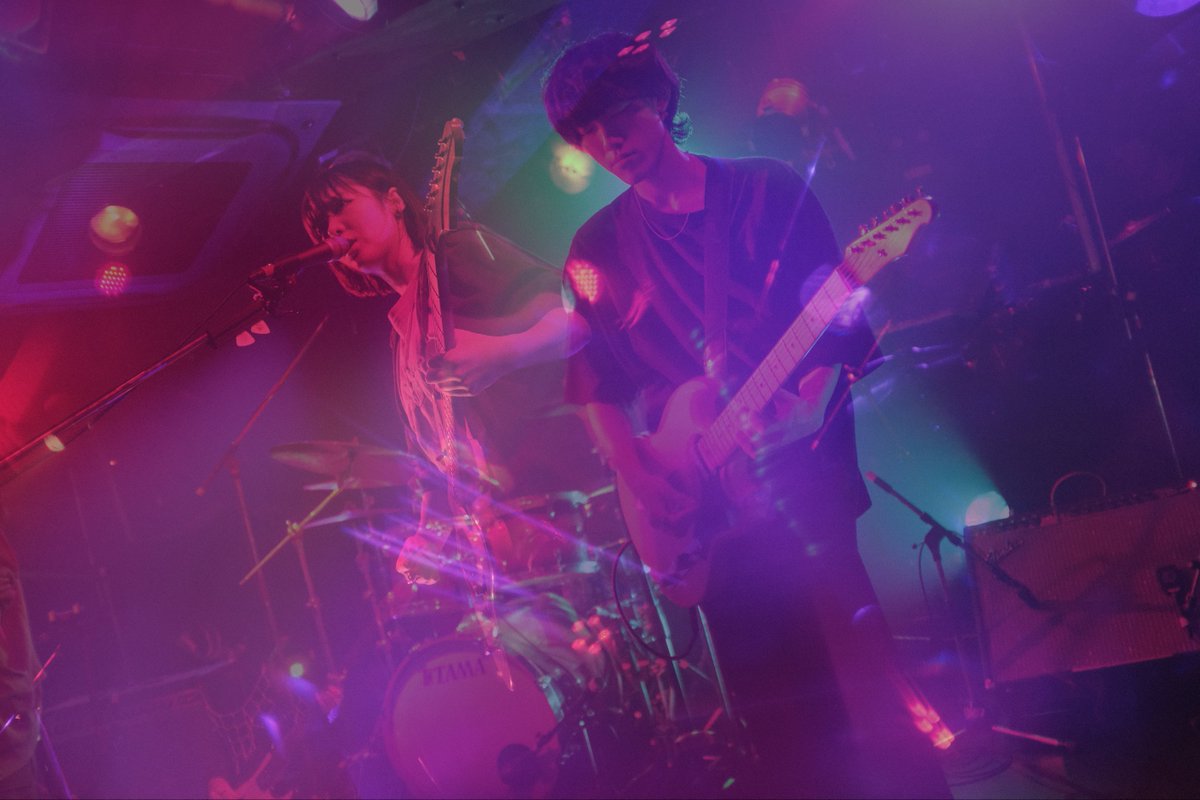
\\ RADIO INFO //
明日10/20(月)14:30頃〜
Date fm「RAD ~Radio All Day~」
仙台のラジオ番組に
セレナ @serena__rs と悦 @etsu_guitar がゲスト出演🎙️
是非お聴きください‼︎
▶︎📻radiko.jp/#!/live/DATEFM
#RADDAY #datefm
1
21
2,374

19 Oct 2025
コスプレが…
コンテンポラリーダンスがぁ〰՞
笑
📻頭の中でベイビーちゃんの
ぁ꒠꒠でアレ!とかソコでソレ♩とか衣装ばっか思い浮かんで…笑
あったかくて楽しいライブだった🎶
#RADDAY
#Ettone
#SG
#REIKO
#向井太一
#仙台PIT
#スーパーワタナベイビーCX±
#中村マサトシ
#datefm
18 Oct 2025

⚡Special Program Fantastic Date fm RAD DAY 5.5 ⚡
先月 #Ettone(@Ettone_official) #SG(@SG_A11)
#REIKO(@reiko__official) #向井太一(@iamtailjp)を迎え
📍#仙台PIT(@PitSendai)で開催
国宝級の盛り上りをみせたRAD DAY 5.5を
ダイジェストでOA♪
📻10/19(日)19:00-19:55OA
🎤 #スーパーワタナベイビーCX±(@SuperWatanababy)
🎤#中村マサトシ(@masatheyouth)
🎧 radiko.jp/share/?sid=DATEFM&…
#datefm
3
6
389


19 Oct 2025
1
6
162
19 Oct 2025
\\ RADIO INFO //
明日10/20(月)14:30頃〜
Date fm「RAD ~Radio All Day~」
仙台のラジオ番組に
セレナ @serena__rs と悦 @etsu_guitar がゲスト出演🎙️
是非お聴きください‼︎
▶︎📻radiko.jp/#!/live/DATEFM
#RADDAY #datefm
1
3
37
4,636

8 Oct 2025
7 Oct 2025

フォームは文字数制限があるので、書ききれない人はメールのほうがいいかも☺️
datefm@datefm.co.jp
2
421

28 Sep 2025
\\ RADIO INFO //
明日 9/29(月)13:30-15:50ごろ
Date fm「RAD〜Radio All Day〜」
仙台の番組に #リュベンス がコメント出演🎙️
10/4(日)出演の「MEGA★ROCKS 2025」への意気込みを語ります‼︎
▶︎📻radiko.jp/#!/ts/DATEFM/20250…
#megarocks2025 #RADDAY #datefm
23
1,800