
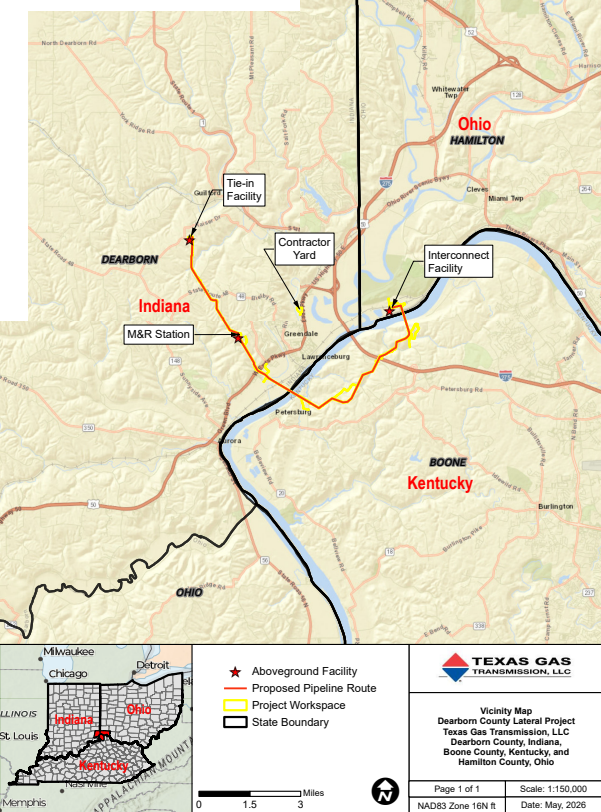
Texas Gas Transmission filed for the Dearborn County Lateral, a 12-mile, 20-inch line delivering 265 MDth/d of firm transport from its mainline to Vistra's Miami Fort plant in Hamilton County, Ohio. The lateral supports converting Miami Fort, a 1,000 MW coal plant on the Ohio River, to natural gas. Vistra had slated the site to close by the end of 2027 but reversed course, citing power demand and PJM reliability. The coal units now retire in 2028 with a gas repower. #NatGas #PJM #NatGas
1
4
705

Around 178 GW of onshore wind capacity is expected to repower by 2030. What policies & investment frameworks are needed to unlock large-scale wind repowering investment? Join the @IRENA's Coalition for Action webinar on the Global Wind Day as experts unpack key findings from an upcoming report on repowering wind energy. Register 👉 irena-org.zoom.us/webinar/re…
13
28
1,051

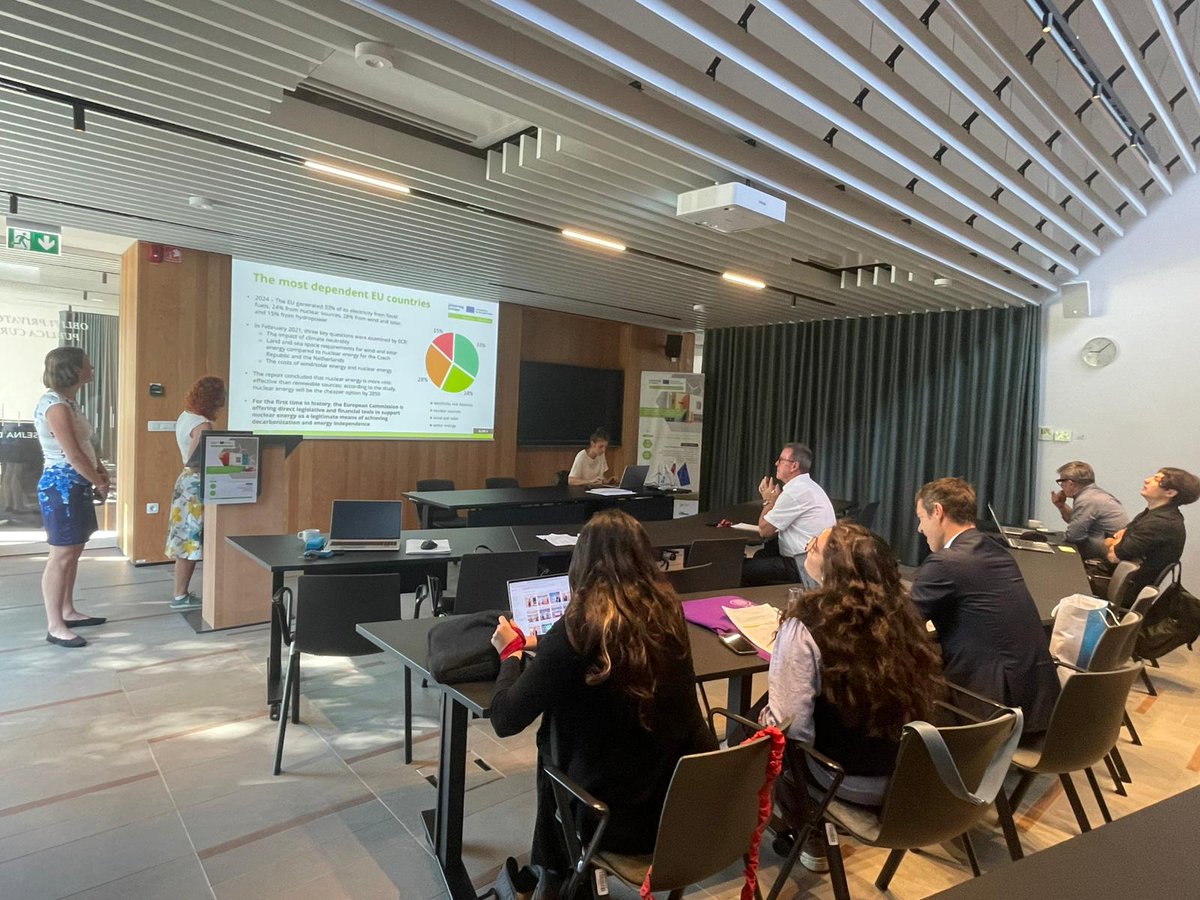
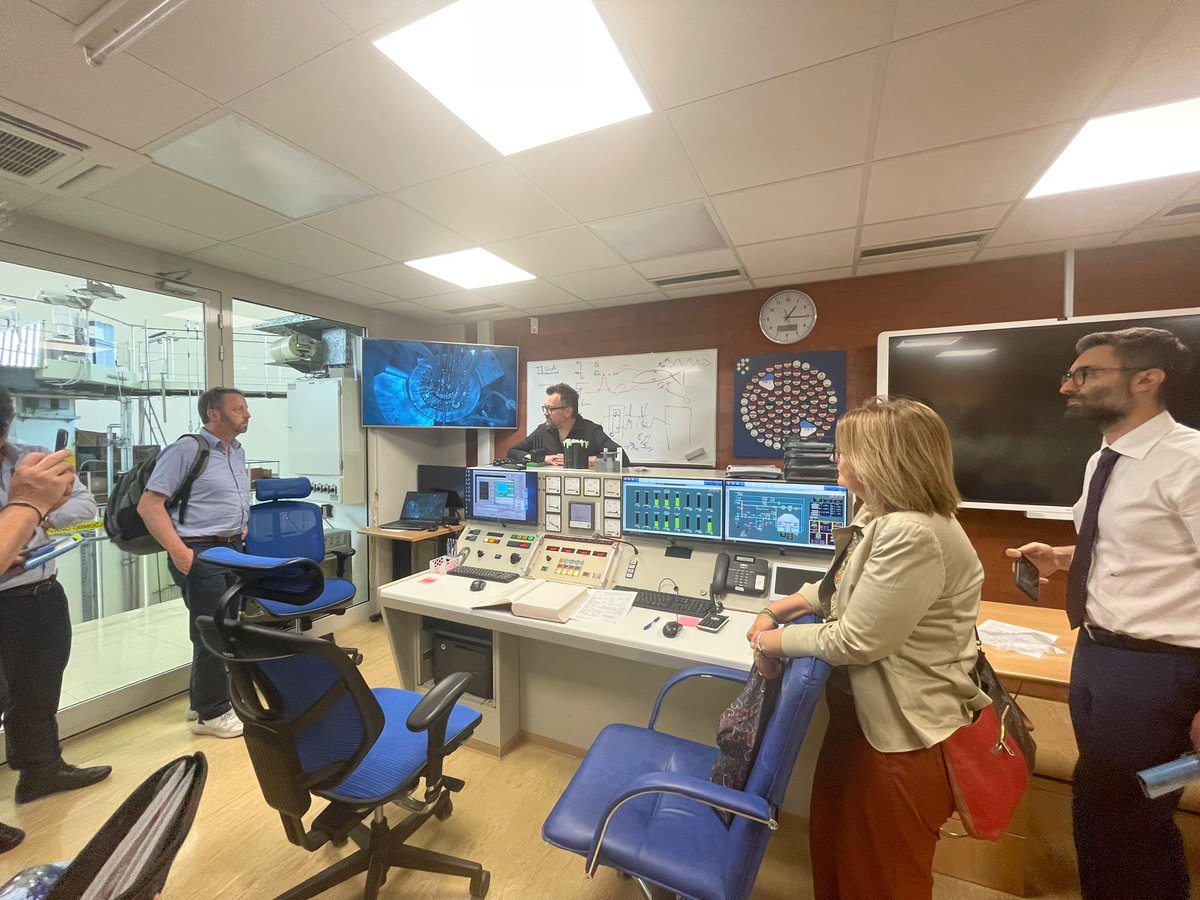
South East Energy Agency attended the Repower Industries 7th Interregional Project Event in Slovenia, represented by CEO Paddy Phelan.
The event explored industrial energy self-sufficiency, nuclear energy, innovation, and future energy solutions for industry across Europe.
Read more: southeastenergy.ie/south-eas…
#RepowerIndustries

1
20


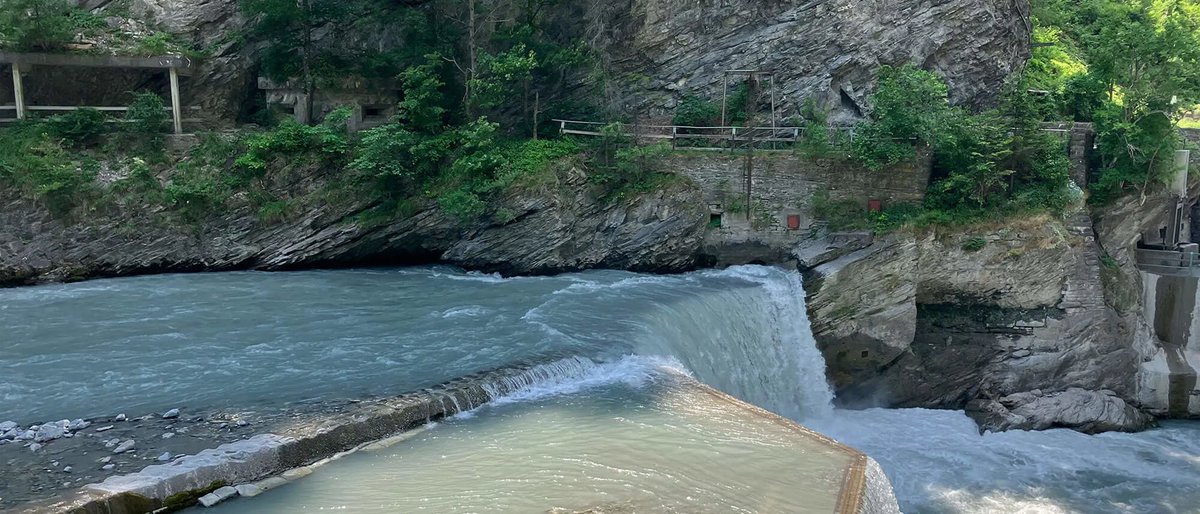

Offshore wind farms along the storm-swept coasts of the UK are the premature graveyards of corroding steel and plastic skeletons—bowing to the inevitable.
These are the volatile, often freezing seascapes of the windy North Sea, the Baltic Sea and Irish Sea, maritime zones that should provide ideal conditions for large-scale turbine farms - but don't. The wind industry and governments have long based their financial models on a projected 20- to 25-year turbine lifespan. But independent economic analysis reveals a more sobering reality.
The soaring power of the elements is starkly shown in a landmark study by energy and environmental economist Professor Gordon Hughes (University of Edinburgh), first published in 2012 by the Renewable Energy Foundation: 'The Performance of Wind Farms in the United Kingdom and Denmark'.
Hughes’ data reveals the performance of offshore turbines dropped sharply after just 10 to 15 years due to harsh marine wear and tear. As a consequence, their load factors - the volume of electricity generated as a percentage of capacity - decline much faster than the official narratives admit.
Many of these massive marine structures - primarily owned by UK and Danish interests - are hitting the wall after just a decade of buffeting from exposure to relentless Atlantic weather. Soaring maintenance costs make them highly unprofitable.
Specifically, the study showed that an offshore wind farm's ability to meet electricity demand plummeted by at least a third after 10 years. This led to the conclusion that many become fully uneconomic by year 12.
Rather than keeping these assets spinning for the promised quarter-century, many operators are now forced to 'repower' - replacing old turbines with entirely new hardware long before the 25-year target.
Turning the hardware over early is presented as an upgrade to maximise output, but it's really an admission that the original infrastructure simply cannot go the distance.
More importantly, it exposes a large PR gap between marketing and engineering reality.
Link to the study: epaw.org/documents.php?lang=…
73
677
1,410
36,326

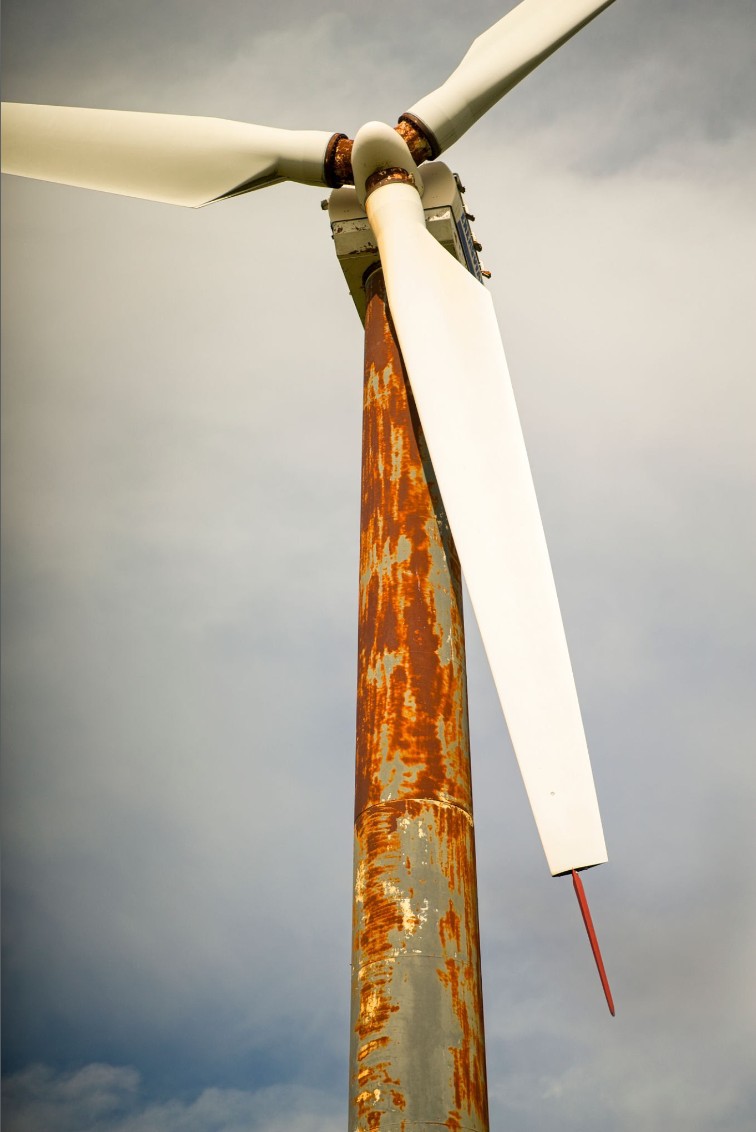
build your own car, repower an old one. don't buy new. They are thinking we don't know how. LOL
4

AI campuses are hitting water-permit walls. Decommissioned data centers come with existing water rights, cooling tower pads, and discharge permits already on the books. Repower a brownfield — skip the multi-year hydrology fight. #Sustainability #DataCenter
1
19

Jun 14
Same. I minibike and 2 briggs repower on equip. Only prob ive had is replacement carbs on amazon
2

Jun 14
Send one of those new pods over to the A10 guys, let them repower as well.
2
16
1,611

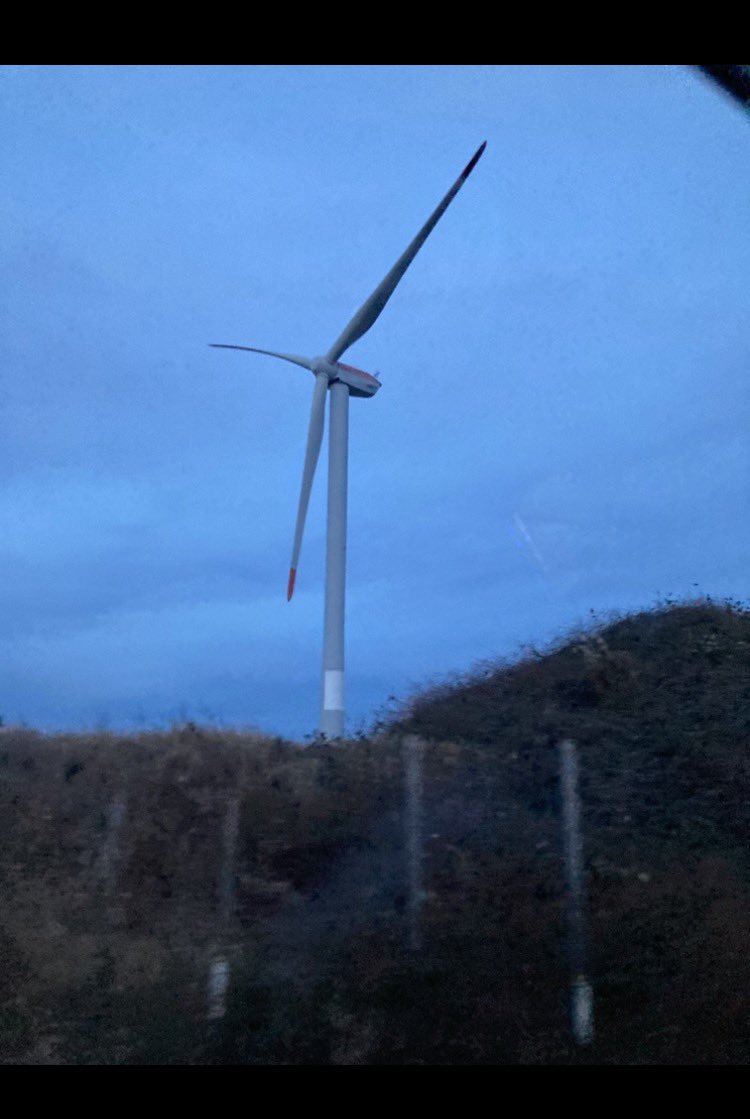
REpowerのMD77じゃ
昼と夜の風の変わり目などは風車は休憩タイムに入るのじゃ
目覚めたら向きを変えてまた動き出すのじゃ
Jun 13

動かない風車って不気味で好き。
一時的に身体を休ませている、宇宙生命体とか使徒とかSCPみたいで好き。
戦闘時はあの羽がヒュンヒュン伸びて回って相手を切り裂き、真ん中からビームが出るんだきっと。
巨大建造物が好き〜🤤♡
1
12
508