
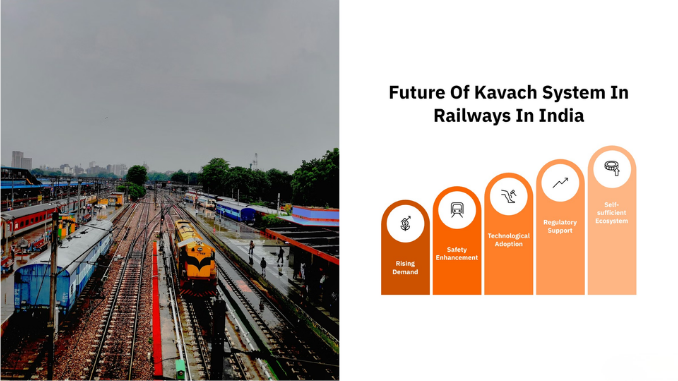
How is Kavach transforming train safety across India’s railway network? 🚆🛡️
📥 Book Sample Now: research.railanalysis.com/in…
#KavachReport2026 #Kavach #IndianRailways #RailwaySafety #RailAnalysis #TCAS #MakeInIndia #RailwaySignalling
2
130

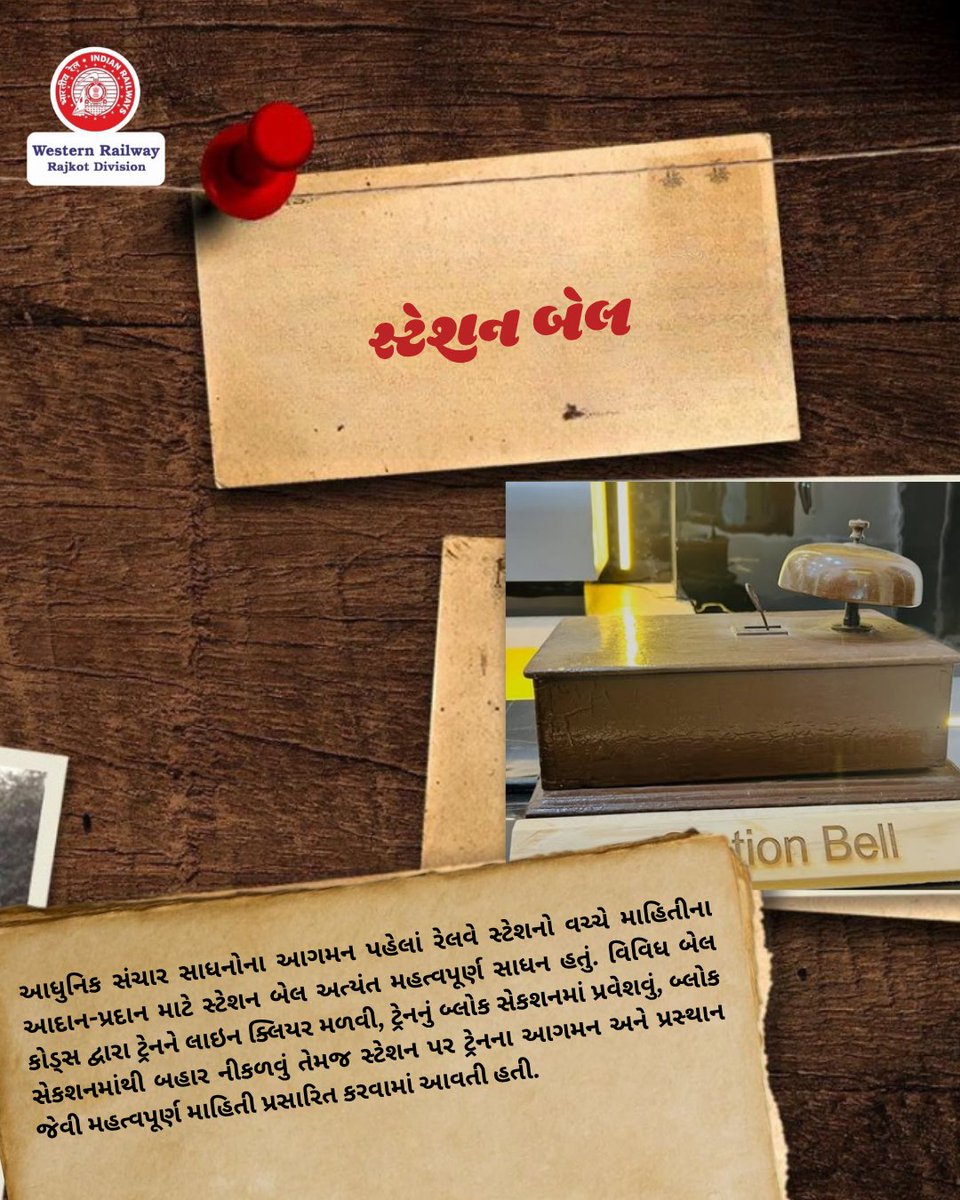
એક સમય એવો હતો જ્યારે રેલવે સ્ટેશનો વચ્ચે સંચારનું મુખ્ય સાધન સ્ટેશન બેલ હતું.
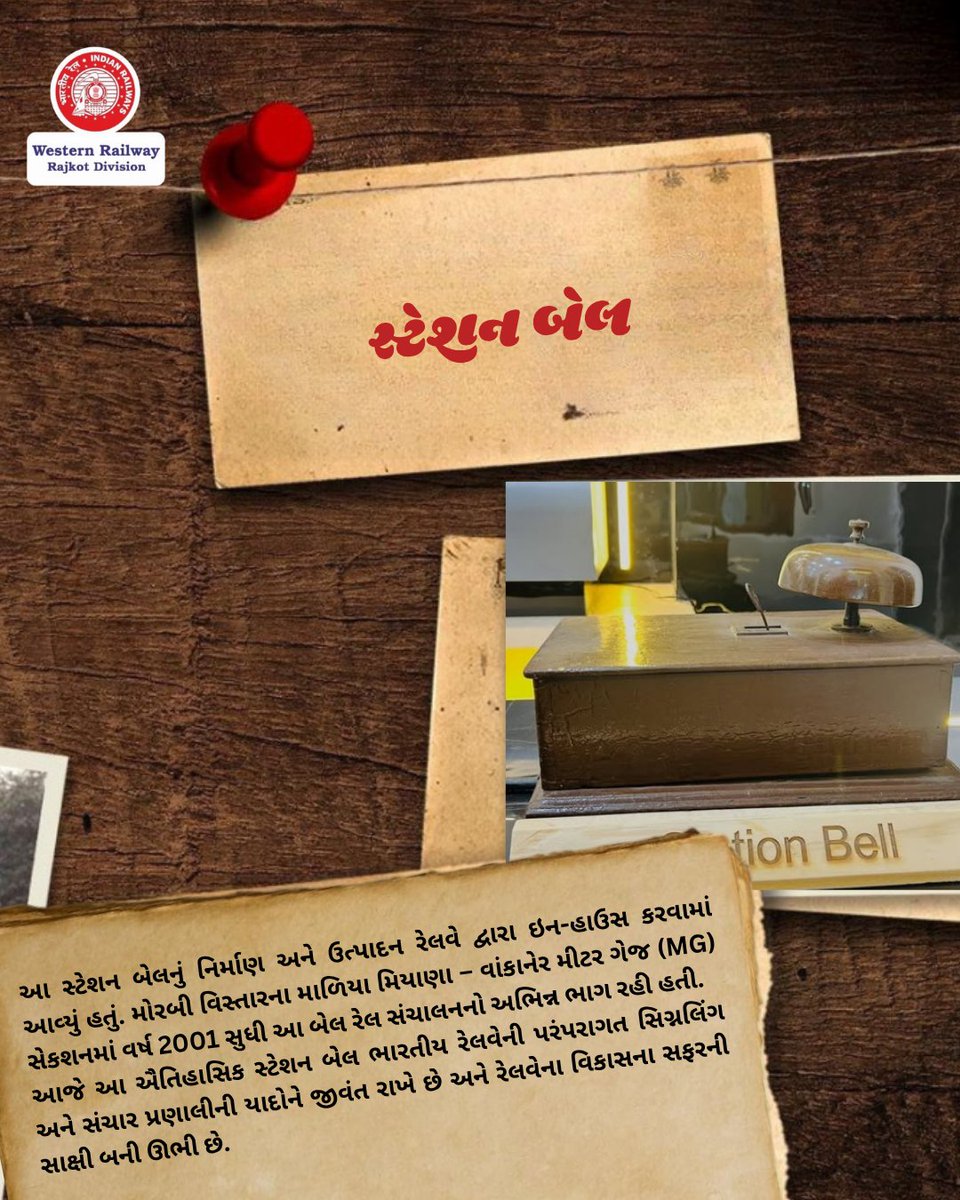
વિવિધ બેલ કોડ્સ દ્વારા ટ્રેનની હિલચાલ અને લાઇન ક્લિયર જેવી મહત્વપૂર્ણ માહિતી પહોંચાડવામાં આવતી હતી. માળિયા મિયાણા–વાંકાનેર મીટર ગેજ સેકશનમાં વર્ષ 2001 સુધી સેવા આપનાર આ સ્ટેશન બેલ આજે ભારતીય રેલવેના ગૌરવશાળી વારસાની અમૂલ્ય નિશાની છે.
📍રાજકોટ રેલવે સ્ટેશન, પ્લેટફોર્મ નં. 1 પર પ્રદર્શિત આ ઐતિહાસિક ધરોહરની મુલાકાત લઈને રેલવેના સુવર્ણ યુગની ઝલક મેળવો.
#RajkotDivision #RailwayHeritage #IndianRailways #WesternRailway #StationBell #RailwayHistory #RailwaySignalling #HeritageCollection
@WesternRly
1
6
280

From the southernmost tip to the eastern frontier — e2E Rail is a national player.
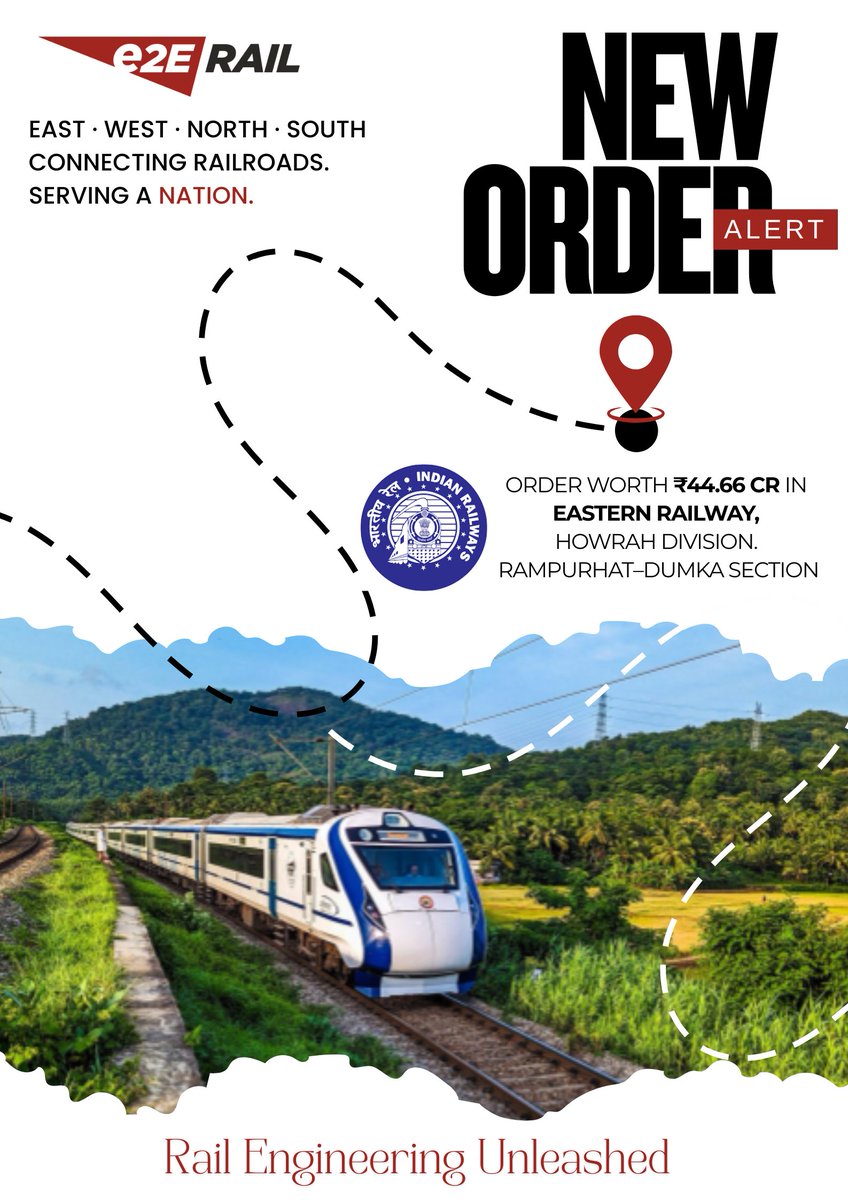
Our latest project takes us to Rampurhat, a town in Birbhum district, West Bengal. Known for centuries as a commercial gateway and home to the sacred Tarapith temple, Rampurhat Junction has long been more than a railway stop. It is a lifeline for the region.
Now, as part of the Bhagalpur–Dumka–Rampurhat doubling initiative, we are proud to be augmenting its Signalling and Telecom systems across 64 km, valued at ₹44.66 crore.
This is what a national footprint looks like in practice. Not a map on a wall, but boots on ground across every corner of the country — East, West, North, and South — bringing safety-critical technology to corridors that move people and freight across India.
It's a signal (quite literally) that we belong in every corner of this country's railway modernisation story.
#IndianRailways #EasternRailway #RailwaySignalling #ElectronicInterlocking #OrderWin #e2ERail #Rampurhat #WestBengal #NationalFootprint
1
2
136

The Signalling Systems of the Great Eastern Railway and its Predecessors (up to 1923)
The signalling history of the Great Eastern Railway and its main predecessor, the Eastern Counties Railway, reflects the broader evolution of British railway safety from rudimentary hand and time-interval methods to mechanical interlocking, block working, and the first experiments with power signalling. The GER was never a wealthy company, so its approach emphasised economy, standardisation where possible, and heavy reliance on outside contractors in the early years, before gradually developing its own distinctive signal-box designs. All developments discussed here end with the 1923 Grouping, when the GER became part of the London & North Eastern Railway.
Early Days: The Eastern Counties Railway (1839–1862)
The ECR, which opened its first section in 1839, began with extremely basic signalling. Like most early railways, it relied on the time-interval system with trains dispatched at fixed intervals, so no absolute block protection and hand signals operated by policemen or station staff. Fixed signals were rudimentary: some ECR installations famously used baskets raised on poles as rudimentary semaphore-type indicators. Points and signals were worked manually, often without any interlocking. Telegraph instruments appeared gradually from the 1840s to the 1850s for basic communication, but proper block working and mechanical interlocking were still decades away. The ECR (and the small lines it absorbed or worked) had no standardised signal boxes; structures were simple and often built to contractors’ early designs.
Signal Arm, Post Design and Operating Methods: From Bobbies with Flags to Lower-Quadrant Semaphores
In the very earliest years, safety relied on railway policemen, universally known as “Bobbies”, who stood on platforms or in small huts beside the line, waving green or red flags by day and using hand lamps by night. Trains were dispatched under the time-interval system: a fixed gap (often 5–10 minutes) was enforced between departures, with the assumption that the previous train had cleared the section. This was cheap but inherently dangerous; a delayed or broken-down train ahead could lead to disaster, as the next train had no positive confirmation that the line was clear. Fixed signals evolved quickly in the 1840s and 1850s, with the first semaphore arms appearing on tall wooden or cast-iron posts. Early arms were often slotted into the post for better visibility, and the very first “distant” signals (advance warnings) began to appear as two-position arms that gave drivers a few hundred yards’ notice of a stop ahead.
By the 1870s, the GER, like most British companies, had standardised on lower-quadrant semaphore signals. The arm started horizontal (danger/stop) and dropped to about 45° clear/proceed when pulled off. This choice was deliberate: lower-quadrant arms were counterweighted so that gravity would return them to the horizontal danger position if the operating wire snapped, a simple fail-safe feature. Upper-quadrant signals, arm rising to clear, existed experimentally but were not widely adopted until the 1920s. Home signals (the immediate stop signals protecting junctions or stations) were usually red arms with red lamps at night. Distant signals, introduced progressively from the 1870s, carried distinctive fishtail arms (notched ends) painted with a white stripe or band for quick recognition; they showed caution (arm at 45°) or clear, repeating the indication of the next home signal. Posts were typically tall lattice or wooden, often with cruciform finials and oil lamps in round or square cases; suburban or junction installations sometimes featured multiple “dolls”, which were separate arms on the same post to indicate different routes.
The operating philosophy evolved dramatically alongside the available equipment. The original time-interval system gave way first to basic one-wire telegraphs, simple “train on line” messages between stations, and then, after serious accidents such as the 1874 Thorpe collision on GER metals, where two trains met head-on because of time-interval failures, to the far safer absolute block system. Under absolute block, only one train was permitted in each section of line at a time; the signalman in the box ahead had to send “Line Clear” on a block instrument, which was usually Tyer’s or Sykes pattern, before the previous box could release its starting signal. This required proper interlocking in the signal box so that levers for points and signals could not be moved in the wrong order. On single-track branches, the absolute block was replaced by staff-and-ticket working, where a physical staff or token had to be carried by the driver and later by electric tablet or token instruments, ensuring only one train could occupy the single line. These changes turned signalling from a loosely policed timetable exercise into a tightly controlled, fail-safe system that dramatically reduced collisions.
The GER Era Begins (1862–1870s): Contractors and the Shift to Proper Signalling
When the GER was created in 1862, it inherited a patchwork of basic systems from the ECR and other absorbed lines. In the 1860s, the company still relied heavily on time-interval working and one-wire telegraph instruments. Serious accidents, notably the Thorpe collision of 1874, highlighted the dangers and accelerated the move to the absolute block system. By the mid-1870s, the GER had adopted block working more widely, using telegraphs and early one-wire instruments, though some sections retained older methods into the 20th century.
Signal boxes and interlocking appeared en masse from the mid-1870s. The GER did not build its own equipment in-house at first; instead, it used private contractors, who were given considerable design freedom. The three main early suppliers were:
Saxby & Farmer, the dominant early player, with many boxes and lever frames.
McKenzie & Holland, often with tall “parachute” finials and distinctive window arrangements.
Stevens & Sons responsible for some later boxes, such as Brundall in 1883.
Early GER signal boxes (pre-1870) were mostly of contractors’ designs and featured hipped roofs. McKenzie & Holland examples had tall finials and vertically divided window panes; Saxby & Farmer ones had flush-fitting roofs and 2×2 sash windows.
1877–1886: The GER Develops Its Own Identity
By 1877, the GER began consolidating its own standard designs to reduce costs and impose some uniformity. The hallmark was a gabled roof with a large overhang, weatherboarding, and windows always two panes high. This became the basis for most subsequent GER boxes.
Key design phases, as classified in modern studies such as Historic England’s typology:
Type 1 (1860s–1876): Hipped-roof boxes, mostly contractor-built (survivors include Wrabness 1875 and Roydon 1876).
Type 2 (1877–1882): The first true GER gabled design; quite numerous.
1882: A short-lived more ornate style with larger overhangs and decorative elements, abandoned quickly because of cost.
1883–1885: Introduction of brick construction alongside timber Type 4 all-brick boxes on the Ely–Norwich line, for example.
1885 onwards: The famous Type 7 all-timber design was simple, practical, and built in large numbers right up to the Grouping and beyond. This became the most common GER box type. Variations included decorative bargeboards, especially on McKenzie & Holland builds, mock stone blocks, and occasional brick cladding.
Contractors continued to supply many boxes and lever frames during this period: Saxby & Farmer built large numbers of the 1885-era Type 7 boxes. McKenzie & Holland supplied plainer versions and some suburban boxes (1889–1891) with steeper roofs and terra-cotta finials. Stevens & Sons and occasional others (e.g., Dutton & Co. with their distinctive “small above tall” window panes) also featured.
Signals themselves were almost universally lower-quadrant semaphores, often of Saxby & Farmer pattern.
Late GER Period (1890s–1923): Refinement and First Power Signalling
The GER continued to use and refine its Type 7 timber boxes and a few brick variants with only minor changes, reduced roof overhangs in some cases, and occasional non-standard features for specific sites. Suburban expansions around London and Essex in the 1890s–1900s saw clusters of these boxes. Lever frames remained predominantly mechanical, with Saxby & Farmer and McKenzie & Holland types dominant.
The most significant innovation came in 1899, when the GER became the first British railway company to install electric-pneumatic power signalling. This was at Spitalfields signal box in London, a pioneering, if limited, use of power operation for points and signals to handle dense suburban traffic. It was a modest experiment rather than a widespread change; mechanical signalling remained the norm across the rest of the system right up to Grouping.
By 1923, the GER handed over to the LNER a signalling infrastructure that was largely mechanical and lower-quadrant semaphore, based on a handful of standardised and economical signal-box designs, mostly timber Type 7. These boxes were equipped with absolute block working on double lines and various token or tablet systems on single lines. Most of the equipment was still heavily influenced by the contractors who had supplied the bulk of the early equipment.
The GER’s approach to signalling was practical, cost-conscious, and slow to adopt expensive new technology, mirroring the company’s overall character. While it never led the field in signalling modernisation, except for that one 1899 electric-pneumatic first, it achieved a safe, workable system that served its dense suburban and rural network admirably for decades.
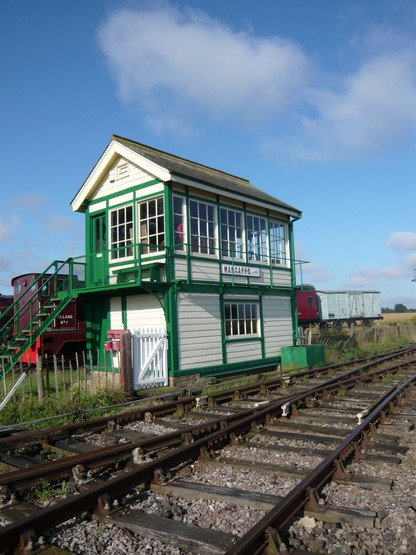
There is a Great Eastern Type 7 box being rebuilt on the Wensleydale Railway, originally built for Hertford East. The story can be viewed here wensleydale-railway.co.uk/vi…
Photos are from Mangapps Farm rly at Burnham-on-Crouch. The box is ex-Haddiscoe East. The museum has a working frame which can be used - well worth a visit.
#GreatEasternRailway #GER #RailwaySignalling #SemaphoreSignals #SignalBoxes #VictorianRailways #PreGrouping #RailwayHistory
1
3
14
551

Feb 19
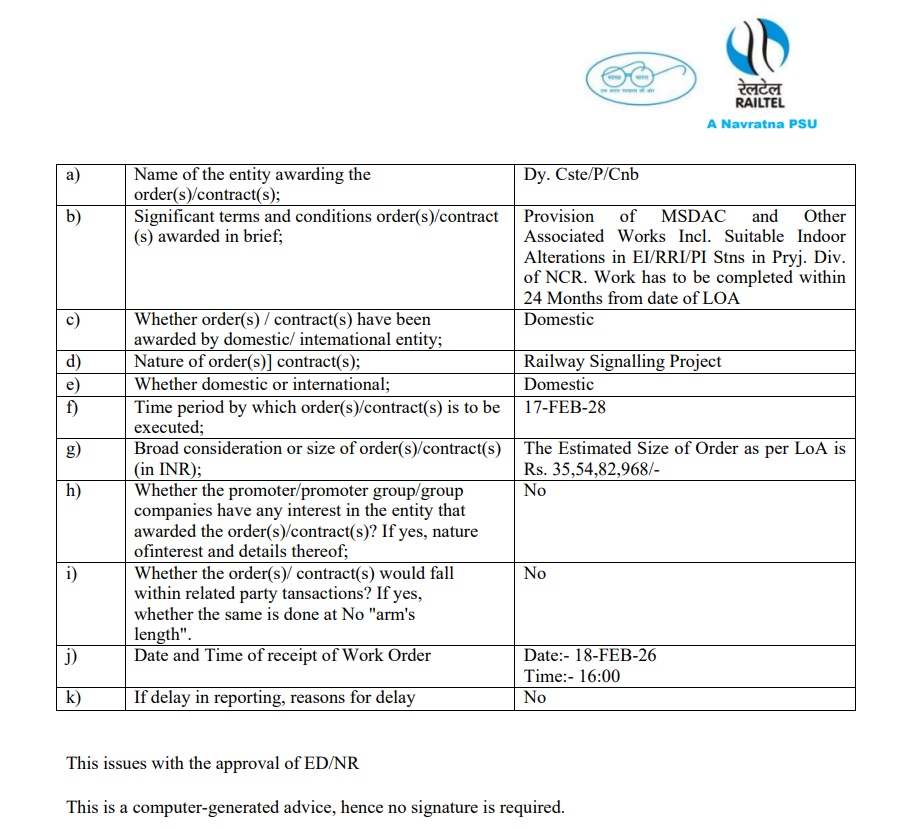
🚆 RailTel secures ₹35.55 Crore railway signalling order from Dy. Cste/P/Cnb
👉🏻 Project: Provision of MSDAC and other associated works including indoor alterations in EI/RRI/PI stations in Pryj Division of NCR.
👉🏻 Nature: Railway Signalling Project (Domestic).
👉🏻 Order value: ~₹35.55 Cr
👉🏻 Work to be completed within 24 months; execution timeline up to 17-Feb-2028.
#RailTel #OrderWin #RailwaySignalling #Infra #PSU
3
198

Feb 19
RailTel Corporation Secures ₹35.55 Cr Railway Signalling Project 🛤️
• Order Win: Domestic Railway Signalling Project awarded by Dy. Cste/P/Cnb.
• Order Value: ₹35,54,82,968 (~₹35.55 Cr).
• Scope of Work: Provision of MSDAC & associated works, including indoor alterations at EI/RRI/PI stations in Pryj. Div. of NCR.
• Execution Timeline: 24 months from LoA; expected completion by 17-Feb-28.
• Order Type: Domestic Railway Signalling Project.
#RailTel #OrderWin #RailwaySignalling #Infrastructure #DomesticProject #India #TechInRailways #RevenueGrowth
1
120

2 Apr 2025
2 Apr 2025

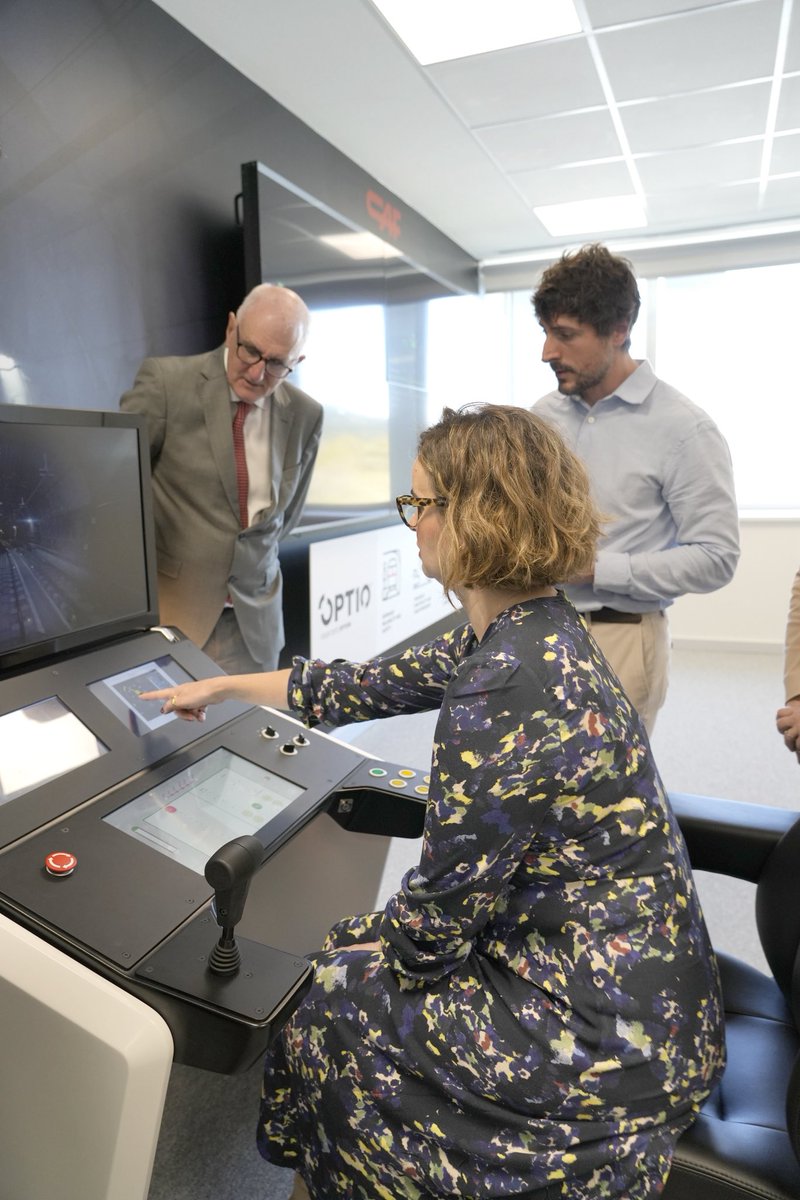
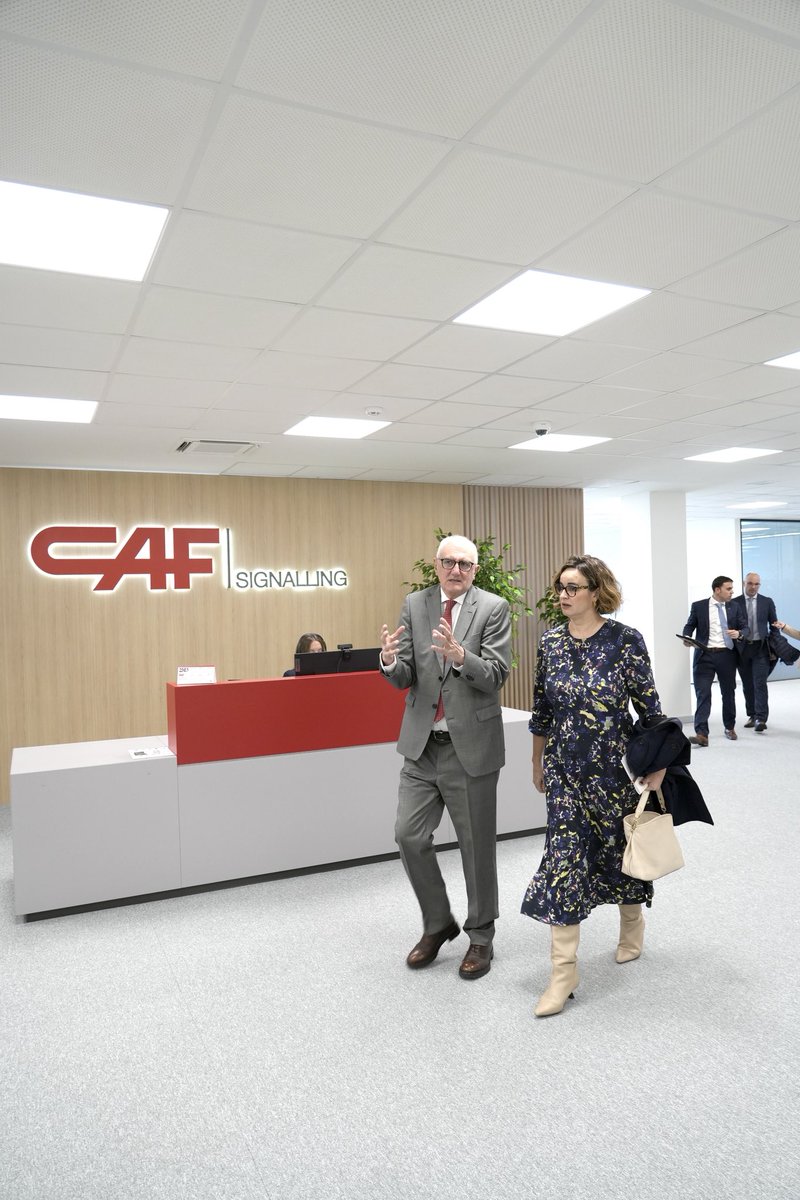
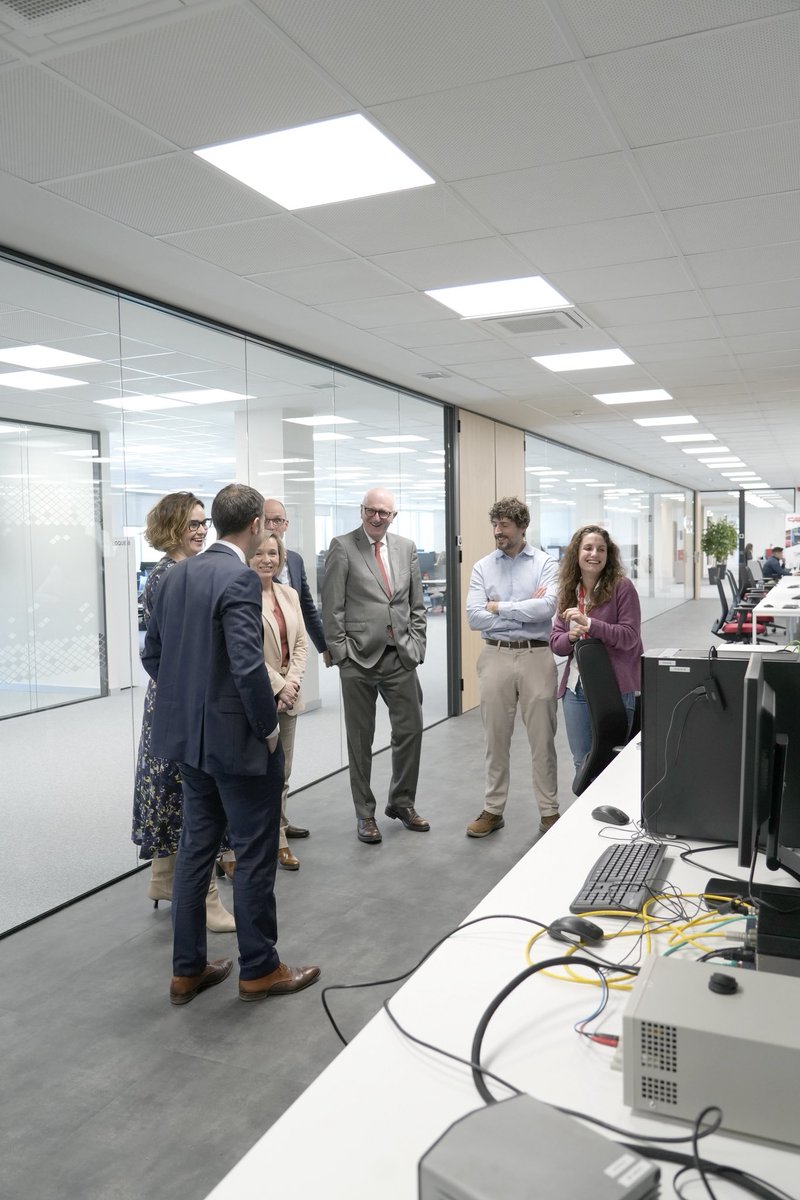
✨🚆 CAF Signalling ilusionatzen eta lurraldea egiten duten proiektu horietako bat da.
Más de 100 profesionales —muchos de ellos jóvenes y altamente cualificados— desarrollan desde Bizkaia soluciones integrales de control y señalización ferroviaria con un componente tecnológico.

1
98
24 Jul 2024
🚀CG Power signed definitive agreements to acquire a 55% stake in G G Tronics Pvt Ltd, for ₹319.38 Crore
Key Highlights:
➡️Acquisition Details:
🔹Stake Acquired: 55% of G G Tronics
🔹Consideration: Up to ₹319.38 Cr
🔹Method: Combination of purchasing equity shares from GGT Promoters & subscribing to Compulsorily Convertible Preference Shares
➡️Strategic Impact:
🔹GGT, HQed in Bengaluru, specializes in designing & installing Electronic Safety Embedded Signalling Systems for the Railway Transportation segment.
🔹Notable offerings include the Train Collision Avoidance System (#TCAS) and Automatic Train Protection Systems (IRATP/ #KAVACH).
➡️Financial Strength:
🔹Turnover: ₹98.13 Crores (FY23)
🔹PBT: ₹10.84 Crores (As of March 31, 2024)
This acquisition aligns with CG’s strategy to enhance its Railway product portfolio and leverage synergies between the companies.
#CGPower #Acquisition #RailwaySignalling #Innovation #BusinessExpansion #InvestmentNews #RailwaySafety
1
4
601

2 May 2024
Exciting news from BHEL! 🚀 Shares surged 4% to a 52-week high of Rs 300.25 after signing a Strategic Partnership Agreement with HIMA Middle East FZE. 🤝 #BHEL #StrategicPartnership #RailwaySignalling #StockMarket
2
727

12 Mar 2024
"RailTel occupies a distinctive position as a provider of telecom infrastructure, IT, and ICT services." - Sanjai Kumar, chairman and managing director, @RailTel
Full interview here: tele.net.in/interview-with-s…
#RailTel #DigitalTransformation #ICTServices #RailwaySignalling
2
101

20 Nov 2023
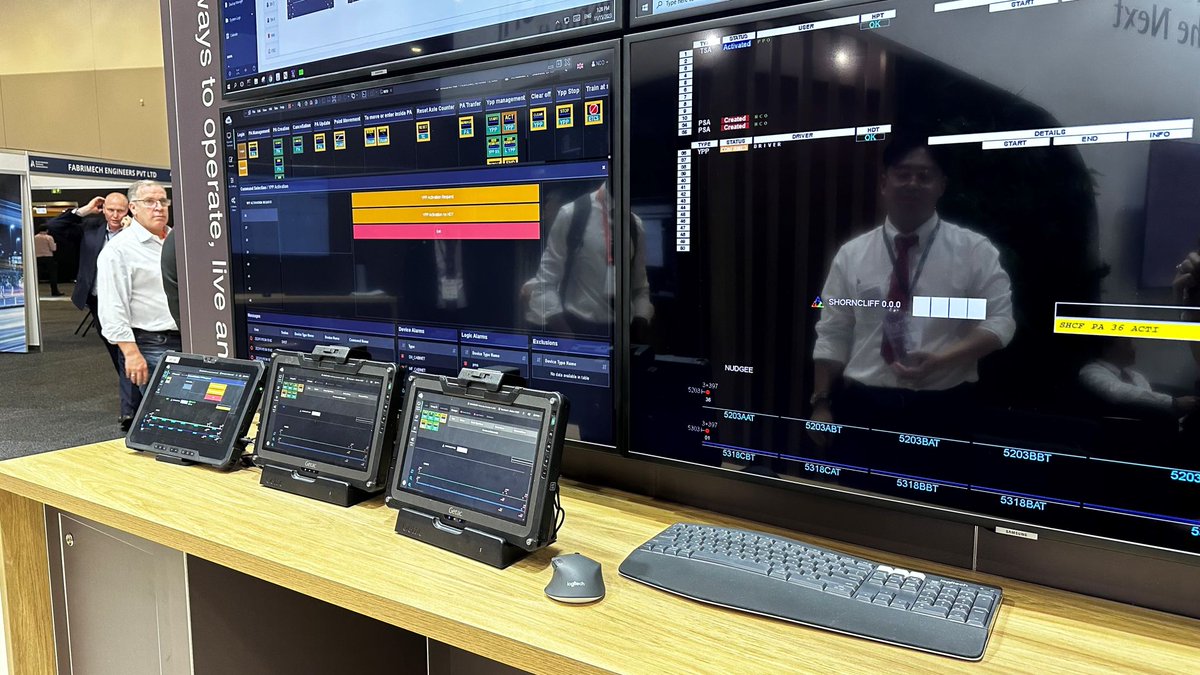
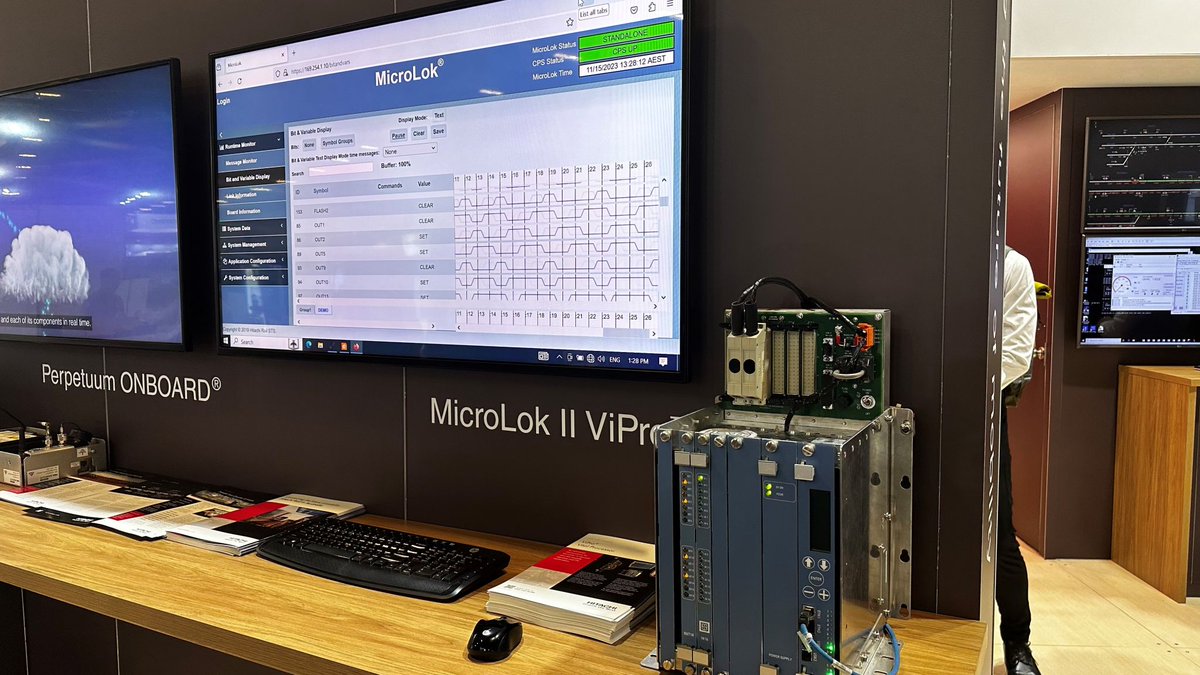
Dal 21 al 24 novembre, presso il Melbourne Convention and Exhibition Centre, il #teamHitachi vi aspetta ad ASPECT per presentarvi i nostri sistemi per la gestione del traffico ferroviario.
Seguite il link per maggiori informazioni lnkd.in/ekRgW2_6
#IRSE #railwaysignalling
3
258


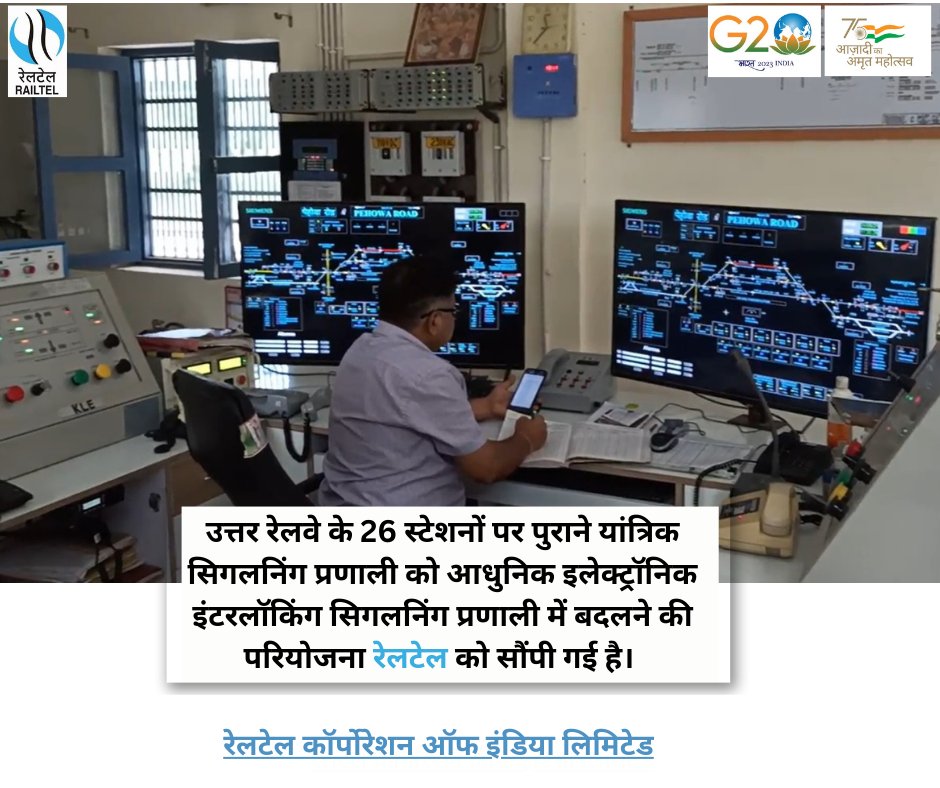
10 स्टेशनों पर आधुनिक इलेक्ट्रॉनिक इंटरलॉकिंग सिगलनिंग प्रणाली का कार्य पूरा हो चुका है और शेष स्टेशनों पर कार्य प्रगति पर है।अधिक जानकारी के लिए- railtelindia.com
#RailwaySignalling #Railways #Indianrailways #NorthernRailways #RailTel #RailWire #CMDRailTel
2
3
558

30 Nov 2022
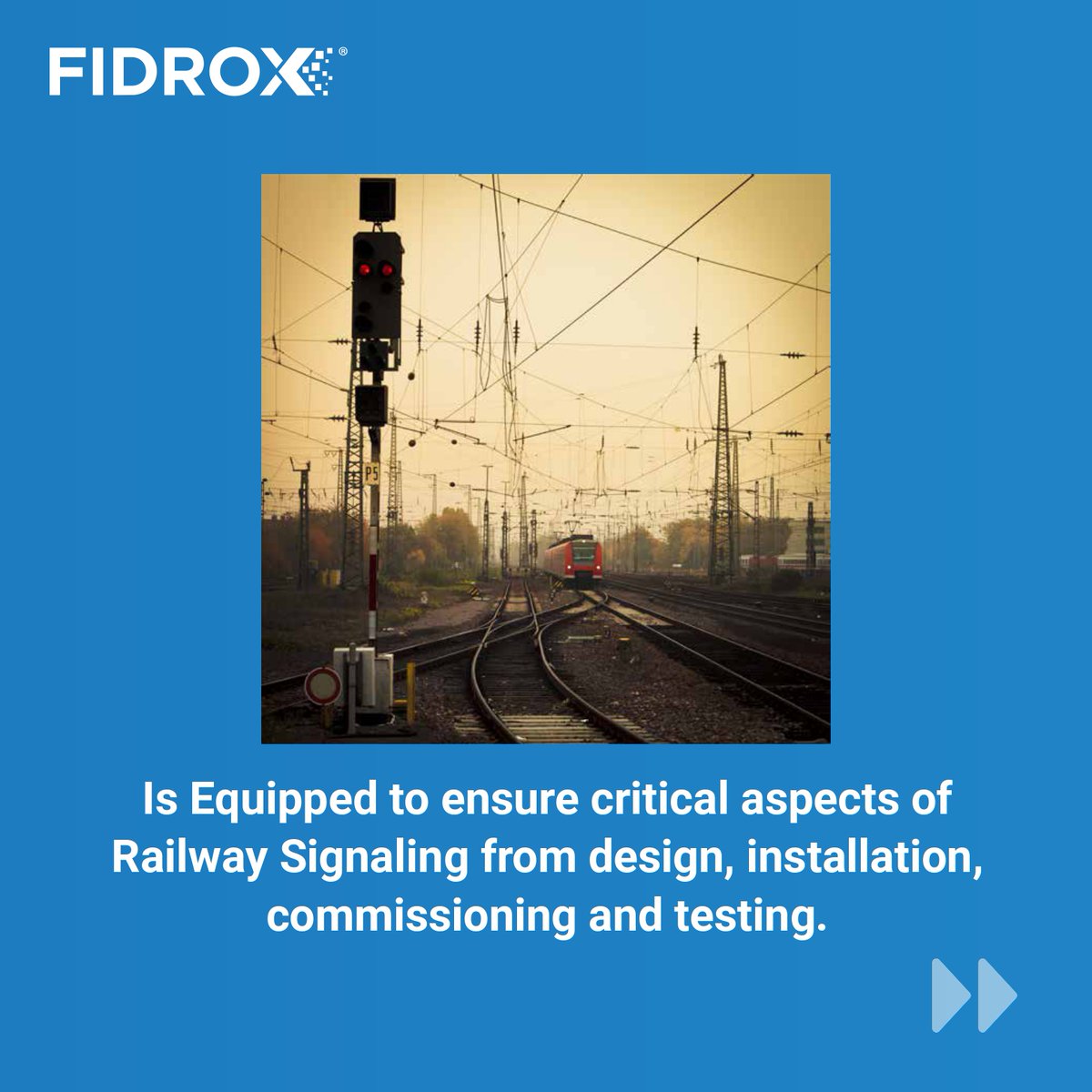
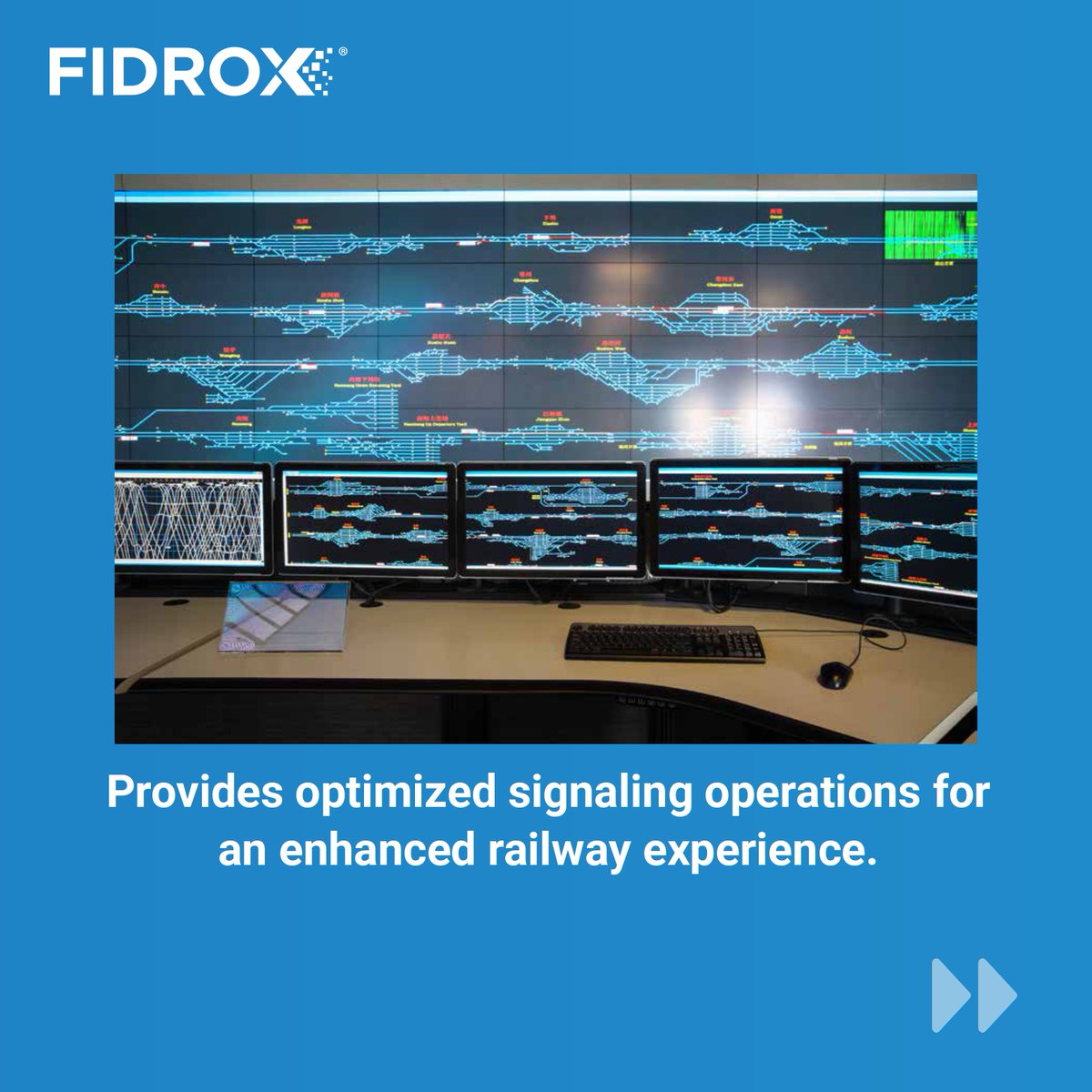
Building on our wealth of over 50 years of experience, #Fidrox combines modern technologies that help in optimizing signaling operations to enhance the overall railway experience.
Visit us at: buff.ly/34XlA0R
#RailwaySystems #RailwaySignalling #Railwaysafety #innovation

1
2
2

29 Sep 2022
Can this bring revolution to #RailwaySignalling? We doubt it.
Keeping trains apart is crucial to #safety
A new way of doing so uses magnetic signals in the tracks themselves
economist.com/science-and-te…
1
2
27 Jul 2022
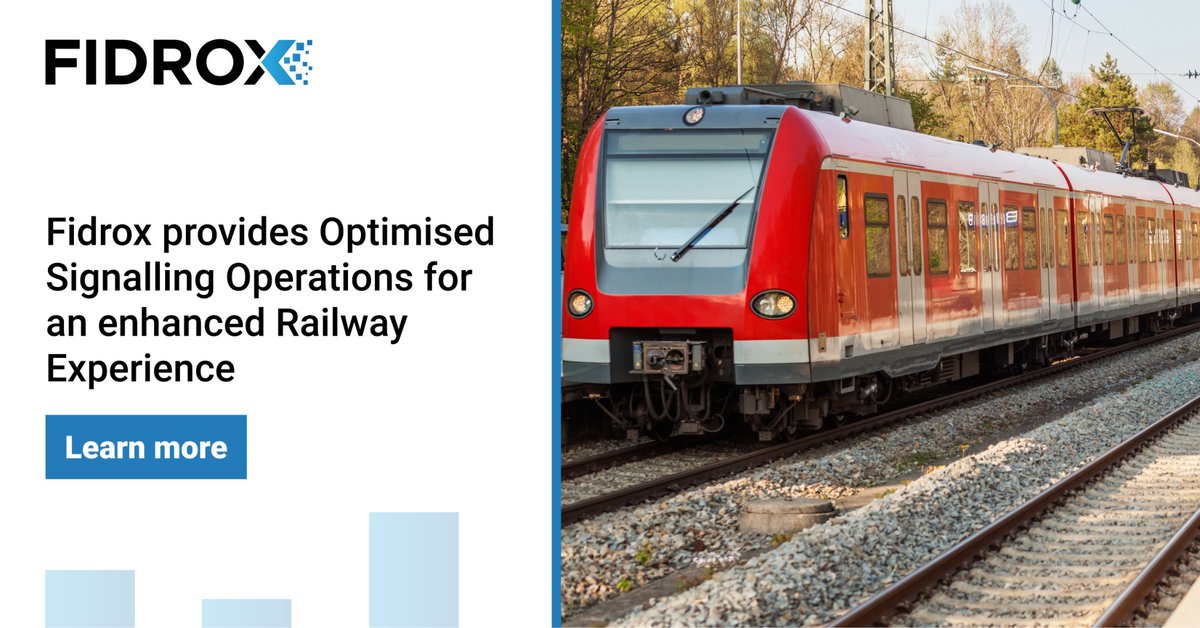
#Fidrox comes with a vast experience in the field of #RailwaySignalling, delivering state-of-the-art onboard and #waysidedesign, installation, testing and monitoring of main lines and mass transit railway networks.
Learn more: buff.ly/2SryApm
#TransitRailwayNetworks
1
2

22 May 2022
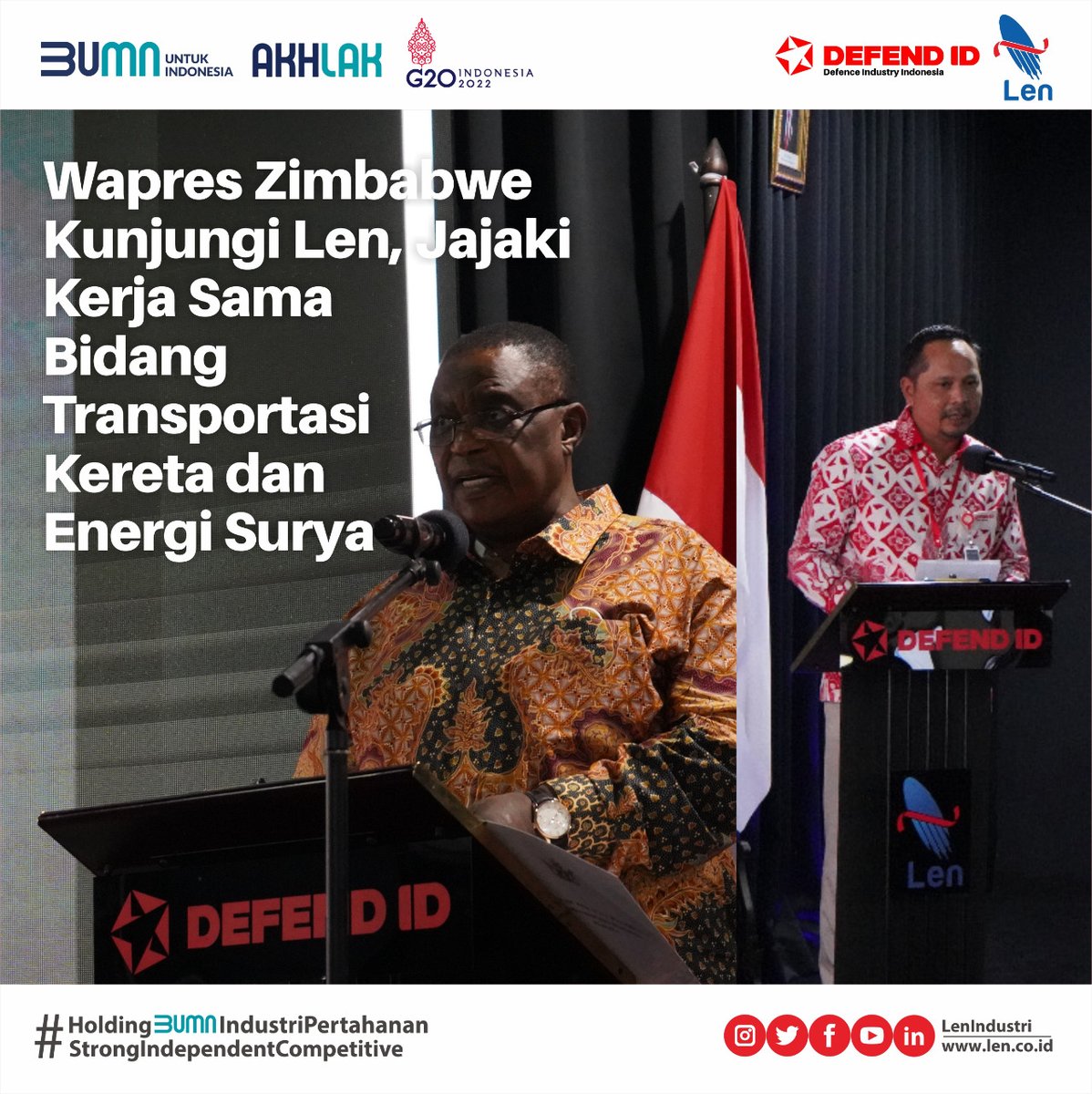
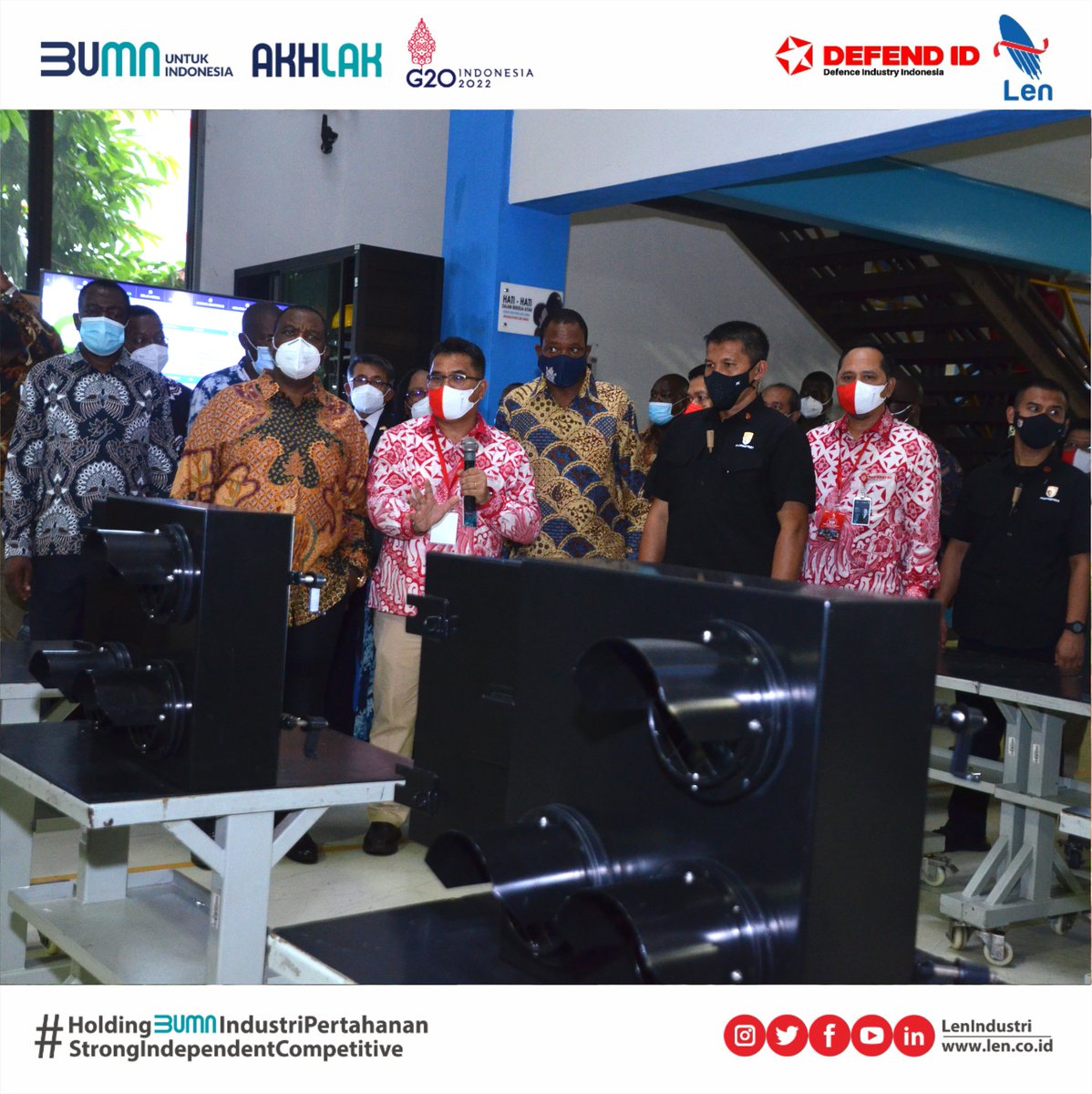
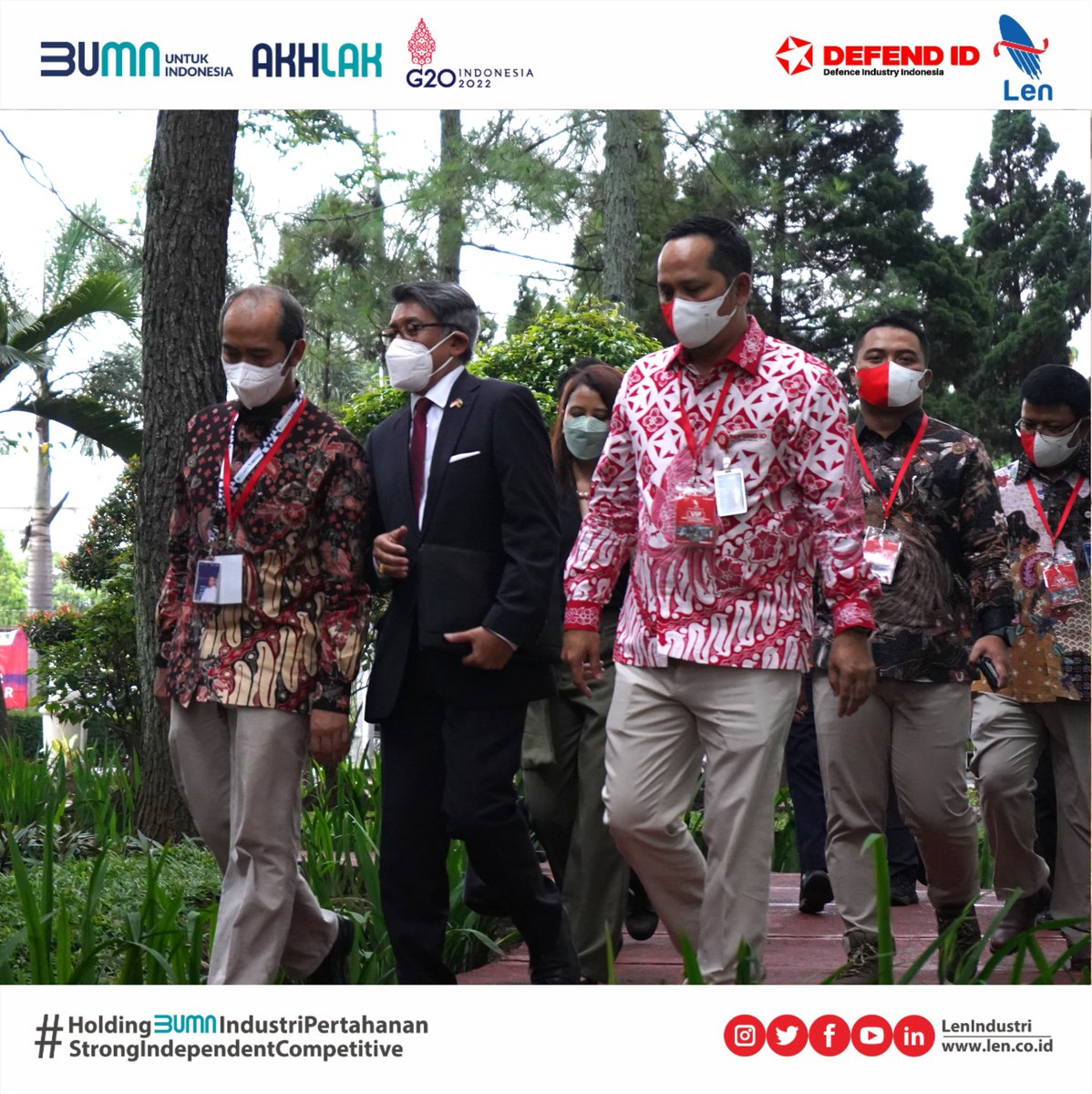
Wakil Presiden (Wapres) Zimbabwe Constantino Chiwenga tiba di Bandung untuk melakukan kunjungan kerja di PT Len Industri (Persero), Jumat (20/05). Chiwenga juga merangkap sebagai Menteri Kesehatan & Perlindungan Anak.
#LenIndustri #DEFENDID
#RenewableEnergy #RailwaySignalling

1
1

12 May 2022
#DidYouKnow Hitachi Rail are transforming #railways globally through the introduction of CBTC (Communications-Based Train Control) systems.
#digitalrailways #railwaysignalling #rail
1
3
15 Mar 2022
At Fidrox we address the critical aspect of Railway signalling. Explore how Fidrox’s #RailwaySignalling Solutions meet the modern-day challenges of Station Controlling and Managing Railway Traffic.
Find out more: buff.ly/3KOm6jX
#railtrackdesign #railsignaldesign #fidrox
1
1

9 Aug 2021
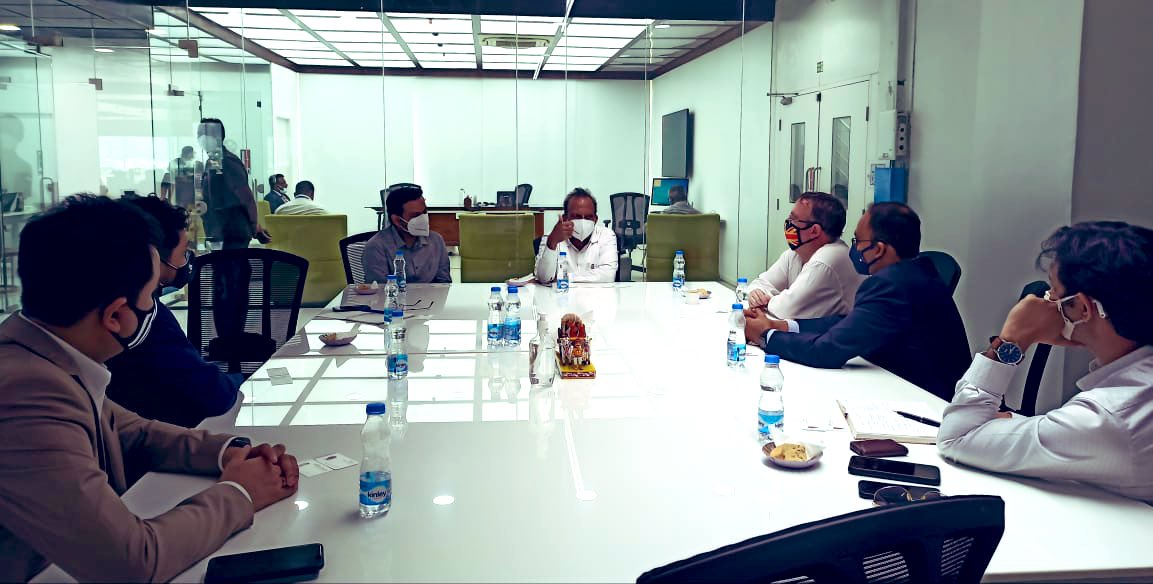
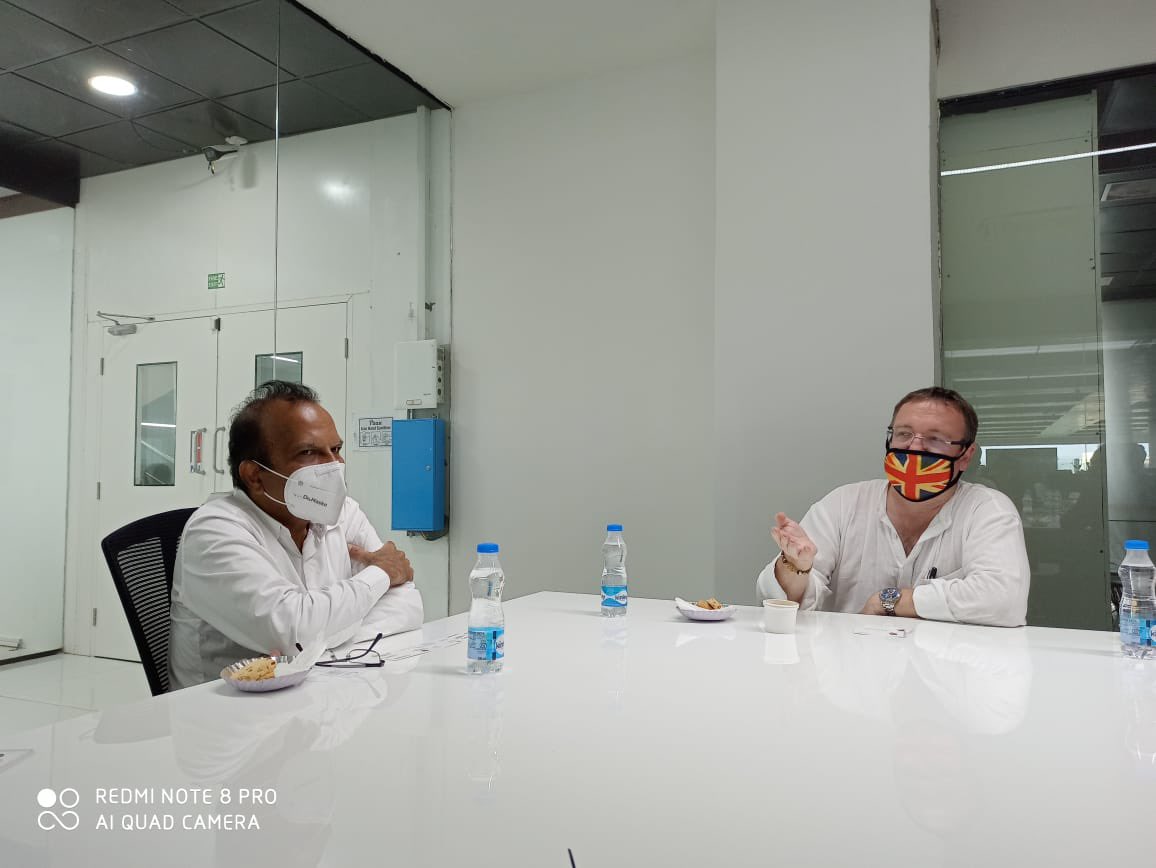
Beginning our visit to Vijayawada with a meeting with Mr Ramakrishna D & his son Mr Anvesh of @Efftronics_Ltd one of the leading 🇮🇳 companies in #IoT and #RailwaySignalling - a potential area to collaborate with 🇬🇧companies
2
5
33