
Jun 17
Very funny. That does remind me of how the signallers on the Midland & Southwestern Junction Railway were furious at the insult to their professionalism when interlocking was fitted to their signalboxes in the late 19th Century.
1
12

May 14
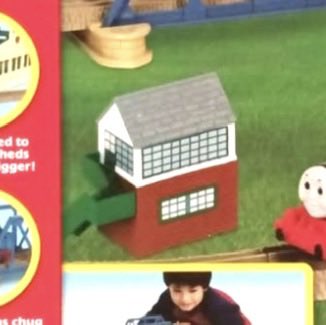
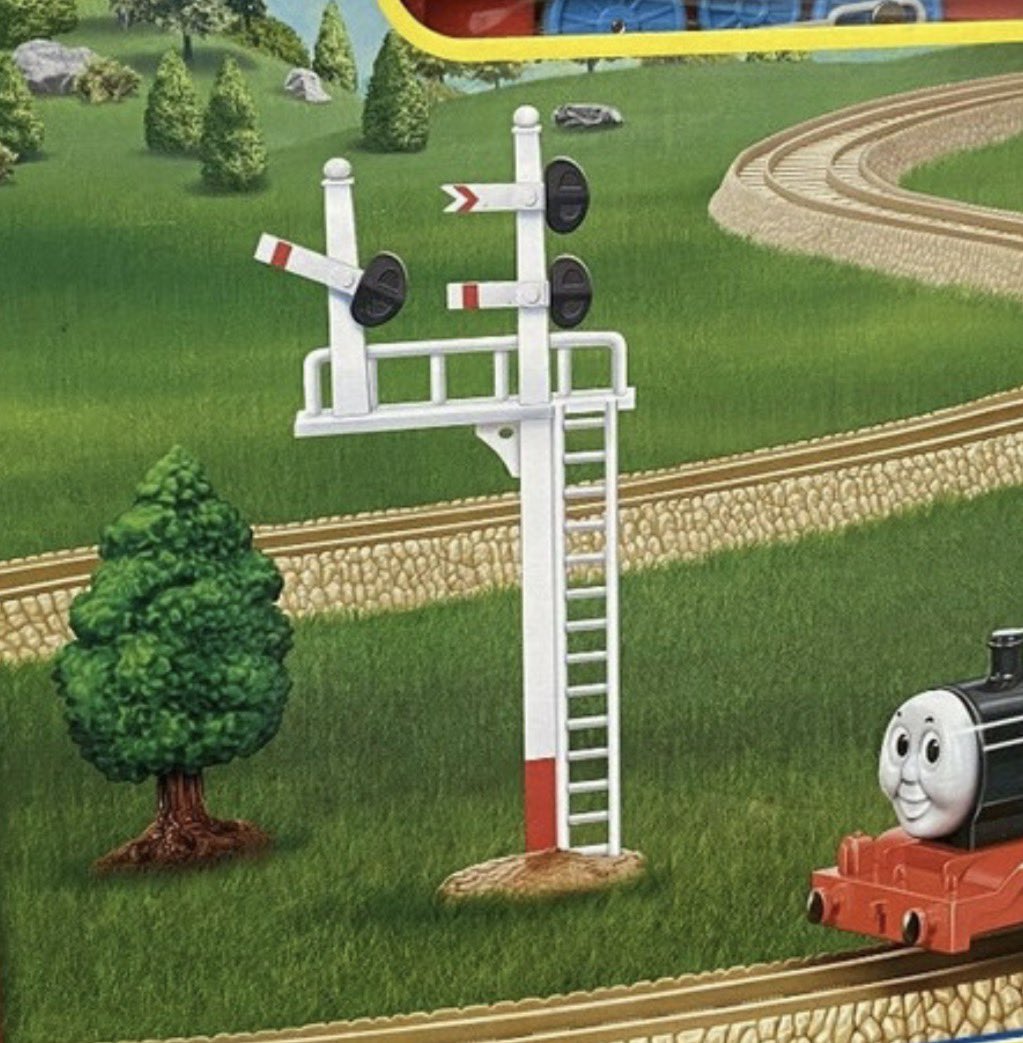
is there a good resource for cheap signalboxes/signals/water towers that would kinda be in scale with tomy/trackmaster? cuz these are hard to come by, i just want some scenery : (
5
14
180
5,327

The Signalling Systems of the Great Eastern Railway and its Predecessors (up to 1923)
The signalling history of the Great Eastern Railway and its main predecessor, the Eastern Counties Railway, reflects the broader evolution of British railway safety from rudimentary hand and time-interval methods to mechanical interlocking, block working, and the first experiments with power signalling. The GER was never a wealthy company, so its approach emphasised economy, standardisation where possible, and heavy reliance on outside contractors in the early years, before gradually developing its own distinctive signal-box designs. All developments discussed here end with the 1923 Grouping, when the GER became part of the London & North Eastern Railway.
Early Days: The Eastern Counties Railway (1839–1862)
The ECR, which opened its first section in 1839, began with extremely basic signalling. Like most early railways, it relied on the time-interval system with trains dispatched at fixed intervals, so no absolute block protection and hand signals operated by policemen or station staff. Fixed signals were rudimentary: some ECR installations famously used baskets raised on poles as rudimentary semaphore-type indicators. Points and signals were worked manually, often without any interlocking. Telegraph instruments appeared gradually from the 1840s to the 1850s for basic communication, but proper block working and mechanical interlocking were still decades away. The ECR (and the small lines it absorbed or worked) had no standardised signal boxes; structures were simple and often built to contractors’ early designs.
Signal Arm, Post Design and Operating Methods: From Bobbies with Flags to Lower-Quadrant Semaphores
In the very earliest years, safety relied on railway policemen, universally known as “Bobbies”, who stood on platforms or in small huts beside the line, waving green or red flags by day and using hand lamps by night. Trains were dispatched under the time-interval system: a fixed gap (often 5–10 minutes) was enforced between departures, with the assumption that the previous train had cleared the section. This was cheap but inherently dangerous; a delayed or broken-down train ahead could lead to disaster, as the next train had no positive confirmation that the line was clear. Fixed signals evolved quickly in the 1840s and 1850s, with the first semaphore arms appearing on tall wooden or cast-iron posts. Early arms were often slotted into the post for better visibility, and the very first “distant” signals (advance warnings) began to appear as two-position arms that gave drivers a few hundred yards’ notice of a stop ahead.
By the 1870s, the GER, like most British companies, had standardised on lower-quadrant semaphore signals. The arm started horizontal (danger/stop) and dropped to about 45° clear/proceed when pulled off. This choice was deliberate: lower-quadrant arms were counterweighted so that gravity would return them to the horizontal danger position if the operating wire snapped, a simple fail-safe feature. Upper-quadrant signals, arm rising to clear, existed experimentally but were not widely adopted until the 1920s. Home signals (the immediate stop signals protecting junctions or stations) were usually red arms with red lamps at night. Distant signals, introduced progressively from the 1870s, carried distinctive fishtail arms (notched ends) painted with a white stripe or band for quick recognition; they showed caution (arm at 45°) or clear, repeating the indication of the next home signal. Posts were typically tall lattice or wooden, often with cruciform finials and oil lamps in round or square cases; suburban or junction installations sometimes featured multiple “dolls”, which were separate arms on the same post to indicate different routes.
The operating philosophy evolved dramatically alongside the available equipment. The original time-interval system gave way first to basic one-wire telegraphs, simple “train on line” messages between stations, and then, after serious accidents such as the 1874 Thorpe collision on GER metals, where two trains met head-on because of time-interval failures, to the far safer absolute block system. Under absolute block, only one train was permitted in each section of line at a time; the signalman in the box ahead had to send “Line Clear” on a block instrument, which was usually Tyer’s or Sykes pattern, before the previous box could release its starting signal. This required proper interlocking in the signal box so that levers for points and signals could not be moved in the wrong order. On single-track branches, the absolute block was replaced by staff-and-ticket working, where a physical staff or token had to be carried by the driver and later by electric tablet or token instruments, ensuring only one train could occupy the single line. These changes turned signalling from a loosely policed timetable exercise into a tightly controlled, fail-safe system that dramatically reduced collisions.
The GER Era Begins (1862–1870s): Contractors and the Shift to Proper Signalling
When the GER was created in 1862, it inherited a patchwork of basic systems from the ECR and other absorbed lines. In the 1860s, the company still relied heavily on time-interval working and one-wire telegraph instruments. Serious accidents, notably the Thorpe collision of 1874, highlighted the dangers and accelerated the move to the absolute block system. By the mid-1870s, the GER had adopted block working more widely, using telegraphs and early one-wire instruments, though some sections retained older methods into the 20th century.
Signal boxes and interlocking appeared en masse from the mid-1870s. The GER did not build its own equipment in-house at first; instead, it used private contractors, who were given considerable design freedom. The three main early suppliers were:
Saxby & Farmer, the dominant early player, with many boxes and lever frames.
McKenzie & Holland, often with tall “parachute” finials and distinctive window arrangements.
Stevens & Sons responsible for some later boxes, such as Brundall in 1883.
Early GER signal boxes (pre-1870) were mostly of contractors’ designs and featured hipped roofs. McKenzie & Holland examples had tall finials and vertically divided window panes; Saxby & Farmer ones had flush-fitting roofs and 2×2 sash windows.
1877–1886: The GER Develops Its Own Identity
By 1877, the GER began consolidating its own standard designs to reduce costs and impose some uniformity. The hallmark was a gabled roof with a large overhang, weatherboarding, and windows always two panes high. This became the basis for most subsequent GER boxes.
Key design phases, as classified in modern studies such as Historic England’s typology:
Type 1 (1860s–1876): Hipped-roof boxes, mostly contractor-built (survivors include Wrabness 1875 and Roydon 1876).
Type 2 (1877–1882): The first true GER gabled design; quite numerous.
1882: A short-lived more ornate style with larger overhangs and decorative elements, abandoned quickly because of cost.
1883–1885: Introduction of brick construction alongside timber Type 4 all-brick boxes on the Ely–Norwich line, for example.
1885 onwards: The famous Type 7 all-timber design was simple, practical, and built in large numbers right up to the Grouping and beyond. This became the most common GER box type. Variations included decorative bargeboards, especially on McKenzie & Holland builds, mock stone blocks, and occasional brick cladding.
Contractors continued to supply many boxes and lever frames during this period: Saxby & Farmer built large numbers of the 1885-era Type 7 boxes. McKenzie & Holland supplied plainer versions and some suburban boxes (1889–1891) with steeper roofs and terra-cotta finials. Stevens & Sons and occasional others (e.g., Dutton & Co. with their distinctive “small above tall” window panes) also featured.
Signals themselves were almost universally lower-quadrant semaphores, often of Saxby & Farmer pattern.
Late GER Period (1890s–1923): Refinement and First Power Signalling
The GER continued to use and refine its Type 7 timber boxes and a few brick variants with only minor changes, reduced roof overhangs in some cases, and occasional non-standard features for specific sites. Suburban expansions around London and Essex in the 1890s–1900s saw clusters of these boxes. Lever frames remained predominantly mechanical, with Saxby & Farmer and McKenzie & Holland types dominant.
The most significant innovation came in 1899, when the GER became the first British railway company to install electric-pneumatic power signalling. This was at Spitalfields signal box in London, a pioneering, if limited, use of power operation for points and signals to handle dense suburban traffic. It was a modest experiment rather than a widespread change; mechanical signalling remained the norm across the rest of the system right up to Grouping.
By 1923, the GER handed over to the LNER a signalling infrastructure that was largely mechanical and lower-quadrant semaphore, based on a handful of standardised and economical signal-box designs, mostly timber Type 7. These boxes were equipped with absolute block working on double lines and various token or tablet systems on single lines. Most of the equipment was still heavily influenced by the contractors who had supplied the bulk of the early equipment.
The GER’s approach to signalling was practical, cost-conscious, and slow to adopt expensive new technology, mirroring the company’s overall character. While it never led the field in signalling modernisation, except for that one 1899 electric-pneumatic first, it achieved a safe, workable system that served its dense suburban and rural network admirably for decades.
There is a Great Eastern Type 7 box being rebuilt on the Wensleydale Railway, originally built for Hertford East. The story can be viewed here wensleydale-railway.co.uk/vi…
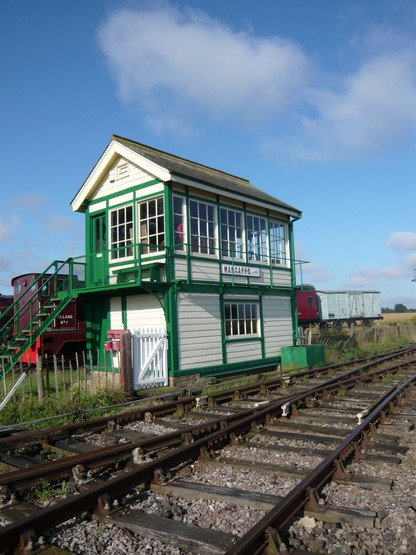
Photos are from Mangapps Farm rly at Burnham-on-Crouch. The box is ex-Haddiscoe East. The museum has a working frame which can be used - well worth a visit.
#GreatEasternRailway #GER #RailwaySignalling #SemaphoreSignals #SignalBoxes #VictorianRailways #PreGrouping #RailwayHistory
1
3
14
551

Mar 18
Going to sleep, I fully expect the wiki to be updated with every signalbox name by the time I wake up, chippy chop now, where's my 'Minor Signalboxes in Wonders of Sodor' page
4
35
967

I really hope it won't just have loco driving in this game. It'd be great to try acting as a Signalman for example. I'm imagining assigned tasks in mainline signalboxes like "Monitor traffic- Knapford", "Telephone Control- Wellsworth", or "Pull the Lever- Cronk".
Mar 5

Introducing Percy! 💚
Arriving 17th March 2026 to Steam, PlayStation and Xbox. Nintendo Switch is coming soon.
Wishlist Thomas & Friends™: Wonders of Sodor now via
bit.ly/Meet-Percy-Wonders-Of…
18
49
378
13,247

Today's #BRNostalgia features the old railway of semaphore signals, signalboxes and wooden level crossing gates at #Grimsby in March 1990, a few months before it was all swept away. PaulBigland.zenfolio.com/p63… #railways #photography #nostalgia #sempahoresignal
5
216
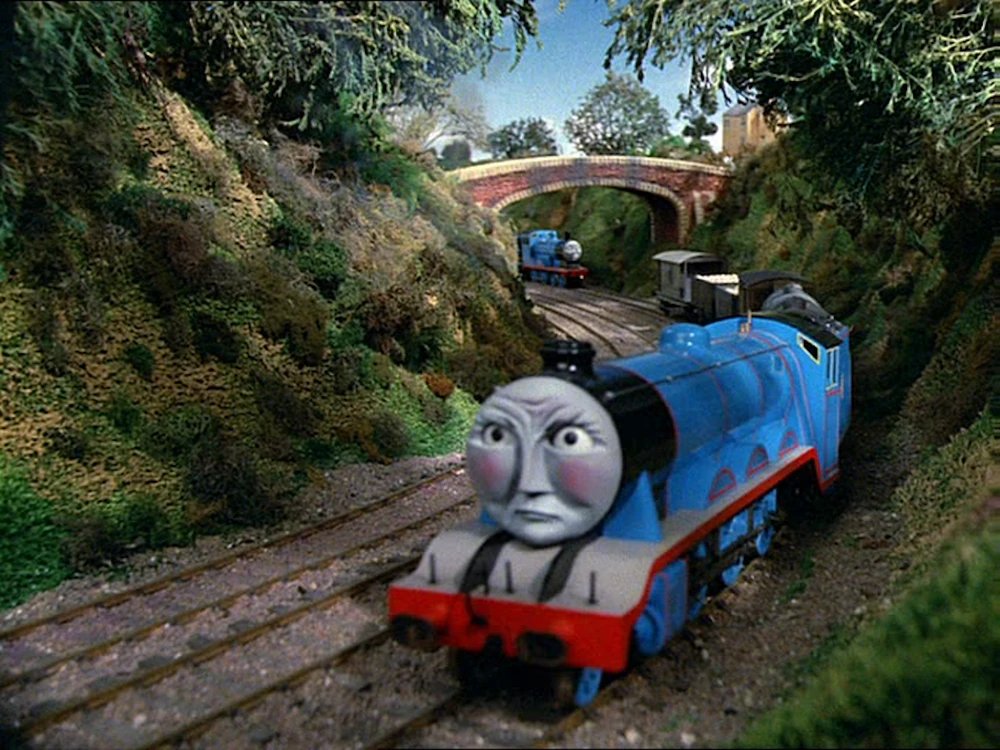
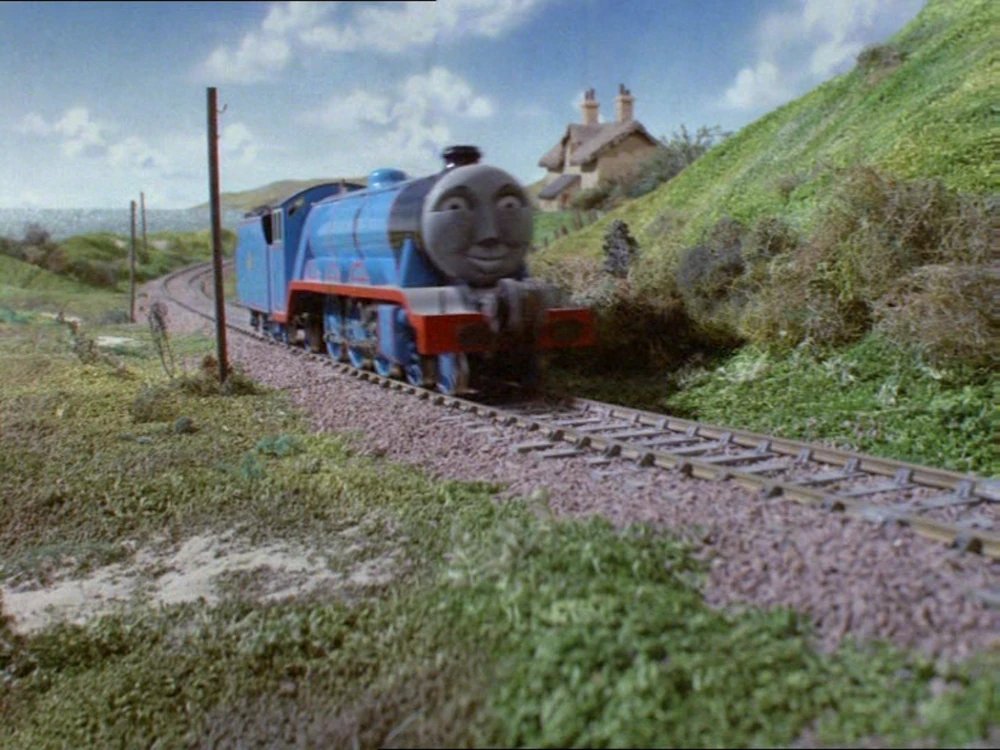
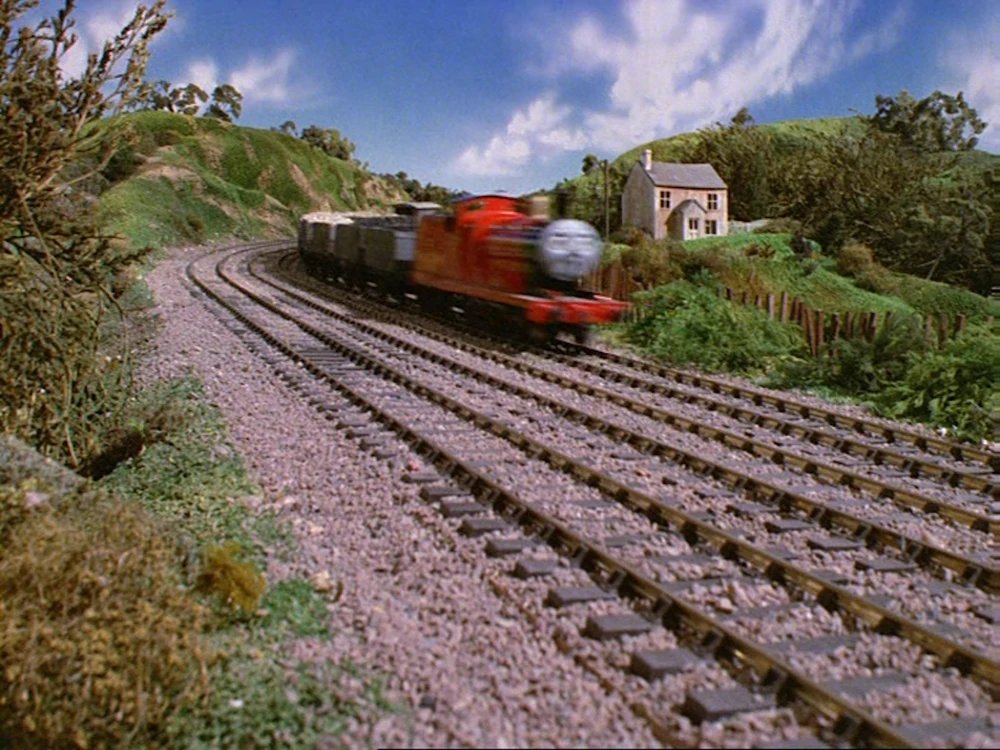
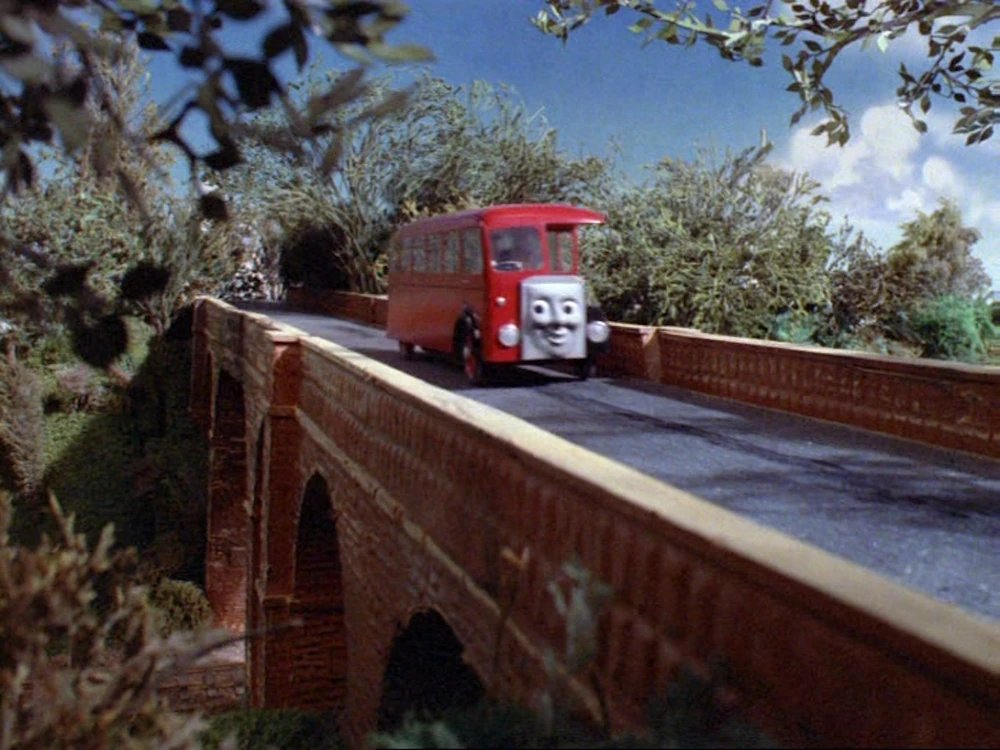
8/ Other elements like bridges, signalboxes and buildings are there to represent locations seen on screen, but only if it's notable. The roads are mapped to match RGG's art and bridges seen on sets, plus Bertie's travels- all while connecting locations to justify existing.
1
1
22
626

10 Nov 2025
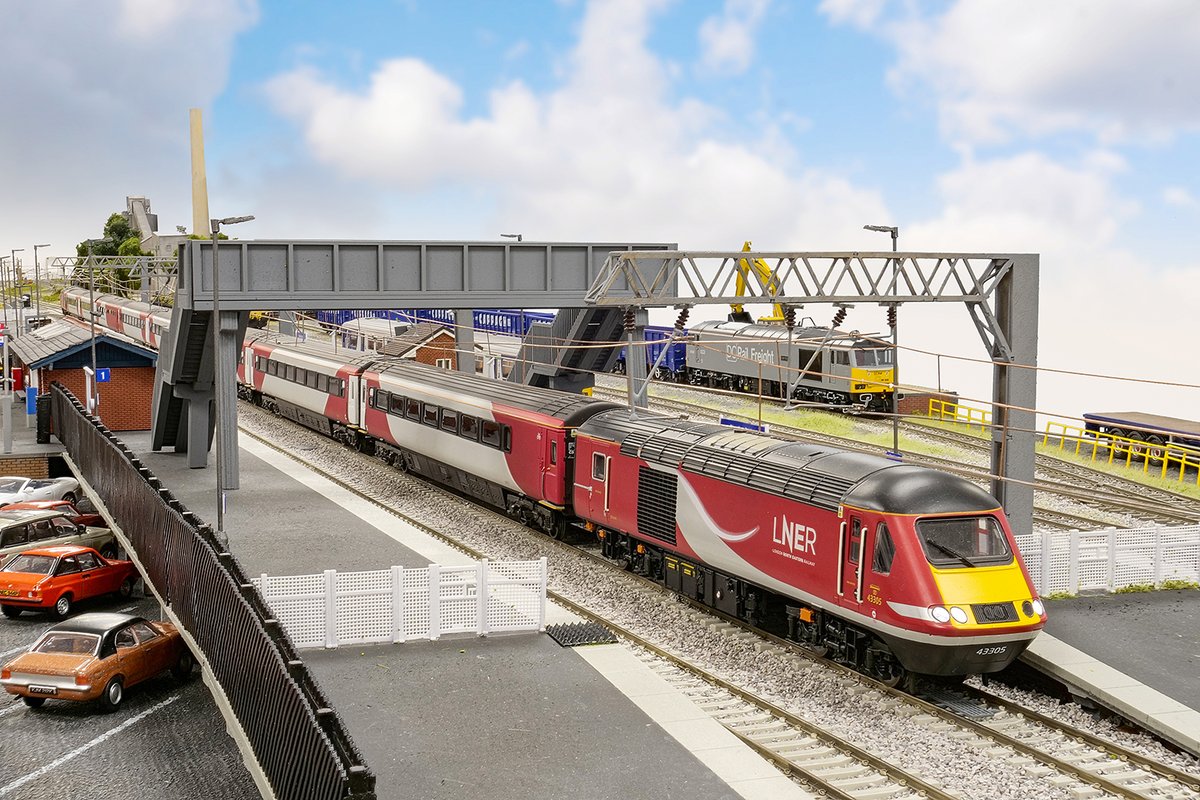
Have you been building PJM Models kits from the Key Model World Shop? Share you builds here and check out the full range of laser-cut buildings and structures including platforms, signalboxes, depots and more through the Shop here: shop.keymodelworld.com/colle…
1
5
18
723

30 Oct 2025
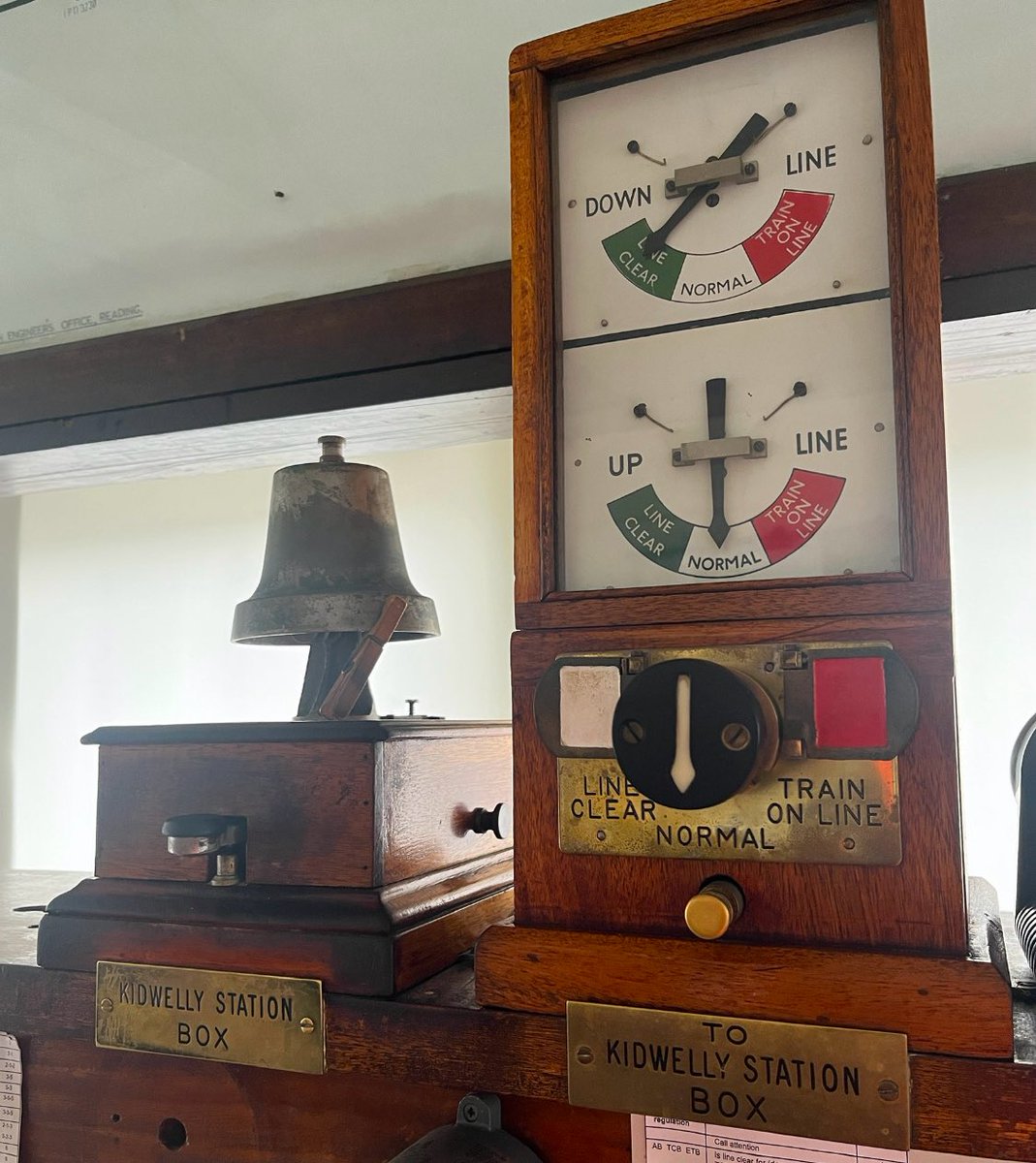
Network Rail is abolishing four signalboxes this weekend in South Wales: Pembrey, Kidwelly, Ferryside and Carmarthen Junction. With them go semaphore signals and block instruments and bells such as these fine examples…
13
13
172
9,341

4 Oct 2025
Yeah! The windmill could definitely be the same. Obviously with a different set design due to it being S5.
Not sure about the signalbox due to Percy heading the other direction. I believe they could be two signalboxes at each end of the forest.
1
8
215

8 Aug 2025
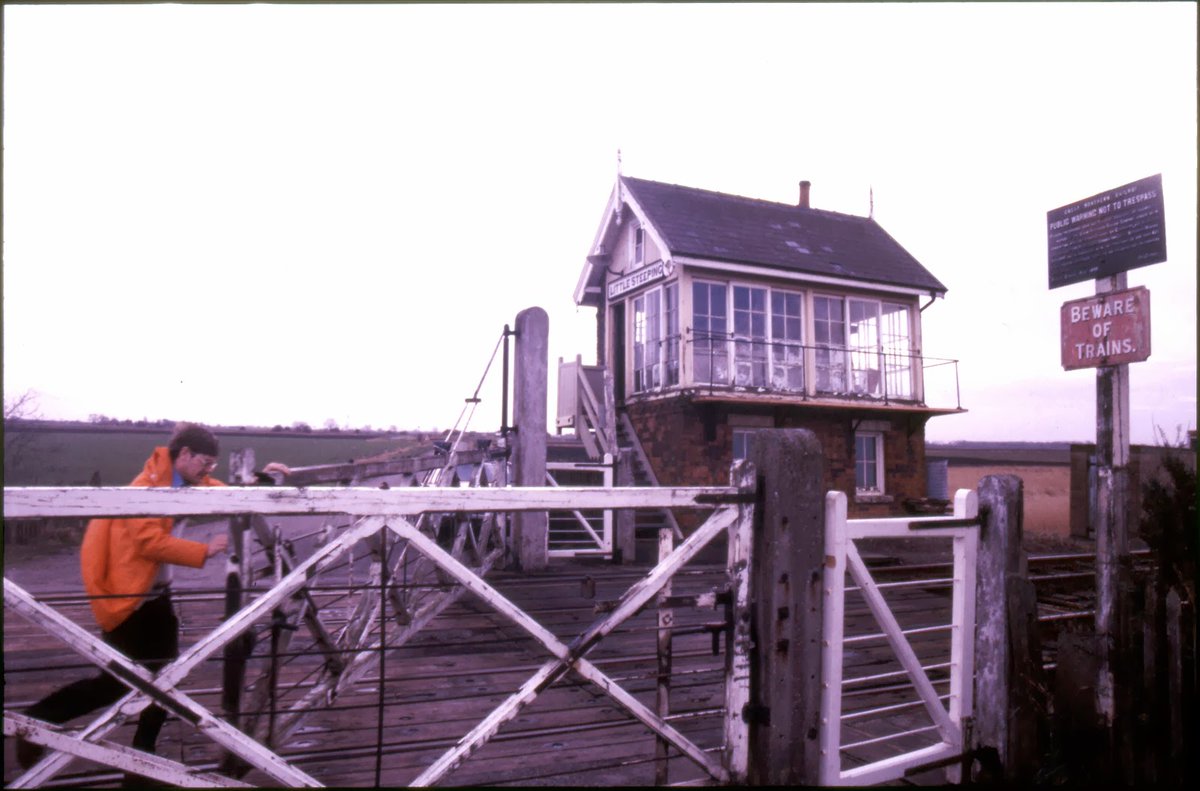
earlier discussion on leaning signalboxes, here is my contribution of Little Steeping prior to closure in 1989, it was a working GNR museum in the middle of nowhere on the line to Skegness ©railarchive.org.uk
1
6
214

19 Jul 2025
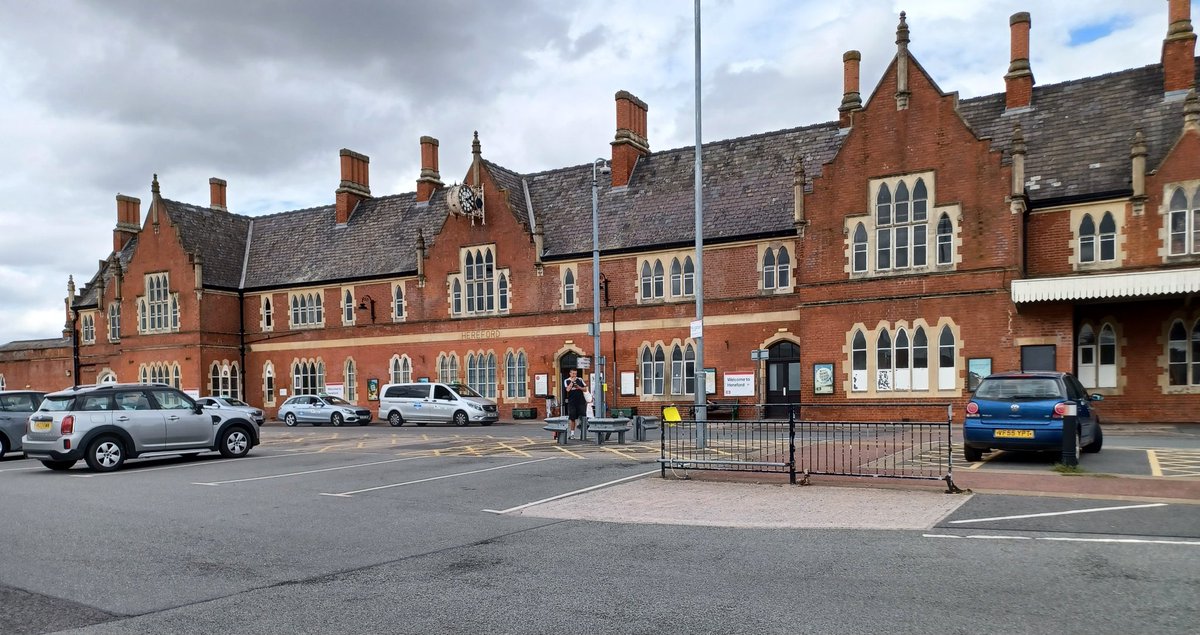
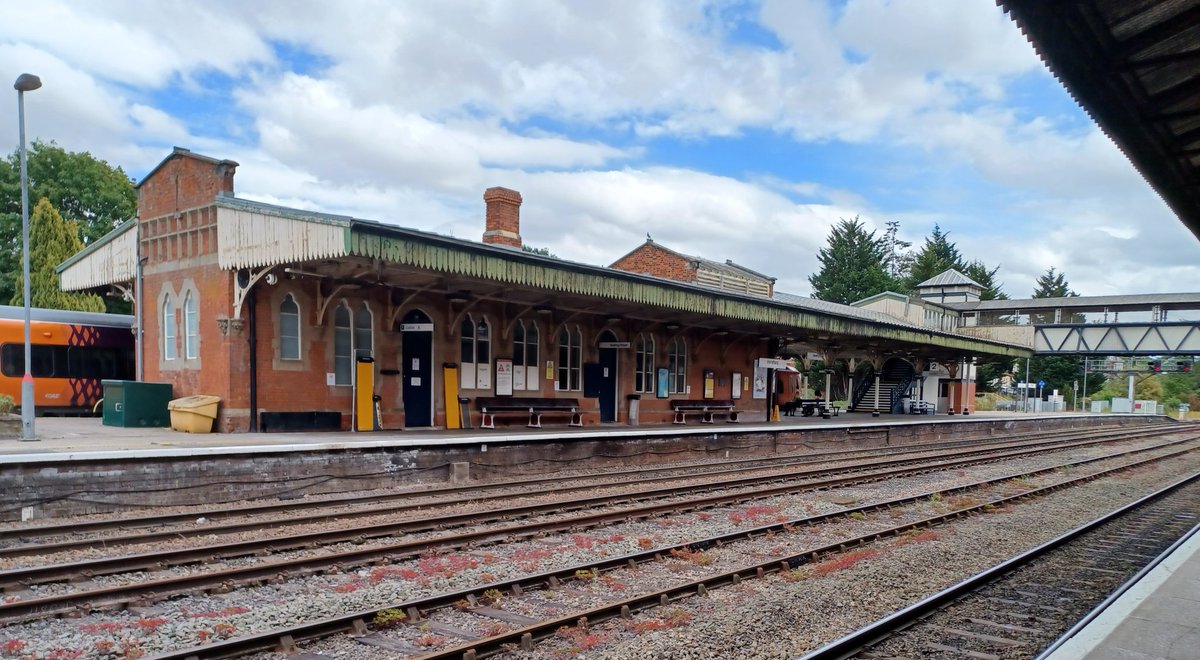
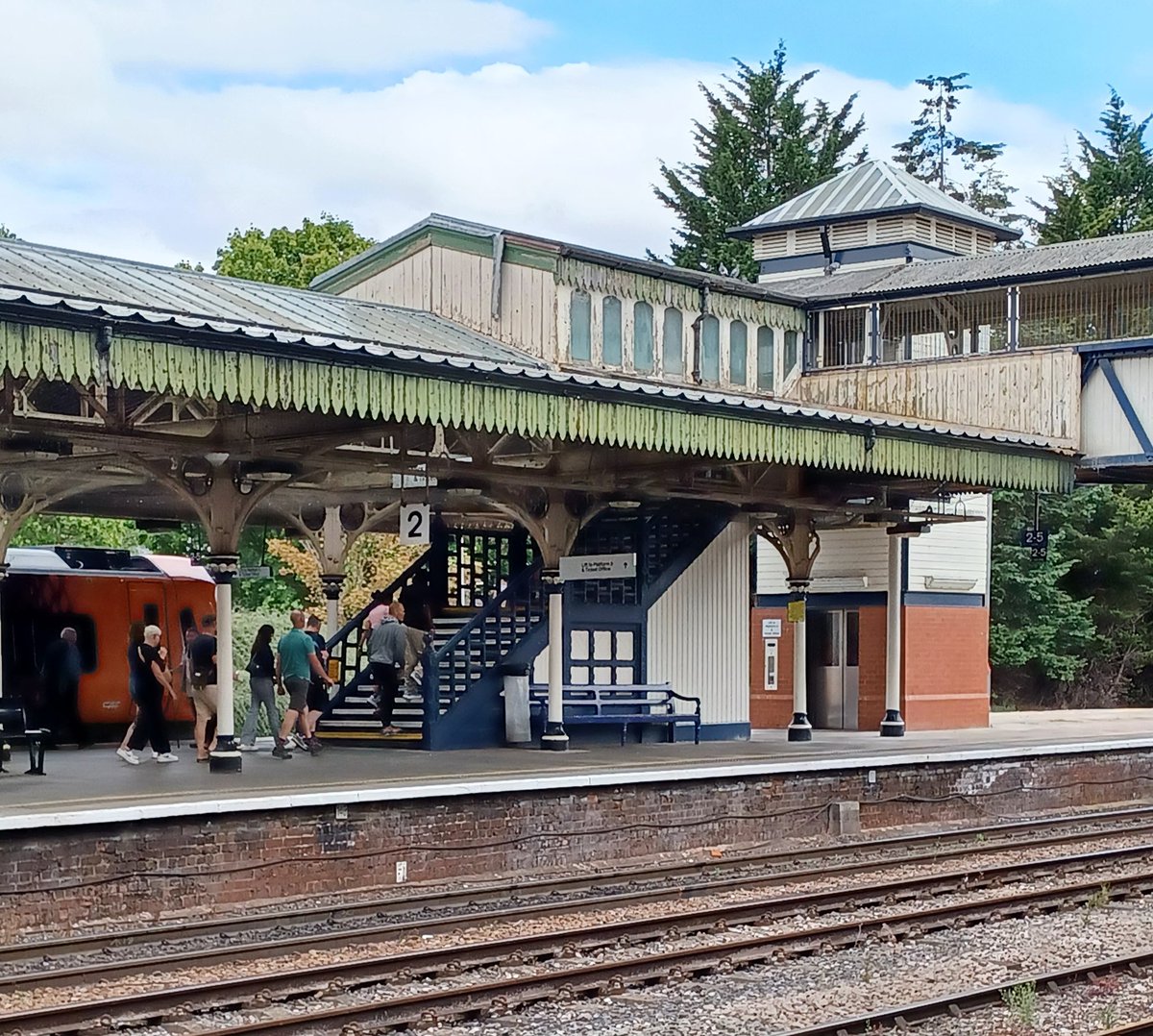
Miss H and I have come to see the Mappa Mundi. We think Hereford station lift towers are neat, considering, but tlc is well overdue.
Note
Miss H and I have not passed any large signalboxes on this trip, or naturally we should have photographed it as required
2
1
36
1,238

5 Mar 2025
signallers should do more cab riding as it definitely enhances route knowledge the same way drivers should be encouraged to come to signalling centres/signalboxes
1
2
44

19 Dec 2024
I managed to track Ms Green down! She’s now teaching art in South America. I like to imagine she eloped there with the vast sum money paid by the BR Community Unit for these murals, after somebody in Accounts went rogue and started printing cheques to all commissioned artists with the decimal point in the wrong places.
Seeing that privatisation was nigh they had to balance the Unit’s books, which since 1965 had been cooking quietly as a racket between regional managers, station supervisors and buffet staff nationwide as a centralised pot for the football pools and odds betting. (The swelling of funds only began after the signallers were admitted to the group - and for a brief period 1986-89 a rash of footy games were cancelled leading to unexpected and massive cash wins to certain members who’d betted on cancellation or defaults: apparently in every case the ‘away’ teams were coming by train and had been either held at red signals until kickoff or in one case were diverted to the wrong town.)
Problem was, collective guilt set in and the Unit’s Accounts team (we’ll call her Carol) and the other women in her weekly British Rail Working Women’s’es Club Macramé Evening Class with whom she confided, devised a scheme which diverted the excess to good causes using apparently simple clerical errors.
Artists were a favourite, which explains the high standard of materials used in the finished artworks (several have BR double arrows cast entirely in platinum) as were signalboxes, which explains the surprisingly high number of semaphores and funded upkeep of boxes well into the 21st century.
Neither Carol nor any of the other Unit’s staff now residing in Monaco could be contacted for comment.
1
6
440
15 Dec 2024
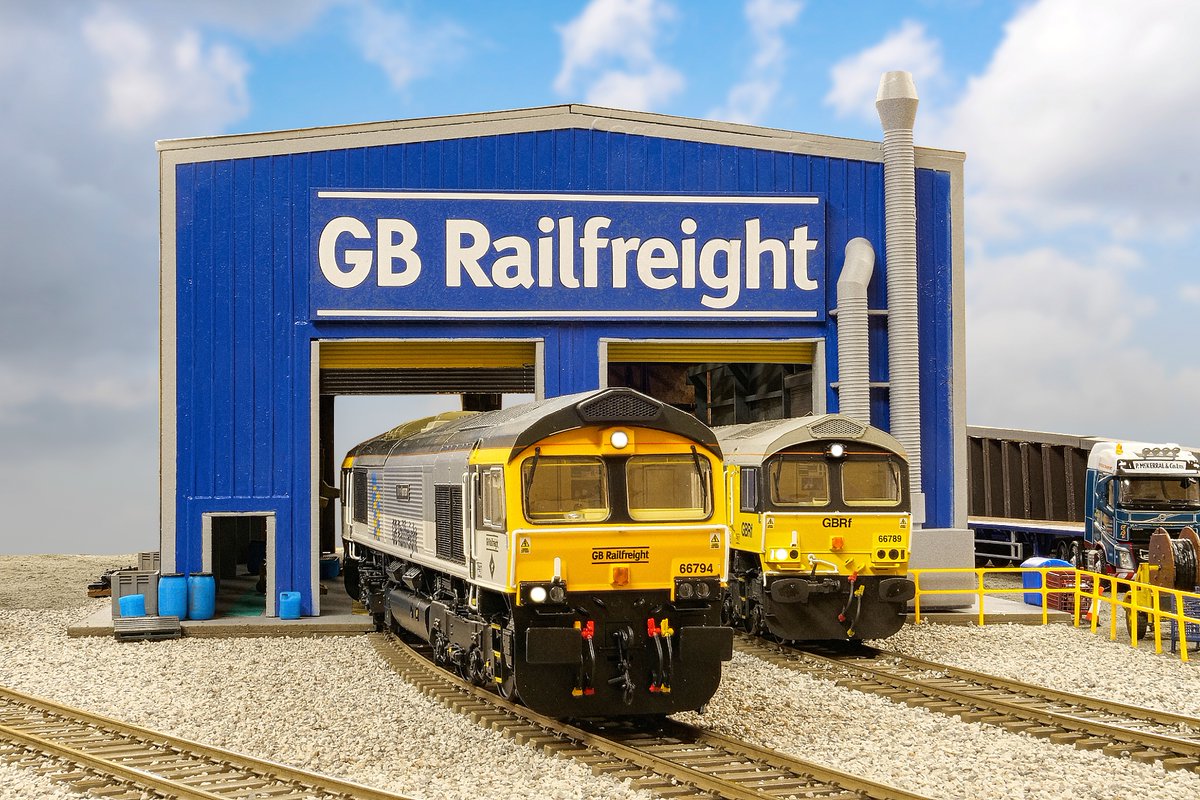
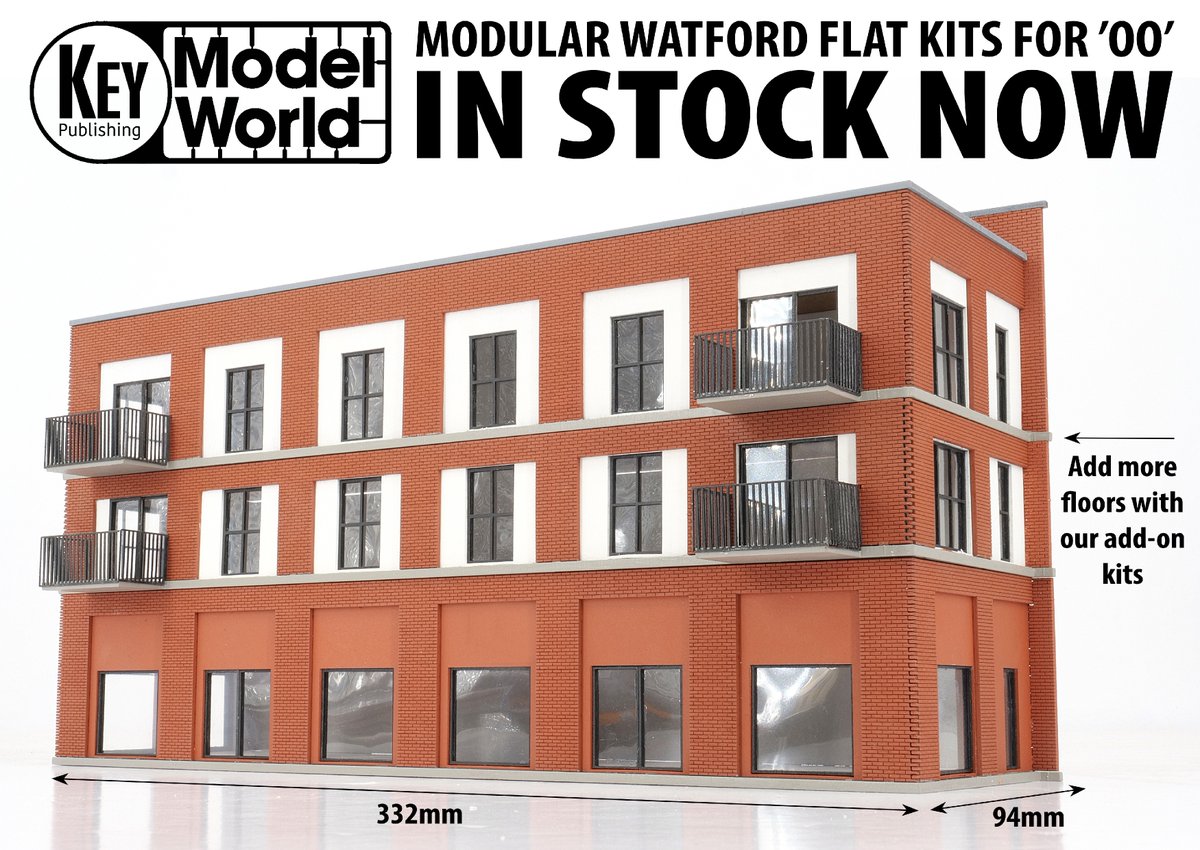
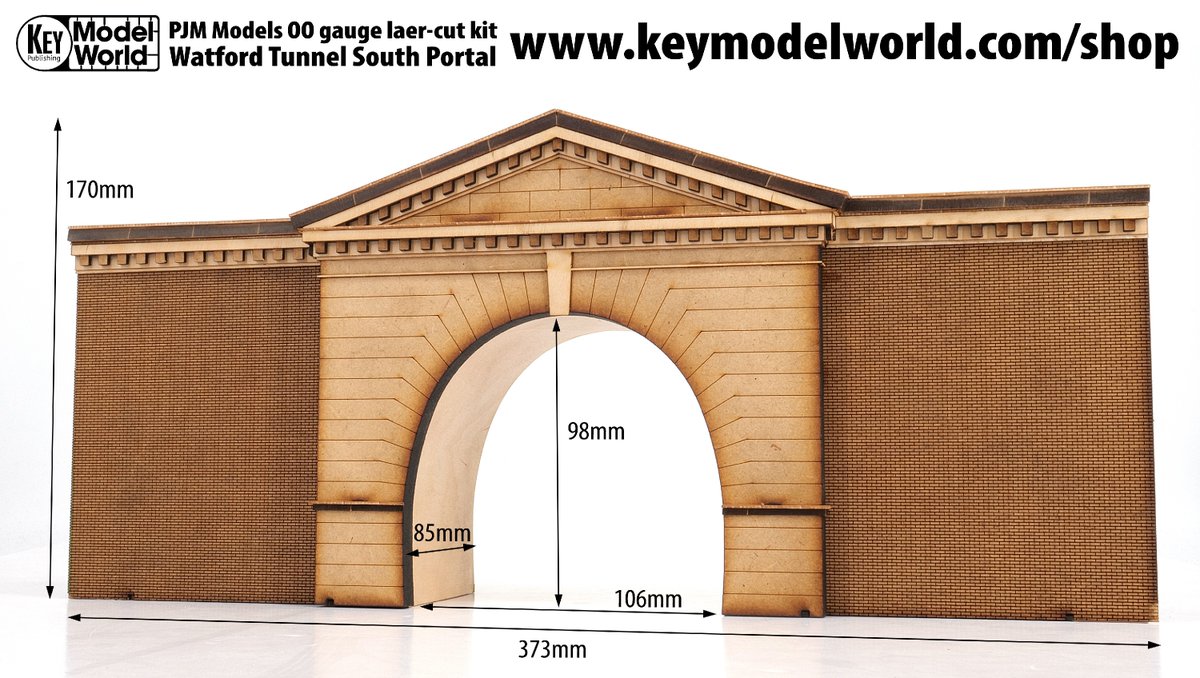
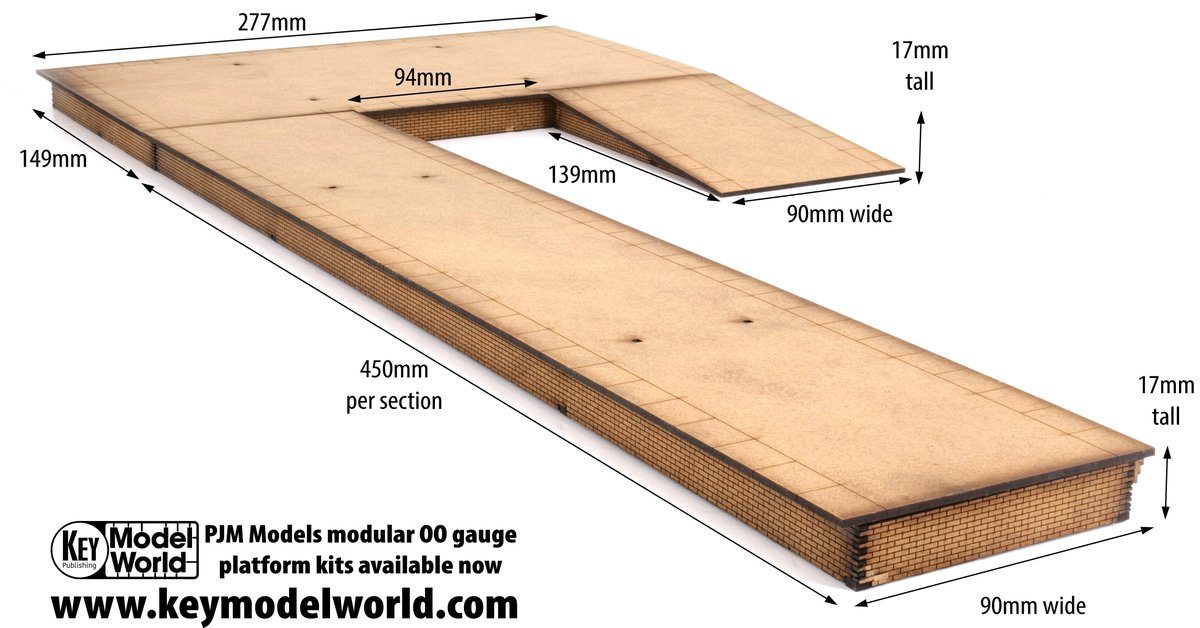
Are you flat out looking for the perfect Christmas Gift? Why not check out our 'flat-packed' collection of high-quality laser-cut kits for 'OO' gauge including diesel depots, multi-storey flats, bridge, signalboxes, platforms and more! See the range here: hubs.ly/Q02_Cqsq0
3
11
533

7 Nov 2024
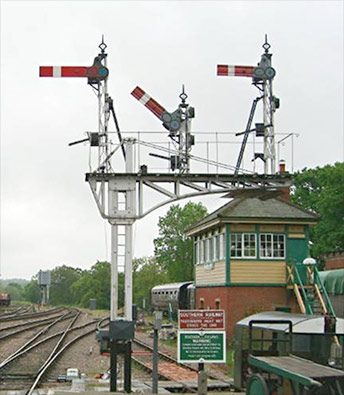
Yeah no, mechanical signals for junctions would involve more signals, more wires and more signalboxes, looking like this.
"Expensive" signals aren't a new thing y'know.
3
174

6 Oct 2024
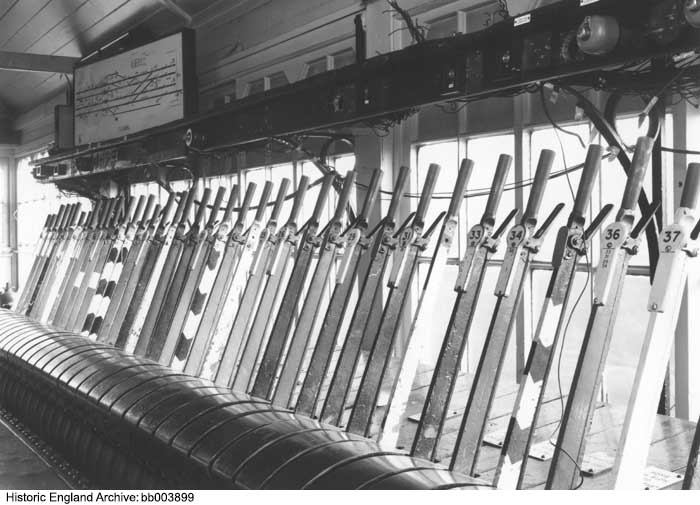
Today's image from the Historic England Archive shows the lever frame in the signal box at St Albans South Station. The photograph was taken #OnThisDay in 1980. The signal box was built in 1892.
Discover more Archive views of signal boxes👇
historicengland.org.uk/image…
#SignalBoxes
1
11
743

5 Sep 2024
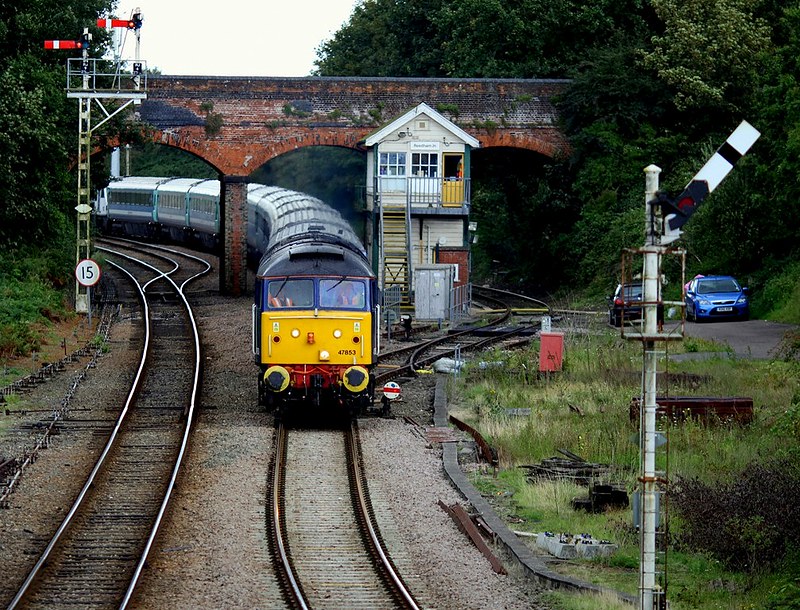
Before the closure of the Signalboxes and Semaphores 47853 comes through Reedham junction working one of the now discontinued Staurday through services from London Liverpool st to Great Yarmouth. These where routed no stop via Berney Arms.
6
47
1,048

24 Aug 2024
Full Hoole, supported by a good guard, signalboxes on the ball and a good 8-car to boot.
All that done with a 30mph p-way slack at the foot of the incline up to Horsley. Quite proud of that run.
1
2
6
1,193

17 Jul 2024
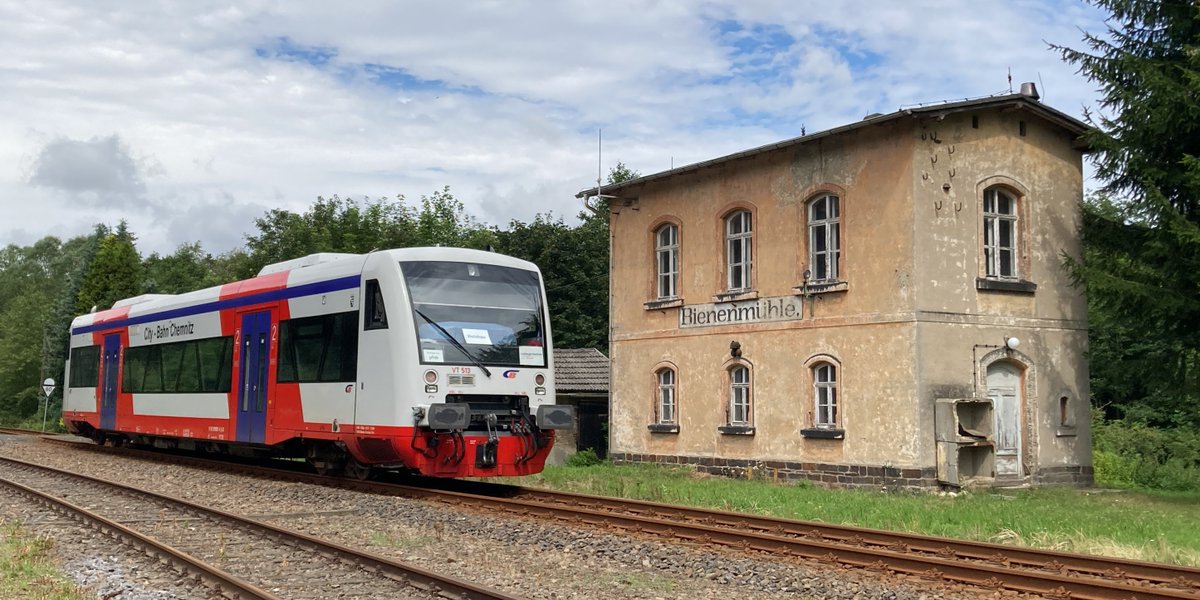
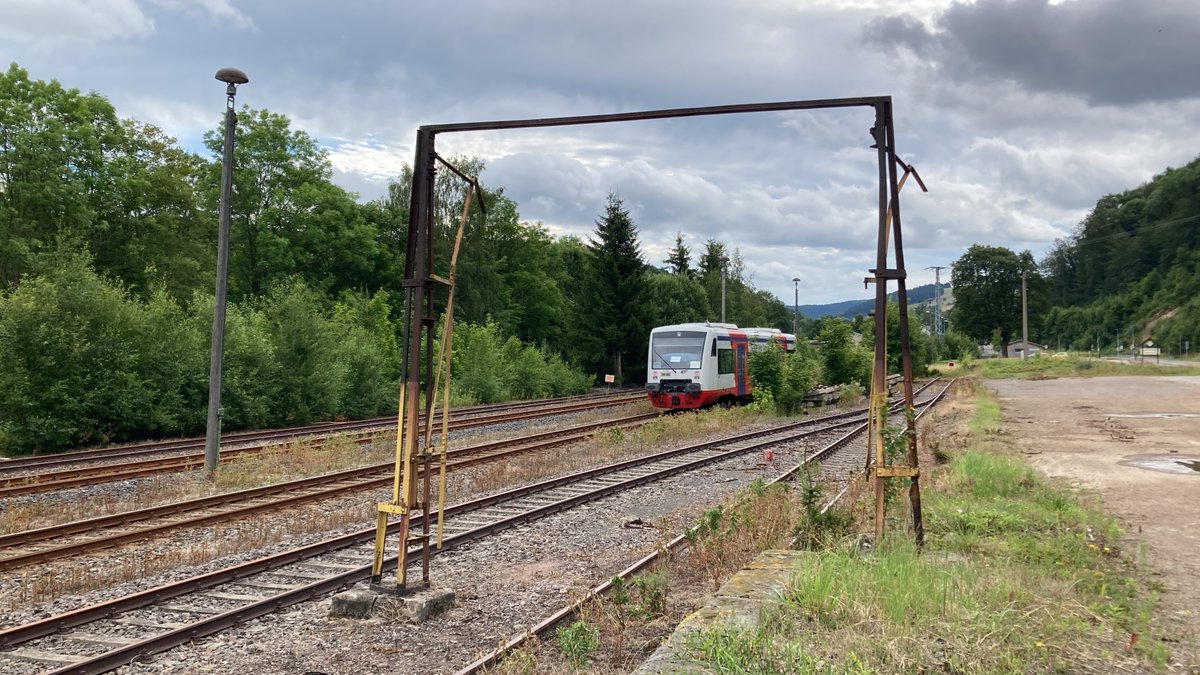
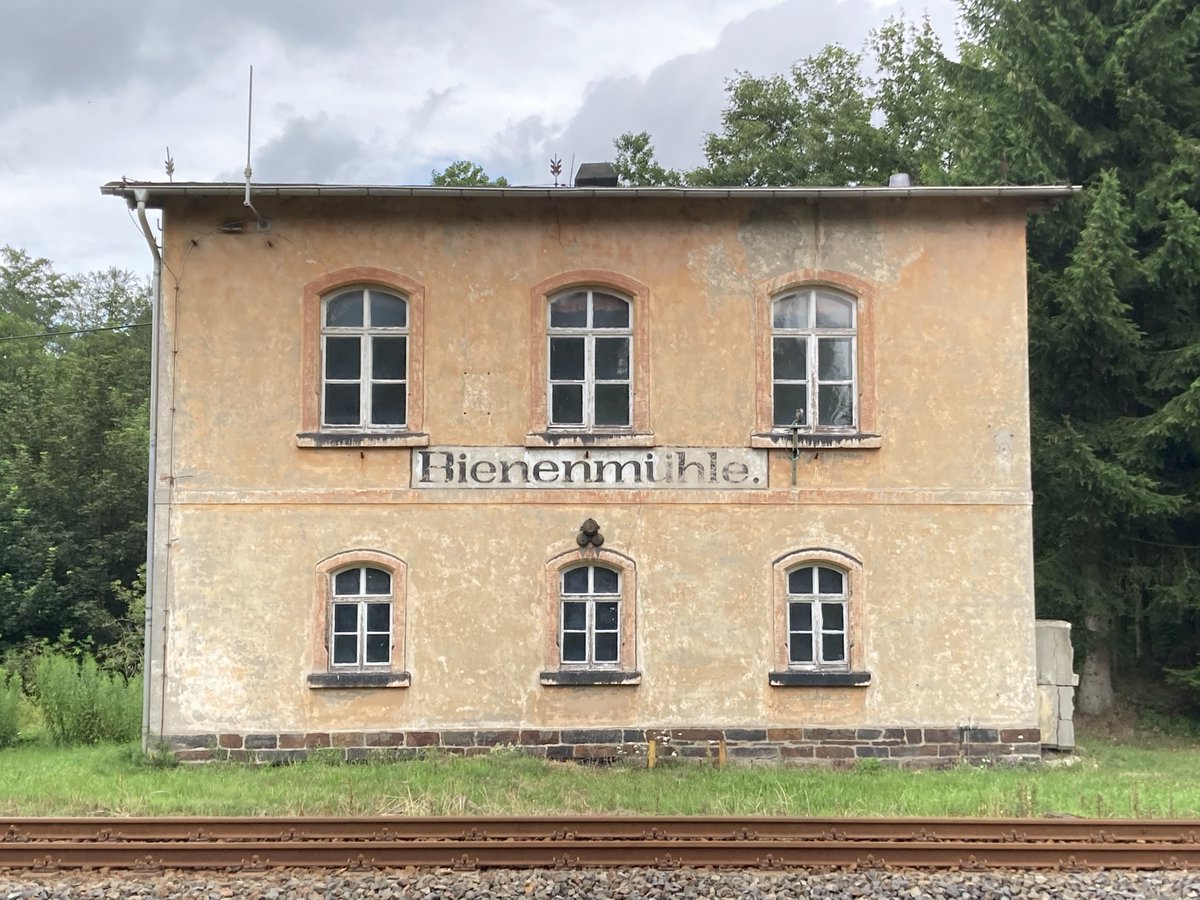
Yesterday at Bienenmühle. :)
Same signalbox as in Mulda, just in slightly worse condition. It also has the original windows, unlike some other signalboxes in Germany.
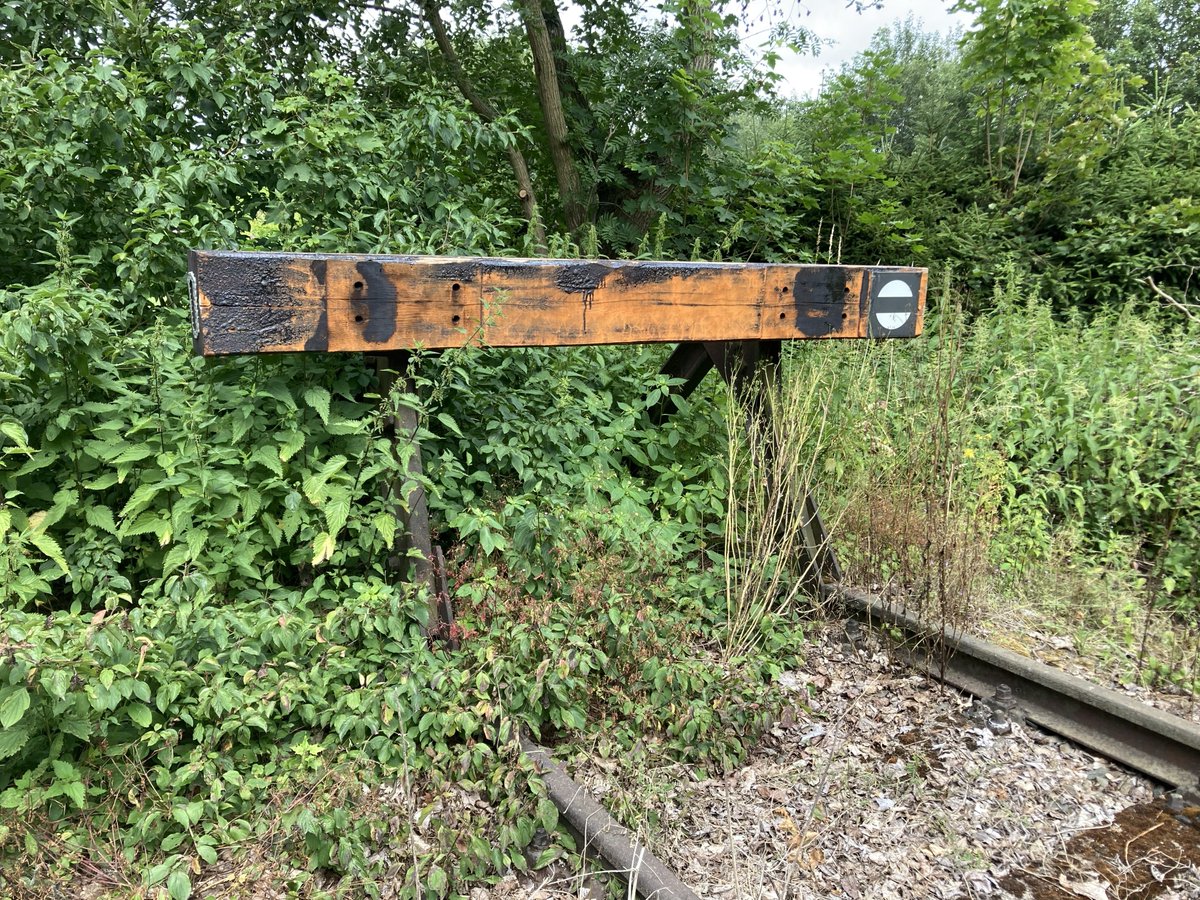
The buffers are at the end of the headshunt (lead/escape track).
#Trains #Trainspotting #Railway #Railways
1
4
123