
11/ Stage 5: Quality assurance:
Multi-layer validation:
Automated checks:
□ Grammar (Grammarly API)
□ Readability score (Hemingway)
□ Plagiarism check (Copyscape)
□ AI detection score
□ SEO optimization (Surfer/Clearscope)
□ Broken links
□ Image optimization
Human validation:
□ Expertise signals present
□ Specific examples included
□ Original insights added
□ Brand voice consistent
□ Factually accurate
□ Value proposition clear
Final approval:
Content lead reviews against quality rubric.
Must score 4/5 or higher on all criteria.
1
6
10/ The enhancement workflow:
Systematic expertise injection:
Editor review (30 min):
- Read AI draft
- Identify weak/generic sections
- Flag areas needing expertise
- Note missing elements
SME session (45 min):
- Review flagged sections
- Add specific examples
- Insert unique insights
- Provide data/statistics
- Share experience-based advice
Writer polish (30 min):
- Integrate SME additions
- Ensure consistent voice
- Smooth transitions
- Final readability pass
Total: 1.75 hours to transform draft.
1

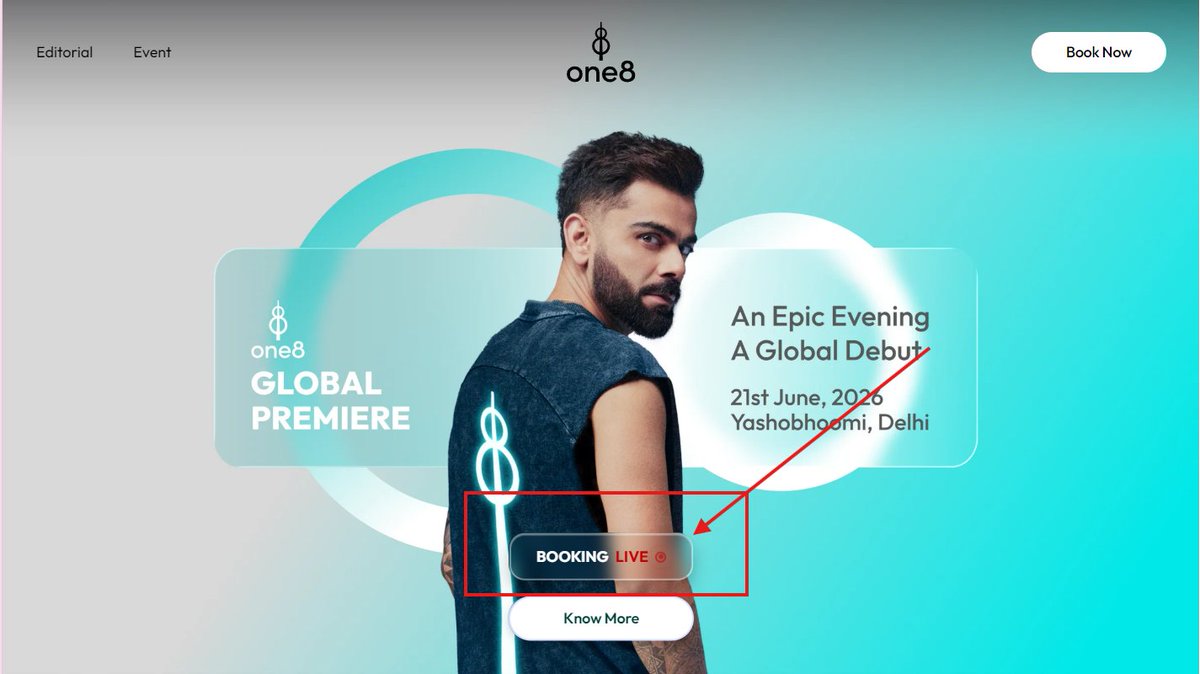
Quick design critique for @one8world: The "Booking Live" CTA is getting completely lost here.
When designing promotional graphics, your call-to-action needs high contrast to guide the user's eye. Making this button green would fix the readability issue instantly.
1
2
Jorge Campos retweeted

I’ve faced this issue many times, with all the teams I’ve worked with and very often, I prefer readability to compactness. Written code should be like written human language, you should be immediately able to understand it.
6
2
60
15,412

I see this argument and variations on it constantly, yet it makes no sense. The limitations of that era are largely irrelevant; halo studios should have an easier time with the higher horsepower of modern tech in capturing the vibe of OGCE, not a harder one. They could absolutely implement the same language with higher fidelity assets, and in a few cases they actually DO do that (the Hunters come to mind).
The problem is that way too often the focus has shifted to adding interpeted detail without consideration for obvious deliberate choices in tone, lighting, readability, and intentional cues. Things like the compass on the AR pointing to Threshold and not just one side of the ring so the player has a useable north in open spaces, or the ring looking pristine despite being derelict for 100k years with a malfunctioning Monitor, or that the flashlight will once again be largely useless because all interior spaces are lit like a walmart instead of said derelict space station.
24

Prompt #1: Viral Social Content & Thread Generator
“You are a world-class viral content strategist specializing in the creator economy and online business space.
Create a high-engagement thread on the topic: [INSERT YOUR TOPIC].
Requirements:
- Start with a powerful, scroll-stopping hook
- Use storytelling, insights, lists, or contrarian angles
- Keep each post short and scannable (2-4 lines max)
- Include strategic line breaks and emojis for readability
- End with a strong call-to-action that encourages replies or follows
Output the complete thread numbered 1/, 2/, 3/… with ready-to-post text for each part.”
18

There’s a time and a place for ‘readability’ and it’s in technical, informative writing, not creative work.
15

Michael Valentine retweeted

This John Waters interview has been edited for readability — but perhaps not human decency buff.ly/5pxQXED
1
4
872

Prompt
Even within highly artistic, stylized, handcrafted, speculative, or fantastical miniature worlds, the environment must maintain believable internal logic and functional realism consistent with the chosen Miniature World Artistic Biopunk environment, SUBSTYLE, REGIONAL_STYLE, and interior architectural context.
All elements within the miniature world should operate as part of a coherent spatial, architectural, infrastructural, ecological, biological, and social system rather than as disconnected visual decoration.
Prompts should ensure:
• The miniature world maintains clear spatial organization and readable macro composition
• Interior layouts, circulation spaces, and room relationships feel physically navigable and logically connected
• Staircases, corridors, bridges, ramps, balconies, suspended walkways, arches, and circulation systems connect coherently across the environment
• Structural systems appear capable of supporting interior chambers, biological structures, platforms, suspended elements, infrastructure, and environmental systems at miniature scale
• Buildings, dwellings, workshops, furniture, props, and objects support the intended function of the environment
• Biological, ecological, architectural, infrastructural, and environmental systems feel purposeful rather than random
• Lighting systems appear integrated into architecture, biological structures, ceilings, walls, openings, infrastructure, or environmental systems where appropriate
• Materials respond realistically to lighting, weathering, atmosphere, environmental exposure, humidity, biological growth, and scale
• Environmental effects behave consistently across surfaces, structures, vegetation, water, atmosphere, biological matter, and materials
• Decorative systems remain integrated into the architectural, biological, infrastructural, and cultural language of the world
• Scale relationships between rooms, platforms, staircases, infrastructure, vegetation, furniture, props, and characters remain believable within the miniature context
• Human or entity interaction with the environment feels plausible and naturally integrated into the world
• Living, working, crafting, research, cultivation, habitation, and circulation zones reflect believable usage patterns
• Infrastructure and utility systems appear operational and logically integrated into the settlement
• Environmental storytelling reflects believable habitation, maintenance, biological adaptation, activity, aging, and world functionality
• Density, layering, and detail distribution remain coherent and visually readable at miniature scale
• Cause-and-effect relationships between climate, biological systems, materials, moisture, lighting, and surfaces remain visually consistent
• Complexity, ornamentation, biological growth, infrastructure, and environmental richness should emerge from functional logic rather than arbitrary visual noise
• Floating-world foundations, terrain mass, structural anchoring, interior support systems, and environmental balance should feel visually stable and physically believable within the stylized miniature context
• All tools, props, furniture, vegetation, infrastructure, and environmental elements must remain contained within the floating foundation boundary
• Artistic ornamentation, engravings, markings, sculptural detailing, decorative carvings, layered surface embellishments, bio-organic motifs, and handcrafted visual enhancements must remain stylistically coherent with the Miniature World Artistic Biopunk design language
• Interior cutaway presentation must preserve structural readability, spatial clarity, and architectural silhouette while clearly exposing the interior spaces to the camera
The goal is cinematic miniature realism within the context of Miniature World Artistic Biopunk rather than abstract fantasy incoherence.
Detail, ornamentation, material richness, biological complexity, architectural density, and environmental layering should emerge naturally from function, craftsmanship, biological logic, ecological behavior, structural logic, and cohesive worldbuilding.
CAMERA Use an isometric camera capturing the entire floating miniature world clearly from top to bottom and side to side while maintaining a strong cutaway view into the interior environment.
PRIORITY HIERARCHY (CRITICAL)
Miniature readability, scale clarity, clean silhouette
Cutaway readability and central room visibility
Ornamental richness and sculptural clarity
Material layering and decorative detail
Architectural balance and spatial hierarchy
Lighting emphasizing form and depth
Atmospheric elegance
Never sacrifice higher priority rules for lower ones.
Create a visually rich handcrafted floating miniature world centered on an ornate fungal apothecary interior in atmospheric tissuegrown biopunk style with Belgian atmospheric artisan regional styling. The environment is a glowing healer sanctuary built inside a suspended circular cultivation platform filled with layered fungal shelves, carved ecological counters, luminous cultivation jars, suspended membrane vats, glowing algae vessels, atmospheric humidity collectors, hanging medicinal gardens, and sculpted artisan workstations. The central focal room is a monumental circular apothecary chamber with a dramatic cutaway exposing towering fungal drying shelves, glowing medicinal basins, rootbound staircases, suspended bridges, carved biological pillars, bioluminescent tissue walls, atmospheric moisture channels, and engraved botanical carvings. The central room silhouette remains fully visible and unobstructed from the camera.
Biological artisans and ecological healers prepare luminous remedies, cultivate medicinal fungi, organize specimen jars, carve ornamental reliefs, and teach apprentices beside glowing algae pools. Clothing consists of layered membrane robes, fungal embroidered tunics, atmospheric cultivation aprons, and glowing vascular embroidery. The environment feels humid, mystical, scholarly, handcrafted, and biologically alive with rich material layering, decorative engravings, sculpted shell ornamentation, fungal textures, translucent tissue surfaces, glowing resin, cultivated moss coatings, wet polished bio-metal, and atmospheric reflective membrane surfaces.
1. The miniature world should be floating in mid-air.
2. The foundation of the miniature world should either be in the shape of a square or circle or cross. Avoid other shapes as much as possible.
3. No tools or props or structures should be rendered outside the foundation.
4. The background should be a blend of sky blue and light blue.
ENVIRONMENT
The environment should reflect a cohesive Miniature World Artistic Biopunk design language with strong architectural harmony, biological integration, spatial clarity, and handcrafted artistic richness.
Maintain a balance between monumental interior scale and miniature readability. Ensure clear vertical layering, elegant circulation flow, readable room hierarchy, and strong cutaway visibility.
All surfaces must emphasize richness, layered detailing, tactile depth, biological integration, artistic craftsmanship, and decorative enhancement. Avoid flat or empty areas.
Ensure biological systems, vegetation, organic structures, infrastructure, architecture, furnishings, and environmental elements feel visually unified and culturally coherent throughout the scene.
STYLE
Ultra detailed 8k Octane Render, hybrid high poly 3D miniature world claymation
The style should emphasize a highly detailed artistic biopunk aesthetic with handcrafted miniature realism, ornate sculptural detailing, engraved surfaces, layered ornamentation, decorative biological motifs, organic architectural forms, and rich material variation.
Architecture, interiors, furniture, infrastructure, props, walls, ceilings, openings, structural supports, and environmental systems should all feature elegant artistic enhancements integrated naturally into the biopunk design language.
Ensure strong tactile realism through layered textures, handcrafted imperfections, sculpted detailing, material depth, organic growth, and stylized miniature softness.
Avoid minimalism, flat surfaces, empty walls, sterile interiors, or simplistic geometry. Ensure all elements contribute to a cohesive, ornate, visually rich artistic biopunk interior environment.
LIGHTING and MOOD
Bioluminescent midnight illuminated through glowing fungal lanterns, embedded wall biolights, luminous cultivation vessels, and atmospheric amber glow. Floating spores, translucent humidity, reflective moisture shimmer, cinematic environmental diffusion, and glowing mist enhance depth while preserving miniature readability. Mood is mystical, intimate, humid, scholarly, and elegant.
DESCRIPTION PLAQUE
Position bottom right.
Do not render gears or representations of gears in the plaque.
Line 1 is one font size bigger than Line 2. Line 3 is two smaller than Line 2.
Line 1 bold heading max 5 words.
Line 2 bold Miniature World Artistic Biopunk smaller.
Line 3 description max 30 words.
Plaque is ornately designed in the Miniature World Artistic Biopunk style.
31

Z-Image & NanoBanana
I really love NanoBanana’s performance this time!! 👍
Prompt :
Create a photorealistic editorial portrait of one 20-year-old Japanese or Korean female portrait subject with small pearl stud earring detail, soft understated pearl accent, soft natural hourglass body, about 165-170 cm visual height, 90-62-94 body proportion anchor, balanced torso-to-leg ratio around 4:6, longer upper torso, lower waistline, fuller bust, wider hips, elongated abdomen with subtle contour lines, young seductive alluring beauty face, magnetic feminine facial balance, defined eyes and lips, sensual captivating portrait presence, medium-to-long hair with soft bangs, mostly smooth texture, subtle natural bends through the lengths, lightly curved ends, light blonde hair, soft golden-beige tone, realistic dyed hair texture, none, looking away from the camera, distant sideward gaze, thoughtful quiet expression, reflective mood, natural seated pose, relaxed upright sitting posture, everyday calm body language. white bohemian kaftan maxi dress, one-piece loose silhouette, embroidered lace texture, relaxed drape, long hem, main fabric color controlled by dress color selection. The setting is French Concession cafe window seat, large floor-to-ceiling window, sidewalk and park trees outside, reflective glass, small table edge, chair back, window frame detail, very dark late-night interior environment, faint cool exterior spill light or idle electronic indicators, near-unlit room, low nocturnal visibility, diagonal rear-side subject light, soft rim edge along hair and shoulder, partial facial fill, separated subject contour. Inspired by Yoko Takahashi, breezy sun-bleached image language. breezy sun-bleached portraiture, crisp sunlit contrast, dry faded colors, faded blues and chalky whites, relaxed editorial realism, airy negative space. The composition uses close-up shot, head and shoulders framing, detailed facial features, tight subject crop, shoulder-level camera position, level lens axis near the shoulder line, stable upper-body portrait viewpoint, camera positioned directly in front of the subject, 0-degree front view, frontal torso orientation, shot on 135mm long telephoto lens, strong background compression, narrow field of view, flattened spatial layers, pronounced subject isolation, distant working distance, optical vignetting, darker frame corners, radial edge exposure falloff, center-weighted brightness, subtle lens shading toward the image perimeter. cool-neutral digital rendering, crisp detail, cool white balance, strong clarity, realistic tonal depth, firm contrast curve, precise color separation, natural photographic detail, coherent fabric construction, clear facial readability, realistic spatial depth, do not add visible text unless explicitly requested.




121
Prompt
REALISM AND FUNCTIONAL LOGIC RULE
Even within highly artistic, stylized, handcrafted, or speculative environments, scenes must maintain believable internal logic and functional realism consistent with Artistic Woodpunk design language, Japanese rural timbercraft influence, environmental conditions, and exterior architectural coherence.
All scene elements operate as part of a unified handcrafted environmental system rather than disconnected decorative objects.
Architectural layouts feel physically navigable and structurally believable. Exterior circulation systems connect logically across elevated aqueducts, suspended bridges, layered terraces, rooftop walkways, timber stair systems, water channels, observation decks, and interconnected tower platforms. Structural systems appear capable of supporting the environment and its immense vertical scale. Wooden engineering systems, carved supports, layered construction, interlocking joinery systems, and handcrafted reinforcement structures feel purposeful and operational.
Decorative carvings, engraved surfaces, ornamental beam systems, layered roof edging, carved lattice systems, and artistic detailing remain integrated into the architecture and infrastructure. Lighting systems are naturally embedded into aqueduct pathways, suspended lantern arrays, bridge systems, elevated residential structures, canal gates, and transport platforms.
Materials respond realistically to mist-filled environmental conditions, water saturation, moss growth, humidity, aging timber, drifting fog, and atmospheric moisture. Environmental effects behave consistently across carved timber surfaces, lacquered beams, stone foundations, rope supports, hanging fabrics, rooftops, and aqueduct infrastructure.
Scale relationships between towers, bridges, terraces, transport systems, canals, elevated neighborhoods, vegetation, and people remain believable. Human interaction with pathways, water systems, rooftop gardens, transport lifts, and circulation infrastructure feels natural and contextually appropriate.
The goal is cinematic realism within the context of Artistic Woodpunk rather than abstract fantasy incoherence.
SCENE
Do not render gears or representations of gears in the scene
A visually rich Artistic Woodpunk exterior environment centered around a colossal suspended timber aqueduct metropolis woven across a misty canyon basin and interpreted through atmospheric cinematic style with influence from Japanese minka inspired handcrafted design traditions and Japanese rural timbercraft craftsmanship language.
The scene emphasizes ornate layered timber aqueducts carrying elevated rivers through the city, interconnected suspended walkways, carved terrace districts, bridge-linked residential platforms, monumental water distribution towers, engraved canal gates, rooftop gardens, and cascading elevated water channels integrated throughout the settlement.
The environment conveys socially vibrant activity through citizens crossing elevated bridges, timber maintenance workers adjusting water gates, lantern-lit river barges navigating suspended canal systems, and merchants operating along aqueduct promenades during lantern-lit evening hours.
ENVIRONMENT
Set within an elevated canyon bridges environment featuring vertically interconnected spatial complexity at a cinematic grand scale.
The environment is shaped through suspended bridge-connected systems and carved load-distribution engineering using layered cedar construction, lacquered timber frameworks, timber-and-stone hybrid construction, exposed timber ribbing, and handcrafted joinery systems influenced by Japanese rural timbercraft architectural language.
Architecture and exterior systems feature bridge-linked buildings, interconnected rooftop districts, elevated observatories, layered timber halls, sweeping layered roofs, extended eave roofs, rain-channel roofing systems, rooftop observation decks, carved rain diverters, elevated entrance bridges, layered timber steps, engraved sliding doors, carved arch windows, terrace-facing openings, bridge-connected balconies, cantilevered decks, exposed timber beams, reinforced bridge anchors, elevated walkway supports, carved retaining structures, observatory towers, hanging lantern spires, and interconnected vertical districts integrated throughout the environment.
Decorative elements are deeply integrated into aqueduct supports, bridge railings, rooftop edges, tower crowns, circulation systems, canal gates, water distribution structures, and civic plazas through layered wood carvings, suspended lantern chains, timber filigree, carved symbolic motifs, layered balcony ornamentation, decorative roof edging, patterned timber layering, ornamental tower crowns, artistic canopy carvings, decorative timber cresting, engraved platform edges, carved structural caps, and intricate handcrafted crestwork.
Vehicles and transport systems include decorative river boats, suspended bridge trams, timber cable lifts, hanging supply gondolas, artisan-crafted transport boats, and elevated cargo platforms integrated naturally into the aqueduct infrastructure.
The environment exists within a mist-filled valley ecological state where river humidity haze, drifting fog, environmental moisture, moss growth, rain-darkened timber, rooftop rain collection systems, and glowing lantern warmth visibly influence the architecture and surrounding landscape.
STYLE
Artistic Woodpunk aesthetic expressed through Japanese minka inspired variation and Japanese rural timbercraft influence with strong emphasis on handcrafted artistry, ornate timber aqueduct engineering, engraved surfaces, layered craftsmanship, lacquered structural systems, and richly embellished exterior worldbuilding.
The visual output emphasizes engraved detailing, layered carving textures, lacquered reflective surfaces, rain-soaked surface richness, and handcrafted surface variation through highly intricate surfaces and visually packed craftsmanship.
The composition follows elevated circulation systems and layered skyline focal priority using architectural rhythm, suspended water channels, cascading bridges, and vertical environmental layering to maintain readability across the environment.
Depth structure ensures strong foreground framing with bridge-connected spatial layering, vertically stacked depth, atmospheric distant recession, and cinematic environmental layering between suspended aqueducts, tower systems, rooftop districts, distant bridges, and drifting fog.
Color strategy emphasizes warm timber tones, lacquered red accents, glowing lantern contrast, atmospheric blue-gray fog tones, reflective rain surfaces, and sunset amber lighting.
The rendering approach is cinematic fantasy rendering with ultra-detailed rendering clarity.
CAMERA
The scene is captured from a sweeping cinematic angle using layered architectural framing that emphasizes suspended aqueduct systems, interconnected bridges, elevated circulation pathways, towering water infrastructure, rooftop terraces, and canyon-spanning environmental depth.
The composition highlights navigable bridge systems, water distribution structures, carved architectural detailing, elevated pathways, lantern-lit aqueduct promenades, and interactions between water engineering systems and surrounding habitation districts.
A layered cinematic motion quality is present through flowing water movement, drifting fog motion, lantern sway movement, hanging fabric motion, rooftop steam, drifting mist, and active bridge circulation.
LIGHTING and MOOD
Illuminated by hanging lantern illumination and reflected water light with layered environmental lighting integrated naturally throughout the suspended aqueduct city.
The lighting exhibits atmospheric lantern glow, reflective wet-surface lighting, glowing atmospheric diffusion, and cinematic ambient lighting that enhances engraved timber surfaces, lacquered structures, drifting fog, rooftop moisture, carved detailing, and layered architectural depth.
Warm lantern amber color temperature establishes a majestic, atmospheric, awe-inspiring mood while drifting fog, river humidity haze, reflective rainwater, glowing lantern diffusion, and cinematic environmental diffusion enhance environmental depth and ambiance.
DESCRIPTION PLAQUE
Position bottom right
Do not render gears or representations of gears in the plaque
Line 1 bold heading max 5 words:
Aqueducts Above The Mist
Line 2 bold:
Artistic Woodpunk
Line 3 description max 30 words:
A colossal suspended timber city where elevated rivers, carved bridges, and lantern-lit aqueducts weave through mist-filled canyon skies.
32

Prompt direction for anyone who wants to try the concept:
Create an inspiring cinematic science-fiction image of an experienced xenobiologist professionally cataloging a newly discovered alien lifeform beside her field camp at sunrise. She is visibly excited but methodical, using a handheld scanner and a readable scientific tablet while an organized specimen case, labeled sample tubes, field notes, imaging tools, and a coffee mug sit nearby. Design the organism with translucent layered membranes, pearl-like filaments, restrained cyan bioluminescence, and a warm amber core so it feels biologically unfamiliar rather than decorative. Include a rugged habitat shelter, a research drone, sparse alien flora, atmospheric mountains, and a single coherent ringed planet. Prioritize natural anatomy, clean hands, believable scanner and tablet interaction, clear scientific labels, controlled holographic overlays, strong focal hierarchy, professional fieldwork detail, and phone-screen readability. Avoid combat styling, cluttered equipment, meaningless text, generic Earth flowers, excessive glow, malformed fingers, duplicate tools, and background elements that overpower the discovery.
1
13
Prompt direction for anyone who wants to try the concept:
Create an uplifting cinematic science-fiction adventure that shows a seasoned explorer, an enthusiastic cartographer, and a compact service robot at sunrise as an ancient, hidden pathway awakens beneath their feet. Let gold-and-cyan energy travel through weathered stone segments, aligning floating bridges across a beautiful alien valley toward a distant circular gateway. Include a modest overnight camp with steaming breakfast left behind, luminous vegetation, turquoise rivers, waterfalls, gentle wildlife, floating geological formations, and one coherent ringed planet. Give the companions natural reactions of delight, curiosity, and readiness rather than heroic combat poses. Prioritize expressive faces, clean hands, coherent robot anatomy, one continuous road, believable scale, warm morning light, controlled detail, and phone-screen readability. Avoid weapons, threatening creatures, duplicated limbs, disconnected platforms, excessive glow, random text, cluttered camp equipment, and effects that obscure the invitation to explore.
18

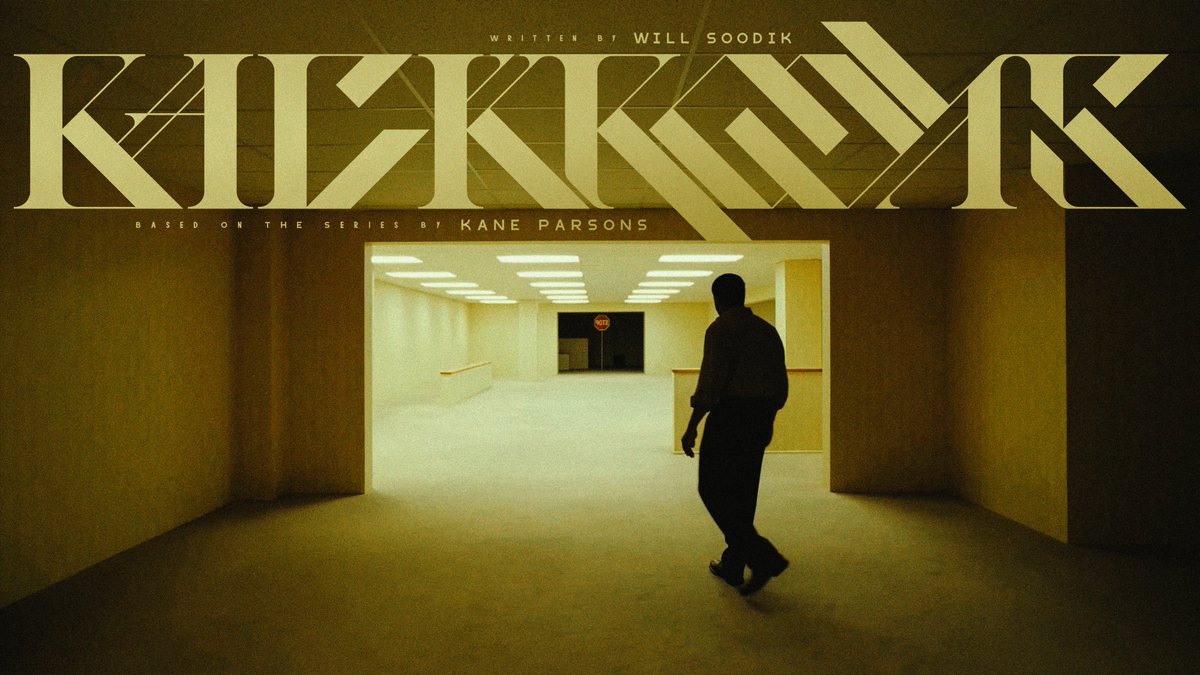
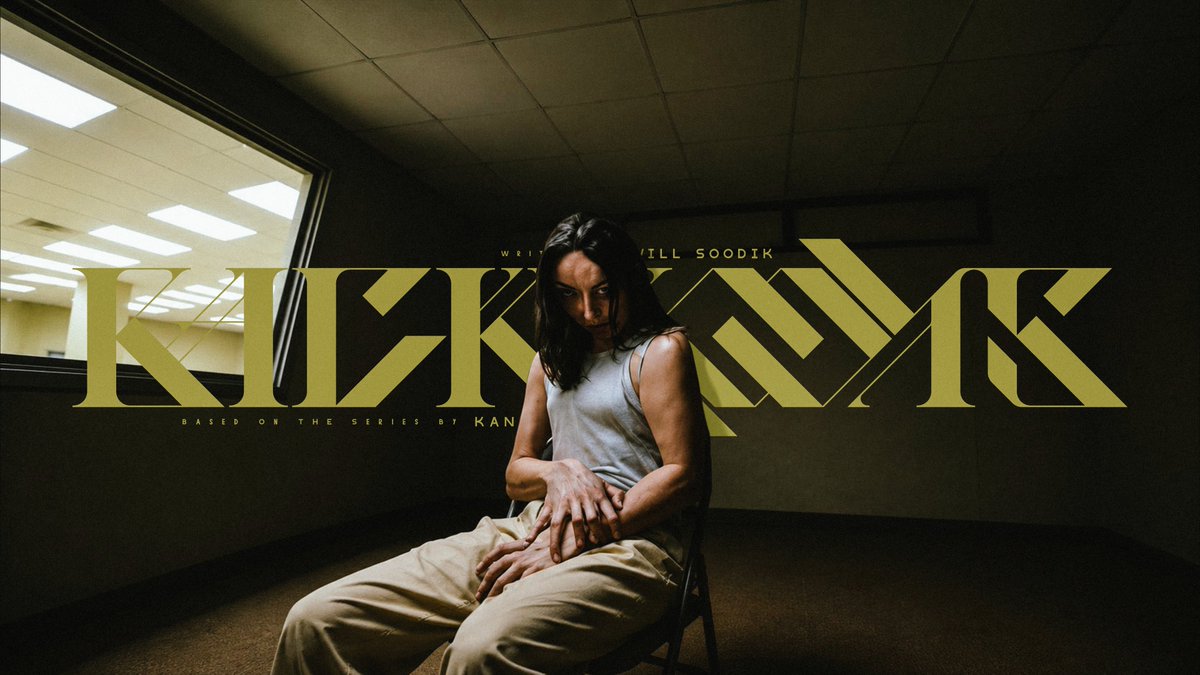
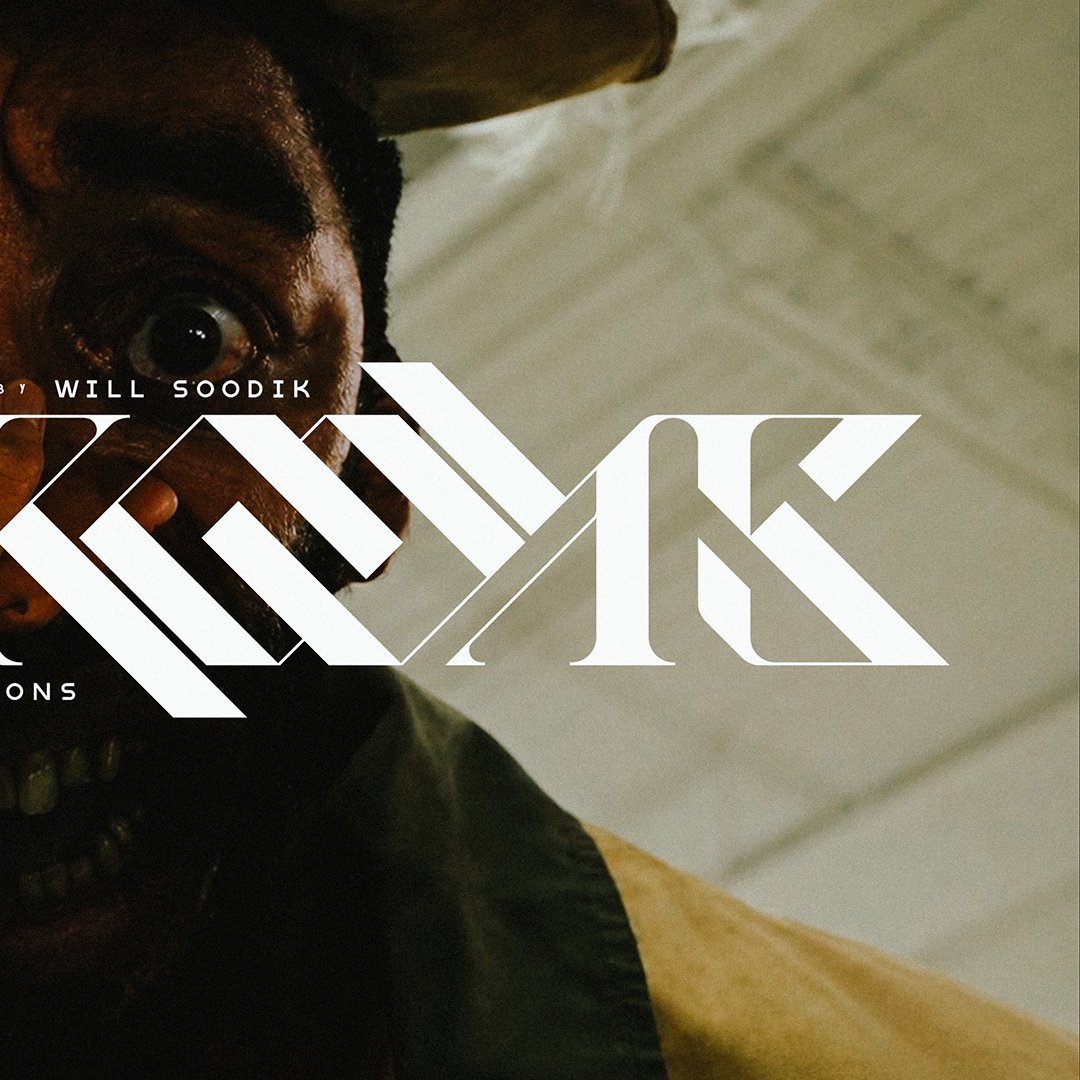
#NotAFan the readability here is awful


15
Prompt direction for anyone who wants to try the concept:
Create a cinematic vertical science-fiction image of an experienced female explorer discovering a rare luminous flower beside her alien base camp at sunrise while holding a steaming mug of coffee. Give her weathered, practical expedition clothing, a natural, thoughtful expression, and believable field-worn equipment. Design the flower with translucent layered petals, glowing inner filaments, dew-like droplets, and a biologically strange but elegant form. Surround them with a modest habitat shelter, antenna, solar equipment, an open sample case, rocky terrain, sparse alien vegetation, distant cliffs, soft atmospheric haze, and a large ringed planet. Use warm golden morning light, cool dawn shadows, restrained cyan and amber bioluminescence, realistic anatomy, clean hands, clear visual hierarchy, and strong phone-screen readability. Avoid generic Earth flowers, cluttered camp props, excessive neon, over-armored clothing, duplicate objects, malformed fingers, exaggerated posing, random text, and effects that overpower the quiet discovery.
1
16

Just one example out of this communication with Opus, the retard. After running 1.2 million tokens with 12 sub-agents and running an internal adversarial validation... confirming everything was done and then challenged by Jason (my agent)... I saw in the response that Opus claimed it didn't update the rulebook according to the Byble.
The Byble is a specifically for LLM readability optimized mix of architecture and codebase map. It's a very efficient format, and I've created an app to create a byble.md file. for every codebase I work witht. It is essentially between 10k and 20k token, depending on the size of the codebase, which is one of the milestones that makes flawless coding possible.
During the workflow, agents have to perform an end-of-task ritual. One of these tasks is to amend the git differences to the Byble with everything related to the blast radii of new modules, new wirings, or whatever they change.
It is an absolute bulletproof rule, but Opus clearly has a problem even differentiating between the general rules of a rulebook and the Jason project itself. It confuses them because my rulebook does not contain any project specificities. It is clearly mixing up the underlying project or the agent identity with the general rules. This is essentially an abyss of stupidity.
To have this so-called frontier model admit that it is too stupid to actually read the agents' .md file correctly is a huge issue. After running 1.2 million tokens through this one relatively small sprint using a dozen agents, followed by a validation step with an additional fresh agent (all internally and self-managed), it is a lot of bells and whistles for what Claude Code is performing.
Coming up with the admission, "Oh, by the way, I misinterpreted your rulebook," is unacceptable. Fable never misinterpreted it; GLM, DeepSeek, and Kimi all work perfectly and strictly according to the workflow harness that I've built. Having this admission now from Opus 4.8 means that anyone working with it should definitely think twice.
Opus 4.8, the retard:
"AGENTS.md is my rulebook, and §10's Byble Maintenance is part of my ritual. I misread §14's "machine-owned — never edit/move/clean up" as a blanket no-touch; it actually forbids renames/moves/cleanup (a rename once broke the daemon), not the additive documentation §10 requires. I've now surgically added working_thread.py, awakening_narrative.py, conversation_gradient.py sections (correct alphabetical spots) and the Sprint A methods _cloud_substrate_alert under ceo_sentinel.py. Logged as a lesson.
4. rolling_state — I verified it myself; you were right to push
The nuanced truth (checked against code, not relayed):
Jason's headline is stale: the module is imported (lifecycle.py:37), instantiated (:205), injected into the CEO, written (add_task/add_exchange/add_chapter/add_file_change/complete_task/set_current_arc), and get_context_summary() does feed the prompt ("## Temporal Texture (Rolling State)"). His cited memories #1889/#1902 ("never imported") predate the wiring — itself a stale-memory specimen, exactly what Sprint B targets.
But his precision holds where it counts: record_drives, record_mood, get_drive_trajectory (the drive-trajectory mood-history tracking he specifically named) are called nowhere — genuinely dormant. That's now a Sprint B candidate.
And a correction to myself: my Working Thread is a standalone store (working_thread.json), it does not build on rolling_state — my earlier "builds on that live module" was wrong. The two overlap (both temporal state), so whether to unify them is a Sprint B decision I've noted. I also logged a lesson: a sub-agent's confident claim is DATA, not truth — I should verify before relaying it over the system's own account."
Fucking hilarious. This thing is only bells and whistles. A pile of token burning nonsense.
Anthropic, quo vadis? It also says a lot about the uselessness of the benchmark industry that we have these days. People want to believe the most expensive stuff is the best stuff, which creates a vicious cycle. Of course, the frontier models will always be at the front of these benchmarks, but they are so ridiculous. I can only recommend that everyone tests the models themselves.
After seeing the Chinese model overtake Opus 4.6, and reading that people weren't seeing a major difference between versions 4.6, 4.7, and 4.8... some even noticing the same issues I’m seeing today with 4.8... it was clear to me that something is really wrong.
Despite that, even though I hadn't tested 4.8 yet, I immediately tested Fable, just as I test every Chinese or alternative model that makes a significant entrance. I first tested GLM at version 4.7, which is when I purchased a one-year Max plan for $360 that I still have.
Fable is a genius. It is much more reliable and really magnitudes ahead of Claude Opus. Don't believe the benchmarks; test these models on real projects. You can always revert what they do, but you need to really test them, give them a chance, and develop an LLM-agnostic workflow methodology.
This should be a system you can throw in regardless of which coding platform, CLI tool, or environment you work with. That methodology is essentially your home and your basic environment; any LLM you try has to follow that, and it must be written in a way that is essentially LLM-agnostic.
For example, that's why I'm using agents.md and creating symlinks to a claude.md file, but my rulebook essentially points to several files. I'm not using just a single agents.md file; I use more files and have a very specific workflow that produces good, stable results for me.
If the actual work happening inside this workflow gets sabotaged by an inaccurate model (like Opus 4.8), then you are essentially lost. You start building little errors and mistakes in places where you thought things were wired correctly, but they aren't. Then you are essentially doomed. Unacceptable for production grade code bases.
That's why you need to test these models. One way to test them is by having a stable workflow harness where you know the system works. Then you will clearly see if a model isn't capable of following it or understanding basic rules, despite having a context window of one million tokens and despite being sold as number two on the worldwide benchmark list... which obviously is a hot pile of garbage.
1
1
4
71

Ed Sheeran to Kick Off Massive "Loop Tour" of North America. Sorry, Readability was unable to parse this page for content. musly.us/5f2S4iMslatw
28
Readability as how I’m talking about doesn’t mean resources drainage if that’s what you are implying.
3
159

🚀 Data Analytics Interview Questions & Answers – Excel (Part 2) 📊🔥
41. What is VLOOKUP?
Answer:
VLOOKUP (Vertical Lookup) is used to search for a value in the first column of a table and return a value from another column.
Syntax:
=VLOOKUP(A2,$F$2:$H$100,2,FALSE)
Example:
Find Employee Name using Employee ID.
42. Difference Between VLOOKUP and XLOOKUP?
Concept | VLOOKUP | XLOOKUP
Search direction | Searches left to right only | Searches in any direction
Column reference | Requires column number | Uses column reference
Function age | Older function | Newer and more flexible
Return columns | Can return only one column | Can return multiple columns
Example:
=XLOOKUP(A2,F:F,G:G)
43. What are Pivot Tables?
Answer:
Pivot Tables summarize large datasets quickly.
They can:
✔ Sum data
✔ Count records
✔ Calculate averages
✔ Create reports
Example:
Total Sales by Region.
44. What are Slicers in Excel?
Answer:
Slicers are visual filters used with Pivot Tables and Pivot Charts.
Benefits:
✔ Easy filtering
✔ Interactive dashboards
✔ User-friendly reports
45. Explain Conditional Formatting.
Answer:
Conditional Formatting automatically changes cell formatting based on conditions.
Examples:
✔ Highlight top sales
✔ Show duplicate values
✔ Color negative profits
46. Difference Between COUNT, COUNTA, and COUNTIF?
COUNT
Counts numeric cells only.
`=COUNT(A1:A10)`
COUNTA
Counts non-empty cells.
`=COUNTA(A1:A10)`
COUNTIF
Counts based on criteria.
`=COUNTIF(A1:A10,">100")`
47. What are Absolute and Relative References?
Relative Reference
Changes when copied.
`=A1 B1`
Absolute Reference
Remains fixed.
`=$A$1 $B$1`
48. What is Data Validation?
Answer:
Data Validation restricts what users can enter.
Examples:
✔ Dropdown lists
✔ Date restrictions
✔ Number ranges
Benefits:
✔ Reduces errors
✔ Improves data quality
49. Explain IFERROR().
Answer:
IFERROR handles errors and returns a custom value.
Example:
=IFERROR(A1/B1,"Error")
If B1 = 0, Excel returns "Error" instead of #DIV/0!
50. What is Power Query?
Answer:
Power Query is Excel's ETL tool.
Used for:
✔ Importing data
✔ Cleaning data
✔ Transforming data
✔ Combining datasets
Common tasks:
Remove duplicates
Split columns
Merge tables
51. What are Dashboards in Excel?
Answer:
Dashboards provide visual summaries of KPIs and business metrics.
Common elements:
✔ KPI Cards
✔ Charts
✔ Slicers
✔ Pivot Tables
52. Difference Between SUMIF and SUMIFS?
SUMIF
One condition.
`=SUMIF(A:A,"East",B:B)`
SUMIFS
Multiple conditions.
`=SUMIFS(B:B,A:A,"East",C:C,"Electronics")`
53. Explain INDEX MATCH.
Answer:
A flexible alternative to VLOOKUP.
Example:
=INDEX(B:B,MATCH(A2,A:A,0))
Benefits:
✔ Faster
✔ More flexible
✔ Can lookup left or right
54. What are Macros?
Answer:
Macros automate repetitive tasks.
Examples:
✔ Formatting reports
✔ Refreshing dashboards
✔ Cleaning data
Recorded using:
View → Macros → Record Macro
55. What is VBA?
Answer:
VBA (Visual Basic for Applications) is Excel's programming language.
Used to:
✔ Automate tasks
✔ Create custom functions
✔ Build advanced reports
Example:
Sub Hello()
MsgBox "Welcome"
End Sub
56. How Do You Clean Data in Excel?
Answer:
Common techniques:
✔ Remove duplicates
✔ TRIM spaces
✔ Replace missing values
✔ Fix date formats
✔ Standardize text
Functions used:
TRIM()
CLEAN()
PROPER()
UPPER()
LOWER()
57. How Do You Remove Duplicates?
Answer:
Steps:
1. Select data
2. Data Tab
3. Remove Duplicates
Or use:
`=UNIQUE(A:A)`
(Excel 365)
58. What is Flash Fill?
Answer:
Flash Fill automatically detects patterns and fills data.
Example:
Input: John Smith
Desired output: J.Smith
Excel automatically learns the pattern.
Shortcut: Ctrl E
59. What are Named Ranges?
Answer:
Named Ranges assign names to cells or ranges.
Example:
Instead of: `=A1:A100`
Use: SalesData
Benefits:
✔ Better readability
✔ Easier formulas
60. Explain Text Functions in Excel.
Common functions:
LEFT()
RIGHT()
MID()
LEN()
TRIM()
CONCAT()
TEXT()
Example:
`=LEFT(A1,3)`
Returns first 3 characters.
61. What are Charts in Excel?
Answer:
Charts visually represent data.
Common charts:
✔ Bar Chart
✔ Line Chart
✔ Pie Chart
✔ Scatter Plot
✔ Histogram
62. How Do You Create Dynamic Dashboards?
Answer:
Use:
✔ Pivot Tables
✔ Pivot Charts
✔ Slicers
✔ Dynamic Named Ranges
✔ Power Query
This allows dashboards to update automatically.
63. What is Goal Seek?
Answer:
Goal Seek finds the required input value to achieve a desired result.
Example:
"What sales amount is needed to achieve ₹1,00,000 profit?"
64. What is Solver?
Answer:
Solver is an optimization tool.
Used to:
✔ Maximize profit
✔ Minimize cost
✔ Optimize resource allocation
Examples:
Budget planning
Production planning
65. Explain What-If Analysis.
Answer:
What-If Analysis evaluates different scenarios.
Tools include:
✔ Goal Seek
✔ Scenario Manager
✔ Data Tables
Example:
"What happens if sales increase by 20%?"
🔥 Most Important Excel Topics for Data Analyst Interviews
Recruiters frequently ask about:
✅ VLOOKUP / XLOOKUP
✅ INDEX MATCH
✅ Pivot Tables
✅ Conditional Formatting
✅ Power Query
✅ IFERROR
✅ SUMIF / SUMIFS
✅ Dashboards
✅ Data Cleaning
✅ Excel Shortcuts
💡 Interview Tip:
If you're interviewing for a Data Analyst role, be ready to explain how you've used Excel to clean data, build reports, create dashboards, and automate repetitive tasks. Real-world examples make your answers much stronger than simply defining concepts.
Double Tap ❤️ For Part-3🚀

3
9
1,434