
Jun 5
1
1
3
1,575
🎮 PLAY — THE GAME IS REAL
Most projects show concepts.
We show the game.
Black Canvas® is not a promise.
It’s a working system with real mechanics, real logic, and real gameplay.
No simulations.
No marketing illusions.
No hidden algorithms.
Only:
✔️ Deterministic game structure
✔️ Transparent rules
✔️ Real player interaction
This is where entertainment meets integrity.
And this is just the beginning.
🖤 BLACK CANVAS® — WHERE FUN MEETS FUTURE
#BlackCanvas #GameFi #BlockchainGaming #PlayToEarn #CryptoGaming #Web3Gaming #ProvablyFair #RealProduct #GamingRevolution #BCTK #BCGS

May 3

The @BcBlackcanvas Hand Challenge is ongoing with a few submissions already coming in.
You think you can beat our dealer's hand?
Join us on TG, Participate and Win big.
In less than 8hrs, the winner who beats the hand of the dealer basts would take the win ($10)
Don't Snooze

5
2
18
522

Mar 31
Spent some time diffing Anthropic’s public Claude Code docs against a leaked source, and the most interesting part isn’t a single hidden feature, it’s how much bigger the product feels in code than in docs.
A few things jumped out:
The command surface is wider than the docs suggest. There are real command paths for things like a hidden /advisor, /ultrareview, /session, /web-setup, and deprecated-but-still-present /output-style plumbing. Some are gated, some internal, but they’re not random stubs; they point to realproduct branches.
The agent system is also deeper than the public story. Docs cover Explore, Plan, general-purpose, etc. But the source also has a built-in verification agent whose whole job is basically: don’t trust the implementation, try to break it. That’s a very revealing design choice. It suggests Anthropic is treating “verification” as a first-class agent role, not just an instruction style.
Then there’s the forked subagent model. In code, there’s a feature-gated path where omitting subagent_type can implicitly fork a worker that inherits full context, runs in the background, and can even operate in an isolated worktree. That’s a much more aggressive orchestration model than the normal “spawn a helper agent” framing most people have in their heads.
Plan mode is another surprise. It’s not just conversational planning. It’s backed by real persistent plan files, with resume/fork recovery logic and session-specific plan slugs. Same with memory: the source has a much richer taxonomy than I expected, with typed memories (user, feedback, project, reference), private vs team scope, and rules like “convert relative dates to absolute dates before saving.”
And maybe the biggest signal: there’s a hidden server-side advisor tool wired into the app. The model can apparently call out to a stronger reviewer model that sees the whole conversation/tool history and critiques the approach. That is a very different picture from “just a CLI wrapper around one model.”
My takeaway: Claude Code’s public docs describe the product you can use today, but the source reveals the product Anthropic is actually building toward: a much more agentic system with verification, delegation, persistent planning, structured memory, remote execution, and internal reviewer models all treated as core primitives.
It feels less like “a coding CLI” and more like the shell of a full multi-agent operating environment.
The future is bright!
9
4
122
14,131


Jan 25
“Dwinity Digital Twin—a working,ready-to-use product.”
Uploading a data dump and instantly getting a live digital twin. Real data.Real system.
#DigitalTwin #DWinity #RealProduct #DeepTech #DataEngineering
👉dwinity.shop/dwin/726/
Bonus Code: discord20 is live
13
14
15
169

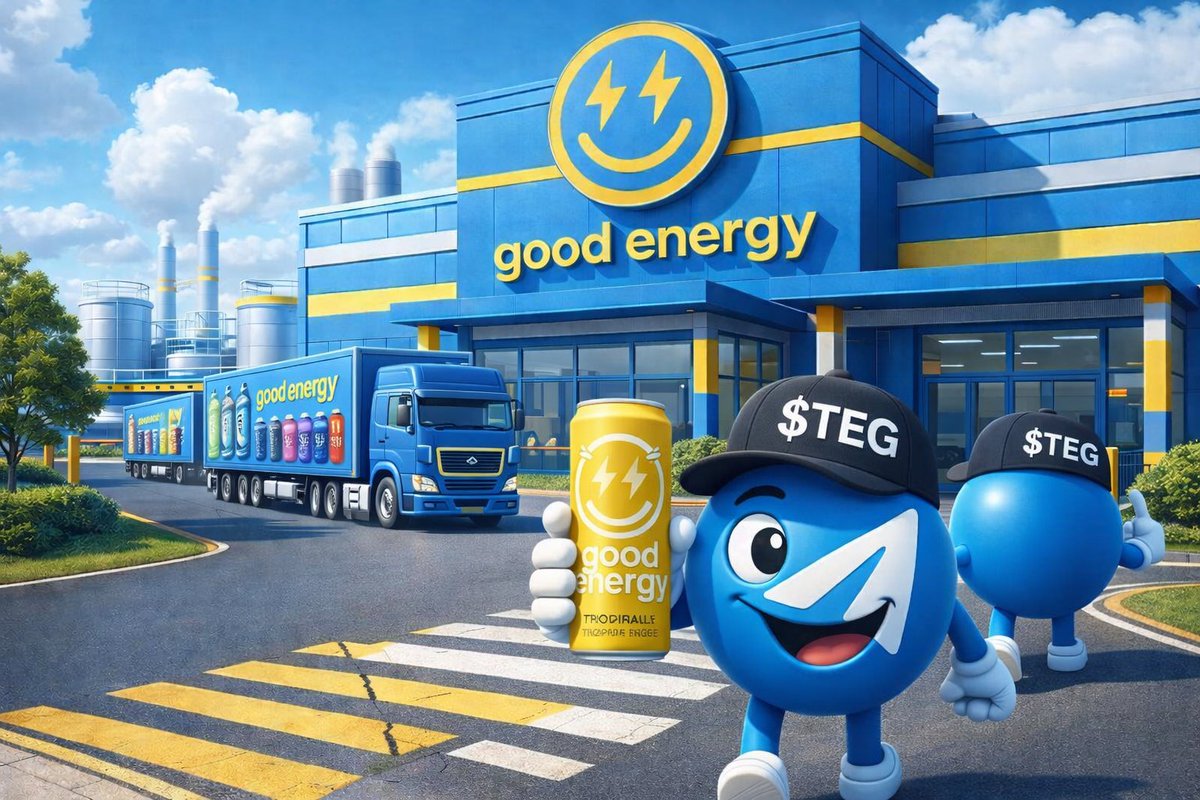
🚀 GOOD ENERGY — SPECIAL GUEST ⚡🥤
The energy brand everyone is talking about is here. Good Energy joins as a special guest, combining strong branding, a real product, and a growing community.
⚡ Stay connected:
- Telegram: t.me/goodenergyproject
- X (Twitter):
@GoodEnergyPF
- Website: drinkgoodenergy.com/
🔥 Good vibes.
🔥 Physical product.
🔥 Community-driven.
👉 Follow, join, and feel the Good Energy.
#GoodEnergy #EnergyDrink #Web3 #CryptoBrand #RealProduct #CommunityPowered #GoodVibes
16
9
21
611

No hype.
No price talk.
No “to the moon”.
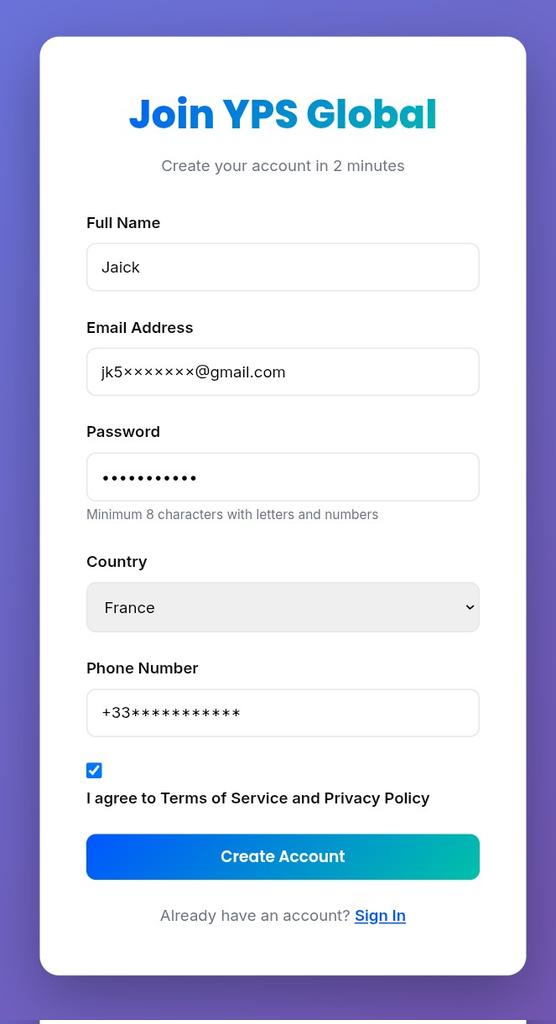
This is what we’re actually building.
A real platform where anyone —
from a street seller to a freelancer —
can start a global micro-business.
Not in the future.
Not in theory.
But now.
If you’re tired of promises
and want to see real systems being built,
you’re welcome here.
#BuildingInPublic #RealProduct #FutureOfWork #YPS #Bitcoin #PiNetwork #CryptoNews
2
4
9
135

Jan 15
Most crypto projects start with a vision.
Black Canvas starts with its fulfillment.**
Many crypto projects today present their vision in a whitepaper, support it with marketing and expect the community to help fulfill this vision.
Black Canvas goes the opposite way.
We have a vision.
And we have been fulfilling it from day one.
Instead of promises, we build a product.
Instead of presentations, we launch a game.
Instead of waiting, we involve the community in an existing foundation.
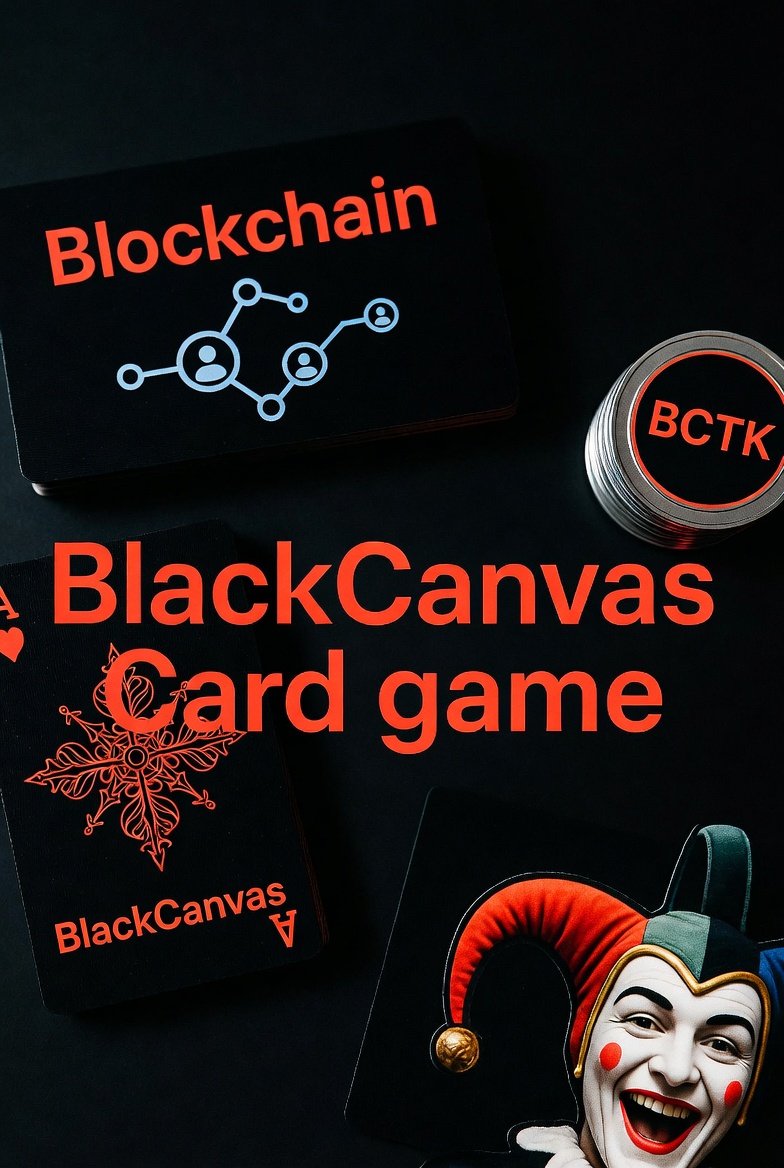
🎴 Black Canvas – Card Game is available today in test mode
📱 App Store (TestFlight)
📱 Google Play
We don’t ask you to believe in the idea.
We give you the opportunity to see and try the result.
👉 If you are looking for a project that is not based on expectations, but on reality,
you can simply join us.
🎴 Black Canvas – The Freedom Game begins here.
⸻
#BlackCanvas #RealProduct #BeyondWhitepaper #CardGame #BlockchainGaming #CommunityFirst #BuildingInPublic
1
3
63

Jan 13

It’s a concept...
4
193

28 Dec 2025
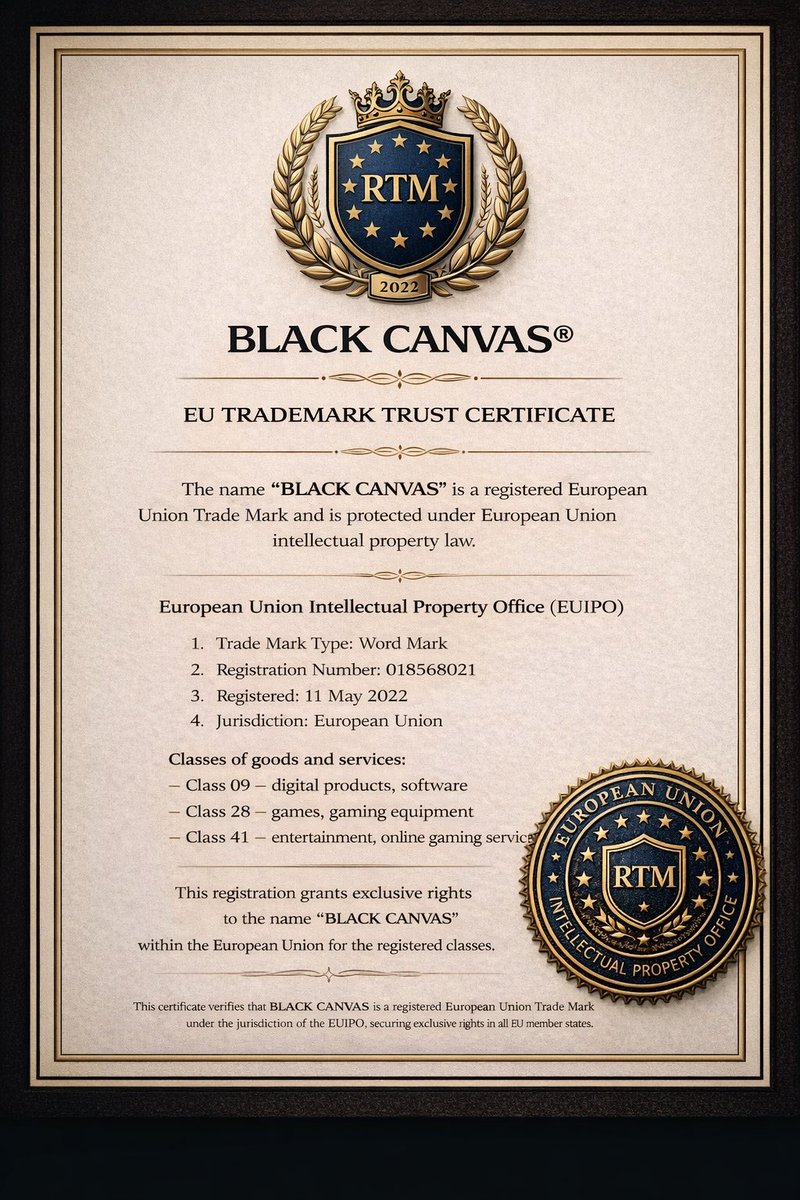
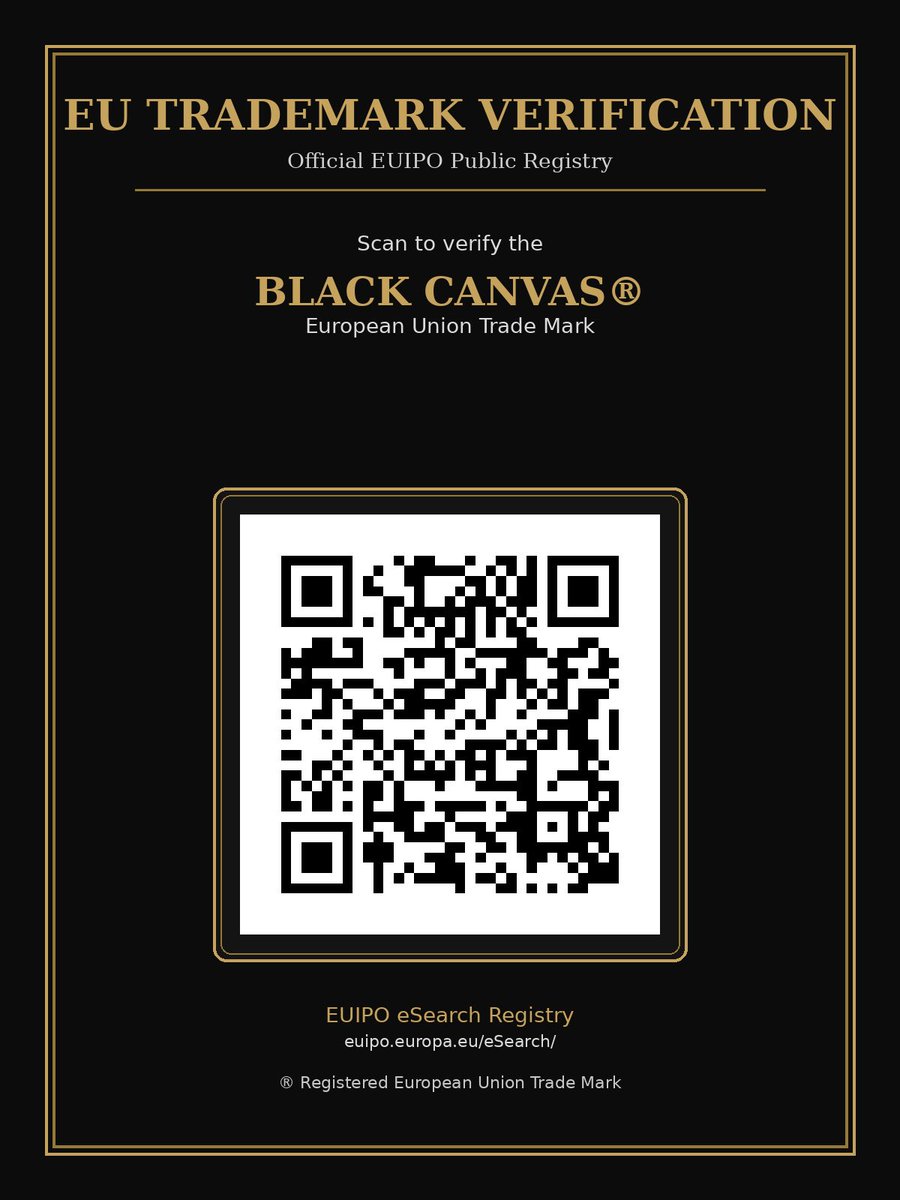
🛡️ BLACK CANVAS® — A PROTECTED BRAND, NOT JUST A PROJECT
BLACK CANVAS® is not an idea in progress.
It is a legally protected brand.
From the very beginning, we built Black Canvas® with the mindset of a long-term, global project — not a temporary crypto experiment.
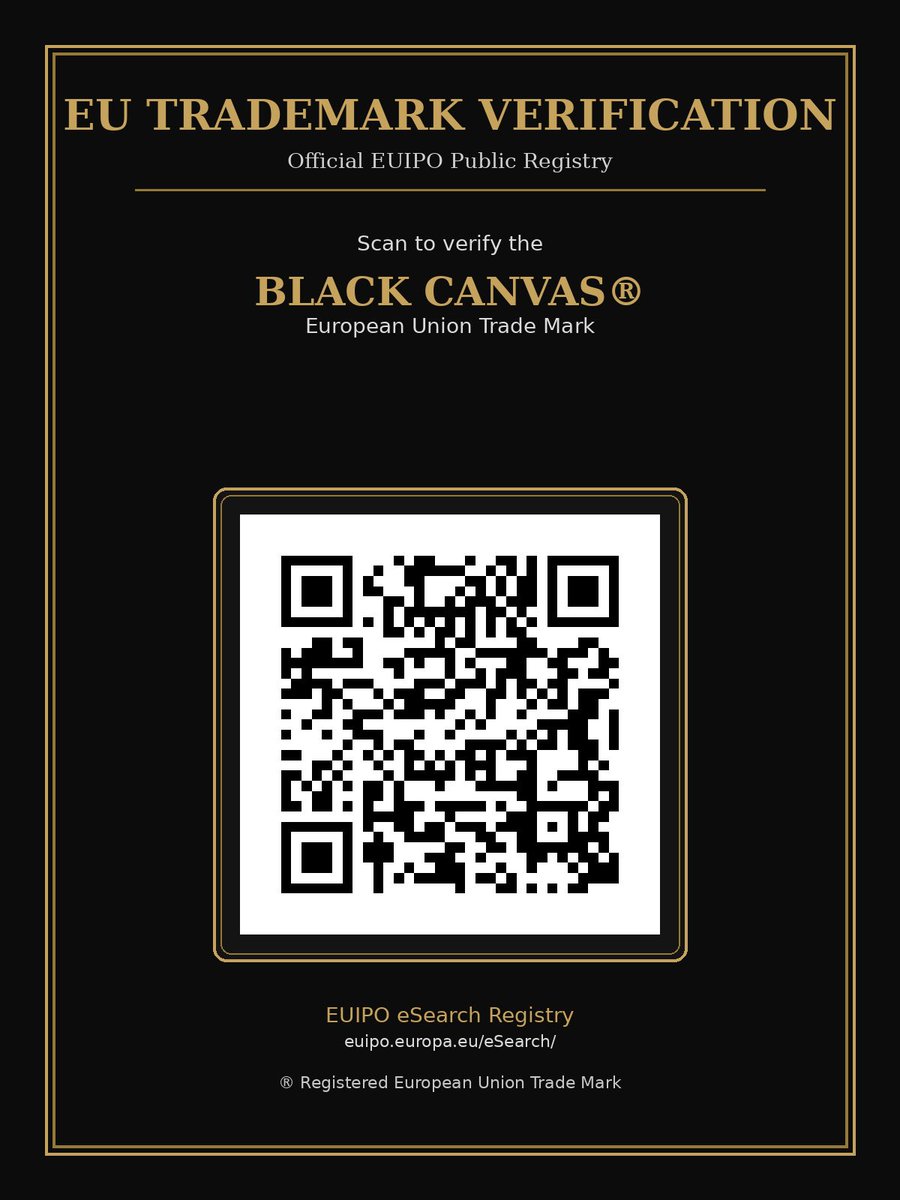
That's why BLACK CANVAS® is officially registered and protected within the European Union.
✔️ BLACK CANVAS® — Registered European Union Trade Mark (EUIPO)
✔️ BLACK CANVAS® — Registered Community Design (RCD)
✔️ BLACK CANVAS® — Verifiable in official EU public registries
The ® symbol matters.
It means ownership.
It means legal protection.
It means responsibility.
While most crypto projects operate without any trademark, design protection, or legal foundation, BLACK CANVAS® stands on solid ground — protected by law, verified by institutions, and built for longevity.
This is not marketing.
This is structure.
This is credibility.
This is BLACK CANVAS®.
🖤 A real game. A real brand. Real protection.
#BlackCanvas #BlackCanvasOfficial #BlackCanvasRegistered #RegisteredBrand #ProtectedBrand #EUTrademark #RCD #Web3Gaming #BlockchainGaming #RealProduct #BuiltToLast #TrustTheBrand #NotJustAProject #GamingRevolution
7
406
28 Dec 2025
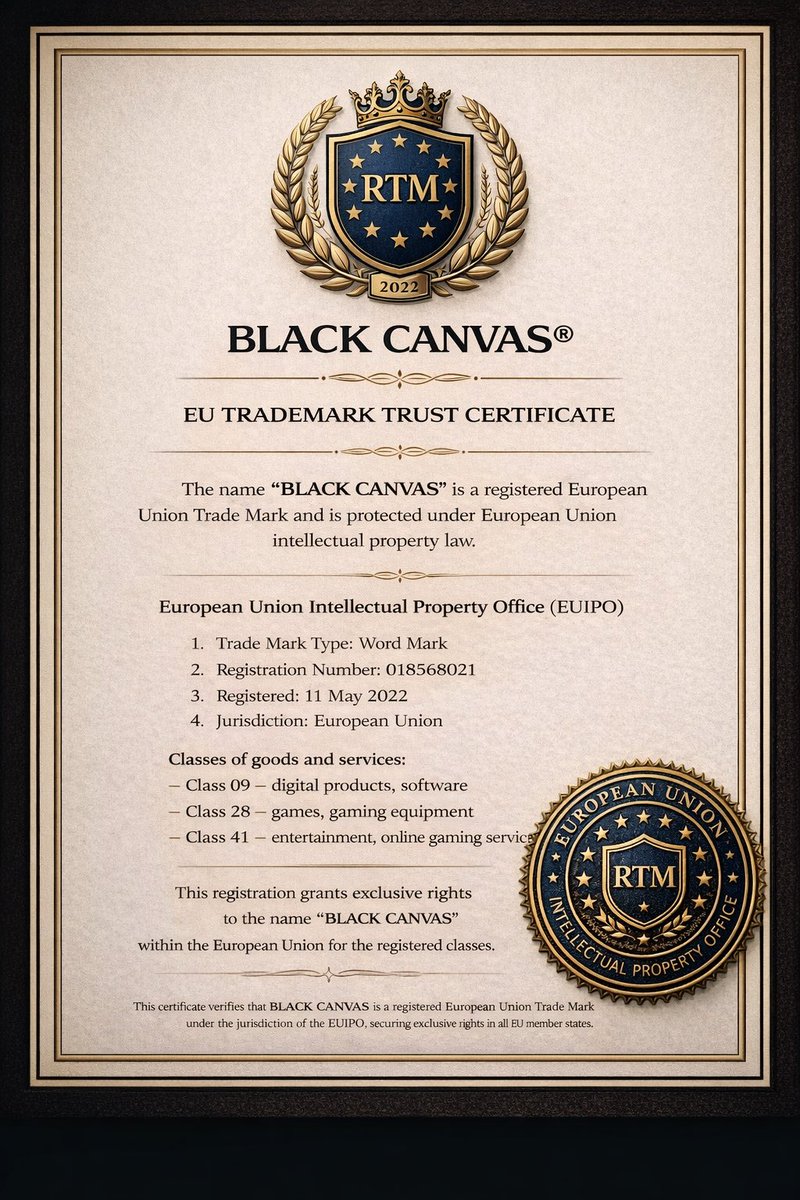
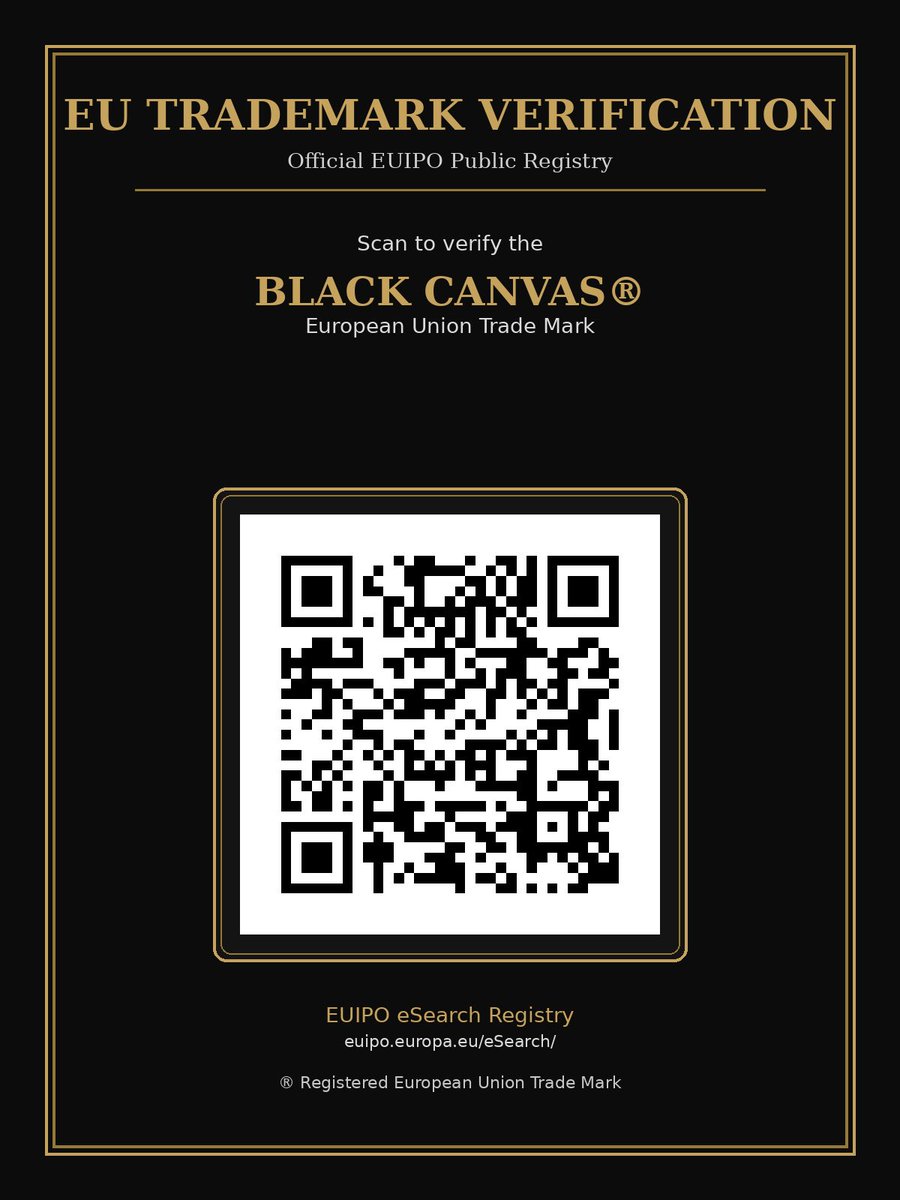
🛡️ BLACK CANVAS® — A PROTECTED BRAND, NOT JUST A PROJECT
BLACK CANVAS® is not an idea in progress.
It is a legally protected brand.
From the very beginning, we built Black Canvas® with the mindset of a long-term, global project — not a temporary crypto experiment.
That's why BLACK CANVAS® is officially registered and protected within the European Union.
✔️ BLACK CANVAS® — Registered European Union Trade Mark (EUIPO)
✔️ BLACK CANVAS® — Registered Community Design (RCD)
✔️ BLACK CANVAS® — Verifiable in official EU public registries
The ® symbol matters.
It means ownership.
It means legal protection.
It means responsibility.
While most crypto projects operate without any trademark, design protection, or legal foundation, BLACK CANVAS® stands on solid ground — protected by law, verified by institutions, and built for longevity.
This is not marketing.
This is structure.
This is credibility.
This is BLACK CANVAS®.
🖤 A real game. A real brand. Real protection.
#BlackCanvas #BlackCanvasOfficial #BlackCanvasRegistered #RegisteredBrand #ProtectedBrand #EUTrademark #RCD #Web3Gaming #BlockchainGaming #RealProduct #BuiltToLast #TrustTheBrand #NotJustAProject #GamingRevolution
6
60
28 Dec 2025
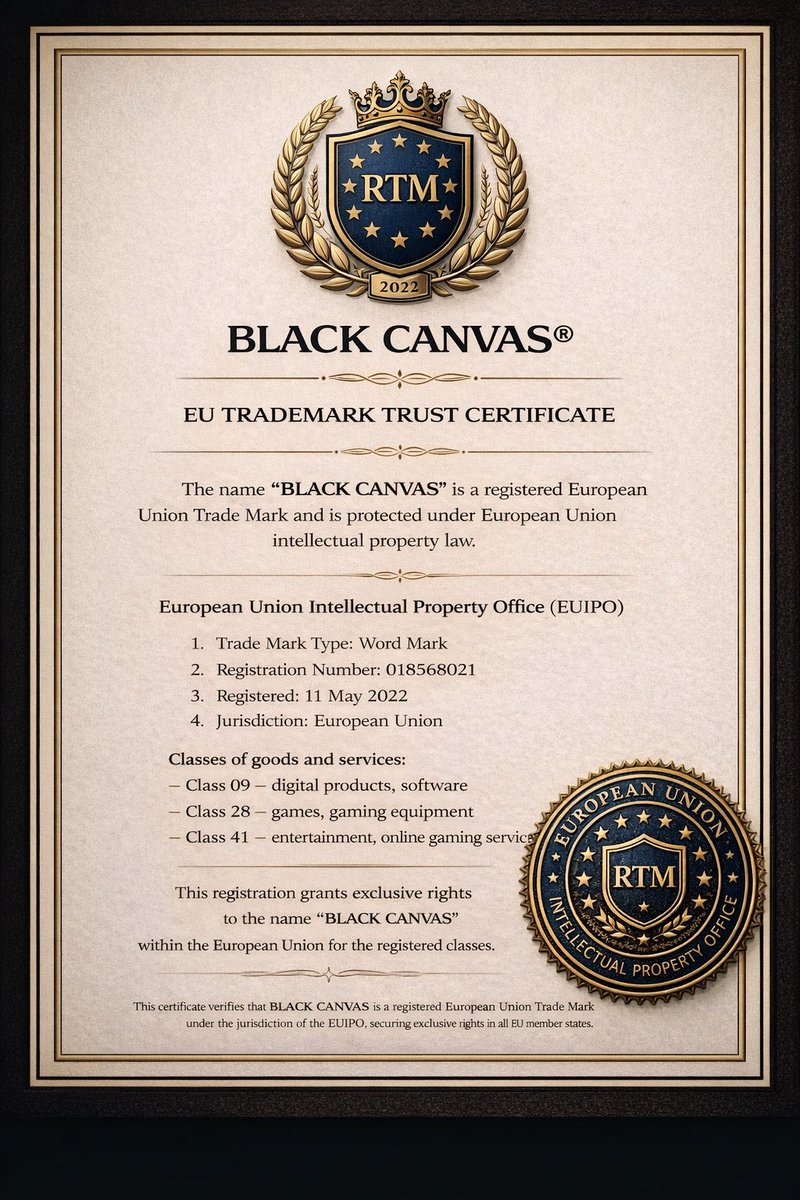
🛡️ BLACK CANVAS® — A PROTECTED BRAND, NOT JUST A PROJECT
BLACK CANVAS® is not an idea in progress.
It is a legally protected brand.
From the very beginning, we built Black Canvas® with the mindset of a long-term, global project — not a temporary crypto experiment.
That's why BLACK CANVAS® is officially registered and protected within the European Union.
✔️ BLACK CANVAS® — Registered European Union Trade Mark (EUIPO)
✔️ BLACK CANVAS® — Registered Community Design (RCD)
✔️ BLACK CANVAS® — Verifiable in official EU public registries
The ® symbol matters.
It means ownership.
It means legal protection.
It means responsibility.
While most crypto projects operate without any trademark, design protection, or legal foundation, BLACK CANVAS® stands on solid ground — protected by law, verified by institutions, and built for longevity.
This is not marketing.
This is structure.
This is credibility.
This is BLACK CANVAS®.
🖤 A real game. A real brand. Real protection.
#BlackCanvas #BlackCanvasOfficial #BlackCanvasRegistered #RegisteredBrand #ProtectedBrand #EUTrademark #RCD #Web3Gaming #BlockchainGaming #RealProduct #BuiltToLast #TrustTheBrand #NotJustAProject #GamingRevolution
4
9
77

16 Dec 2025
Whitepapers are cute. Working products are better.
90% of RWA projects right now are just a landing page and a promise. @IxsFinance is live, functional, and executing transactions.
You can go to their DEX right now, connect your wallet, and see real pools with real liquidity.
No "Coming Soon." No "Waitlist."
While competitors are figuring out how to code their smart contracts, IX Swap is already onboarding issuers.
In a bull market, money flows to hype. In a sustainable market, money flows to what works. IXS works.
$IXS #RealProduct #DeFi #Execution #RWA

16 Dec 2025

You can't speed run trust.
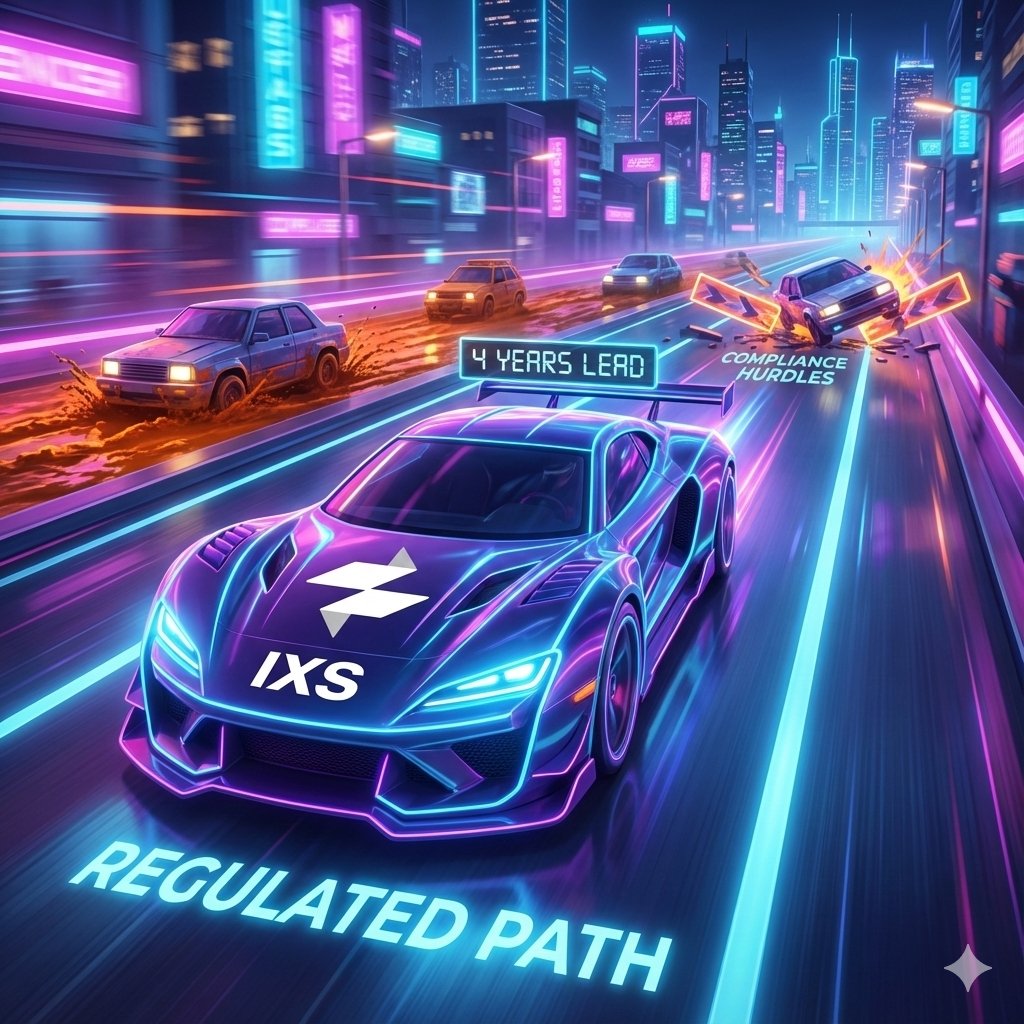
While new RWA projects are popping up daily to catch the hype, @IxsFinance has a 4 years head start.
They built through the brutal bear market. They secured the licenses when no one cared. They built the tech while others quit.
In a regulated industry, time is the ultimate barrier to entry. Competitors can't just copy paste a relationship with regulators or 4 years of compliance data.
When you bet on $IXS, you aren't betting on a roadmap. You are betting on history and resilience.
#Crypto #BearMarketBuilders #RWA #Moat
202
166
4,411
16 Dec 2025
♥️♠️♦️♣️
**Most crypto projects start with a vision.
Black Canvas starts with its fulfillment.**
Many crypto projects today present their vision in a whitepaper, support it with marketing and expect the community to help fulfill this vision.
Black Canvas goes the opposite way.
We have a vision.
And we have been fulfilling it from day one.
Instead of promises, we build a product.
Instead of presentations, we launch a game.
Instead of waiting, we involve the community in an existing foundation.
🎴 Black Canvas – Card Game is available today in test mode
📱 App Store (TestFlight)
📱 Google Play
We don’t ask you to believe in the idea.
We give you the opportunity to see and try the result.
👉 If you are looking for a project that is not based on expectations, but on reality,
you can simply join us.
🎴 Black Canvas – The Freedom Game begins here.
⸻
#BlackCanvas #RealProduct #BeyondWhitepaper #CardGame #BlockchainGaming #CommunityFirst #BuildingInPublic
1
6
26
4,252
16 Dec 2025
♥️♠️♦️♣️
**Most crypto projects start with a vision.
Black Canvas starts with its fulfillment.**
Many crypto projects today present their vision in a whitepaper, support it with marketing and expect the community to help fulfill this vision.
Black Canvas goes the opposite way.
We have a vision.
And we have been fulfilling it from day one.
Instead of promises, we build a product.
Instead of presentations, we launch a game.
Instead of waiting, we involve the community in an existing foundation.
🎴 Black Canvas – Card Game is available today in test mode
📱 App Store (TestFlight)
📱 Google Play
We don’t ask you to believe in the idea.
We give you the opportunity to see and try the result.
👉 If you are looking for a project that is not based on expectations, but on reality,
you can simply join us.
🎴 Black Canvas – The Freedom Game begins here.
⸻
#BlackCanvas #RealProduct #BeyondWhitepaper #CardGame #BlockchainGaming #CommunityFirst #BuildingInPublic
3
7
84

25 Oct 2025
I’ve been in crypto since 2012. You think I’d ape into a project whose whitepaper reads like a legal doc? Wrong. That’s exactly why I got convinced by @bitdealernet.
Most projects just promise, Bitdealer came with structure. A legit Limited Liability Company in Costa Rica, legal address, named director (Vladislavs Kadikis), and most importantly—they’re working to be fully compliant with EU MiCAR regulation.
This ain’t some “trust me bro” situation. They explain it clearly:
✅ BIT Token is a UTILITY TOKEN
❌ Not a security
❌ Not an investment
❌ And most importantly, has ZERO link to gambling or iGaming
Their whitepaper literally states: “no revenues or proceeds from gambling/iGaming sources flow into BIT or to BIT holders.”
For someone who’s seen too many “GameFi” projects end up being casinos, this is bold and respectable.
So what’s BIT Token for?
It gives access to the Bitdealer ecosystem:
· Governance
· Staking
· Early access to their “Asset-Backed Meme” & tokenized asset launchpad
· Pay fees on the platform
And they already have solid traction and partnerships:
· 4M unique users from other digital asset platforms
· Partners with Meteora and Jupiter for day-one access
· Integrated with Axiom, Photon, Bonkbot, and others
Roadmap looks clean:
· Asset-Backed Meme Launchpad: September 2025 (soon)
· App-chain rollup
· KOL referral revenue share system
Token details:
· Total Public Sale: 117,575,758 $BIT
· Public Round Price: $0.075
· Target Raise: $2M (Public) $5M (Strategic)
And this part makes me chill.clear refund mechanisms if the project fails or if you withdraw within 14 days (MiCAR compliant). Funds are held separately during that withdrawal period. Real compliance vibes.
OCTOBER 2025 UPDATE:
This is where it gets real. They promised a launchpad by September 2025,and they actually delivered.
On September 17th, 2025, Bitdealer announced Early Access LIVE. The first asset-backed meme launchpad officially went live.
That’s rare in crypto. Execution over empty promises. Platform live, integrated with Meteora, Jupiter, Axiom, Photon, bullX, Trojan, Bonkbot ,all from day one.
Plus, they launched a serious referral program: earn 50 percent of trading fees for life.
My conclusion as a 2012 anon: Bitdealer is the full package.
1. Strong legal foundation (registered company, MiCAR compliant)
2. High transparency (detailed whitepaper, clear disclaimers)
3. Real utility focus (utility token for ecosystem, no gambling)
4. Proven execution (delivered launchpad on time)
5. Sustainable model (fees, referral revenue share)
This project gets what’s next for crypto—regulation clarity, real utility, and execution that speaks louder than words.
Read their whitepaper yourself. Not financial advice, just sharing from someone who’s seen too many projects rise and fall. This one feels different.
Let’s see. $BIT
#Bitdealer #UtilityToken #MiCAR #CompliantCrypto #RealProduct
25
1
22
650

23 Sep 2025
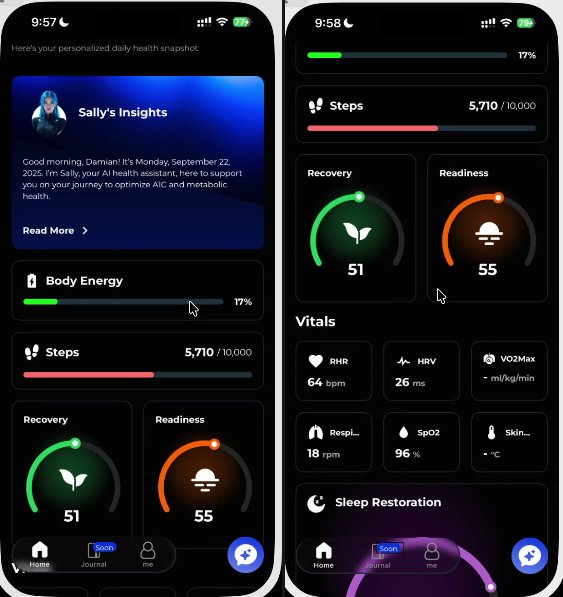
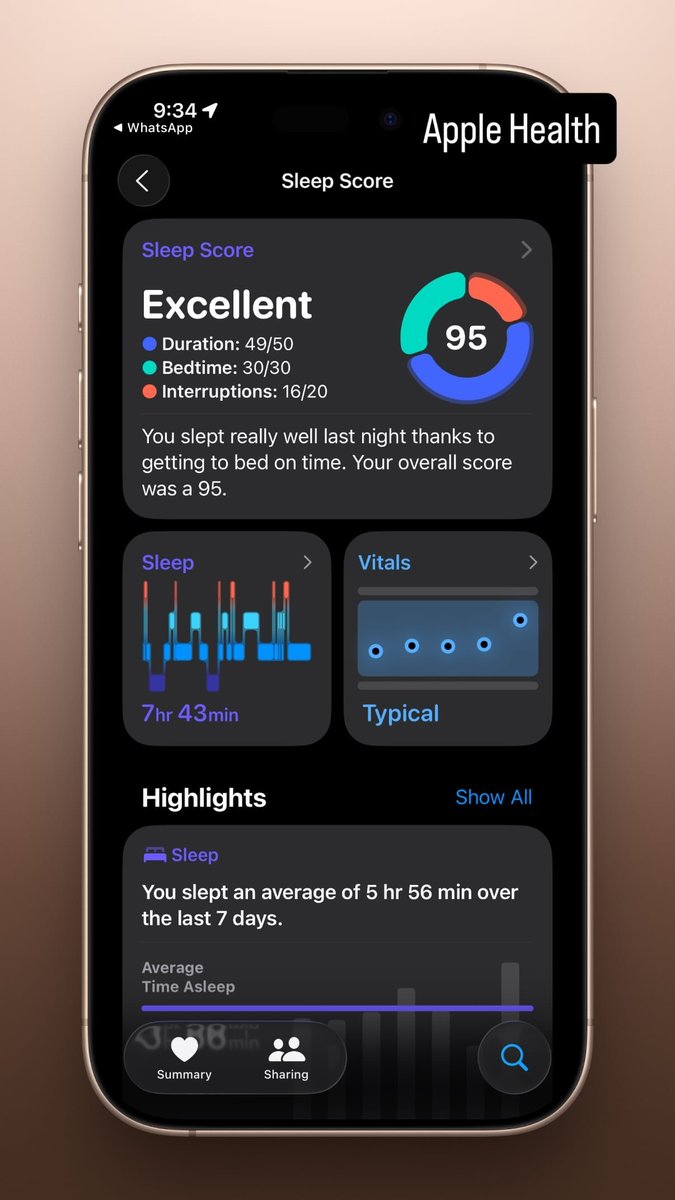
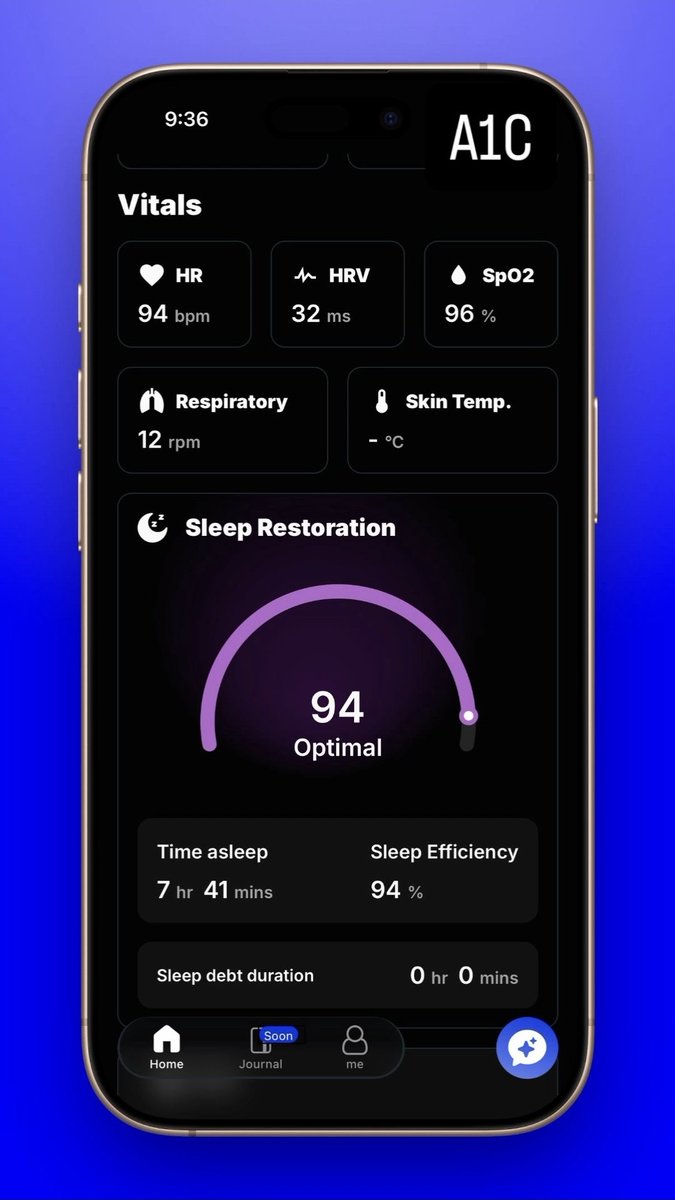
This is a #realproject with a #realproduct and #realworldusecases. Just wait until it’s fully ripe — true #investors will be patient, while the impatient ones will regret it.
Thanks for creenshoot @dantnw @SenzLuck
#SallyA1C #A1CSally #HealthTech #HealthAI #Metabolism #A1C
1
3
7
207


23 Jul 2025
Yatırımcılar artık hype’a değil ürüne bakıyor
$Web3D @web3decision = Gerçek kullanım, gerçek vizyon
28 Temmuz’da @MEXC_Official’da
🔗 x.com/web3decision/status/19…
#Web3D #Boğa #NewATH #RealProduct
21 Jul 2025

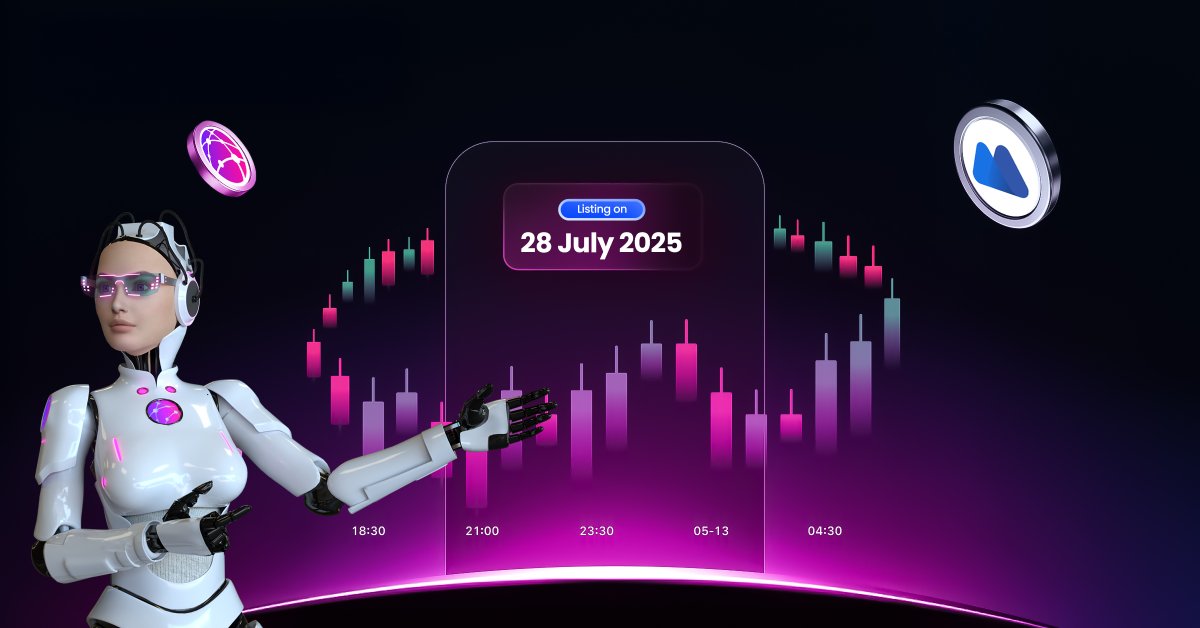
Web3D x MEXC Global – Listing Alert! 🔥
28 July 2025 – The wait is over.
The most anticipated AI Web3 project is officially going live on MEXC!
⚡️ Powered by next-gen CL1 AI
🌐 Backed by strong marketing & tech
📊 Built for real-world utility
Get ready to witness the future of decentralized intelligence.
Don’t miss the launch.
#Web3D #MEXCListing #CL1AI #BlockchainInnovation #CryptoLaunch #Web3Revolution
4
3
7
54

19 Jul 2025
🌌 Đêm qua, tôi lướt một vòng @virtuals_io – vẫn là những cái tên "sắp ra mắt", roadmap lửng lơ và whitepaper đẹp như mơ...
😶 Nhưng rồi tôi dừng lại ở Canza – vì lý do rất đơn giản:
Họ là người đầu tiên dám đưa ra một video giới thiệu sản phẩm rõ ràng, tử tế, không vòng vo.
📽 Không phải ẩn dụ, không phải mô hình dựng sẵn – mà là một cái nhìn thật sự vào thứ họ đang xây. Và điều đó tạo cảm giác khác biệt hẳn với những dự án “paper only”.
✅ Trong một thị trường nơi niềm tin là tài sản quý giá nhất, sự rõ ràng và minh bạch của Canza chính là lý do tôi quyết định đặt một phần niềm tin vào họ.
🧭 Tôi đã test bản beta tại: canza.app – giao diện mượt, UX ổn, và quan trọng nhất: nó đang vận hành. Không phải giấc mơ chưa thành.
#CANZA $CANZA #Virtuals #Web3Builder #RealProduct #NotJustWhitepaper

Trading crypto is overwhelming.
Too many indicators. Too many tools. Too many tabs.
Canza is here to fix it!
An AI-powered trading terminal that puts users in full control of their trading experience.
Our Features:
🧩 Fully Customizable Canvas
Users design their own terminal with drag-and-drop widgets — from charts to DEX/CEX trading modules — offering endless flexibility for users.
🤖 AI Trading Assistant
A built-in AI assistant provides real-time market signals, token analytics, and news—and soon, even trading capabilities. All through natural language commands.
🚀 User-Friendly Interface
Canza simplifies the trading experience by merging execution, analysis, and insights into one cohesive terminal.
Whether you're a newbie or pro, Canza makes trading smarter & simpler.
Try our Beta at: canza.app
15
1
3,290