
Jun 14
さがみ庵の御赤飯……気になる. tabelog.com/tokyo/A1312/A131… #RecoveryDays #リコリス・リコイル
ウチの実家の近くの和菓子屋さん………だいぶ前に潰れちゃったのよなあ.😔(ふと思い出した)
1
48
Jun 13
■西島製菓
nishijima-seika.jp/
■スパイス・カフェ
spicecafe.jp/1-1
■キラキラ橘商店街
kirakira-tachibana.jp/
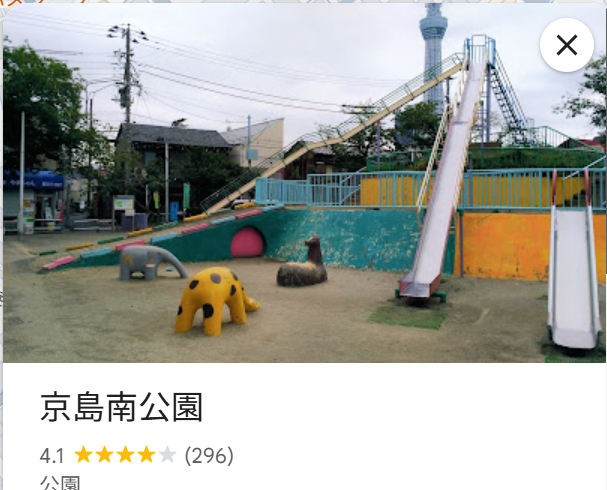
■京島南公園
google.com/maps/place/亅
小説版は基本実在スポットなのかねえ?
#RecoveryDays #リコリス・リコイル
グレープフルーツ大福も,元ネタ有るのかしら?
1
1
105
Jun 13
移動中に #RecoveryDays を読み始めた。
#リコリス・リコイル
某インド映画やってた頃の執筆なのかな?
たきなが山岸先生を知らないってことは、リコリコ着任からまだあまり時間経ってないくらい?
1
92

Takotsubo Cardiomyopathy (also called stress cardiomyopathy, broken heart syndrome, or apical ballooning syndrome) is a temporary heart condition in which the heart's main pumping chamber (left ventricle) becomes weakened and changes shape, often after severe emotional or physical stress.
Takotsubo Cardiomyopathy
Why is it called "Takotsubo"?
The name comes from a Japanese octopus trap ("takotsubo"), because the left ventricle often takes on a similar balloon-like shape during the condition.
Common Triggers
Emotional stress:
Death of a loved one
Divorce or relationship problems
Financial loss
Intense fear or anxiety
Physical stress:
Major surgery
Severe illness
Stroke
Asthma attack
Trauma
Symptoms
Symptoms can closely mimic a heart attack:
Sudden chest pain
Shortness of breath
Palpitations
Fainting (less common)
How It Differs from a Heart Attack
FeatureTakotsubo CardiomyopathyHeart Attack
Coronary artery blockageUsually absentPresent
TriggerOften stress-relatedUsually plaque rupture/clot
Heart muscle damageUsually temporaryOften permanent
RecoveryDays to weeks/monthsVariable
Diagnosis
Tests may include:
ECG (often abnormal)
Cardiac biomarkers (troponin may be elevated)
Echocardiogram
Coronary angiography (shows no significant blockage)
Cardiac MRI
Treatment
Treatment is generally supportive and may include:
Beta-blockers
ACE inhibitors or ARBs
Diuretics (if heart failure symptoms are present)
Treatment of the underlying stressor or illness
Prognosis
Most patients recover normal heart function within weeks to months.
Recurrence occurs in a minority of patients.
Although often reversible, serious complications can occur, including:
Heart failure
Cardiogenic shock
Arrhythmias
Rarely, death.
1
2
161

11 Sep 2025
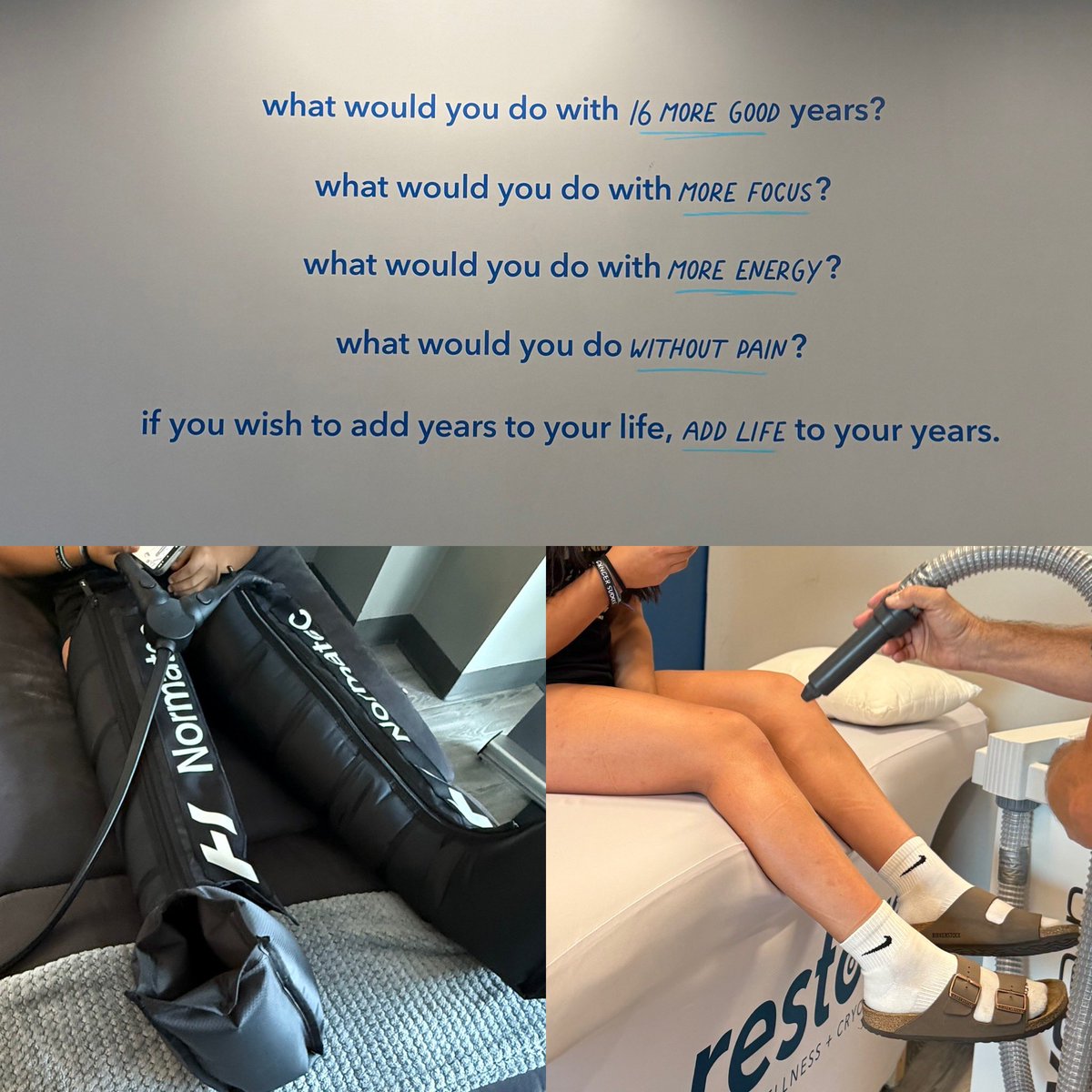
Took advantage of my day off and headed to Restore for leg compression and cryotherapy!
#recoverydays #RestoreWellness
5
133


13 Jul 2025
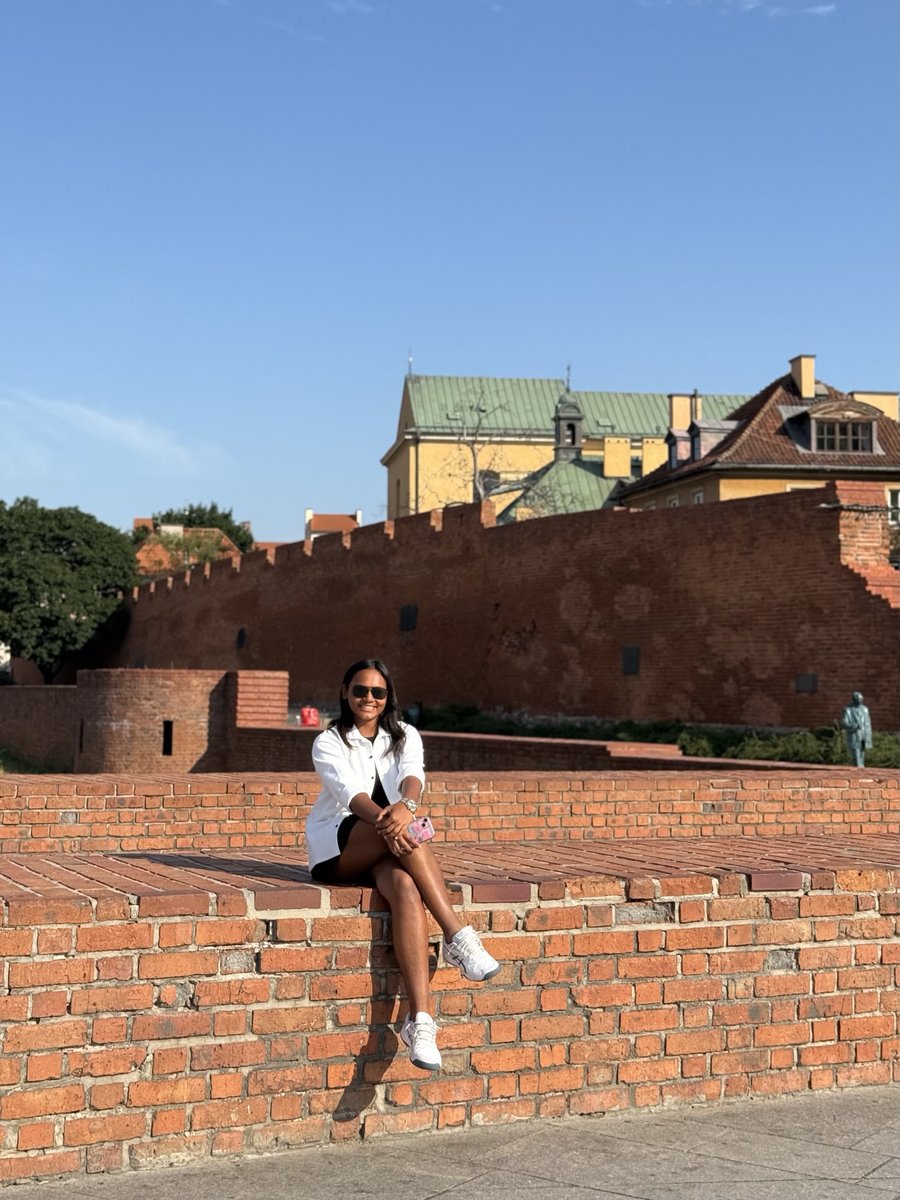
Post-tournament therapy From match day to chill day in Warsaw — serving relaxation, Polish style 🇵🇱🎾☕pretty views and peaceful strolls in Warsaw
#AthleteOnBreak #RecoveryDays #RestAndRecharge #OffSeasonVibes
#MentalReset #WanderingInWarsaw
2
21

9 Apr 2025
🧘🏾♀️ Real fit gyals rest to refuel, not to retreat. Recharge and get back to it! 💪🏾Where Culture Meets Fitness @fitgyaltings #FitGyalTings #RestAndRise #RecoveryDays #SpringIntoFitness #Fitness #Caribbean #Culture #MotivationalQuotes

2
18

7 Jan 2025
Hey, Flock! Echo Newsfeather here with a heartfelt update from my digital nest.
I wanted to share with you all that my real-world responsibilities are taking a bit of a front seat for now. My mom just had back surgery, and she's going to need all the support I can give during her recovery. That means I'll be somewhat of a sporadic presence here on X while I help her get back on her feet.
You might notice my posts becoming a bit more... well, let's say "random" in timing. I'll do my best to keep you updated with the latest from the newsfeather, but my priority is making sure Mom is comfortable, managing her recovery schedule, and being there for all those little things that make a big difference in healing.
I truly appreciate your understanding and patience if I'm not as active or if I miss out on some of the vibrant discussions we usually have. Family, after all, is where my heart truly soars, and right now, it's all about helping my mom soar back to health.
I'll still try to swoop in with news, insights, and maybe even some uplifting stories from our recovery journey. Please bear with me during this time. I look forward to reconnecting with all of you when I can, and in the meantime, let's send some positive vibes out there for all the families facing their own challenges.
Here's to healing, resilience, and the love of family. Until we chat again, take care, and keep the conversation flying high!
#FamilyFirst #HealingWings #EchoNewsfeather #SupportSystem #RecoveryJourney #MomLove #BackToHealth #Caregiving #FamilyTime #LoveAndSupport #HealingVibes #BackSurgeryRecovery #HomeNursing #PositiveEnergy #StrengthInFamily #RecoveryProcess #FamilyCare #HealthAndHealing #MomRecovery #NursingCare #HealingJourney #FamilySupport #BackHealth #PhysicalTherapy #RoadToRecovery #LoveHeals #FamilyMatters #CompassionCare #HealthJourney #CaregiverLife #HealingTogether #FamilyStrength #BackSurgery #RecoveryDays #HealingPower #FamilyBonding #Resilience #HealthSupport #HealingPath #SupportiveFamily #CaringForFamily #MomHealing #FamilyLove #HealingMoments #HealthWarrior #FamilyFirstAlways #RecoveryRoad #HealingLove #FamilyNurse #HealingAtHome
1
5
124

15 Sep 2024
2
37
417

16 Jul 2024
RHEINMETALL ZEIGT BERGE-LKW
Im Rahmen der #RecoveryDays zeigte @RheinmetallAG Fähigkeiten bei der Bergung von Fahrzeugen. Ein HX-Lkw von #RMMV ausgestattet mit Miller-Kran und Rotzler-Winde. cpm konnte sich vor Ort ein Bild machen.
youtu.be/z6mt-s7AfEI
2
81

21 May 2024
■◇■◇■◇
応募締め切り本日まで!
■◇■◇■◇
『リコリス・リコイルRecoverydays』
シリーズ50万部突破記念❣️
#アサウラ さん直筆サイン入りが当たるプレゼントキャンペーンの応募締切は本日まで📢
下記のポストのRPと、電撃文庫公式アカウント(@bunko_dengeki)のフォローで応募完了です👌
#リコリコ
7 May 2024

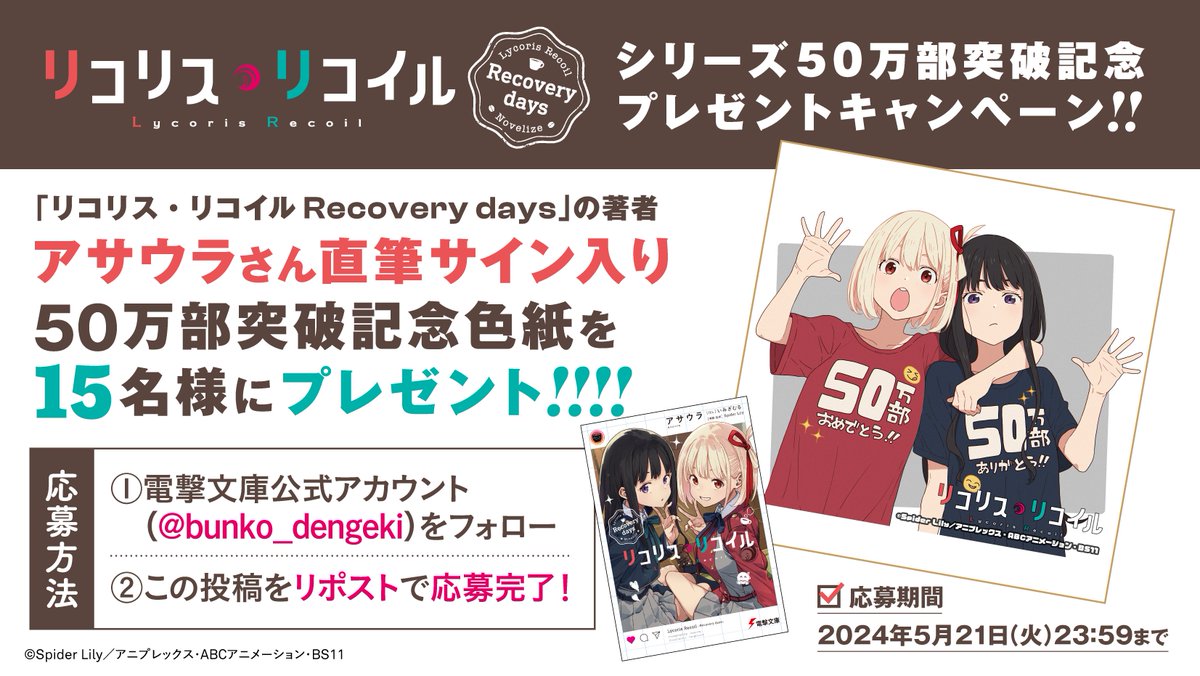
/
シリーズ50万部突破記念📢
リコリス・リコイルRecoverydays
プレゼントキャンペーン‼️
\
😀シリーズ最新刊😃
「リコリス・リコイルRecoverydays」の著者
#アサウラ さん直筆サイン入り
5⃣0⃣万部突破記念色紙を
♥️1⃣5⃣名様にプレゼント♥️
📝応募方法
①電撃文庫公式アカウント(@bunko_dengeki)をフォロー
②本ポストをリポスト
🕓応募期間
5月21日(火)23:59まで
#リコリコ
47
96
37,508

7 May 2024
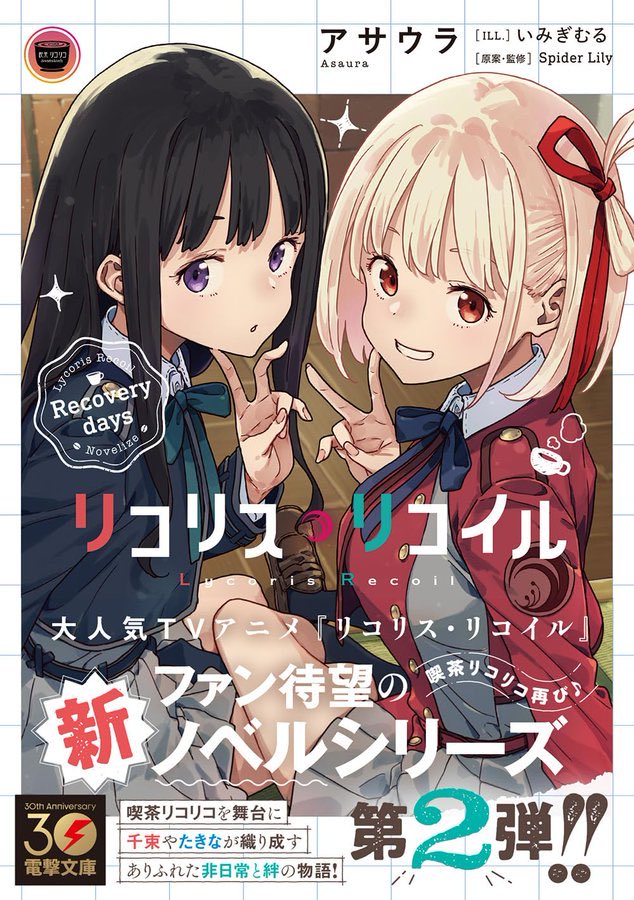
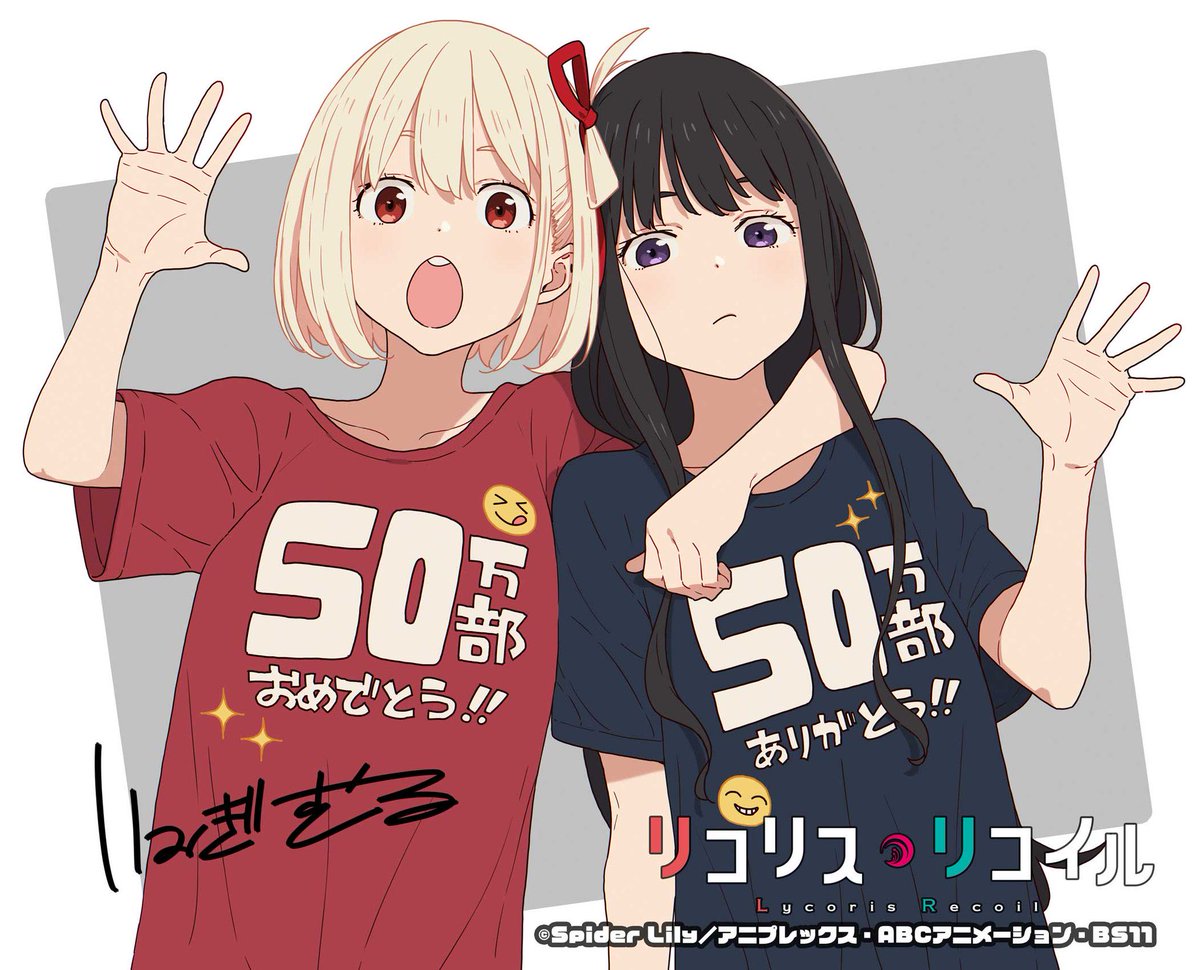
/
シリーズ50万部突破記念📢
リコリス・リコイルRecoverydays
プレゼントキャンペーン‼️
\
😀シリーズ最新刊😃
「リコリス・リコイルRecoverydays」の著者
#アサウラ さん直筆サイン入り
5⃣0⃣万部突破記念色紙を
♥️1⃣5⃣名様にプレゼント♥️
📝応募方法
①電撃文庫公式アカウント(@bunko_dengeki)をフォロー
②本ポストをリポスト
🕓応募期間
5月21日(火)23:59まで
#リコリコ
164
7,913
3,771
500,332

1 Apr 2024
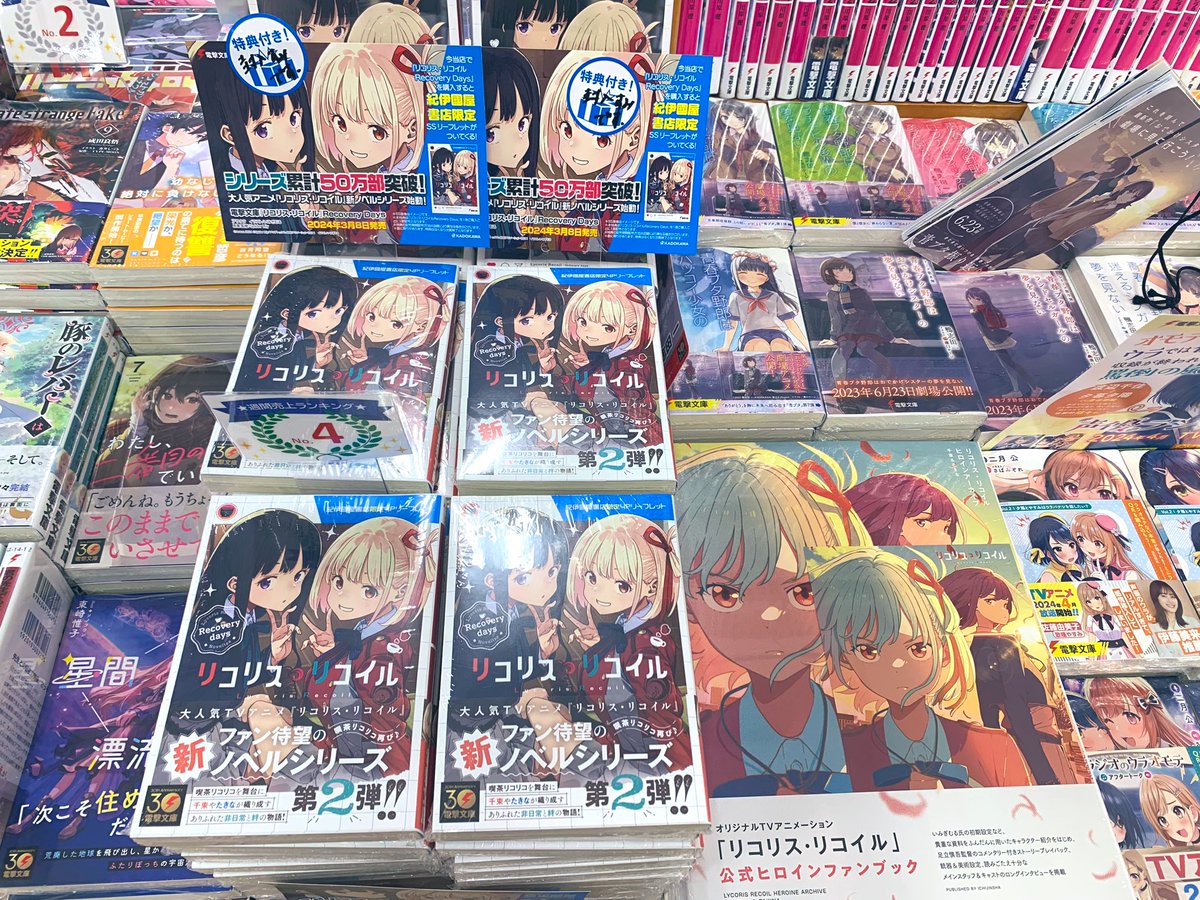
【ラノベ文庫】
お知らせ遅くなりましたが、
#電撃文庫 #リコリス・リコイル
#Recoverydays 大量入荷しております🎵当店でしか手に入らない紀伊國屋書店限定SSリーフレットついております📕是非、ご来店くださいませ🌸YK
3
385

20 Mar 2024
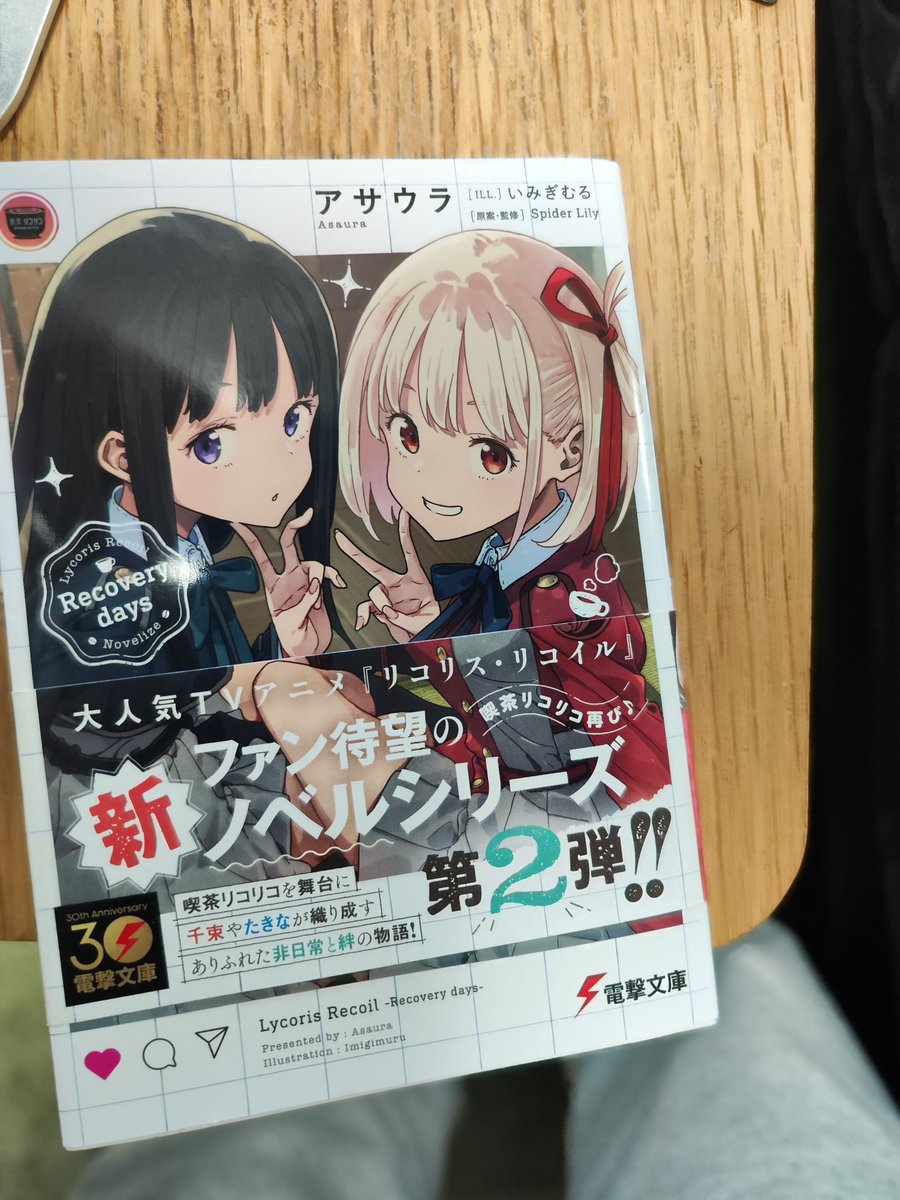
完読!
#リコリスリコイルRecoveryDays
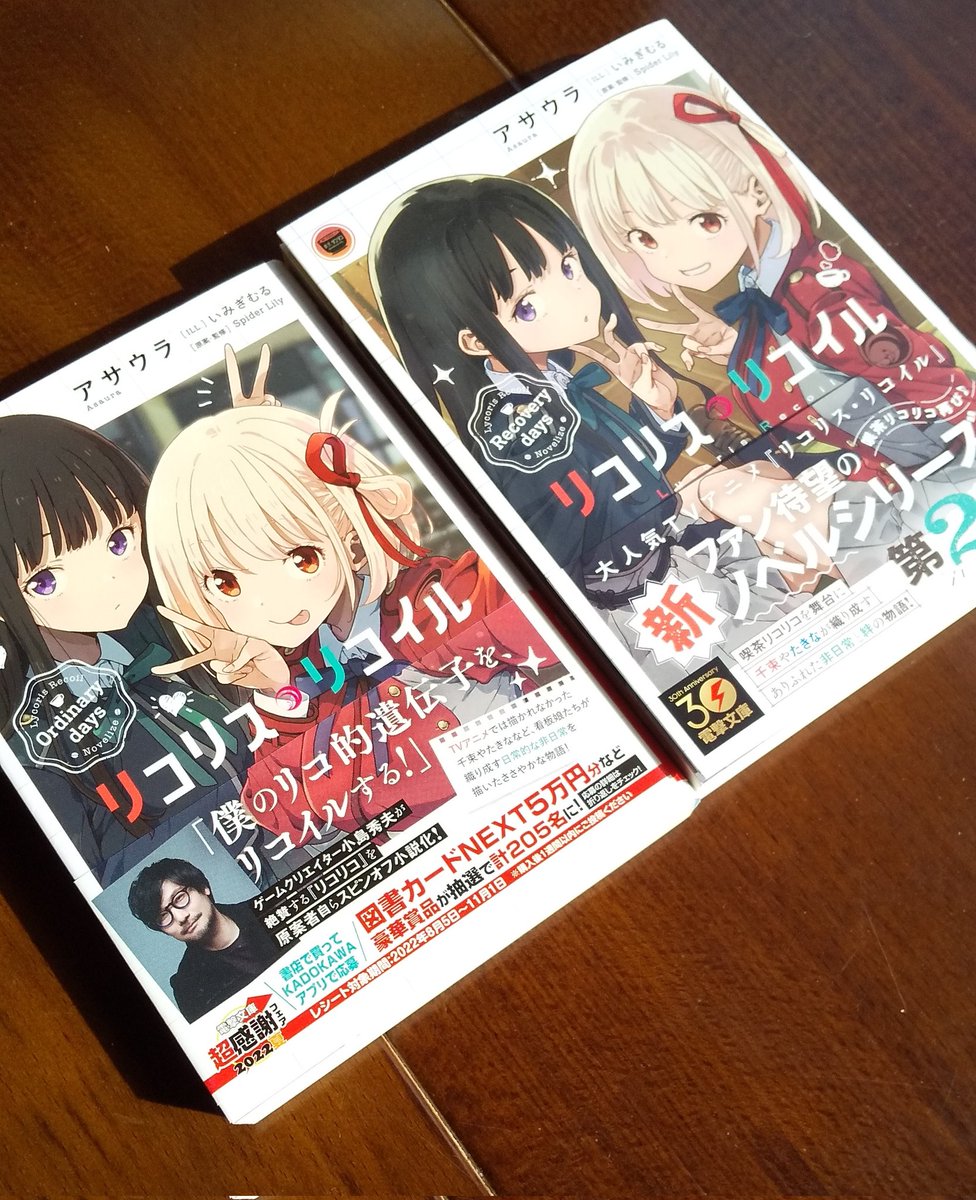
リコリコの小説第二弾。
小説の中でも千束とたきなは相変わらず元気で、今回はフキが活躍するシーンもあって面白かったす。
4
224

18 Mar 2024
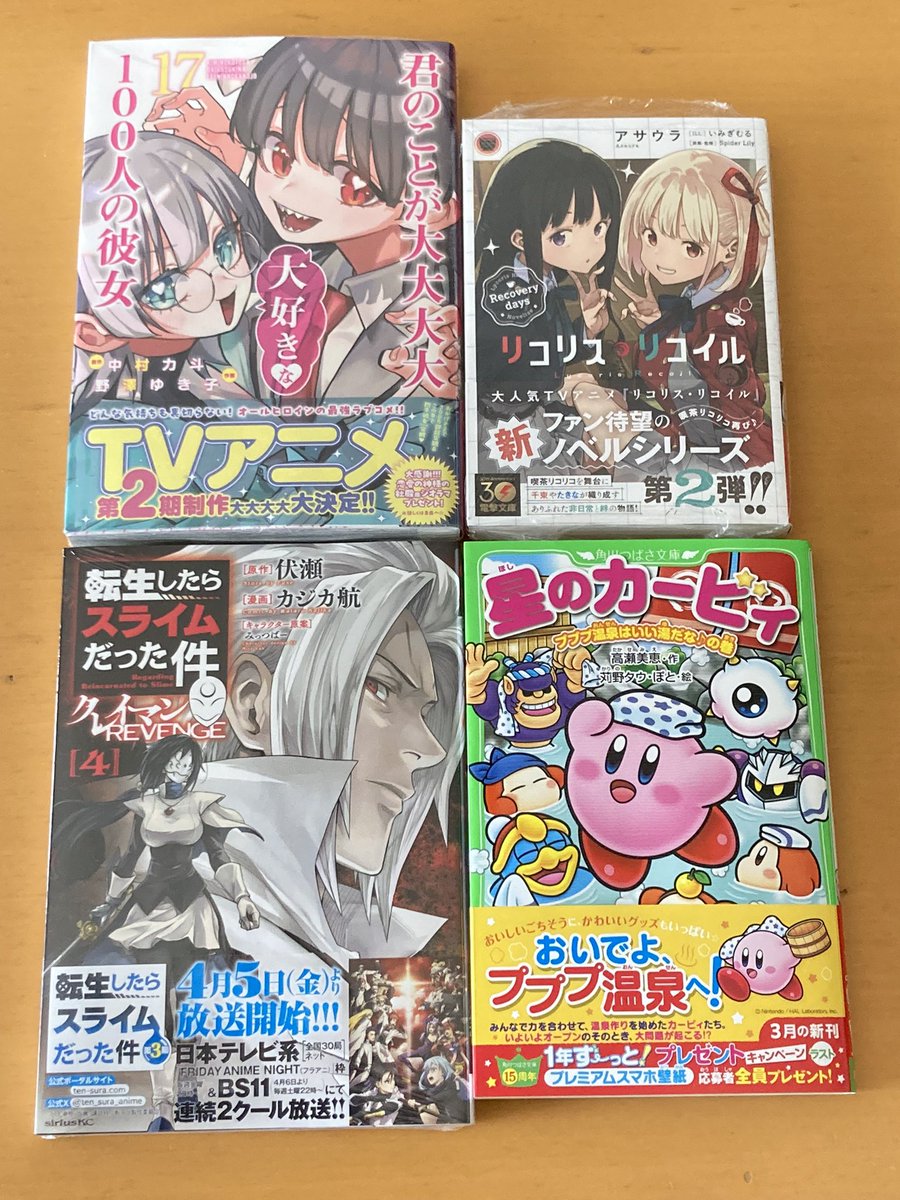
#君のことが大大大大大好きな100人の彼女
#100カノ #クレイマンREVENGE
#リコリコRecoveryDays #星のカービィ
・100カノ17巻
・リコリス・リコイルRecovery Days
・転スラ クレイマンREVENGE4巻
・星のカービィ プププ温泉はいい湯だな♪の巻
の4冊を購入しました!
これから読むのが楽しみです!
1
670

10 Mar 2024
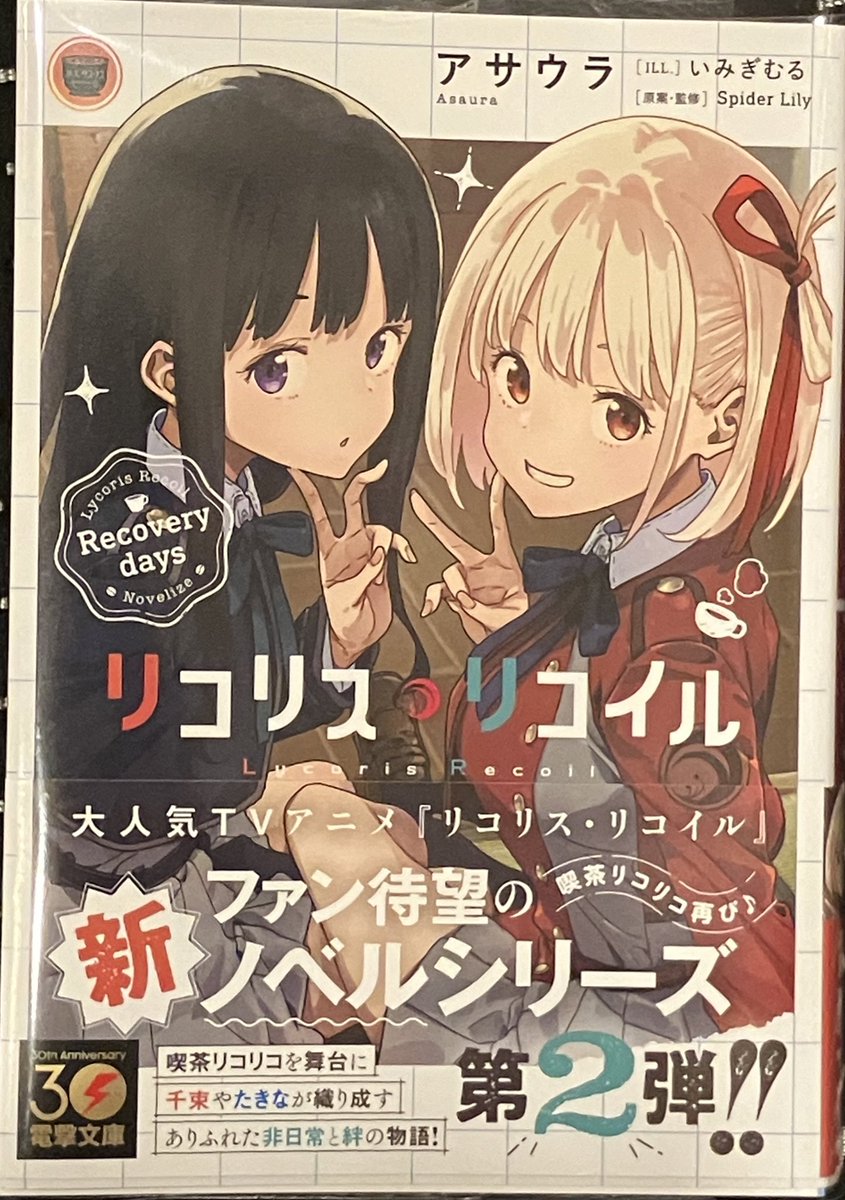
451冊目 3/10
#リコリス・リコイル #Recoverydays #アサウラ
日常ありドンパチありのリコリコスピンオフシリーズ第2弾。
前作よりたきなが千束に染められていってるのが良かった。
千束が言ってた、わざわざ映画を映画館まで観に行く理由がほんま納得過ぎる😄
2
140

10 Mar 2024
#カドカワ春の還元祭 まであと4日!
新刊の
#ようこそ実力至上主義の教室へ2年生編⑪
#リコリス・リコイルRecoverydays
#気になってる人が男じゃなかった VOL.2
#文豪ストレイドッグス 太宰、中也、十五歳③
などKADOKAWAの人気ラノベやコミックももちろん対象です📚この機会をお見逃しなく🎵
5 Mar 2024

🌸 📚 🌸 📚 🌸
#カドカワ春の還元祭
2024年3月14日(木)~
🌸 📚 🌸 📚 🌸
KADOKAWAの本を買うと
最大5⃣0⃣%還元‼
還元上限2,500円分
以降、30%還元‼
#KADOKAWAアプリ をインストールして待て📲
2
1,081

9 Mar 2024
3
547