
Nobody tells you that recovery is where performance
actually lives.
Most people train harder, sleep less, and wonder why
they plateau.
Peptides like BPC-157 and TB-500 don't just speed
healing they remodel tissue, reduce inflammation, and restore function at a cellular level.
You can't out-train a body that doesn't know how to
recover.
#PeptideTherapy #TB500 #BiohackingNP #TissueRepair #RecoveryProtocol #RegenerativeMedicine
41

Peptides are no longer just for elite athletes. Our board-certified providers at Twenty Mile Medical make performance and longevity support accessible, async, and affordable. Fill out a short form. Get reviewed. Prescription ready in under 15 minutes. All for $199 a month. No waiting rooms. No phone calls. Just results. Start your protocol today at twentymilemedical.com. #peptides #peptidetherapy #performancewellness #longevity #asynctelemedicine #twentymilemedical #telehealthcare #recoveryprotocol
4
Your recovery deserves a real protocol, not a guessing game. Twenty Mile Medical offers peptide therapy at $199 per month. Our board-certified providers review your intake form async, no phone call, no waiting room, and most visits wrap in under 15 minutes between 6am and 8pm. Licensed in 30 states. Start today at twentymilemedical.com #peptidetherapy #peptides #recoveryprotocol #asynctelemedicine #telemedicine #twentymilemedical #onlinedoctor
24

Jun 10
Here's the full stack. No BS, no shortcuts.
The Evening Recovery Protocol: last meal by 7pm, no screens after 9pm, post-dinner walk, snap your plate in ThriveXFitness.
30 days = better sleep, better hormones, better body.
Start today → link in bio. #thrivexfitness #recoveryprotocol
16

Jun 8
ทำไม "ออนเซ็น" ถึงไม่ใช่แค่เรื่องของการพักผ่อน?
ในโลกของ Longevity Medicine เรามองการแช่ออนเซ็น (Balneotherapy) เป็นเครื่องมือหนึ่งในการทำ "Hormetic Stress" หรือการสร้างความเครียดที่ดีต่อร่างกายในระดับที่พอเหมาะ
งานวิจัยยืนยันชัดเจนครับว่าการแช่น้ำร้อนในอุณหภูมิที่เหมาะสมช่วยให้เกิดผลลัพธ์ทางสรีรวิทยาที่สำคัญ:
✅ Protein Homeostasis: กระตุ้นการหลั่ง Heat Shock Proteins (HSPs) ช่วยซ่อมแซมโปรตีนที่เสียหาย ลดความเสื่อมระดับเซลล์ (หนึ่งใน 12 Hallmarks of Aging)
✅ Vascular Health: ช่วยให้หลอดเลือดขยายตัว เพิ่มการไหลเวียนของ Nitric Oxide ส่งผลดีต่อระบบหัวใจและหลอดเลือด
✅ Anti-inflammatory: ลดระดับ Cytokines ที่ก่อการอักเสบในร่างกาย
#TheLongevist #Longevity #Geroscience #RecoveryProtocol #Biohacking
1
15
38
6,559

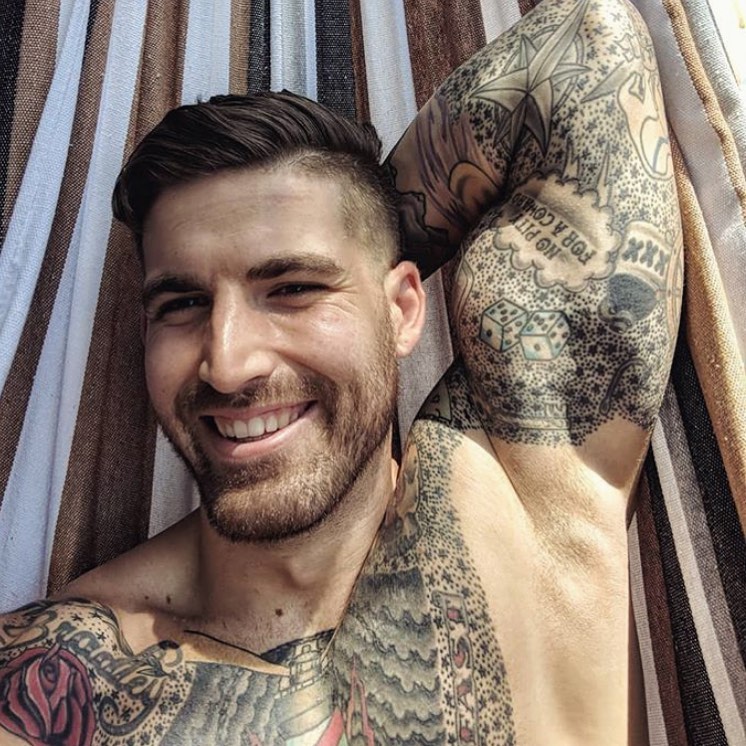
Hope you don’t get sick 🤞 but if you dowhat’s your remedy?
Mine: Alka-Seltzer, sun, ramen, ginger ale. And stay out the gym/work.#hardwork #CowboyLife #workwithyourhands #kansaslife
#backtohealthy #backtohealth #recoveryprotocol #recove #stayhome #restday #snacks #caloriedeficit
1
8
406

12 May 2025
There’s something transcendent about the stillness that follows intensity.
After a heart-pumping cardio session where your body torches calories and taps into glycogen stores my ritual begins. It’s not just a luxury; it’s neuroscience-backed self-regulation.
🧠 Cardio: Brain Fuel in Action
During cardio, your muscles rely on stored carbohydrates (glycogen), and your brain uses up to 20% of the body’s glucose, even though it only accounts for 2% of your body weight. This demand increases during sustained aerobic exertion, enhancing neuroplasticity and releasing brain-derived neurotrophic factor (BDNF), a key molecule for memory, learning, and emotional resilience. Translation? Cardio literally makes your brain sharper.
🔥 Sauna: Thermal Detox Meets Hormetic Stress
Post-cardio, I hit the sauna. Not only does this mimic the cardiovascular stress of moderate exercise, but research shows that sauna use triggers heat shock proteins that reduce inflammation and assist in cellular repair. Regular sauna sessions also increase insulin sensitivity, making your cells more responsive to glucose uptake—a win for metabolic flexibility.
🌊 Swim Laps: Hydrotherapy for Nervous System Balance
Swimming after sauna cools the body and resets the nervous system. Cold water immersion stimulates the vagus nerve, lowering cortisol and promoting parasympathetic dominance—your “rest and digest” state. It also boosts mitochondrial efficiency and glucose reuptake into muscle cells, optimizing recovery.
🌬️ Breathing Protocol: The Oxygen-Glucose Nexus
After this sequence, I close with cyclical diaphragmatic breathing—inhale 4 seconds, hold 7, exhale 8. This activates prefrontal cortex engagement, stabilizing glucose usage in the brain, enhancing executive function, and reducing post-exercise cravings. Oxygen and glucose are the brain’s main fuels; by mastering breath, we regulate both.
🧩 Why the Sequence Matters:
Cardio burns glycogen and elevates BDNF
Sauna extends the metabolic burn, enhances insulin function
Swim cools inflammation, boosts vagal tone
Breathing seals it all with neurological calm and glucose efficiency
“You can’t control your heart rate directly, but you can control your breathing—and your breathing controls your heart rate.”
— Dr. Andrew Huberman, Neuroscientist & Professor of Neurobiology, Stanford School of Medicine
Wellness isn’t indulgence it's intelligent self-leadership.
When aligned with neuroscience, your lifestyle becomes powerful medicine.
#NeuroscienceWellness #SevenGrantTravels
#HabitStacking
#RecoveryProtocol
#SevenFurrTheWorld

2
1
8
642

20 Jul 2018

2

23 May 2015
1