
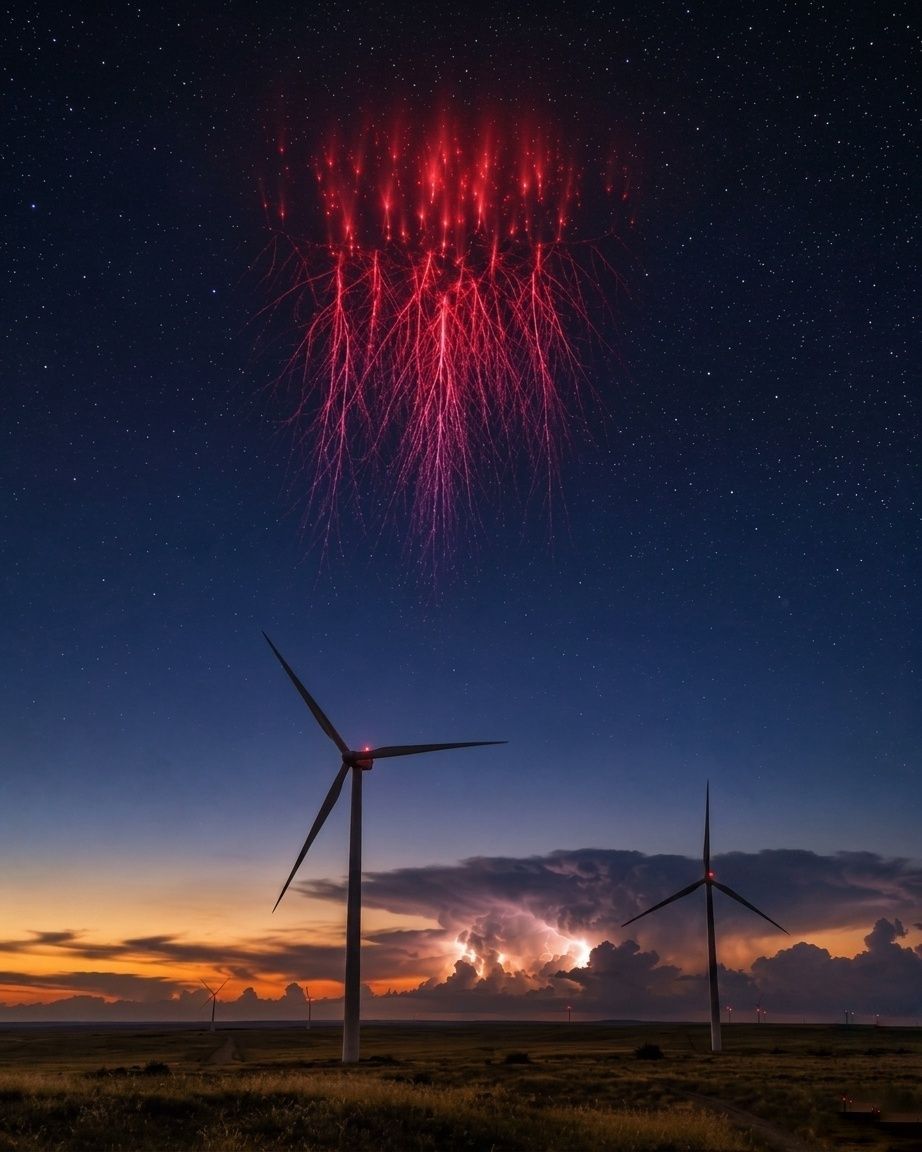
⚡ Last night over the Southern Plains, one of Earth's rarest atmospheric phenomena briefly illuminated the sky above a distant thunderstorm.
This is a Red Sprite — a colossal burst of electricity that forms high above powerful thunderstorms, reaching altitudes of nearly 100 kilometers (60 miles) at the edge of space.
Unlike ordinary lightning, sprites travel upward into the upper atmosphere and exist for only a few milliseconds, making them incredibly difficult to witness.
For decades, pilots reported mysterious red flashes above storm clouds, but many scientists remained skeptical until photographic evidence finally confirmed their existence in the late 20th century.
In this remarkable scene, a lone wind turbine stands beneath a glowing red sprite while lightning flickers along the horizon below — a stunning reminder that some of nature's most powerful displays unfold far above the clouds, hidden from view and unseen by most people.
Most people will never witness a sprite in their lifetime.
But for a brief fraction of a second, the sky revealed one of its most extraordinary secrets. ⚡🌌
📍Oklahoma Panhandle, USA
#RedSprite #Lightning #SpaceWeather #StormChasing #Astronomy #Oklahoma #Thunderstorm
3
39
138
2,008

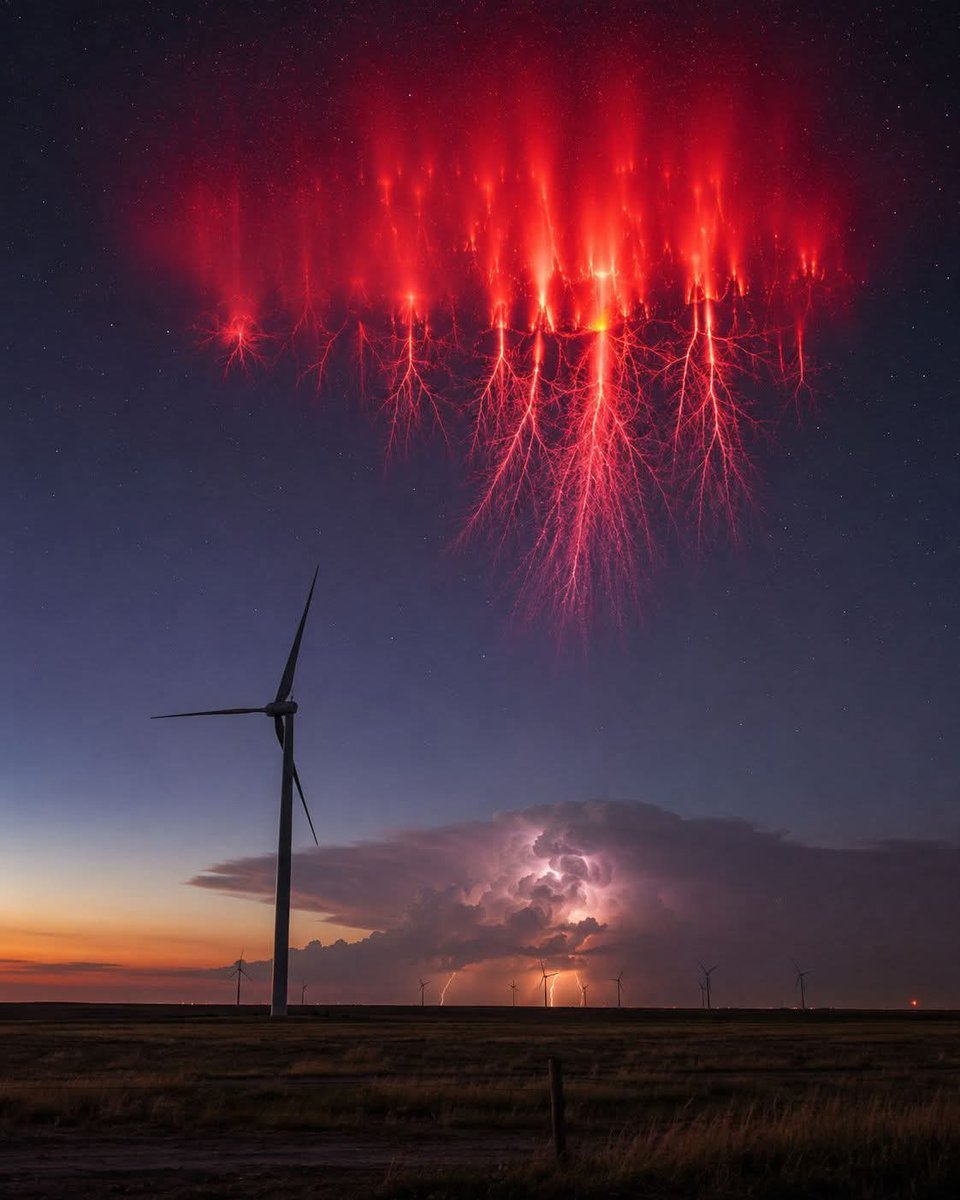
⚡ This isn't lightning.
It's a giant electrical discharge called a Red Sprite — one of the rarest weather phenomena visible from Earth.
While ordinary lightning strikes downward inside storms, sprites explode upward toward the edge of space, reaching altitudes of nearly 100 km (60 miles).
They last only milliseconds.
Most people go their entire lives without seeing one.
This incredible sprite was photographed above a storm near an Oklahoma wind farm, appearing like a glowing red jellyfish suspended over the horizon.
For decades, pilots reported seeing mysterious flashes above thunderstorms, but many scientists dismissed the sightings as myths.
Then cameras finally proved they were real.
What you're looking at is a brief connection between a thunderstorm and the upper atmosphere — a phenomenon so rare that even experienced storm chasers can spend years trying to capture one.
Nature still has a few secrets left. ⚡🌎
#RedSprite #Lightning #Weather #Atmosphere #StormChasing #Nature #Science #Astronomy #Earth #SpaceWeather #Thunderstorm #Physics #RarePhenomenon #Universe #Photography
2
2
100

Tibet’in 5000 metre yukarısında kızıl hayaletler dans etti.
26 Mayıs 2026’da kaydedilen bu nadir “Red Sprite” ve “Ghost Sprite” ışık olayı, fırtına bulutlarının üzerinde muhteşem bir enerji gösterisine dönüştü.
Doğa, atmosferin üst katmanlarında bu kadar güçlü ve gizemli bir ışık şovunu neden sergiliyor?
Siz ne düşünüyorsunuz?
#RedSprite #GhostSprite #TibetIşıklar #AtmosferGizem #DoğaMucizesi #Gizem #KomploTeorileri
4
16
988

Jun 4
A spectacular display of rare red sprite lightning over Tibet's Xizang region has captivated viewers after stunning footage captured by Chinese astrophotographer Dong Shuchang went viral online.
The video shows bright red flashes illuminating the upper atmosphere above a powerful thunderstorm. Dong also photographed the extremely rare "Ghost sprites," a phenomenon that produces a faint green glow when oxygen molecules are energised by particularly powerful red sprites.
Red sprites are a rare type of Transient Luminous Event (TLE) that occur high above thunderstorms and are difficult to observe from the ground.
The remarkable footage has drawn widespread admiration on social media, with many viewers describing the phenomenon as both mesmerising and breathtaking.
The images offer a unique glimpse into one of nature's most fascinating atmospheric events.
#tibet #china #redsprite #gdnonline #omg
1
3
538

Jun 4
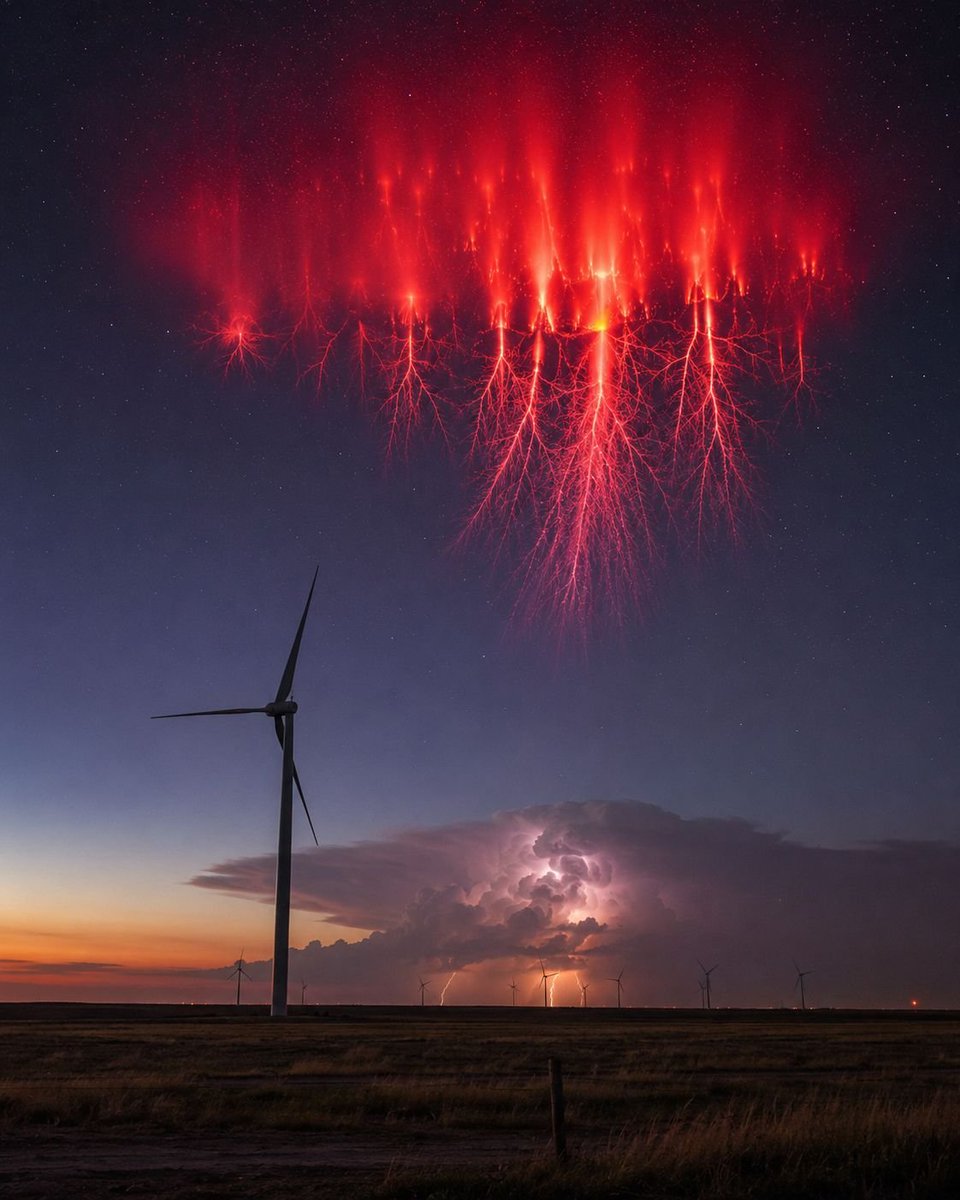
"This isn't lightning. It's a giant electrical discharge called a Red Sprite — one of the rarest weather phenomena visible from Earth. While ordinary lightning strikes downward inside storms, sprites explode upward toward the edge of space, reaching altitudes of nearly 100 km (60 miles). They last only milliseconds.
Most people go their entire lives without seeing one.
This incredible sprite was photographed above a storm near an Oklahoma wind farm, appearing like a glowing red jellyfish suspended over the horizon.
For decades, pilots reported seeing mysterious flashes above thunderstorms, but many scientists dismissed the sightings as myths.
Then cameras finally proved they were real.
What you're looking at is a brief connection between a thunderstorm and the upper atmosphere — a phenomenon so rare that even experienced storm chasers can spend years trying to capture one.
Nature still has a few secrets left."
#RedSprite #Lightning #Weather #Atmosphere #StormChasing #Nature #Science #Astronomy #Earth #SpaceWeather #Thunderstorm #Physics #RarePhenomenon #Universe #Photography
2
6
29
1,059

Jun 2
🔴 Tibet Semalarında Gizemli Görsel Şölen: "Kırmızı Sprite"lar Görüntülendi
Tibet semalarında, atmosferin üst katmanlarında meydana gelen ve nadir görülen elektrik boşalmaları olan "kırmızı sprite" (red sprite) ışık patlamaları kaydedildi. Bilim dünyasında büyük ilgi uyandıran bu doğa olayı, gece gökyüzünü büyüleyici bir kırmızı ışık hüzmesiyle aydınlattı.
#Tibet #RedSprite #Bilim #DoğaOlayları #Uzay #HavaDurumu #VaryansMedya #Astronomi #GizemliOlaylar
8
10
277

May 31
A photographer captured a rare, gigantic Red Sprite over Puma Yumco Lake in Nagarzê County, Xizang.
He said it was the first time he'd ever seen one that huge — so thrilled that he kept shooting all night!
#RedSprite #Xizang ##GoXizang #XizangVibes
2
4
381

May 27
26 Mayıs 2026 Tibet Çin 🇨🇳
Red Sprite (Kızıl Cin)
Artan atmosferik yük, zayıf manyetik stabilite ve değişen iyonosfer evrelerinde yük boşalmaları daha yoğun ve daha sık görülmeye başlandı.
#redsprite
#poleshift
7
30
1,171

Apr 26
What an incredible masterpiece! ✨
A rare red sprite captured from space — 50 miles tall, glowing pink for a split second.
God’s creation is perfect. Everything is a masterpiece.
Thank you Lord for these breathtaking reminders of Your glory! 🙏🏻
#GodsCreation #RedSprite
10
12
75
6,332

Apr 16
SpotifyのCanvas、あるのとないので印象けっこう変わる。
ZAKITOの新曲「Red Sprite」は他の曲から繋がる覚醒のストーリー性を持ちながらも、前進、応援ソング。
そして、
「見てもらいたい曲」でもあります。
ぜひ音も映像もあわせて聴いて、見て下さい♪
#ZAKITO #RedSprite
1
7
227
Apr 14
機械的な日常がどんどん過ぎていく中で、
不安や衝動に飲み込まれそうになることってあるよね。それをAIの機械声と、生身の歌でぶつけるように混ぜてみた。
そうすると、なんかよりリアルに感じた。成功してる人たちが言う「大丈夫」って、
綺麗事みたいに聞こえてしまう時がある。
自分も「まだ不安だから」って前に進めなかった時期があったよ。でも、不安を抱えたままでも進んでいいんじゃないか?
って思ったんだよね。
ZAKITOの歌は全部、
このテーマ。
「不安を消して進むんじゃなくて、不安や弱さを抱えたまま進む」。
新曲「Red Sprite」もそうだよ。
これらは昔、自分で書いた実際の日記と詩からの作品ばかりです。
「大丈夫」って言われて、不安がスッキリ消えることって…本当にありますか?
みんなの気持ち、コメントで教えてほしいな。
#ZAKITO #RedSprite #ハイブリッドボーカル #HybridVocal
3
3
16
748
Apr 12
🔥 スマイルKさん、新曲の告知ありがとうございます😭!!
「Red Sprite」、めっちゃカッコよく仕上がりました✨
空を裂く赤い軌道と雲海のビジュアルに、ハイブリッドボーカルで感情をぶち込んだ一曲になりました。
「迷いを越えて前へ進む衝動」を感じてほしい作品です😆
スマイルKさんもおっしゃる通り、概要欄も超注目です!
感想聞かせてください♬
#ZAKITO #RedSprite #新曲 #ハイブリッドボーカル
Apr 11

ZAKITO - Red Sprite (Official Lyric Video)|空を裂く赤い軌道 youtu.be/YDUQRwlxR1U?si=0Vrc… @YouTubeより
🎵✨新曲✨🎵
👏😍✨🍀✨🤩👍
概要欄を最後まで読んで
さらに✨( ˶>ᴗ<˶)✨ゎ‹ゎ‹ゎ‹🎵
#ハイブリッドボーカル
#ZAKITOさん
1
2
177

Mar 12
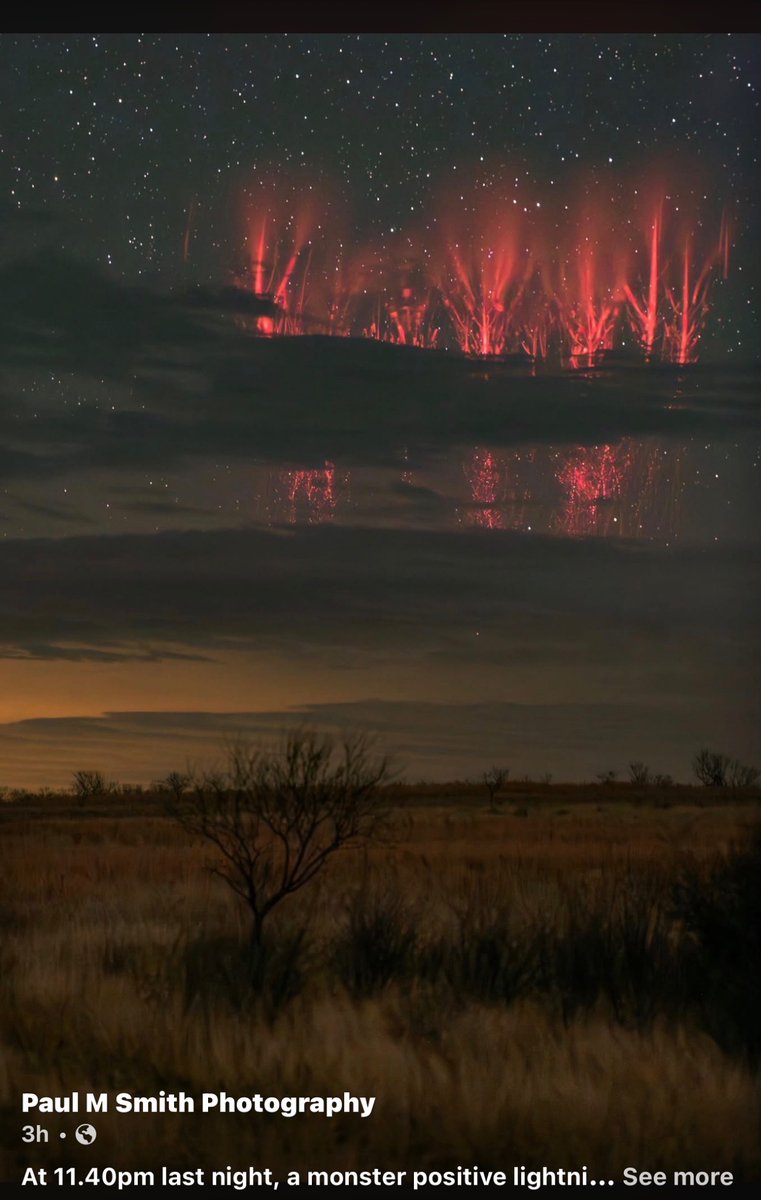
Oklahoma trending for the RIGHT reasons! 🌩️🔴
Monster positive lightning bolt lights up the sky over Norman... and from Texas, @PaulMSmithphoto captures this EPIC giant red sprite exploding above the storm!
Jellyfish from space vibes – nature's fireworks on steroids! 🤯 Who's seen anything wilder?
#Oklahoma #RedSprite #Lightning #NaturePhotography #StormChasing
1
4
7
82

Feb 22
Splatoonの歴史の中で大会シーンにおけるベストバウトってのがやっぱ存在するんだけど1,2はもう一生動かない
この2試合
初代:Splatoon Champion Ship Winter 敗者側決勝 NK vs AA(特にヒラメホコ)
2:Splatoon甲子園九州大会Day2 決勝 〆る者たち vs RedSprite
2
252
Jan 29
23-24 Ocak 2026 Nagoya Japonya 🇯🇵
Red Sprite (Kızıl Cin)
Yükseklik 101 km
Genişlik 50 km
#redsprite
#atmosphere
#poleshift
2
15
724

¡Buenos días! Una vez más, durante la madrugada, la cámara que monitorea el #Volcán #Popocatépetl captura los increíbles pilares de luz. Qué maravilla nos regala la naturaleza, ¿verdad?
Vistas Altzomoni. Gracias #CENAPRED #timelapse #redsprite #tormentasolar
6
82
457
13,252
Estos pilares de luz fueron captados durante la madrugada por la cámara que monitorea el #Volcán #Popocatépetl ¿Se trata de #RedSprites o estamos ante algo diferente? ¿Qué opinas?
Vistas Altzomoni. Gracias #CENAPRED #timelapse #redsprite #tormentasolar
youtube.com/watch?v=rayKu7F6…
15
234
985
39,415

26 Nov 2025
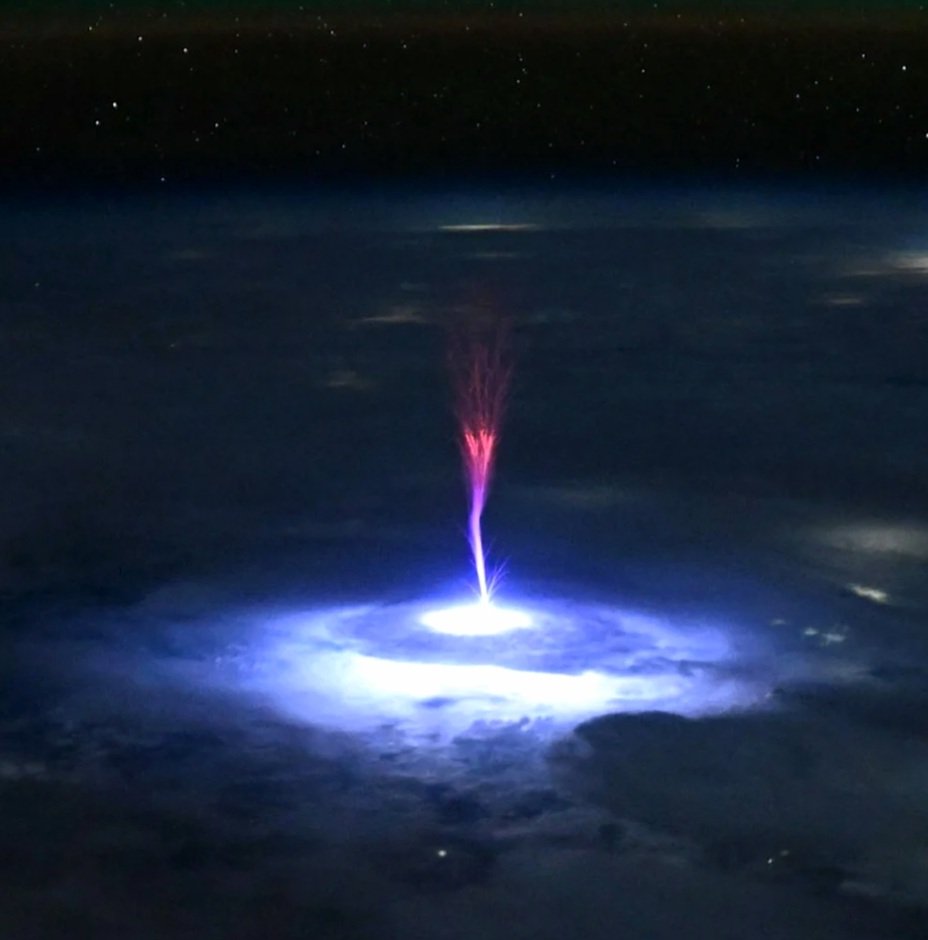
🟥 🌩 This image beautifully captures a red sprite, a rare and transient upper-atmospheric phenomenon, photographed from the International Space Station (ISS).
❤️ 🔁 #RedSprite #UpperAtmosphericLightning
🎞 @NASA
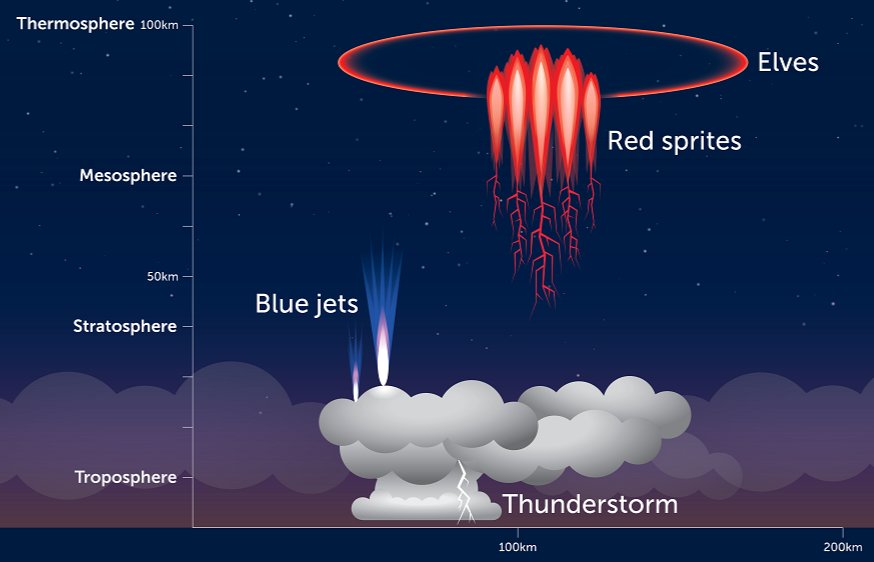
▶️ Red sprites are large-scale electrical discharges that occur high above thunderstorm clouds, typically at altitudes of 50–90 km (mesosphere and lower ionosphere).
They appear as reddish-orange jellyfish-like structures with dangling tendrils below and diffuse glowing regions above.
In this photo, you can clearly see:
▪️ The bright central column with a vivid red-to-purple hue
▪️ Faint downward-streaming tendrils (the “jellyfish tentacles”)
▪️ A bluish-white carrot-shaped core at the top
▪️ The curved limb of Earth with a thin green airglow layer and the blackness of space beyond
Part of an astronaut’s arm in the foreground, giving scale and context.
▶️ Sprites are triggered by powerful positive cloud-to-ground lightning strokes ( CG) in the underlying thunderstorm.
Here’s the simplified process:
↘️ A strong CG lightning bolt removes a large amount of positive charge from the thundercloud top to the ground.
This suddenly leaves the cloud top with a huge excess of negative charge.
↘️ The intense electric field above the storm breaks down the air at mesospheric altitudes (where air pressure is extremely low).
↘️ Electrons avalanche upward and downward, exciting nitrogen molecules, which emit the characteristic red light (primarily the 1st positive band of N₂ at ~650–750 nm).
The blue/violet tones come from ionized nitrogen (N₂⁺).
Because they occur so high and last only milliseconds, sprites are usually only visible from space or from very distant, dark locations on the ground with an unobstructed view above active thunderstorms.
1
1
3
184

10 Nov 2025
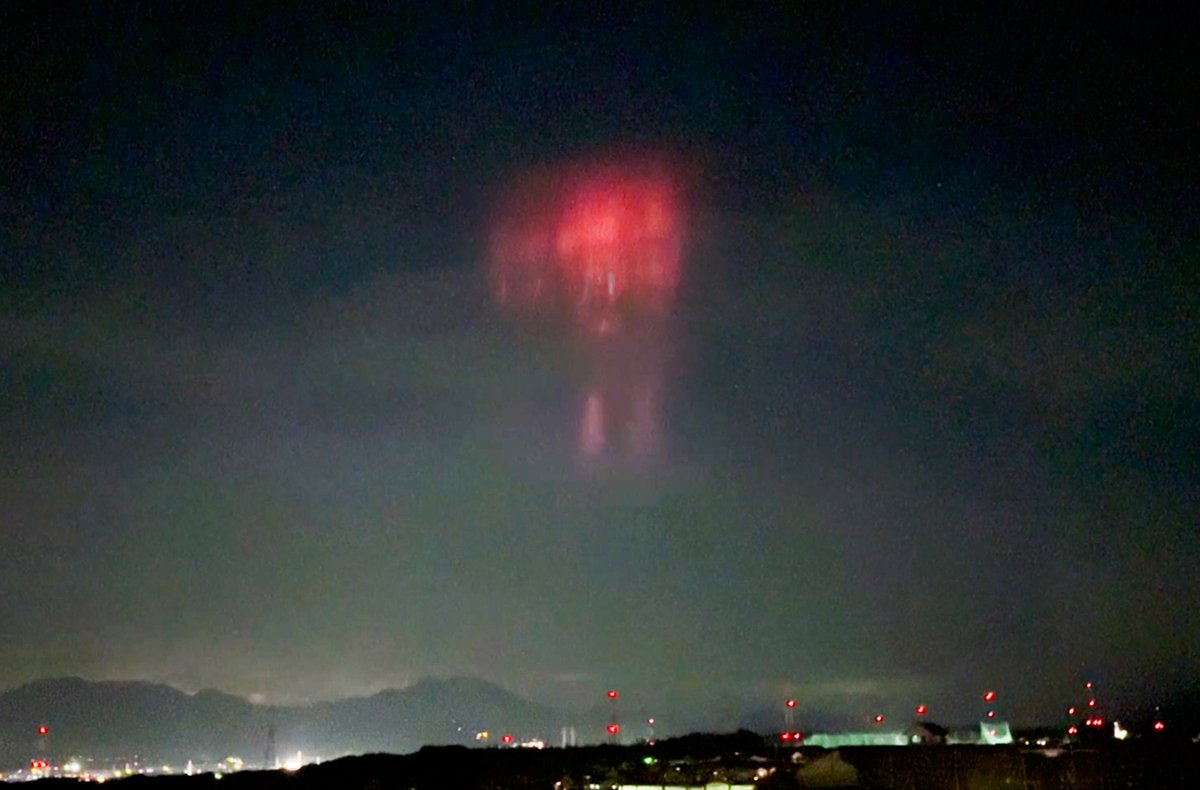
2025-09-02 19:40頃 三重県北部
まだ公開してなかったスプライトの画像。この日の中ではこれが最大でした。
一部が雲に隠されていますが、根っこのような構造のテンドリルも写っています。#レッドスプライト #redsprite
2
22
687

10 Nov 2025
Αν είναι από κινητό αυτή η λήψη είναι πολύ καλή και σπάνιο να καταγραφεί . H κοκκινη λάμψη είναι #redsprite . Τα red sprites είναι παροδικά φωτεινά φαινόμενα (TLEs) που εμφανίζονται ψηλά πάνω από ισχυρές καταιγίδες, ως ηλεκτρική απόκριση — κυρίως σε ισχυρά θετικά κεραυνικά πλήγματα προς το έδαφος.
Το ύψος εμφάνισης στο κύριο σώμα είναι περίπου 50 με 90 km (στη μεσόσφαιρα).Τα καθοδικά ινίδια/”ρίζες”: μπορεί να φτάνουν προς τα κάτω έως ~30–40 km και έχουν διάρκεια μερικά χιλιοστά του δευτερολέπτου !
Εμφανίζονται πάνω από το στρωματικό τμήμα μεγάλων συστημάτων (MCS), σε νύχτα καθαρή/ξηρή, παρατηρούνται καλύτερα από απόσταση ~200–400 km.
1
1
12
250