Luckyevich Cipollino² retweeted

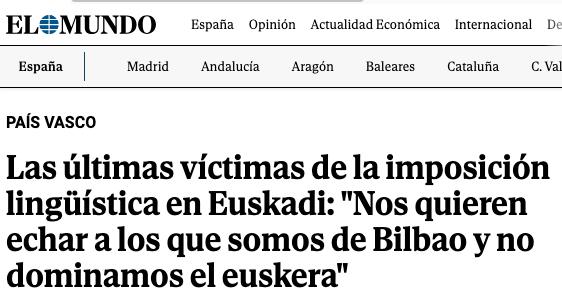
Que este panfleto iba a enfocar así el tema no se pagaba en Betfair.
De paso, estaría bien que el redactor, el tal Josean Izarra, supiera lo que significa UPV, que no es 'Universidad Pública Vasca' sino Universidad del País Vasco, o sea, Euskal Herriko Unibertsitatea.


1
2
81
Rosario Esquibel retweeted

15h
Habría que enseñarle derecho al redactor de Exitosa. Admitir a trámite una apelación no es rectificar.
3
11
319

2️⃣ 𝗚𝗘𝗠𝗦: 𝗧𝗨𝗦 𝗔𝗦𝗜𝗦𝗧𝗘𝗡𝗧𝗘𝗦 𝗗𝗘 𝗜𝗔 𝗣𝗘𝗥𝗦𝗢𝗡𝗔𝗟𝗜𝗭𝗔𝗗𝗢𝗦
Abre Gemini → ve a la barra lateral izquierda → haz clic en "Gems" → "Crear nuevo."
Esto te permite construir tu propio asistente de IA personalizado diseñado para una sola tarea específica.
Un tutor de Python que enseña exactamente como tú prefieres.
Un redactor de emails entrenado con tu tono personal.
Un coach de fitness adaptado a tu horario y objetivos.
Un planificador de comidas que solo recomienda recetas según tu dieta.
¿La mejor parte?
Tu Gem recuerda permanentemente sus instrucciones, estilo y propósito.
Eso significa que ya no tienes que repetir:
"Actúa como…"
"Recuerda esto…"
"Usa este tono…"
Cada nuevo chat arranca con tu configuración personalizada ya cargada y lista para trabajar.
Básicamente convierte a Gemini en un equipo de empleados IA especializados que creas en minutos. 🤯
1
235

VIDIZMO Redactor processes dashcam, security camera, and incident footage submitted to insurance claims with full PII redaction.
Faces, license plates, voices, and identifying details of third parties are blurred or removed before the file leaves the policyholder or the carrier. Claims investigation continues with the relevant evidence intact, no privacy lawsuit attached.
#Redactor #VideoRedaction #InsuranceClaims #DashcamPrivacy #DataPrivacy #PrivacyCompliance #ClaimsManagement #Insurance

1
Esteban Bolaños retweeted

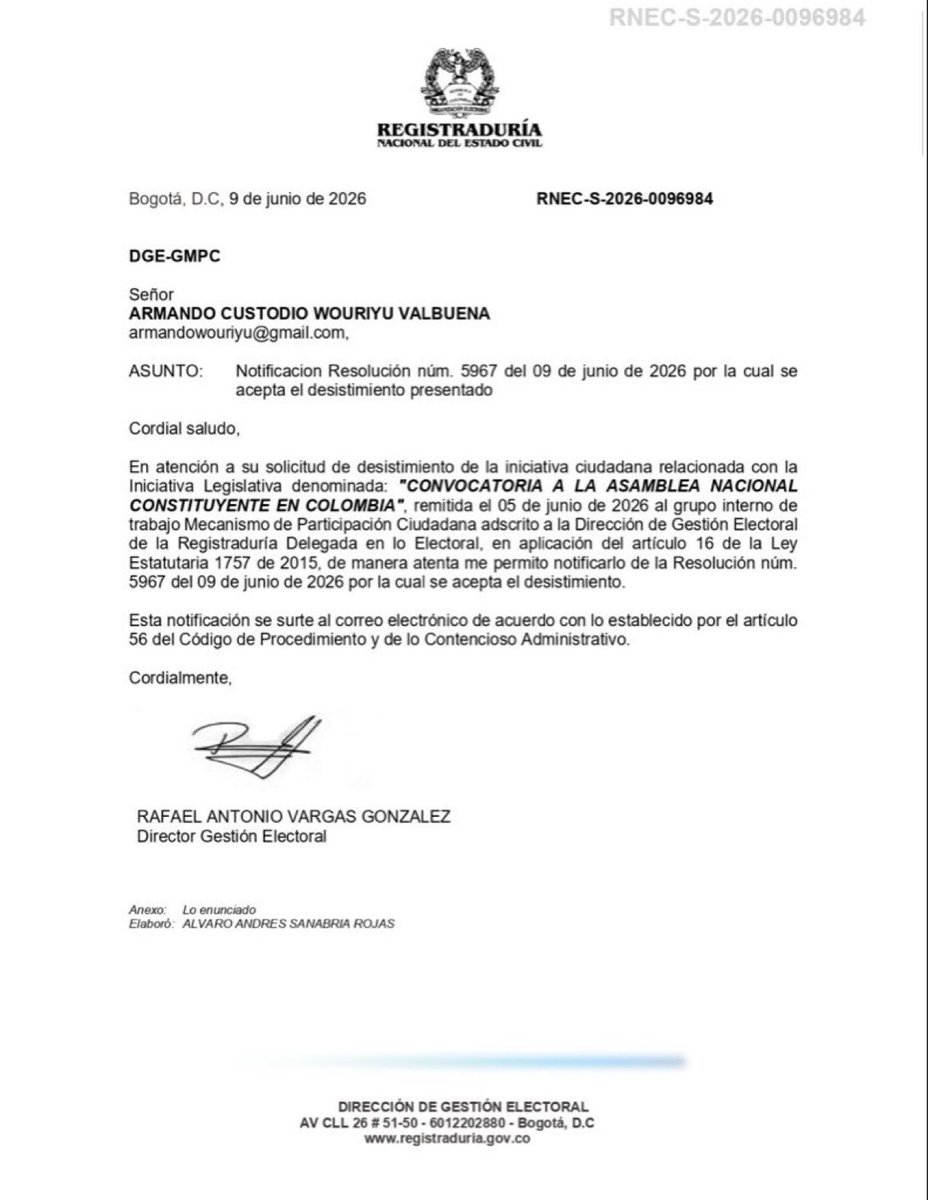
Manuel José Cepeda, redactor en gran parte de lo que hoy se conoce como JEP. Figura que hoy quiere eliminar de la Espriella para evitar el cierre del conflicto con farc hoy imprudentemente suma a la ola mentirosa de información para que la gente vote con miedo.
Lo cierto es que ya se retiró la constituyente. Está entrevista es mentirosa.

‘Creo que la iniciativa de reforma constitucional sigue viva’: Manuel José Cepeda / La entrevista de María Isabel Rueda
eltiempo.com/justicia/cortes…
4
5
541

Si fuera la abuela o madre del redactor pensaría lo mismo.
Albiol publica la foto de un detenido al que califica de "escoria humana" y afirma que lo devolvería "a nado a Marruecos" msn.com/es-es/noticias/espan…
1
1
18

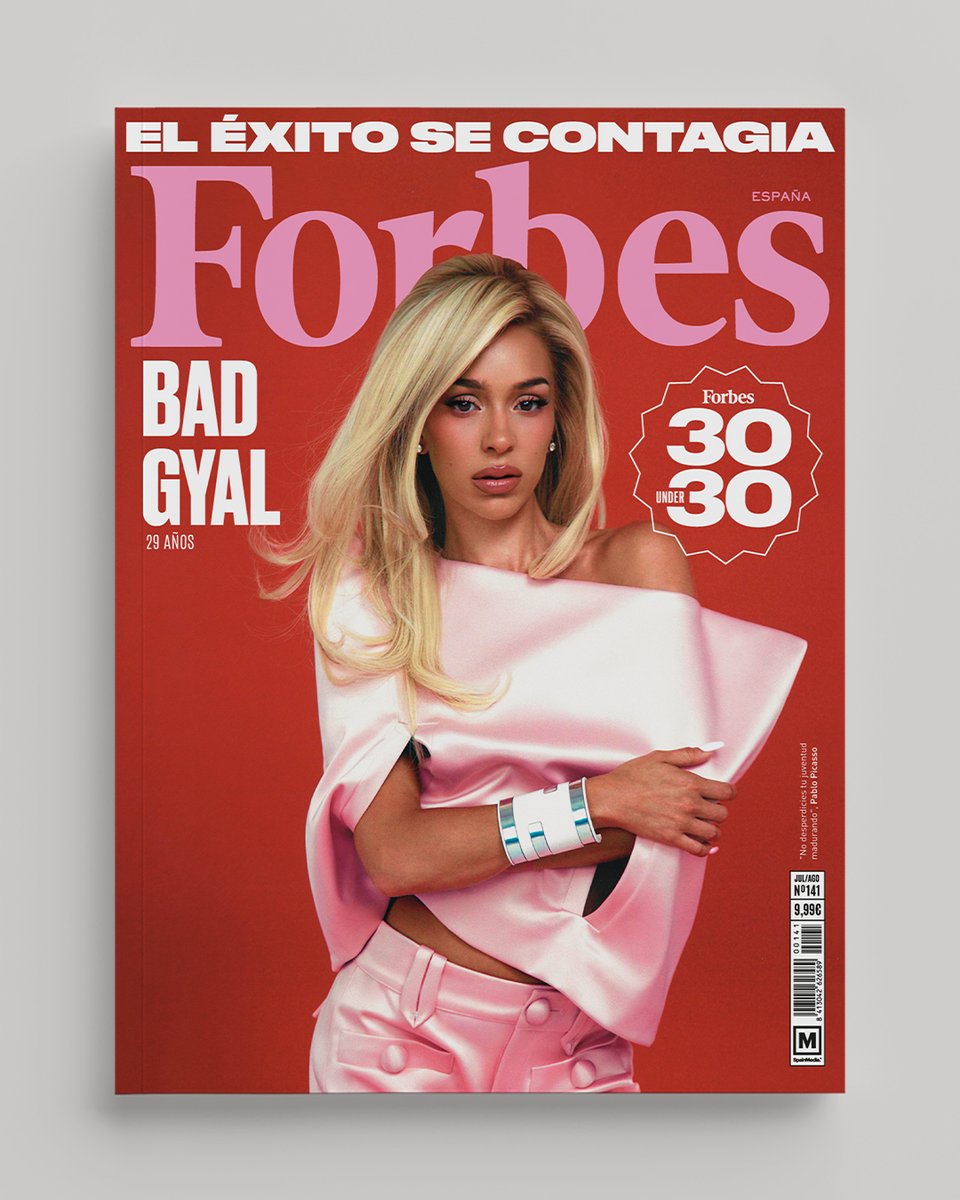
“Bad Gyal es una parte de Alba”, explica. “Lo que pasa es que Alba tiene matices y partes que no representan la identidad de Bad Gyal”, que es más marcada, más hermética. La artista pone el talento, la fuerza, el descaro, los límites y la persona vigila la calidad y el descanso: “Alba está ahí de controladora de la parte más personal para poder seguir tirando”. Diez años después de darse a conocer, Alba Farelo, vive su mejor momento: nuevo álbum, gira internacional, millones de oyentes y ahora, la única portada de la lista Forbes 30 under 30 España, 2026.
Bad Gyal, Forbes 30 under 30, 2026
El éxito se contagia ✨
Editor y director: @ArodSpainMedia
CEO: Ignacio Quintana
Director general: Cristiano Badoch
Directora de proyecto Forbes 30 Under 30: @palomaleyra
Fotógrafo: Giovanni Fedele
Makeup: @PlastikVenus
Hair: Max Moodhair por REDKEN
Estilismo: Juls Puig
Asistente de fotografía: Arkaitz Azurmendi
Retoque: Pablo Rivera
Producción: PAN CREATIVE STUDIO
Subdirector: @danielentrialgo
Redactor jefe: @manupinon
Redactora Jefe de Economía de SpainMedia:@BeaTriguero
Project Manager: @cris_rome
Director Digital: Javier Díaz de Lezana
Redactores: Francesco Fusi, Lucía Pérez Rodríguez, Marina Inglés y Lorena Sacritan
Social Media Manager: María García-Tenorio
Social Media Editor: @evaarroyoo, Aitana Dorado @sofiiaadiiaazz
Dirección Creativa: @luisin2772
Supervisora de arte: Silvia Dorado
Responsable de Vídeo: Javier Robles Álvarez
Realizadores audiovisuales: Oscar La Red y Roberto Pinterest
Editora de vídeo: Jimena Jurado
Audiovisual Business Manager: @carloscordoba_
Diseñadores gráficos: @leo_ber_me , @sgmachicado, Marco Garcés
Brand Content Manager: @Eva Pla
Maquetación: n.ZO Studio
Director Comercial de Forbes: Juan Rodríguez Belloso
1
3
8
355
Francisco Villanueva 🇪🇺🇪🇸 retweeted

Jun 16
#Cultura #Música
🎤
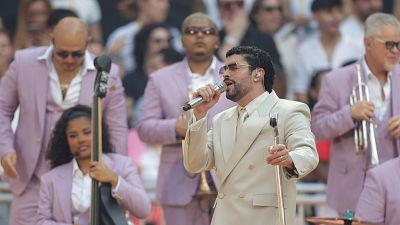
No nos podíamos perder uno de los grandes eventos del año, y nuestro redactor @FranciscoVill87 estuvo ayer viendo y escuchando a #BudBunny, quien bate todos los records en España con sus doce conciertos.
🔗revista.lamardeonuba.es/bad-…
2
2
47

A ver redactor. En ese contexto valenciano se escribe en minuscula, pero como tú estás pensando y sabes que lo evaluado es catalán se te ha ido la mano y "l'afició catalanera" t'ha jugat una mala pasà. 🤡🤡catalans

La nota de Valenciano en selectividad cae desde que se puede conseguir un C1
✍️ Joaquín Batista lasprovincias.es/comunitat/n…
5
A ver redactor. En ese contexto valenciano se escribe en minuscula, pero como tú estás pensando y sabes que lo evaluado es catalán se te ha ido la mano y "l'afició catalanera" t'ha jugat una mala pasà. 🤡🤡catalans
12

🔛Miguel Ángel Patiño, Redactor Jefe de @expansioncom, da la bienvenida a los asistentes al evento ‘Energía en transformación’ #TransformacionEnergeticaEXP

1
1
21

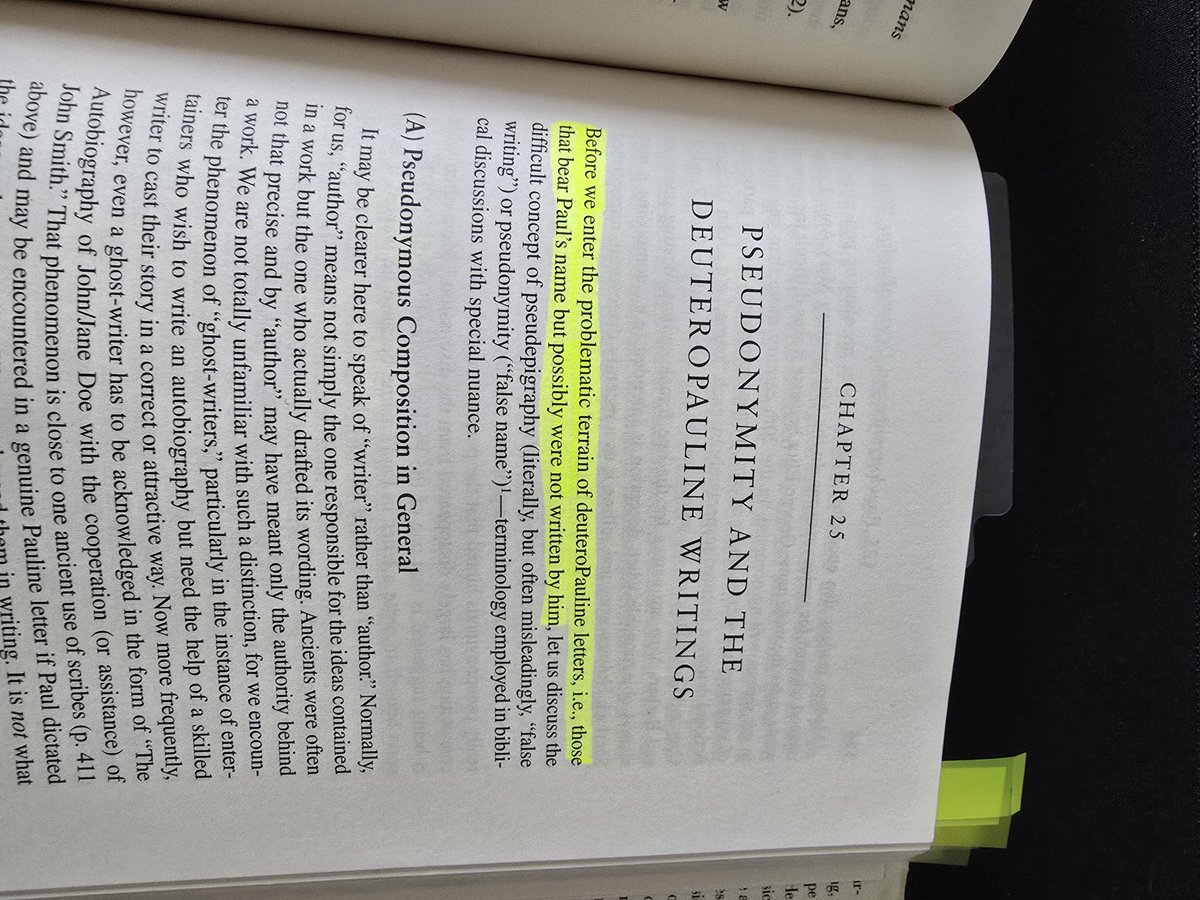
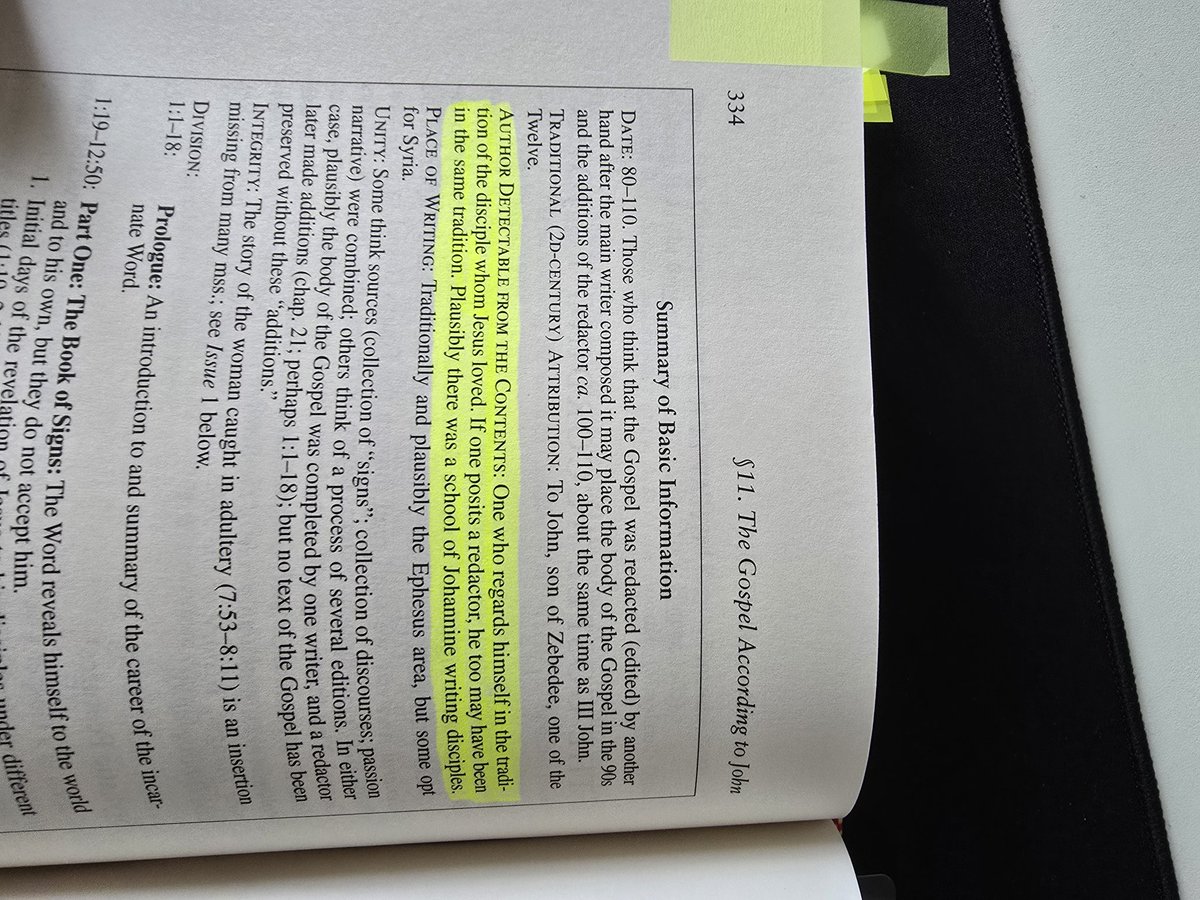
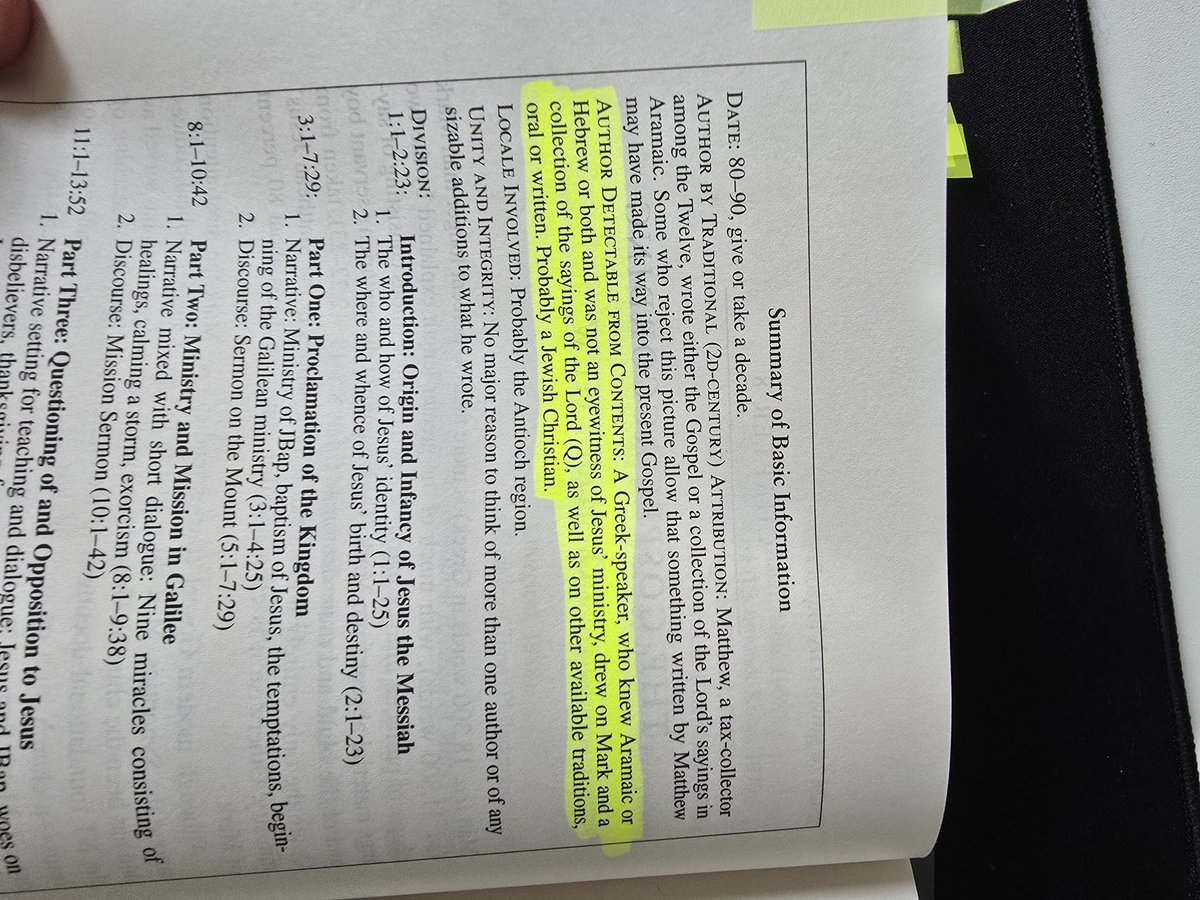
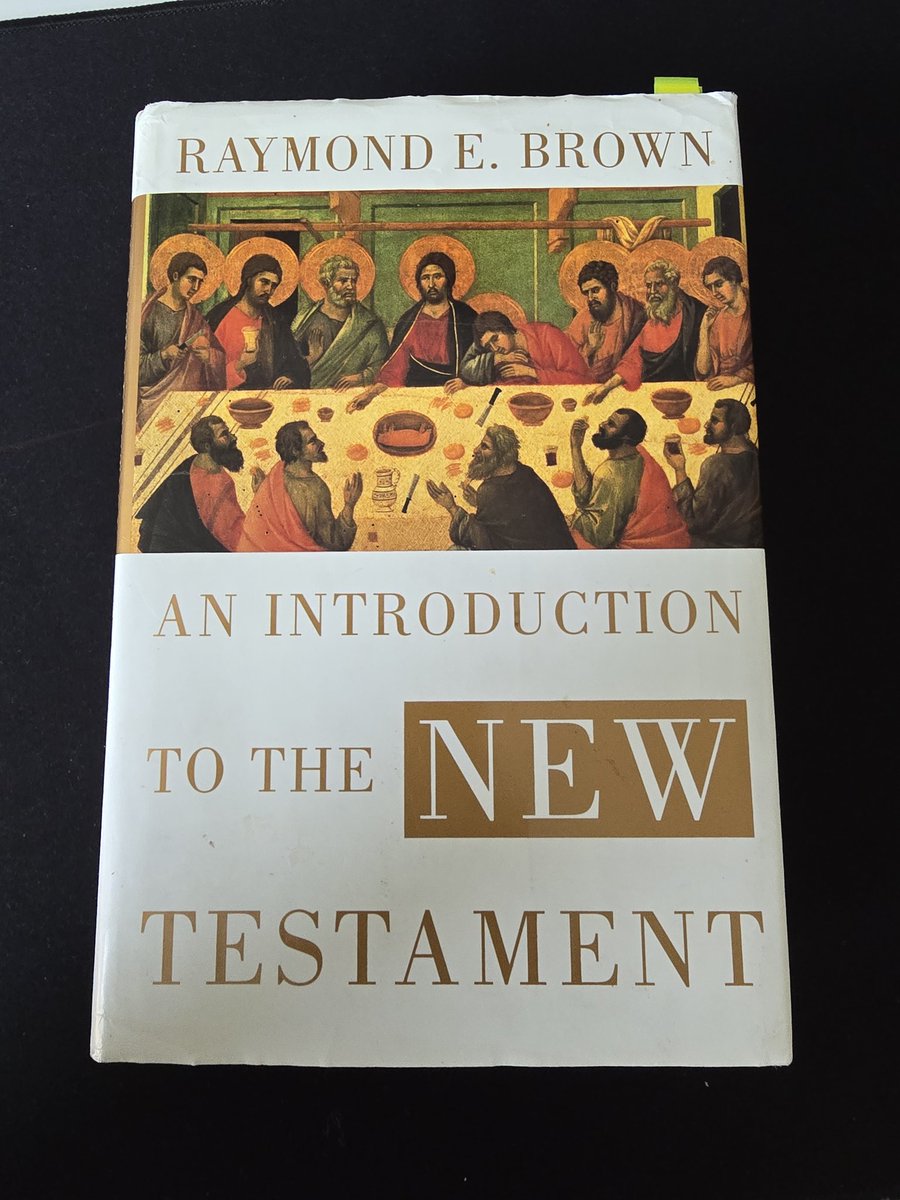
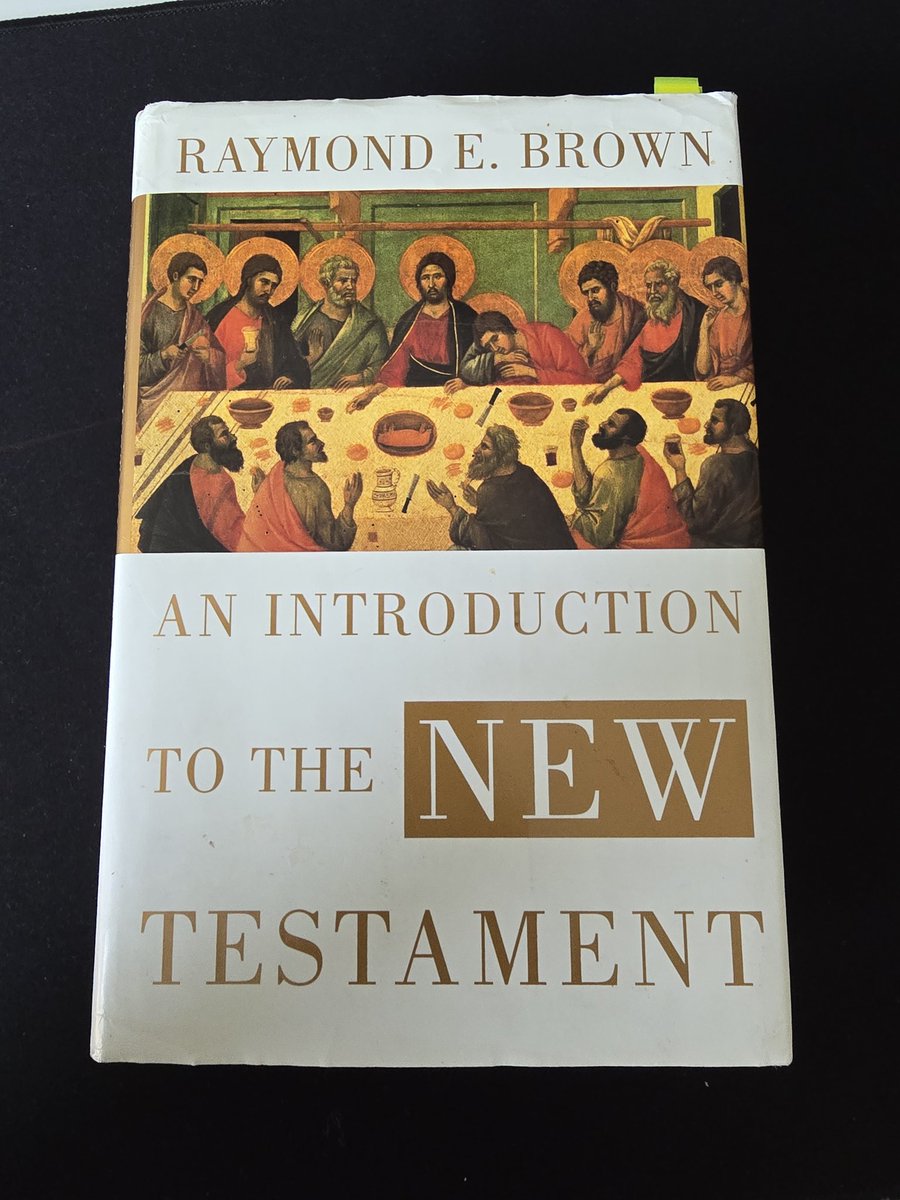
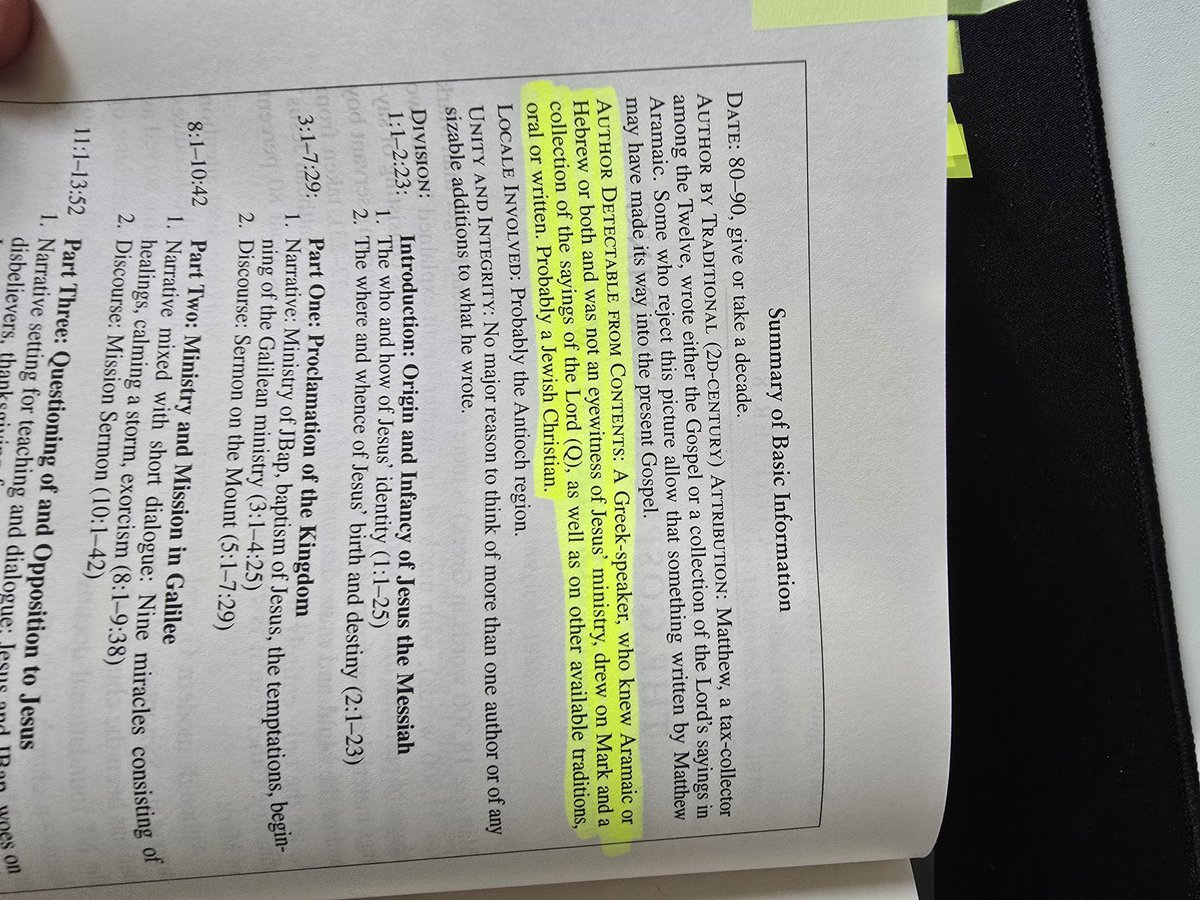
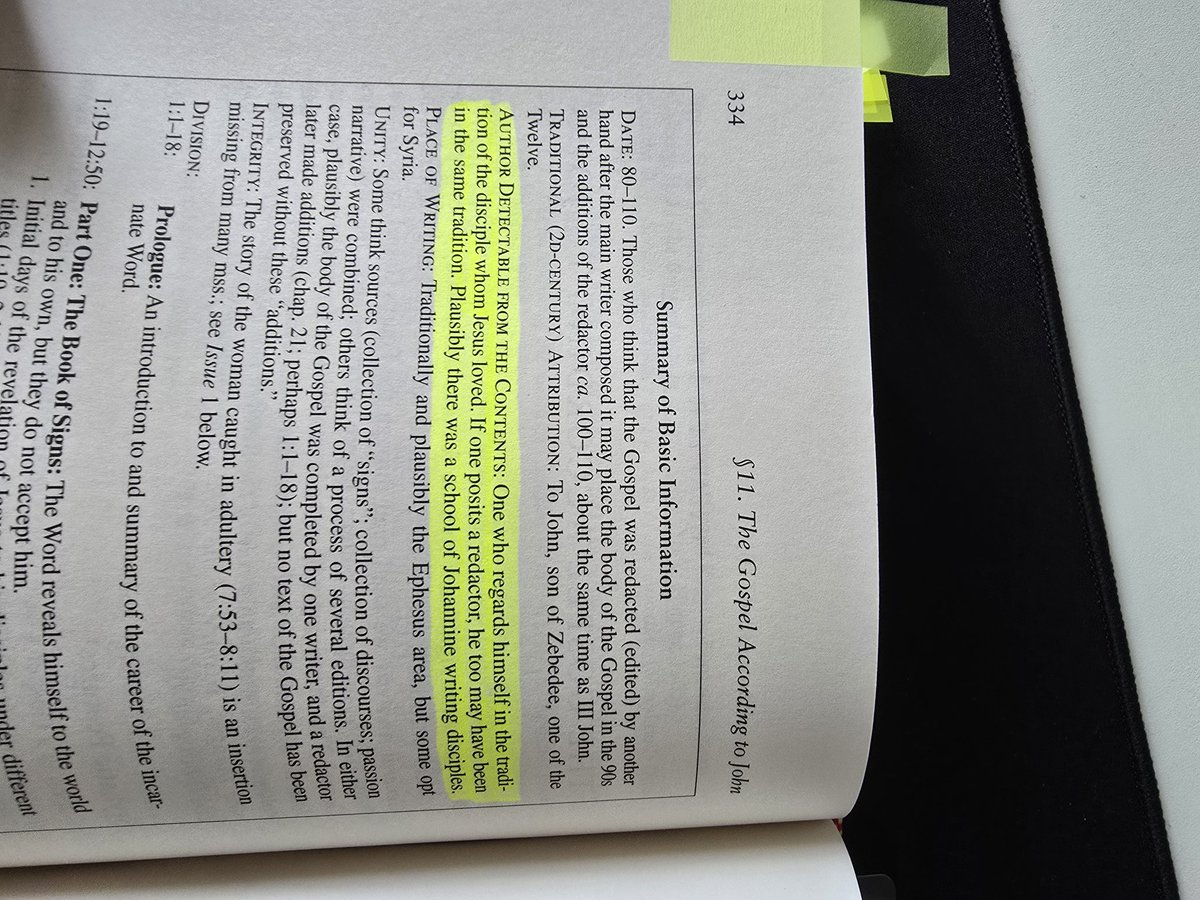
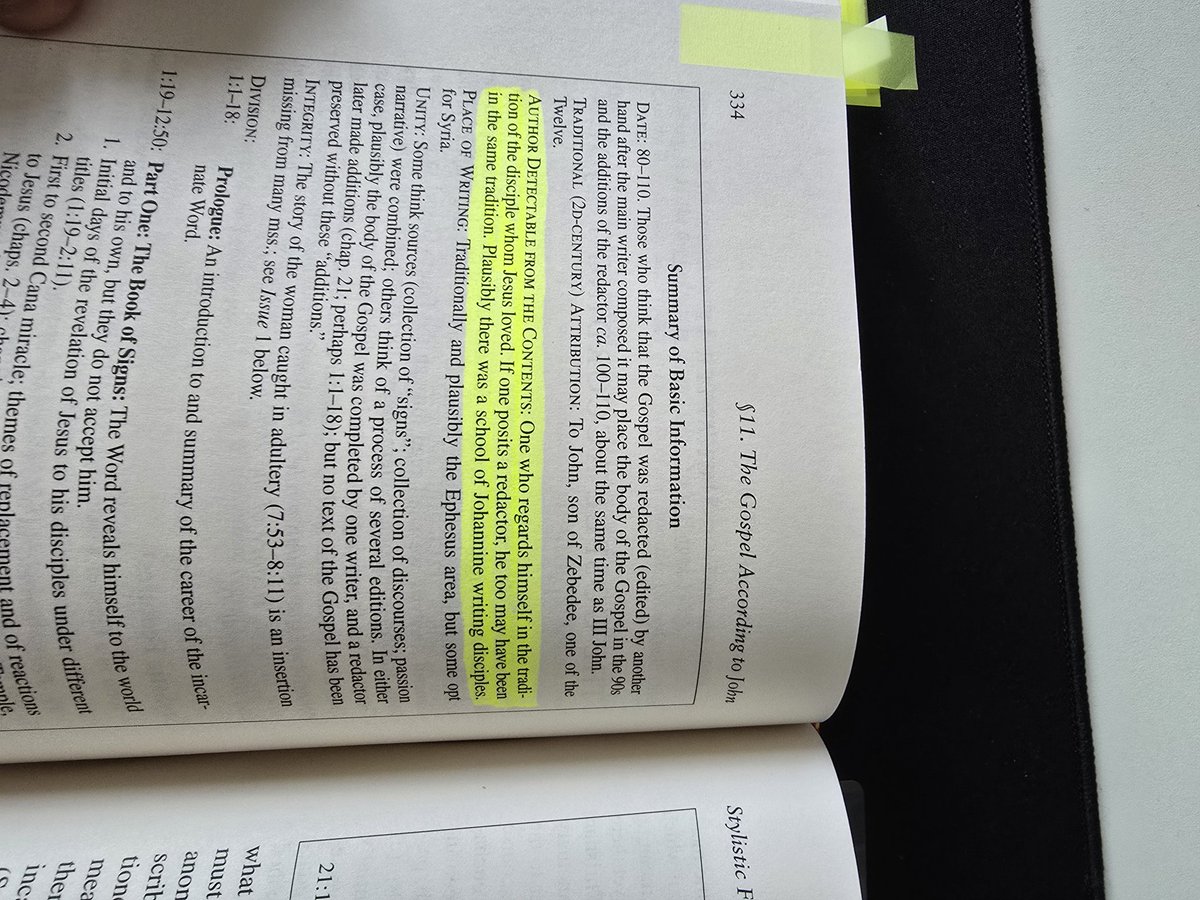
You say, "30-60 years later while witnesses and enemies were alive is the gold standard of history." Yet the very scholars who study the New Testament professionally acknowledge that the Gospels are not straightforward eyewitness memoirs. Raymond E. Brown explicitly states that Matthew is best understood as a Greek-speaking Jewish Christian who drew on Mark, Q, and other traditions, not necessarily the apostle Matthew himself. Regarding John, Brown says the Gospel likely passed through a Johannine school and may even have been edited by a later redactor. So the issue is not simply when a text was written. The issue is who wrote it, what sources they used, and how those traditions reached them.
Your argument also assumes that writing something down automatically guarantees historical reliability. That is historically naive. A written story can preserve accurate information, but it can also preserve embellished, theological, legendary, or mistaken information. Historians do not ask merely, "How old is the manuscript?" They ask, "Where did the author get his information?" Luke himself tells you he was not an eyewitness and that he relied on traditions handed down by others. In other words, your own Gospel already contains a chain of transmission before a single word was written.
The irony is that you mock oral transmission while depending on texts that emerged from oral transmission. Mark was not dropped from heaven as a completed manuscript. Matthew was not written the day after the crucifixion. John was not a courtroom transcript. These texts emerged from decades of preaching, teaching, remembering, interpreting, and transmitting traditions within Christian communities. That is precisely why scholars spend so much time discussing sources such as Mark, Q, Johannine traditions, redaction layers, community influence, and editorial activity.
Even worse for your argument, Raymond Brown openly discusses disputed authorship, Johannine schools, editorial additions, and the possibility that some New Testament writings bearing apostolic names were not actually written by those apostles. He even devotes discussion to pseudonymous Pauline writings. So while you are mocking hadith literature as "folklore," New Testament scholars are debating anonymous authorship, redaction, source theories, community traditions, and pseudonymous compositions inside your own canon.
And then there is the double standard. When Muslim scholars preserve chains of transmitters, biographies, dates, teacher-student relationships, variant reports, and evaluations of reliability, you call it "oral gossip." But when a Gospel appears without an isnad, without named transmitters for most of its material, without biographical scrutiny of the intermediaries, and often without certainty regarding authorship itself, suddenly that becomes the "gold standard of history." That is not historical methodology. That is special pleading.
The reality is that historians care about sources, transmission, and verification. Hadith scholars spent centuries documenting exactly those things. By contrast, for many Gospel traditions we do not know who transmitted them, how many intermediaries existed, or how the information moved from eyewitnesses to the final author. You cannot dismiss isnads as worthless and then appeal to texts that usually provide even less transmission data. That is not an argument; it is a contradiction.
So no, this is not "1st-century written ink versus 9th-century gossip." It is a comparison between a tradition whose transmitters were scrutinized individually and a tradition whose sources often have to be reconstructed by modern scholars through literary theories because the chains were never preserved in the first place. The fact that a story was written earlier does not magically answer the question of how the story reached the author. That is exactly the question hadith criticism was designed to address.
1
1
3
90
You say, "30-60 years later while witnesses and enemies were alive is the gold standard of history." Yet the very scholars who study the New Testament professionally acknowledge that the Gospels are not straightforward eyewitness memoirs. Raymond E. Brown explicitly states that Matthew is best understood as a Greek-speaking Jewish Christian who drew on Mark, Q, and other traditions, not necessarily the apostle Matthew himself. Regarding John, Brown says the Gospel likely passed through a Johannine school and may even have been edited by a later redactor. So the issue is not simply when a text was written. The issue is who wrote it, what sources they used, and how those traditions reached them.
Your argument also assumes that writing something down automatically guarantees historical reliability. That is historically naive. A written story can preserve accurate information, but it can also preserve embellished, theological, legendary, or mistaken information. Historians do not ask merely, "How old is the manuscript?" They ask, "Where did the author get his information?" Luke himself tells you he was not an eyewitness and that he relied on traditions handed down by others. In other words, your own Gospel already contains a chain of transmission before a single word was written.
The irony is that you mock oral transmission while depending on texts that emerged from oral transmission. Mark was not dropped from heaven as a completed manuscript. Matthew was not written the day after the crucifixion. John was not a courtroom transcript. These texts emerged from decades of preaching, teaching, remembering, interpreting, and transmitting traditions within Christian communities. That is precisely why scholars spend so much time discussing sources such as Mark, Q, Johannine traditions, redaction layers, community influence, and editorial activity.
Even worse for your argument, Raymond Brown openly discusses disputed authorship, Johannine schools, editorial additions, and the possibility that some New Testament writings bearing apostolic names were not actually written by those apostles. He even devotes discussion to pseudonymous Pauline writings. So while you are mocking hadith literature as "folklore," New Testament scholars are debating anonymous authorship, redaction, source theories, community traditions, and pseudonymous compositions inside your own canon.
And then there is the double standard. When Muslim scholars preserve chains of transmitters, biographies, dates, teacher-student relationships, variant reports, and evaluations of reliability, you call it "oral gossip." But when a Gospel appears without an isnad, without named transmitters for most of its material, without biographical scrutiny of the intermediaries, and often without certainty regarding authorship itself, suddenly that becomes the "gold standard of history." That is not historical methodology. That is special pleading.
The reality is that historians care about sources, transmission, and verification. Hadith scholars spent centuries documenting exactly those things. By contrast, for many Gospel traditions we do not know who transmitted them, how many intermediaries existed, or how the information moved from eyewitnesses to the final author. You cannot dismiss isnads as worthless and then appeal to texts that usually provide even less transmission data. That is not an argument; it is a contradiction.
So no, this is not "1st-century written ink versus 9th-century gossip." It is a comparison between a tradition whose transmitters were scrutinized individually and a tradition whose sources often have to be reconstructed by modern scholars through literary theories because the chains were never preserved in the first place. The fact that a story was written earlier does not magically answer the question of how the story reached the author. That is exactly the question hadith criticism was designed to address.
3
50

¿Qué polémica?
Si la víctima fuera la madre o la abuela del redactor, "escoria humana" sería lo más suave que puede decir.
11

Seguramente no hayan vivido ningun redactor de este panfleo ni de otro de idelogia similar lo que implica que, a una persona mayor le roben, implica que, esa persona le va a costar salir a la calle, implica el susto, implica angustia, implica problemas de salud.
4
42
Yolanda Pavón Sebastián retweeted

Síii, a mí me han bloqueado los Vibras por decirles si ya habían hecho redactor jefe al Penas

1
3
60