
Mar 11
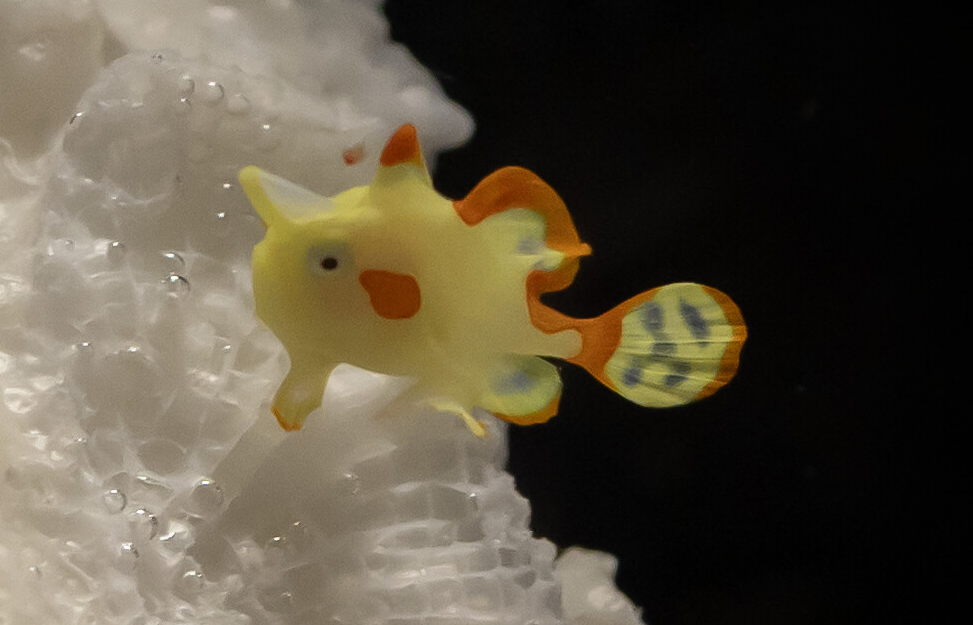
#Aquarists at the @shedd_aquarium have announced the latest #aquaculture breakthrough! The first Warty #Frogfish spawned, hatched, and raised in an #aquarium! Check out the press release! coralmagazine.com/2026/03/11…
#antennarius #fish #fishbreeding #marineaquarium #reeffish
5
161
CORAL REEF RESEARCH NEWS: How evolution shapes color diversity in coral reef fish
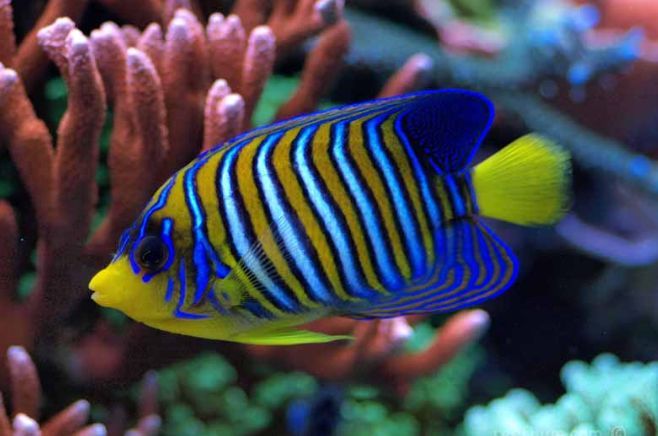
Why does a Caribbean angelfish sometimes resemble its Indo-Pacific cousin, even though they have never lived in the same ocean? Why do coral reefs harbor such a wide range of stripes, spots and patterns? A study conducted by the University of Liège reveals that this explosion of color patterns is not the result of chance. The more species that make their home in a reef, the more varied the patterns, and fish from different oceans often end up looking alike, guided by the same deep biological constraints. The study is published in the journal BMC Biology.
Read full review here: phys.org/news/2026-03-evolut…
#coralreefs #coralreefnews #coralresearch #reeffish #coralreeffish #coralreefecology #fishresearch #angelfish #marinebiology
3
104
🐟 Yellow Tang 💛
A classic reef favorite! Bright, bold, and full of personality — the Yellow Tang brings vibrant color and life to any marine aquarium.
🛒 Shop now: tinyurl.com/4fsjszy2
#YellowTang #SaltwaterFish #MarineAquarium #ReefTank #AquariumLife #TangFish #ReefFish
1
2
37
CORAL REEF NEWS: Food chains in Caribbean coral reefs are getting shorter
Read full story here: sciencenews.org/article/cora…
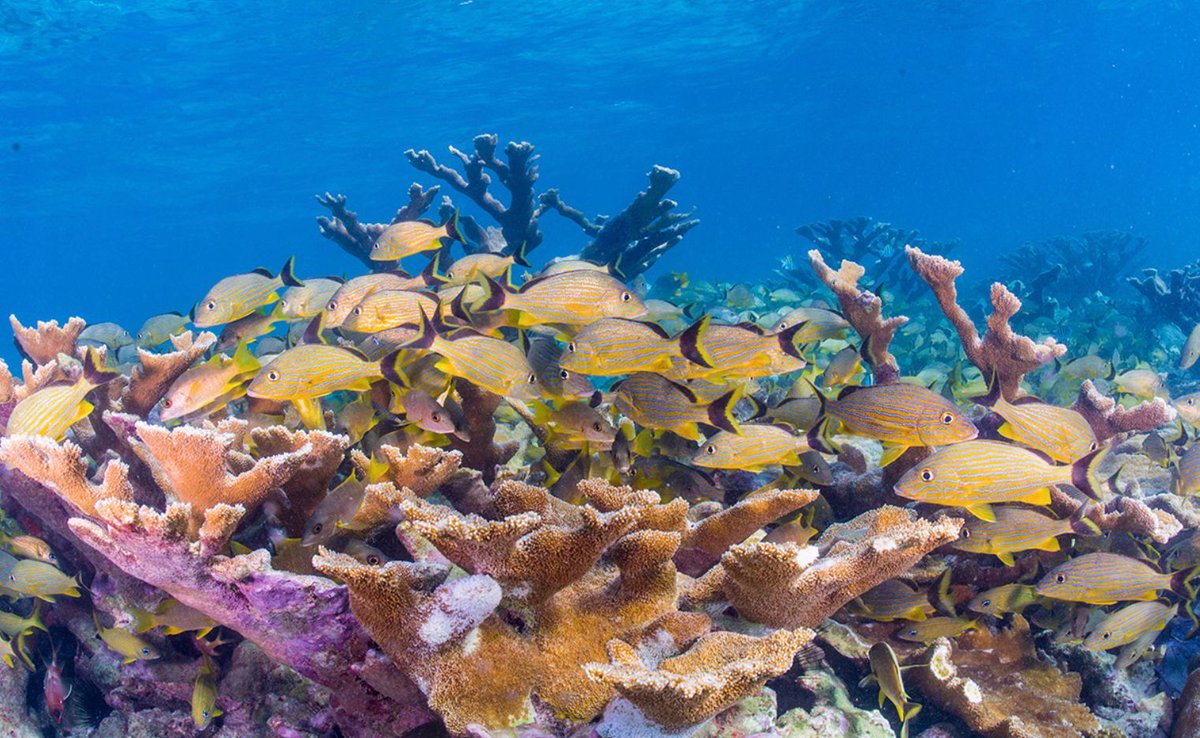
Modern food chains on coral reefs off the coasts of the Dominican Republic and Panama are roughly 60 to 70 percent shorter than they were around 7,000 years ago, researchers report February 11 in Nature. Habitat loss and overfishing may have pushed more species to compete for fewer resources and repositioned some fish groups within the ecosystem’s food chain. The findings suggest fish could be less able to adapt if food sources suddenly become scarce, perhaps making today’s reefs even more vulnerable in an already changing environment.
“Understanding the food webs helps us understand the health of the reef,” says Jessica Lueders-Dumont, a fisheries ecologist and geochemist at Boston College in Chestnut Hill, Mass. “If we could go back, scuba dive on the same reefs a couple thousand years ago, what would they look like?”
Rather than time travel, Lueders-Dumont and colleagues examined fossilized and modern fish ear stones called otoliths that are important for movement and hearing. Otolith shape depends on species, and the team measured the amount of a heavy form of nitrogen to determine which critters were lower or higher in the food chain. Animals higher in the food chain, like sharks, have higher ratios of heavy nitrogen over a lighter form. Prey have a lower ratio.
#coralreefs #coralfish #reeffish #caribbean #foodweb #fish #coral #otoliths #trophicrelationships #coralreefecology #marinebiology
1
3
110

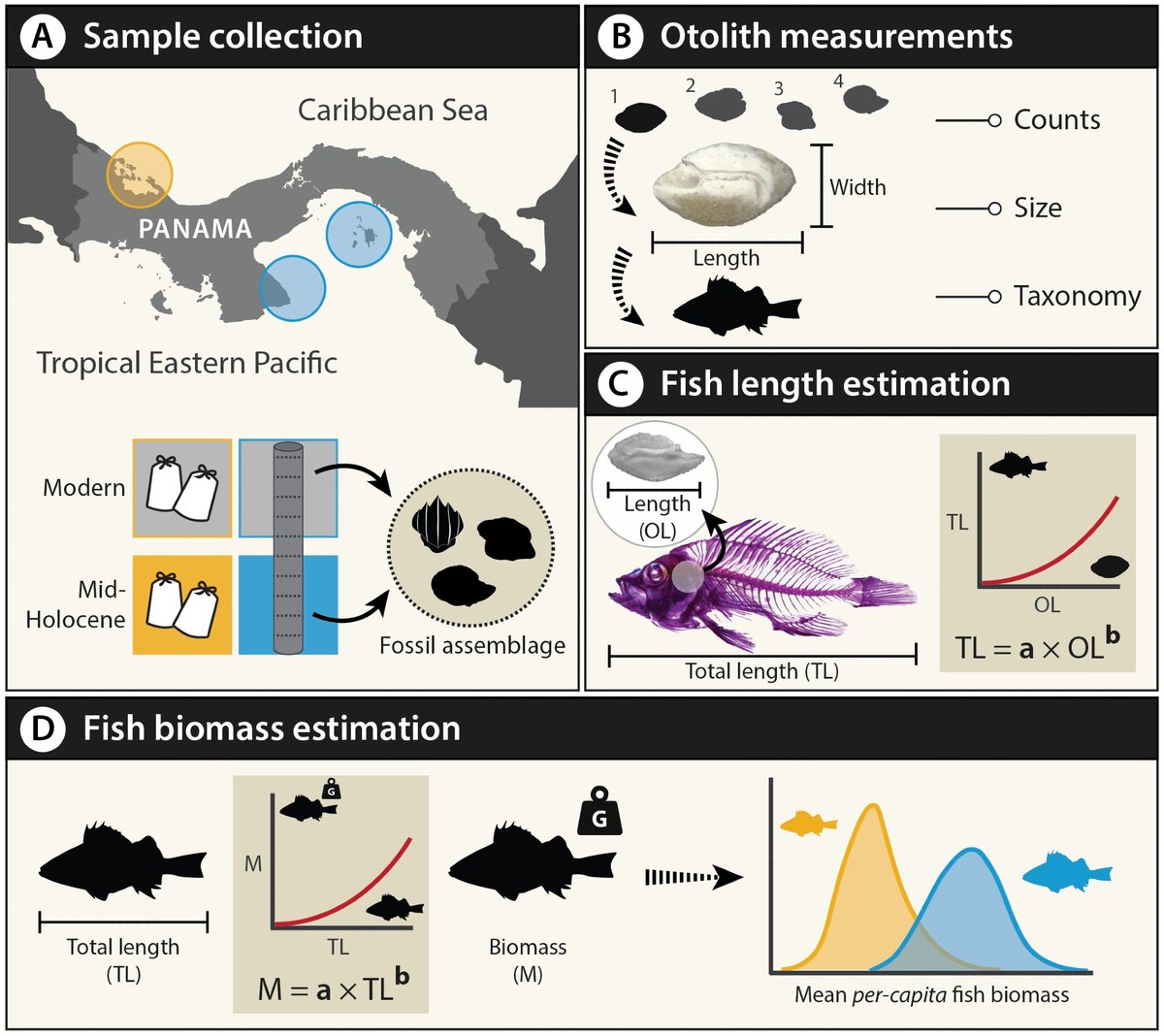
Fossil fish otoliths let us reconstruct per-capita reeffish biomass and trophic structure over millennia. Across the Isthmus of Panama, Pacific reefs are more top-heavy and increasingly dominated by larger fishes, while Caribbean ones show predator loss
doi.org/10.1098/rstb.2024.04…
5
17
748
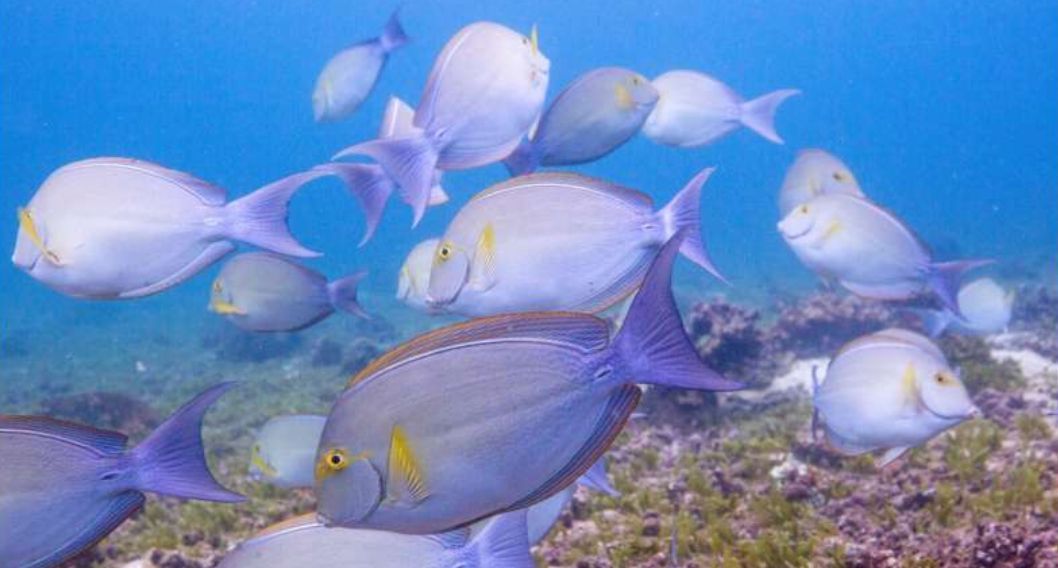
CORAL REEF RESEARCH NEWS: Coral reef fish recovery could boost sustainable seafood servings by up to 50 percent
With a human population of 8.3 billion people worldwide and millions facing malnutrition, food security is something to think about. But imagine if the ocean could help with that.
Scientists at the Smithsonian Tropical Research Institute (STRI) in Panama and collaborators from several other institutions have found that allowing coral reef fish populations to recover could dramatically increase the number of fish servings produced sustainably per year, feeding millions of people. Their research reveals that many reef fish populations are so depleted that they are producing far less than their sustainable potential—yet rebuilding these stocks could help fight global hunger.
"Our study quantifies how much is being lost by having overfished reef fish communities in terms of food provisioning and, in turn, how much could be gained from rebuilding reef fish stocks and managing them at sustainable levels," explains Jessica Zamborain-Mason, a professor at King Abdullah University of Science and Technology (KAUST) and first author of the recently published paper in the journal Proceedings of the National Academy of Sciences.
Read full story here: phys.org/news/2026-01-coral-…
#coralreefs #coralfish #seafood #humanimpacts #reeffish #fishing #coral #overfishing #coralreefecology #marinescience #marinebiology
1
5
134

18 Dec 2025
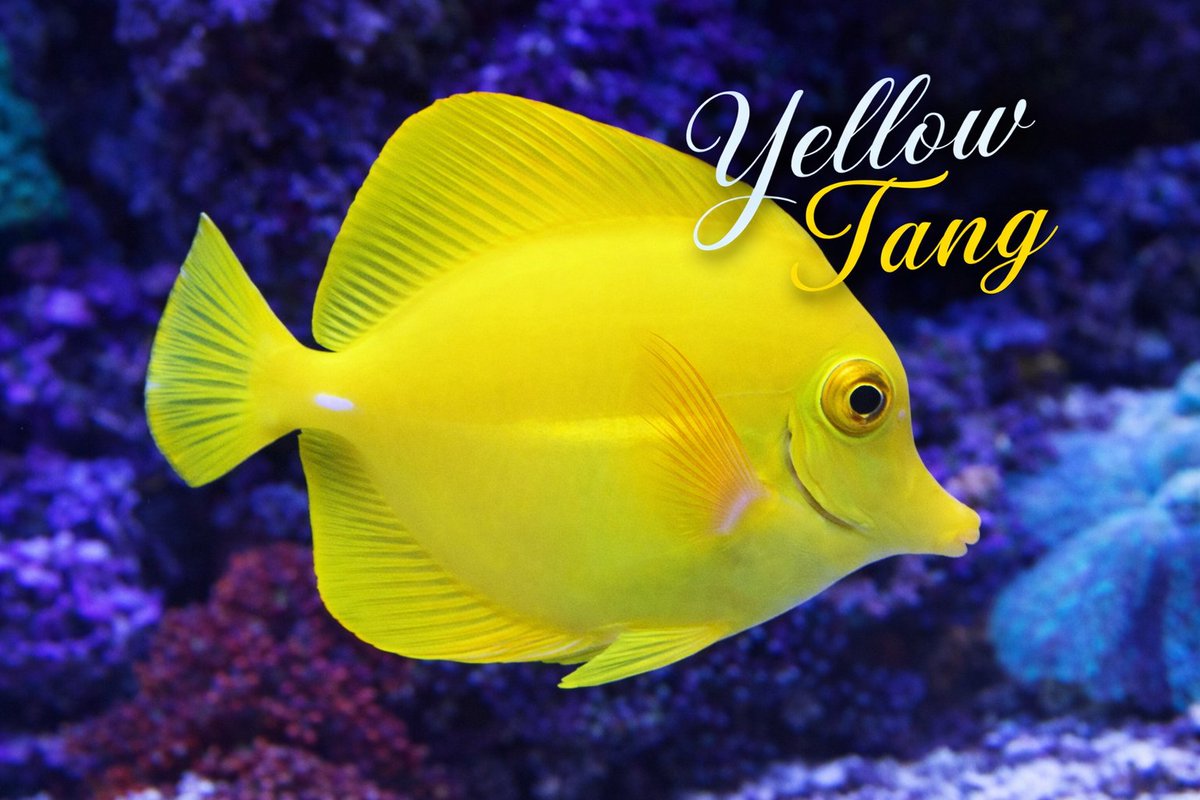
Add a pop of sunshine to your reef tank ☀️
The Yellow Tang brings color, movement, and reef energy.
🔗 saltwaterfish.com/product-ye…
#ReefFish #AquariumHobby #SaltwaterLife
1
2
34

18 Dec 2025
🎨 Think reef fish colors are fixed? Think again.
Adult sunrise dottybacks (P. flavivertex) can change color and pattern over time, with different morphs converging toward similar appearances. #CoralReefs #ReefFish #KAUST
link.springer.com/article/10…
5
4
21
1,269

18 Dec 2025
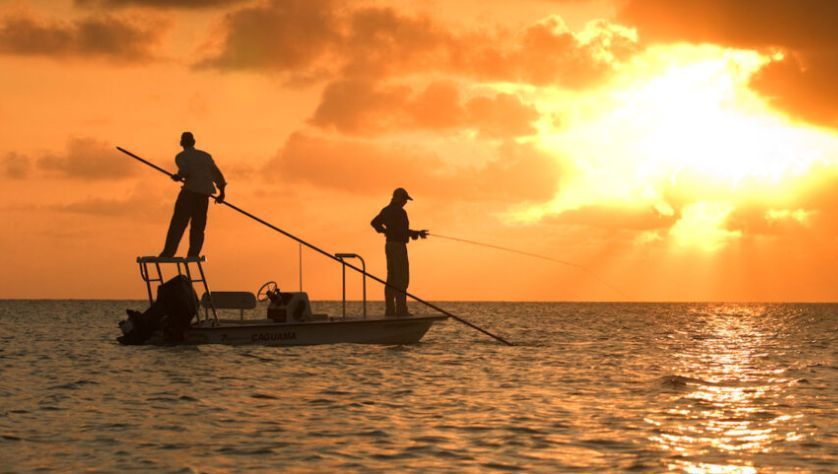
PHD OPPORTUNITY: Predatory fish declines in coral reef ecosystems: understanding the socio-ecological implications (University of Liverpool)
Coral reefs are vibrant ecosystems that depend on predator-prey interactions to maintain their health and structure. Unfortunately, predatory fish, particularly those at the top of the food chain like sharks and groupers, are experiencing significant declines in the Western Indian Ocean (WIO). Overfishing and inadequate protection measures threaten these crucial species, leading to a potential `functional extinction` that could disrupt reef ecosystems and impact local communities. This project will explore the ecological role of reef fish predators, the threats they face, and the socio-economic implications of their decline.
Full details here: findaphd.com/phds/project/ac…
#coralreefs #phd #fundedphd #careers #reeffish #socioeconomic #fishing #tropicalmarineecosystems #coralreefecology #marinebiology #fish
1
1
2
196
29 Oct 2025
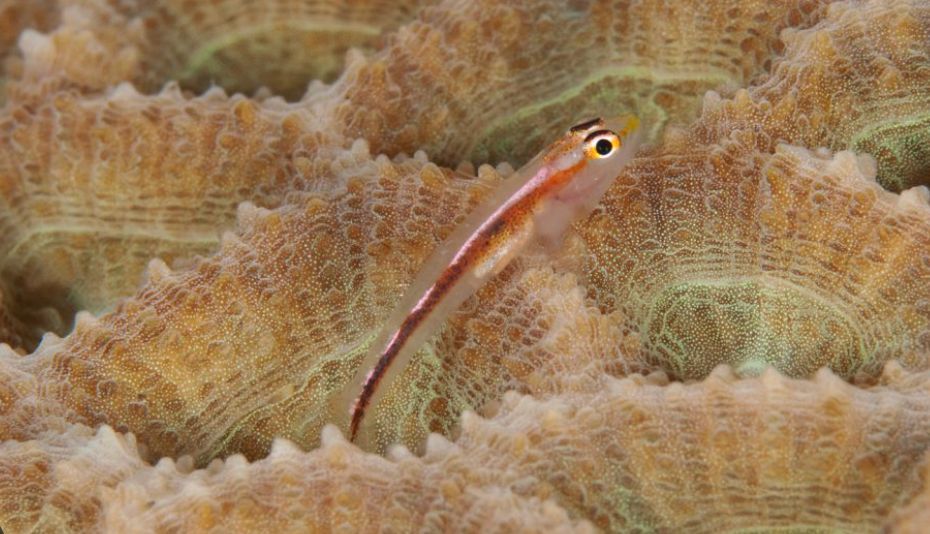
PHD OPPORTUNITY: Comparing cryptobenthic fishes: from cool climates to coral reefs (University of Southampton, UK)
This project will compare communities of small ‘cryptobenthic’ fishes (camouflaged fishes, <5cm long) across latitudinal gradients, from temperate to tropical reef ecosystems. You will learn lab and field techniques alongside morphological, molecular and isotope analyses to assess the functions of tiny fishes in food webs across diverse and important ecosystems.
Learn more here: findaphd.com/phds/project/co…
#coralreefs #phd #phdopportunity #coralreeffish #reeffish #fish #coral #careers #careeropportunities #tropicalmarineecology #marinebiology
6
12
623
9 Oct 2025
CORAL REEF NEWS: Coral chorus: Scientists are building library of individual fish sounds
While it’s true that ecologists already use underwater sound recorders to monitor marine environments, capturing dense soundscapes filled with the thumps, pops, and snaps from shrimp and fish, they have lacked the ability to interpret these sounds to a species level.
Reefs are, after all, crowded spaces filled with individuals from hundreds of species – very few of which have had sounds accurately attributed to them.
Now, researchers from the conservation technology non-profit FishEye Collaborative have teamed with those from Cornell University and Aalto University to develop a new tool that will do just that. What’s more is the findings have now been published in the British Ecological Society journal, Methods in Ecology and Evolution.
Read full report here: oceanographicmagazine.com/ne…
#coralreefs #fisheye #coralresearch #reeffish #coralfish #coral #fish #coralreefecology #underwaternoise #marineecology #marinebiology
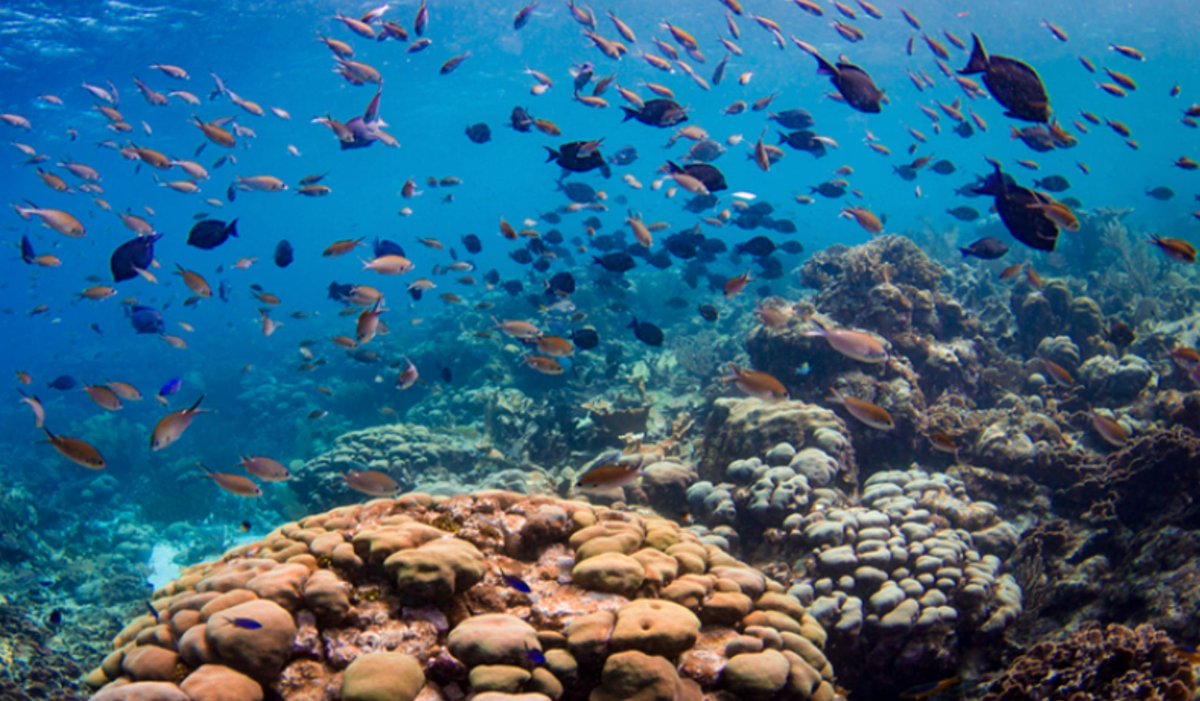
2
147
2 Oct 2025
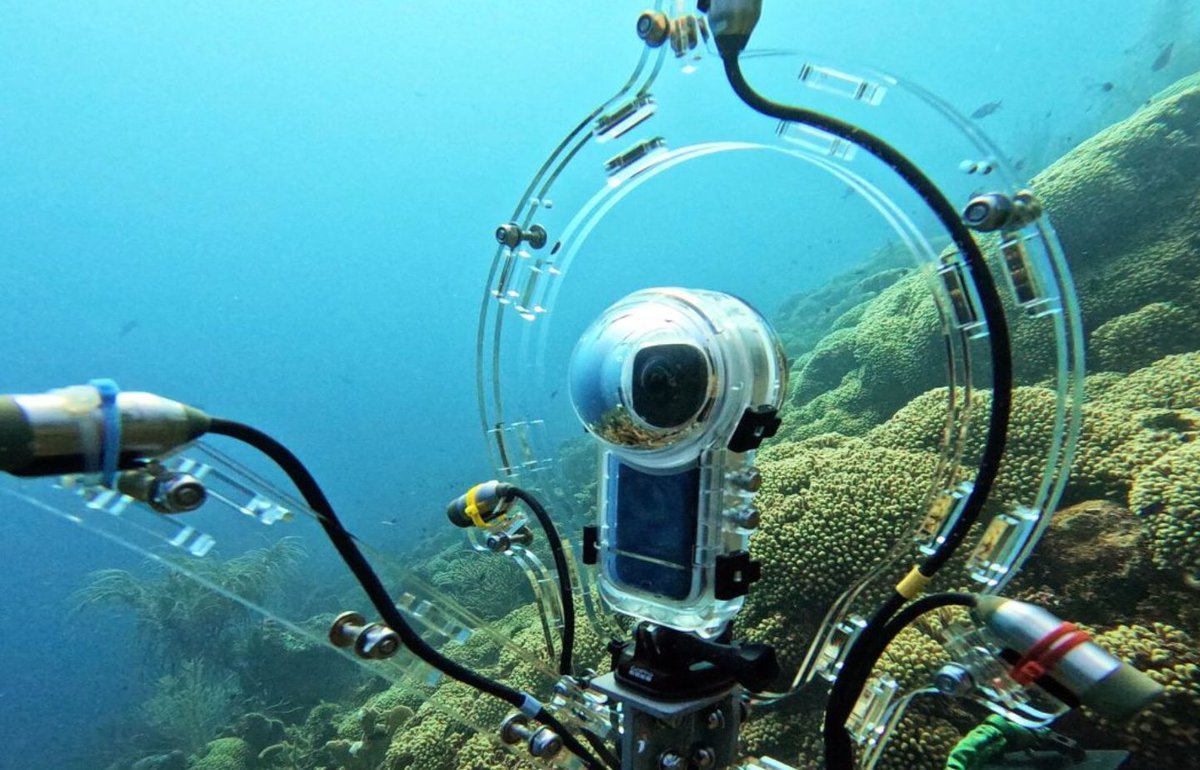
CORAL REEF RESEARCH NEWS: High-tech tool helps scientists identify coral reef fish by sound
earth.com/news/high-tech-too…
Experts from FishEye Collaborative, Cornell University, and Aalto University have introduced an innovative tool that pairs 360° video with spatial audio recordings. The research has opened a new dimension in understanding the secret voices of fish.
Traditional underwater recorders capture dense layers of thumps, clicks, and pops. While useful, these sounds are difficult to trace to specific species. Coral reefs often host hundreds of fish species, and only a few have had their calls clearly identified.
“When it comes to identifying sounds, the same biodiversity we aim to protect is also our greatest challenge,” explained Dr. Marc Dantzker, executive director of FishEye Collaborative.
#coralreefs #reeffish #fisheye #coralreefecology #coralfish #fish #coral #coralreefresearch #marinescience #marineresearch #marinebiology
2
109

29 Aug 2025
Happy #FishFriday! 🐠 The #NCRMP Atlantic team has spotted several fish species during their recent surveys in the U.S. Virgin Islands - do you recognize any? coralreef.noaa.gov/
#CoralReefs #ReefFish #USVI
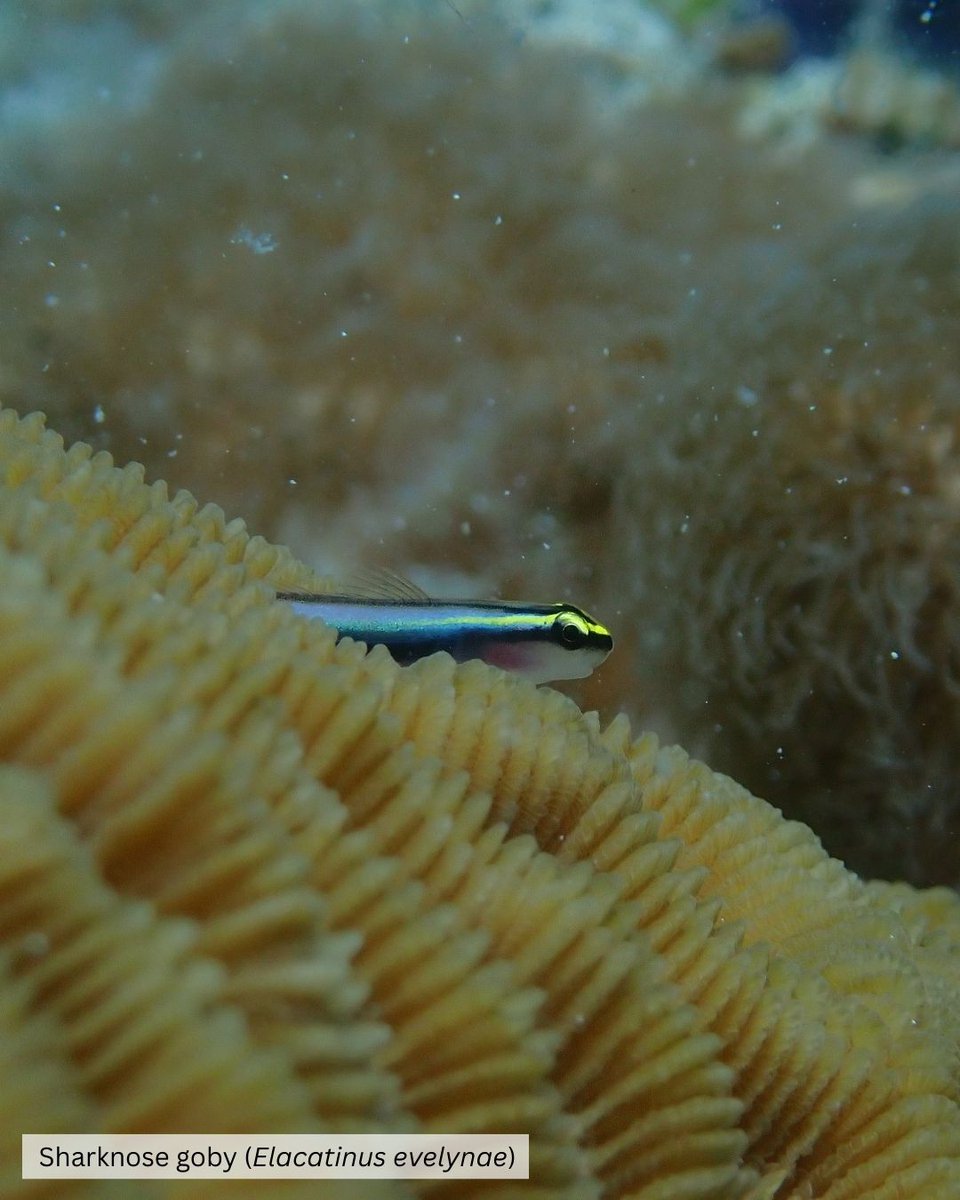
ALT Sharknose goby (Eleactinus evelyane).
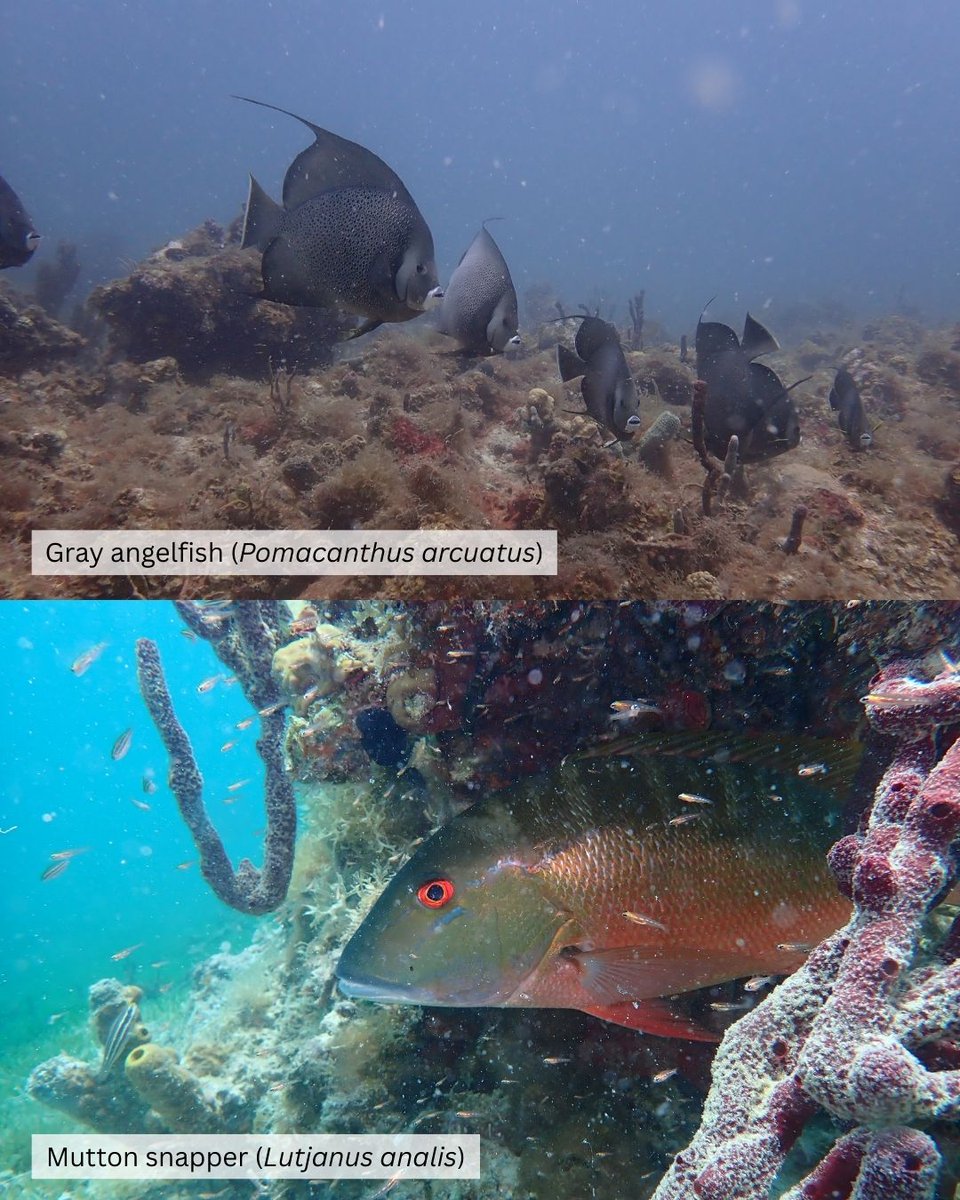
ALT Top, Gray angelfish (Pomacanthus arcuatus); Bottom, Mutton snapper (Lutjanus analis).
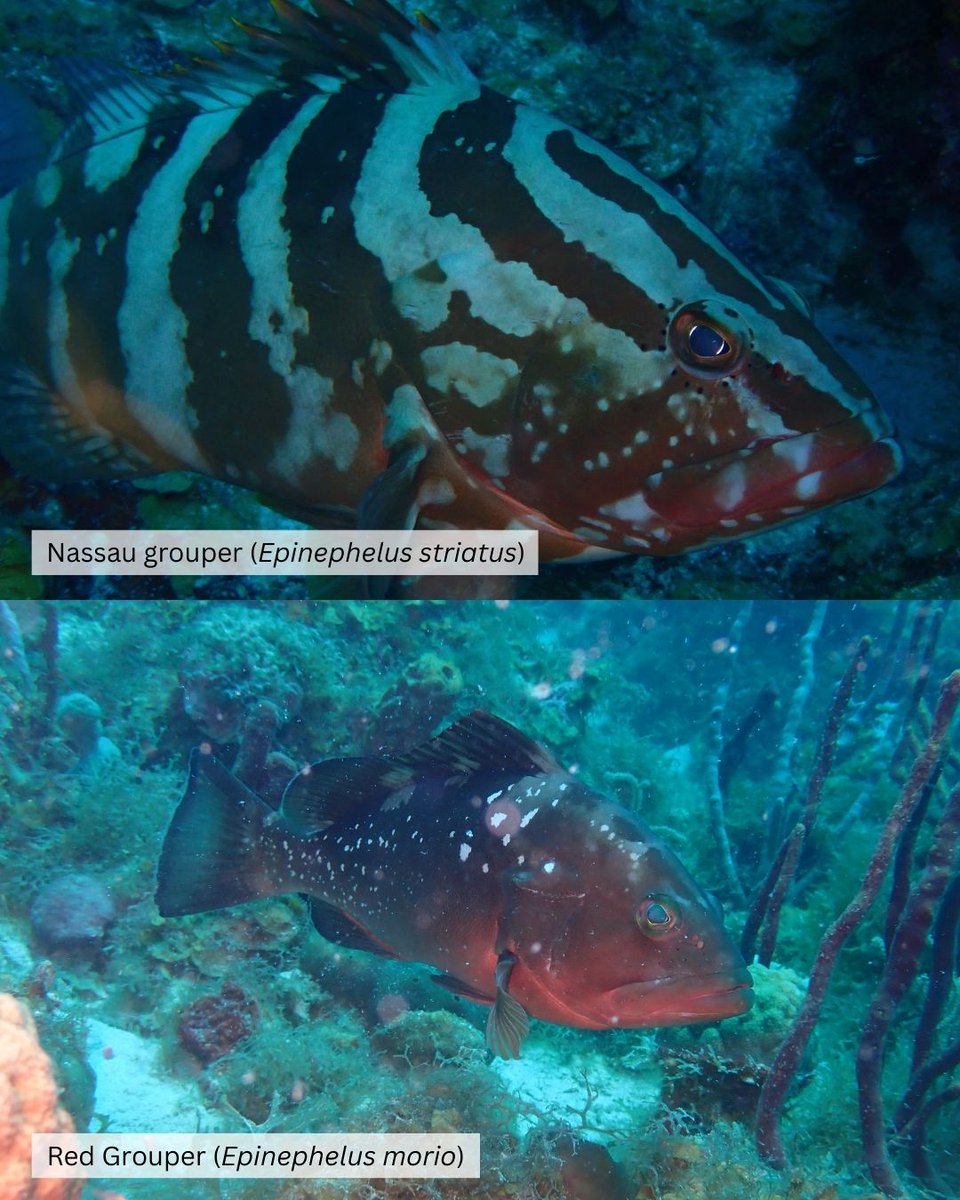
ALT Top, Nassau grouper (Epinephelus striatus); Bottom, Red Grouper (Epinephelus morio).
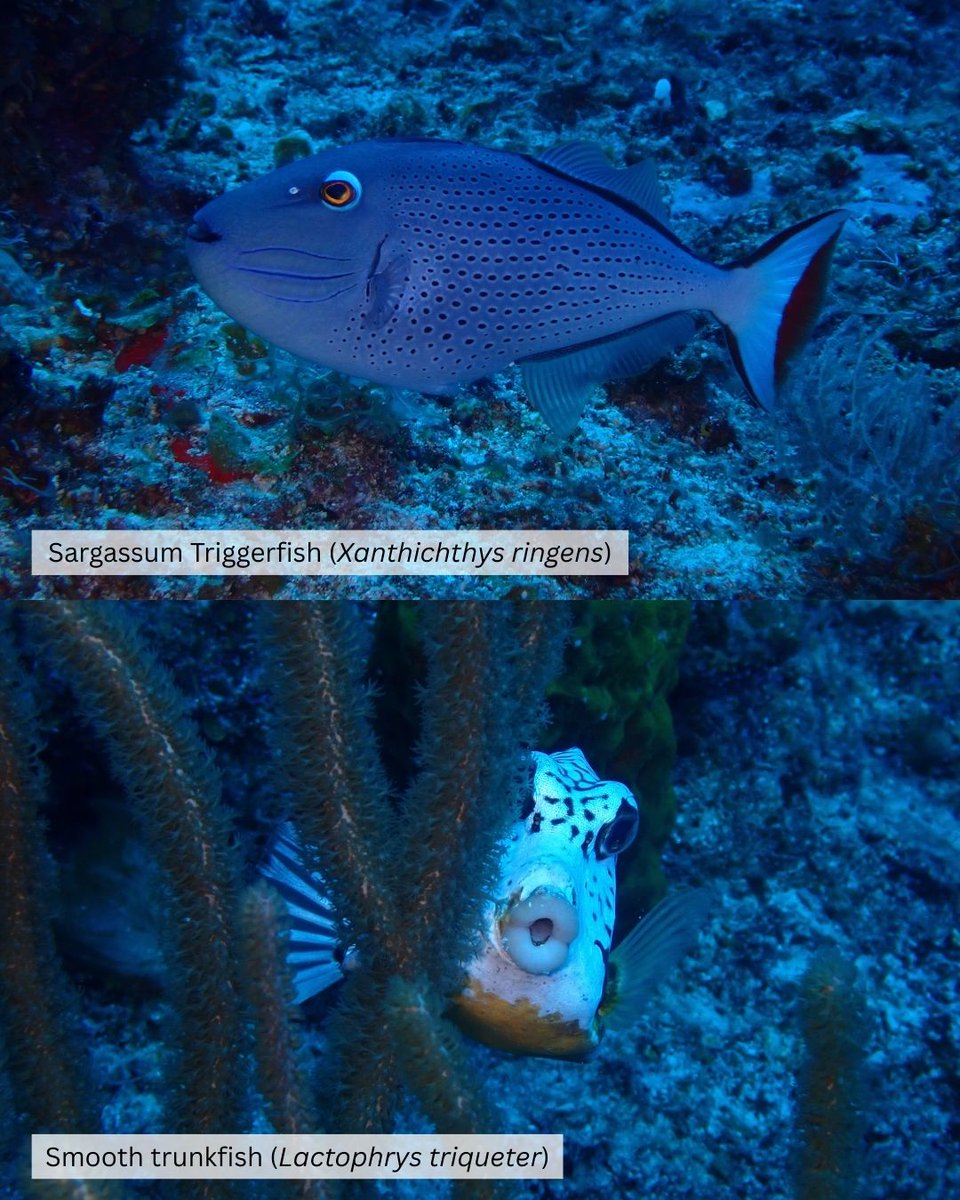
ALT Top, Sargassum Triggerfish (Xanthichthys ringens); Bottom, Smooth trunkfish (Lactophrys triqueter).
1
9
221
26 Aug 2025
JOB OPPORTUNITIES! Curator and Researcher in Marine Ichthyology and Marine Invertebrates (Ocean Museum Germany)
deutsches-meeresmuseum.de/en…
Marine Ichthyology: Searching for a qualified, enthusiastic scientist and curator to represent and lead the museum's research and collection activities on marine fishes and support current and future exhibitions. The position will strengthen the diverse museum collections of marine fishes and represent these taxa in the museum's exhibitions and outreach activities. A cooperation with other research areas of the museum, such as marine invertebrates and mammals, conservation, or ecology is expected.
Marine Invertebrates: Searching for a qualified, enthusiastic scientist and curator to represent and lead the museum's research and collection activities on all taxa of marine invertebrates and support current and future exhibitions. While a focus on cnidaria is preferred, also candidates with scientific background on other taxa such as crustaceans, mollusks, or echinoderms are invited to apply. The position will strengthen the diverse museum collections of marine invertebrates and represent these taxa in the museum's exhibitions and outreach activities. A cooperation with other research areas of the museum, such as marine fishes and mammals, conservation, or ecology is expected.
#jobs #marineinvertebrates #ichthyology #coral #careers #marinescience #marinejobs #museum #germany #reeffish #marinebiology
7
10
420
4 Aug 2025
FishBase/SeaLifeBase symposium in RBINS (2nd - 3rd September 2025)
Learn more here: biodiversity.be/6163/
This symposium offers a unique opportunity to explore the diversity of fish and marine life studies, discover the impactful work carried out by RBINS, other Belgian institutions and the FishBase Consortium, and strengthen partnerships with the FishBase community. They warmly invite researchers, students, and professionals in marine science and biodiversity to join in advancing the knowledge and conservation of aquatic life.
#fishbase #sealifebase #symposium #coralreefs #fishID #marinelifeID #marineresources #marinescience #fish #pelagicfish #reeffish #marinebiology
1
1
6
298
10 Jul 2025
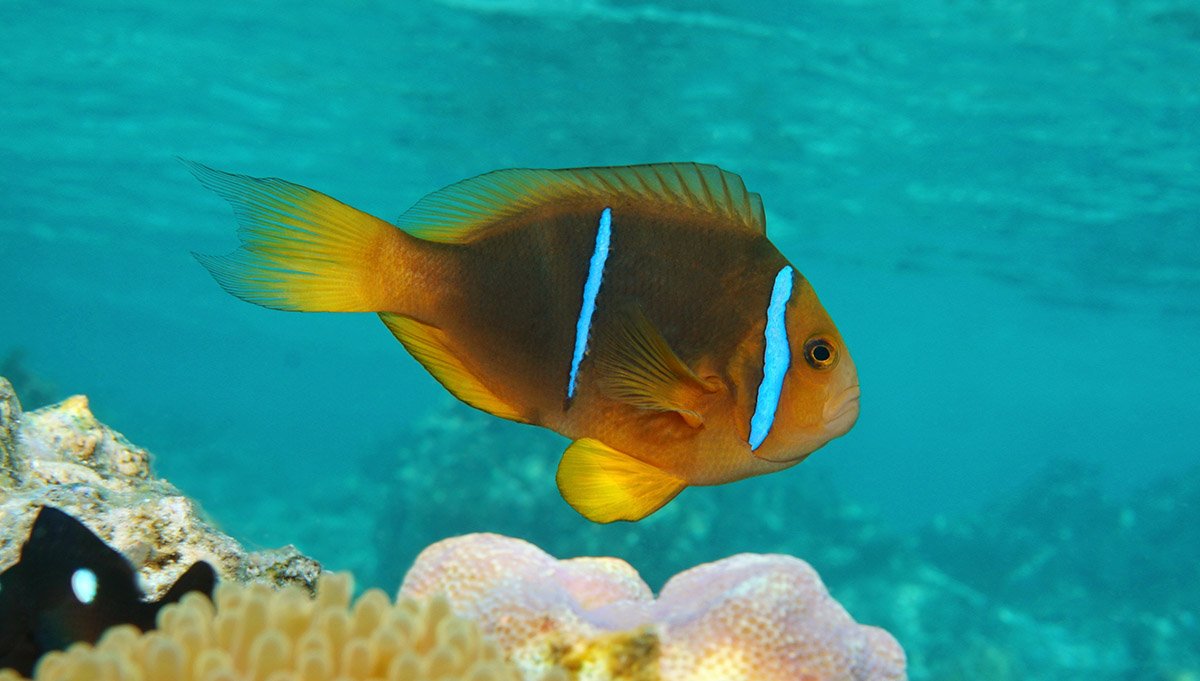
It's not every day you get a new #clownfish! coralmagazine.com/2025/07/10…
#amphiprion #amphiprionmaohiensis #anemonefish #amphiprionchrysopterus #newfish #newfishspecies #newspecies #zookeys #reeffish #reeflife #aquarium #marinefish #saltwaterfish #marineaquarium #coralmagazine #fish
3
213
20 May 2025
CORAL REEF RESEARCH: What makes a coral reef such a biodiversity hotspot?
oceanographicmagazine.com/ne…
A new study from Yale has shed light on how coral reefs became biodiversity hotspots by charting the evolutionary trajectories of the coral-reef fish wrasses and parrotfishes – two fish ranked among the most species-rich and ecologically diverse lineages of reef fishes, accounting for more than 650 species.
According to the paper, published in the scientific journal Science Advances earlier this month, these fish – which comprise the family Labridae – experienced an explosion of “evolutionary innovation” and “accelerated species diversification” during the early Miocene, some 20 million years ago.
#coralreefs #biodiversity #hotspots #nature #reeffish #evolution #coral #coralreefecology #conservation #parrotfish #wrasse #marinebiology
1
3
109

14 May 2025
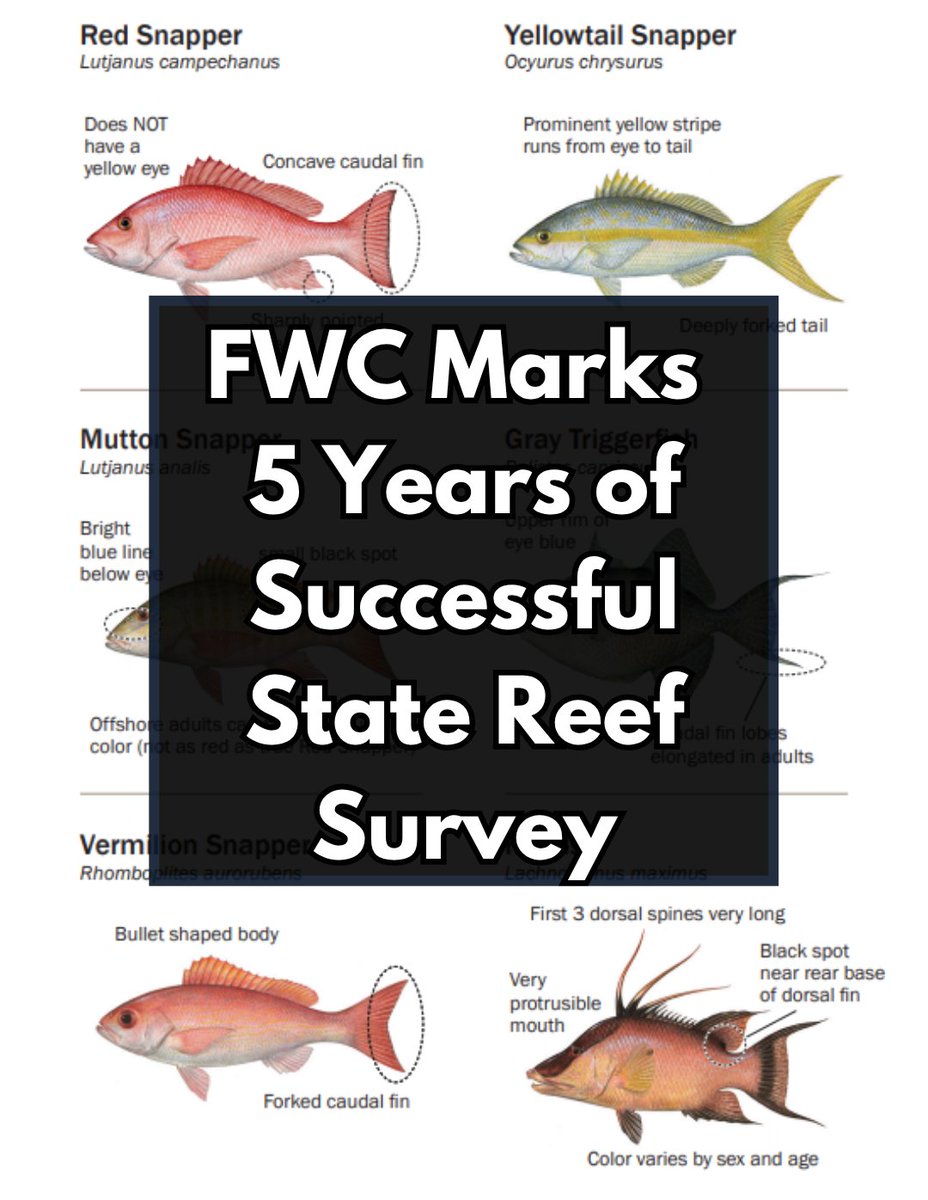
Florida’s reef fish need good data to stay sustainable. That’s where you come in! The State Reef Fish Survey helps @MyFWC track populations across the state. Your input makes a difference. Read more at: content.govdelivery.com/acco…
#FWCResearch #marineresearch #Florida #ReefFish
2
3
152
12 May 2025
CORAL RESEARCH NEWS: Explosive evolution: Study reveals rapid diversification of coral-reef fishes (Yale)
news.yale.edu/2025/05/07/exp…
The biodiversity of the Earth’s oceans is disproportionately concentrated in coral reefs — the vibrant undersea ecosystems where thousands of known marine species reside.
A new Yale-led study offers insight into the origins of this exceptional biodiversity. It charts the evolutionary trajectories of wrasses and parrotfishes, which rank among the most species-rich and ecologically diverse lineages of reef fishes, accounting for more than 650 species.
These fish, which comprise the family Labridae, experienced an explosion of evolutionary innovation and accelerated species diversification during the early Miocene about 20 million years ago.
#coralreefs #coralreefnews #coralnews #newresearch #coralresearch #fish #reeffish #coralreefecology #marineecology #coralfish #marinebiology
1
6
144

6 May 2025
A Haiku about the Lawn Mower Blenny.
#funny #haiku #ocean #reeffish #tropicalaquarium #beach #reefkeeping #oceanlife
2
26