

i want an elf bar just the last time i had one my chest hurt, imagine an elf bar with one of those McD’s refreshers omg i cant wait to get up at 1pm and get one of those
7
No water, no inclusions retweeted

He likes his practice rounds like his strawberry refreshers, no inclusions
2
3
76
10,869

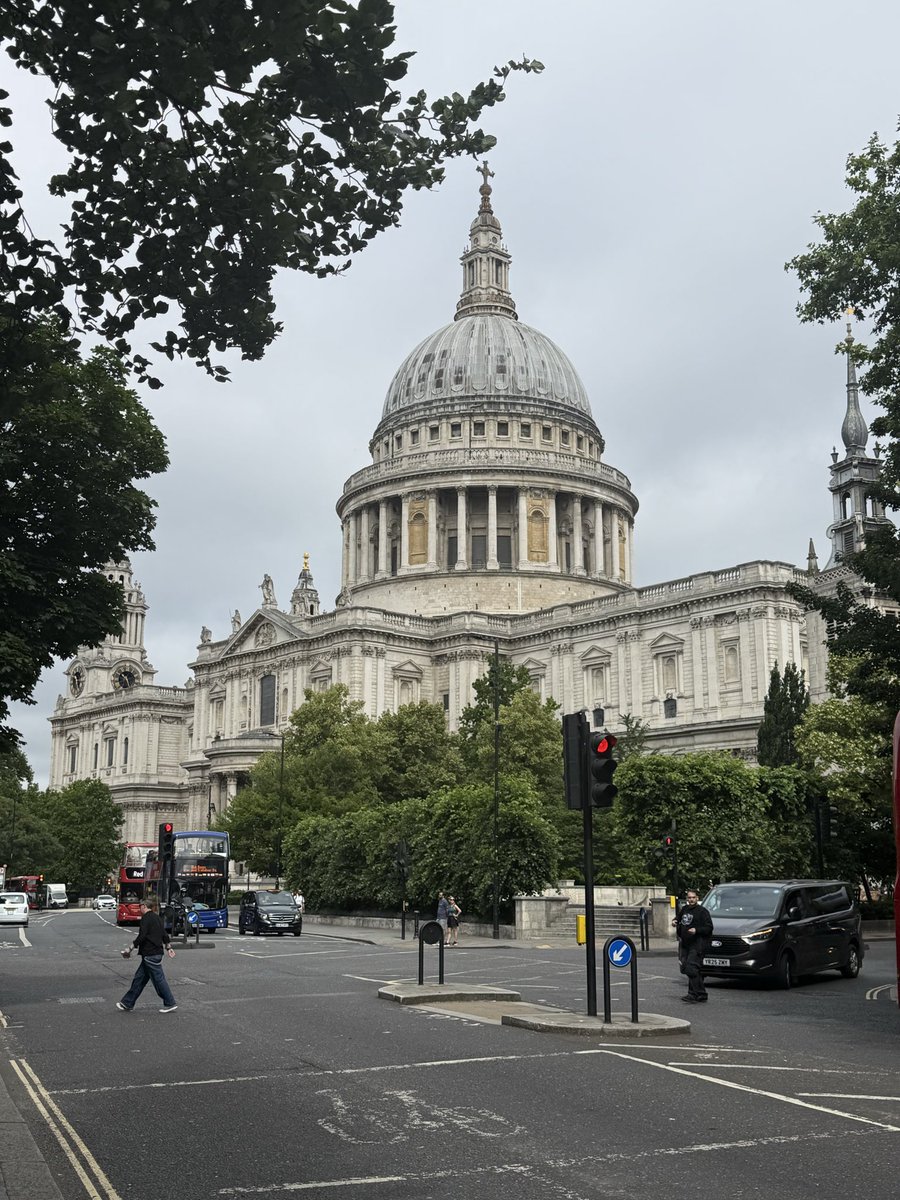
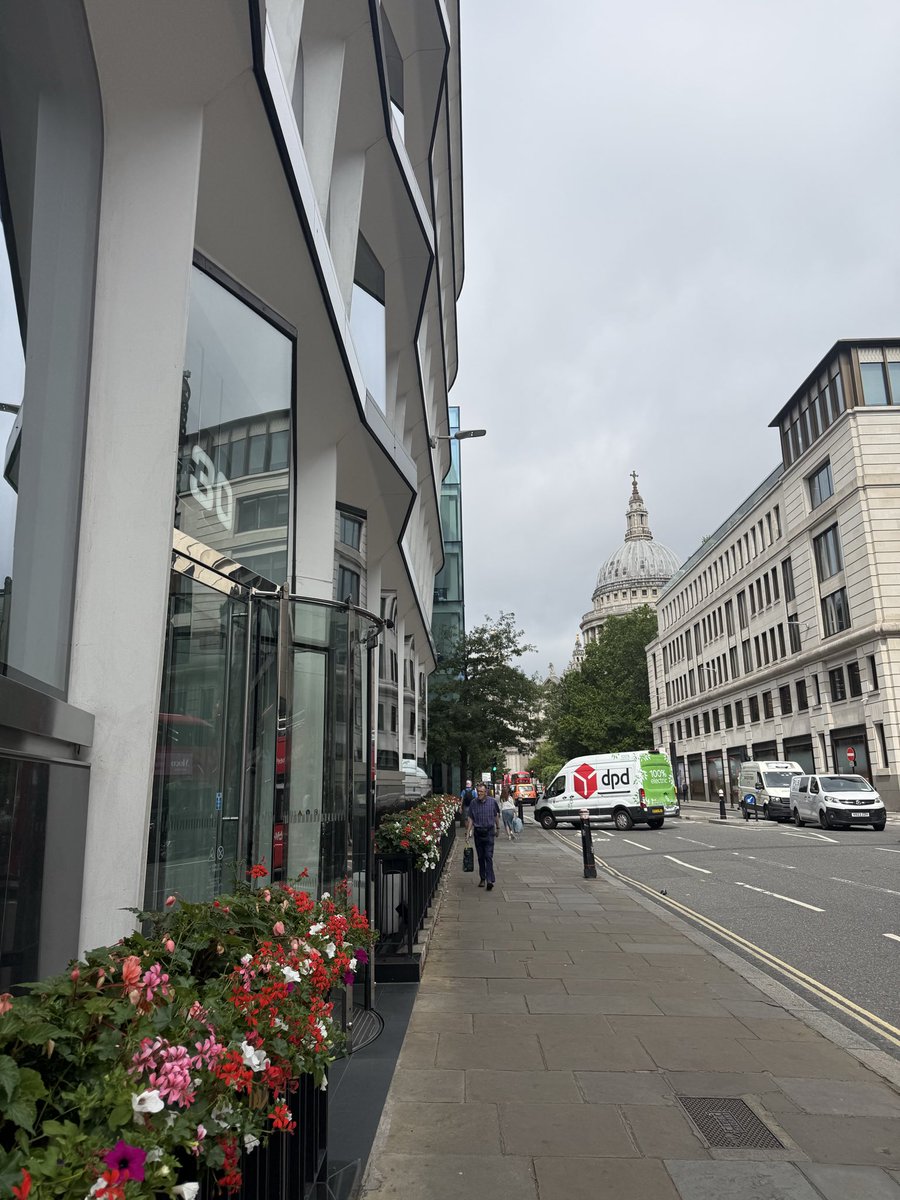
Meeting with fund managers and economists from Columbia Threadneedle, with some trust and taxation refreshers, under the shadow of St Pauls Cathedral
38

Grok was better a year ago. I do enjoy asking grok questions though to get refreshers on shit, the personality thing is pretty big but you get that for free.
52

¡El Refresco!
Your daily splash of light, refreshing & slightly quirky news
NewMediaNews 🌴🍊 | Friday, June 19, 2026
Weekend vibes activated
Here’s your fresh cool sip of feel-good weirdness to ease you into the weekend:
🦆 Merlin the Duck Becomes World Cup Mascot
A stray duck from the streets of Mexico City stole the show at matches — fans are obsessed with this unlikely soccer superstar. Quack goals achieved!
🐢 Critically Endangered Wombats Get a Fresh Start in New Forest
Conservation teams relocated these adorable marsupials to a safe new home in Australia. Fingers (and paws) crossed for thriving populations ahead.
🧱 German Man Builds World’s Largest LEGO Sausage
65,000 bricks later — a giant bratwurst and bun now holds the Guinness record. Peak playful engineering.
🏈 Massive 48-Foot Soccer Ball Unveiled in Massachusetts
The largest soccer ball ever is on display and ready to impress. Talk about thinking (and kicking) big!
🧥 Over-50s Men’s Pilates Class in a Mosque Still Going Viral
Wholesome core workouts and community vibes in Bradford, UK, with millions of views. Fitness knows no boundaries.
🌲 Wasteful Fisherman Turns Underwater Garbage Hero
After years of bad habits, he’s now pulling tons of old tires from Canadian harbors — turning regret into real ocean cleanup.
Bonus Refreshers:
•San Diego Zoo creates man-made snow for grizzly bears to beat the heat.
•Jonathan the tortoise officially hits 194 years old and becomes a Guinness Icon.
The Final Sip
From duck mascots and giant LEGO sausages to heroic cleanups and record-breaking tortoises — the world keeps delivering delightful surprises. Laugh, breathe, and enjoy the weekend!
What’s the quirkiest or most refreshing thing you’ve come across lately? Reply and it might splash into next week’s edition!
Until Monday’s cool splash,
El Refresco by NewMediaNews
🍹✨

41

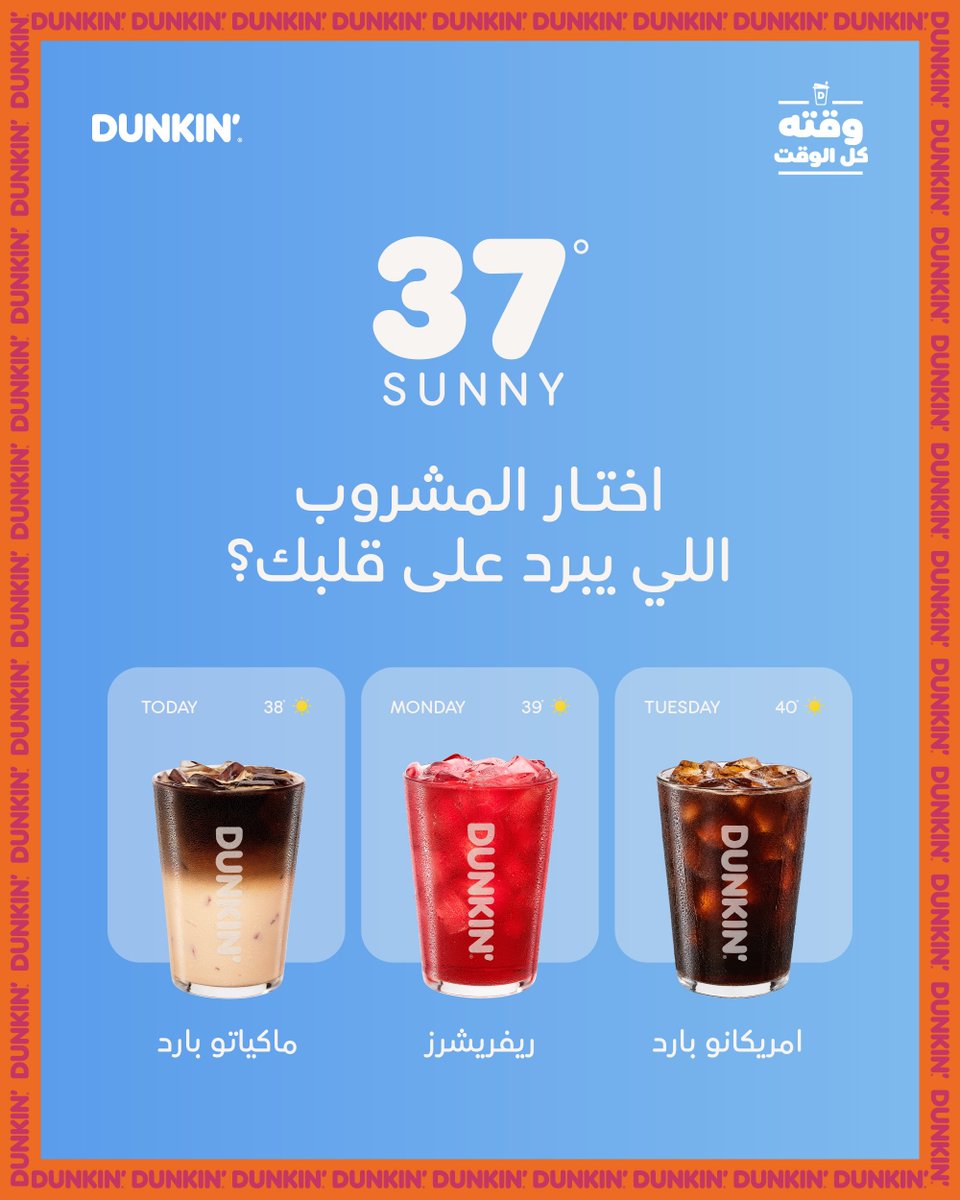
الجو يقول حار ودانكن يقول بارد 🧊
اختار المشروب اللي يبرد على قلبك: ماكياتو بارد، ريفريشرز، أو أمريكانو بارد.
The weather says hot. Dunkin’ says iced 🧊
Pick your cool-down: Iced Macchiato, Refreshers, or Iced Americano.
#Dunkin #Dunkinbh #YesAllDay #دانكن #دانكن_البحرين
8


Celebrate World Music Day at The Revolver Club, Fontainhas with an afternoon of records, food, film, and stories from Goa to the world.
Your ticket includes access to the listening sessions, film screening, pre-plated bites, and refreshers.
Pre-booking only. Seats are limited

4

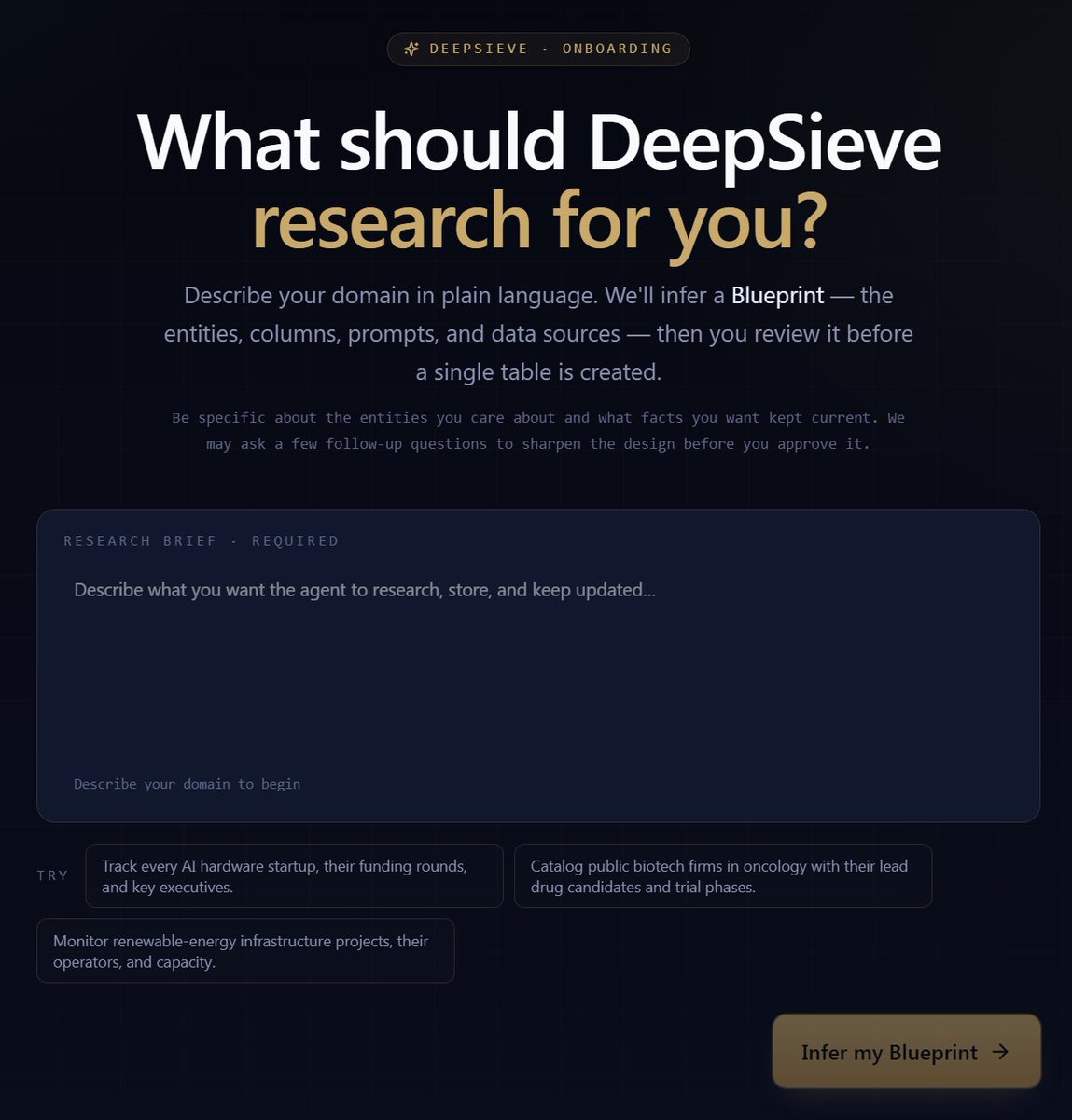
Preview of a new project coming out of stealth!
DeepSieve
Researches the web and maintains a fresh, structured, and fully-cited dataset on anything. Research and data architecture is steerable via a slick LLM-driven onboarding flow.
Backbone is the new Gemini Deep Research Agent API, with a 10 agent orchestration layer that serves as checkers, confidence-scorers, data manipulators, redundancy-givers, data-refreshers, and fill-in-the-blankers.
It's pretty rad, I'm currently using three instances internally (competitive analysis, marketing lead gen, and RSI industry research) and plan to spin up a few more soon.
Let me know if anyone's interested in learning more or trialing it when ready.
23

I would need a few little refreshers, it's been a while since I played, but I think I remember them well enough to talk about them
27

refreshing🍹
.
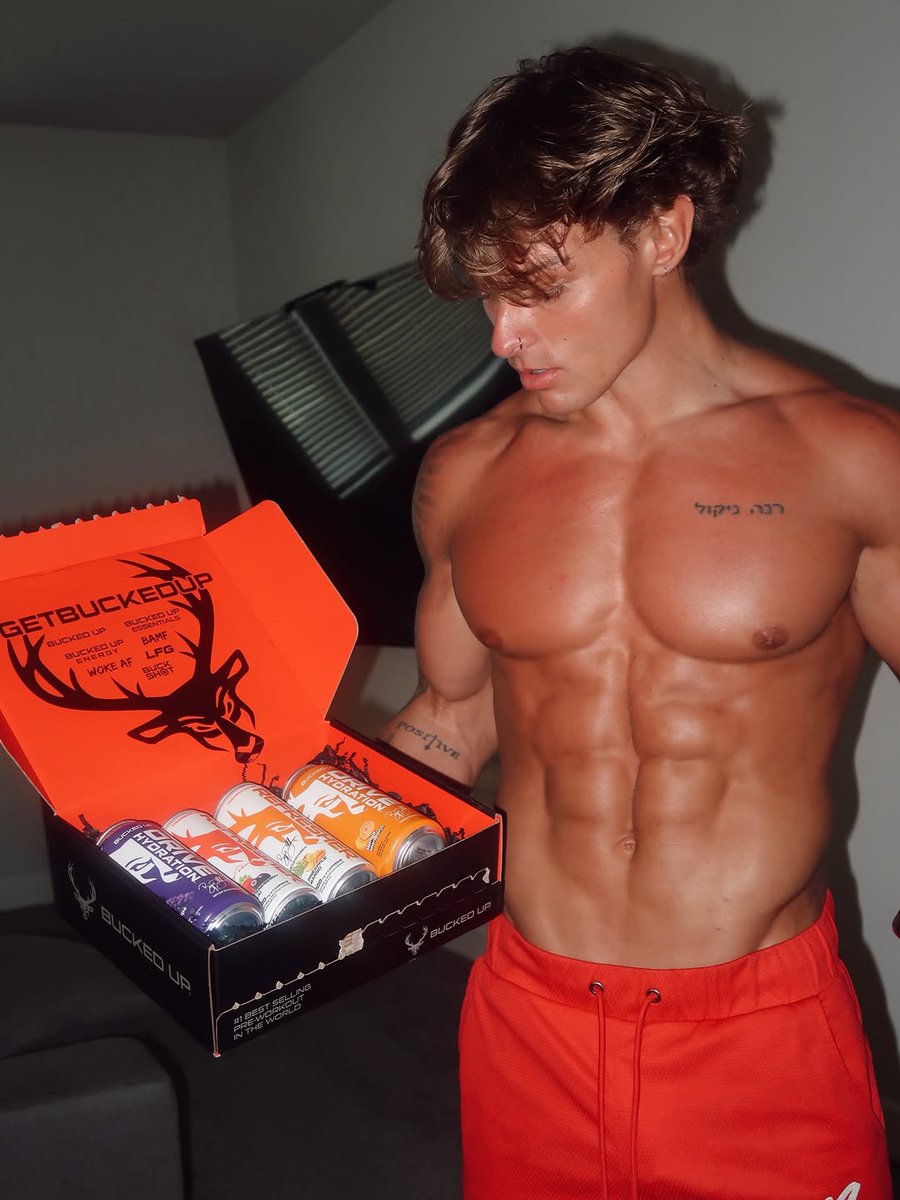
Bucked Up Refreshers & Hydration drinks are live! | code ELLIOTT
2

Got some years back. Wonder if there’s any benefit to periodic refreshers?
1
10


13h
**This incident raises serious questions about police procedure, Fourth Amendment protections, officer decision-making, and accountability.**
### What Happened (Based on Available Evidence)
On May 4, 2026, around 11:55 a.m. in unincorporated San Bernardino County, deputies responded to a report of a stolen vehicle in the area. They initially approached the home of Jesus Serna and Vanessa Gonzalez, looked into the fenced backyard (where they could see at least one dog, a German Shepherd named Raven), left briefly, then returned. One deputy opened the gate and entered the yard without a warrant.
Surveillance video (widely shared) shows:
- The deputy opening the gate.
- The Rottweiler, **Daisy**, approaching (barking/protective behavior, as expected for a dog whose territory is being invaded).
- The deputy drawing his firearm and fatally shooting Daisy.
The family's other dog was not shot. The deputy reportedly kicked or interacted with the dog in a way that escalated the situation before firing. No people were home at the time; the family learned of it afterward. Deputies removed Daisy's body without permission. The stolen vehicle was later recovered nearby and had no connection to the Serna property.
The San Bernardino County Sheriff’s Department has confirmed **no warrant was obtained** and no exigent circumstances (e.g., hot pursuit or immediate danger to life) justified the entry. An internal affairs investigation is underway, and body-worn camera footage will be reviewed. The deputy remains on duty.
### Legal and Constitutional Issues
- **Fourth Amendment**: Homes and their "curtilage" (fenced backyard) receive strong protections. Warrantless entry generally requires consent, a warrant, or true exigent circumstances. A stolen vehicle report in the general area does not automatically qualify, especially after deputies could see dogs and no vehicle in the yard. Attorney Tim Scott (representing the family) argues this was an unconstitutional trespass.
- **Animal encounters**: Police have leeway for officer safety, but courts scrutinize whether less-lethal options (pepper spray, taser, baton, calling animal control, or simply retreating/closing the gate) were viable. Entering a clearly occupied fenced yard with visible dogs predictably risks this outcome.
- **Potential claims**: The family can pursue a civil rights lawsuit (Section 1983) for the warrantless entry, property damage (killing the dog), and emotional distress. California has strict timelines (often 6 months for claims against government entities). Wrongful death or conversion claims for the pet are also possible—dogs are legally property but families often win significant damages in these cases.
### Why This Feels (and Likely Was) Avoidable
1. **No need to enter**: Deputies saw the yard/dogs from outside. A quick visual check showed no stolen car. They could have knocked on the door, left a note, or surveilled from public space.
2. **Escalation**: Opening the gate turned a perimeter check into a trespass. Approaching or kicking at a barking dog in its own yard is poor tactics—most dogs will defend their space.
3. **Alternatives ignored?** Standard training emphasizes de-escalation with animals. Backup, non-lethal tools, or waiting for owners were options. The second dog remained unharmed, suggesting the threat level wasn't uniform.
4. **Officer factors**: Public comments highlight the deputy's physical condition, raising broader questions about fitness standards and training refreshers for high-stress encounters.
This isn't isolated—police shootings of family dogs during raids or welfare checks happen periodically and often spark lawsuits when video shows questionable tactics.
1
60

#food #safety #training #staff How can food safety training protect children in my child care program?: Food safety training for child care staff—delivered as short, practical modules with hands‑on practice, regular refreshers, documented records, and… dlvr.it/TT5Njh

2


Panera's 2026 summer menu released June 17, 2026. It includes new coffees, refreshers, frittatas, salad and grain bowls, and a premium side croissant twist. tastingtable.com/2196887/pan…
795


we need to get these youths back on frappuccinos i'm sick of all the fucking refreshers omg
Jun 17

Actual answer: preteens and teenagers are obsessed with these refresher drinks and they're driving a lot of sales because adults with jobs have pulled back on paying Starbucks prices for coffee they can make for pennies on the dollar at home.
2
144