
11 Sep 2025
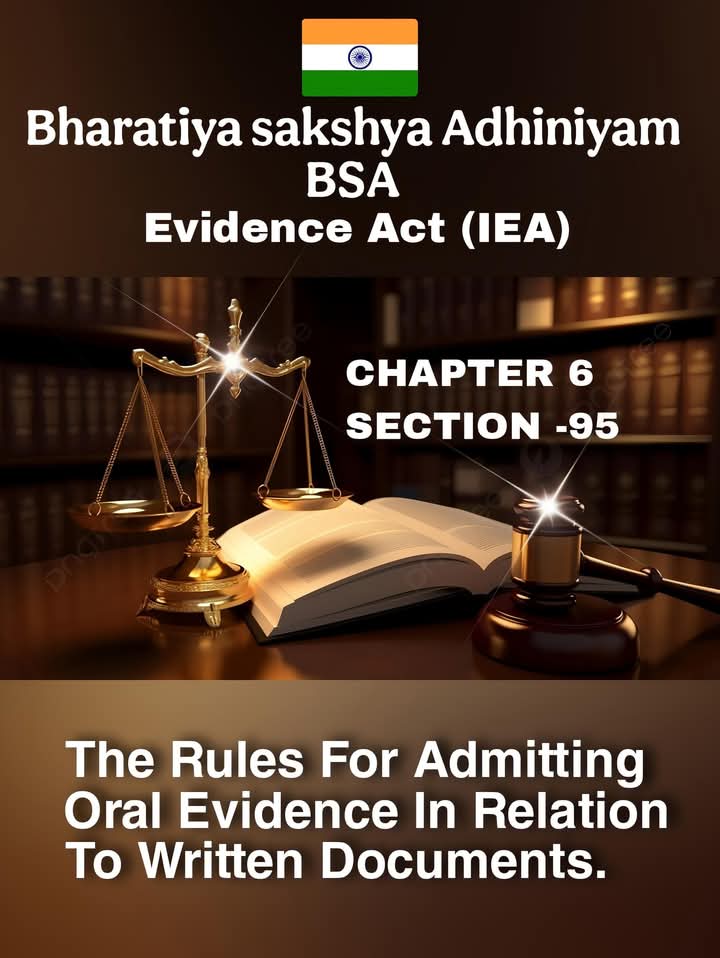
Section 95 of the Bharatiya Sakshya Adhiniyam (BSA) Evidence Act Outline the Rules for admitting Oral evidence in Relation to Written Documents.
General Rule:
When the terms of a Contract, Grant, or Property Disposition are Documented, NO Oral Evidence can be Presented to contradict, very, Add to, or Subtract from the Document's terms Between Parties or their Representatives.
Exceptions:
1. Invalidating the Document:
Evidence can be presented to Prove Facts that Would invalidate the Document, Such as:
- Fraud
- Intimidation
- Illegality
- Lack of due execution
- Lack of capacity
- Want or failure of consideration
- Mistake in fact or law
2. Separate Oral Agreement: Oral evidence can be presented to prove a separate agreement on matters where the document is silent and not inconsistent with its terms.
3. Condition Precedent:
Oral evidence can prove a condition precedent to the attachment of obligations under the contract.
4. Subsequent Oral Agreement:
Evidence can be presented to prove a distinct subsequent oral agreement to rescind or modify the contract, except when the contract requires writing or registration.
5. Usage or Custom: Oral evidence can prove usage or custom that annexes incidents to contracts, provided it's not repugnant to the express terms.
6. Language and Existing Facts:
Evidence can show how the Document's Language Relates to Existing Facts.
Objective:
Section 95 Aims to Balance the integrity of Written Documents with the Need to Consider Relevant oral Evidence in specific Circumstances, Ensuring Fairness and Clarity in Legal Proceedings.
(Including corrections. Honorable Court orders, judgments, are final.)
பாரதிய சாக்ஷய ஆதினியம் (BSA) சான்றுகள் சட்டத்தின் பிரிவு 95, எழுதப்பட்ட ஆவணங்கள் தொடர்பாக வாய்மொழி சாட்சியங்களை ஒப்புக்கொள்வதற்கான விதிகளை கோடிட்டுக் காட்டுகிறது.
பொது விதி:
ஒரு ஒப்பந்தம், மானியம் அல்லது சொத்து உரிமையை கையகப்படுத்துவதற்கான விதிமுறைகள் ஆவணப்படுத்தப்படும்போது, கட்சிகள் அல்லது அவர்களின் பிரதிநிதிகளுக்கு இடையே ஆவணத்தின் விதிமுறைகளுக்கு முரணாக, மிகவும், கூட்டல் அல்லது கழித்தல் போன்ற எந்த வாய்மொழி ஆதாரங்களையும் வழங்க முடியாது.
விதிவிலக்குகள்:
1. ஆவணத்தை செல்லாததாக்குதல்:
ஆவணத்தை செல்லாததாக்கும் உண்மைகளை நிரூபிக்க ஆதாரங்களை வழங்கலாம்,
அதாவது:
- மோசடி.
- மிரட்டல்.
- சட்டவிரோதம்.
- உரிய செயல்படுத்தல் இல்லாமை.
- திறன் இல்லாமை.
- பரிசீலனை தேவை அல்லது தோல்வி.
- உண்மையில் அல்லது சட்டத்தில் தவறு.
2. தனி வாய்மொழி ஒப்பந்தம்: ஆவணம் அமைதியாக இருக்கும் மற்றும் அதன் விதிமுறைகளுக்கு முரணாக இல்லாத விஷயங்களில் தனி ஒப்பந்தத்தை நிரூபிக்க வாய்மொழி ஆதாரங்களை வழங்கலாம்.
3. நிபந்தனை முன்னோடி:
வாய்மொழி சான்றுகள் ஒப்பந்தத்தின் கீழ் கடமைகளை இணைப்பதற்கான ஒரு முன்மாதிரியான நிபந்தனையை நிரூபிக்க முடியும்.
4. அடுத்தடுத்த வாய்மொழி ஒப்பந்தம்:
ஒப்பந்தத்திற்கு எழுத்து அல்லது பதிவு தேவைப்படும்போது தவிர, ஒப்பந்தத்தை ரத்து செய்ய அல்லது மாற்றுவதற்கான தனித்துவமான வாய்மொழி ஒப்பந்தத்தை நிரூபிக்க ஆதாரங்களை முன்வைக்கலாம்.
5. பயன்பாடு அல்லது வழக்கம்:
வாய்மொழி சான்றுகள் ஒப்பந்தங்களுடன் சம்பவங்களை இணைக்கும் பயன்பாடு அல்லது வழக்கத்தை நிரூபிக்க முடியும், அது வெளிப்படையான விதிமுறைகளுக்கு முரணாக இல்லாவிட்டால்.
6. மொழி மற்றும் ஏற்கனவே உள்ள உண்மைகள்:
ஆவணத்தின் மொழி ஏற்கனவே உள்ள உண்மைகளுடன் எவ்வாறு தொடர்புடையது என்பதை சான்றுகள் காட்டலாம்.
குறிக்கோள்:
பிரிவு 95, குறிப்பிட்ட சூழ்நிலைகளில் தொடர்புடைய வாய்மொழி ஆதாரங்களைக் கருத்தில் கொள்ள வேண்டிய அவசியத்துடன் எழுதப்பட்ட ஆவணங்களின் நேர்மையை சமநிலைப்படுத்துவதை நோக்கமாகக் கொண்டுள்ளது, சட்ட நடவடிக்கைகளில் நியாயத்தன்மை மற்றும் தெளிவை உறுதிச் செய்தல்.
(திருத்தங்கள் உட்பட. மாண்பைமிகு நீதிமன்ற உத்தரவுகள், தீர்ப்புகள், ஆகியன இறுதியானவை.)
#SupremeCourtofIndia|
#MadrasHighCourt|
#MaduraiHighCourt|
#Pibindia #PibTamilnadu
#MinistryofLawandJustice
#BharatiyaSakshyaAdhiniyam| #BSA|
#EvidenceAct| #IEA|
#Chapter6| #Section95|
#AdmittingOralEvidence| #RelationToWrittenDocuments|
#Chiefjusticeofindia
#CJI
2
2
72
18 Jun 2025
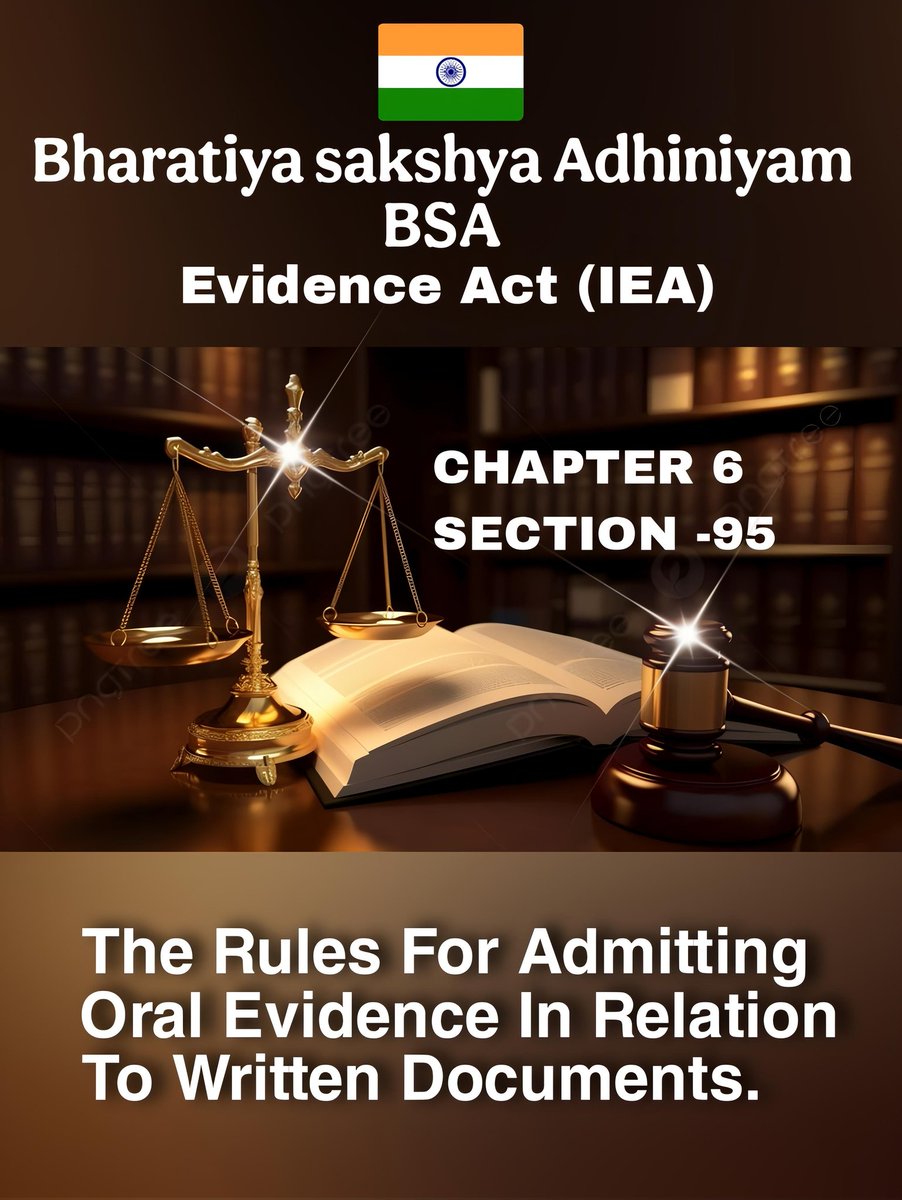
Section 95 of the Bharatiya Sakshya Adhiniyam (BSA) Evidence Act Outline the Rules for admitting Oral evidence in Relation to Written Documents.
General Rule:
When the terms of a Contract, Grant, or Property Disposition are Documented, NO Oral Evidence can be Presented to contradict, very, Add to, or Subtract from the Document's terms Between Parties or their Representatives.
Exceptions:
1. Invalidating the Document:
Evidence can be presented to Prove Facts that Would invalidate the Document, Such as:
- Fraud
- Intimidation
- Illegality
- Lack of due execution
- Lack of capacity
- Want or failure of consideration
- Mistake in fact or law
2. Separate Oral Agreement: Oral evidence can be presented to prove a separate agreement on matters where the document is silent and not inconsistent with its terms.
3. Condition Precedent:
Oral evidence can prove a condition precedent to the attachment of obligations under the contract.
4. Subsequent Oral Agreement:
Evidence can be presented to prove a distinct subsequent oral agreement to rescind or modify the contract, except when the contract requires writing or registration.
5. Usage or Custom: Oral evidence can prove usage or custom that annexes incidents to contracts, provided it's not repugnant to the express terms.
6. Language and Existing Facts:
Evidence can show how the Document's Language Relates to Existing Facts.
Objective:
Section 95 Aims to Balance the integrity of Written Documents with the Need to Consider Relevant oral Evidence in specific Circumstances, Ensuring Fairness and Clarity in Legal Proceedings.
(Including corrections. Honorable Court orders, judgments, are final.)
பாரதிய சாக்ஷய ஆதினியம் (BSA) சான்றுகள் சட்டத்தின் பிரிவு 95, எழுதப்பட்ட ஆவணங்கள் தொடர்பாக வாய்மொழி சாட்சியங்களை ஒப்புக்கொள்வதற்கான விதிகளை கோடிட்டுக் காட்டுகிறது.
பொது விதி:
ஒரு ஒப்பந்தம், மானியம் அல்லது சொத்து உரிமையை கையகப்படுத்துவதற்கான விதிமுறைகள் ஆவணப்படுத்தப்படும்போது, கட்சிகள் அல்லது அவர்களின் பிரதிநிதிகளுக்கு இடையே ஆவணத்தின் விதிமுறைகளுக்கு முரணாக, மிகவும், கூட்டல் அல்லது கழித்தல் போன்ற எந்த வாய்மொழி ஆதாரங்களையும் வழங்க முடியாது.
விதிவிலக்குகள்:
1. ஆவணத்தை செல்லாததாக்குதல்:
ஆவணத்தை செல்லாததாக்கும் உண்மைகளை நிரூபிக்க ஆதாரங்களை வழங்கலாம்,
அதாவது:
- மோசடி.
- மிரட்டல்.
- சட்டவிரோதம்.
- உரிய செயல்படுத்தல் இல்லாமை.
- திறன் இல்லாமை.
- பரிசீலனை தேவை அல்லது தோல்வி.
- உண்மையில் அல்லது சட்டத்தில் தவறு.
2. தனி வாய்மொழி ஒப்பந்தம்: ஆவணம் அமைதியாக இருக்கும் மற்றும் அதன் விதிமுறைகளுக்கு முரணாக இல்லாத விஷயங்களில் தனி ஒப்பந்தத்தை நிரூபிக்க வாய்மொழி ஆதாரங்களை வழங்கலாம்.
3. நிபந்தனை முன்னோடி:
வாய்மொழி சான்றுகள் ஒப்பந்தத்தின் கீழ் கடமைகளை இணைப்பதற்கான ஒரு முன்மாதிரியான நிபந்தனையை நிரூபிக்க முடியும்.
4. அடுத்தடுத்த வாய்மொழி ஒப்பந்தம்:
ஒப்பந்தத்திற்கு எழுத்து அல்லது பதிவு தேவைப்படும்போது தவிர, ஒப்பந்தத்தை ரத்து செய்ய அல்லது மாற்றுவதற்கான தனித்துவமான வாய்மொழி ஒப்பந்தத்தை நிரூபிக்க ஆதாரங்களை முன்வைக்கலாம்.
5. பயன்பாடு அல்லது வழக்கம்:
வாய்மொழி சான்றுகள் ஒப்பந்தங்களுடன் சம்பவங்களை இணைக்கும் பயன்பாடு அல்லது வழக்கத்தை நிரூபிக்க முடியும், அது வெளிப்படையான விதிமுறைகளுக்கு முரணாக இல்லாவிட்டால்.
6. மொழி மற்றும் ஏற்கனவே உள்ள உண்மைகள்:
ஆவணத்தின் மொழி ஏற்கனவே உள்ள உண்மைகளுடன் எவ்வாறு தொடர்புடையது என்பதை சான்றுகள் காட்டலாம்.
குறிக்கோள்:
பிரிவு 95, குறிப்பிட்ட சூழ்நிலைகளில் தொடர்புடைய வாய்மொழி ஆதாரங்களைக் கருத்தில் கொள்ள வேண்டிய அவசியத்துடன் எழுதப்பட்ட ஆவணங்களின் நேர்மையை சமநிலைப்படுத்துவதை நோக்கமாகக் கொண்டுள்ளது, சட்ட நடவடிக்கைகளில் நியாயத்தன்மை மற்றும் தெளிவை உறுதிச் செய்தல்.
(திருத்தங்கள் உட்பட. மாண்பைமிகு நீதிமன்ற உத்தரவுகள், தீர்ப்புகள், ஆகியன இறுதியானவை.)
@indSupremeCourt
#SupremeCourtofindia|
#MadrasHighCourt|
#MaduraiHighCourt|
#Pibindia #PibTamilnadu
#BharatiyaSakshyaAdhiniyam| #BSA|
#EvidenceAct| #IEA|
#Chapter6| #Section95|
#ForAdmittingOralEvidence| #RelationToWrittenDocuments|
#Chiefjusticeofindia|
#CJI|
1
112