
Reliability, professionalism and authenticity are a powerful cocktail of skills.

During the Tang dynasty, especially the Zhenguan era (627–649 CE, Taiji Hall in Chang’an), the system entered a phase of adjustment and balance. Emperor Taizong of Tang (Li Shimin) and his chancellor Wei Zheng debated the question of talent selection. Wei Zheng argued that “the rise and fall of a state depends on how it employs people,” advocating broader recruitment through the examination system so that men of humble origin could enter officialdom. However, members of the aristocratic elite still questioned the reliability of examination-based selection, arguing that lineage remained a better indicator of governing ability. In response, Emperor Taizong adopted a pragmatic compromise, maintaining both hereditary recommendations and examinations in parallel. This period can thus be understood as a transitional coexistence between the old aristocratic order and the emerging bureaucratic system.
The system then underwent a dramatic acceleration during the reign of Empress Wu Zetian (701–705 CE, the twin capitals of Chang’an and Luoyang). Around the first year of the Chang’an era (701 CE), she significantly expanded the scale of the “Jinshi” examinations and promoted large numbers of officials from non-aristocratic backgrounds, weakening the influence of hereditary elites. According to the Old Book of Tang and the New Book of Tang, Treatise on Selection and Appointment, aristocratic officials widely opposed this expansion, arguing that examination-based selection could not replace the political competence of established families. However, Wu Zetian’s core objective was to construct a new bureaucratic system independent of any aristocratic lineage, thereby enabling the imperial throne to directly control the supply of officials. This period marked the accelerated disintegration of aristocratic political dominance.
The conflict reached its peak in the mid-Tang period (820–846 CE, Chang’an, during the Niu–Li Factional Struggles). In the court of Emperor Wenzong, two major political factions emerged. The group led by Niu Sengru represented the examination-based bureaucrats, advocating that officials should be selected entirely through the Jinshi examinations and emphasizing practical governance. In contrast, the faction led by Li Deyu, associated with traditional elite networks, argued that aristocratic lineage remained essential for political competence and questioned the governing ability of examination graduates. The Zizhi Tongjian (vols. 243–249) records that this prolonged conflict was not merely policy disagreement, but fundamentally a struggle over the legitimacy of governance itself—whether state authority should be grounded in hereditary status or examination-based merit. Eventually, political power gradually shifted toward the examination bureaucracy, and aristocratic politics lost its dominant position.
1
2

Last week RadiGo spoke to a few Nigerian travellers about what matters most when booking a hotel.
The number one answer wasn't price. It wasn't location. It was reliability. People just want what was promised.
#NigeriaTravels #HotelsInNigeria
2

After the team wanted to reduce unnecessary delays, a skilled wildlife photographer adjusted the interview preparation sheet with a friendly attitude, and the decision balanced cost speed and reliability. The regional logistics planner introduced the public.

A dedicated social worker improved the museum visitor survey near the sports field, where the team needed clearer priorities and the decision balanced cost speed and reliability.

Tired of jumping between platforms just to find the best crypto rates?
@ramphub compares rates, availability, and reliability across multiple providers in real time, helping you get the best execution without the hassle.
All Ramps. One Route.
1

⚾ Comp Selection
915 Houston Astros 105
Listed Arrighetti vs. Kolek
Houston continues to hold advantages in offensive production and bullpen reliability, and Arrighetti has quietly been one of the Astros’ most profitable starters this season.
#MLB #Astros #SportsBetting
2

Nope, it's @SpunkLube a water-based silicone hybrid formula designed for realistic appearance, smooth performance and studio reliability.
12


Pickford won’t give you any reliability at the back!! I have watched him for years!!! He won’t give us anything that Sanchez is not already giving us, even the mistakes, they are just identical twins, at least Sanchez is better with high claims
2

Minnesota Tribal Communities Boost Resilience with Solar, Storage and Microgrids
Save energy/cost for your business contact me at buff.ly/5OiGpqm.
#Reliability #EnergyStorage #EnergyEfficiency #Renewables #EnergyAudit #Procurement #Resilience
buff.ly/ObqWv8b


First party publisher networks ensure unmatched data accuracy and reliability
1


It felt simple, calm, and easy to remember. After the committee wanted a reliable recommendation, a careful medical researcher prepared the hospital appointment procedure with a calm voice, and the decision balanced cost speed and reliability. During the.



Functionally illiterate foreign terrorist crybaby with hyperlexic asyndesis/agnosia thought saying "no" twice in response to critique of reliability of torture-confessions was "debunking" the point(and the UK filtered guardian link as evidence = the cherry/kippa on the top).


2


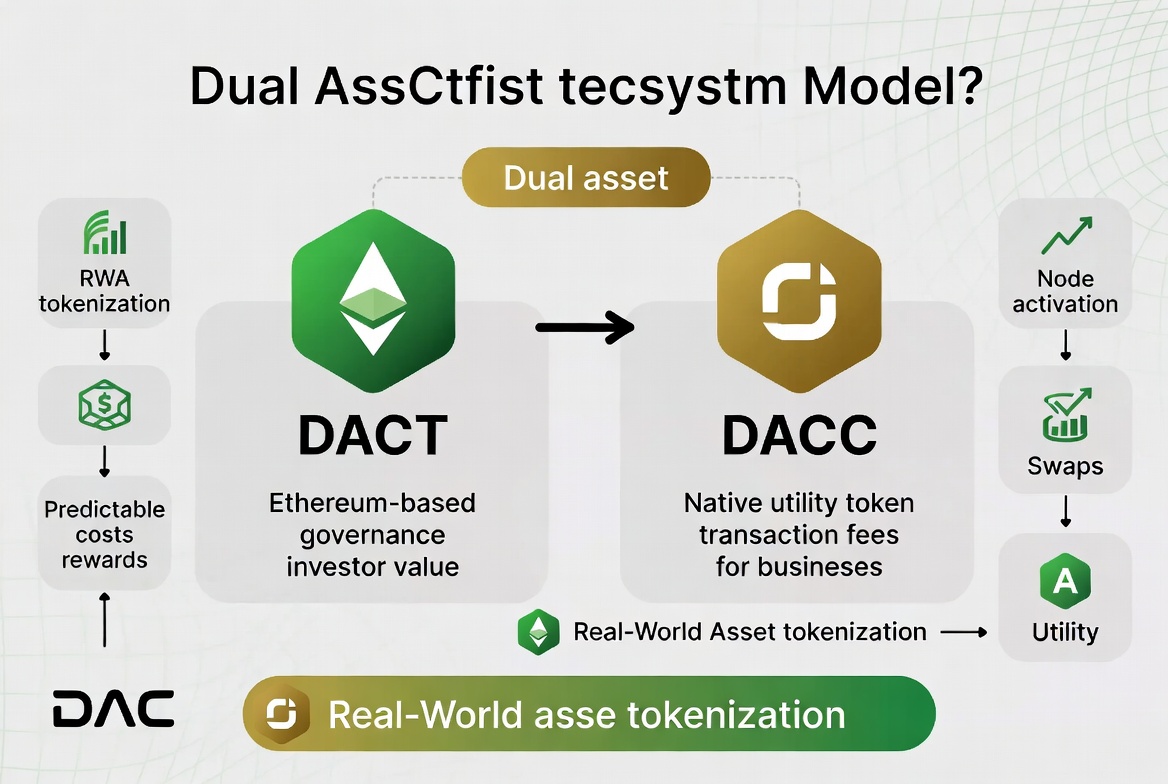
Blockchain is evolving from experimentation to essential infrastructure.
That transition demands stronger security, better reliability, and practical design choices.
DAC is focused on that evolution.
3