


May 9
Do not ever use swype or @Reloadly because their customer service is awful. I have received gift cards from @youpay and they have locked out money from me.
Not only that, they continue to do so because they have now decided to lock up the cards I already have!
The youpay team is escalating them but I believe my lawyer will have to intervene.
2
3
1,828

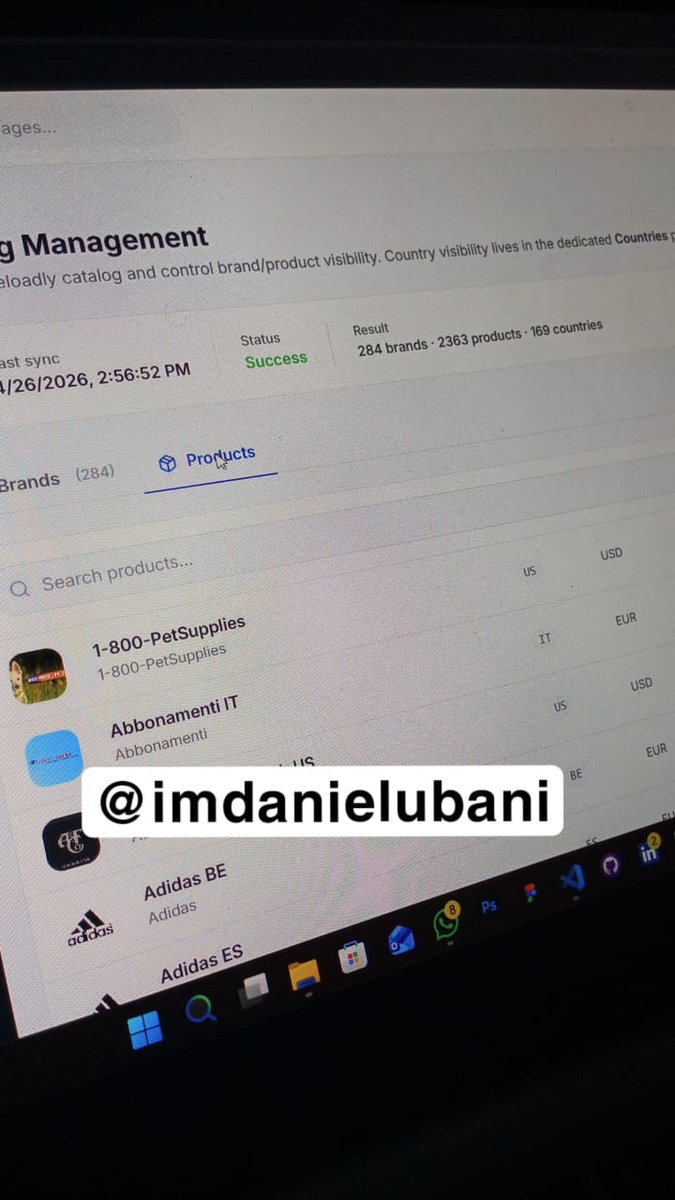
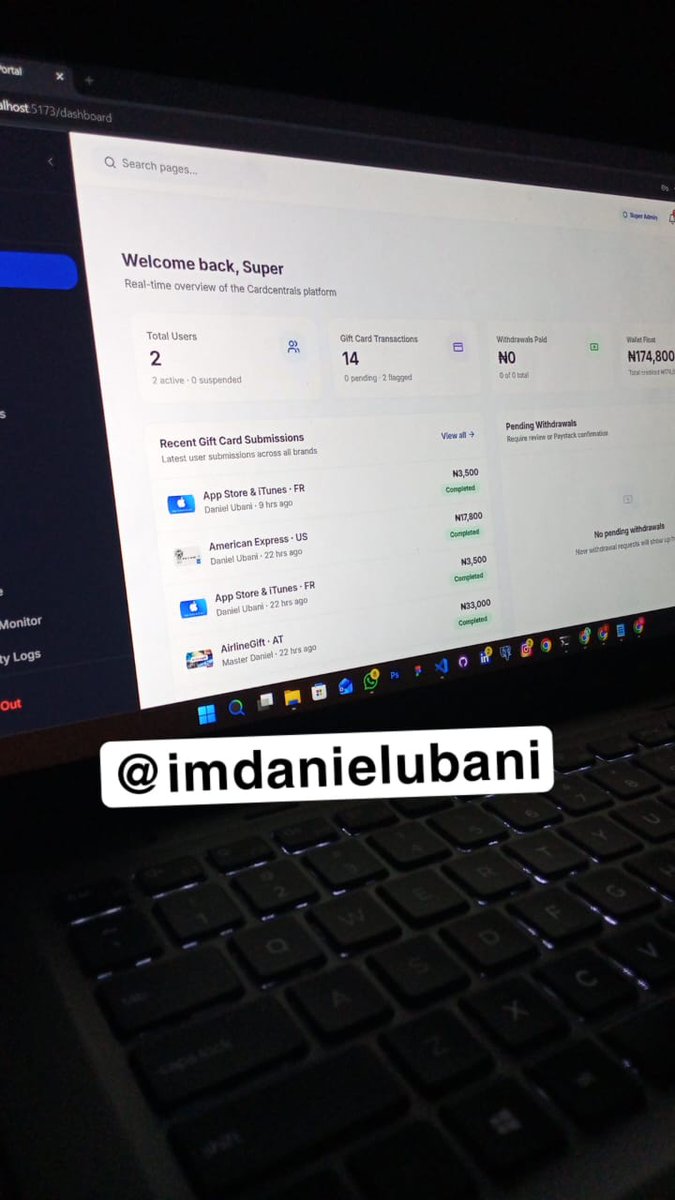
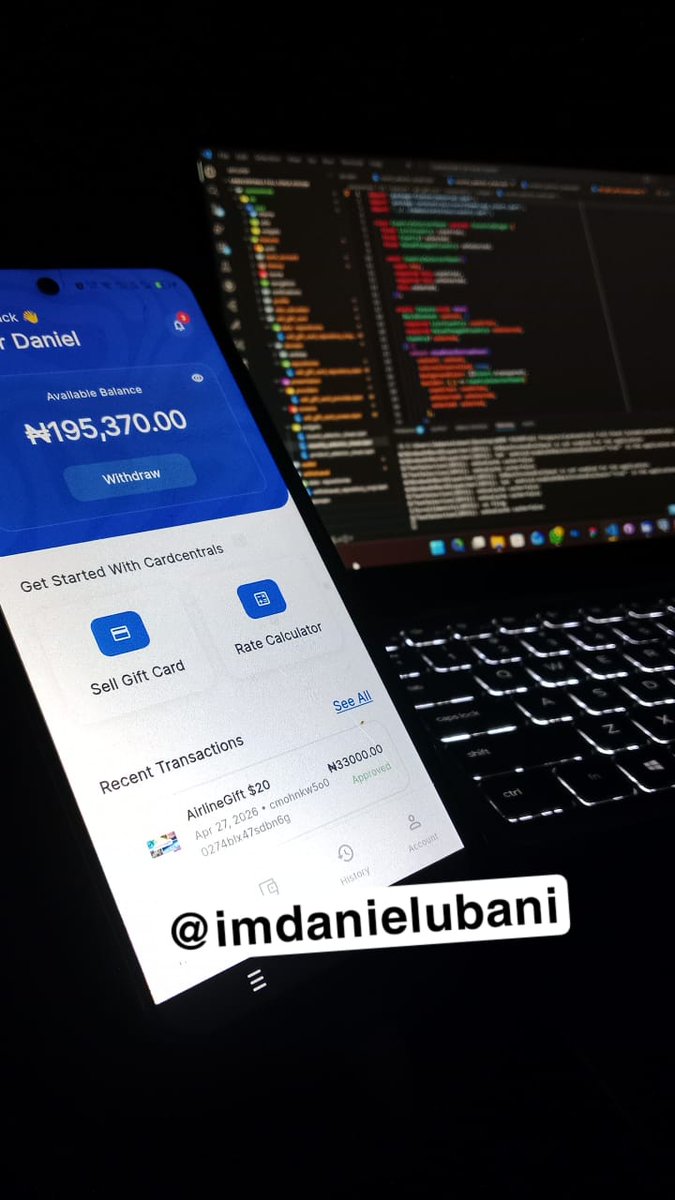
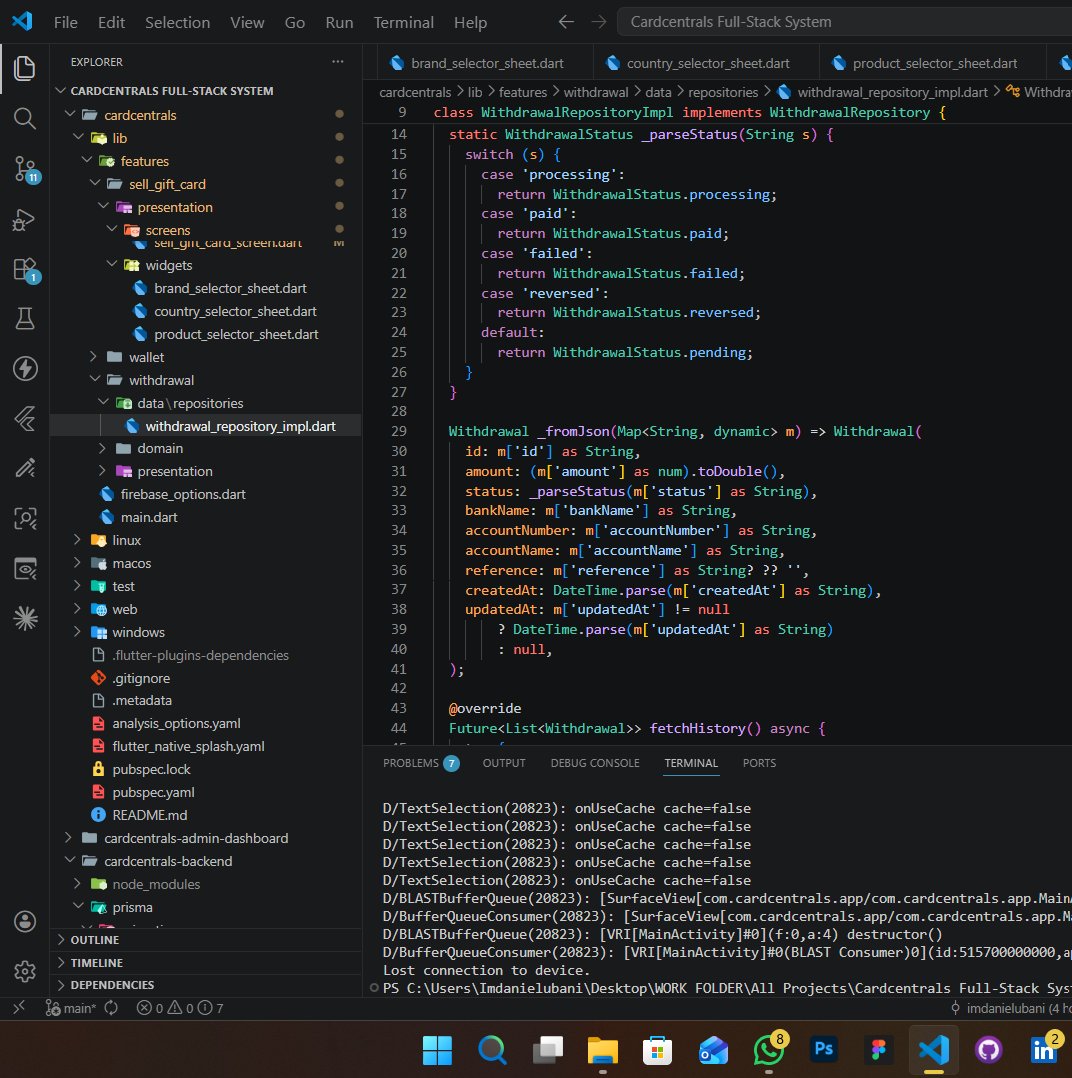
Building a full fintech system:
Flutter app
Backend (Node.js)
PostgreSQL Redis
Reloadly Paystack integration
Real transactions. Real wallet. Real system.
Not a demo — production mindset.
#Fintech #BuildInPublic #DevLife #Flutter #NodeJS #FullStack #TechInAfrica #Startups
1
4
51

Jan 19
This man no dey “create apps”. Na lie. Anybody fit carry existing API, go Fiverr or use contract developer, say make dem wrap am into app, slap logo, connect payment, and upload am to Apple Store and Google Play. That no be infrastructure. That na white label integration.
This latest app sef na straight Reloadly powered app. Everything wey dey inside, airtime, gift cards, game credits, prepaid cards, na another company rails. Payments logic, settlement, compliance, risk, inventory, all na third party. The man no build any backend system. No rails. No engine. Nothing.
This na like say you buy white box device, put your sticker, begin shout say you manufacture hardware. You no manufacture anything. You just brand am.
And make we no dodge am. This guy na scammer. This no be opinion. EFCC don arrest am before for fraud matter, and he still dey do the same nonsense. Just because you dey package API as app no mean say you be tech founder or innovator.
For Nigeria, this kind thing dey impress people because many people no sabi difference between infrastructure and integration. But make we no rewrite reality. This no be innovation. Na packaging. Na hype. Na same old scamming pattern with better UI.
1
17
1,676

4 Aug 2025
Most likely X will evolve frmo a speech platform to payments and transactions then eventually a digital fiefdom, perhaps eventually a proto-government offering multiple services.
As wealth inequality increases we will have a new “Gilded Age” followed perhaps by another Great Depression. And as a government bought out by private interests reduces services and hollows out institutions people will increasingly depend on platforms for goods, services, safety, income, and influence.
Musk’s combination of companies have a lot of potential to become part of the new neo-feudalism system.
Platforms like X, Amazon, and Meta are building the new feudalism, digital fiefdoms where rewards systems, trust mechanisms, and reputation scores give users safety, value, and influence that governments no longer deliver.
As traditional systems falter, people are joining multiple allied platforms, each offering unique benefits, creating a dynamic network of private states and digital unions that redefine community, commerce, and power.
Insurance premiums have surged 20–40% since 2020 (III 2025). Healthcare now burdens families with $22K/year plans (KFF 2024).
Corporate lobbying hit $4.2B in 2024 (OpenSecrets), while public services—cut 20% since 2010 (CBPP)—wither as government bows to corporate interests, eroding citizen influence.
Pew (2023) finds 60% of teens now prioritize online communities like X, Discord, or Reddit.
Users increasingly hold memberships in 2–3 fiefdoms—X for advocacy, Amazon for services, Meta for social connection—blending rewards and trust to foster deep loyalty.
Platforms are transforming rewards systems. X’s payment network, set for a 2025 debut with 41 state licenses and Visa as a partner (The Verge 2025), will enable seamless P2P payments and future loyalty programs—from points to tradable tokens across ecosystems (Deloitte 2025).
Blockchain ensures trust with transparent, tamper-proof ledgers (Forbes 2025). Web3 reputation systems, like Binance’s tiered perks (Blockonomi 2024), score engagement and grant tangible benefits. Crypto-based rewards aren’t live yet, but demand is strong—44% of consumers want them (Reloadly 2022)—and X is poised to add Bitcoin or Dogecoin later (Cointelegraph 2025).
Picture X hosting insurance pools with tokenized incentives, Amazon expanding telehealth with point-based care credits, or Meta enabling group legal aid tied to reputation scores.
These allied fiefdoms can interoperate—leveraging Starlink for global access or xAI for automated claims—creating a seamless, cross-platform user experience.
This architecture powers digital unions. Users crowdfund aid, organize boycotts, and coordinate collective action—just as r/WallStreetBets shook hedge funds. Platforms already arbitrate disputes—resolving product complaints, refunding fraud, or banning bad actors—acting as judge and jury without democratic oversight. Terms of Service serve as a corporate “Charter of Rights,” enforced in real time. Unlike constitutional rights, they are CEO-controlled, but their speed and reach often surpass sluggish state systems.
Wealth inequality (top 1% hold 32%, Fed 2024) foreshadows a new Gilded Age. This new feudalism thrives on choice, not monopoly. Regulatory hurdles (e.g., X’s pending NY license, HIPAA) and competition ensure a multi-fiefdom landscape.
The loyalty market, projected to hit $24B by 2030 (PYMNTS 2024), shows the scale of this shift. X’s beta-tested payment network, already in limited release (Mint 2025), positions it to deliver rewards and trust at a level to rival PayPal or Cash App.
Combine this with the impact of AI and robotics on the labor and supply market and a perfect storm is coming.
It will perhaps be this system, honed on earth, that evolves into the government on Mars with direct democracy incorporated into a moderated X platform.
#DigitalFiefdoms #RewardsSystems #NewFeudal
2
5
2,028

1/ Global and Regional Providers
Twilio: Known for its wide range of communication APIs, Twilio offers SMS and voice services that can be adapted for airtime and data disbursement. While primarily global, it's important to verify their specific offerings in African regions.
Nexmo (Vonage API): Provides APIs for SMS, voice, and phone verifications, which can be utilized for mobile data and airtime services. Their global reach makes them a versatile option.
Reloadly: Specializes in airtime and mobile data API services, allowing businesses to integrate top-up services into their applications. They offer a global reach with a focus on ease of integration.
Ding: A platform for sending mobile top-ups worldwide, Ding emphasizes ease of use and extensive global coverage, including many African countries.
DT One: Operating in over 160 countries, DT One offers a comprehensive platform for airtime and mobile money distribution, making it a strong contender for global operations.
2/ African-Focused Services
Cellulant: Provides digital payment solutions, including airtime and mobile data distribution across Africa. Their focus on the African market makes them a reliable choice for regional operations.
Wave: A mobile money and airtime distribution platform operating in several African countries, including Ghana, Kenya, Tanzania, and Uganda.
MFS Africa: A pan-African fintech company offering airtime and mobile money distribution services across the continent, catering to a wide range of African markets.
Hubtel: Based in Ghana, Hubtel offers airtime and mobile money distribution services in Ghana and other West African countries.
Selcom: A Tanzanian-based fintech company providing airtime and mobile money distribution services in Tanzania and other East African countries.
sup.ai/chats/cm6oox0lk0001l1…
1
64


2 Jan 2025
Tech Stack 📚
*Frontend: React Native for cross-platform development.
*Backend: Node.js Express.js for scalable transaction handling.
*Database: Firebase for authentication & real-time updates.
*APIs: CoinMarketCap, Reloadly, SmileID, Paga, VFD Microfinance Bank.
1
1
98

24 Oct 2024
Manilla is coming! So let’s remind you again of what to expect! 🚀
Manilla Finance is shaking up the digital payments and CeDeFi space with Manilla Pay, a cutting-edge fintech app. It allows users to easily pay for flights, hotels, utility bills, and more using various crypto assets, including stablecoins, $BTC, $BNB, $SOL, $SUI, $TON, and the native Manilla token - $MNLA. 🌍💸
Manilla token holders can also benefit from a dual-layered yield strategy, where they can stake or provide liquidity to earn dynamic rewards. 💰🔥
Key partners include Amadeus, Prembly, Tiqwa, Thresh0ld, Chainalysis, Fireblocks, Reloadly, Borderless Travels, Hacken, Hype & Buzz. Manilla is supported by exchange partners like MEXC, Biconomy, and Coinstore. 🌐
Community 🏡 >> t.me/manilla_finance

16
9
21
1,303

13 Jul 2024
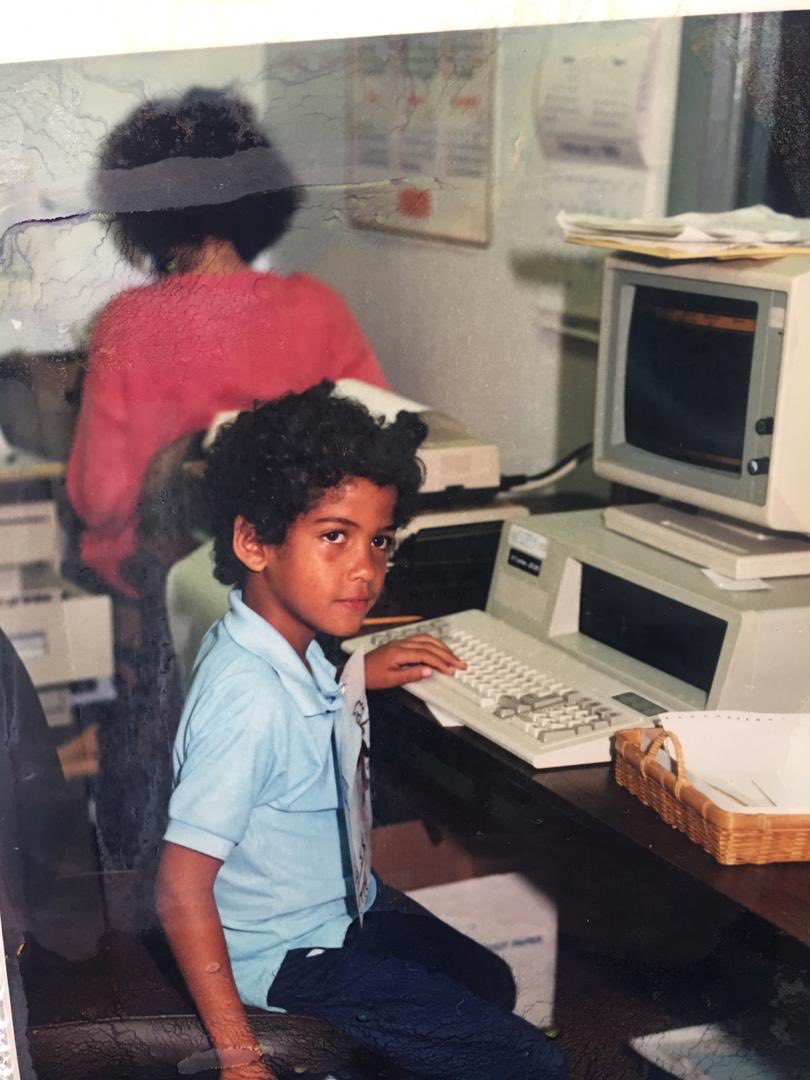
Found this picture and realized that 35yrs later my life path has been solely in tech businesses 🤔 @CallDirek @Reloadly @goAstronuts
7
148

A multi-trillion dollar gift card industry boom awaits by 2032, according to expert forecasts.
Here we've put together an expansive gift card industry analysis. Read on to learn more.
hubs.li/Q02hSC260
#giftcards #ecommerce #retail #industryreport #reloadly #trends2024
1
3
493
Reloadly is proud to announce that we have appointed Enrique Hirlemann as our new Chief Executive Officer. This appointment comes during a period of record growth for Reloadly. Read all the details here:
hubs.li/Q02b8B5T0
1
5
264

7 Oct 2023
Manilla Finance has partnered with reputable platforms like:
→ Fireblocks
→ Tiqwa
→ Prembly
→ Chainalysis
→ Sayfer
→ Hype&Buzz
→ Reloadly
→ Dverse
→ BSC Station
→ Macrolium
→ Evan Luthra
and Was audited by
Hacken.
1
10
74

6 Oct 2023
They're partners with top-leading Web3 industries, like
•Hacken •Reloadly •Dverse
•Gempad •Kommunitas •Poolz
•Fire blocks •Tiqwa •Evan luthra
•Chanalysis •Sayfer •Hype & Buzz
•Pixel solutions •Bsc station •Prembly.
1
1
6
107

4 Oct 2023
→ Helps you pay your bills using the $MNLA token
Interesting right?
𝐌𝐚𝐧𝐢𝐥𝐥𝐚 𝐅𝐢𝐧𝐚𝐧𝐜𝐞 is backed by reputable companies such as:
• Tiqwa
• Dverse
• Hacken
• Prembly
• Reloadly
• Macrolium
• Chainalysis
• FireBlocks
• BSC Station
• Hype & Buzz

1
1
7
75

3 Oct 2023
•Hacken •Reloadly •Dverse
•Gempad •Kommunitas •Poolz
•Fire blocks •Tiqwa •Evan luthra
•Chanalysis •Sayfer •Hype & Buzz
•Pixel solutions •Bsc station •Prembly
Now, you know their partners.
Here's why you should care about what they are building:
1
8
104
7 Sep 2023
𝐌𝐚𝐧𝐢𝐥𝐥𝐚 𝐅𝐢𝐧𝐚𝐧𝐜𝐞 is backed by reputable companies such as:
• Tiqwa
• Dverse
• Hacken
• Prembly
• Reloadly
• Macrolium
• Chainalysis
• FireBlocks
• BSC Station
• Hype & Buzz
• Defi Insiderz
• Kirobo
The Audit and KYC were done by Hacken
And,
1
9
159
6 Sep 2023
Manilla is powered by Manilla Technologies and supported by partners such as:
•Tiqwa
•Dverse
•Hacken
•Prembly
•Reloadly
•Macrolium
•Chainalysis
•FireBlocks
•BSC Station
•Hype & Buzz
•Defi Insiderz Kirobo
1
8
165

12 May 2023
Available na ang DITO sa Reloadly!
Pwede na mag-load at mag-subscribe sa DITO Level-Up Packs via the Reloadly website. Bili na! bit.ly/3NWWR3v
#DITOsaReloadly #TodoNaDITO #DITOtelecommunity

9
14
1,232