
Home advantage! 🏡
Meet us at the ASRM/CFAS Business of Medicine Conference this week in Chicago. Visit our booth to talk all things PGT at RGI.
#ASRM #BusinessOfMedicine #FertilityCare #ReproductiveGenetics
#PGT #GeneticTesting #IVFCommunity #FertilitySpecialists
#WomensHealth

6

PGT is entering a more mature phase.
For years, much of the conversation around preimplantation genetic testing focused on what we can detect.
Now the more important conversation is becoming:
What should we report?
How confident are we?
How do we explain uncertainty to patients?
And how do we make sure innovation improves care, rather than simply adding complexity?
Three trends are especially important:
1. Non-invasive PGT-A is promising, but the evidence still shows important limitations. Avoiding biopsy sounds attractive, but accuracy, false positives, and clinical validation matter.
2.Polygenic embryo testing is moving quickly, but it raises serious scientific and ethical questions. Probabilistic risk is not the same as diagnosis, and patients deserve clear counseling around what these scores can and cannot tell them.
3. AI will increasingly support embryo assessment and interpretation, but it should not become a black box. In reproductive genetics, trust depends on transparency, validation, and responsible communication.
The future of PGT should not be “more data at any cost.”
It should be better data, better interpretation, and better decisions for families and clinicians.
That is where genomics can make the biggest difference.
#PGT #PreimplantationGeneticTesting #IVF #ReproductiveGenetics #Genomics #Embryology #FertilityCare #GeneticCounseling #PrecisionMedicine #ResponsibleInnovation
1
1
17

Jun 9
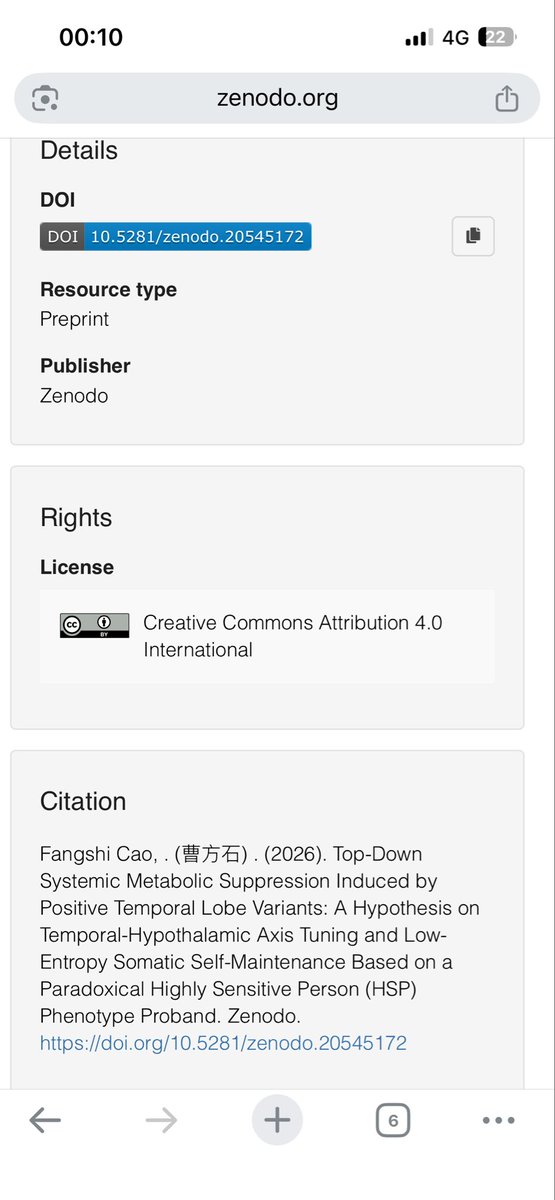
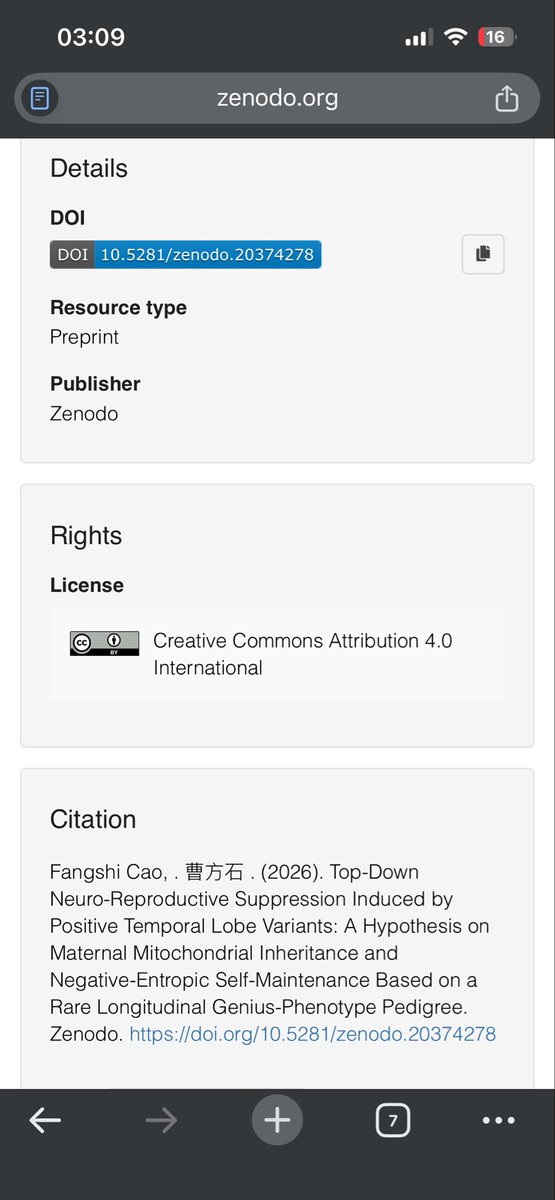
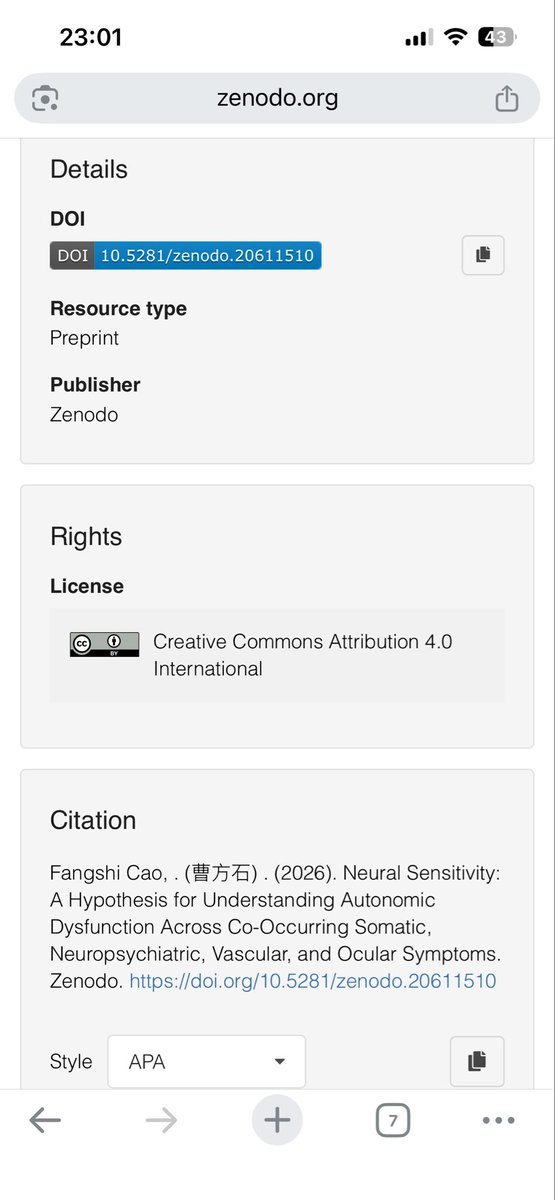
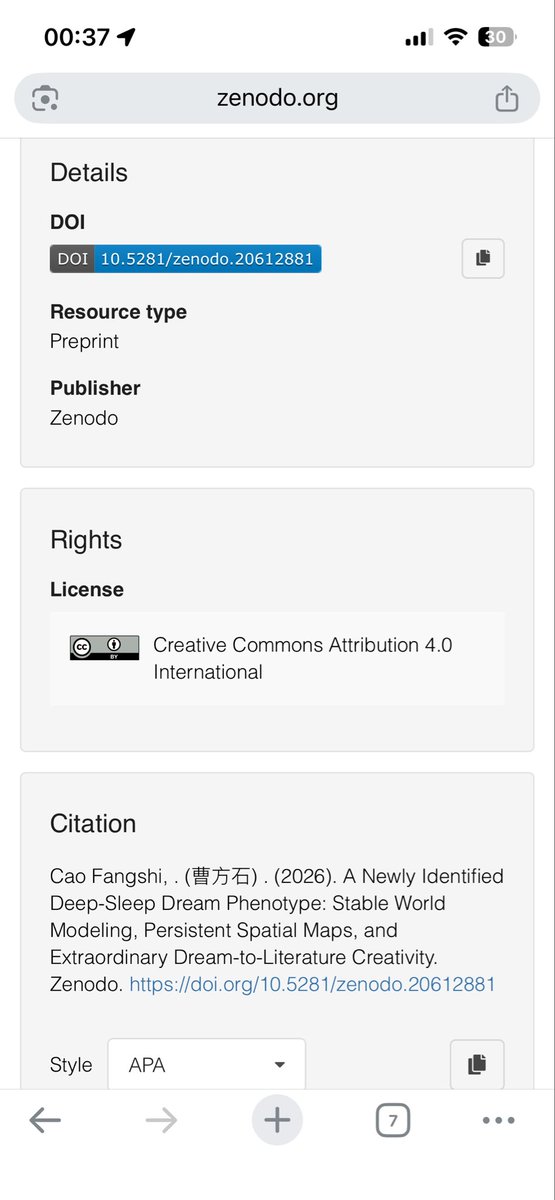
Five bundled preprints: full closed-loopfrontier theory for high-order cortex top-down brain regulation, filling global research blank|5 DOIs | Full-system brain sciencetheoretical closure. #Neuroscience #Neuroendocrinology #CognitiveScience #ReproductiveGenetics #BrainScience
Jun 9

Five bundled preprints DOIs:
doi.org/10.5281/zenodo.20545…
doi.org/10.5281/zenodo.20374…
doi.org/10.5281/zenodo.20611…
doi.org/10.5281/zenodo.20612…
doi.org/10.5281/zenodo.20612…
2
155

SPECIALISE. INNOVATE. LEAD.
Our MSc in Reproductive Genetics equips scientists and clinicians with expertise in fertility, genomics and reproductive medicine.
Contact the course team with any questions.
f.mtr.cool/kwqtmrvylz
#ReproductiveGenetics #Genomics

1
5
115

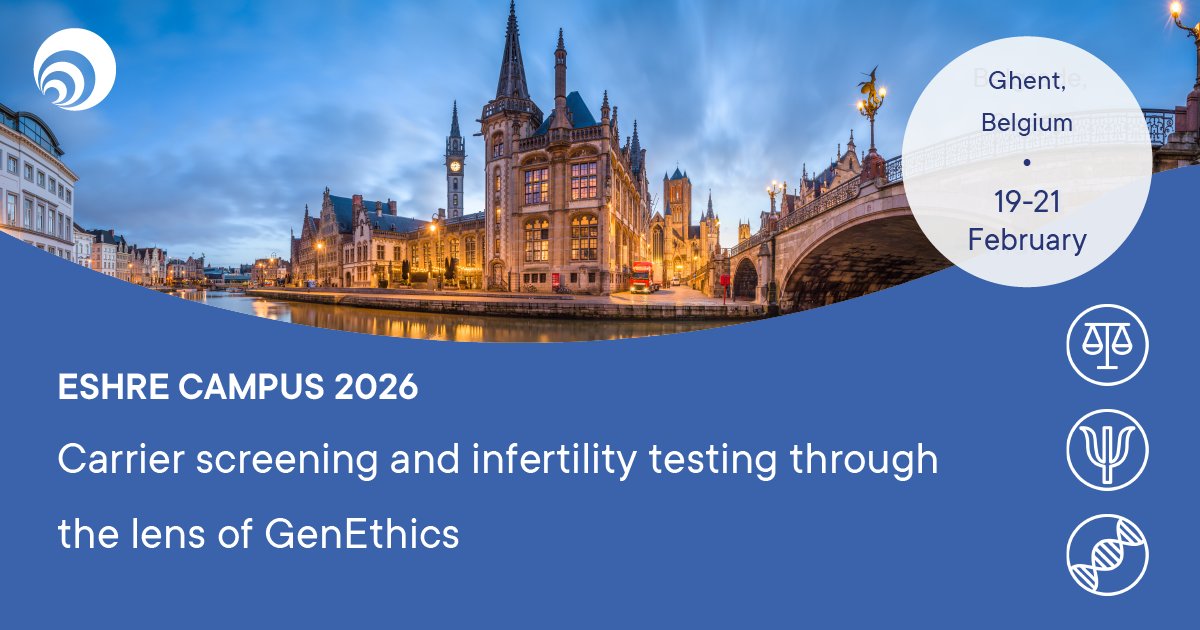
🎯 Start 2026 with an #ESHRE Campus!
✓ ECS & infertility testing
✓ Expert case discussions
✓ Genetic result interpretation
✓ Ethics in repro genetics
📍 Ghent | 19–21 Feb 2026
Submit your case by 2 Feb!
eshre.eu/Education/Calendar-…
#ReproductiveMedicine #ReproductiveGenetics
1
3
222
We’re launching TWO new MSc programmes! 🎓✨
• MSc in #GlobalWomensHealth (2-year, part-time)
• MSc in #ReproductiveGenetics (1-year, full-time)
Join our mission to advance women’s & reproductive health worldwide. buff.ly/YsGLy0Y
#OxfordUniversity #WomensHealth


1
9
200
🧬Join our live webinar on #PGT for mitochondrial disorders (PGT-MT) - the future of reproductive genetics!
🗣️ Debby Hellebrekers
🎙️ Moderators: N. Castelluccio & R. Pillai
📅 4 Sept 2025 | 17:00 CEST
💬 Live Q&A
🔗eshre.eu/Education/Webinars/…
#ESHRE #Webinar #ReproductiveGenetics
4
332
🧬Join our live webinar on #PGT for mitochondrial disorders (PGT-MT) - the future of reproductive genetics!
🗣️ Debby Hellebrekers
🎙️ Moderators: N. Castelluccio & R. Pillai
📅 4 Sept 2025 | 17:00 CEST
💬 Live Q&A
🔗eshre.eu/Education/Webinars/…
#ESHRE #Webinar #ReproductiveGenetics
5
334

29 Jul 2024
Mark your 🗓️ 📣 @myriadgenetics CEU/CNE series ft #reproductivegenetics #healthequity #disparities #genechat
This tweet is unavailable
1
352

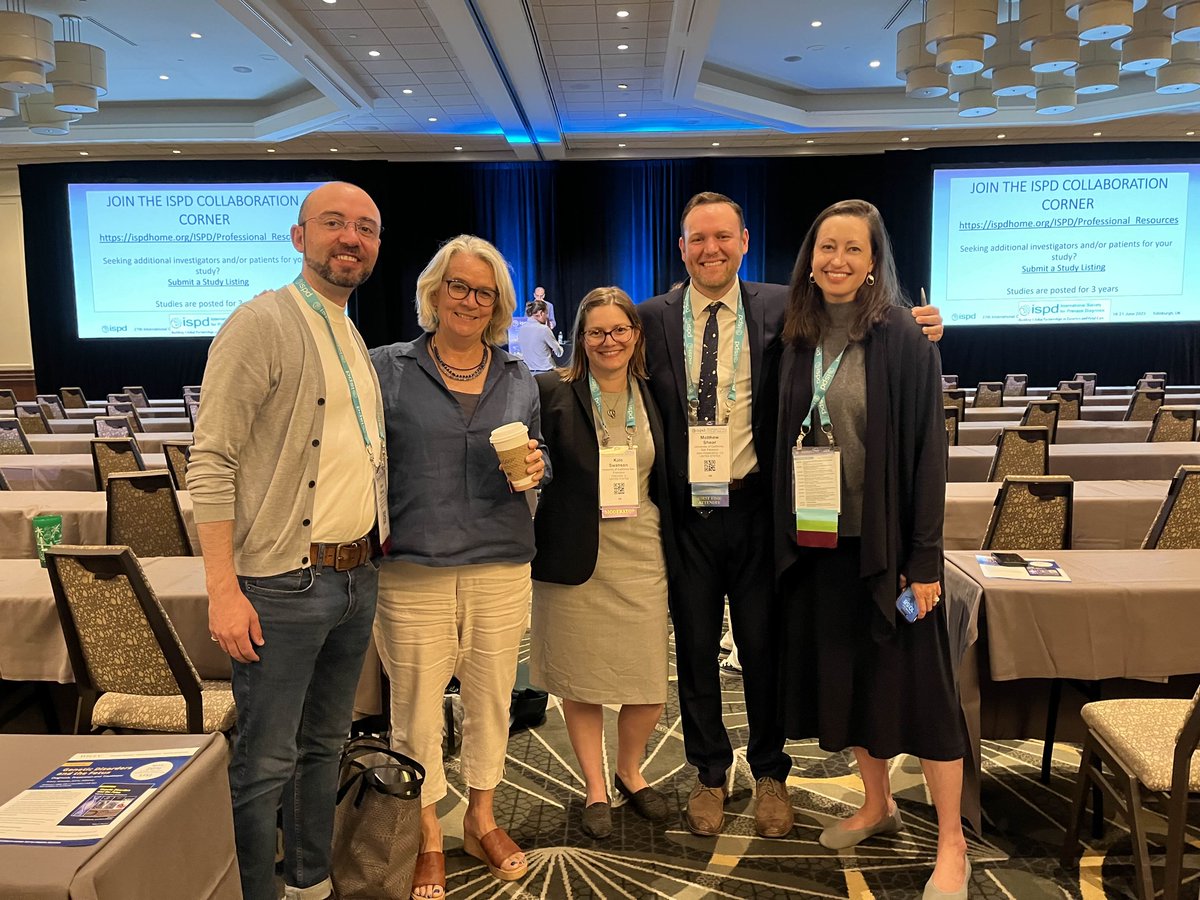
Our Center team participated in the 28th International Conference on Prenatal Diagnosis and Therapy. Thanks, @ISPDHQ for a wonderful event! #ispd2024 #reproductivegenetics #fetaltherapy
1
2
6
450

4 Oct 2023
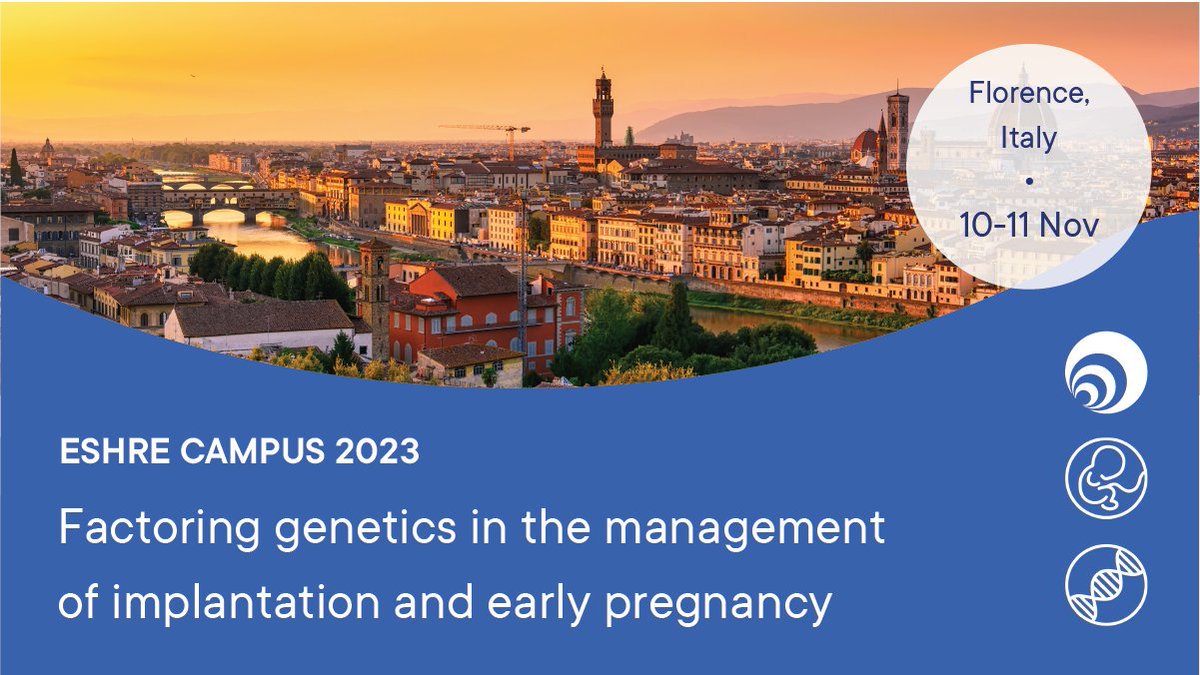
Join us for this scientific event in #Florence to discuss genetic factors associated with #implantation and early #pregnancy.
🐦⏳ Early bird registration until 10 October‼️
@ESHREsigIEP and SIG #reproductivegenetics @ESHRE

🏆 Every campus course is a chance to learn something new
This course will focus on current and emerging applications of genetics in reproductive medicine, their clinical implications, and putative medium and long-term effects.
📈 6 CME credits
All info eshre.eu/Education/Calendar-…
1
5
10
1,098

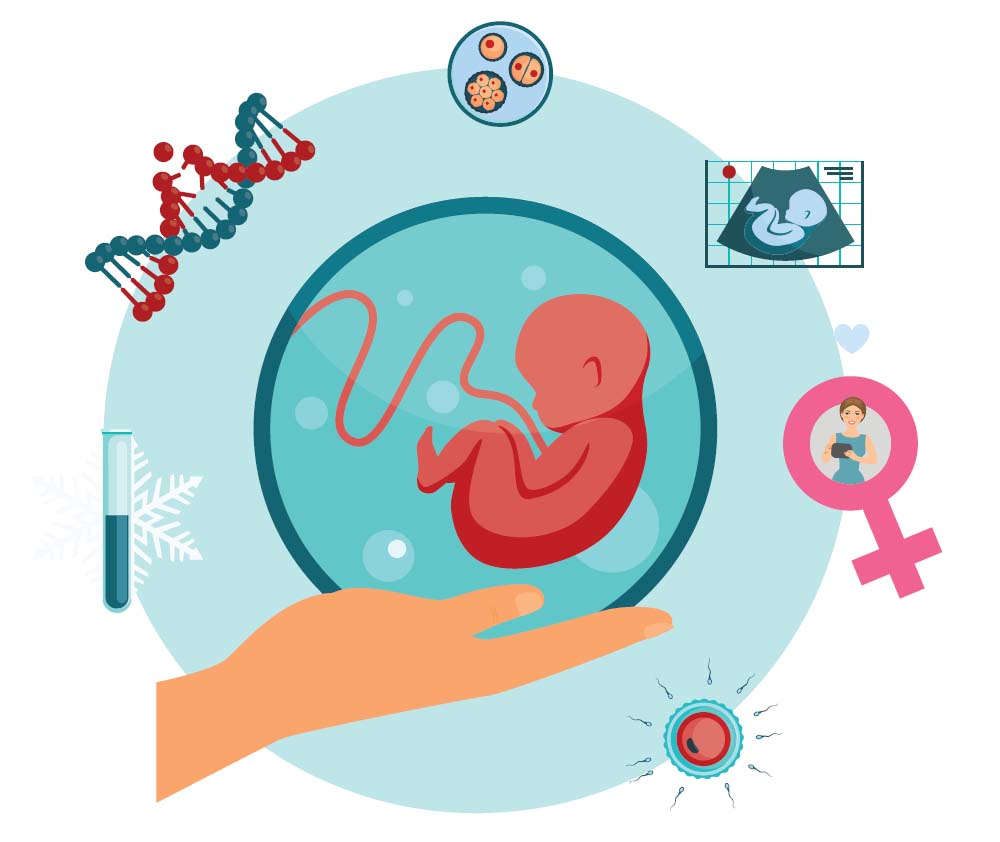
Reproductive genetics refers to the branch of genetics that focuses on the study of genetic factors and principles related to human reproduction and reproductive health.
#genetic #heredity #genes #genomics #ReproductiveGenetics #HealthyBeginnings
5
162

7 Jun 2023
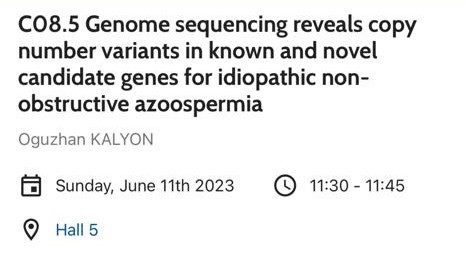
#GlasgowGoesGenetics at #ESHG2023 @eshgsociety in less than 3 days! Thrilled to share that I will be presenting my work at the #reproductivegenetics session on Sunday morning. Will be happy to see you there !
1
3
10
2,097

26 May 2023
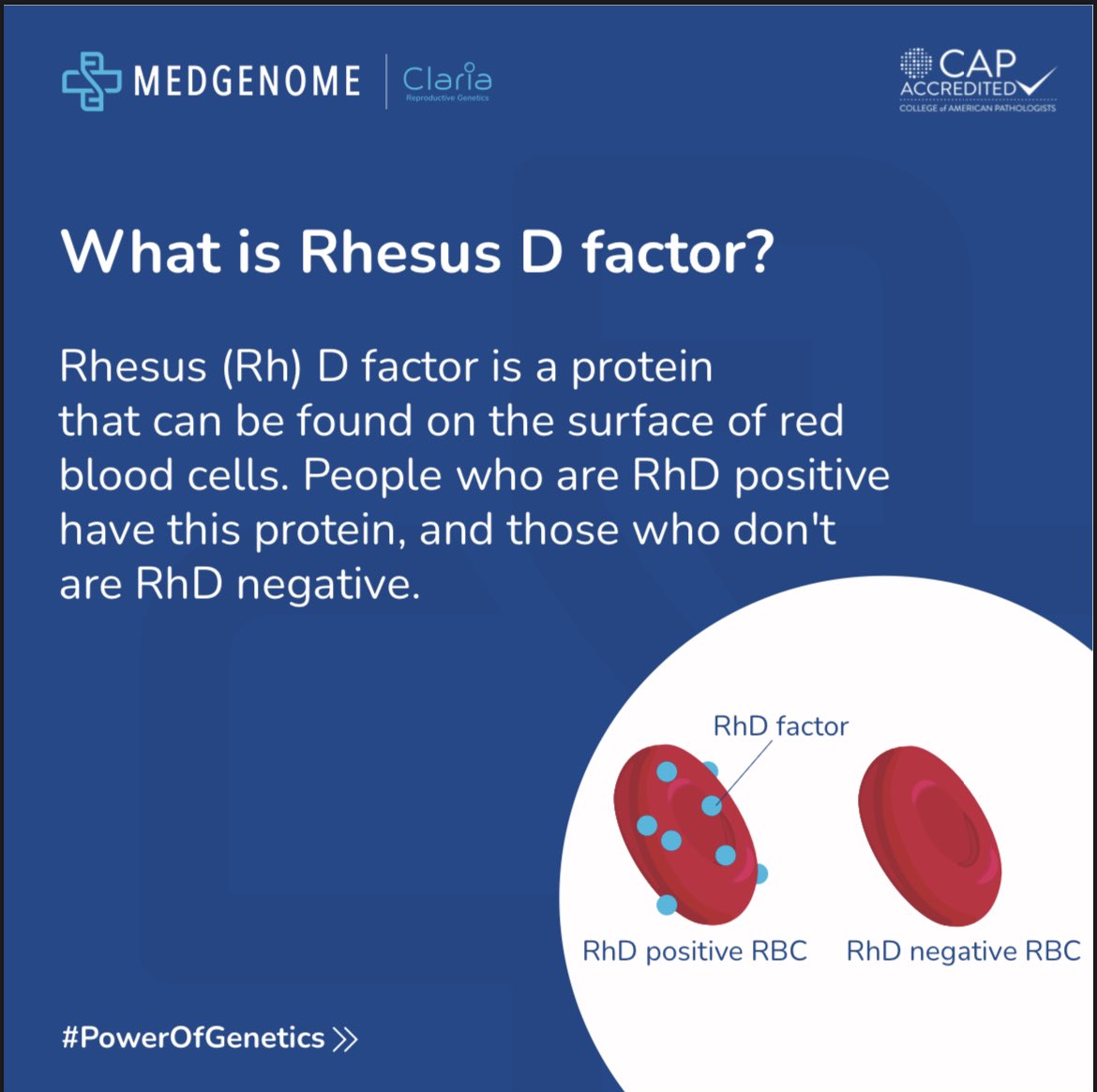
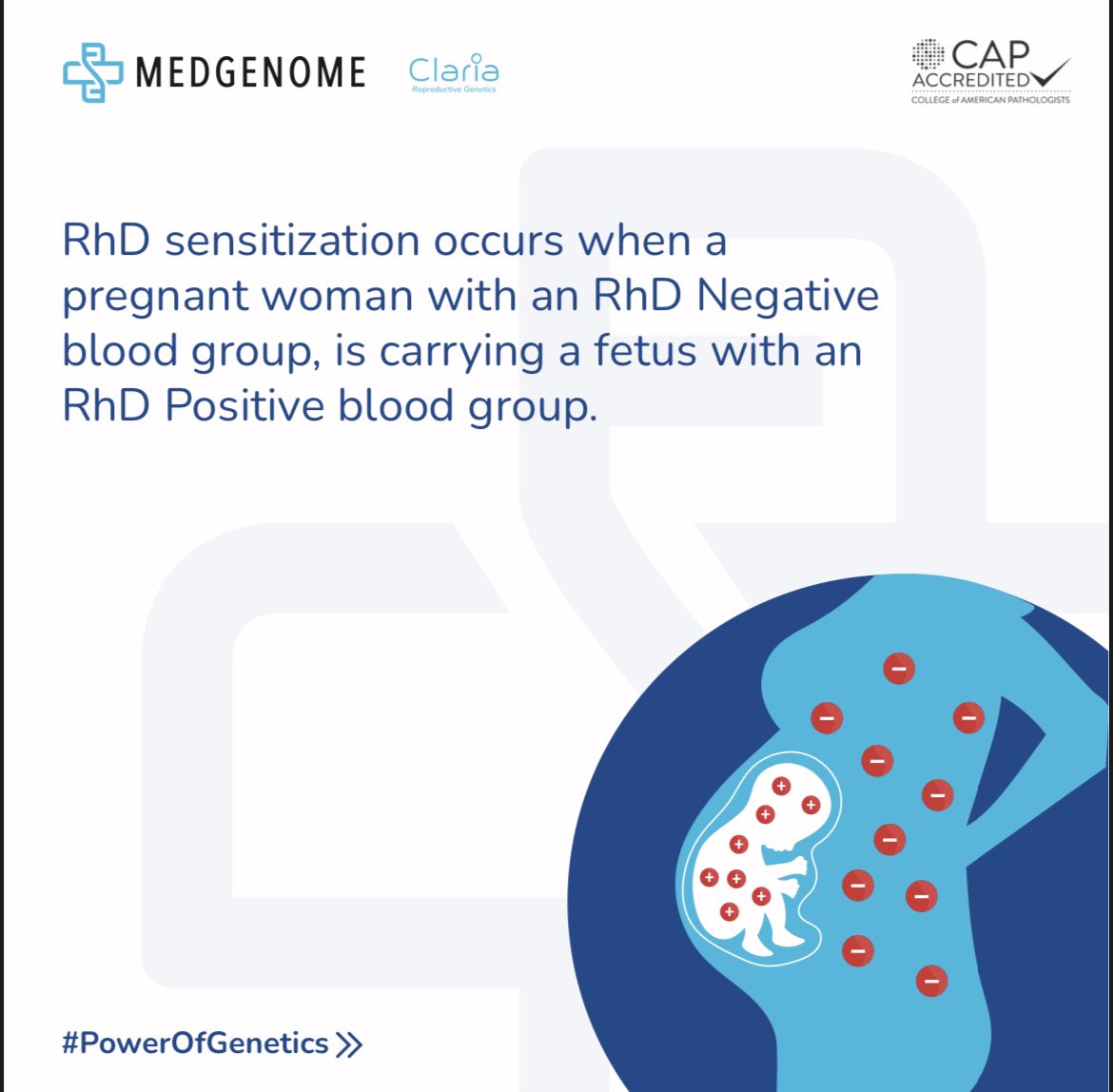
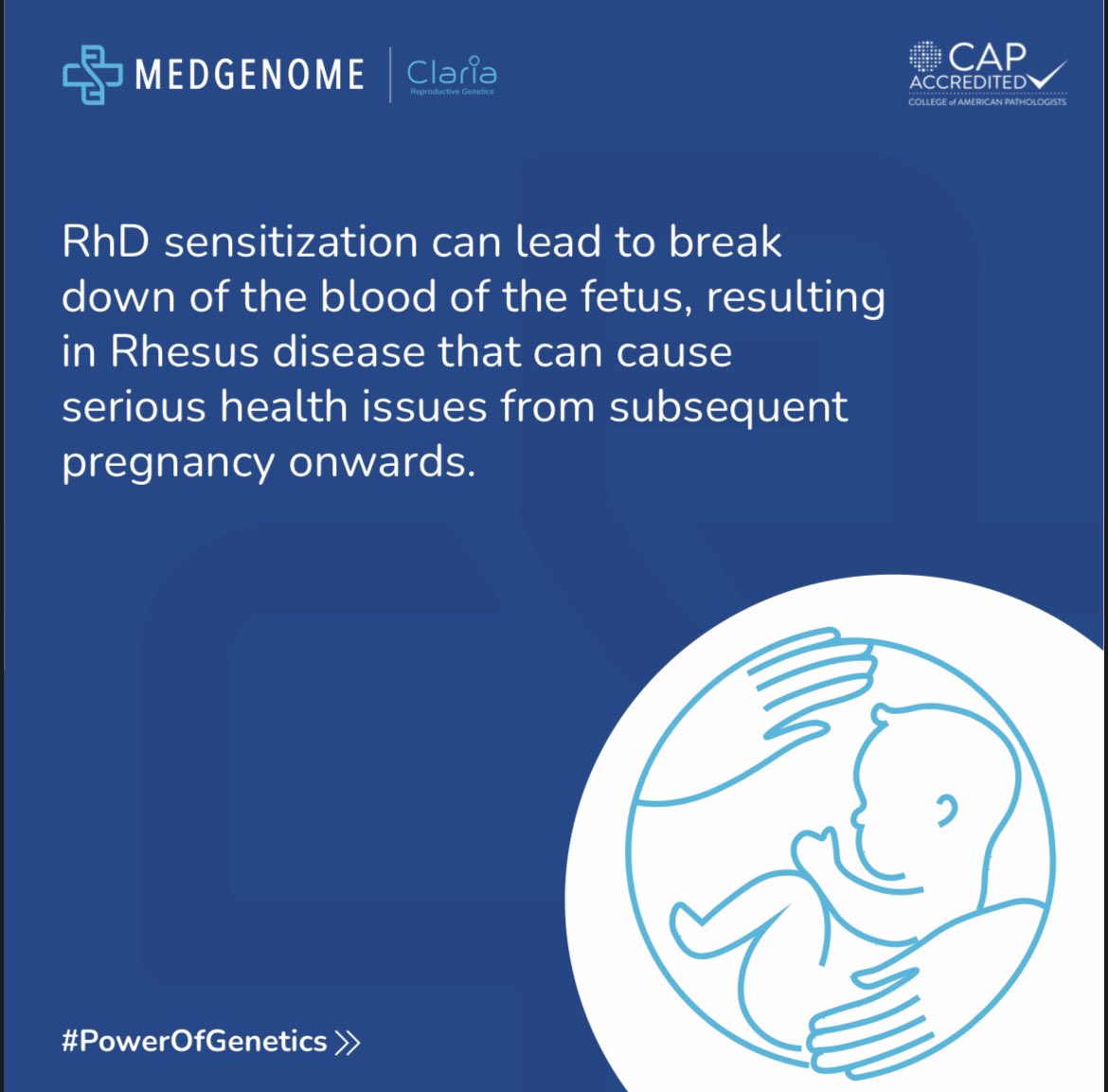
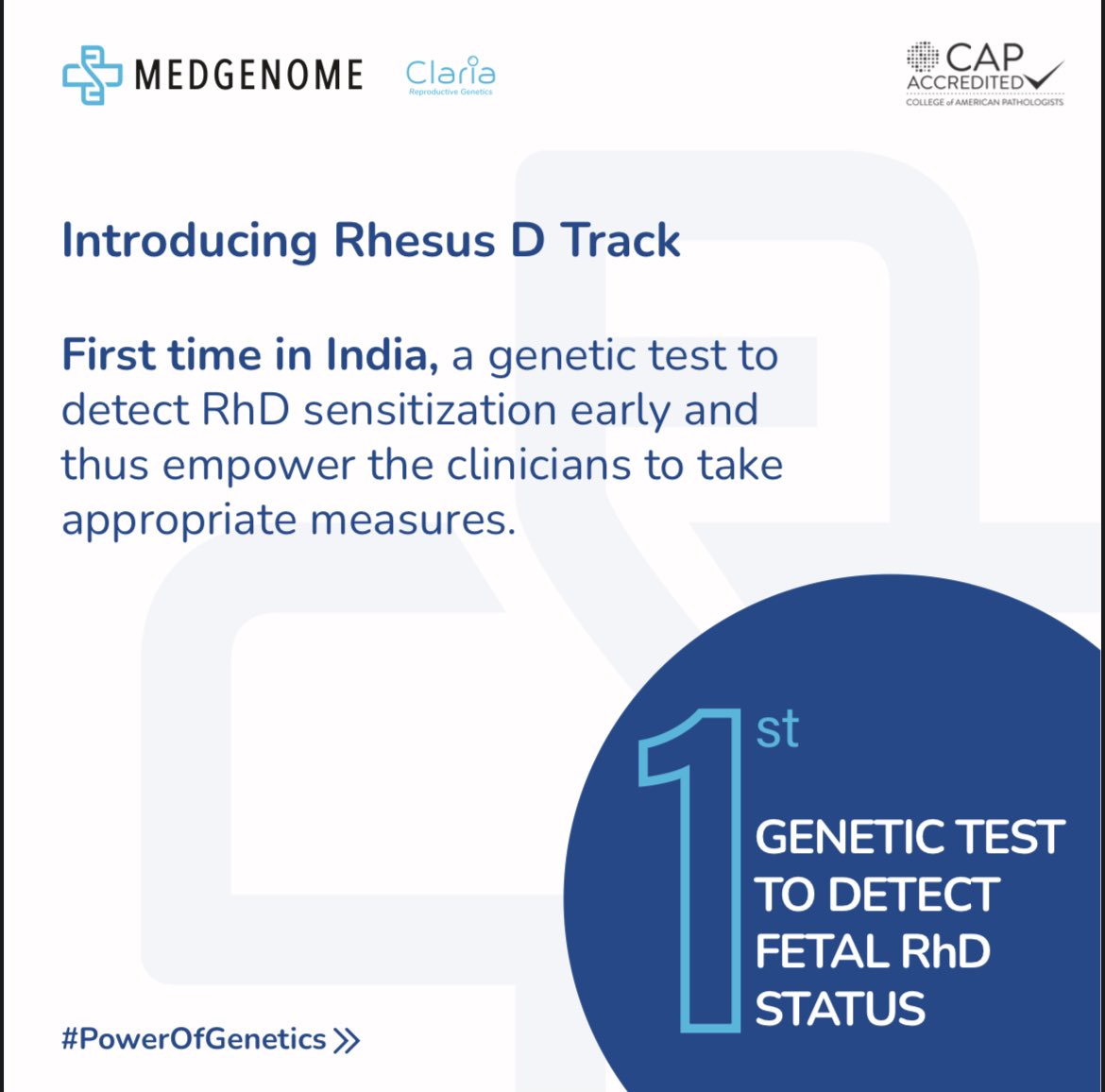
Rhesus D Track is a Non-invasive prenatal testing of fetal RhD status that uses a real-time quantitative polymerase chain reaction method to detect fetal RhD status using cell-free fetal DNA in RhD negative women.
#MedGenome #MedGenomeClaria #RhesusD
#ReproductiveGenetics #RhD
1
2
3
185

26 Feb 2023
Snack 57: Commercial Genetic Testing
In this snack, Ruby, Anne, and guest genetic counselor Rachel Donnell tackle the question: What's wrong with a commercial test?
#reproductivegenetics #geneticcounseling #PGT #embryotransfer #embryology #DNA @TheACMG @PinnacleFertility
1
2
95
14 Feb 2023
This Valentine's day, plan for a secure & healthy future as well while planning for a Happy one, with Carrier Screening test.
#valentinesday #couplegoals #Carrierscreeningtest #MedGenomeClaria #ReproductiveGenetics #GeneticTesting #Genomics #MedGenome #PrecisionTesting
1
1
222

27 Jun 2022
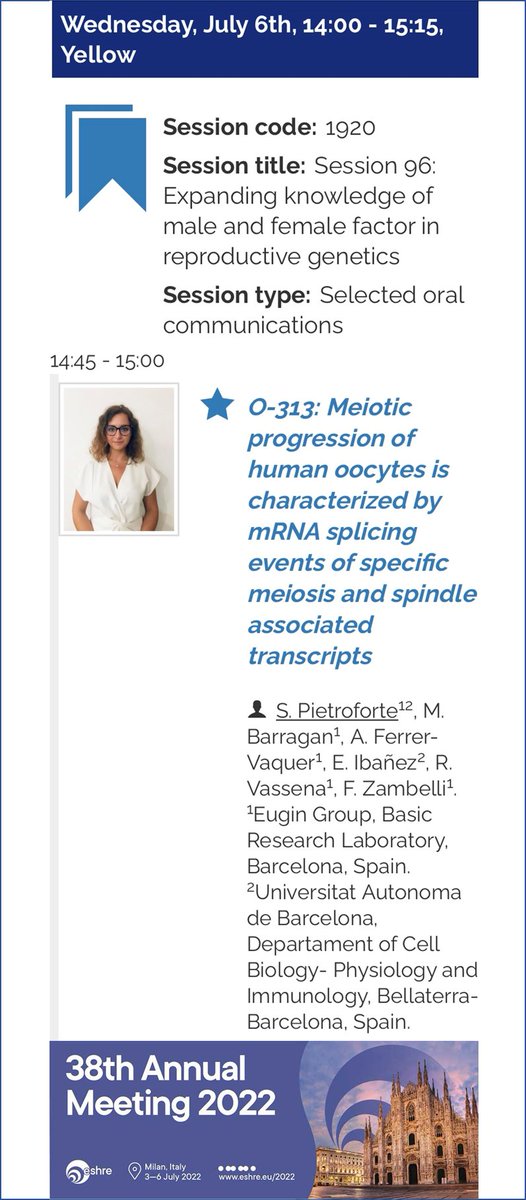
Looking forward to attending your session @sarapietroforte
#ESHRE2022
#Reproductivegenetics #WomenInSTEM
@ESHRE
26 Jun 2022

📣I am very excited to be part of ESHRE2022!! 🤩🤩
Can't wait to see you all in Milan! 🤓
@ESHRE
@eurova_etn @eugin_es
#Reproductivegenetics
#WomenInSTEM
#phdlife
linkedin.com/feed/update/urn…
4
4

26 Jun 2022
📣I am very excited to be part of ESHRE2022!! 🤩🤩
Can't wait to see you all in Milan! 🤓
@ESHRE
@eurova_etn @eugin_es
#Reproductivegenetics
#WomenInSTEM
#phdlife
linkedin.com/feed/update/urn…
1
4
20

8 Jun 2022
How could whole genome sequencing change prenatal workups? Check out the latest @Forbes Technology Council article by our CEO, Haim Neerman: “Four Reasons Why Whole-Genome Sequencing Could Cause A Paradigm Shift In Maternal-Fetal Medicine” ⬇️
#WGS #ReproductiveGenetics
8 Jun 2022

Four Reasons Why Whole-Genome Sequencing Could Cause A Paradigm Shift In Maternal-Fetal Medicine hubs.li/Q01d376L0 Written by Haim Neerman of @variantyx
2

21 Apr 2022
Is @lunagenetics a Game Changer?
Ron Wapner and @laurahercher on Prenatal Diagnostics
beaglelanded.com/podcasts/lu…
#genechat #prenataldiagnostics #reproductivegenetics #genomicmedicine #NIPT
4
4