CravingBirkin retweeted

June Girlgroup Brand Reputation Ranking:
1. IVE
2. BLACKPINK
3. ILLIT
4. aespa
5. TWICE
6. RESCENE
7. Red Velvet
8. LE SSERAFIM
9. KiiiKiii
10. OH MY GIRL
11. ITZY
12. BABYMONSTER
13. MAMAMOO
14. NMIXX
15. Hearts2Hearts
16. H1-KEY
17. Apink
18. fromis_9
19. STAYC
20. FIFTY FIFTY
21. tripleS
22. Kep1er
23. i-dle
24. WJSN
25. Girls’ Generation
26. UNCHILD
27. KISS OF LIFE
28. KATSEYE
29. HEART OF WOMAN
30. SAY MY NAME
93
519
3,105
137,340

I could go on. Kenny Noye, criminal, never served long in jail, mason. The have a shiny outside reputation for charity but a very dark underbelly. I have personal experience of masons getting away with criminal acts. Imo hunting with hounds continues bc of freemasonry
1

Good Morning Everyone ❤️🩹
The strongest ecosystems aren’t built by hype alone.
@RiverdotInc keeps rewarding reputation and consistency, while @NomismaNetwork focuses on making liquidity work smarter across ecosystems.
Different paths. Same goal: sustainable growth.
155
54
558
1,847

The problem is that some people deliberately conflate the movement of Muhammad ibn Abd al-Wahhab with the political conflicts that later took place in the Arabian Peninsula. The Sheikh did not call for a war against the Ottomans; rather, he called for the renewal of Islamic creed and the rejection of what he regarded as innovations and acts of shirk, such as the veneration of graves, seeking aid from the dead, and other practices he believed had no basis in Islam.
The wars that occurred later were tied to struggles over influence and sovereignty in the Arabian Peninsula and cannot simply be reduced to being “religious wars.” Portraying the Sheikh as the leader of a campaign against the Ottomans is a selective reading of history aimed at tarnishing the reputation of a religious scholar known for his call to pure monotheism, whether people agree with him or disagree with him.
The objection was directed at practices that were considered shirk and at granting them religious legitimacy—not at people’s ethnicity, identity, or mere differences of opinion.
2



CT (HNIC) retweeted

Jun 10
“NNPC has no reputation, your reputation is for fråud”.
Senator Adams Oshiomhole in a heated exchange over the NNPC.
116
682
2,536
313,518

RiverdotInc,wallchain,TheARCTERMINALThe real test for the current market is not price action but how well your tools talk to each other while you are offline
While most people treat tokens as passive entries on a ledger the structure at @RiverdotInc is shifting toward active reputation. The June 30 deadline for Season 5 is a reminder that unclaimed points and stale positions are basically wasted leverage. In this setup your conviction is not just about holding $RIVER but about how deep your history goes within @River4fun
This is where @TheARCTERMINAL changes the workflow. We are finally seeing agents that do not require blind trust because the privacy is built into the architecture via hardware keys. An agent that researches and acts while leaving a verifiable trail for you to audit later is the only way to actually delegate without giving up control
@wallchain ties it together by filtering the noise. It is the layer that proves which creators and nodes are actually driving value instead of just generating impressions. When your identity your capital and your intelligence layer all move in the same direction the friction starts to disappear @sleepagotchi

2
12

Oooooo Brand Reputation gonna spike as well. Keep engaging any topics about AHOF guys! Like, comment positively, repost videos including those videos posted in any platforms especially on TikTok for the algorithm, make use of the hashtags accordingly please and share any articles so we will have a wider reach. 🤞🏻
#AHOF

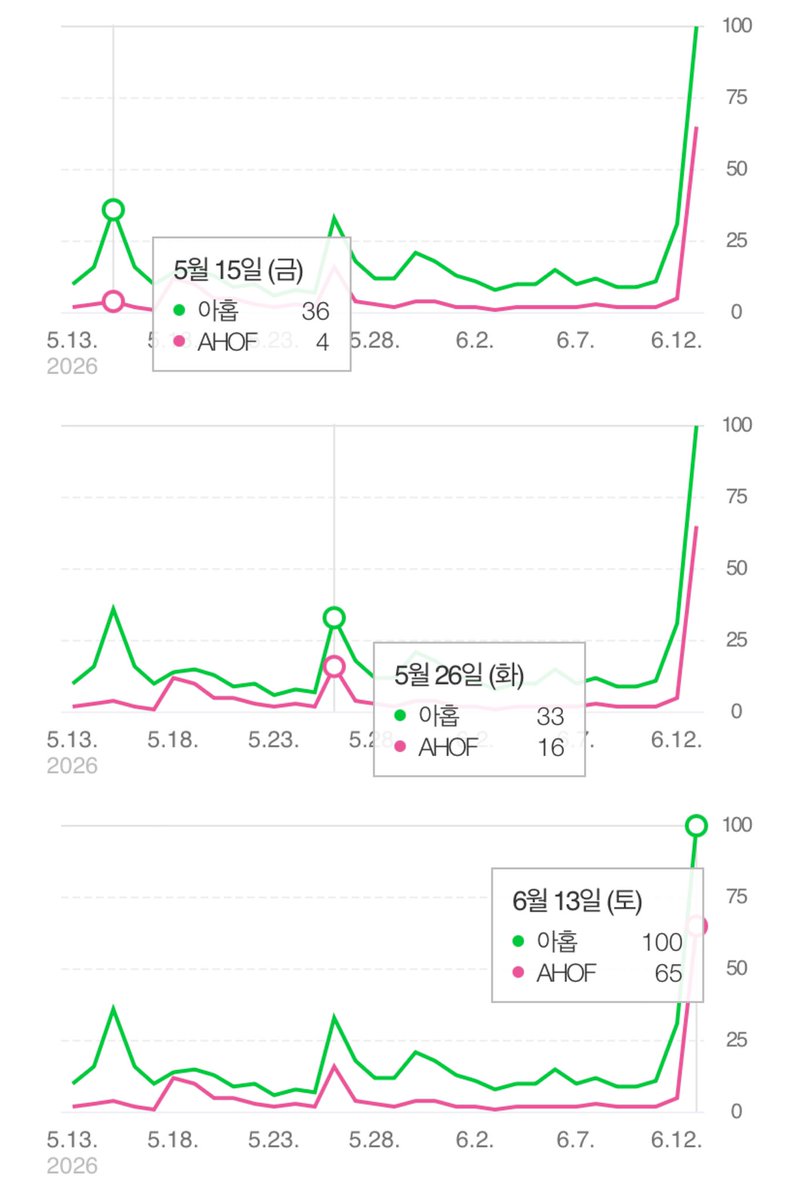
#AHOF’s search queries* spiked again yesterday, following their busking performance and appearance at the samsung lions’ after-shouting party❣️
*this refers to the volume of people who are searching for the group on naver (korea’s google)
it really shows how powerful public promotions are in helping them gain recognition~ the other two major peaks were:
250515 — soongsil university festival
260526 — yeungnam university festival
hopefully we’ll see more promotions like this for the boys! ✨
22
74
1,614
khalid retweeted

A false accusation ruined her reputation overnight... so the solution was to marry the town's richest playboy?
Everyone judged Ayse. No one asked for the truth.
But here's the real question: if the man you're forced to marry is rich, handsome, and every woman's dream, is it still a punishment... or just a different kind of trap?
🎬 Love Trap (2020)
11
78
82
1,635

😆 🌲 💛 🧡 🫶 📱 When pressure gets loud, act like reputation compounds, because clarity is cheaper than recovery
1
J-angeL's_Noona🪽💫 retweeted

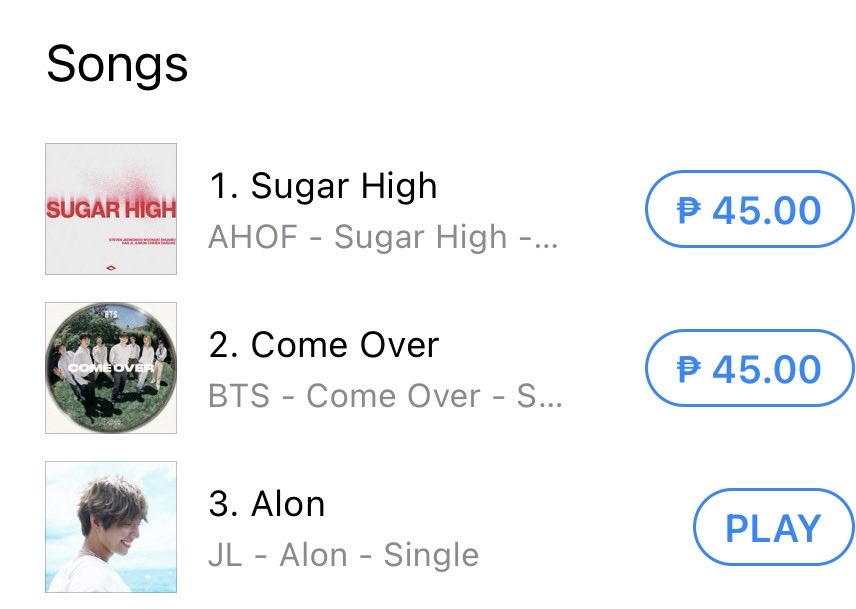
‘ALON’ charting at #3
🌟Daily Brand Reputation for JL🌟
Nine JL shining star
Nine JL visual
Nine JL main vocal
Nine JL main dancer
Nine JL so cute
Nine JL so beautiful
Nine JL overflowing with talent
Nine JL so handsome
#JL #제이엘
#AHOF_JL #아홉_제이엘
#AlwaysWithJL
8
16
82
Pidzsie retweeted

I would gladly ruin six generations of my family’s reputation in society for him

2
115
816
4,392


SocialBeast🫶🏾 retweeted

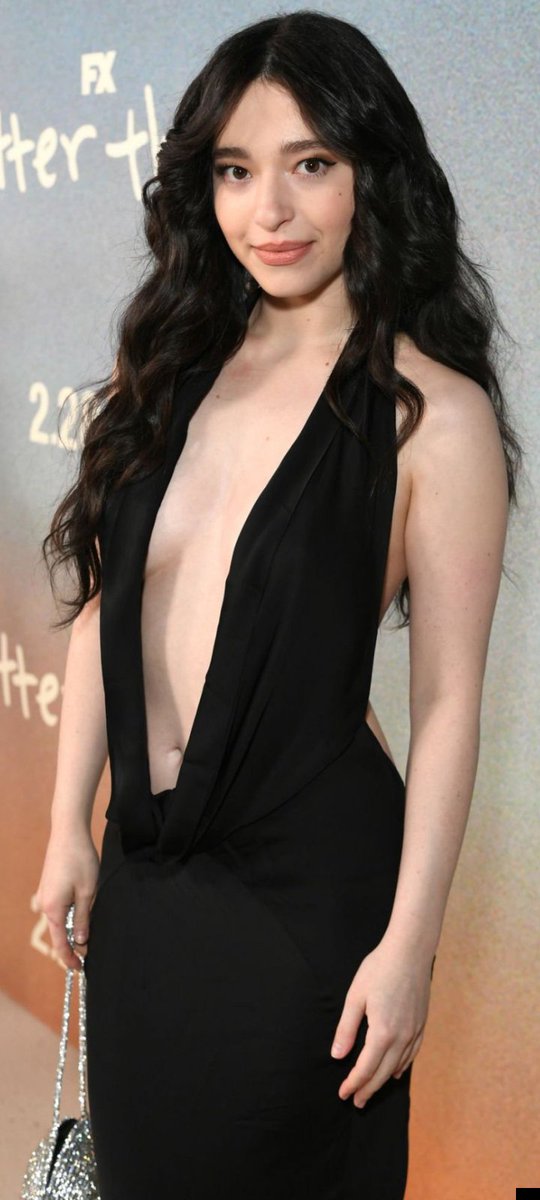
Mikey has a reputation in Hollywood for choosing dark, complex, and psychologically intense roles rather than typical glamorous parts.
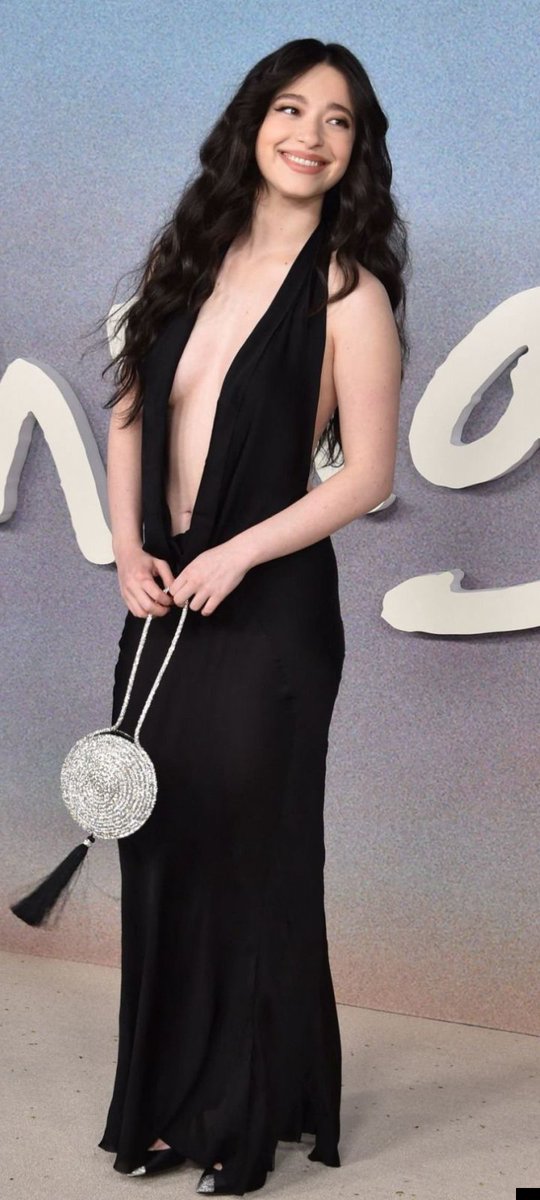
ALT Mikey Madison


47
23
58
1,753

ICE=ISIS=IDF retweeted

Sde Teiman earned a "reputation for being 'a paradise for [medical] interns', & where the air is filled with the smell of neglected wounds left to rot"
Israeli doctors routinely "amputated prisoners’ limbs due to injuries... from constant handcuffing"
edition.cnn.com/2024/05/10/m…
2
5
189

 KEP1ER BASE
 ForAkhandBharat🇮🇳 retweeted

Mr Sushil Kumar Shinde,You damaged the country 's and Sanatan Dharm 's reputation to please your party and its agenda. By doing so you gave a handle to your enemy country Pakistan to spread a false narrative of" Bhagwan Atangwad '
Jun 13

“I didn't want to give a fake statement on saffron terror but the party told me to do so”😭
—Sushilkumar Shinde, former Home Minister
Congress EXPOSING their own party & their Anti-Hindu mindset.
9
84
215
2,127