
We've sent you a DM. We totally understand the urgency to get this resolved
Marie retweeted

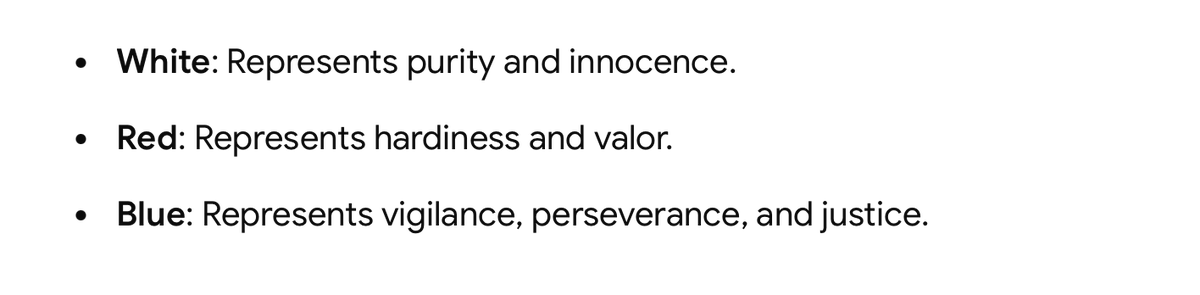
On June 14, 1777 the Continental Congress passed a resolution stating:
“Resolved, That the flag of the thirteen United States be thirteen stripes, alternate red and white; that the union be thirteen stars, white in a blue field, representing a new constellation.”
Happy Flag Day.
1
19
80
2,768

this situation should have been resolved private if imma be fr with u
1




The correct answer is C) Lisinopril.
Why This is the Correct Answer
Lisinopril is an ACE (Angiotensin-Converting Enzyme) inhibitor. A chronic, dry, hacking cough is a classic, well-documented adverse effect unique to this class of antihypertensives, occurring in roughly 5% to 20% of patients.
• The Mechanism: ACE is responsible for breaking down bradykinin and substance P (both are pro-inflammatory tachykinins) in the respiratory tract. When you block ACE with a drug like Lisinopril, bradykinin and substance P accumulate in the upper and lower respiratory tracts. This accumulation sensitizes sensory airway neurons, triggering an involuntary, dry cough reflex.
• Clinical Presentation: The cough typically develops within weeks to months of starting the medication, is completely unresponsive to standard antitussive cough syrups, and can only be resolved by discontinuing the drug (the cough usually resolves within 1 to 4 weeks after stopping).
Why the Other Options are Incorrect
• A) Amlodipine: This is a dihydropyridine calcium channel blocker. Its classic adverse effects include peripheral ankle edema, flushing, headache, and reflex tachycardia—not a dry cough.
• B) Bendroflumethiazide: This is a thiazide diuretic. Its primary side effects are metabolic abnormalities: hyperuricemia (gout), hyperglycemia, hypercalcemia, and hypokalemia.
• D) Atenolol: This is a cardioselective (\beta_1) beta-blocker. While non-selective beta-blockers (like Propranolol) can cause bronchospasm and wheezing in asthmatic patients due to \beta_2 blockade, they do not cause a bradykinin-mediated chronic dry cough.
1

@driyyappan Glad to have had this resolved over DM. Feel free to reach out to us for any further assistance
^Nikhil
1

Much like with the pirates of the last 30 years, if one issue gets resolved there’s just another issue.
14

ᵀᵉᵃᵐᴸᴸᴾدل کــی اچھــی لــڑکی ❣️ retweeted

The world's great universities produce thousands of papers on conflict resolution. But none of those papers have resolved Kashmir. Because resolution requires one thing no paper can provide. The courage to do the right thing.
#شہ_رگ_کا_سانس_بند_نہ_کرو
@Legacy_Leavers_

18
23

No matter how big the political differences are, they should not be resolved with violence
14
Pat2301🇫🇷 retweeted

Jun 13
Ukrainians in Ukraine sometimes feel like hunted animals. Here's a story that broke yesterday and was only resolved thanks to the intervention of journalists.
A 14-year-old girl from Zaporizhzhia lost her mother, and then conscription officers took her father through deception. They told him they just needed to check his documents and refused to release him. It was only when journalists got involved that he was freed. He had no legal right to be sent to the front — he is the sole guardian of his underage daughter.
She stood her ground and fought for him.
Tell me: in what country can this vile, dehumanizing treatment of its own citizens be called freedom, democracy, or a struggle for dignity?
92
554
1,521
48,987

"Resolved, That the flag of the United States be thirteen stripes, alternate red and white; that the union be thirteen stars, white in a blue field, representing a new constellation." June 14, 1777
Washington never said your quote and it represents this...
7
ishallwin retweeted

🚨 BIG UPDATE
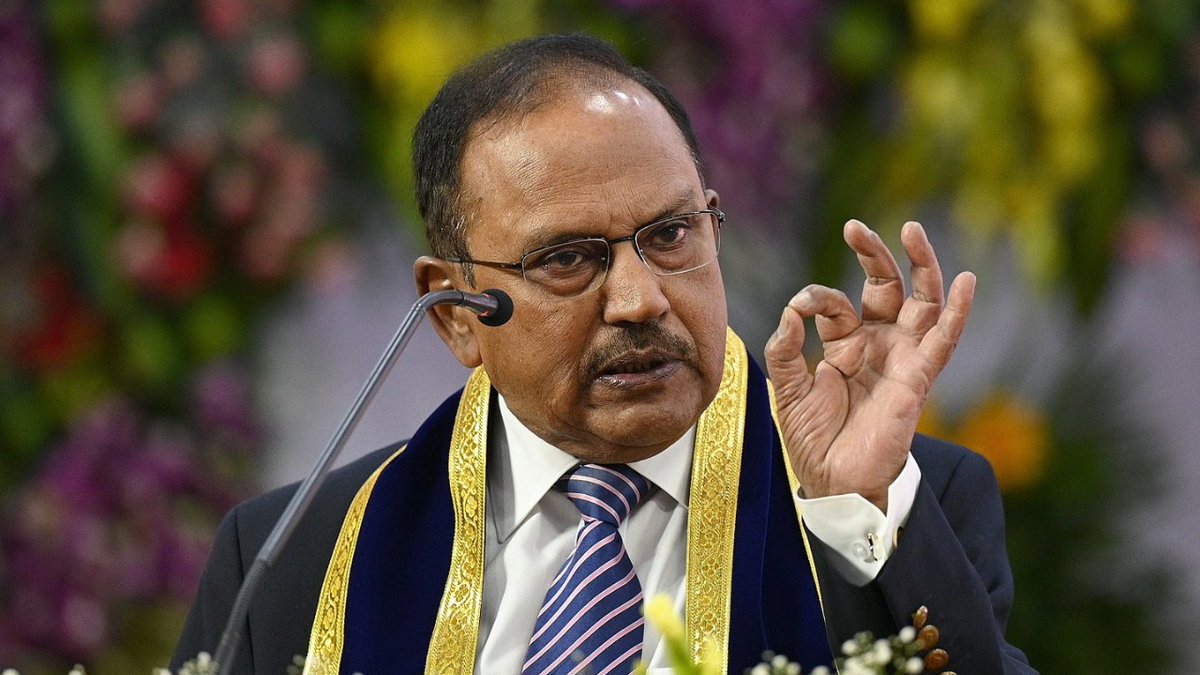
Govt says the anomaly affecting the PSLV has been RESOLVED after two consecutive setbacks.
— ISRO is now set for its first launch next month since the PSLV failure.
Ajit Doval had visited ISRO HQ after two repeated failures💥

45
1,000
5,562
81,755

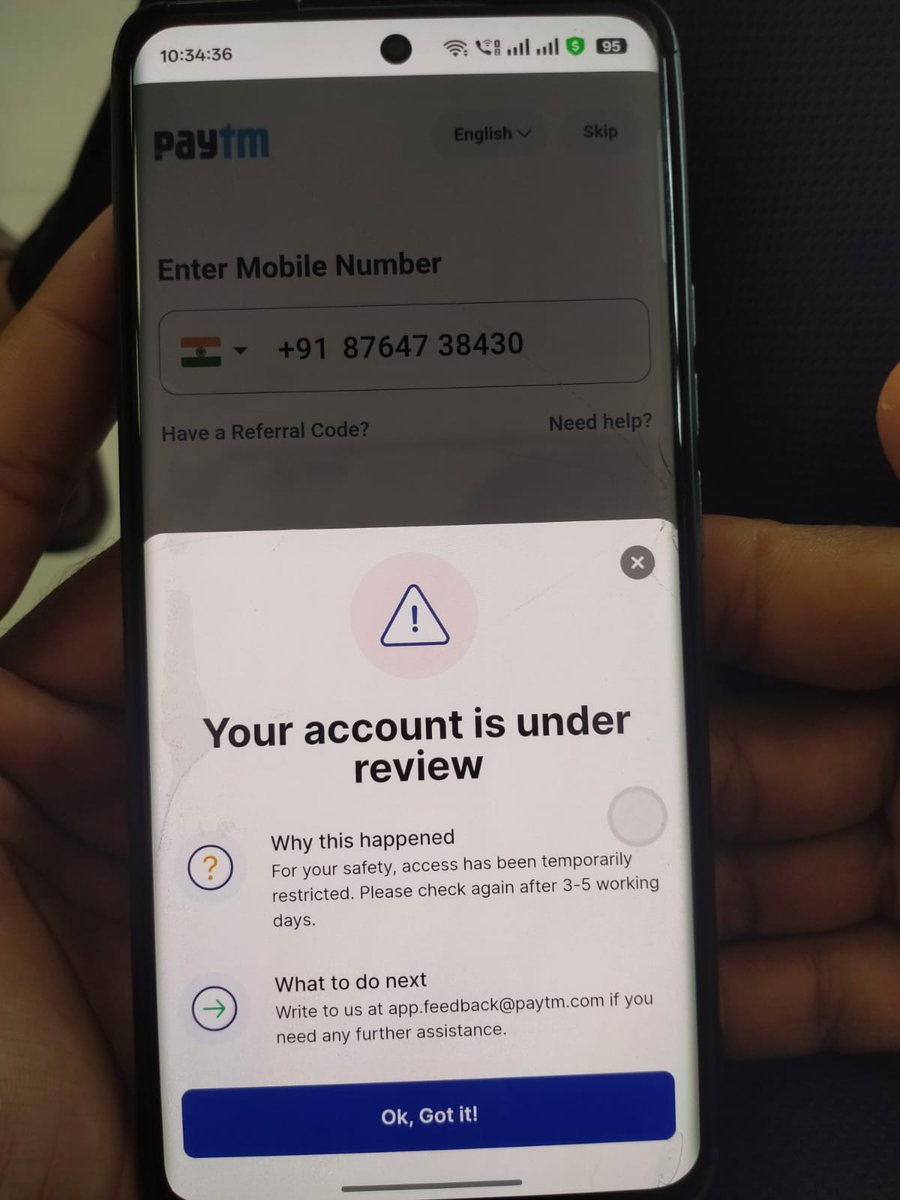
My problem has not been resolved yet.
It is still showing "Your account is under review."
I am unable to log in to my account.
Registered mobile number: 8764738430
Please solve my problem as soon as possible. Thank you.

Lorea 🇵🇸🇦🇲🇸🇩🇨🇩🇭🇹 RT pinned please!! retweeted

This is concerning. I hope this situation can be resolved. I know some people who have raised money for Palestinian families and then have not been able to send it because of the banks constricting people. Hoping that's the case here.
Jun 11

What do you expect from someone who scams my mother and steals the money meant to save her life?
Warning: @theafroaussie took a large portion of the money raised for my mother’s cancer treatment. I have evidence and receipts to support all i’m saying.
Please share for awareness
4
5
19
1,225

Hey, we regret the inconvenience caused, but it is taking longer than expected. We are addressing the issue on Top priority. Please allow us some time and we’ll make sure this issue is resolved. x.com/messages/compose?recip…
1
1

Your entire post is about to play victim card, do you ever post about violent nature of person from your own community
Why the hell they behave like that?
Dispute can be resolved via discussion then why to kill or murder
4

That is a really great thing 😊👌👍Apparently the reason why the matter has not been resolved is Orban. Orban favors Putin and Putin's war in Ukraine 🙏❤️🇫🇮
3