
#mdpisystems Call for reading:
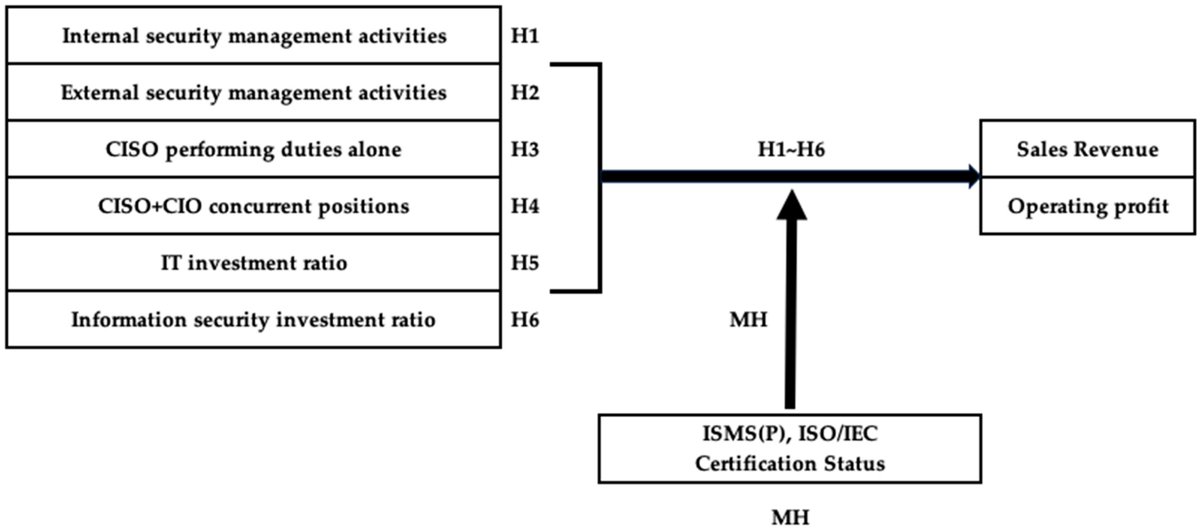
Impact of Security Management Activities on Corporate Performance
👉mdpi.com/2079-8954/13/8/633
by Dr. Hyunwoo Cho and Prof. Dr. Keuntae Cho from @skku_official
#systems #resourcebasedview #contingencytheory #securitymanagementactivities
23

7 Jul 2025
The Resource-Based View (RBV)
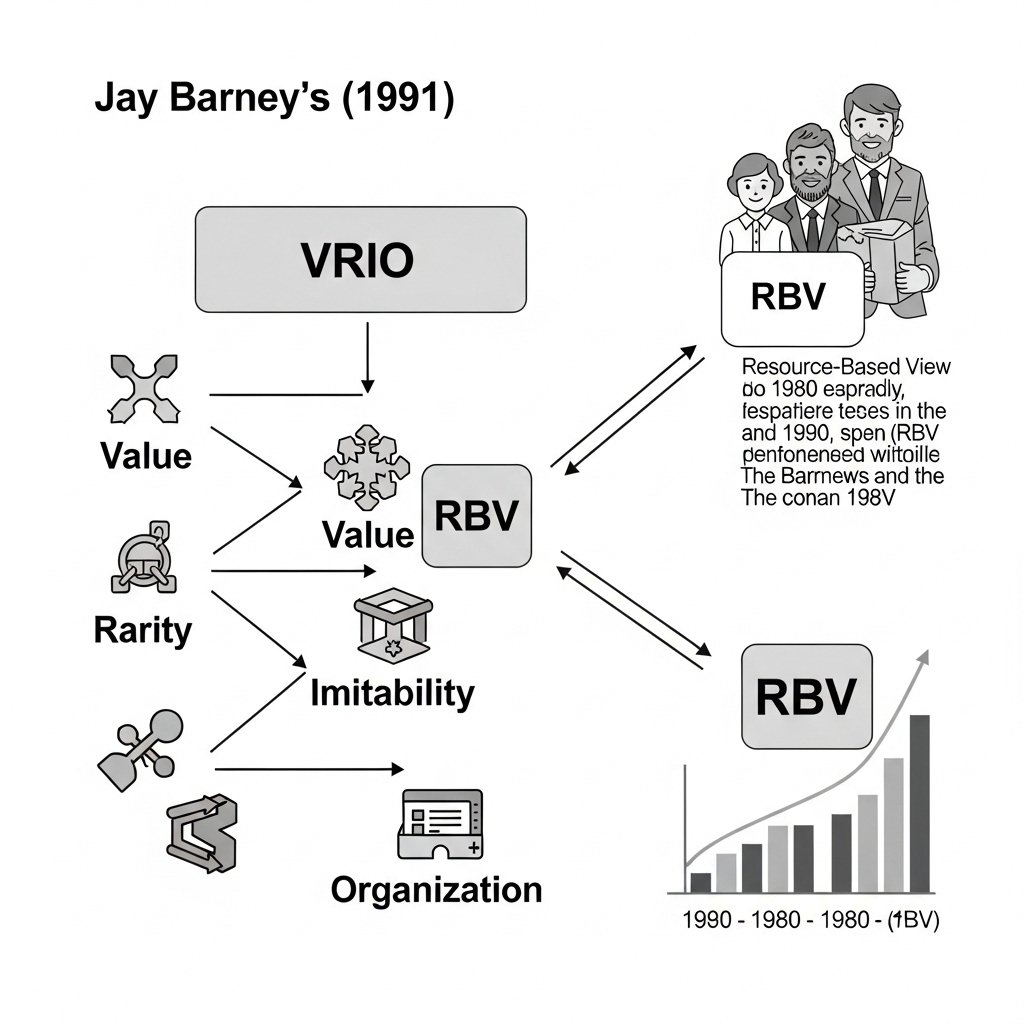
The Resource-Based View (RBV) emerged as a major orientation in strategic management in the late 1980s and early 1990s.
While Jay Barney's 1991 article, "Firm Resources and Sustained Competitive Advantage," is considered the pivotal and most influential work in establishing and solidifying this perspective, there are earlier roots to similar ideas.
Some of the foundational ideas of RBV can be traced back to:
Early Economic Works:
Some scholars suggest that a fragmented resource-based theory existed as early as the 1930s, influenced by economists like Ricardo and Penrose, who pointed out that companies could achieve exceptional returns if they possessed superior, somewhat protected resources.
Birger Wernerfelt:
His 1984 work, "A Resource-Based View of the Firm," is considered a pioneering effort preceding Barney's work. Wernerfelt introduced the concept of "resource position barriers," which are akin to "barriers to entry" in the Positioning School.
Overall, RBV arose as a response to the Positioning School (most famously Michael Porter's Five Forces model), which dominated strategic thinking in the 1980s and focused primarily on external factors and industry structure as determinants of competitive advantage. RBV, in contrast, shifted the focus to a firm's unique internal resources and capabilities as the primary source of sustainable competitive advantage.
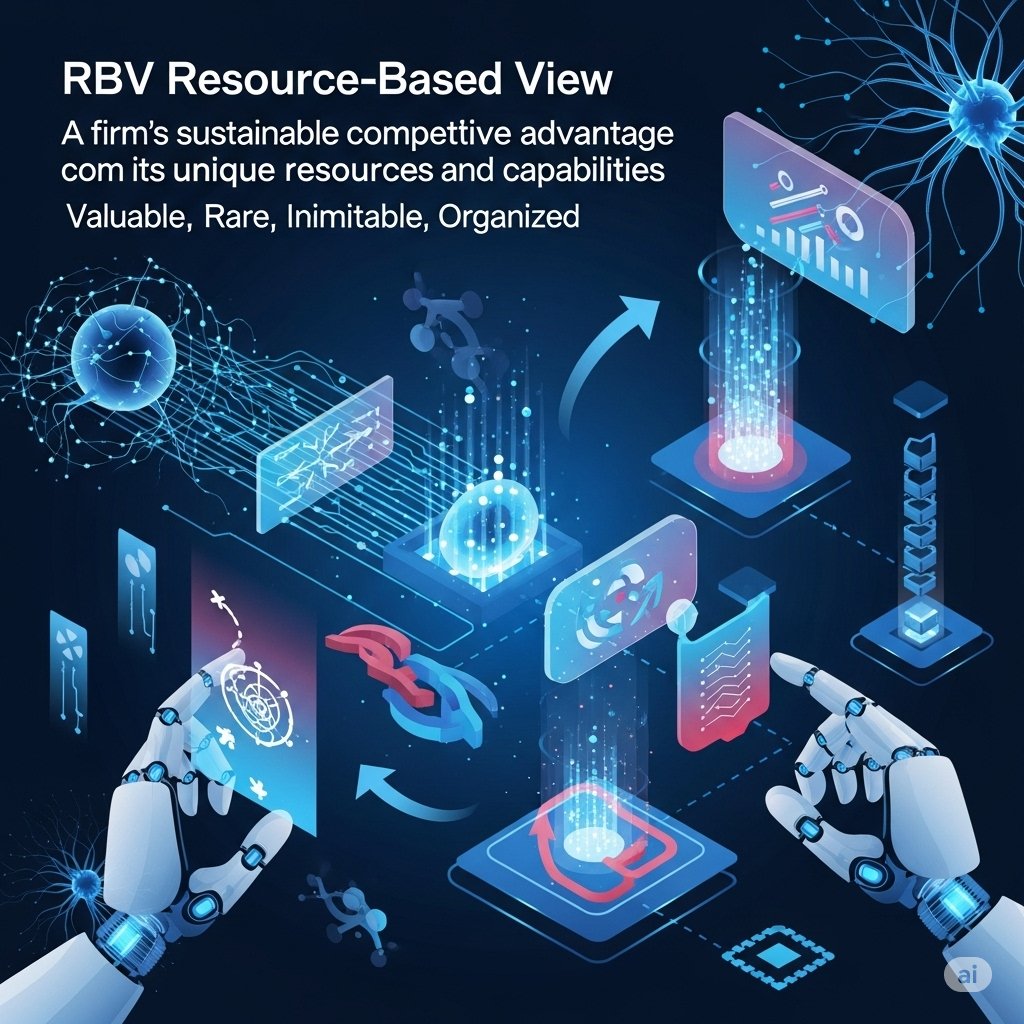
#VRIO #RBV #StrategicManagement #CompetitiveAdvantage #BusinessStrategy #ResourceBasedView #JayBarney #InternalAnalysis #StrategicPlanning #OrganizationalResources #ManagementTheory #Strategy #AIDrivenStrategy #DigitalTransformation #AIStrategy #DigitalResources #DataAsAnAsset #IntangibleAssets #FutureOfBusiness #TechStrategy #AILeadership #CompetitiveIntelligence #InnovationStrategy
1
32



10 Jun 2023
#変更管理
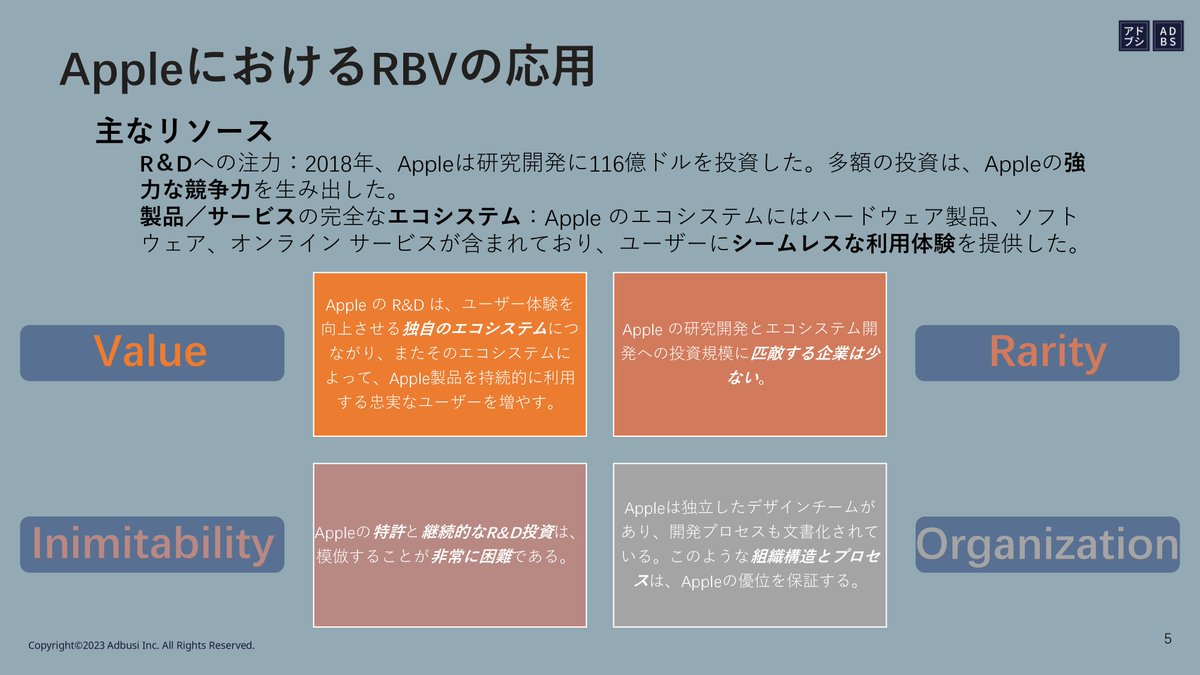
マクロ経済の観点から欧米の文化は、仕組みの前提を変えることができない。これを #ResourceBasedView という。
欧米は支配ー被支配、搾取ー非搾取の文化を手放せない。
ゴールポストを動かして断末魔を乗り切ろうとする。
だから、結局、#Monopoly の処刑に至る→

1
164

30 Apr 2022
Should firms invest in social commerce? An integrative perspective #Socialcommerce #Stockreturn #Eventstudy #Resourcebasedview #Opportunitymotivationabilityframework livrepository.liverpool.ac.u…

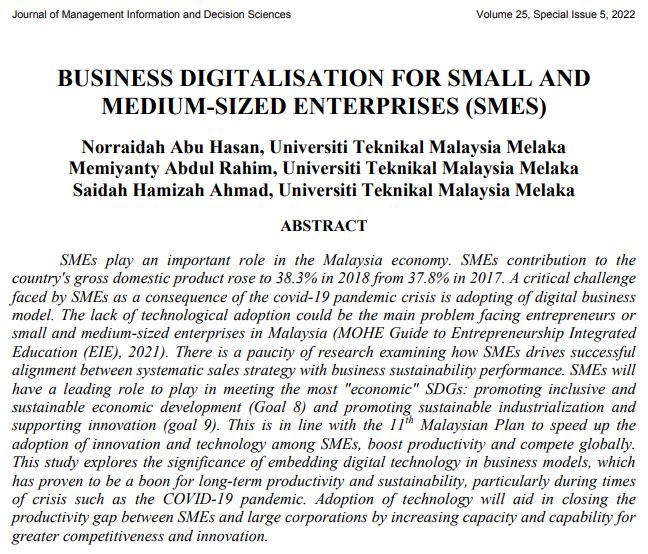
Business digitalisation for small and medium-sized enterprises (SMES)
#SME #Digitalization #Business #ResourceBasedView #Performance
abacademies.org/articles/bus…
1


27 Aug 2021
The latest issue of the Journal of Management is now available! 47.7 is a #specialissue examining resource-based views of the firm:
journals.sagepub.com/toc/JOM…
#research #resourcebasedview #management

3
5

25 Feb 2021
Organizations must take a #ResourceBasedView of #Socialcapital n harness them for #CompetitiveAdvantage. #ONA maps revealing bridging ties are great for #knowledgesharing and building #learningculture
@KognozConsult
1

6 Jan 2021
Today Session 1 @MsISEM #StrategicManagement #SportBusiness #AssetsAllocation #ResourceBasedView cc @Frankiepons @DanoLadik @ThiloKunkel @jpdanglade @Indaye34 @cedric_ghetty @Isabelle_MSC

3
3

📄“Is sustainable performance explained by firm effect in small business?”, artigo de V López-López, S Iglesias-Antelo e E Fernández na revista #Sustainability #CampusTerraInvestiga #FirmEffect #ResourceBasedView #HierarchicalLinearModelling doi.org/10.3390/su122310028

🔗 lnkd.in/dny4tRH
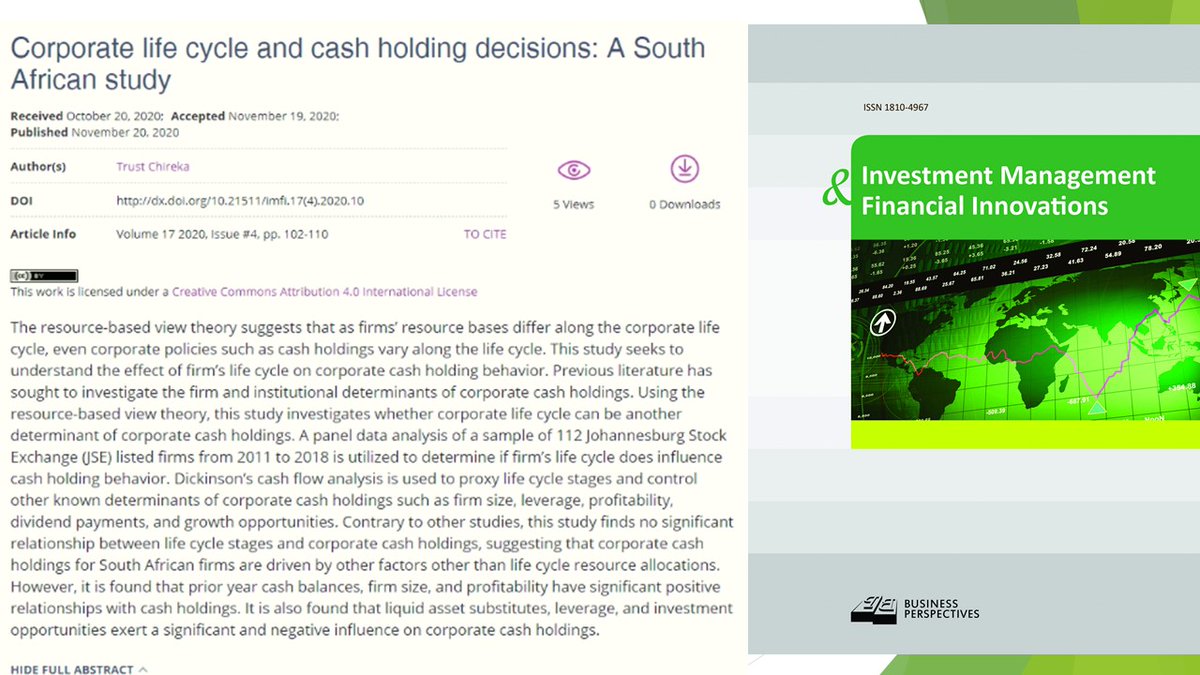
📰 Corporate life cycle and #cash holding decisions: A South African study
👥 Trust Chireka
#corporatecashholdings, #corporatelifecycle, #resourcebasedview
1
9

14 Oct 2020
New in @jbv_insights:
#Trust in #Blockchains: Algorithmic & organizational
Blockchains with anonymous stakeholders weak property rights accentuate need for technical competence & transparency.
#TransactionCost, #AgencyTheory, & #ResourceBasedView
sciencedirect.com/science/ar…
2

31 May 2020
#resourcebasedview
In her study “A resource‐based view of the firm” @strategicmanagj, Wernerfelt (1984) explores the usefulness of analysing firms from the resource side rather than from the product side. This study became one of the #SMJmostcited: ow.ly/d0LT50zUNVZ
1
5
19

25 Apr 2020
Analysis of competitiveness in colombian family businesses.
👉 buff.ly/2VBfcI9
#ArtículoCientífico #ScientificArticle #SystemDynamics #Competitiveness #ResourceBasedView #FamilyBusiness

1

28 Nov 2019
The brilliant Karel Cool, co-author of one of the absolute classics of the #ResourceBasedView
Dierickx, I., & Cool, K. (1989). Asset stock accumulation and sustainability of competitive advantage. Management Science, 35(12), 1504-1511.
28 Nov 2019

Our faculty are leading scholars who serve the dual mission of rigorous disciplinary research and professional teaching. Learn more about the faculty and research funds that contribute to enhancing our academic excellence. #INSEAD inse.ad/wOhanv
1
1
13 Nov 2019
ICT adoption in road freight transport in Nigeria - A case study of the petroleum downstream sector #ICTadoptionandadaptation #Roadfreighttransport #Resourcebasedview #Institutionaltheory livrepository.liverpool.ac.u…

31 Oct 2019
Gulfassignmenthelp provides the best MBA 7002 Strategic Management Assignment Help service...
gulfassignmenthelp.com/asses…
#MBA7002 #StrategicManagement #AssignmentHelp #ResourceBasedView #OmanAssignmentHelp #OnlineOmanTutor #RBV #OmanHomeworkHelp #OmanWritingHelp #GulfCollege #OMAN


20 Jun 2019
The study investigated the impact of direct to end-user (DTE) advertising efficiency on B2B firms' profitability.
#B2B #ResourceBasedView #DirectToEndUserAdvertising #DTE #AdvertisingEfficiency #Profitability #DataEnvelopmentAnalysis
onesourceregulatory.news/

1