
27 Mar 2024
Capacity Building vs Capacity Sharing.
I have long observed the dynamics of conservation efforts and the way we approach capacity building in environmental and wildlife conservation. At WildlifeDirect we practice "capacity sharing’ which crucial for addressing the unbalanced playing field in global conservation efforts.
For too long, the view has been dominated by an image of a begging Africa and the unilateral flow of resources, knowledge, and expertise from the Global North to the Global South.
It’s normal to see foreigners making films about our lands and wildlife, leading conservation initiatives, or serving as the primary trainers and donors in our regions. While well-intentioned, this dynamic often perpetuates an unspoken class divide – the haves (givers) and the have-nots (receivers) which entrenches a colonial mindset. This post is not to undermine the value of international support; rather, it's to challenge the way we conceptualize and implement these efforts.
I firmly believe that everyone, regardless of their geographic or economic background, has equal amounts to give and share – and it’s not always about money. Knowledge, experiences, cultural insights, and innovative solutions are just as valuable, particularly in our shared mission to conserve wildlife and protect our planet.
Our approach to capacity sharing is built on the premise of mutual respect and equality. When we engage with international trainers, interns, or partners, we do so as equal counterparts. Whether it’s trainers in the Safari StoryLab, film productions, interns, or work placements, we ensure that an exchange on equal terms is the backbone of our efforts. This means that every participant, regardless of their origin, is both a teacher and a learner. We are not just receiving knowledge and skills; we are also imparting our local expertise, perspectives, and understanding of conservation, which are invaluable to the global effort.
By putting “capacity sharing” into language, we are redefining the narrative around development. We are creating a more equitable and inclusive environment where the voices and contributions of those on the frontline of conservation are valued and amplified. This approach not only enriches the conservation efforts themselves but also fosters a sense of ownership and pride among local communities, ensuring that conservation initiatives are sustainable and deeply rooted in the context they aim to serve.
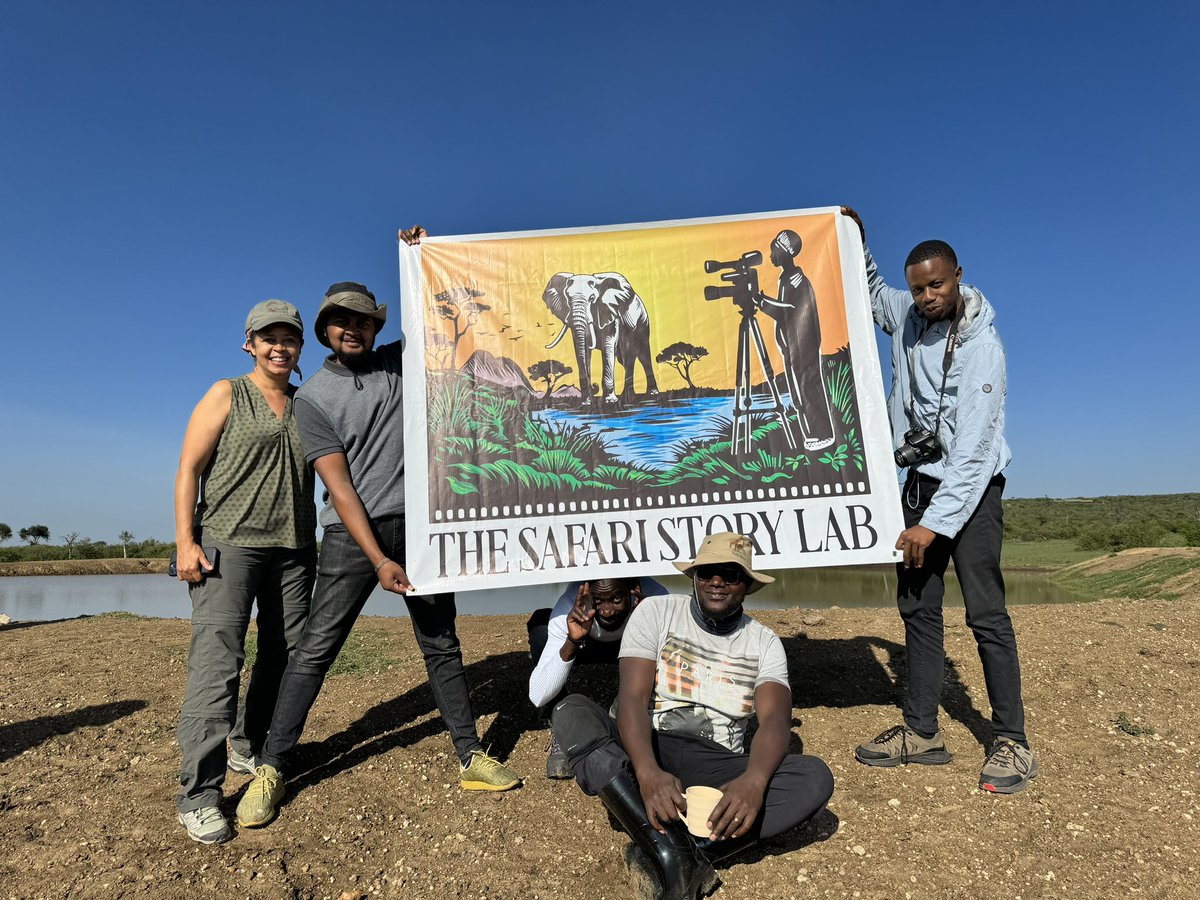
While filming at Ol Kinyei in Maasai Mara recently, partnering with the community was key.
This post is a call to action for those involved in conservation storytelling about Africa’s spectacular natural wealth. Let’s challenge ourselves to rethink how we collaborate across borders, cultures, and disciplines. Let’s create a more balanced playing field that closes the gap in opportunity, benefits, and equity as a powerful way of achieving our conservation goals.
#CapacitySharing
#ConservationResults
#RespectLocalKnowledge
7
26
1,695
27 Mar 2024
Capacity Building vs Capacity Sharing.
I have long observed the dynamics of conservation efforts and the way we approach capacity building in environmental and wildlife conservation. At WildlifeDirect we practice "capacity sharing’ which crucial for addressing the unbalanced playing field in global conservation efforts.
For too long, the view has been dominated by an image of a begging Africa and the unilateral flow of resources, knowledge, and expertise from the Global North to the Global South.
It’s normal to see foreigners making films about our lands and wildlife, leading conservation initiatives, or serving as the primary trainers and donors in our regions. While well-intentioned, this dynamic often perpetuates an unspoken class divide – the haves (givers) and the have-nots (receivers) which entrenches a colonial mindset. This post is not to undermine the value of international support; rather, it's to challenge the way we conceptualize and implement these efforts.
I firmly believe that everyone, regardless of their geographic or economic background, has equal amounts to give and share – and it’s not always about money. Knowledge, experiences, cultural insights, and innovative solutions are just as valuable, particularly in our shared mission to conserve wildlife and protect our planet.
Our approach to capacity sharing is built on the premise of mutual respect and equality. When we engage with international trainers, interns, or partners, we do so as equal counterparts. Whether it’s trainers in the Safari StoryLab, film productions, interns, or work placements, we ensure that an exchange on equal terms is the backbone of our efforts. This means that every participant, regardless of their origin, is both a teacher and a learner. We are not just receiving knowledge and skills; we are also imparting our local expertise, perspectives, and understanding of conservation, which are invaluable to the global effort.
By putting “capacity sharing” into language, we are redefining the narrative around development. We are creating a more equitable and inclusive environment where the voices and contributions of those on the frontline of conservation are valued and amplified. This approach not only enriches the conservation efforts themselves but also fosters a sense of ownership and pride among local communities, ensuring that conservation initiatives are sustainable and deeply rooted in the context they aim to serve.
While filming at Ol Kinyei in Maasai Mara recently, partnering with the community was key.
This post is a call to action for those involved in conservation storytelling about Africa’s spectacular natural wealth. Let’s challenge ourselves to rethink how we collaborate across borders, cultures, and disciplines. Let’s create a more balanced playing field that closes the gap in opportunity, benefits, and equity as a powerful way of achieving our conservation goals.
#CapacitySharing
#ConservationResults
#RespectLocalKnowledge
4
6
1,142

18 Sep 2023
Is it right that residents of tiny red flyspots direct govt management of everyone & everything north of a line drawn from Perth to Noosa?
(IE most of the continent)
You don't understand?
Then reverse it.
Should the north & inland direct the red areas?
#respectlocalknowledge
3
526