
Mar 6
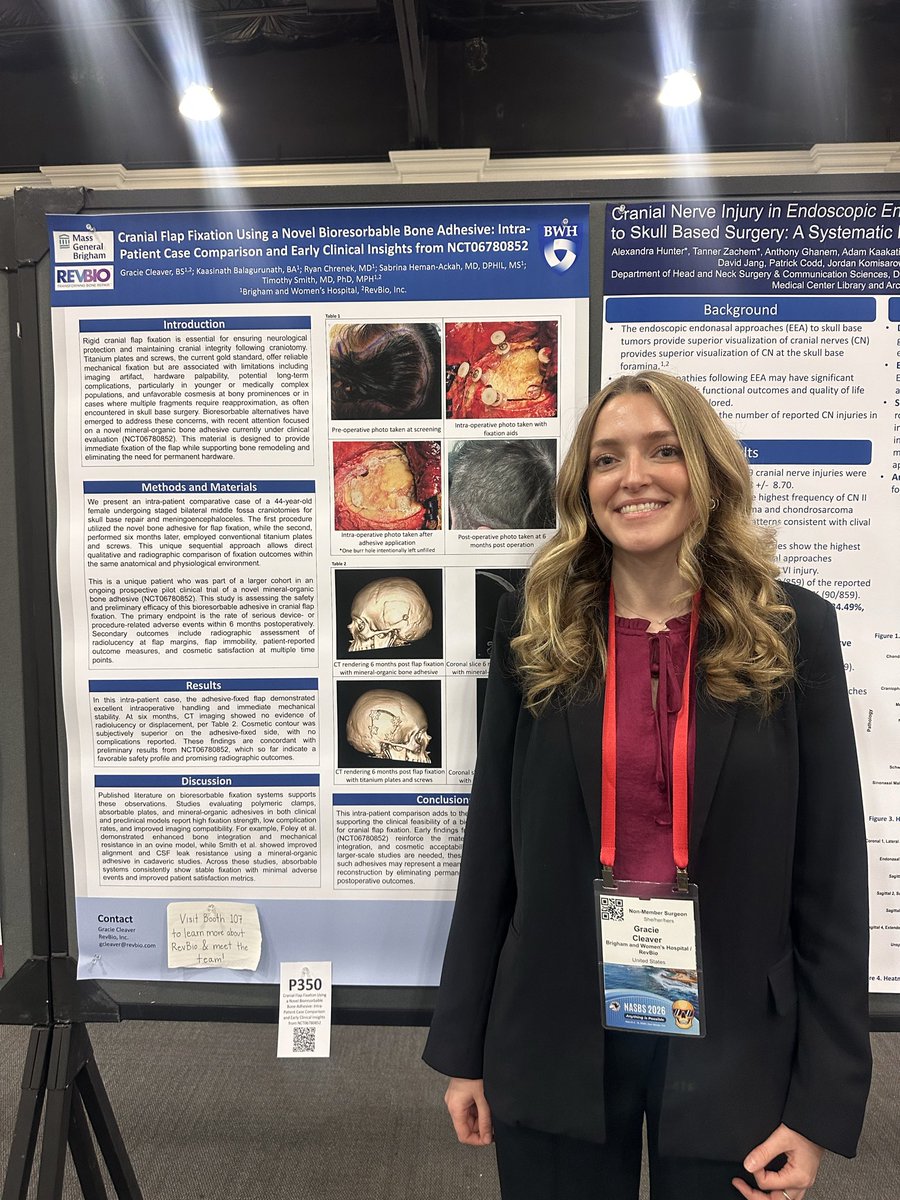
We’re here at #NASBS2026
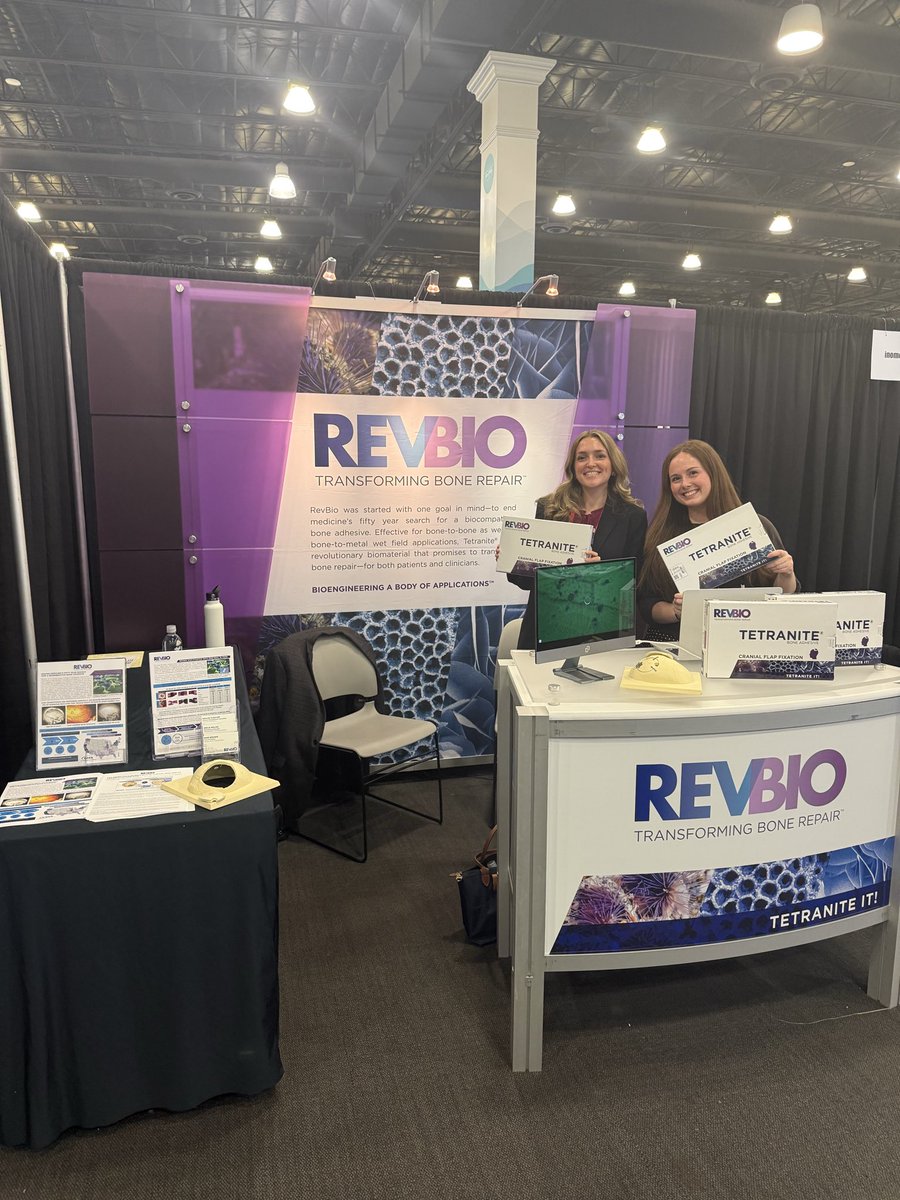
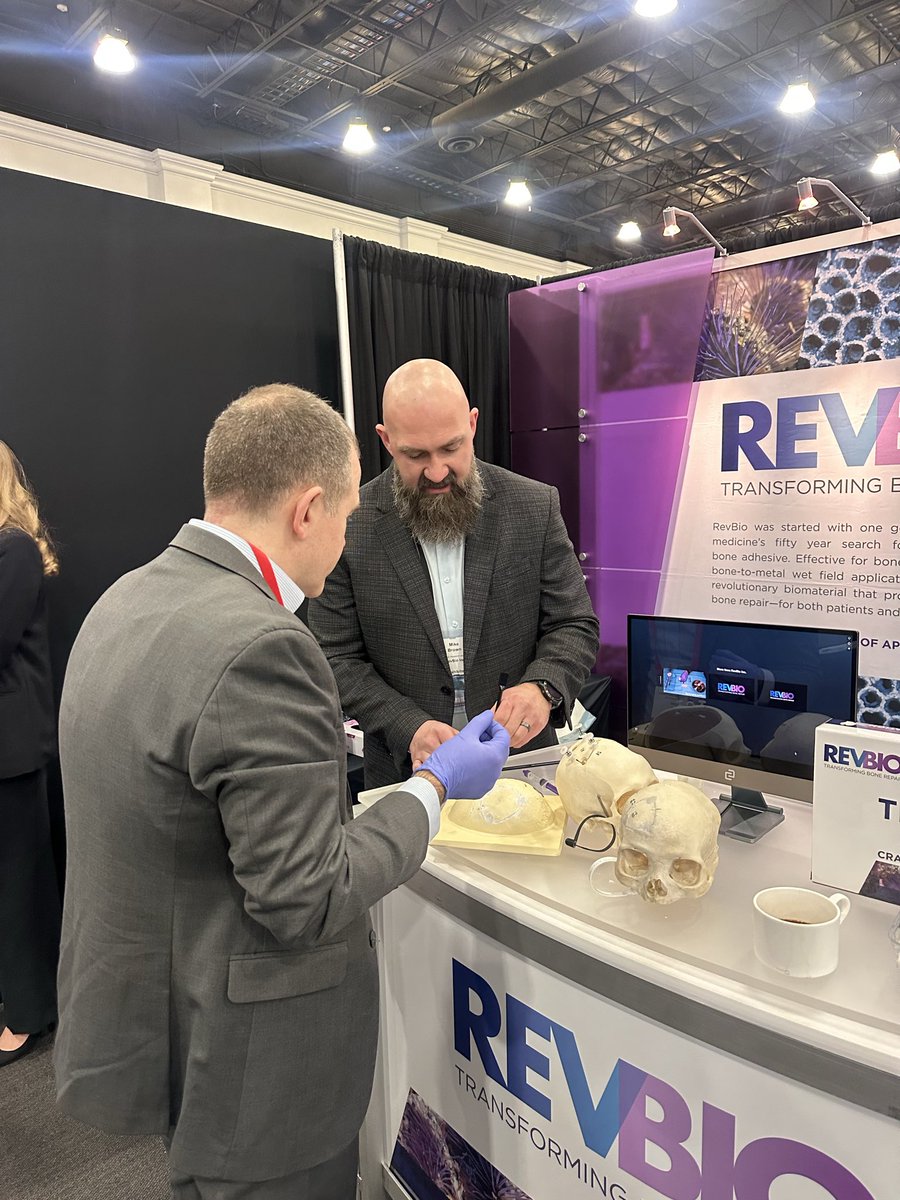
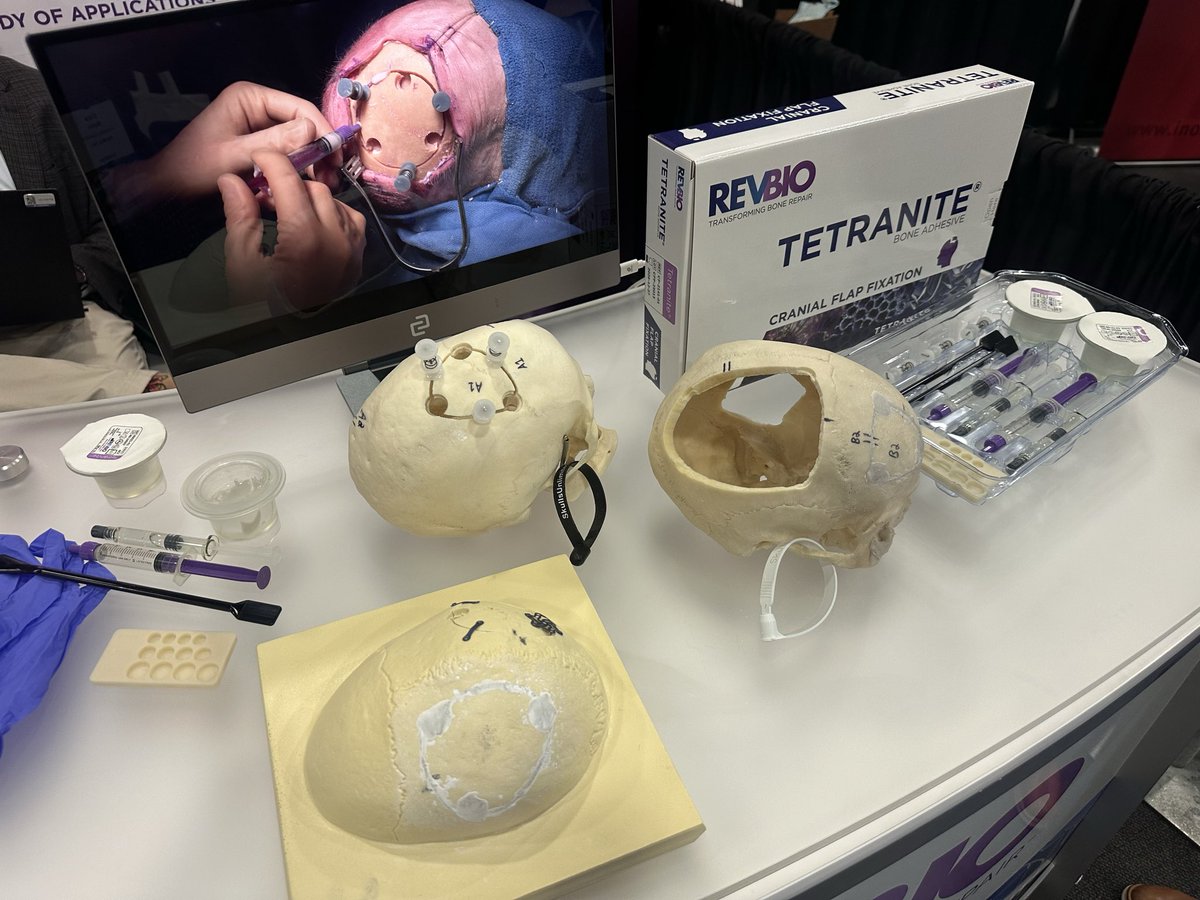
Swing by booth 107 to learn how #TETRANITE® regenerative bone adhesive is transforming the future of skull-based procedures by eleminating the need for metal hardware. See a product demo and hear about our upcoming pivotal trial!
#RevBio #NASBS
1
25

The post describes a real emerging technology called Tetranite (also known as phosphoserine-modified calcium phosphate cement), developed by the company RevBio.
It's a bio-inspired adhesive modeled after marine creatures like the sandcastle worm that can stick in wet environments. The key claims in the post's text are largely accurate:
It's injectable as a paste into fractures.
It hardens quickly (in minutes) for immediate stabilization.
It's bioactive and resorbable: over 6-12 months, the body breaks it down via osteoclasts and osteoblasts, replacing it with natural bone tissue.
It avoids permanent metal hardware like screws or plates, reducing the need for follow-up surgeries.
It's currently in use or trials for dental grafts and spinal fusions, with potential expansion to general bone trauma.
For further scholarly research, see the company's technology overview:
revbio.com/tetranite-technol…
And their publications page listing peer-reviewed studies:
revbio.com/publications
Similar bone adhesives are also in development elsewhere, like China's "Bone-02" (inspired by oysters), which bonds fragments in 2-3 minutes and promotes healing. For more on Bone-02:
srrsh-english.com/articleInf…
These are backed by peer-reviewed research, such as studies on phosphoserine cements and related mineral-organic adhesives. Key examples include:
"Bioinspired Mineral-Organic Bioresorbable Bone Adhesive" (Advanced Healthcare Materials, 2018): pubmed.ncbi.nlm.nih.gov/2993…
"Multi-objective property optimisation of a phosphoserine-modified calcium phosphate cement for orthopaedic and dental applications using design of experiments methodology" (Acta Biomaterialia, 2024): sciencedirect.com/science/ar…
Additional research on related phosphoserine-based adhesive mineral-organic bone cements: pmc.ncbi.nlm.nih.gov/article…
(Note: One related 2021 fatigue/reinforcement study link encountered access restrictions, but the core body of Tetranite-linked publications remains robust and publicly verifiable via the RevBio publications page above.)
However, the attached image appears sensationalized and on a technical point, inaccurate:
There's no real "bioluminescent" bone glue (which would imply it glows biologically). This seems like a likely error or AI-generated exaggeration—possibly a mix-up with "biomimetic" (mimicking nature), as the glowing effects in the graphic aren't based on any documented tech.
Healing "in days" is overstated. Bonding happens fast, but full bone integration and strength recovery typically take weeks to months (e.g., ~6 months resorption in some descriptions). No legit sources claim complete healing in days.
Overall, the core concept is legitimate and grounded in ongoing medical innovations—with Tetranite now in multiple FDA-approved clinical trials (including for extremity fractures as of late 2025, cranial flap fixation, dental applications, and more: see recent announcements and trial info at:
businesswire.com/news/home/2…
and the company's press releases page:
revbio.com/press-releases)
—but the image hype doesn't match reality.
The nutritional advice in the post (collagen, vitamins C/D3/K2, calcium) is solid for supporting bone healing in general, regardless of treatment method.
All linked URLs have been triple-checked as functional and directly relevant based on current web access (as of early 2026).
1
7
17
911

23 Dec 2025
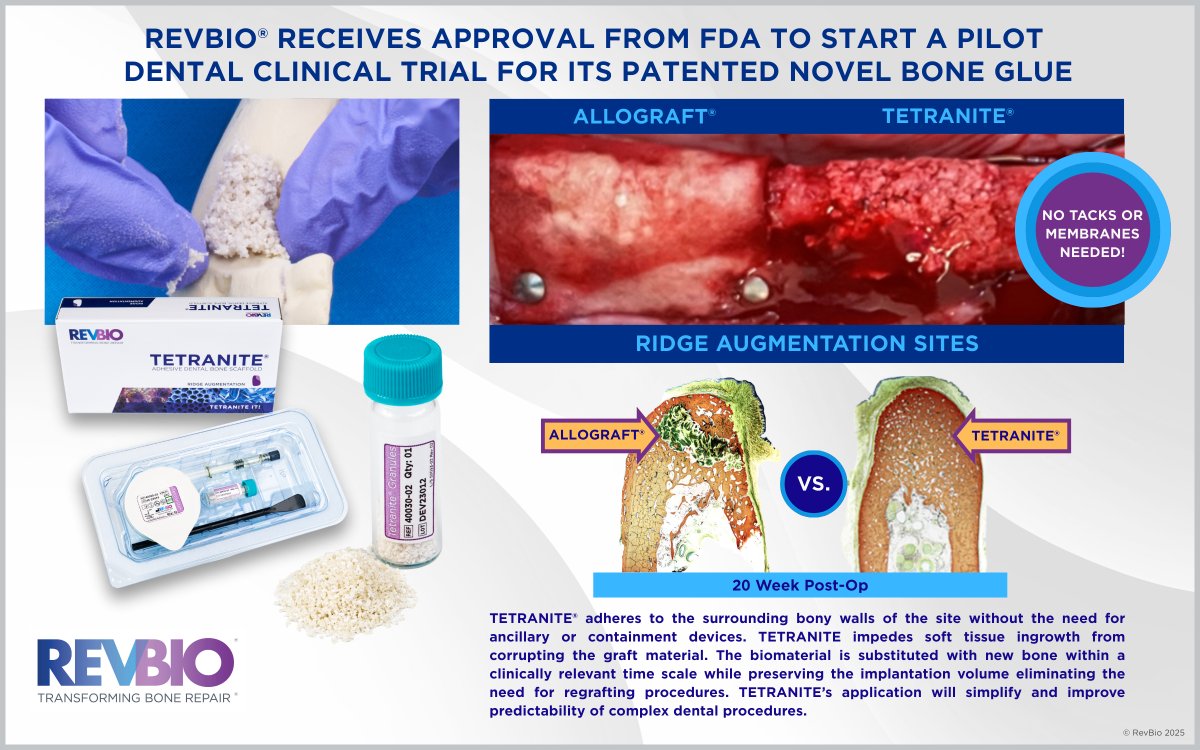
RevBio Receives Approval from FDA to Start a Dental Clinical Trial for its Regenerative Bone Glue
dentistrytoday.com/revbio-ad…
3
3
208

29 Sep 2025
The American bio company RevBio already invented Tetranite which does the same thing. And leading BNPL company Klarna is Swedish.
The Very Online left falling for Chinese anti-capitalist propaganda nonsense and helping push it along, is very on-brand.
28 Sep 2025

Yea but have they invented a way to pay for a breakfast sandwich in 4 easy installments???
4
26
167
17,626

13 Jun 2025
In the first $30 million, the Commonwealth paid GlaxoSmithKline $18,000 each for 150 employees and RevBio $30,000 each for five employees. Why?
$30 million for 1500 new hires. And they don't have to be R&D hires, they can be administration. Is this a good deal? Wouldn't they have been hired without the free $20K per employee?
6
158

11 Jan 2025
Le transhumanisme est un avatar de l’hégémonie techno-scientiste à la manœuvre.
Sous les radars ? Ce n’est pourtant pas faute d’avoir enquêté, labouré le terrain et remonté les observations participantes vers les instances concernées et vers le grand public depuis 12 ans.
Point d’étape « revbio »
- « 12 remarques pour débattre » de 2019 👇🏻
dailymotion.com/video/x7anmq…
1
2
2
129

21 May 2024
"Science is ...not this complicated monster that only select people can do.”
wgbh.org/news/local/2024-05-…
#biotech #LifeScience #MA @GBHNews @Northeastern @RevBio
2
2
572
30 Oct 2023
RevBio Awarded a $2 Million Follow-On NIH Grant to Reduce Opioid Use and Addiction with TETRANITE
dentistrytoday.com/revbio-aw…

1
2
544
19 Aug 2023
En 2012 le ver était dans le fruit
Au tournant des années 2020, il a mangé le fruit
#revbio
dai.ly/x7anmqg

4
7
483

2 Aug 2023
Nine years ago, eight of us co-founded @RevBio_ . With this FDA trial approval, we now embark on our second First-in-Human clinical trial. Congratulations, Team!!
In other great news, RevBio is hiring 👀
businesswire.com/news/home/2…
2
475
21 Mar 2023
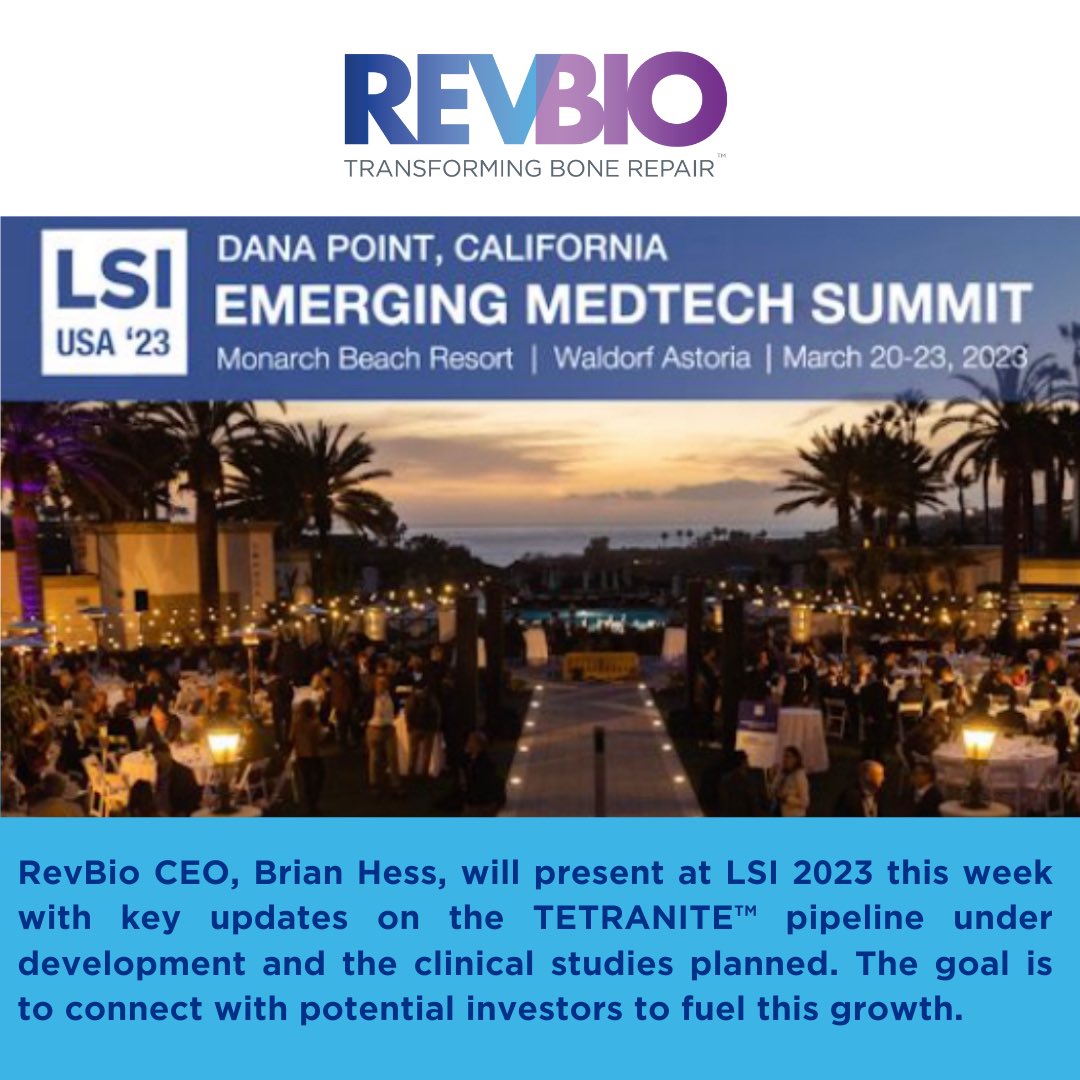
RevBio is in Dana Point, CA for LSI 2023 Emerging MedTech Summit. CEO Brian Hess will be presenting Thursday, March 23rd at 10:25 am (PST). We look forward to sharing new and exciting company updates, as well as connecting with potential investors in sunny California!
4
193
17 Feb 2023
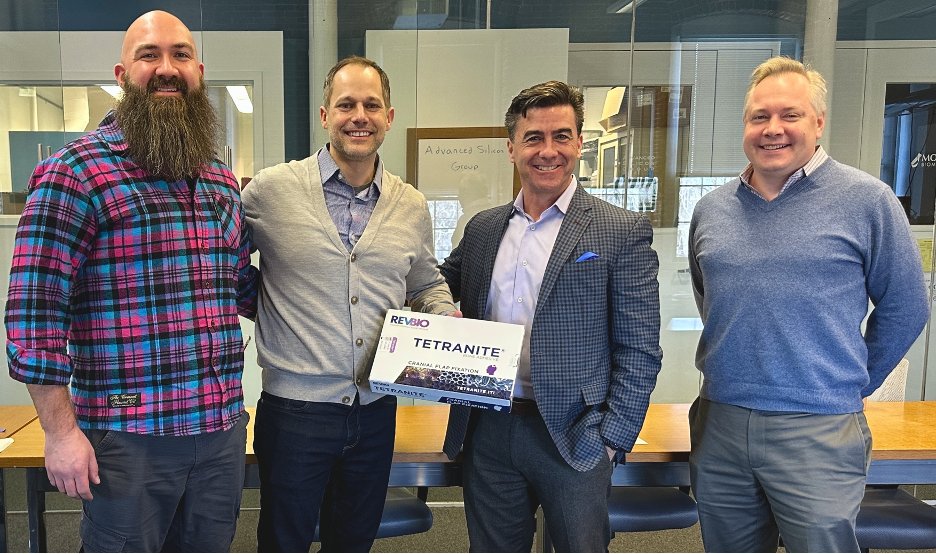
RevBio Receives a Strategic Investment from Pacific Dental Services to Support Ongoing Clinical Trials in Implant Dentistry
dentistrytoday.com/revbio-re…
2
2
682
18 Jan 2023
We are thrilled to announce that we have received approval to start our Dental Clinical Trial in Italy.
Read More Below 👇
businesswire.com/news/home/2…
#TETRANITE #RevBio #BoneAdhesive #Dental #UniversityofChieti #BoneRegeneration #Biomaterials #medicaldevices #clinicaltrials
1
3
112
10 Jan 2023
ICYMI: RevBio was featured in the @BosBizJournal! Click the link to read more about RevBio’s mission in space:
bizjournals.com/boston/news/…
#BoneGlue #BoneAdhesive #Biomaterials #SpaceX #SpaceMission #ISS #BoneHealth #regenerativemedicine #TETRANITE
2
104

19 Dec 2022
.@RevBio_ is behind a bone adhesive called Tetranite that holds together bones and allows them to regenerate. On Earth, the company is working on preparing it for osteoporosis pts. But in parallel, RevBio is testing it on the International Space Station.
bizjournals.com/boston/news/…
2
4
161

22 Nov 2022
Pitt research is going out of this world as experiments from innovators at @PittDental, in partnership with @RevBio, explore technology in micro-gravity to help patients with broken bones heal faster: hubs.li/Q01sYRF60
1

30 Jun 2022
In no particular order, deSPACs $CRXT, $FSRD, and $ENJY will have a little extra attention from me in the wake of $REVB crushing skulls. Just on 📡 at the moment, though I did catch a .44 starter in Fast Radius when I sold RevBio yesterday.
Beaten down 🎯
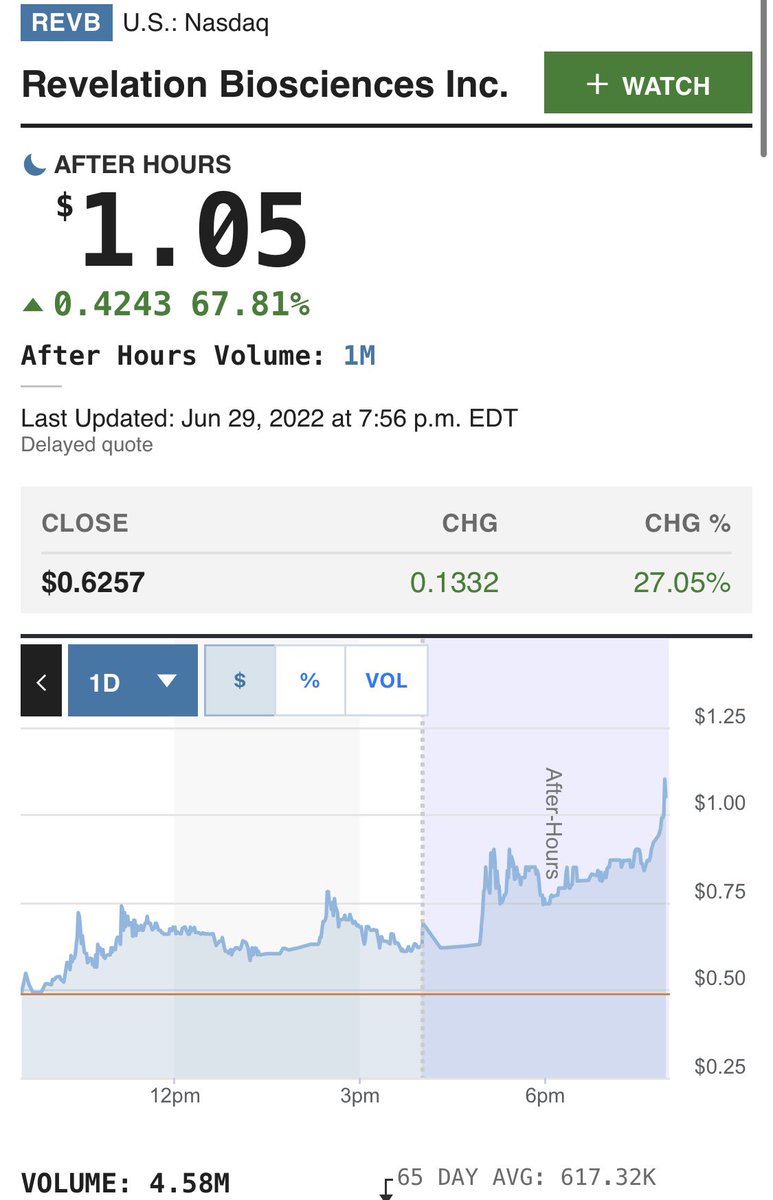
29 Jun 2022

I sold a while ago, but I love to see $REVB crash a dollar… so many beaten down bio deSPACs… $BTTX, $SABS, $JSPR, $BTMD, $CMRA, $DNA, $SNTI … Keep this space relevant 🧫
This list is just off the top of my head. Anybody add to it. Keep ‘em on watch. It’s bio-summer🧬
1
3

13 Apr 2022
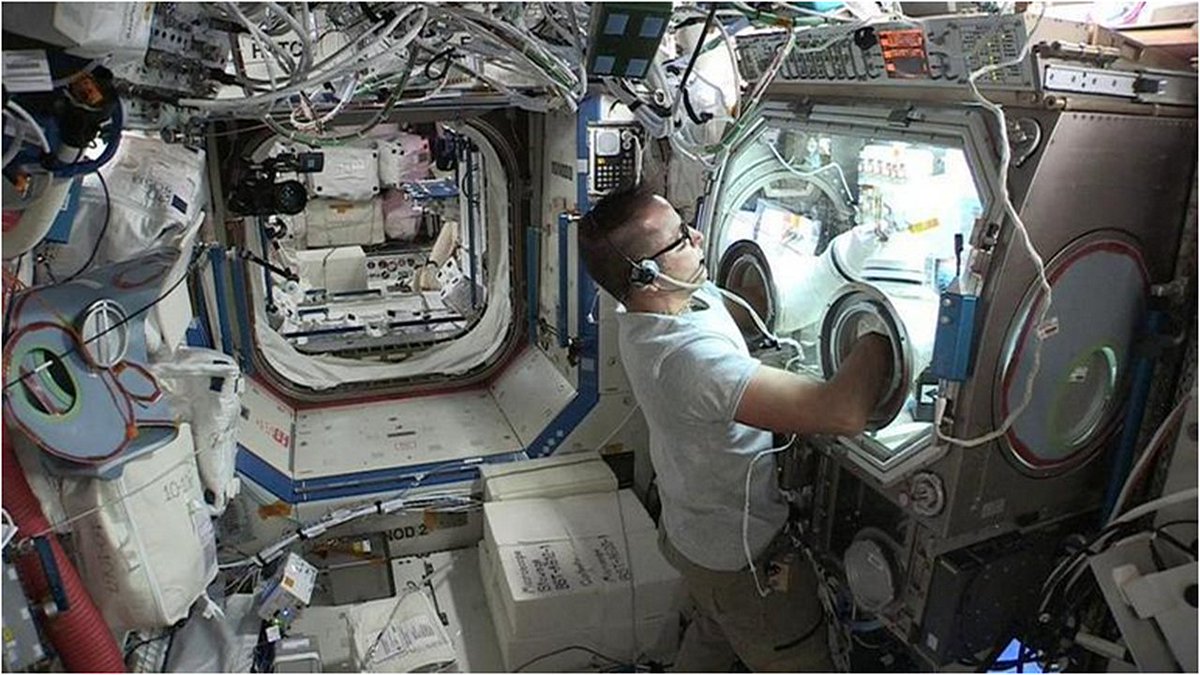
The @MassChallenge #TechnologyinSpace competition helped #biotech companies @LambdaVision, #Microquin & @RevBio send #science to the @Space_Station. Learn about their #spacebasedresearch & how you might be able to join them onboard the orbiting lab: bit.ly/3Ecygkp
9
18
6 Apr 2022
Derrière « homo deus » et ses transcendances de Prisunic c’est une hégémonie techno-scientiste, ceux qui en font un credo et ceux qui la manipulent qui avancent leurs pions.
Illustrations : la « #revbio » en 🇫🇷, les stratégies sanitaires 🌎, l’OTAN qui avance ses pions à l’est.
3
5
15

5 Nov 2021
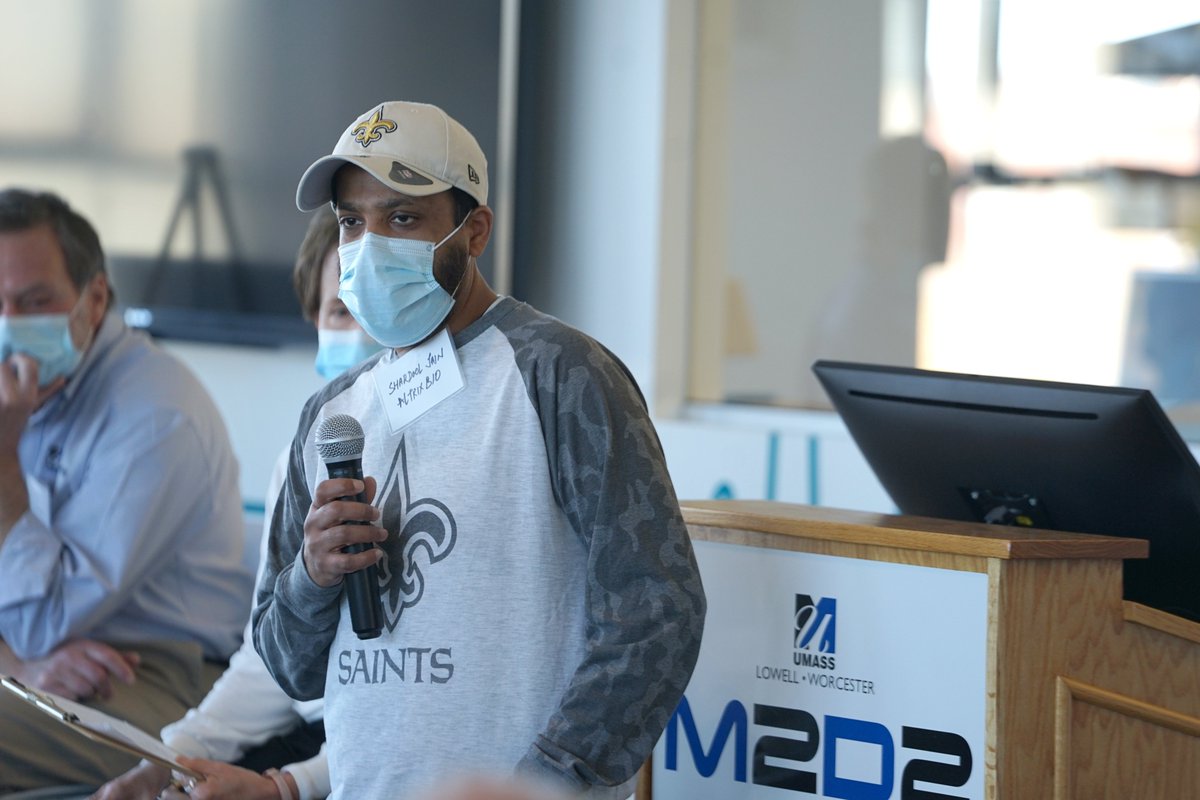
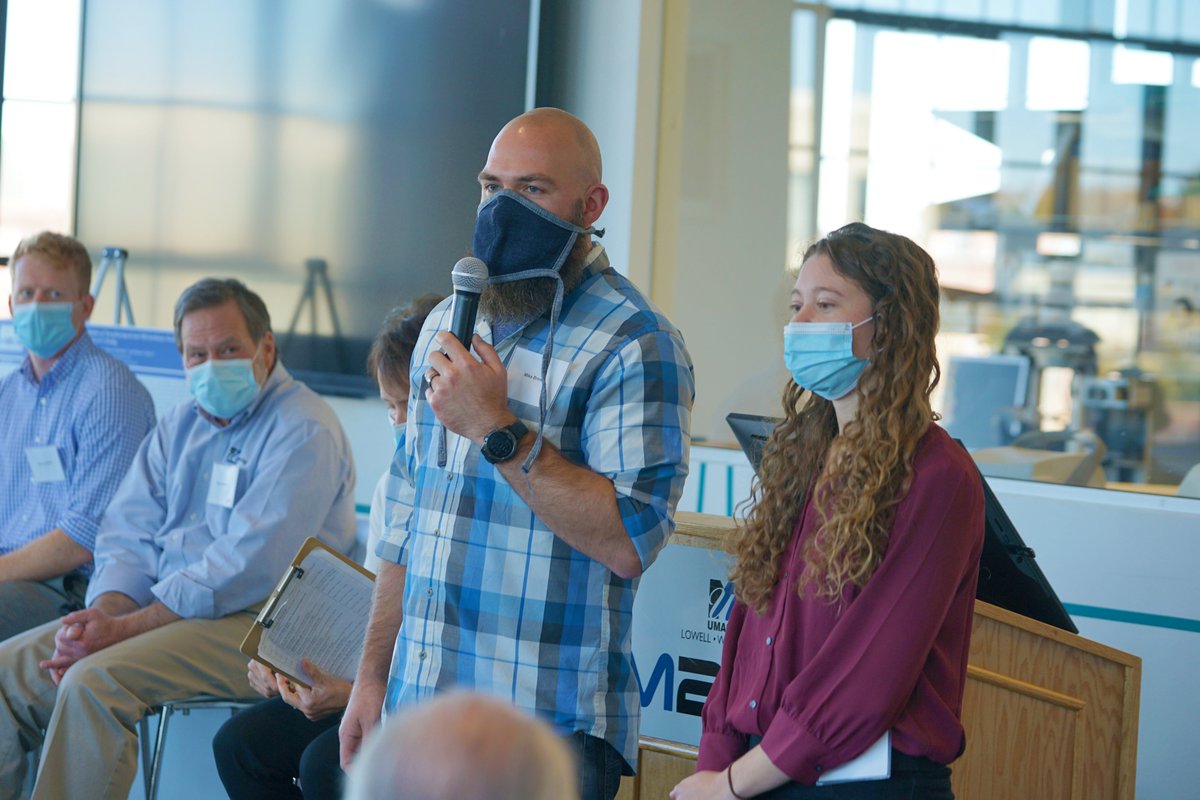
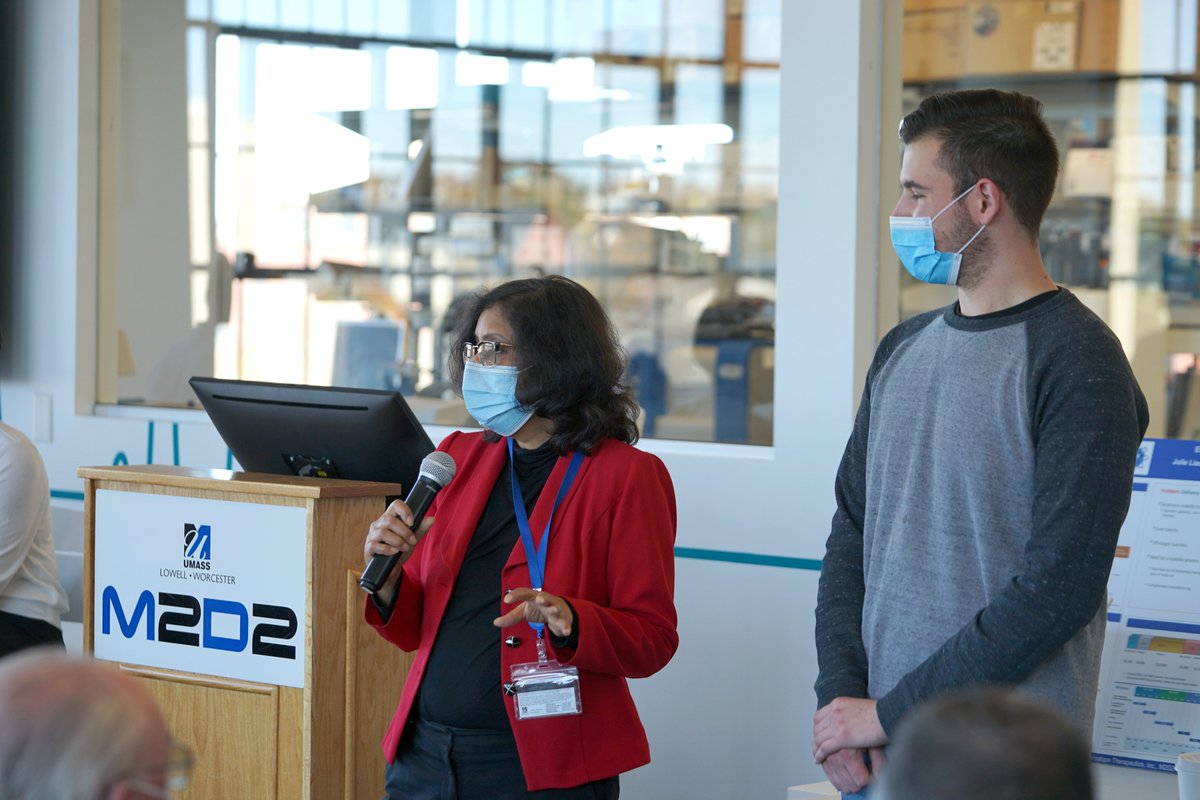
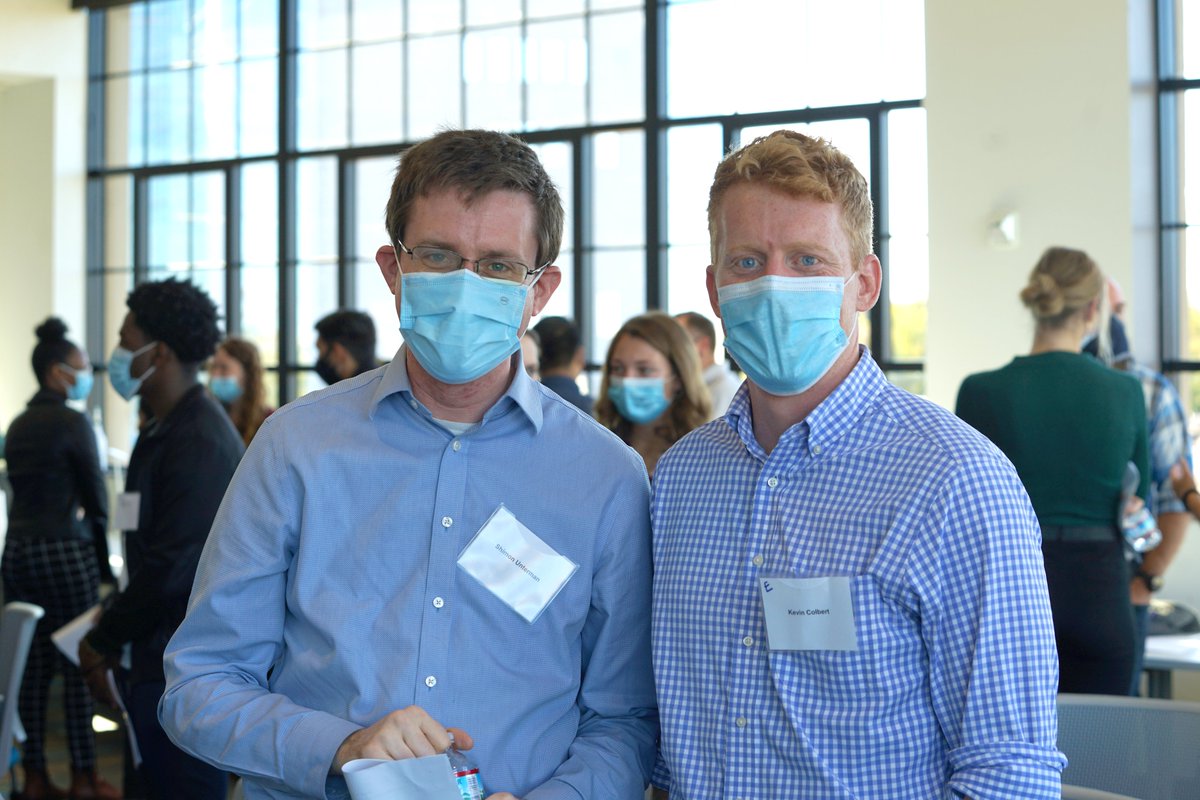
Today M2D2 resident startups @altrixbio @revbio @hyalexortho @glyscend @versatope and others shared experience with hiring @UMassLowell @BiomedicalUml interns at student employer meetup event. Abundant proof of @MALifeSciences internship challenge impact!
3
6