
Could Trump hide any upfront payments in a side deal separate from the mou?
Yes, it is possible, but there are different kinds of “hidden,” and they matter.
Trump could try to keep politically sensitive financial concessions outside the headline MOU through:
1. Side letters or implementation annexes that are not immediately public.
2. Third-party financial channels involving Qatar, Oman, Pakistan, Switzerland, or Gulf banks.
3. Humanitarian/reconstruction mechanisms that are framed as non-cash but still create economic benefit.
4. Sanctions waivers or oil-sale permissions that function like financial relief without a direct U.S. check.
5. Frozen-asset releases from non-U.S. accounts where the U.S. “permits” release rather than directly pays Iran.
That said, there is a difference between concealing details and hiding a direct payment. A literal U.S. taxpayer payment to Iran would be much harder to hide because it would likely require budget authority, agency execution, and congressional/accounting exposure. But allowing frozen Iranian assets to move, enabling oil sales, suspending sanctions, or creating a reconstruction channel through allies is much easier to obscure in side arrangements.
Current reporting shows exactly why this is a live concern. Reuters says an Iranian official described a draft with a $25B frozen-asset release and a development plan for Iran, while Bloomberg/Fortune-style reporting says different versions of the deal contain different financial provisions, and one version reportedly lacked the frozen-asset language. Iranian/Mehr-linked reporting claims $24B in frozen assets, with half available before negotiations, and a $300B reconstruction concept; that part is not yet confirmed as final U.S.-accepted text.
So the right doctrine test is not just “did Trump pay Iran?” It is:
Is any early benefit a signing bonus, or is it a controlled first tranche tied to verified performance?
If $12B or any reconstruction relief moves before Iran performs, that violates Escrow Doctrine and gives critics the Obama 2.0/capitulation attack. If funds are escrowed, restricted, audited, humanitarian/reconstruction-only, and tied to Hormuz/ceasefire compliance, then it can still fit the doctrine.
The danger phrase to watch is “before negotiations begin.” The saving phrase would be “after verified opening / through controlled financial mechanisms / for restricted humanitarian or reconstruction purposes / reversible upon noncompliance.”
@TheStudyofWar
3
J retweeted

Jun 13
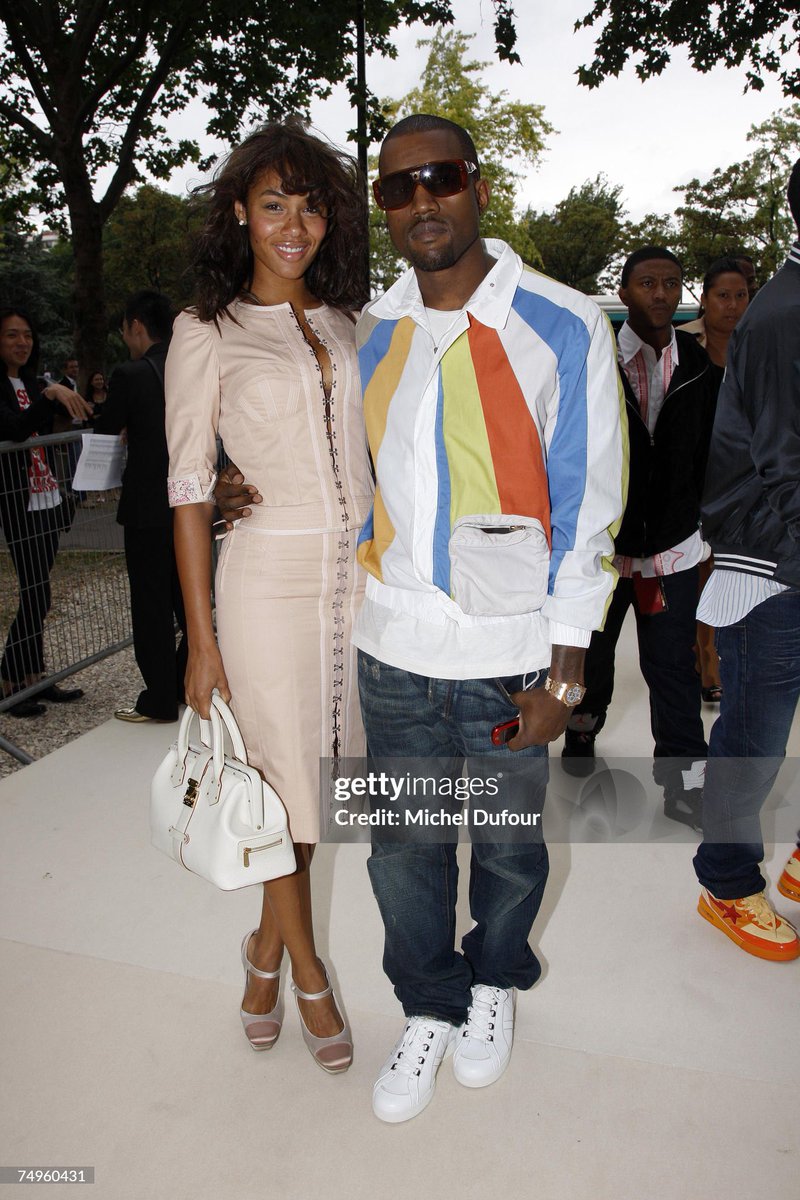
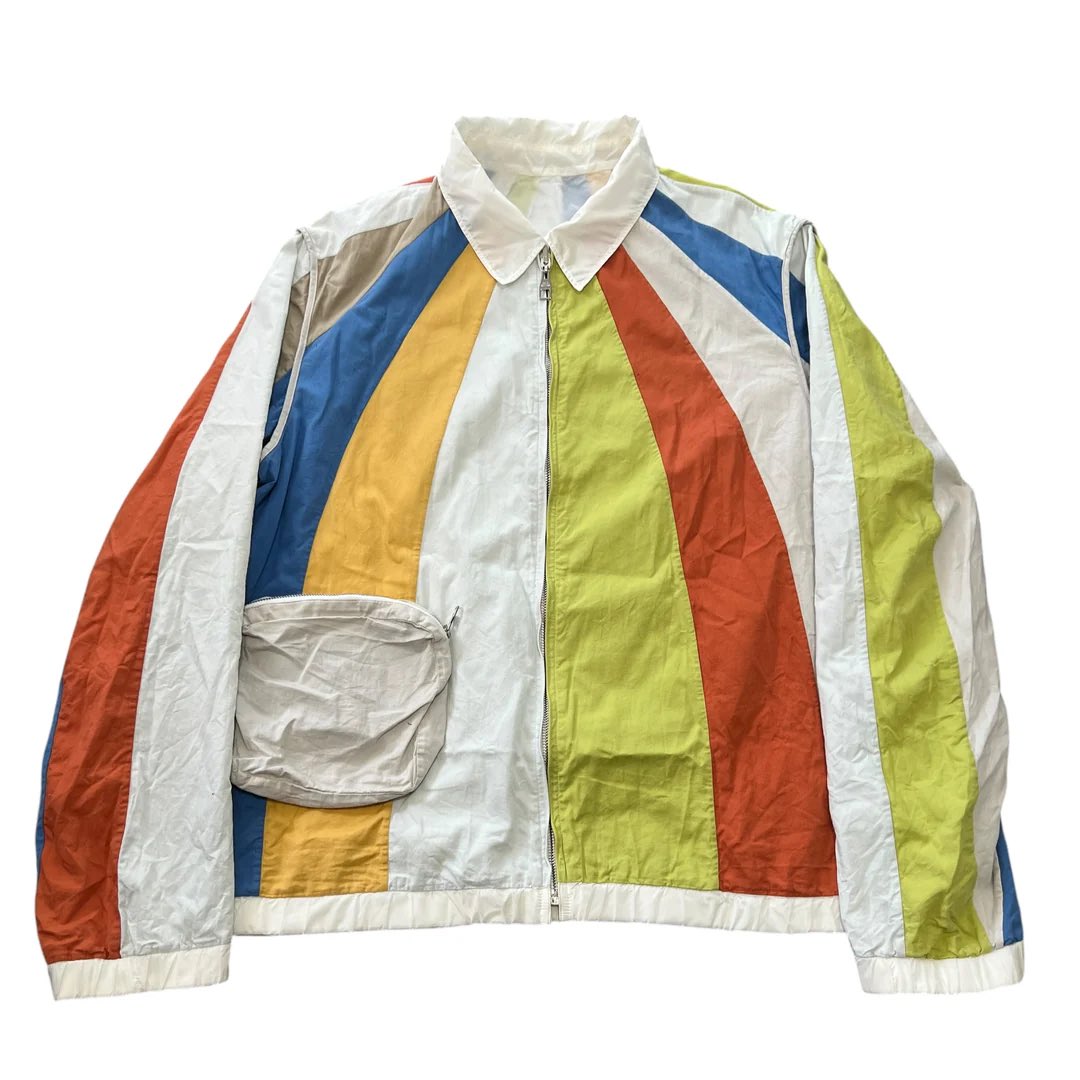
Kanye West wearing Louis Vuitton S/S ’08 “Rainbow” Reversible Jacket (2007).
17
154
2,070
136,979
Chinese Chemical Letters retweeted

Jun 11
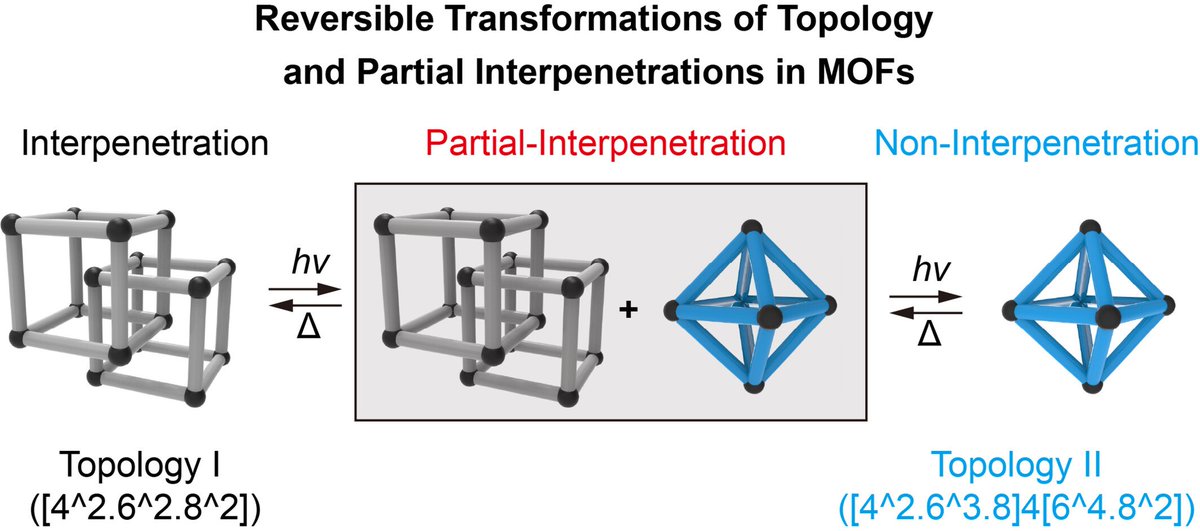
Reversible Transformations of Topology and Partial Interpenetrations in Metal-Organic Frameworks Triggered by Solid-State Photo/Thermal Reactions
@MOF_papers
doi.org/10.1002/cjoc.70655
10
19
11,403
Chinese Chemical Letters retweeted

Reversible Transformations of Topology and Partial Interpenetrations in Metal-Organic Frameworks Triggered by Solid-State Photo/Thermal Reactions
@MOF_papers
doi.org/10.1002/cjoc.7…
Jun 11

Reversible Transformations of Topology and Partial Interpenetrations in Metal-Organic Frameworks Triggered by Solid-State Photo/Thermal Reactions
@MOF_papers
doi.org/10.1002/cjoc.70655
7
8
672
Marcelino Mota retweeted

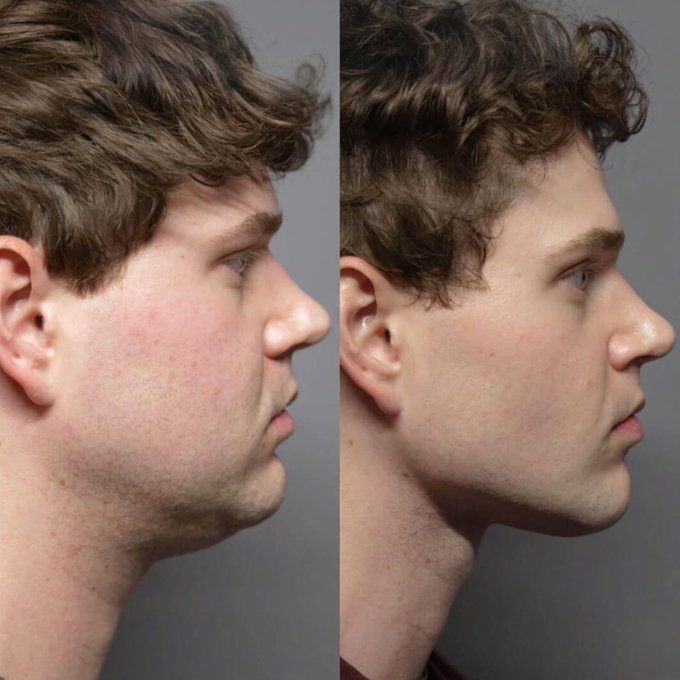
GRASA FACIAL = NIVELES ALTOS DE CORTISOL
La buena noticia es que es reversible.
Aquí tienes 8 consejos que funcionan
11
256
1,969
409,829
Chinese Chemical Letters retweeted

Jun 11
Reversible Transformations of Topology and Partial Interpenetrations in Metal-Organic Frameworks Triggered by Solid-State Photo/Thermal Reactions
Jun 11
Reversible Transformations of Topology and Partial Interpenetrations in Metal-Organic Frameworks Triggered by Solid-State Photo/Thermal Reactions
@MOF_papers
doi.org/10.1002/cjoc.70655
5
8
1,080
Chinese Chemical Letters retweeted

Jun 11
Reversible Transformations of Topology and Partial Interpenetrations in Metal-Organic Frameworks Triggered by Solid-State Photo/Thermal Reactions
Jun 11
Reversible Transformations of Topology and Partial Interpenetrations in Metal-Organic Frameworks Triggered by Solid-State Photo/Thermal Reactions
@MOF_papers
doi.org/10.1002/cjoc.70655
5
11
1,382
Chinese Chemical Letters retweeted

Reversible Transformations of Topology and Partial Interpenetrations in Metal-Organic Frameworks Triggered by Solid-State Photo/Thermal Reactions
Jun 11
Reversible Transformations of Topology and Partial Interpenetrations in Metal-Organic Frameworks Triggered by Solid-State Photo/Thermal Reactions
@MOF_papers
doi.org/10.1002/cjoc.70655
5
12
800
Chinese Chemical Letters retweeted
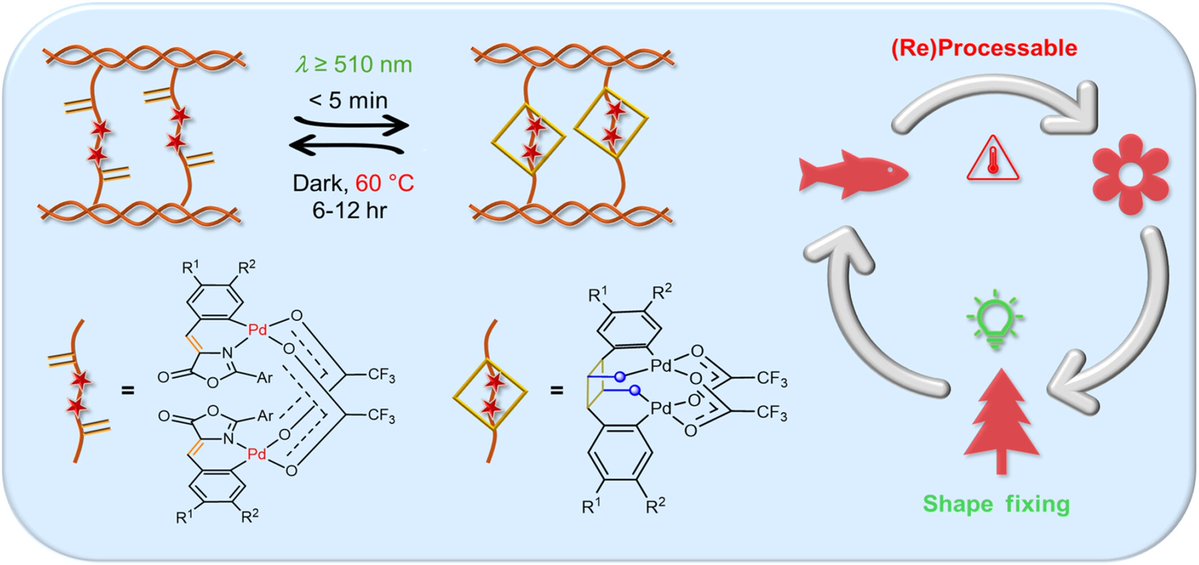
Ultra-Fast and Reversible [2 2] Photocycloaddition Enabling Green Light-Mediated Switching of Polymer Materials
Jun 12

Ultra-Fast and Reversible [2 2] Photocycloaddition Enabling Green Light-Mediated Switching of Polymer Materials
doi.org/10.1002/smm2.70085
5
15
1,442
Chinese Chemical Letters retweeted

Jun 13
Reversible Transformations of Topology and Partial Interpenetrations in Metal-Organic Frameworks Triggered by Solid-State Photo/Thermal Reactions
@MOF_papers
doi.org/10.1002/cjoc.7…
Jun 11
Reversible Transformations of Topology and Partial Interpenetrations in Metal-Organic Frameworks Triggered by Solid-State Photo/Thermal Reactions
@MOF_papers
doi.org/10.1002/cjoc.70655
4
6
420
Chinese Chemical Letters retweeted
Jun 12
Reversible Transformations of Topology and Partial Interpenetrations in Metal-Organic Frameworks Triggered by Solid-State Photo/Thermal Reactions
Jun 11
Reversible Transformations of Topology and Partial Interpenetrations in Metal-Organic Frameworks Triggered by Solid-State Photo/Thermal Reactions
@MOF_papers
doi.org/10.1002/cjoc.70655
7
9
762
Chinese Chemical Letters retweeted
Jun 13
Ultra-Fast and Reversible [2 2] Photocycloaddition Enabling Green Light-Mediated Switching of Polymer Materials
doi.org/10.1002/smm2.7…
Jun 12
Ultra-Fast and Reversible [2 2] Photocycloaddition Enabling Green Light-Mediated Switching of Polymer Materials
doi.org/10.1002/smm2.70085
4
9
668
Chinese Chemical Letters retweeted
Reversible Transformations of Topology and Partial Interpenetrations in Metal-Organic Frameworks Triggered by Solid-State Photo/Thermal Reactions
Jun 11
Reversible Transformations of Topology and Partial Interpenetrations in Metal-Organic Frameworks Triggered by Solid-State Photo/Thermal Reactions
@MOF_papers
doi.org/10.1002/cjoc.70655
4
7
634
Chinese Chemical Letters retweeted
Jun 12
Ultra-Fast and Reversible [2 2] Photocycloaddition Enabling Green Light-Mediated Switching of Polymer Materials
Jun 12
Ultra-Fast and Reversible [2 2] Photocycloaddition Enabling Green Light-Mediated Switching of Polymer Materials
doi.org/10.1002/smm2.70085
6
8
907
Chinese Chemical Letters retweeted
Ultra-Fast and Reversible [2 2] Photocycloaddition Enabling Green Light-Mediated Switching of Polymer Materials
Jun 12
Ultra-Fast and Reversible [2 2] Photocycloaddition Enabling Green Light-Mediated Switching of Polymer Materials
doi.org/10.1002/smm2.70085
5
8
821

【🏛️Product Reveal🐚】
Featuring a newly illustrated full-body artwork on one side and a detailed masterpiece from The National Gallery, London (@NationalGallery ) on the other 👜
Enjoy this reversible design and switch up the look to match your mood!
🛒:sp-collect-tw.shop/en
#らでんmeetsArt #儒烏風亭らでん #hololive #NationalGallery #SPcollect

74
Kate Duvall retweeted

Check out Handmade Cotton Patchwork Quilt Twin Size Pink Brown White Heart Reversible Blan ebay.us/m/HqSHSY #eBay via @eBay
3
3
11



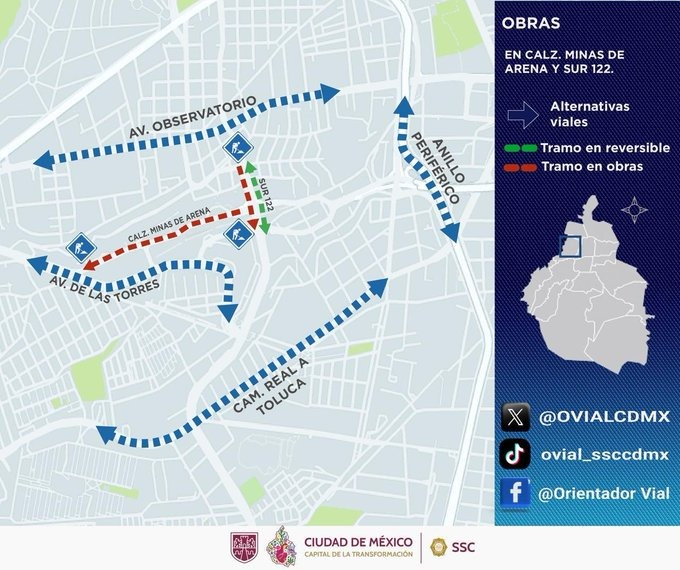
#PrecauciónVial | Reducción de carriles por obras sobre Av. Sur 122 de Poniente 85 hasta Av. Río Tacubaya hacia el Sur, en sentido opuesto se habilita reversible, también se encuentra cerrada la vialidad sobre Calz. Minas de Arena de Sur 122 hasta Av. de las Torres, tránsito local entre 4ta cerrada de Acueducto y Av. de las Torres; sobre Av. de las Torres se implementa reversible de Av. Río Tacubaya hasta Calle 2
1
194

I just received JOYELF Cat Hammock Bed, Large Reversible Cat Cage Hammock Hanging Soft Pet Bed for Kitten Ferret Puppy or Small Pet from hockeygoaliechris via Throne. Thank you! throne.com/suto #Wishlist #throne

1
1
130
3,001