

Feb 13
🚫 Gingival Recession: Etiology, Risks, and Modern Management
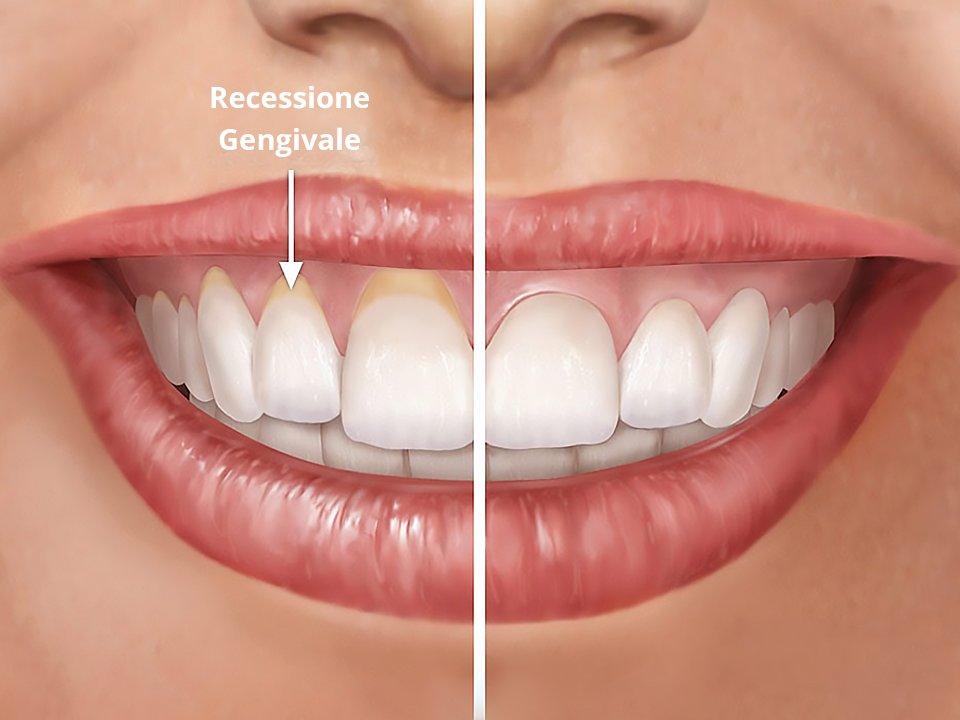
Gingival recession is characterized by the apical migration of the gingival margin, leading to root surface exposure. It is a multifactorial condition commonly associated with periodontal disease, traumatic tooth brushing, thin gingival phenotype, orthodontic movement beyond alveolar housing, and occlusal trauma.
🔷 Clinically, gingival recession may result in dentin hypersensitivity, root caries, cervical abrasion, and aesthetic concerns—particularly in the anterior region.
🔶 Early diagnosis is essential. Treatment options range from non-surgical periodontal therapy and modification of brushing techniques to advanced mucogingival surgical procedures such as coronally advanced flaps, connective tissue grafts, and minimally invasive root coverage techniques.
👉 A comprehensive assessment of the periodontal phenotype and etiological factors is key to achieving long-term stability and optimal aesthetic outcomes.
#Periodontology #GingivalRecession #MucogingivalSurgery #RootCoverage #Ovidental 🦷✨
1
7
223
15 Dec 2025
🔘 Ortho-Periodontal Approach for Root Coverage in a Buccally Displaced Tooth: Enhancing Esthetics and Function
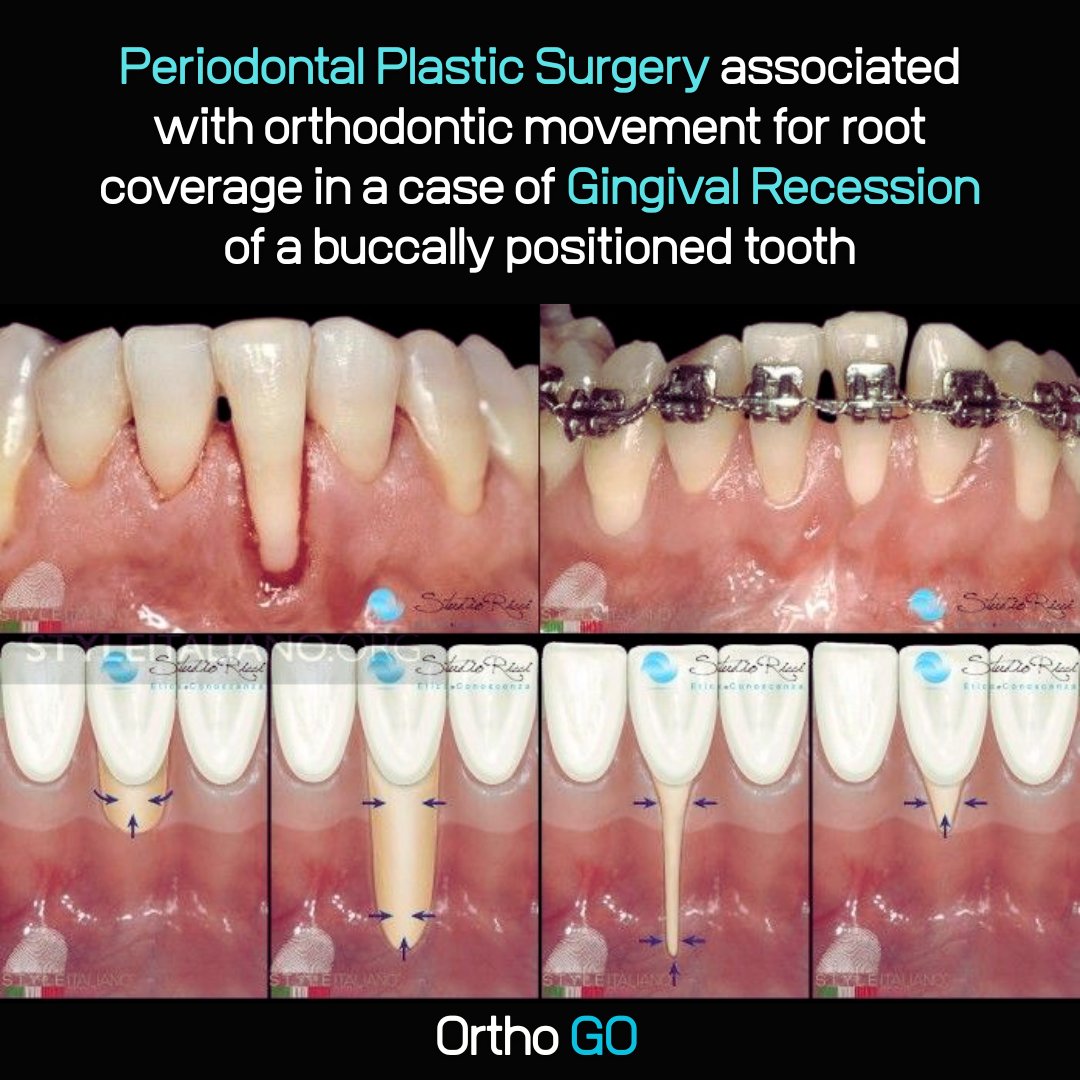
In this clinical case, a multidisciplinary ortho-periodontal strategy was used to treat severe gingival recession on a buccally positioned lower incisor. By repositioning the tooth within the alveolar bone envelope through orthodontic movement and combining it with periodontal plastic surgery — including a connective tissue graft beneath a flap — clinicians achieved significant root coverage, improved gingival margins, and enhanced periodontal health over a two-year follow-up. This coordinated approach highlights how thoughtful orthodontic positioning can create favorable anatomical conditions that improve the outcomes of soft-tissue surgery and reduce the risk of tooth loss in periodontally compromised, malpositioned teeth.
👉 Full article link available in the first comment.
#OrthoGO #Orthodontics #PeriodontalPlasticSurgery #GingivalRecession #RootCoverage
1
4
260
27 Nov 2025
ℹ️ Localized Gingival Recession: Key Considerations for Diagnosis and Management
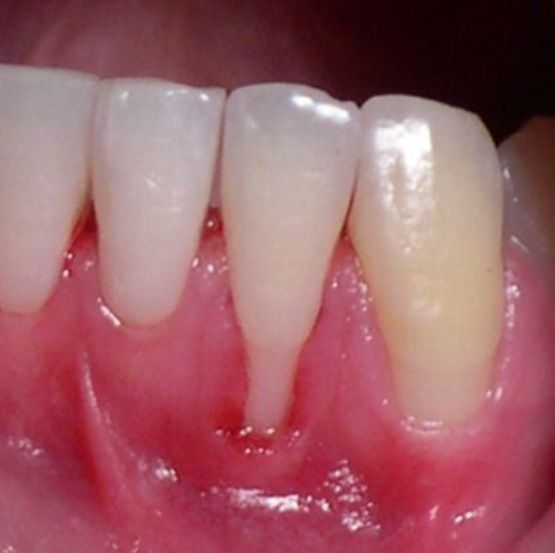
Localized gingival recession is a common periodontal concern characterized by the apical displacement of the gingival margin, exposing the root surface of a specific tooth. Although it may initially appear as an isolated cosmetic issue, localized recession can indicate underlying biomechanical or inflammatory problems that require timely evaluation—especially in implant, periodontal, and restorative planning.
🔷 From a clinical perspective, localized recession often results from traumatic brushing, thin periodontal biotype, orthodontic movement outside the alveolar housing, frenal traction, or a history of periodontal inflammation. Patients may present with dentin hypersensitivity, aesthetic concerns, and difficulty maintaining plaque control in the affected area.
🔷 For clinicians, the challenge lies in determining the etiology and selecting the most appropriate therapeutic approach. Management may include improving oral hygiene techniques, controlling inflammation, performing frenectomy when indicated, or opting for periodontal plastic surgery.
Techniques such as the coronally advanced flap, tunnel approach, and connective tissue grafting remain gold standards for achieving predictable root coverage. In implant-related cases, assessing tissue thickness and keratinized mucosa is essential to ensure long-term stability and prevent peri-implant complications.
👉 Early diagnosis, risk factor modification, and proper surgical planning allow for stable, functional, and aesthetic outcomes—strengthening periodontal health and supporting comprehensive rehabilitation in PerImplant GO cases.
#PerImplantGO #Periodontics #GingivalRecession #ImplantDentistry #SoftTissueManagement #RootCoverage
6
516

26 Dec 2021
🔥 Enjoy -10% all #dentalcourses until Dec 27, 2021! Code: Boxing2021 Next course: January 20-21, 2022 (Eastern Time Zone) - #SoftTissueGrafting & #RootCoverage for General #Dentists 👉 More dates & time zones available: citagenix.com
#dentistry #dentist #dentalwebinar
2
3 Nov 2021
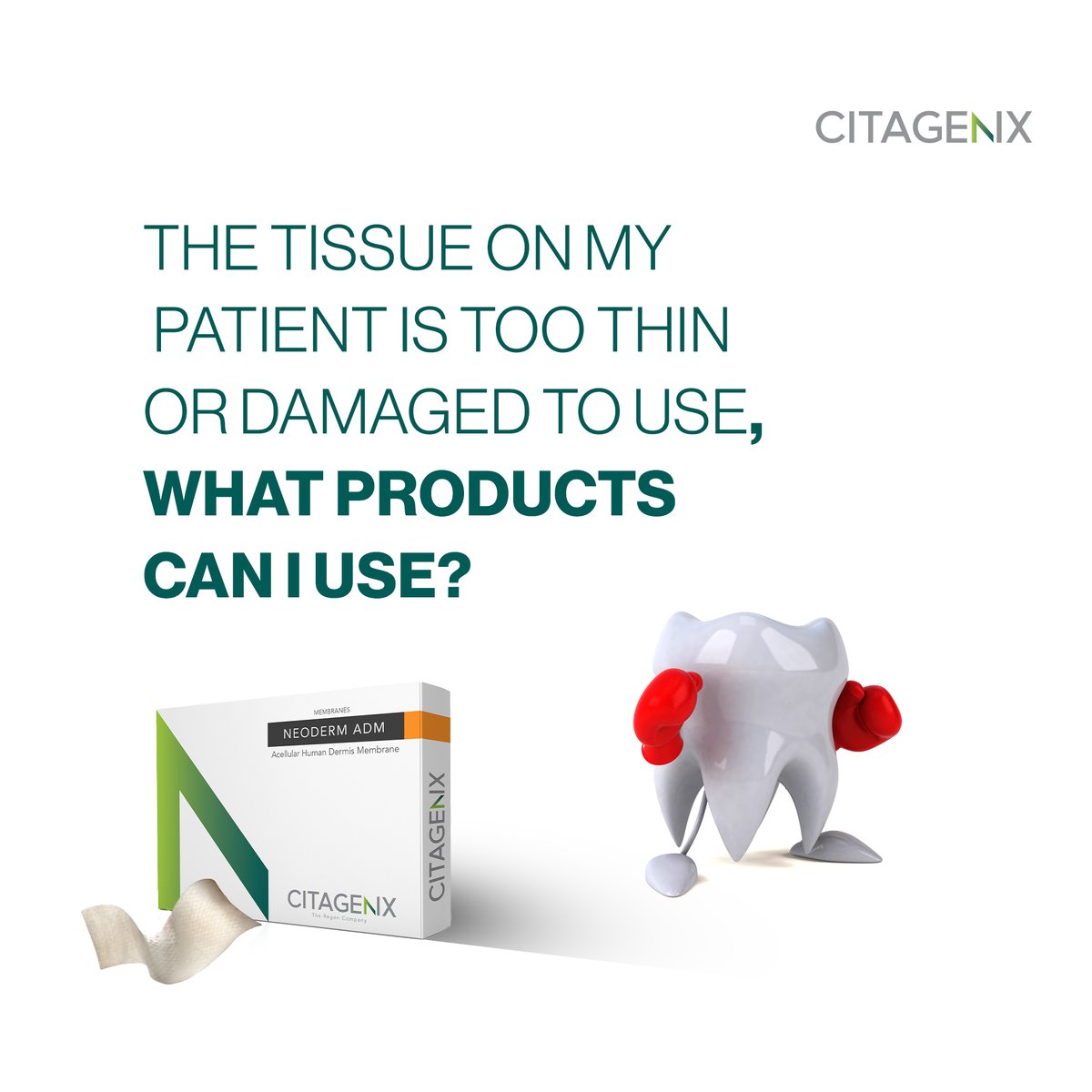
Neoderm ADM (Acellular Dermal Matrix) can be used in areas where #rootcoverage is required in order to gain keratinized tissue to thicken native tissue. citagenix.com
#dentistry #oralsurgery #oralsurgeon #dentalimplants #dentist #dentalsupplies #oralhealth #oralcare
3

22 Sep 2021
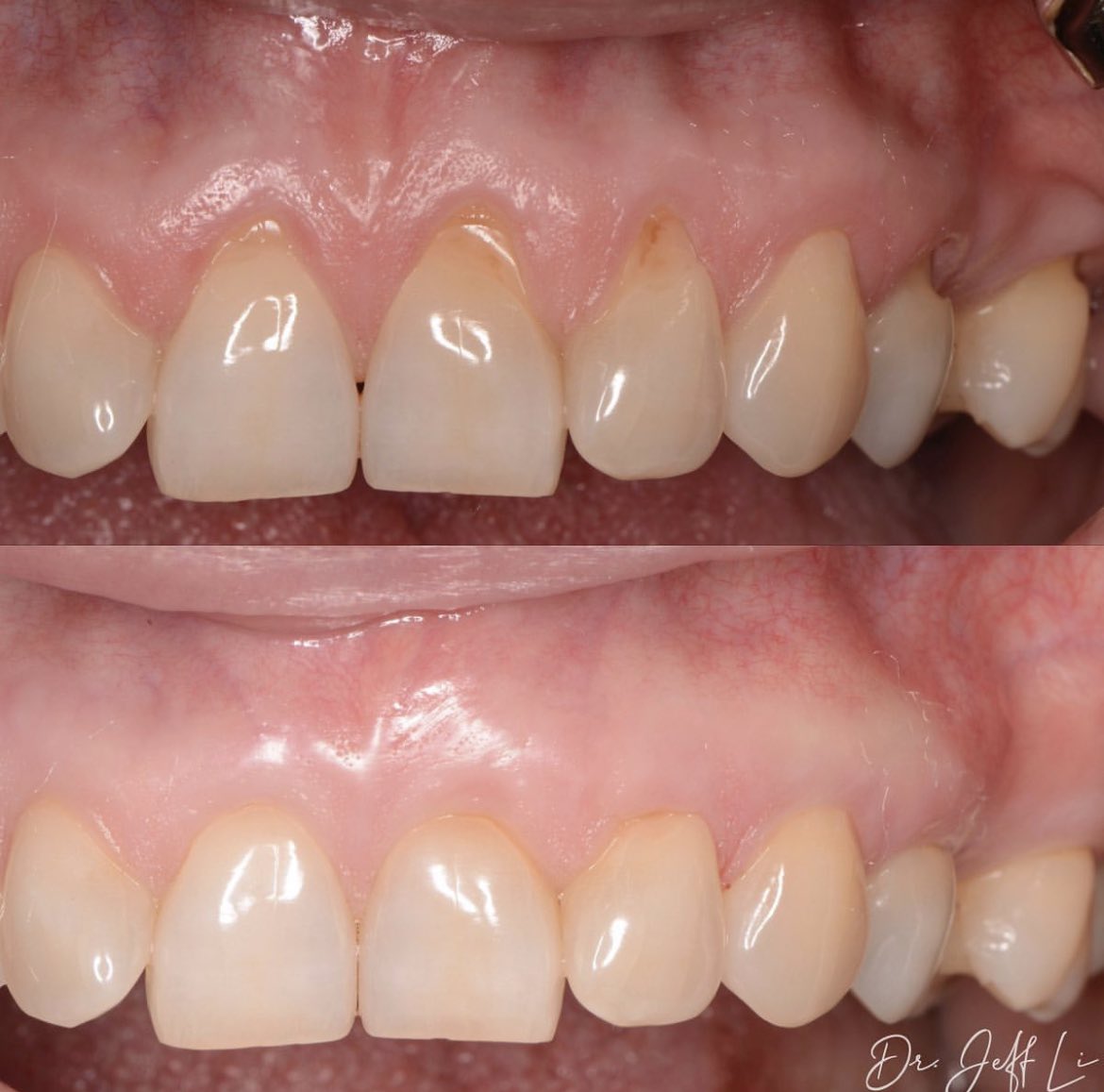
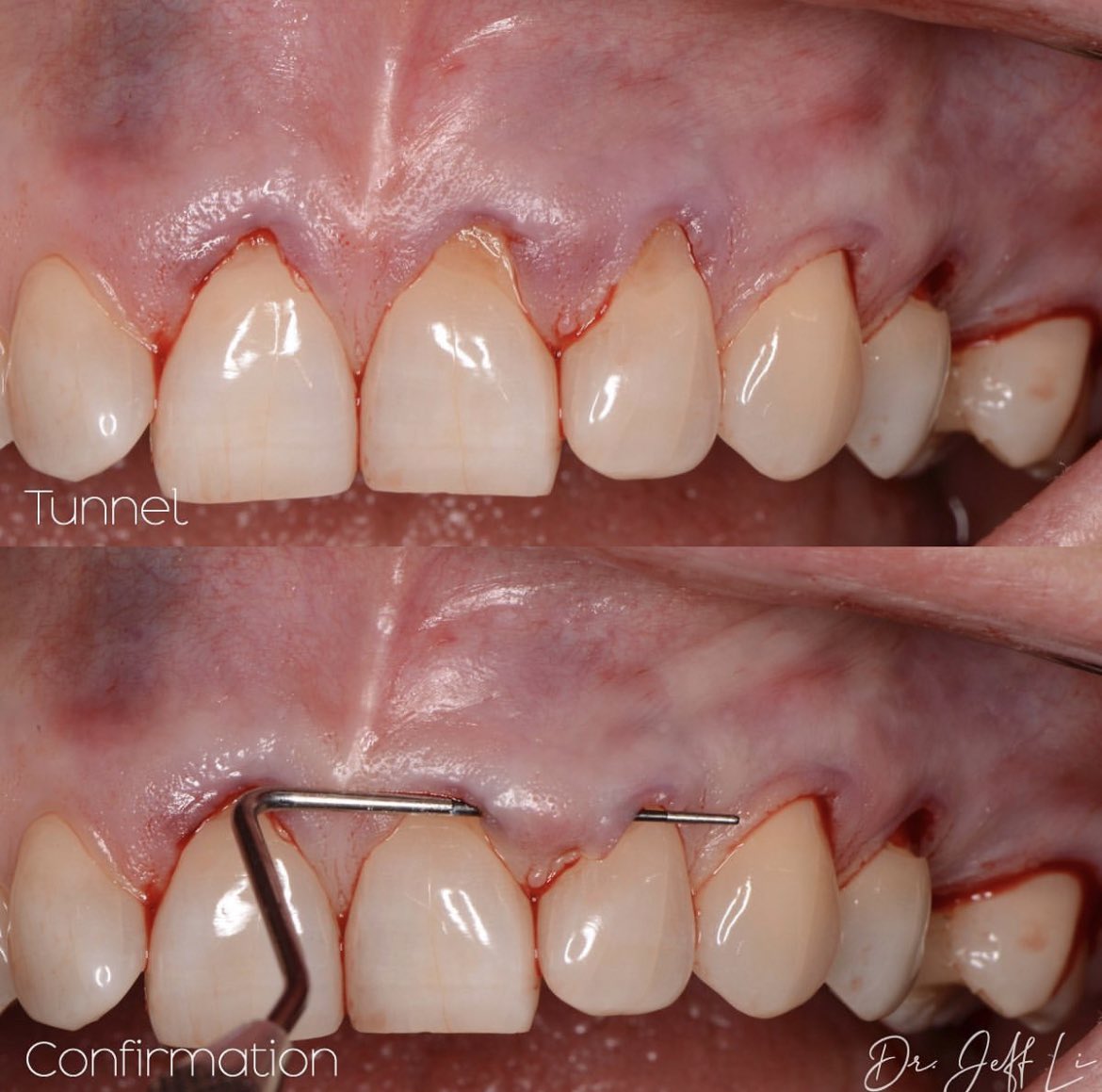
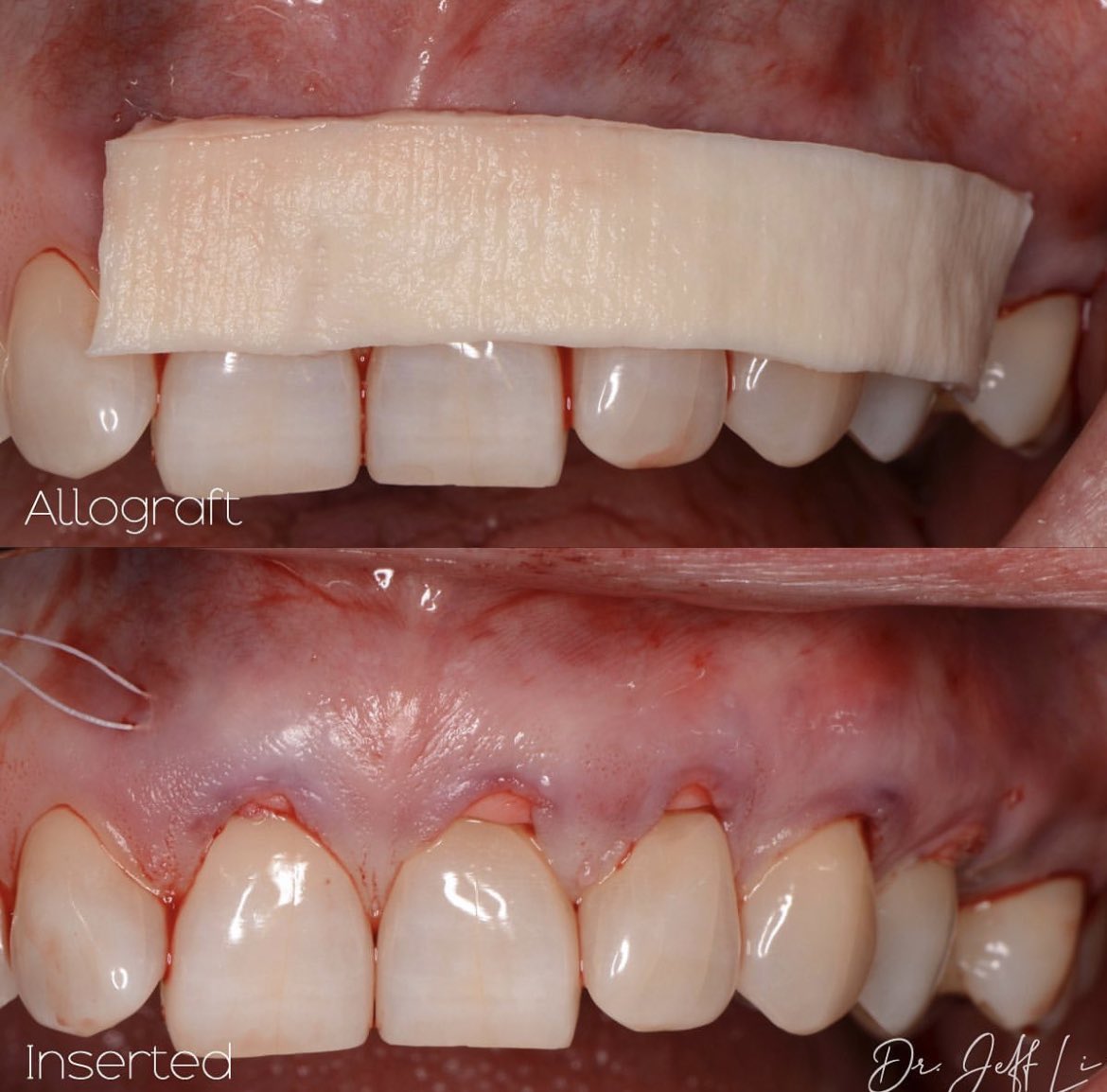
This tissuetuesday post highlights the effectiveness of acellulardermalmatrix usage for multiple recession sites. Here, alloderm from @biohorizons was used in a Tunneling procedure to gain full rootcoverage for 5️⃣ maxillary teeth (and the 26 benefitted from just a coronal advanc

1
6

16 Jul 2019
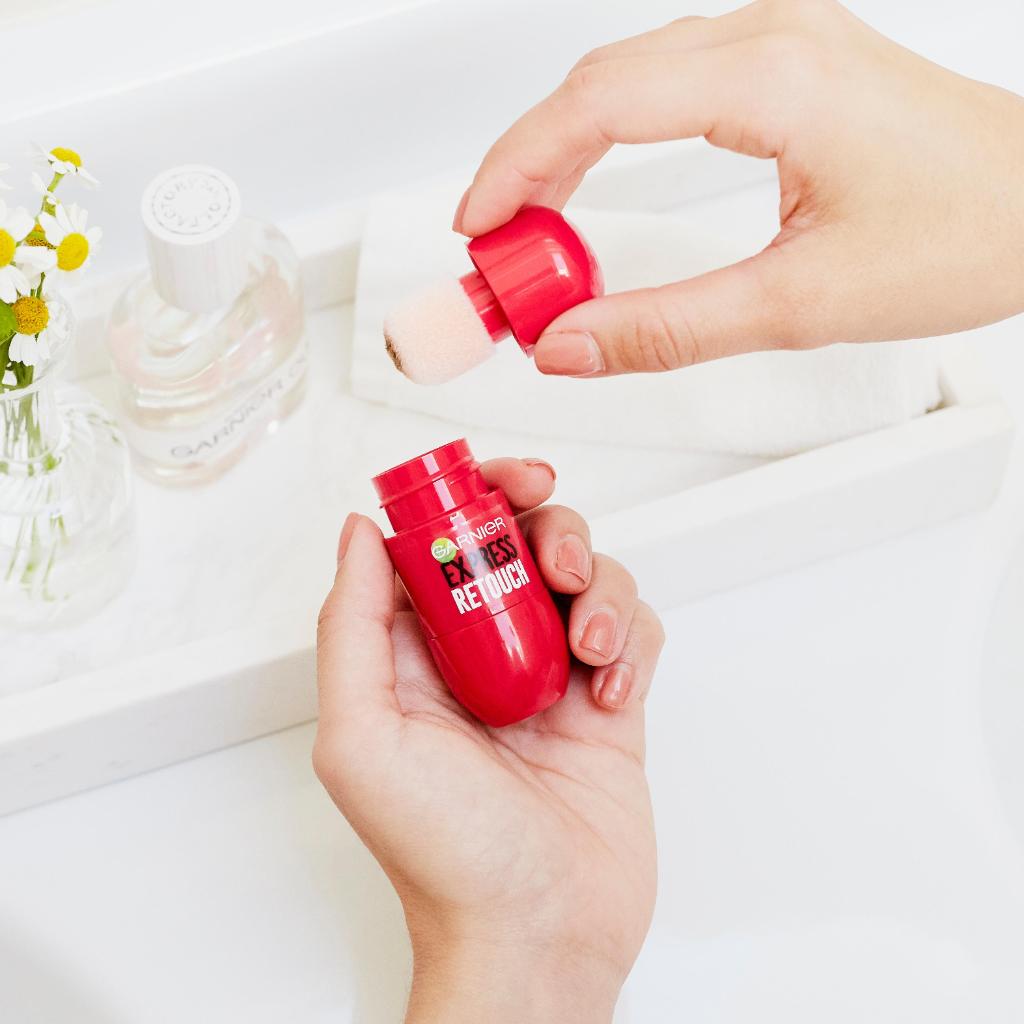
Got grays? We've got you covered with Express Retouch! Shake, dab, and apply! Shop now @amazon #PrimeDay and get 30% off: amzn.to/2Y4nhXD
-
#haircolor #color #expressretouch #roottouchup #rootcoverage
1
2
23
27 Apr 2019
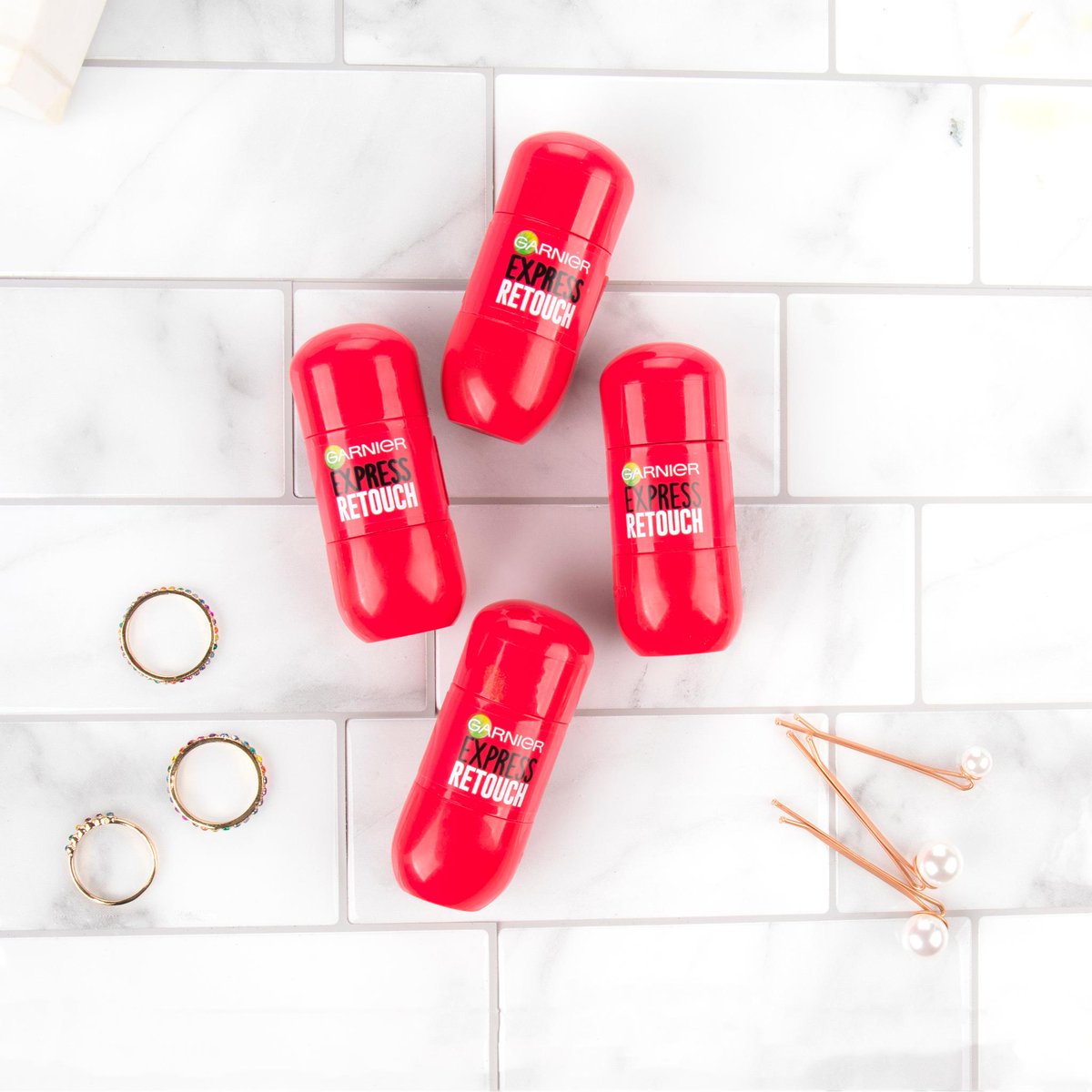
Got grays? We got you covered (literally!). Express Retouch temporarily conceals grays in just minutes.
1️⃣Shake closed product
2️⃣Dab roots
3️⃣Let it dry for 3 minutes
👉🏼Tip: use a hair dryer to dry it faster
Available @Walgreens
-
#roottouchup #rootcoverage #haircolor
1
3
11
15 Mar 2019
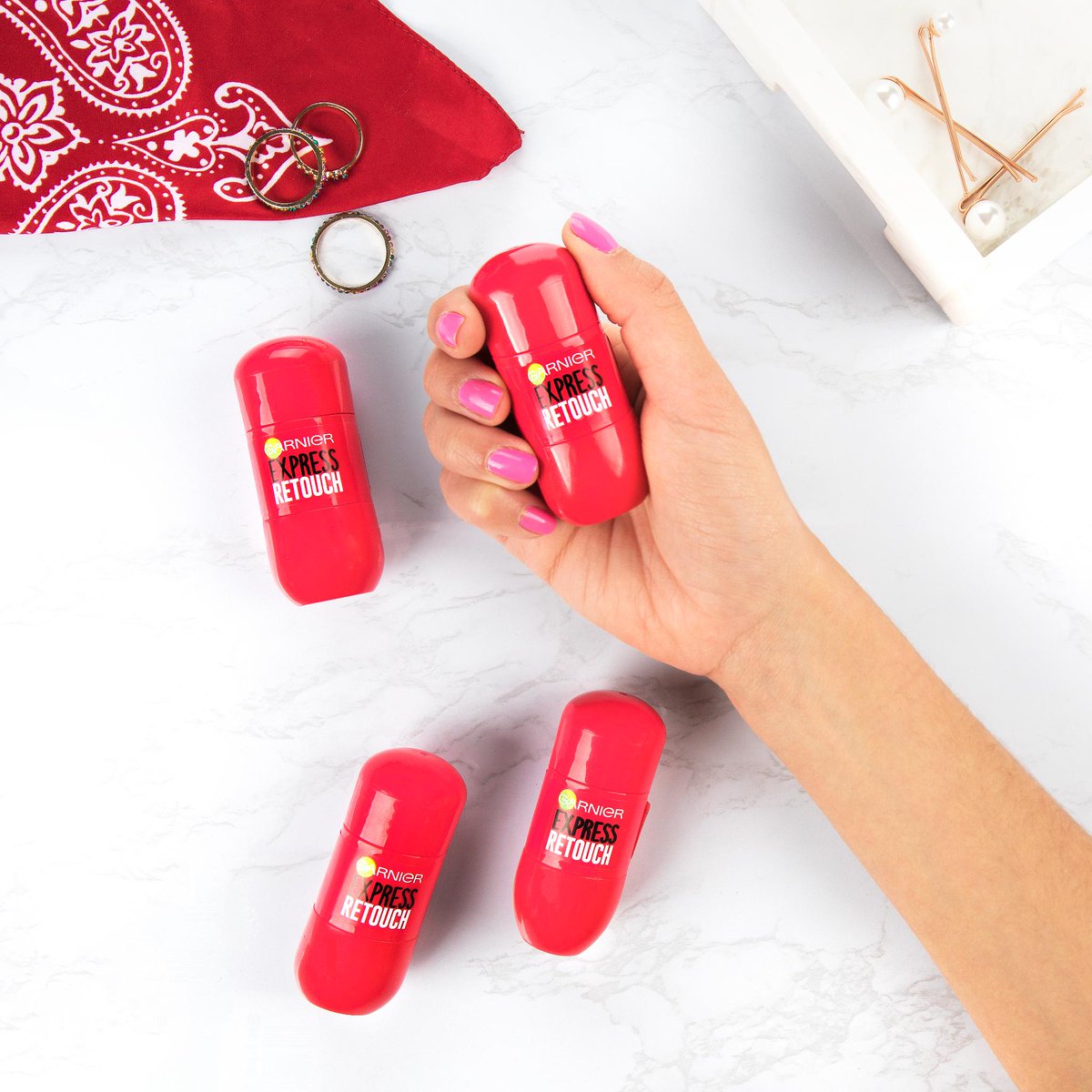
#CurrentObsession: our #NEW Express Retouch root concealer to temporarily cover grays.
✔️No mess
✔️Transfer resistance
✨4 shades
#haircolor #expressretouch #roottouchup #rootcoverage
1
10

27 Feb 2019
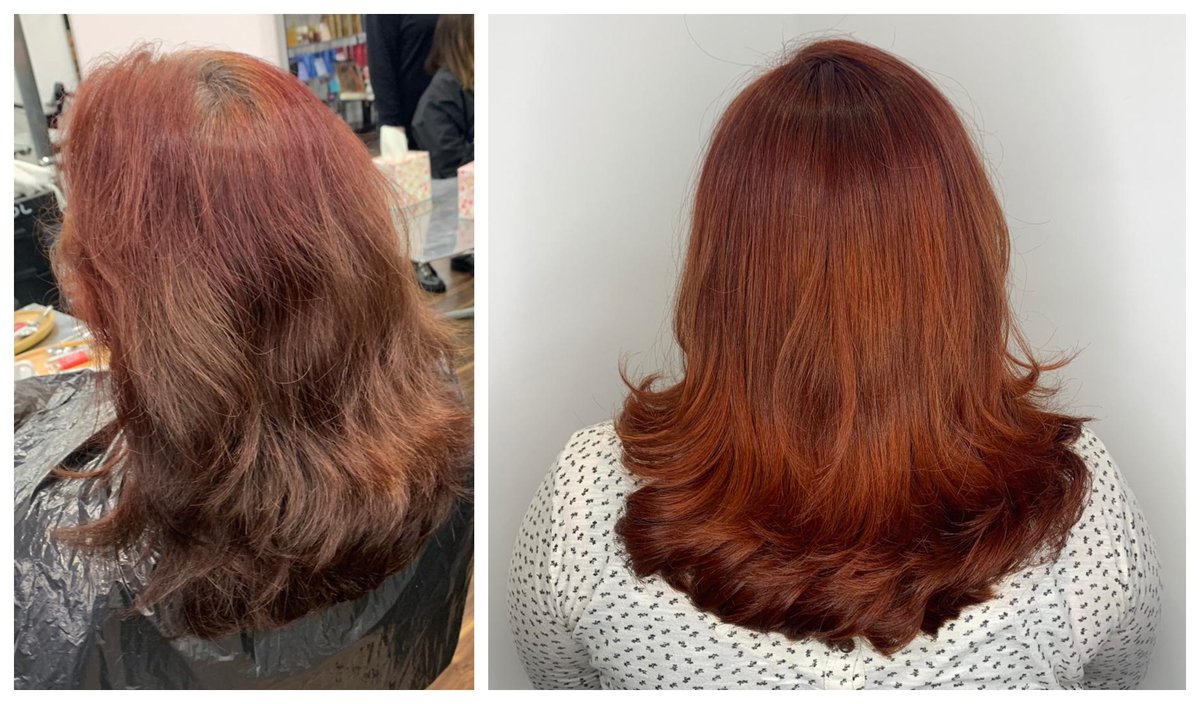
Before and After of this stunning JOICO colour by Nick, our Graduate Stylist in our Woodley Salon @marcantonihair #marcantonihair #woodley #woodleytown #reading #joihair #hairjoi #joico #redhair #healthyhair #rootcoverage
2

14 Dec 2018
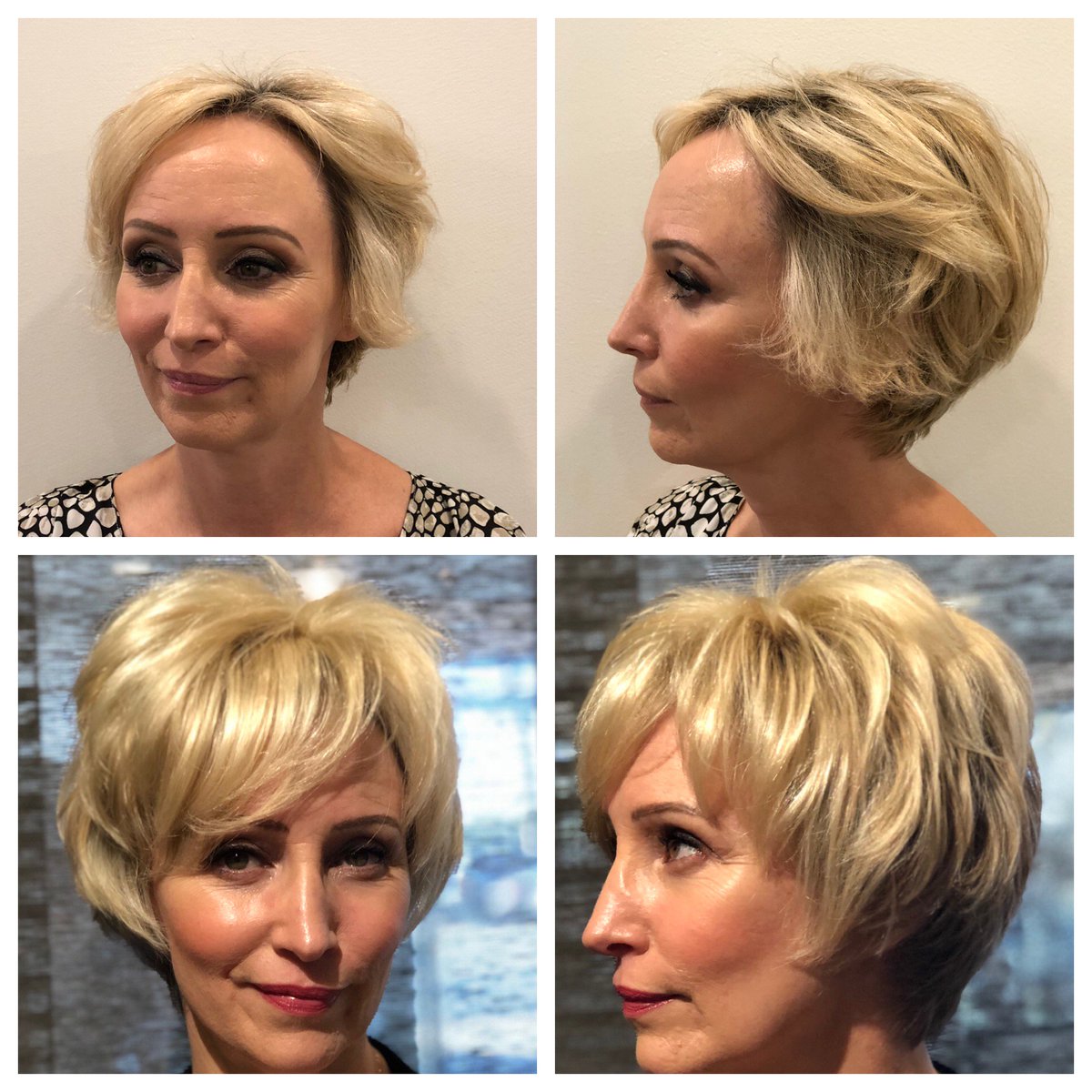
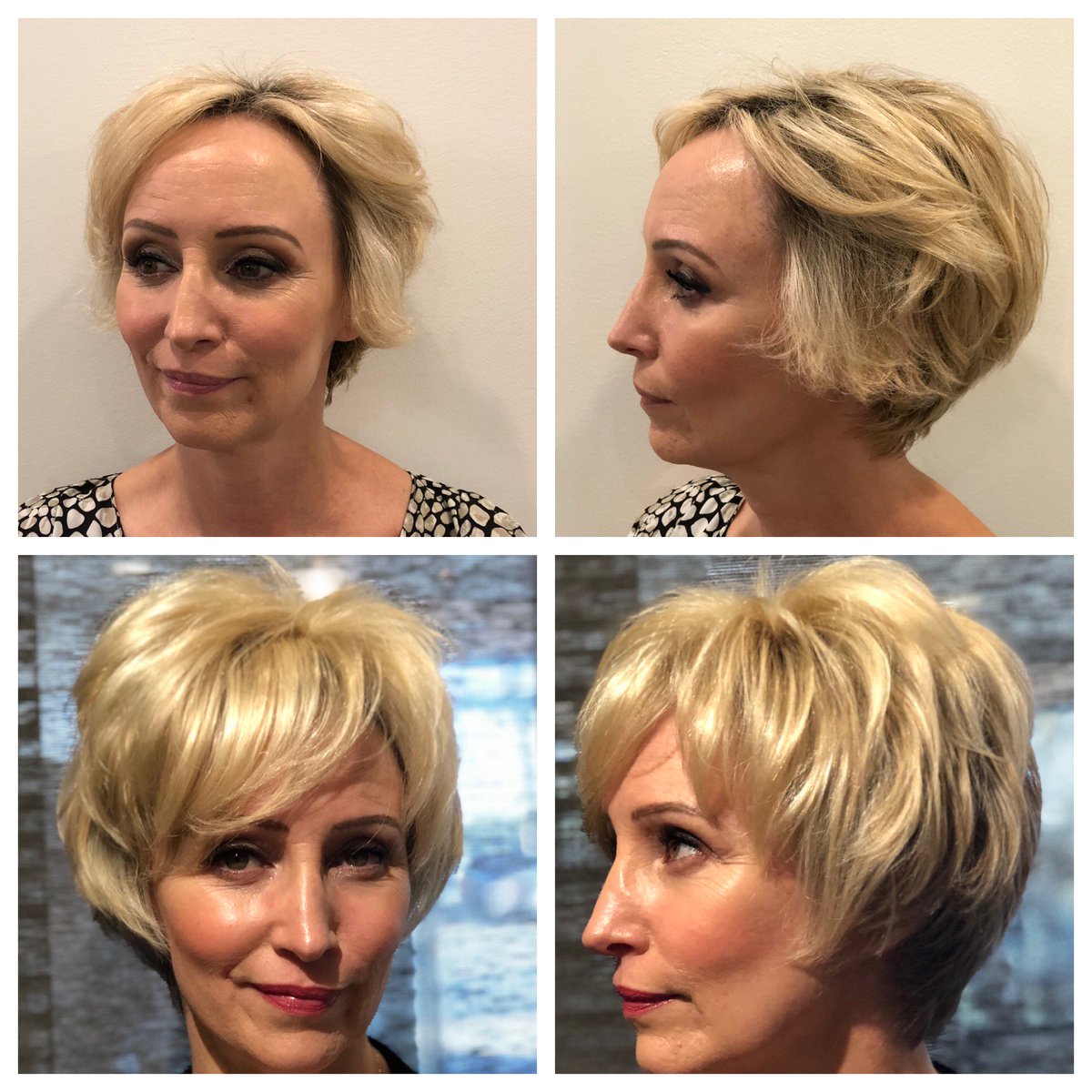
This client is using the T-zone for more coverage, volume, and great style!
#amaninewport #tzone #wigs #caps #women #hairloss #alopecia #beauty #newportbeach #rootcoverage #volume #thinhair #coverroots #topextension #crownextension #germany
1
2

14 Dec 2018
This client is using the T-zone for more coverage, volume, and great style!
#amaninewport #tzone #wigs #caps #women #hairloss #alopecia #beauty #newportbeach #rootcoverage #volume #thinhair #coverroots #topextension #crownextension #germany
3
4

11 Oct 2018
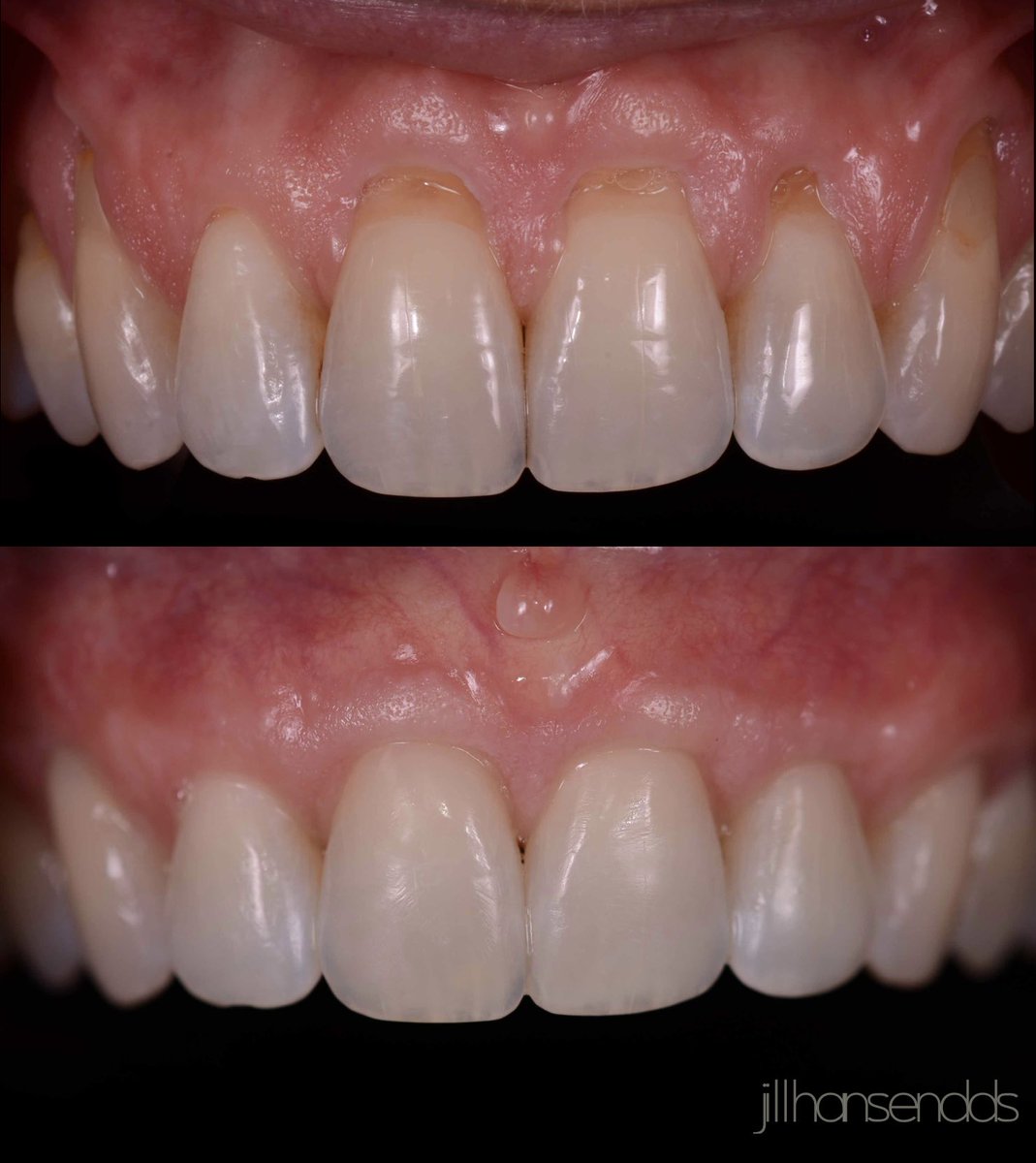
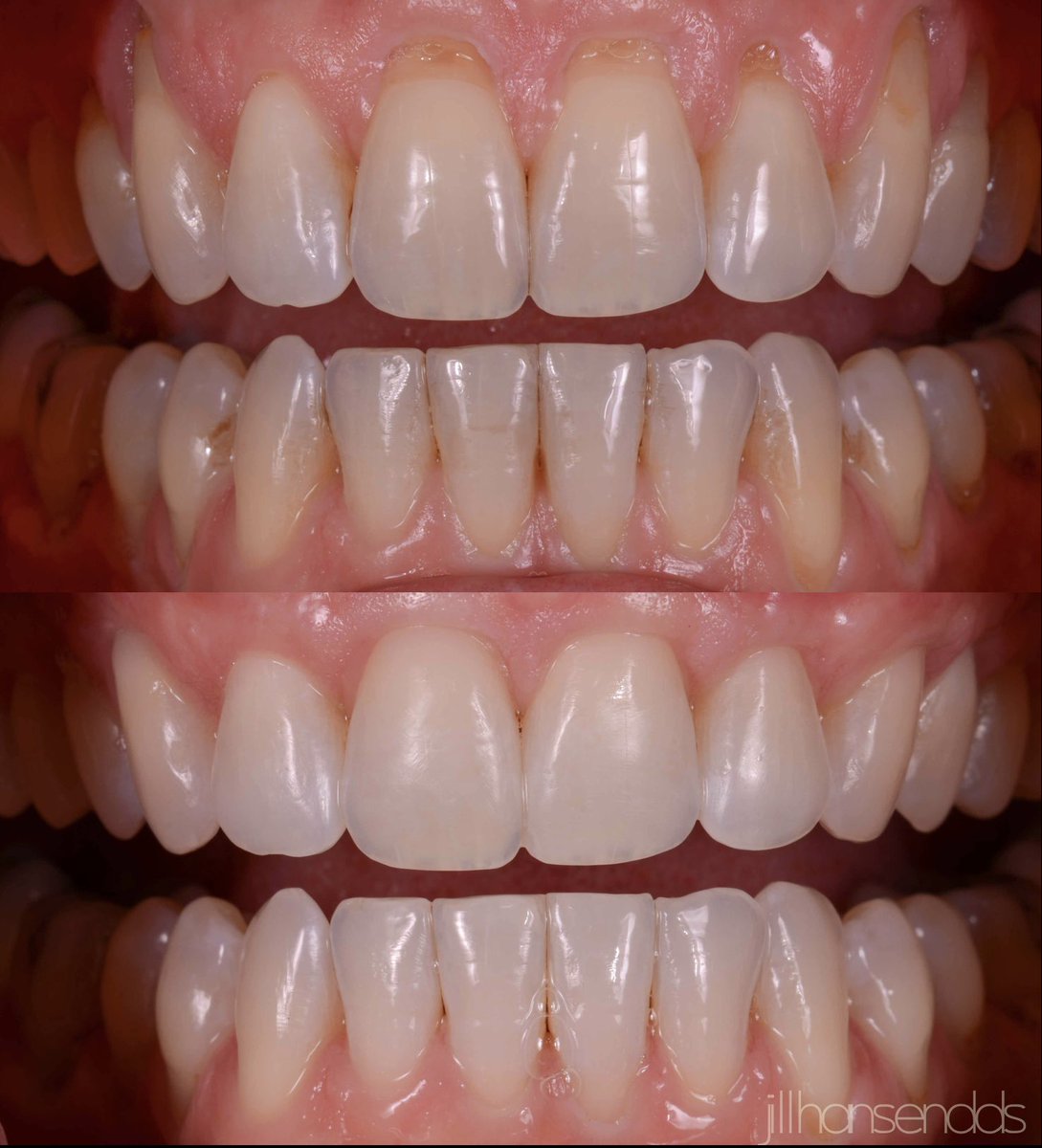
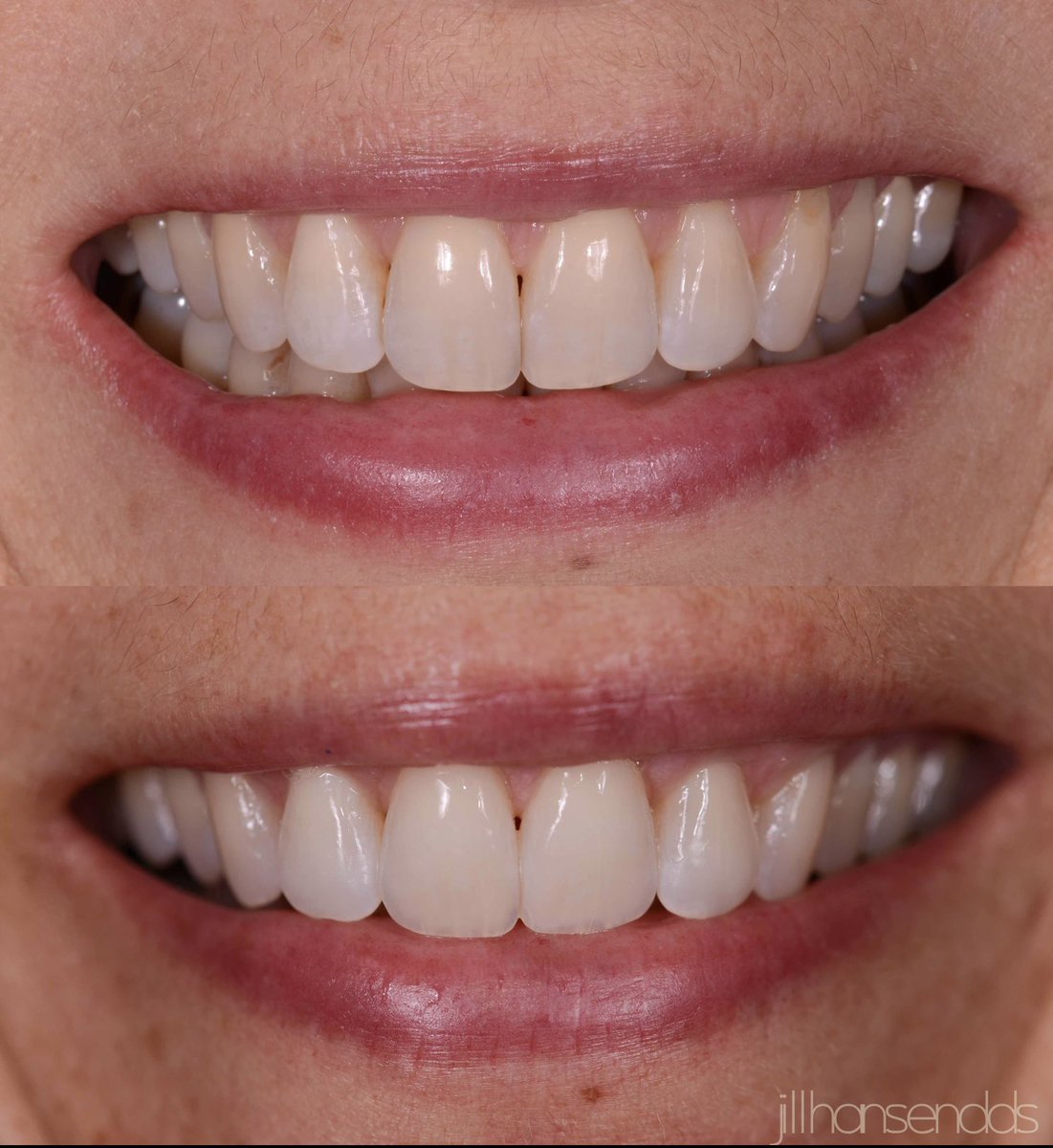
Amazing what a little grafting & composite can do for esthetics, sensitivity, cleanability and confidence. #grafting #recession #toothrecession #restoremysmile #beautifulteeth #dentalmagic #smilethatsparkles #rootcoverage #alloderm #sensitiveteeth #gums @spearaesthetics
2

29 Sep 2017
@15minbeauty hates having grays, so she found an easy way to cover them! Read her Gray Away #rootcoverage review: 15minutebeauty.com/2017/08/g…

24 Mar 2016
12-16" Root coverage topper in the color Darci! ❤❤❤ #laurenashtyncollection #rootcoverage #makeover #product... fb.me/2zmR0M1Yn

5 Feb 2016
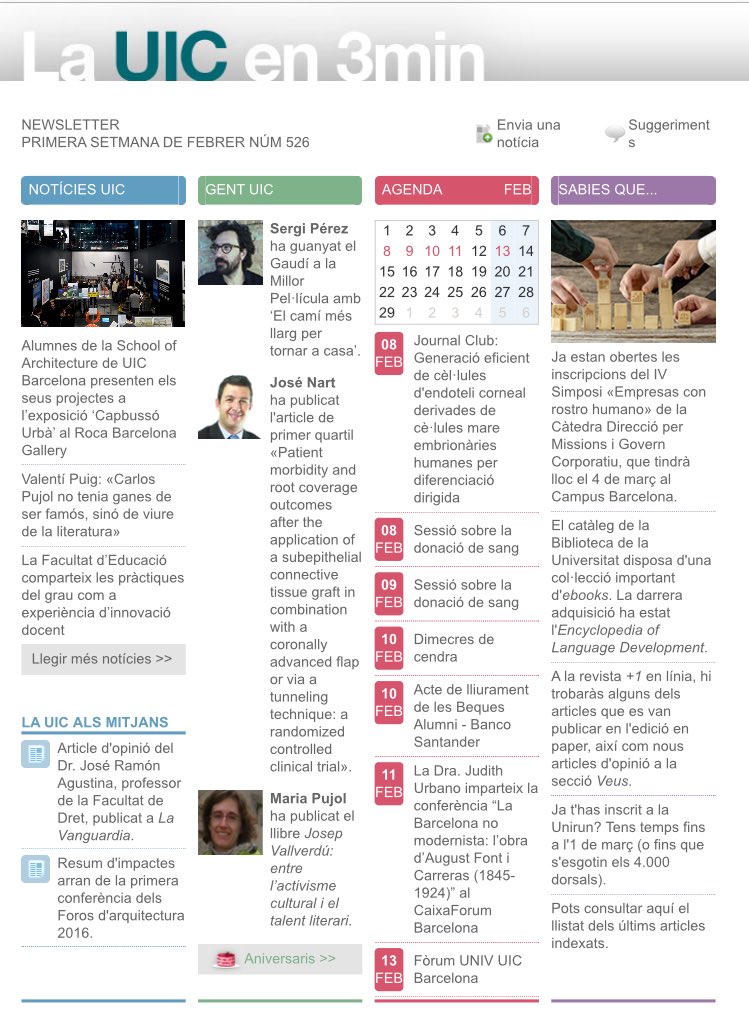
La @UICbarcelona comparteix la nostra ultima publicació sobre #periodoncia #rootcoverage amb @lucagbb i @OdontoUIC
1
6

27 Jun 2014
1
1

18 Jan 2010
RootCoverage offers the best cellular coverage maps yet, courtesy of crowdsourcing http://is.gd/6xKSJ
2