
ajanlık da böyle bir şeymiş. hepimizi ayak üstü senelerce nasıl sikti ama.. aklıma geldikçe öfkeden deliriyorum
hadi öbürü açıkça belliydi buna inandık lan biz de az saf salak değilmişiz

"Cumhuriyeti o kadar güçlü bir şekilde kurmuş ki kurucu kadrolar hala yıkamadınız. Ne yapıyorsunuz?
Cumhuriyeti savunan, demokrasiyi savunan kadroları saf dışı bırakmak için hukuksuzca Cumhurbaşkanlığı hükümet sisteminin yargısıyla devre dışı bırakmak için önce mutlak butlanı getiriyorsunuz. Mutlak sultanlığı getirmek için. Burada şefkatli bir monarşiye ihtiyaç varmış.
Eş başkanlarınızla birlikte, her seçimde size gizli yada açık destek olan Kılıçdaroğlu'yla birlikte, Bahçeli'yle birlikte, İmralı'yla birlikte bu anayasayı getirip monarşiyle egemenliği milletten almaya çalışıyorsunuz.
Biz Atatürk'ün partisi olarak başımızı vereceğiz. Baş eğmeyeceğiz.
Egemenlik kayıtsız şartsız milletindir."
@nurhayataltaca
@maucitomn retweeted

tepkisizlik korku değildir. en saf ve en ölümcül özgüvendir.
28
183
3,642
377,375
Alexa retweeted

Kurtlar Vadisi’nin en efkarlı dönemi, Polat’ın en saf zamanları.
32
29
181
3,058

600 yıl Türk egemenliğinde inleyen Yunan artığı kalkmış Türkün DNAsını sorguluyor
Önce aynaya bak Babanın Türk olma ihtimali ne
Bu coğrafyada saf Yunan diye gezenlerin genlerinde Osmanlı, Türkmen dönme izi aramak hiç zor değil Sen önce kendi soy ağacını didikle soysuz seni...
2

Purificadora VALQUIRIAZ retweeted

Jun 12
Building an underground shelter in the heart of the forest; a place where you have to face the wild nature to achieve safety!
In this project, a warm and cozy underground shelter was designed and built; with an attractive fireplace for cold nights, a video projector for watching movies and competitions, and a quiet space for relaxing. There are poisonous snakes around this shelter, which makes survival and life in nature a real challenge.
Would you be willing to spend a night in such a secret and exciting hideaway?
4
63
251
4,450
s.i.a retweeted

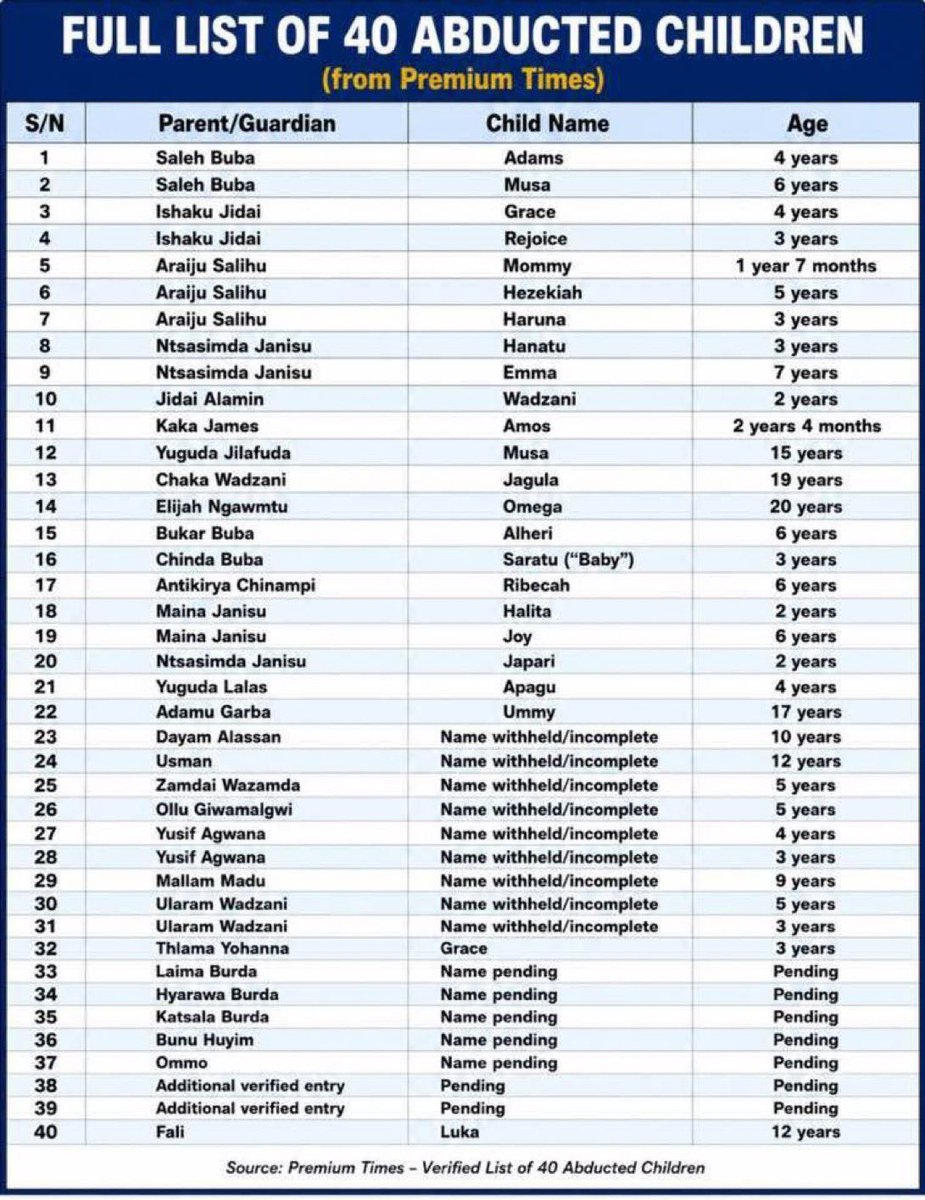
As we sleep peacefully in our beds tonight, children who have barely had the chance to understand what life is, what safety is, or what the world could have been for them, are enduring horrors beyond comprehension in the hands of terrorists. They are crying for help that never comes, waiting for rescue that never arrives, and suffering through nightmares no human being, let alone a child, should ever know.
1
22
8
384


5m
This could be one of the most overlooked climate and energy breakthroughs of the decade.
The world’s first commercial facility producing jet fuel from thin air is now operating.
Twelve’s AirPlant One in Washington captures CO₂ directly from the atmosphere, combines it with green hydrogen, and converts it into Sustainable Aviation Fuel (e-SAF) and naphtha that work with today’s aircraft and infrastructure.
That may sound like science fiction, but it’s happening now.
What makes this different is that previous e-fuel projects relied on CO₂ captured from factories or breweries. AirPlant One is the first commercial-scale facility using Direct Air Capture (DAC), creating a pathway toward truly low-carbon aviation.
Even more interesting, Microsoft has invested in the project, while Alaska Airlines has already committed to purchasing the fuel.
Why investors should pay attention
✈️ Aviation is responsible for roughly 2–3% of global CO₂ emissions, and unlike cars, long-haul aircraft cannot easily switch to batteries.
🌍 e-SAF allows existing aircraft, engines, airports, and fuel infrastructure to continue operating while dramatically reducing lifecycle emissions.
♻️ If powered by renewable electricity, Direct Air Capture green hydrogen creates a circular carbon economy—taking CO₂ from the atmosphere and turning it into valuable fuel instead of extracting new fossil carbon.
The bigger picture
This isn’t just about cleaner airplanes.
It’s the beginning of an entirely new industrial ecosystem where carbon becomes a resource instead of waste.
Tomorrow’s factories could manufacture:
• Sustainable aviation fuel
• Synthetic diesel and shipping fuel
• Chemicals and plastics
• Carbon-neutral materials
—all starting with CO₂ pulled directly from the atmosphere.
Stocks I’m watching
⚡ $MSFT – Early investor supporting next-generation climate and carbon technologies.
⚡ $PLUG – Green hydrogen infrastructure that could benefit from growing e-fuel production.
⚡ $APD – Industrial gas leader with hydrogen and clean energy investments.
⚡ $LIN – Global leader in industrial gases and hydrogen infrastructure.
⚡ $CEG – Carbon-free electricity provider that could supply reliable power for future DAC and hydrogen facilities.
⚡ $GEV – Energy infrastructure and grid modernization essential for scaling clean industrial technologies.
Long-term view
AI is transforming intelligence.
Direct Air Capture and synthetic fuels could transform heavy industry and aviation.
The first commercial plant produces only 50,000 gallons per year, but every disruptive technology starts small. Solar panels, lithium batteries, and electric vehicles were once niche ideas too.
If these technologies continue to improve and costs continue to fall, the future of flight may not depend on drilling more oil—it may depend on capturing carbon from the sky and turning it into fuel.
Sometimes the biggest investment opportunities begin with an idea that sounds impossible until it becomes reality.

🚨 THE WORLD'S FIRST COMMERCIAL PLANT THAT MAKES JET FUEL FROM THIN AIR IS NOW OPERATING.
Twelve’s AirPlant One in Washington state is now running. It pulls carbon dioxide directly out of the atmosphere, combines it with green hydrogen, and turns it into synthetic jet fuel (e-SAF) and naphtha that can be used in existing infrastructure.
This is a milestone: earlier e-fuels projects used CO₂ captured from factories or breweries. AirPlant One is the first to do it at commercial scale using Direct Air Capture.
Alaska Airlines and Microsoft have already signed an offtake agreement for the e-SAF, and Microsoft invested directly in the project.
Why this matters:
• Aviation is one of the hardest sectors to decarbonize e-SAF is one of the few realistic near-term solutions that works with existing planes and engines
• Using CO₂ from the air (instead of industrial sources) creates a genuinely carbon-neutral or even carbon-negative fuel pathway when powered by renewables
• The facility produces 50,000 gallons of e-SAF per year and is already supplying real airlines and corporations
• It proves that Direct Air Capture green hydrogen can move beyond pilots into actual commercial production
The deeper implication:
We’re watching the early stages of a new industrial ecosystem where we don’t just reduce emissions we actively pull carbon out of the sky and turn it into usable fuel and materials.
While the volumes are still small today, this kind of project shows the pathway toward scaling synthetic fuels without competing with food production or relying on limited industrial CO₂ sources. It’s a concrete example of turning one of climate change’s biggest problems (atmospheric CO₂) into part of the solution.
The future of flight might literally be made from thin air.
How important do you think Direct Air Capture e-fuels will become for decarbonizing aviation compared to other solutions like hydrogen planes or battery-electric aircraft?
Follow for more frontier energy and climate technology.
14
