coonjc retweeted

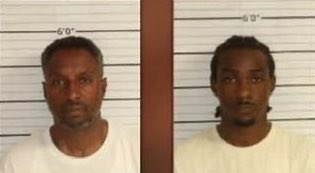
BREAKING: Sam Davis, CEO of a Memphis nonprofit which helps at-risk youth, and mentors them to stay away from crime, arrested on drug trafficking felony charges along with his son
281
2,070
6,754
112,715

Christopolos retweeted

WHITE LIGHTNING! ⚡️
Remember the name: Sam Blaskowski.
The Wisconsin native and former walk-on D3 athlete just ran 9.89 seconds in the 100m—the fastest U.S. time of 2026 so far. #2 in the world!
He is now the fastest white boy in history, EVER!
208
732
8,371
367,532
Tijana Blagojev retweeted

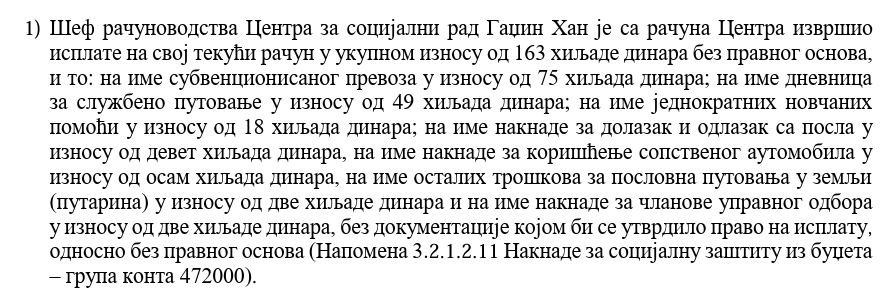
Šef računovodstva Centra za socijalni rad u Gadžinom Hanu je lik lagano sam sebi prošle godine na privatni tekući račun nezakonito uplatio 163.000 dinara sa računa Centra, između ostalog isplatio čovek sebi 18.000 na ime jednokratnih pomoći, koje treba da služe namirenju hitnih potreba 😍😍
Informacija je iz novoobjavljenog izveštaja o reviziji DRI u CSR Gadžin Han 😍
7
63
192
4,489
Din Winchester🇵🇸🇲🇾 retweeted

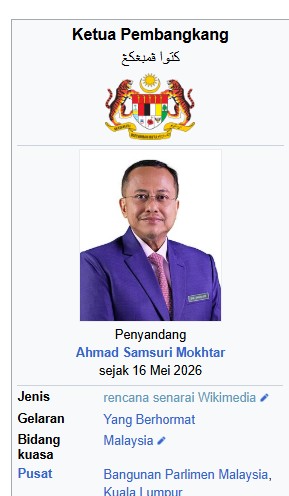
Macam tu jer Hadi singkirkan Dr Sam sebagai Ketua Pembangkang
Dr Sam kini memegang rekod memegang jawatan Ketua Pembangkang Paling Singkat..
Dilantik 16 Mei 2026
Disingkirkan 13 Jun 2026.
Pegang Jawatan selama : 28 hari..
52
186
834
145,080

Kim jest ten „my”, który ma się przyzwyczaić? Czy to nie jest ten sam umysł, który wcześniej wykluczał, a teraz chce włączać – wciąż dzieląc świat na kategorie (styl życia, preferencja seksualna, większość, mniejszość)? Czy nie jest to kolejna forma kondycjonowania, tylko w odwrotnym kierunku?

Przerażające.
Tusk ws. transkrypcji małżeństw jednopłciowych:
"Musimy się PRZYZWYCZAIĆ do tego, że NADSZEDŁ CZAS, by ludzie o RÓŻNYCH STYLACH ŻYCIA i PREFERENCJACH SEKSUALNYCH nie czuli się WYOBCOWANI".
Jprdl.
Dokładnie tak zaczynało się ideologiczne szaleństwo na Zachodzie.
Saша Stark 🔳 Zero to Null MRR 🔳 swe/av/acc retweeted

12h
Sam Altman:
"We're going to see 10-person billion-dollar companies pretty soon."
"If I were 22 right now, I'd feel like the luckiest kid in history."
Most people will read this, feel inspired for 3 minutes, and go back to what they were doing.
The ones who act will build an app studio this weekend.
One tool. 10 minutes. $10K/month.
This is the how ↓

52
163
1,323
735,070
bbabyj55 retweeted

Jewish kingdom program, a sacramental priesthood, a law-keeping holiness system, and a Church Age gospel all under the same roof. The result is always confusion. Paul is the apostle God raised up with the revelation and doctrine for the Body of Christ, and Titus belongs to that Pauline lane.
That is why Titus is loaded with Church Age material. It talks about “the faith of God’s elect,” “the truth which is after godliness,” eternal life promised by God who cannot lie, the word manifested through preaching, grace, mercy, peace, bishops, elders, sound doctrine, good works, the blessed hope, redemption, purification, regeneration, justification by grace, and heirs according to the hope of eternal life. That is not temple Judaism. That is not Roman sacramentalism. That is not kingdom law. That is not tribulation endurance doctrine. That is Pauline Church Age truth applied to local churches in a dirty Gentile world. Paul does not tell Titus to build an altar, offer a sacrifice, keep a feast day, restore temple ordinances, or submit the Cretan assemblies to Jerusalem’s hierarchy. He tells him to set things in order according to sound doctrine.
This is where many systems go wrong. They claim to honor the whole Bible while refusing the divisions God put in it. They run to Matthew to steal Israel’s kingdom promises, run to Acts to imitate transitional signs, run to James to muddy justification, run to Hebrews to terrify Church Age saints, run to Revelation to put the Body of Christ in Jacob’s trouble, and then run away from Paul whenever Paul clarifies the matter. Titus is a Pauline book. The man writing it is not an optional commentator. He is the apostle of Jesus Christ. If the Church Age believer wants to know how saved people should live under grace, how churches should be ordered, how leaders should be qualified, how false teachers should be handled, and how good works fit after salvation, he does not need a Roman catechism, a denominational handbook, or a scholar correcting the English Bible. He needs Paul.
Chapter Five — The Faith of God’s Elect Without Calvin’s Cage
Paul says his apostleship is “according to the faith of God’s elect.” Now watch the theological buzzards start circling. The Calvinist sees the word “elect” and immediately drags out his system like a man pulling a corpse through the church aisle. Before the verse can breathe, he has unconditional election, limited atonement, irresistible grace, and fatalistic machinery bolted onto the text. But the verse says “according to the faith of God’s elect.” It does not say according to the fatalism of Geneva. It does not say according to a decree that makes God the author of sin and man a puppet. It does not say according to a theological cage where God damns men before they are born and then commands them to believe a gospel they could not possibly receive. The Bible word “elect” belongs to God, not Calvin.
In Titus 1:1, the elect are connected with faith and the acknowledging of the truth. That matters. The verse does not present election as a dead philosophical category. It presents living people who believe and acknowledge truth that produces godliness. Election in Scripture must be handled with the whole Bible open and the divisions in place. Israel is called elect in one context. Christ is called elect in another. Believers are elect in Christ. There is election connected with service, purpose, calling, foreknowledge, and position. But when a man imports a theological system into every occurrence of the word, he stops reading and starts dictating. Titus is not a Calvinist proof text; it is a Pauline statement about the faith and truth connected with God’s people.
1
1
1
54
bi retweeted

tadi pagi ibuku hampir nyerah karena aku di tolak snbt dan mandiri, ibuku nyuruh aku kerja aja, disitu aku kaget banget sampe gabisa jawab apa apa, untungnya ada kakaku disitu akhirnya beliau ngeyakinin ibu kalau aku bisa kuliah tahun depan, big thanks for my sister
11
7
869
17,260
taylor's fan ☁️ retweeted

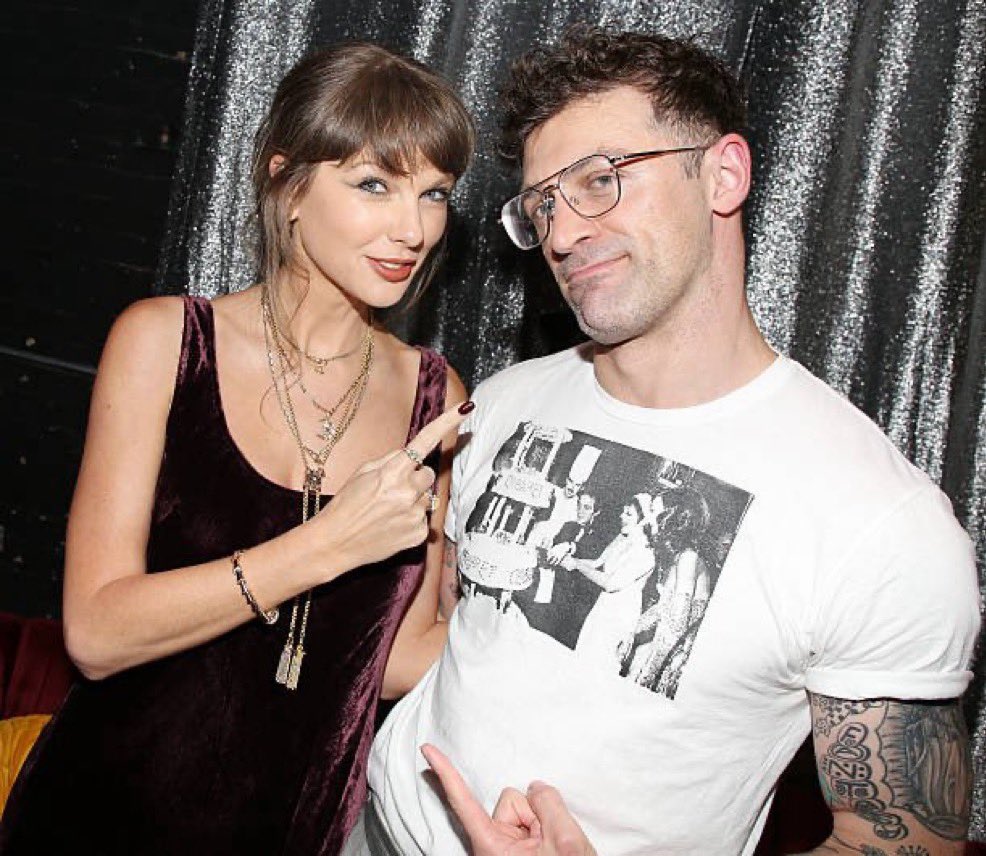
📸| Taylor Swift and director Sam Pinkleton (Tony winning director)
15
169
2,691
37,874
John Grisdale. retweeted

No, they didn’t.
One of them, Sam Corner, was found to have injured Sgt Evans without intent.
There was no such accusation against any of the others.
Kemi Badenoch committed contempt of court on live television during their trial.

These thugs fractured the spine of Sgt Kate Evans, who spoke in court of the medical and emotional trauma she still lives with.
Prison is where they belong.
Unlike Zack Polanski, I want serious consequences for anyone who attacks police officers risking their lives to protect us.
125
650
1,800
62,517

Mistrzostwo jest spełnieniem marzeń. Nieważne w jakiej roli. Oczywiście że spodziewaliśmy się więcej. A najwięcej to on sam się spodziewa. I mam nadzieję że jeszcze nie powiedział ostatniego słowa. I mocno za niego trzymam kciuki.
°taru° retweeted

16
544
3,882
39,471
696Bodek “Bodek” 🇵🇱🇪🇺 retweeted

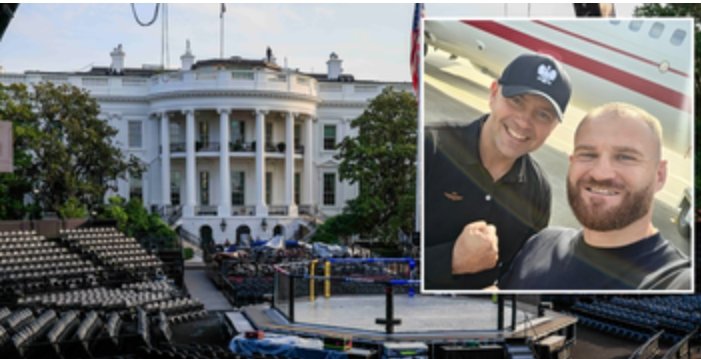
Rozsądek zwyciężył!
Nawrocki na napierdalankę przed Białym Domem wziął jakiegoś naszego specjalistę od mordobicia. Sam nie wystąpi, posłuchał Tuska.
Szkoda jednak, że do klatki nie wpuścił Boguckiego,albo Przydacza.
2
16
63
343
FlyGuy retweeted

17h
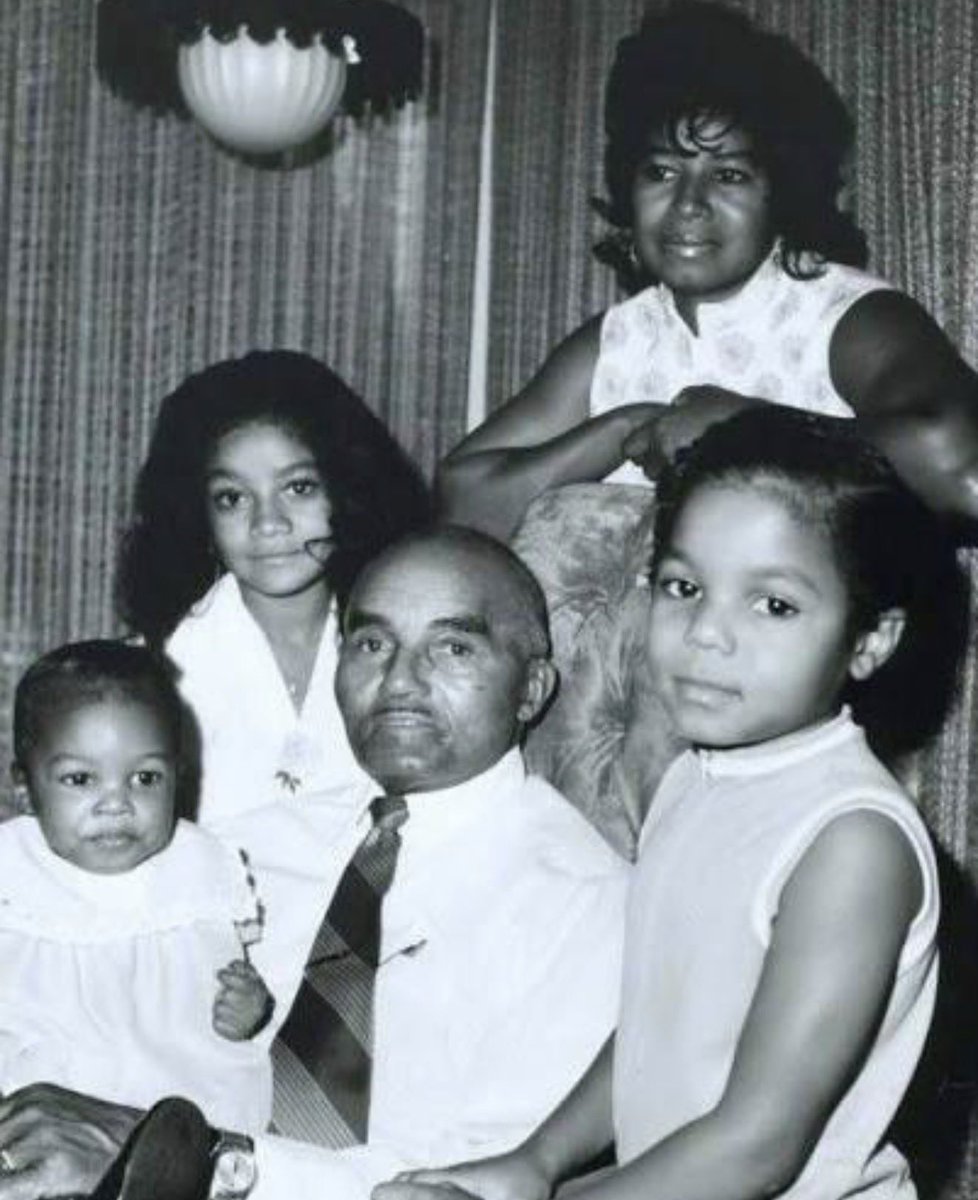
LaToya & Janet Jackson along with their mother Katherine, niece Stacee, and grandfather Sam Jackson
2
40
362
4,588

41s
Emma, could you please ask Sam if he’ll recreate this upon Trump’s third election
1
༺ दिव्या ༻ retweeted

A warrior who led India to a historic victory, yet did not demand his pending salary for 25 years… 🇮🇳
The life of Sam Manekshaw reflects courage, dedication, and service above self. The question remains- what treatment did the government of that time give to such a great military hero?
A chapter of Indian history that every citizen should know.
Jai Hind 🇮🇳
7
76
79
702

#tvlspoilers louis negotiating with sam barclay to look out for lestat... louis owning hotels and making him&his band do public appearances to see him... louis owning 45% lestat's merch... INJECT IT
1
30
200
1,606
Somethingnavy retweeted

beneran kapel croptop inimah😭✋🏻✋🏻 oke coba itu dikeluarkan versi foto hdnya sam🙂↔️
20
93
626
12,738