
Apr 22
Extra.email is live on the app store! Use my code SAM100 to skip the waitlist.

1
3
92

Jan 16
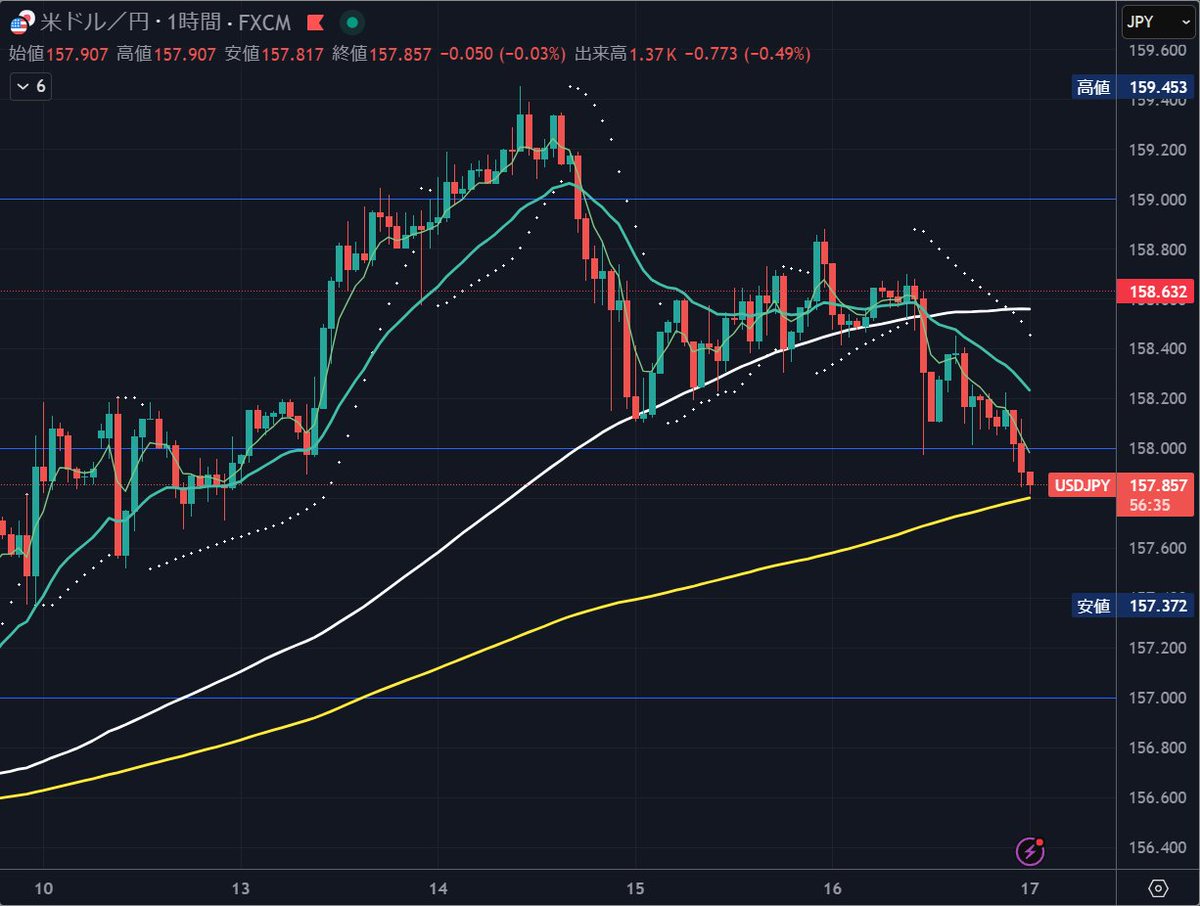
ドル円、157.85
ちょーーーっと下がってきたけど、
油断すると直ぐにバイーーーンと上昇するので油断ならない。
1時間足
SAM100 突破できた。
SMA200 次これが突破できるか。
そして、来週、日銀政策決定会合。
据え置きだと思うけど、総裁会見でバイーンと上がりそう...
2
386

12 Nov 2025
Just got dc code! Get your global model with full 6040mah battery here - CODE: SAM100 bit.ly/47ARh0k
6
2,650

25 Sep 2025
Mungu HUYU sio katili sana TUNAKUOMBA lengesha pale juuKwa yule Sam100 na watoto wake na watu wake wote waovu. AMEN 🙏
2
212

8 Mar 2025
Hao wageni washindwe kumshangaa viongozi wa nchi nzima wanavyoimba wimbo wa Sam100 bila kujali ugumu wa Maisha ya watu, kukosa huduma za Msingi, uonevu, utekaji wa Wananchi, wake washangae Tukio la Simba kutoingia uwanjani au kugombea mchezo? Juzi Alikuwa Tanga

1
2
392
14 Jan 2025
Mbowe Amefanya yake ambayo yamekuw yakiongelew Mitaani miaka mingi kuonekana yana ukweli, kuwa Anakisndesha chama kama Saccos yake, Leo hii kutumia mpaka Msaada wa Sam100 ni wazi kuwa Kuna ukweli mkubwa juu ya hilo
1
9
1,133

21 Dec 2024
Update - OneFootball Club
Season 1 has ended and Season 2 is live 💥
Get on it ASAP and accumulate those $BALLS.
TGE is confirmed for Q1, 2025.
You can start now if you've been fading.
Sign up here
➡️ofc.onefootball.com/s2?refer…
Use my code to get 300 $BALLS
CODE 👉🏾 Sam100

2
1
3
677

11 Nov 2024
This week on #MulikaMjengoMondays, we talk about;
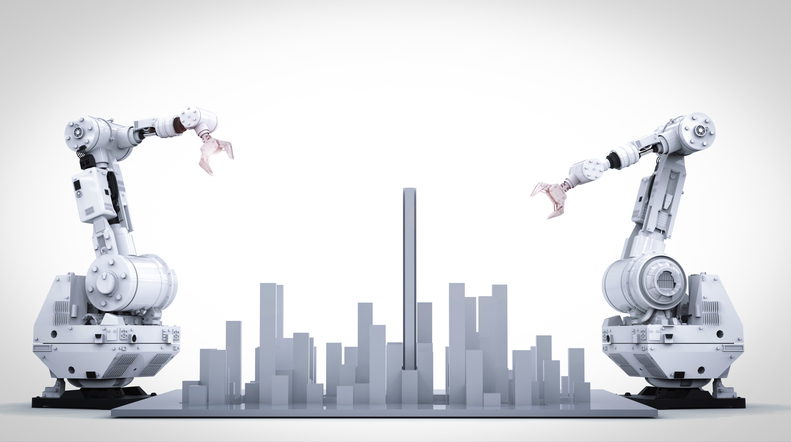
Revolutionizing Construction through Robotic Assistance and Automation
For a long time, the construction industry has been predominantly slow in adopting and incorporating new technologies in its processes. However, the industry is currently undergoing a transformation, with the uptake of innovations such as Building Information Modelling (BIM) and 3D point cloud technology, and the incorporation of AI to automate processes. With labor shortages, the need for increased efficiency, and the push for sustainable practices, robotic assistance and automation are reshaping construction processes.
From laying bricks to conducting site inspections, robots are changing how buildings are designed, constructed, operated, maintained and ultimately demolished. This trend offers a glimpse into the future of construction, where developments can be completed faster, safer, and with unprecedented accuracy. This is in line with @arch_ke’s Mulika Mjengo initiative which advocates for safer building practices by requiring that sites remain complaint to regulations, and construction is done in accordance with the approved building plan.
The Role of Robots in Construction
Robots present a solution to some of the industry's biggest challenges while enhancing efficiency, safety and productivity. In addition, they also help to address labor shortages, especially for skilled tasks, which often lead to delays driving up costs. For instance, bricklaying robots are capable of handling repetitive, labor-intensive and physically-demanding tasks efficiently, thereby taking some of the strain off human workers and allowing skilled labor to focus on more complex tasks. These robots can work for extended periods without fatigue, maintaining consistent efficiency and productivity levels that help keep development projects on schedule.
A notable example is the SAM100, a semi-automated mason developed by Construction Robotics, that can lay bricks at speeds three to five times faster than a human mason, with impressive precision and consistency. This boost in productivity enables developers to meet tighter deadlines and achieve higher quality standards. It’s a valuable innovation, especially for large-scale construction projects. The Mulika Mjengo site visit team at @arch_ke has observed that these projects often face challenges in meeting their strict timelines, leading them to extend work into unpermitted hours. Similar robots are being developed for tasks such as rebar tying, concrete pouring, and welding, allowing them to take on some of the most strenuous and time-consuming work on construction sites. Furthermore, Virtual/Augmented Reality is also used to forecast how building plans will look like and work in real situations.
Automation in Precision and Quality Control
Accuracy is a critical element of construction. Automated robotic systems equipped with sensors, cameras, and artificial intelligence can carry out inspections and quality control tasks much more efficiently than conventional methods. For example, drones can be used by the site visit team in surveying sites and inspecting difficult-to-reach areas, capturing high-definition images that are analyzed by AI algorithms to detect potential issues, such as cracks, misalignments, or superficial structural weaknesses. Such inspections not only save time but also help prevent costly errors by detecting problems before they escalate, and those that would otherwise be incurred in costly revisions.
3D printing technology can be implemented during the design and construction of individual building components, or even entire structures, layer by layer, by precisely following digital blueprints. It not only reduces waste by using the exact amount of material needed but also accelerates the construction process, opening up possibilities for new architectural designs that would be difficult to achieve with conventional methods.
Robotic Assistance for Worker Safety
Safety on construction sites is fundamental and paramount, and robots are proving invaluable in reducing risks. They can be used to perform hazardous tasks that would otherwise be perilous for human workers, such as working at extreme heights, handling heavy materials, or dealing with toxic substances. For instance, demolition robots can dismantle structures with precision, minimizing the risk of injury associated with falling debris. Similarly, autonomous vehicles are used to transport materials around sites, reducing the risk of accidents associated with human error.
By offloading these high-risk tasks to machines, construction sites become safer for workers. Robots and automated systems help developers comply with safety regulations, potentially lowering insurance costs and reducing liabilities.
Challenges and the Future of Robotic Construction
While robotic assistance and automation in construction offer numerous advantages, the transition to this new era has its challenges. High upfront costs can deter smaller construction firms from adopting these technologies. Additionally, there is a need for a workforce that understands both conventional construction skills and robotics operation, which requires specialized skill training.
However, as technology advances and costs decline, robotic assistance in construction is premised to become more affordable and accessible. The industry is moving towards a future where robots and humans will be collaborating, with each focusing on their strengths. With robots handling repetitive, physically-demanding and high-risk tasks, human workers can focus on creative problem-solving, project management, and complex decision-making. This synergy promises to increase productivity, improve safety, opening up new possibilities for innovative and sustainable construction.
4
318

24 Sep 2024
🎁 Comme je suis généreuse, je vous offre des abonnements exclusifs ! 🎉
🔥 10 abonnements annuels à -90% avec le code SAM90
🔥 10 abonnements mensuels à -50% avec le code SAM50
🎁 2 abonnements mensuels GRATUITS avec le code SAM100
🎁 1 abonnement annuel GRATUIT avec le code SAMFREE
Ne ratez pas cette occasion de vous amuser avec moi ! ✨
uncove.com/samanthabeautys

5
10
104
20,993


5 Jan 2024
I'm super excited to be joining @molly_hellmuth as her TA for the next cohort of Design Systems Bootcamp with @joindiveclub 🤿 starting this Monday Jan 8th.
My network gets $100 off using SAM100 at checkout 🤑
maven.com/ui-prep/design-sys…
3
3
21
4,695


27 Nov 2023
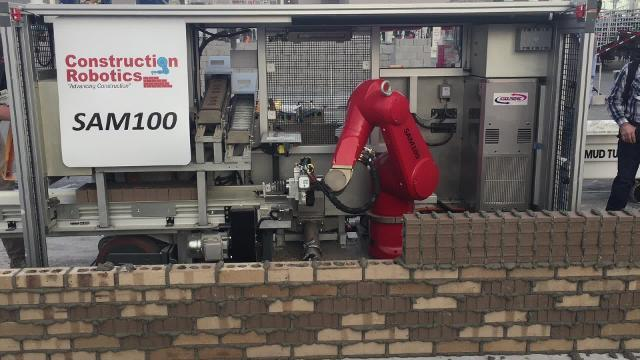
En el 2004 la empresa Construction Robotics lanzó el SAM100, un robot colaborativo que construia paredes prácticamente sin asistencia.
Una maravilla de la robótica.
2
1
10
1,696

3 Nov 2023
Commemorate the original Sun sound that was born out of Sam Phillips' drive and determination with "Where Rock & Roll Was Born" and add this release to your vinyl collection here: bit.ly/40rPTI3 #Sam100
1
9
53
1,621



26 Oct 2023

7
17
477

25 Oct 2023
ako je to sto ova dba lika drze levo je severna koreja, a desno kineska varjanta u to sam100 posto siguran odsecen vrh se zove kompezator tzaja a zastava je busila gasnu kocnicu do 78 i kasnije na pm m76 koji se neproizvodi odavno
2
220
19 Jun 2023
Joe Hill Louis' overdriven electric guitar is said to have influenced heavy metal decades after his 1950s recordings. 🎸 Listen to Sun Records Originals: We All Gotta Go Sometime: sunrecords.lnk.to/JoeHillLou… #Sam100 #BlackMusicMonth
3
13
1,449
13 Jun 2023
In 1960, Sam Phillips opened Sam Phillips Recording Service, Inc.. He called it “a little Cape Canaveral of the recording business.” 🎶 Listen to "Celebrating Sam Phillips" in honor of his 100th birthday here: SunRecords.lnk.to/Sam100 #Sam100
3
10
82
4,319