
The South Carolina Ports Authority Board deserves every bit of mockery coming its way. Led by Chairman Bill H. Stern (Columbia) and Vice Chair Pamela P. Lackey (Columbia), two political insiders who have been entrenched on this board for years, the SCPA Board has shown itself to be a textbook example of unaccountable, out-of-touch governance.
Under their direct oversight and approvals, the Board rubber-stamped the Navy Base Intermodal Facility (NBIF) with budgets, contracts, and timelines that were either wildly optimistic or deliberately misleading.
A project sold to legislators at roughly $550 million has already ballooned toward $690 million (and climbing), with the promised July 2025 completion date blown to pieces. Partial opening is now pushed into 2026, full southern rail access is still unresolved, and critical agreements with CSX and Norfolk Southern remain a mess.
Bill Stern personally accepted Barbara Melvin’s resignation on behalf of the Board after her disastrous tenure as CEO. Melvin, who presided over the accelerating cost overruns and schedule slips on NBIF (and the broader expansion push), was then rewarded with a nearly $1 million severance package, including hundreds of thousands in salary continuation and a $350-per-hour consulting rate. That’s right, the Board that greenlit the failure paid the person most responsible to quietly exit stage left.
Pamela Lackey, a long-serving board member since the Haley era, has been right there alongside Stern as part of the entrenched Columbia-centric leadership that local Charleston lawmakers have repeatedly criticized for lacking real port-area representation during the critical planning and execution phases of this project.
💩These board members failed at the most basic duties of oversight,they didn’t force realistic contingency planning.
💩They didn’t demand transparency with the legislature (Sen. Larry Grooms and others were repeatedly blindsided by rising costs and shifting timelines).
💩They didn’t resolve the fundamental operational issues (rail access, labor costs tied to ILA requirements) before committing hundreds of millions.
Instead, they enabled scope creep, poor coordination, and a culture where bad news was apparently managed rather than fixed.
Now Micah Mallace, the new CEO brought in to clean up the wreckage, has had to hit pause on over $1 billion in further expansions because the previous leadership left behind unresolved problems and unsustainable cost structures.
This isn’t “growing pains.” This is what happens when a politically appointed board treats a major public infrastructure project like a check-writing exercise instead of a high-stakes execution challenge.
💩Taxpayers in South Carolina are on the hook for the overruns, the delays, and the lost competitiveness while Stern, Lackey, and the rest of the Board continue collecting their appointments.
Accountability starts at the top. The SCPA Board, and specifically its long-time leadership, has earned every ounce of the criticism it is now receiving.
They didn’t just drop the ball on the Navy Base Intermodal Facility "NBIF".
They approved the playbook that turned a needed rail facility into another expensive colossal blunder..
1
78



The true measure of arbitration isn't the award, it's enforcement. Nigeria's AMA 2023 SCPA provide the tools. Garnishee, cross-state execution, and interim measures. But public policy challenges persist.
Read the full analysis: bit.ly/4eyCHd1
#Arbitration #KENNAInsight
1
1
7
105

◇ 제46회 3mpact 개최 (2026.6.20.토 | 서울시 강동구)
○ 참가신청(~6.15.월) : naver.me/xuFFZzcg
- 직접참가 | 굿즈위탁 | 작품등록
○ 진행사항
- 서브컬처창작진흥회(SCPA) 세미나
- 티니핑 네이버 팬카페 "이모션왕국" 팬아트 전시회
※ 3impact.co.kr

21
21
626

May 27
𝗦𝗖𝗬𝗦𝗔, 𝗖𝗘𝗦𝗔 𝗮𝗻𝗱 𝗦𝗖𝗨𝗙𝗖 𝗟𝗮𝘂𝗻𝗰𝗵 𝗦𝗼𝘂𝘁𝗵 𝗖𝗮𝗿𝗼𝗹𝗶𝗻𝗮 𝗣𝗿𝗲𝗺𝗶𝗲𝗿 𝗔𝗹𝗹𝗶𝗮𝗻𝗰𝗲
𝘕𝘦𝘸 𝘴𝘵𝘢𝘵𝘦𝘸𝘪𝘥𝘦 𝘱𝘭𝘢𝘵𝘧𝘰𝘳𝘮 𝘢𝘥𝘥𝘴 𝘵𝘰 𝘵𝘩𝘦 𝘤𝘰𝘮𝘱𝘦𝘵𝘪𝘵𝘪𝘷𝘦 𝘱𝘢𝘵𝘩𝘸𝘢𝘺 𝘧𝘰𝘳 𝘚𝘰𝘶𝘵𝘩 𝘊𝘢𝘳𝘰𝘭𝘪𝘯𝘢 𝘱𝘭𝘢𝘺𝘦𝘳𝘴
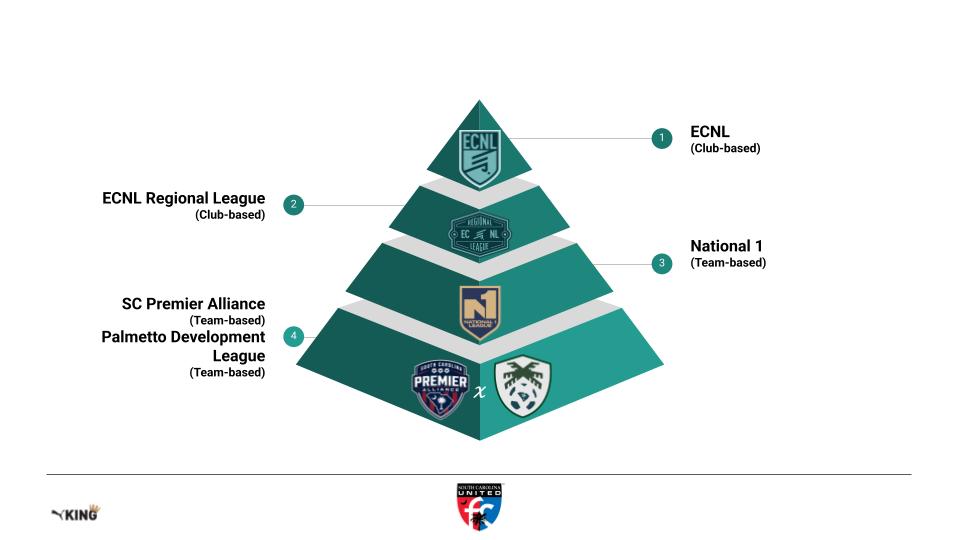
Sanctioned by the South Carolina Youth Soccer Association (SCYSA), Carolina Elite Soccer Academy (CESA) and South Carolina United FC (SCUFC) today announced the formation of the South Carolina Premier Alliance (SCPA), a groundbreaking collaboration designed to elevate the highest level of youth soccer competition within the state of South Carolina.
Launching for the 2026–2027 season, the South Carolina Premier Alliance will create a unified statewide platform for competitive boys’ and girls’ teams, providing a direct pathway into the National 1 League, which qualifies the top performing teams for the ECNL Conference League Playoffs.
Read the full announcement ⬇️
southcarolinaunitedfc.com/sc…
1
2
330

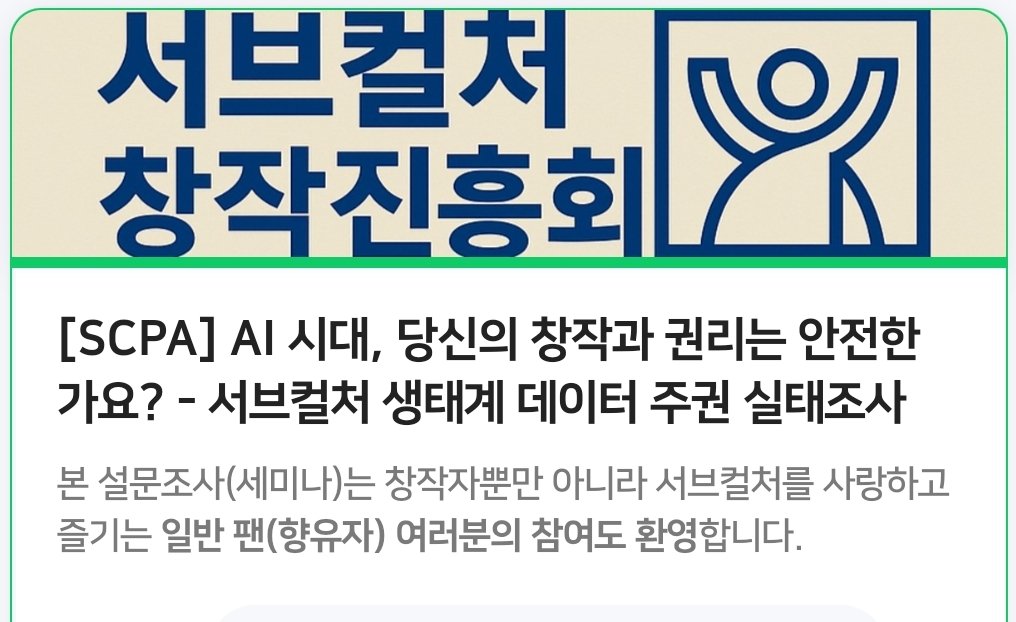
☆제10회 SCPA오프라인 세미나
내 취향 데이터가 털린다면?
창작물이 AI 무단 학습에 쓰인다면?
2026년 6월 세미나의 핵심 의제,
여러분의 1분으로 결정됩니다!
우리의 안전한 놀이터를 위해 지금 참여해 주세요.
👉 온라인 설문참여 : naver.me/x7ejDpNQ
#scpa #서브컬처창작진흥회
2
40
35
3,074
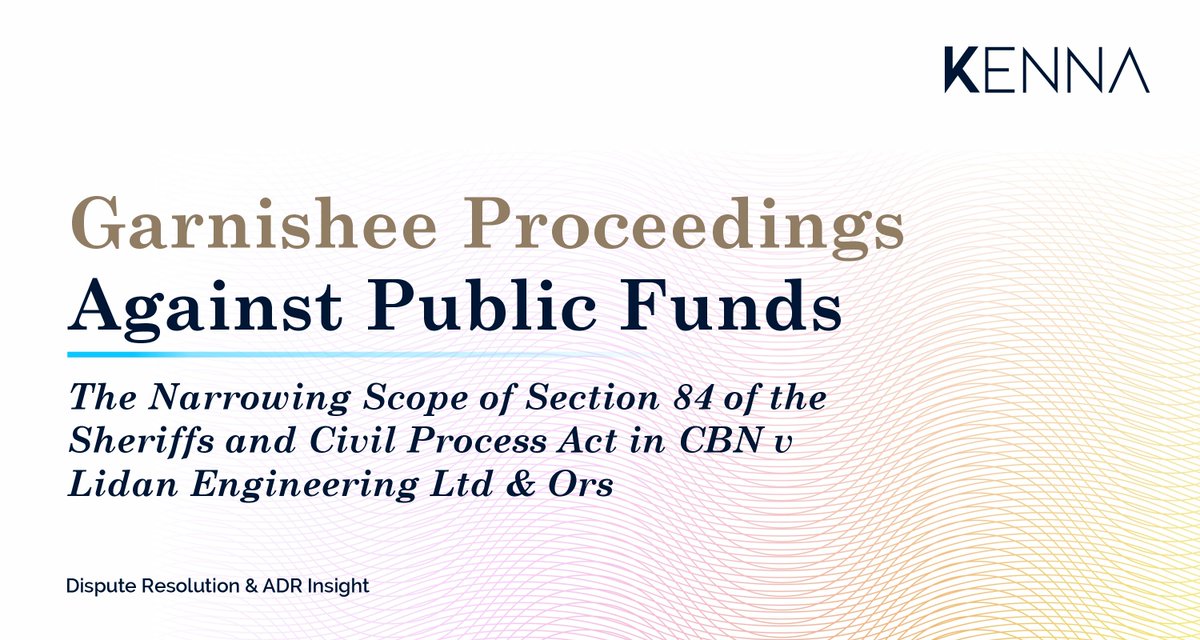
The Supreme Court narrowed the scope of Section 84 SCPA, holding that the CBN is not a “public officer” under the provision. Consequently, Attorney-General consent is not required in garnishee proceedings involving CBN.
#SupremeCourt #GarnisheeProceedings #KENNAInsights #Lexlite
7
24
765

My mailman used to pickup my neighbour's dog as it travelled along side a very busy secondary highway. He would put her in his mail truck and bring him home. Sad though, those neighbour's didn't really care where she was and in the end the dog was taken by the SCPA.
3
250
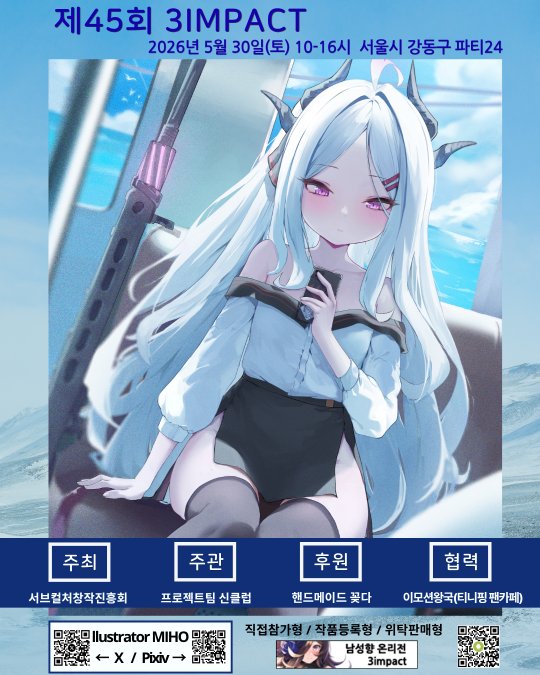
제45회 3impact 개최안내드립니다.
♧ 일시 : 2026년 5월 30일(토) 10-16시
♧ 장소 : 서울시 강동구 파티24
♧ 참가신청 : naver.me/F7FxeIC5
☆ 함께하는 파트너
주최 : 서브컬처창작진흥회(SCPA)
주관 : 프로젝트팀 신클럽
후원 : 핸드메이드 꽂다
협력 : 이모션왕국(티니핑 팬카페)
2
19
21
567
무질서한 행사 매너로 소중한 대관처들이 사라질 위기입니다!
SCPA 1주년,
우리의 오프라인 공간을 지키기 위해
5/30(토) 14:30 제45회 3impact에서
오프라인 세미나를 개최합니다.
현장에 오시기 어려우신분들은 온라인 설문조사 참여부탁드립니다!
naver.me/GWWr29xp
2
25
27
456

May 9
Under the SCPA, the only time leave is needed is when service is outside Nigeria.
Except the rules of Court now provide for it.
In addition to authorities I cited earlier,
AUL-2-KALA GLOBAL RESOURCES LTD & ORS v. SURUFAD PETROLEUM LTD
(2021) LPELR-56826(CA)
Principle
PRACTICE AND PROCEDURE - ISSUANCE/SERVICE OF WRIT OF SUMMONS
- Whether leave of Court is required under the Sokoto State High Court Civil Procedure Rules to issue a Writ for service outside jurisdiction
"Section 97 of the Sheriff and Civil Process Act provides that:- "Every Writ of Summons for Service Out of the State or the Capital territory in which it was issued shall in addition to any other endorsement or notice required by the law of such State or the Capital territory have endorsed on it a notice to the following effect (that is to say)- "This Summons (or as the case may be) is to be served out of the ... State (or as the case may be...) and in ... State (or as the case may be)". Also, Order 3 Rule 9 of the High Court (Civil Procedure) Rules 2015 of Sokoto State Provides thus: - "Subject to the provisions of the Sherrif and Civil Process Act, a Writ of Summons or other originating process issued by the Court for service in Nigeria outside Sokoto State shall be endorsed by the Registrar of the Court with the following notice- "This Summons (or as the case may be) is to be served out of Sokoto State of Nigeria and in the ... State". Then Order 8 Rule 1 of the High Court (Civil Procedure) Rules, 2015 of Sokoto State provides that- "Cases where service of Originating process, etc. are to be served outside Nigeria; A Judge may upon application allow any Originating or other process to be served outside Nigeria where: (a)...". A cursory examination of these provisions would reveal that leave to issue a Writ of Service on the Respondent/Appellant is not needed as it is not a requirement under the 2015 Rules of Sokoto State High Court Civil Proceeding Rules. It is clear that only where the writ or process is to be served outside Nigeria or Service of Foreign process that leave for service and not to issue the process is needed under Order 8 Rules 1-7. As rightly noted by the trial Judge. What the Plaintiff sought was the leave to serve the Writ under Order 3 Rule 9 Sokoto State High Court Civil Procedure Rules 2015 which dispensed with the need for leave to issue or serve. A writ to be served outside jurisdiction of Nigeria by endorsing the process to be issued out of Nigeria with the mandatory notice under Section 97 Sheriff and Civil Process Act. The Respondent/Plaintiff did not seek for leave to issue writ to service on the defendant in Katsina State out of Sokoto State, as such leave to issue a Writ for service on the Appellants/Defendants is not needed as it is not the requirement of 2015 Rules of Sokoto State. The Appellant Counsel cited the case of INTRO MOTORS NIGERIA PLC V. AKINLOYE (2000) UNREPORTED CA/L/114/97; NWABUEZE & ANOR V. JUSTICE OKOYE (1988) 4 NWLR (PT.445) 441, and host of others. It is clear however that the Appellants' Counsel anchored his argument on the decisions of Courts interpreting the rules of Courts in some States other than Sokoto State. I will say with all sense of responsibility that the Learned Counsel representing the Appellants put forward arguments that are not founded on any known law or rule of Court within Sokoto State. The new Sokoto State High Court Civil Procedure Rules, 2015, I will say, is a mere alteration introduced to dispense with the need for leave to issue or serve a Writ of Summon outside Sokoto State by incorporating Order 3 Rule 9 as the states such as Zamfara, Lagos, Anambra, River, etc. It does not conflict with Section 1(3) of the Constitution of Federal Republic of Nigeria, 1999 (as amended)." Per MOHAMMED DANJUMA, JCA (Pp 24 - 27 Paras F - D)
2
226
May 9
Respectfully Learned Counsel, in my own position, it depends on the rules of the Court, leave is not required for service outside jurisdiction, what's required is the endorsement as to the fact that the writ is intended to be served outside jurisdiction. SCPA did not make such provision.
4
7
821

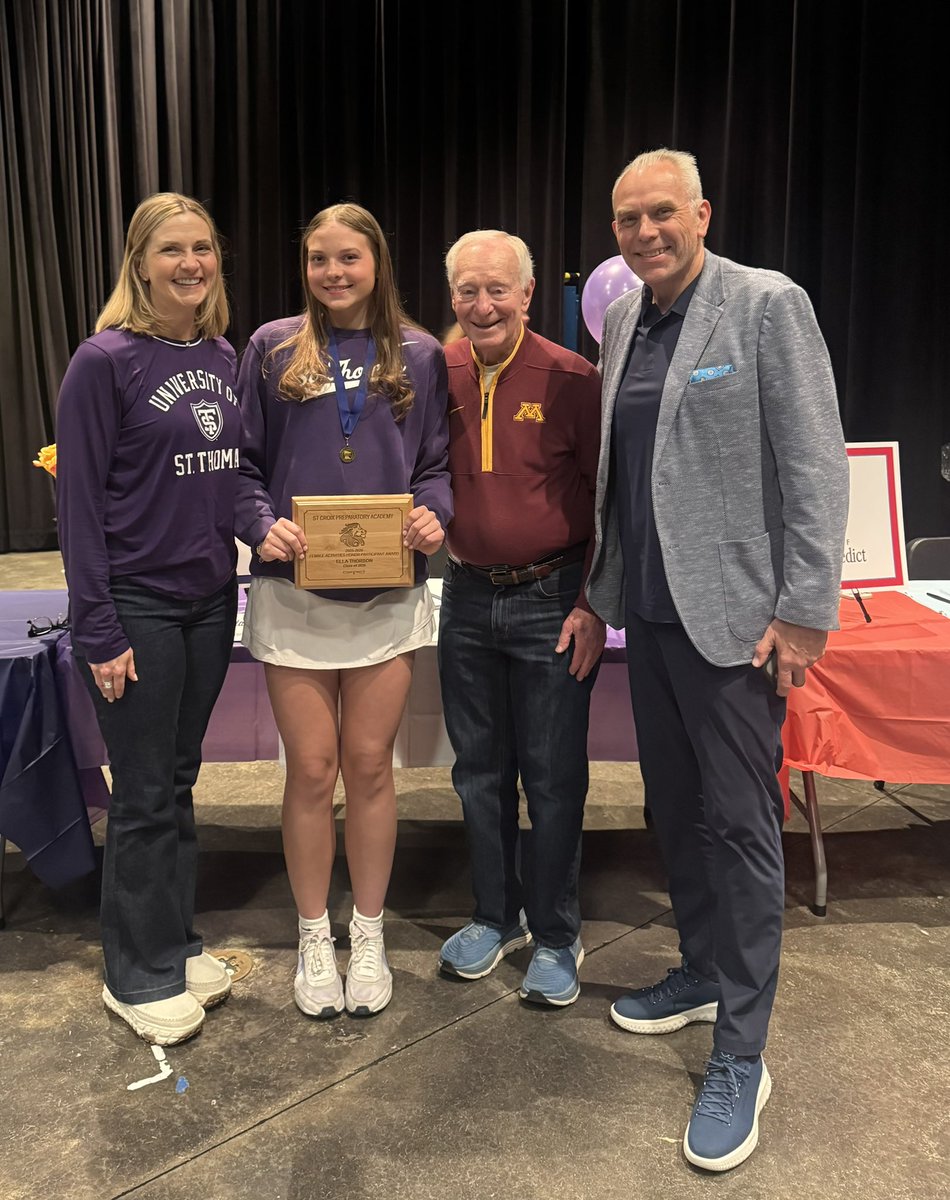
Personal Note: Proud Parents & Adopted Grandfather. Triple A Award, All State VB, SCPA Activity Award, Hennepin Theatre Trust Honoree. Special Day:
3
1
76
4,923


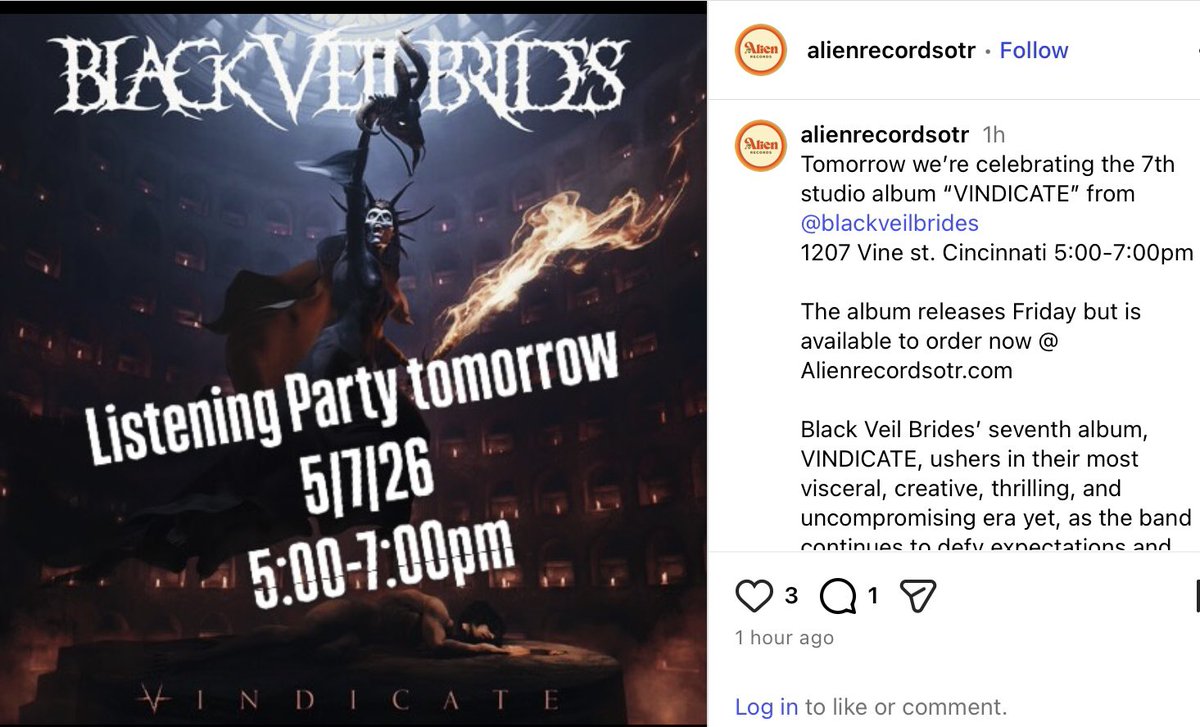
Update for Cincinnati BVB fans: Alien Records in Over The Rhine (same neighborhood where Andy went to the School for the Creative & Performing Arts- SCPA) will hold the Black Veil Brides Vindicate album listening party from 5:00-7:00 on Thursday, May 7th.
7
19
460

May 2
Our Furever Home Spotlight today features the one and only Sampson!
Sampson is a lovable Great Dane mix that has unfortunately been at the SCPA of Luzerne County PA since January of 2025. He has spent some time with Austin (@walkswithpawstin) on a day out, and there are nothing but amazing things to be said about this good boi.
He walked wonderfully on his leash, had so much fun at Kava Korner, and truly is a pup that just wants to be loved!
He does need to be the only dog in the house - and truly deserves someone’s undivided attention! To inquire or apply to be his FUREVER home, visit the SPCA of Luzerne County website or call (570) 825-4111.
1
3
3
36