The first weeks of the BIOPOLE II science cruise on the #SDAscience have included trialling all of the instruments onboard in preparation for the three phases of science (Polar Ocean Ecosystems Time Series - Western Core Box, A23, and BIOPOLE).๐ฌ๐
#BIOPOLE2#SDAscience
We worked on over 60 field science projects, as well as a huge campaign of science trials on the #RRSSirDavidAttenborough.
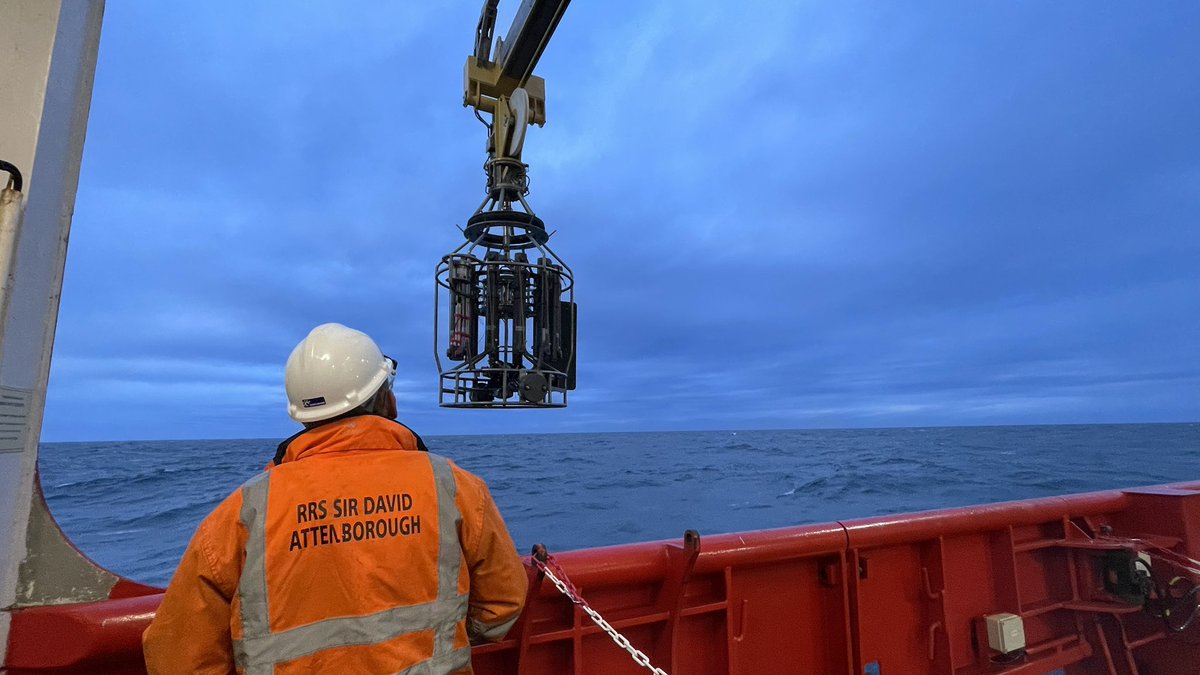
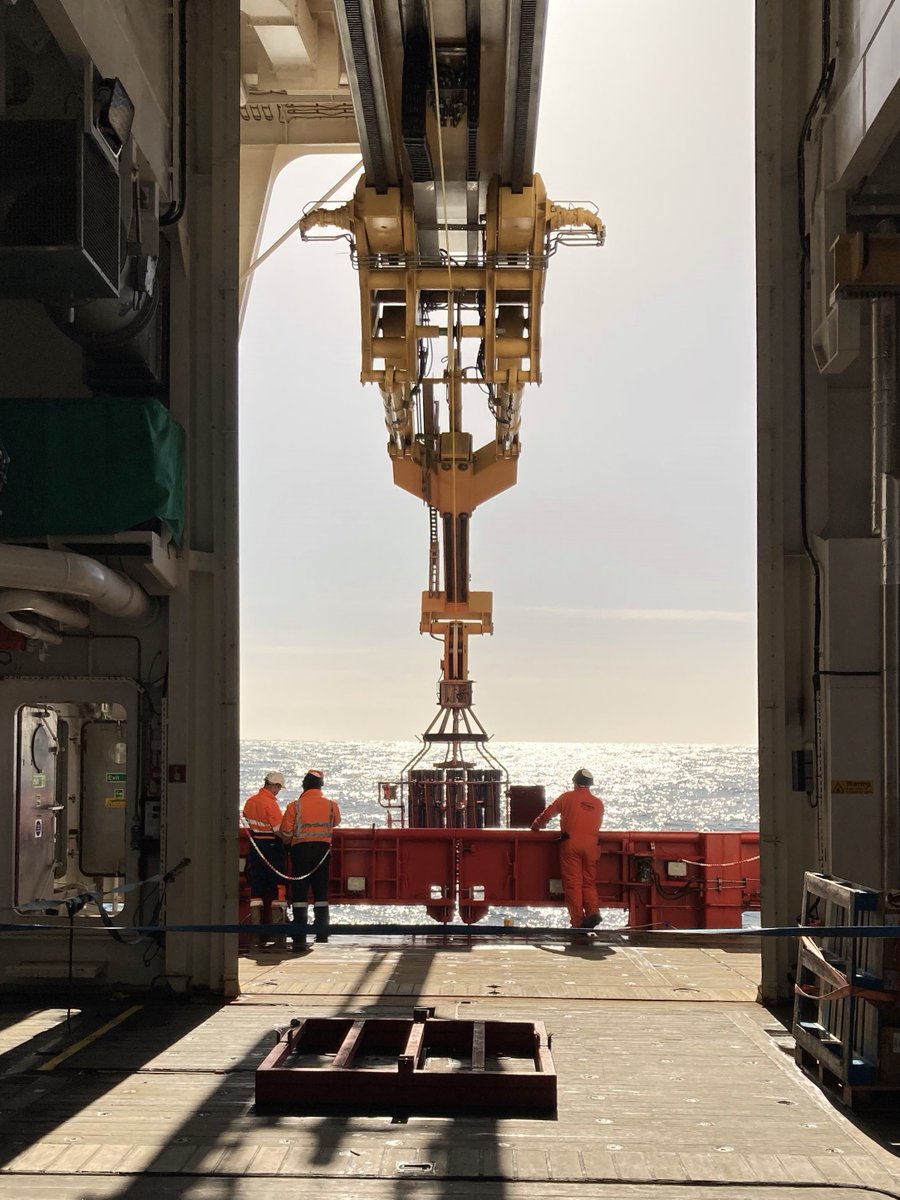
During the #SDAScience trials, the team took the first โcleanโ seawater chemistry samples for the new ship using the trace metal CTD.
๐ธ @griffiths_huw
ALT A long profile photo of the CTD on a yellow crane, taken from inside the dock area of the SDA. Scientists stand in profile against a shining Antarctic sea.
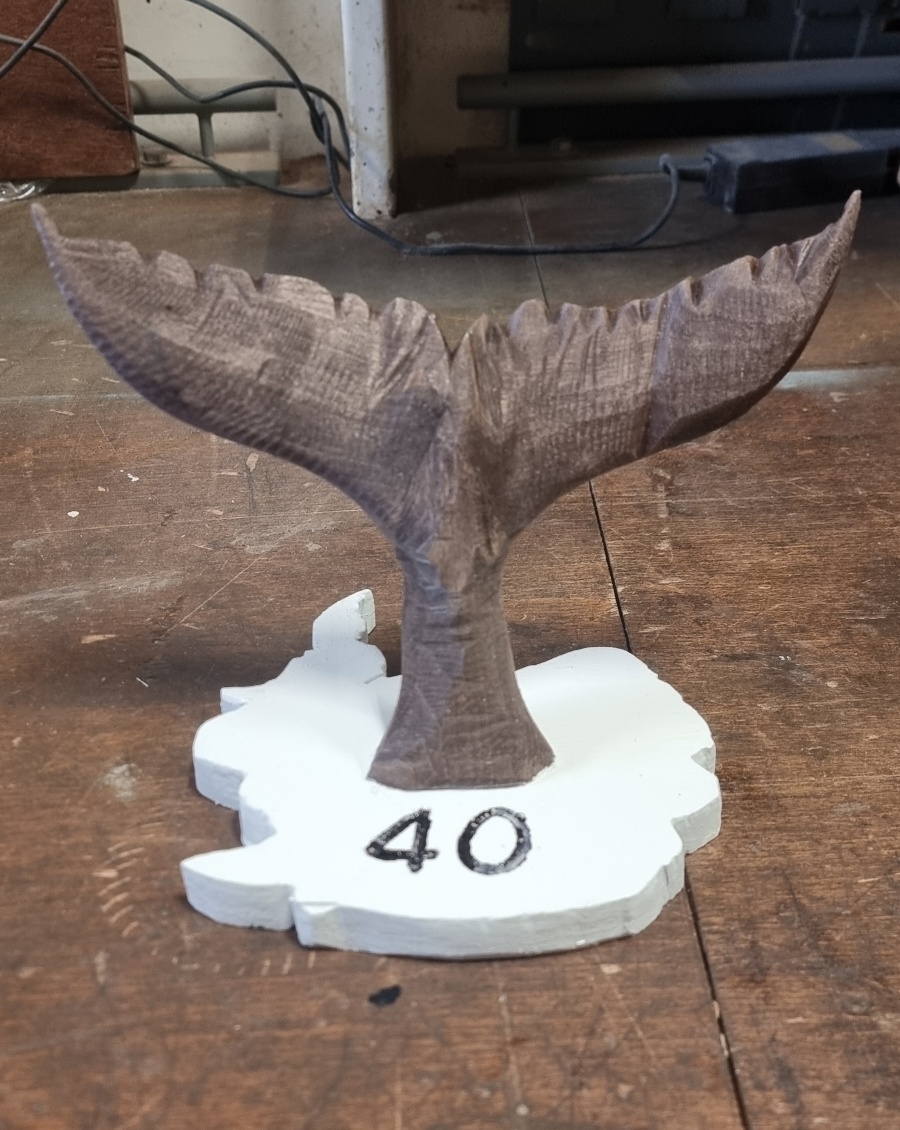
And finally, Bosun's Mate Alan Howard took crafting to the next level by *whittling actual sculptures* ๐ฒ
Here's a whale's tail made to celebrate a colleague's special birthday while on the #SDAScience trials, as well as a whale for Alan's son.
Alan... we want one. Please?
5/5
ALT A wooden whale tail mounted on a wooden block in the shape of Antarctic, which has the number 40 carved into it.
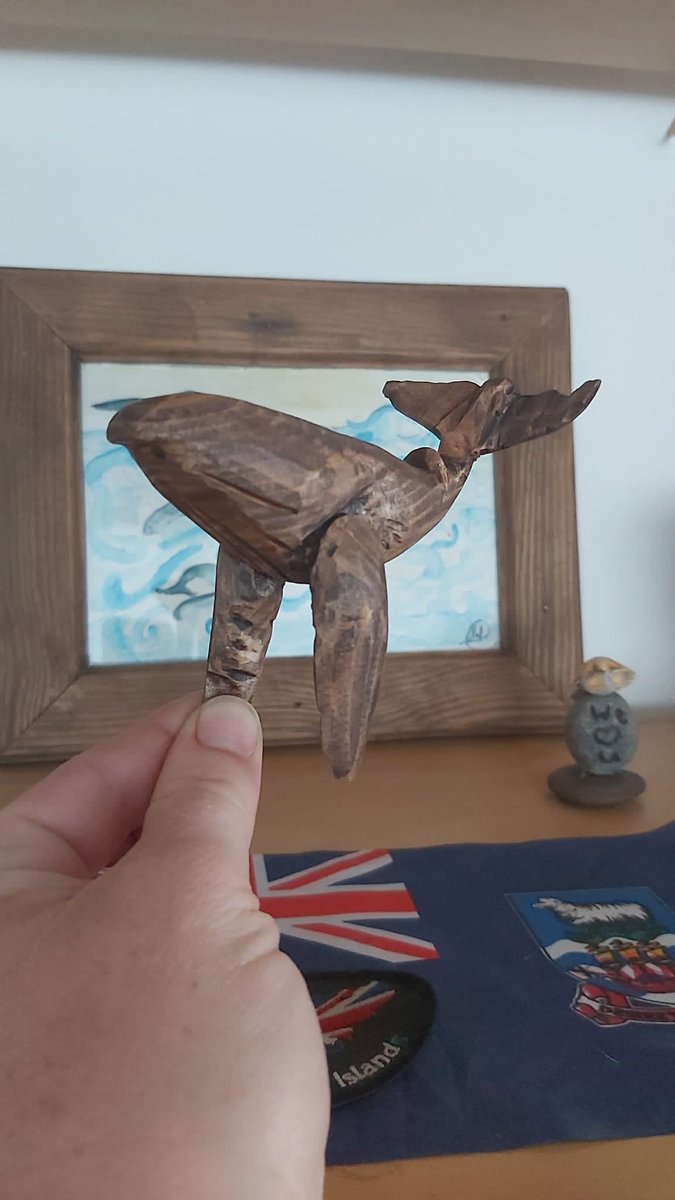
ALT A small wooden figure of a whale in motion - it could fit in the palm of your hand. The wood is dark with visible carving lines that accentuate the feeling of movement.
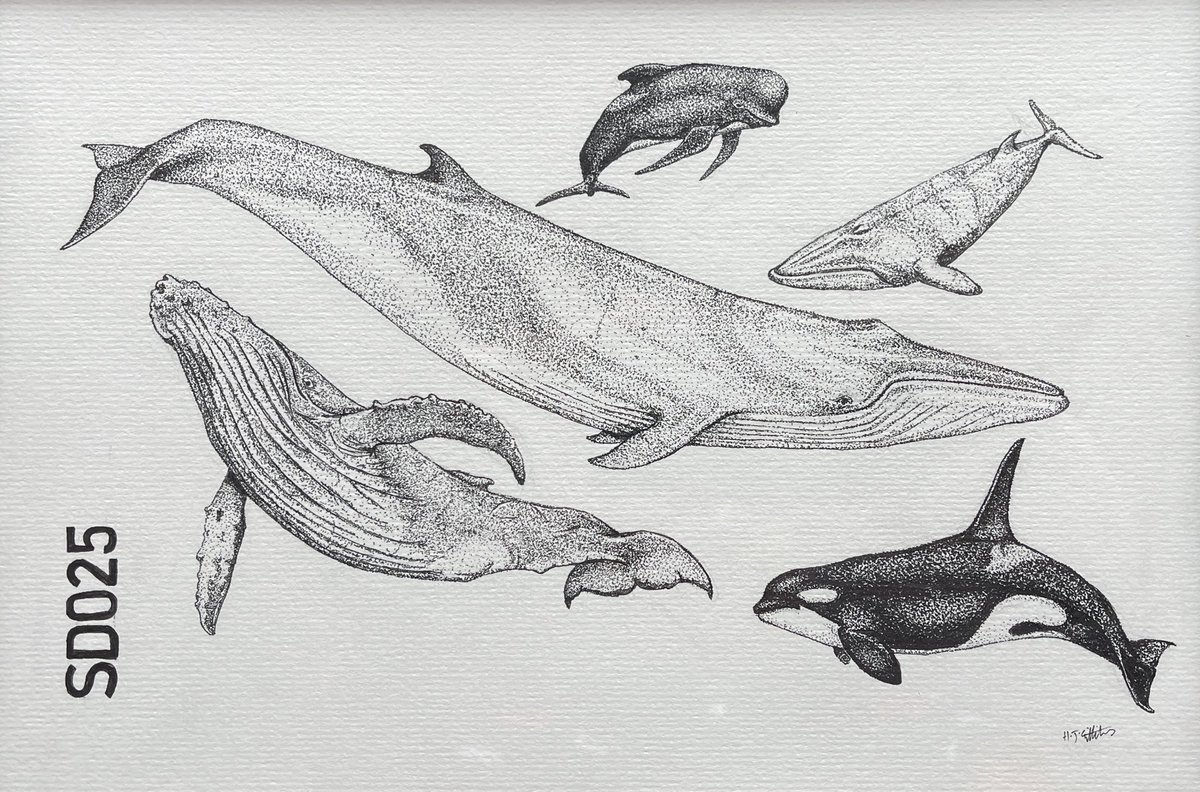
Amid an intensive schedule of night fishing & instrument deployments, @griffiths_huw found quiet moments to make this ink drawing of whales seen on the #SDAScience expedition ๐ณ
Featuring long-finned pilot, minke, fin, humpback & orca. We reckon this has pointillism vibes?
2/5
ALT Five whales drawn in fine scientific detail using many tightly clustered black in dots.
โSeeing what you found has made me rethink what an animal is and where it can live.โ
High praise from @griffiths_huw @morroghmax's colleagues after a marathon science trawl of the Hesperides Deep on the RRS Sir David Attenborough's #SDAScience trials ๐
ow.ly/VrsU50NnVTA
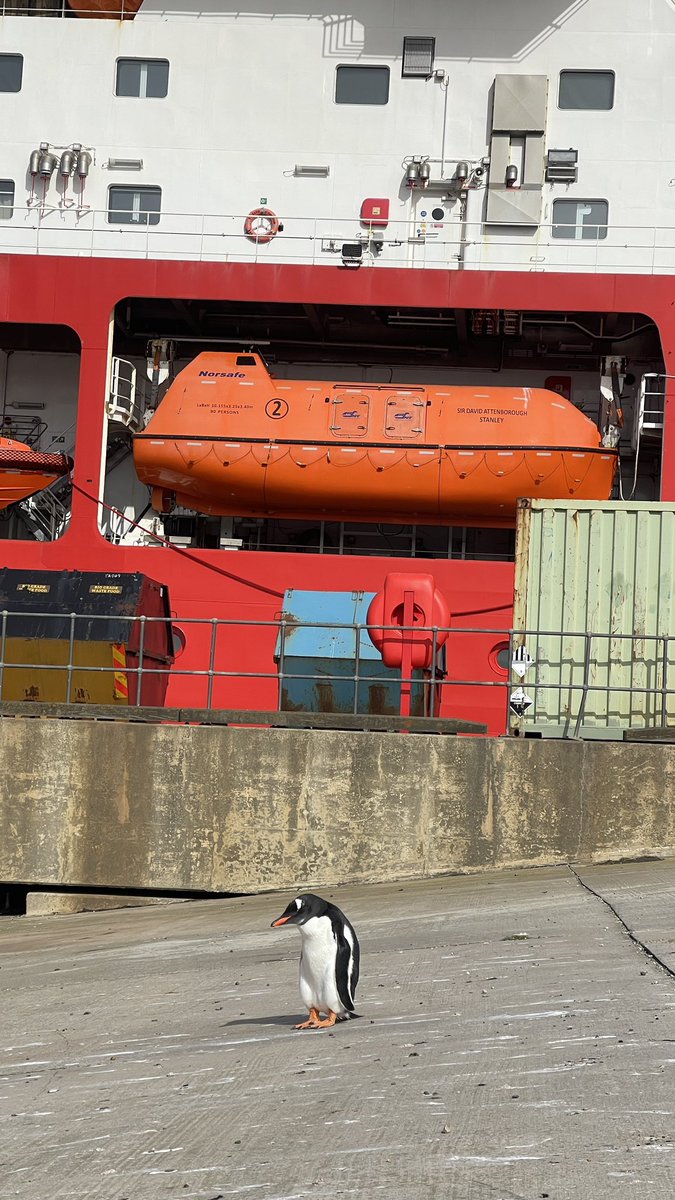
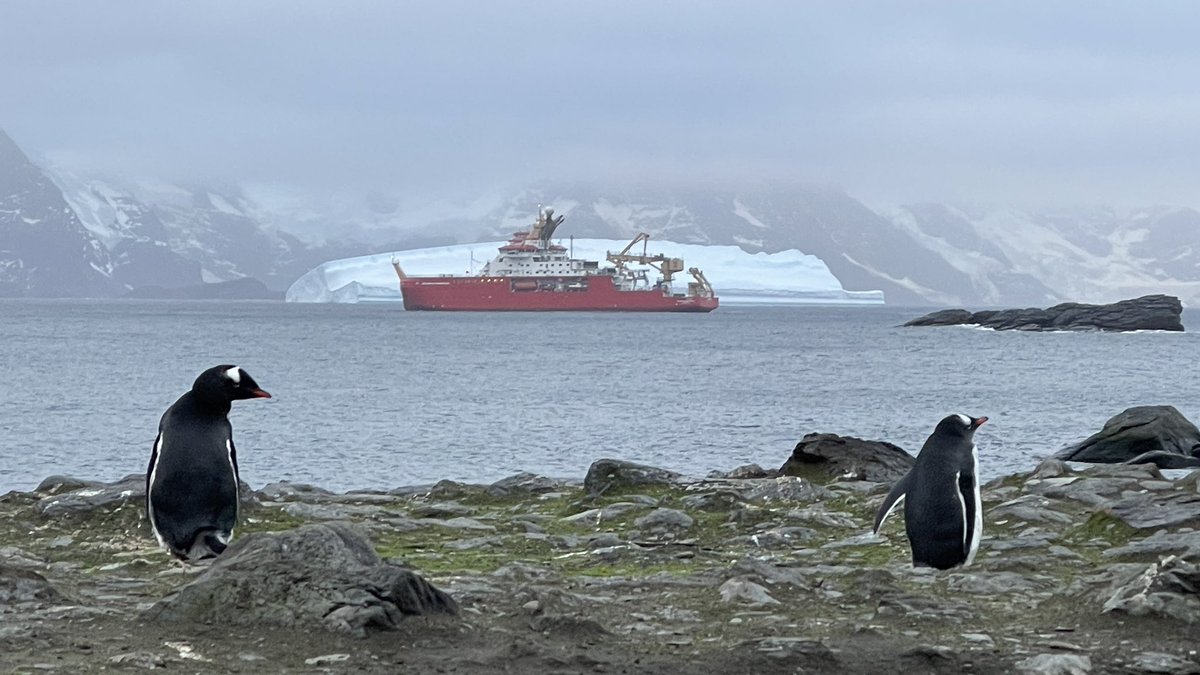
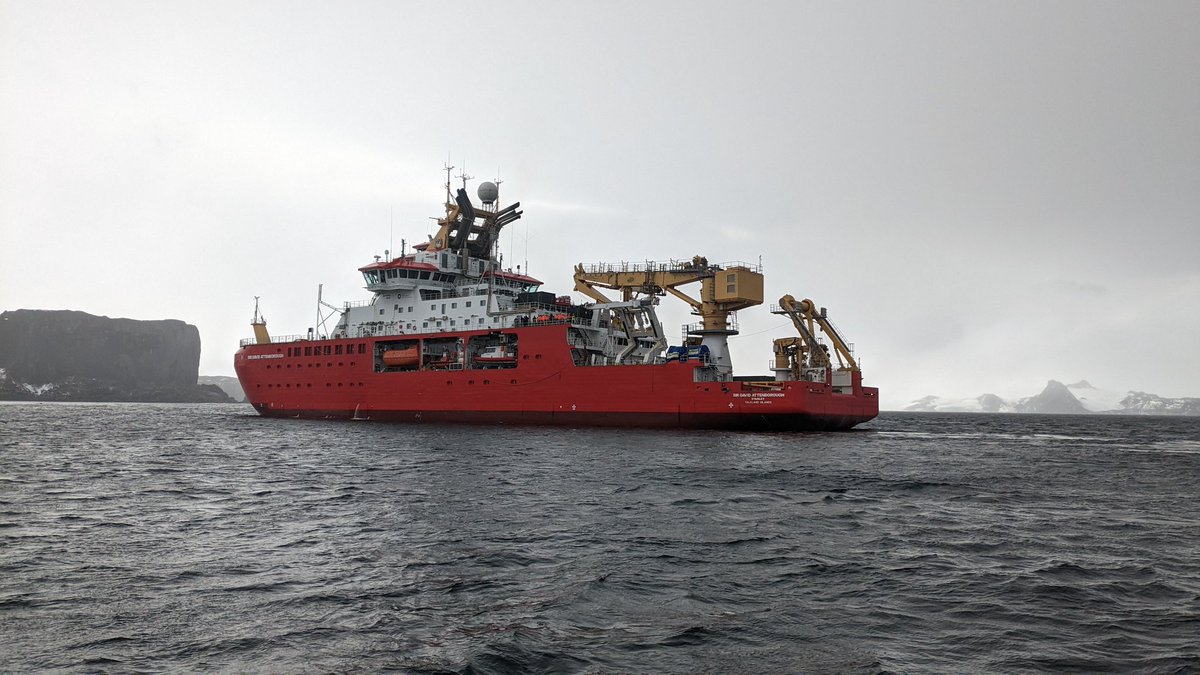
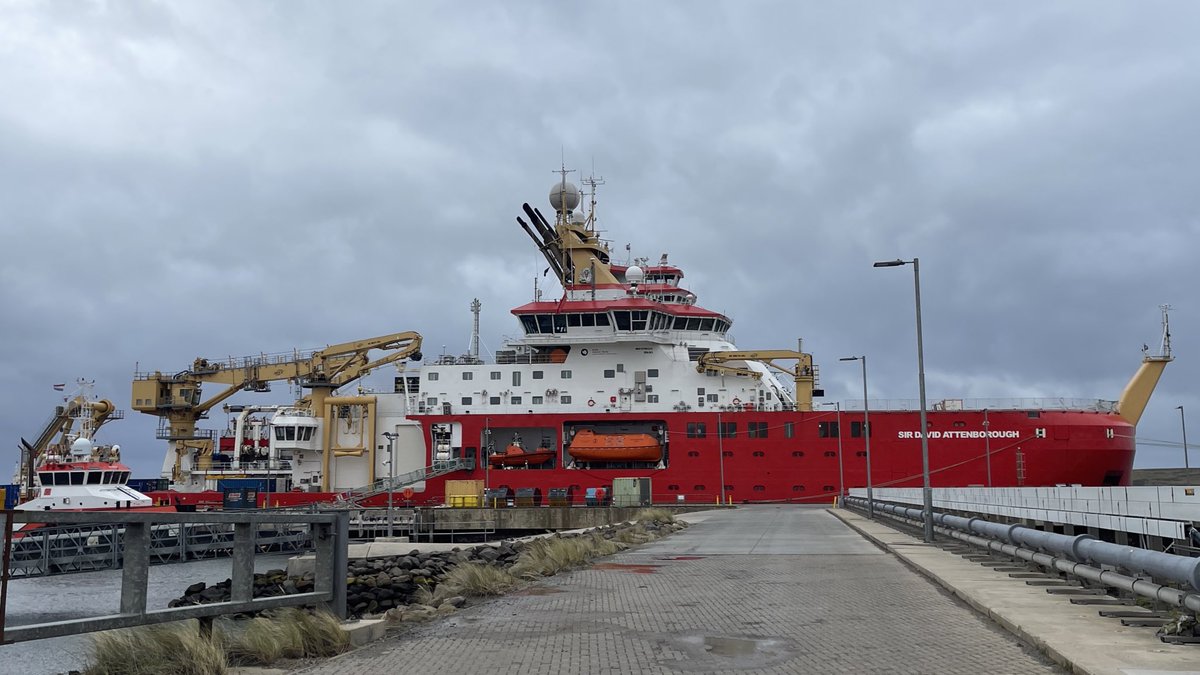
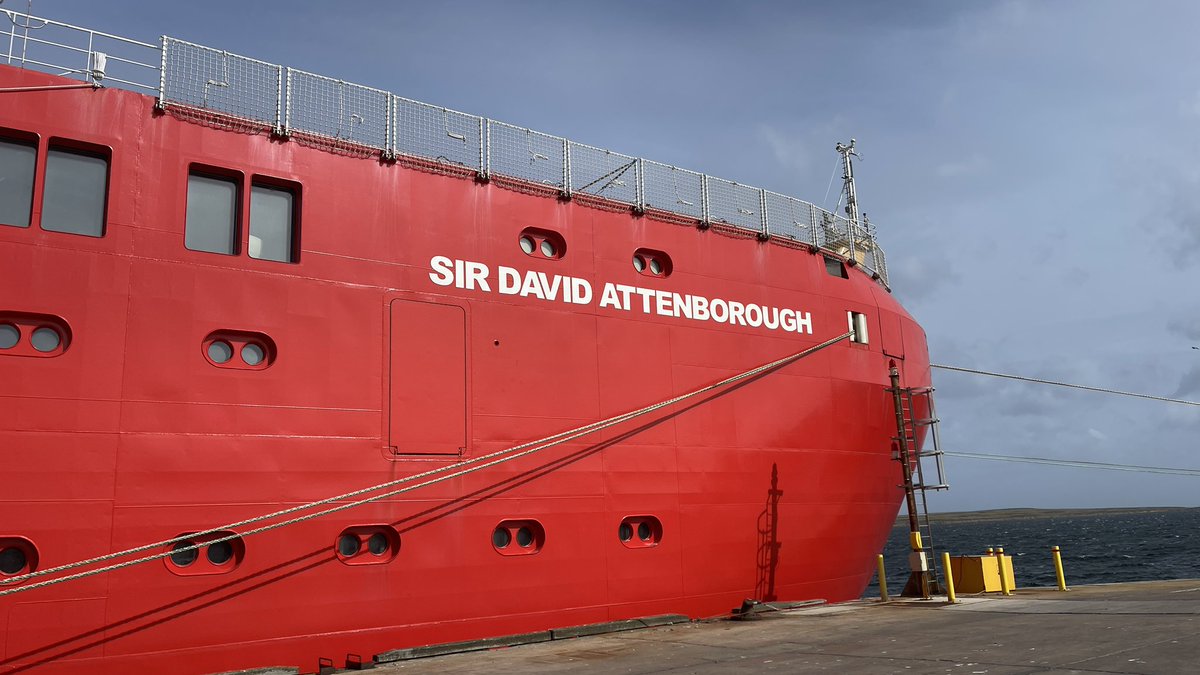
After over 7 weeks at sea the #SDAScience expedition is finally at an end and the science team flies home tomorrow. A gentoo penguin turned up at the harbour to see us off!
ALT The sir David Attenborough pulled up in harbour in the Falklands
In the fjords of King George Island, sea squirts and macro-algae are spreading in barren areas where glaciers have retreated. ๐๐ฑ
They could play a crucial role in re-capturing and storing #carbon - David Barnes explains the #SDAScience investigation ๐
ow.ly/Kps750NjXRl
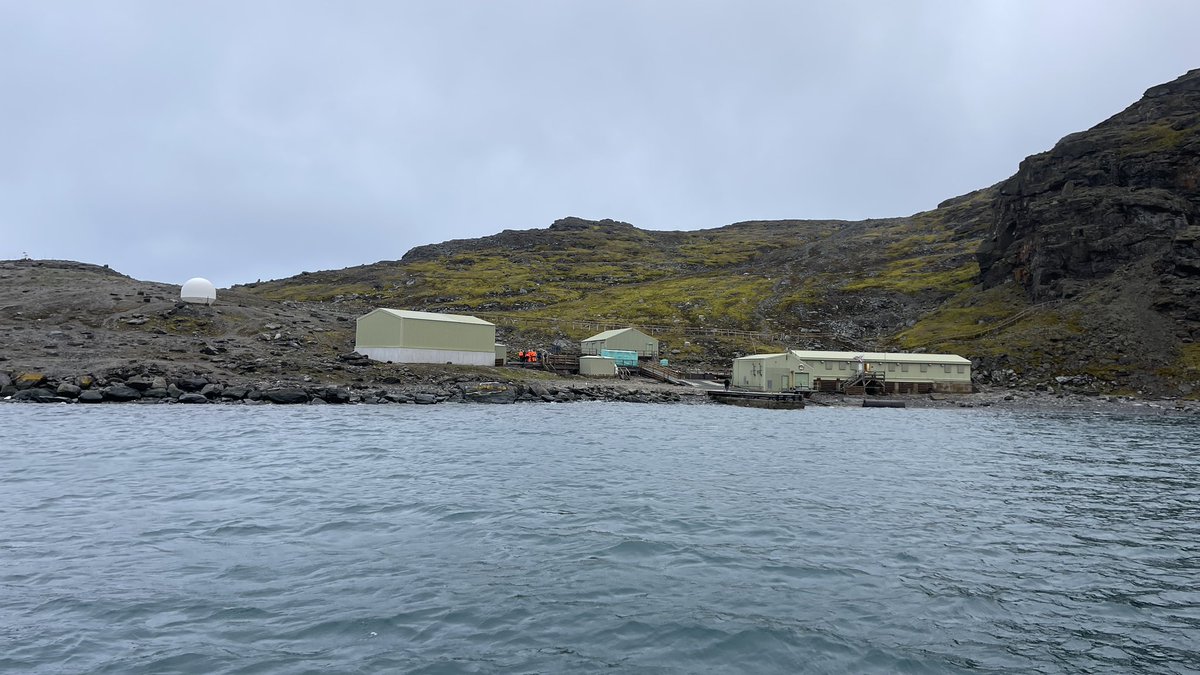
The #SDAScience expedition has completed its scientific tasks in time to relax and enjoy the beautiful weather before heading to our Signy Island Station to close it for winter. ๐ ๐ข โ๏ธ
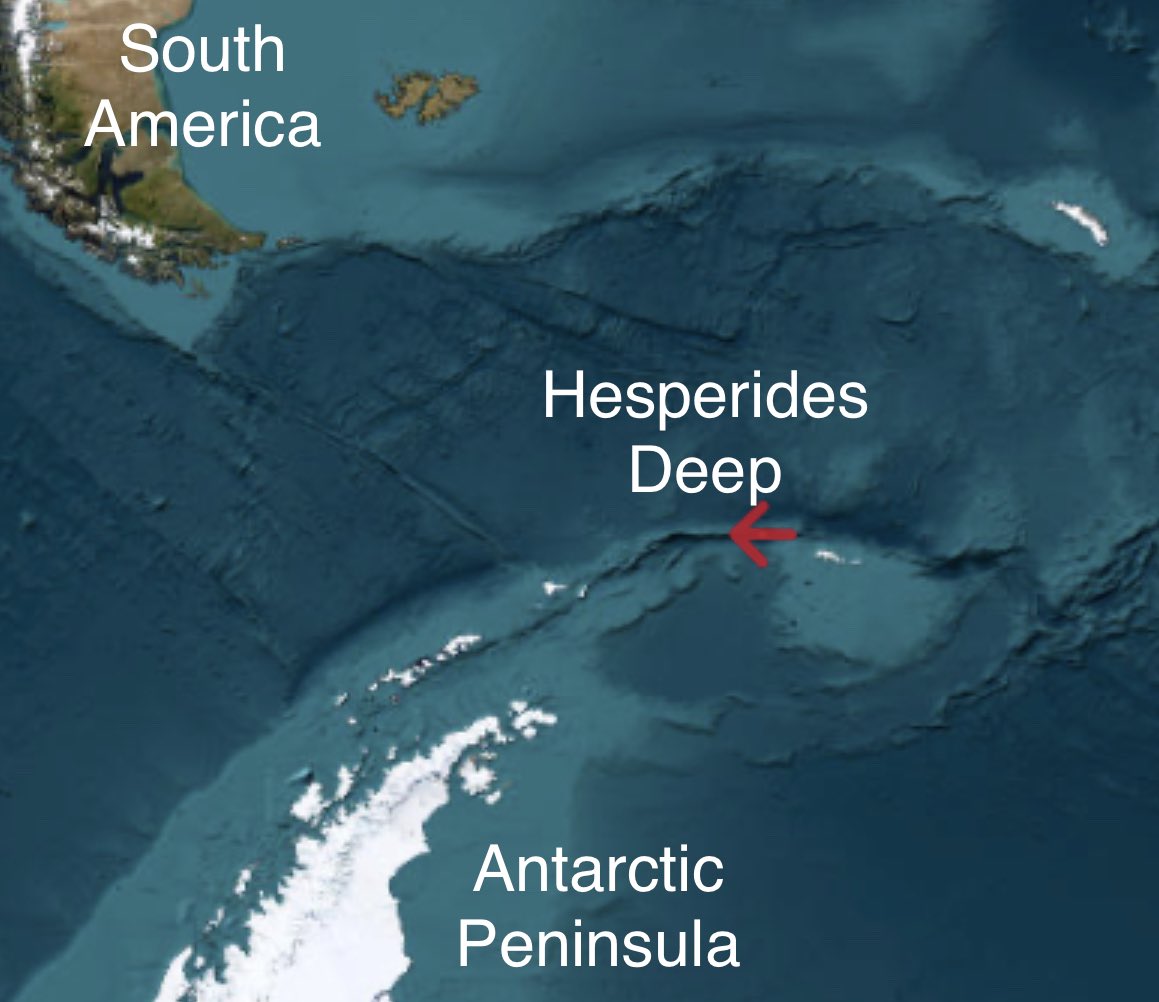
Over the past week @griffiths_huw & @morroghmax, the crew and #SDAScience team have been testing the new deep sea research capabilities of the #RRSSirDavidAttenborough in one of the deepest and least explored parts of #Antarctica, the Hesperides Deep! ๐งต(1/4)
ALT A map showing the location of the Hesperides Deep
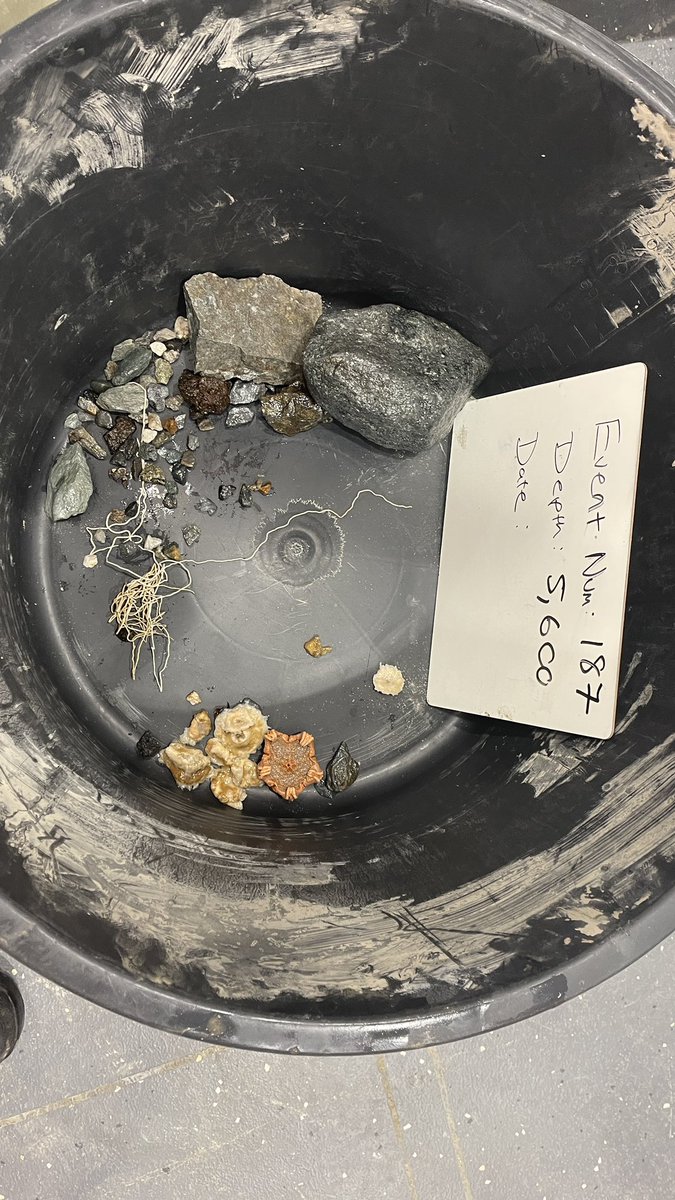
ALT The catch from an Agassiz trawl, including stones and starfish
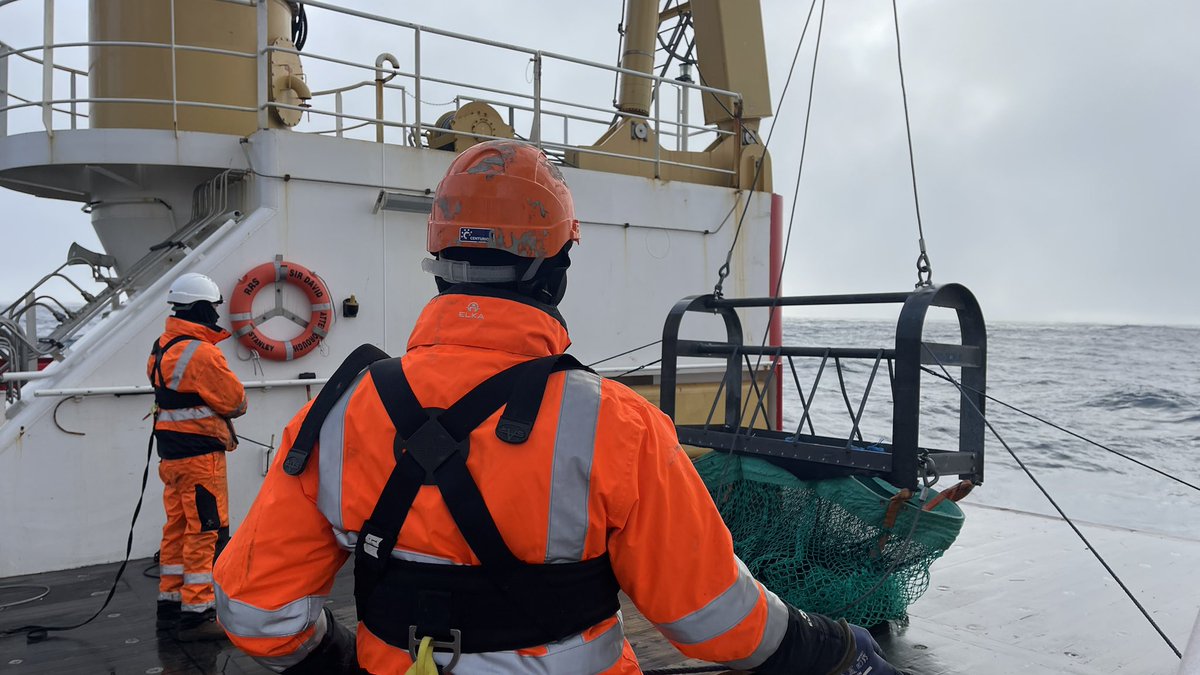
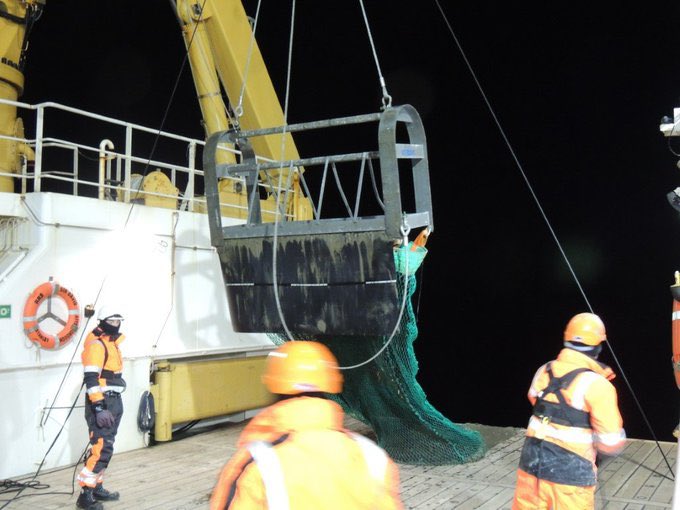
ALT Deploying the trawl. Crew and scientists dressed in orange and attached to safety lines.
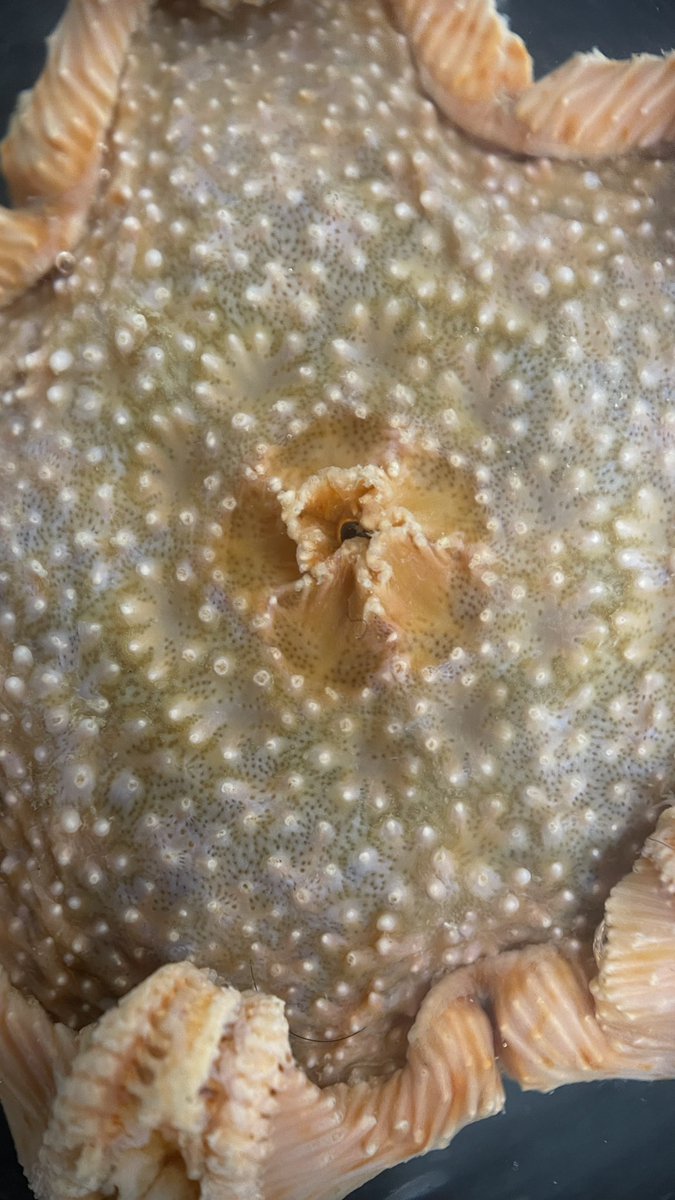
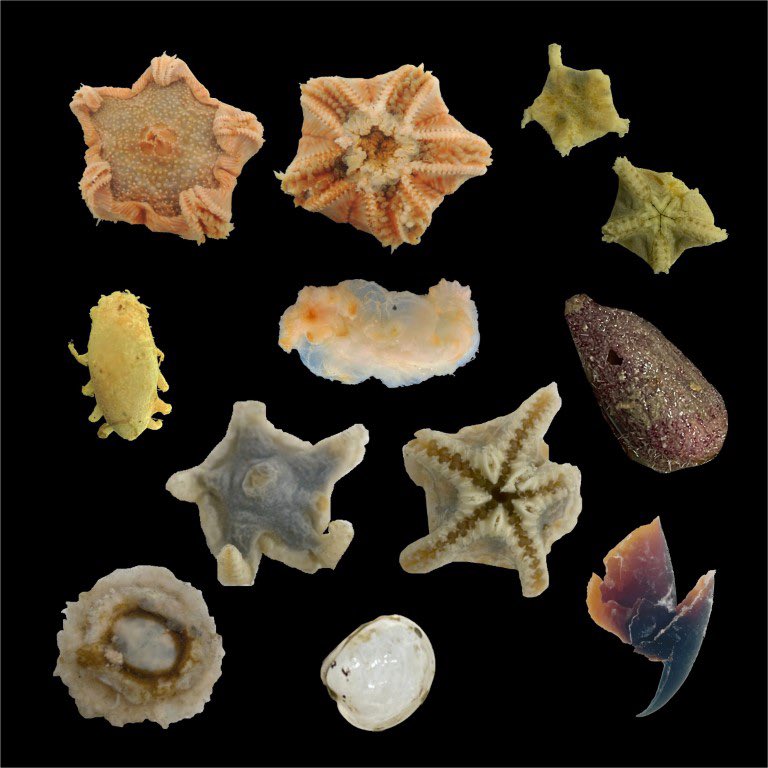
The trawls and cameras revealed a range of weird, wonderful and fascinating creatures living in a habitat dominated by cold temperatures, enormous pressure and soft mud! When the samples return we can start the difficult job of putting names to them all! #SDAScience (4/4)
ALT Starfish, brittle stars, bivalves, sea cucumbers, an urchin, an anemone and a squid beak - all on a black background
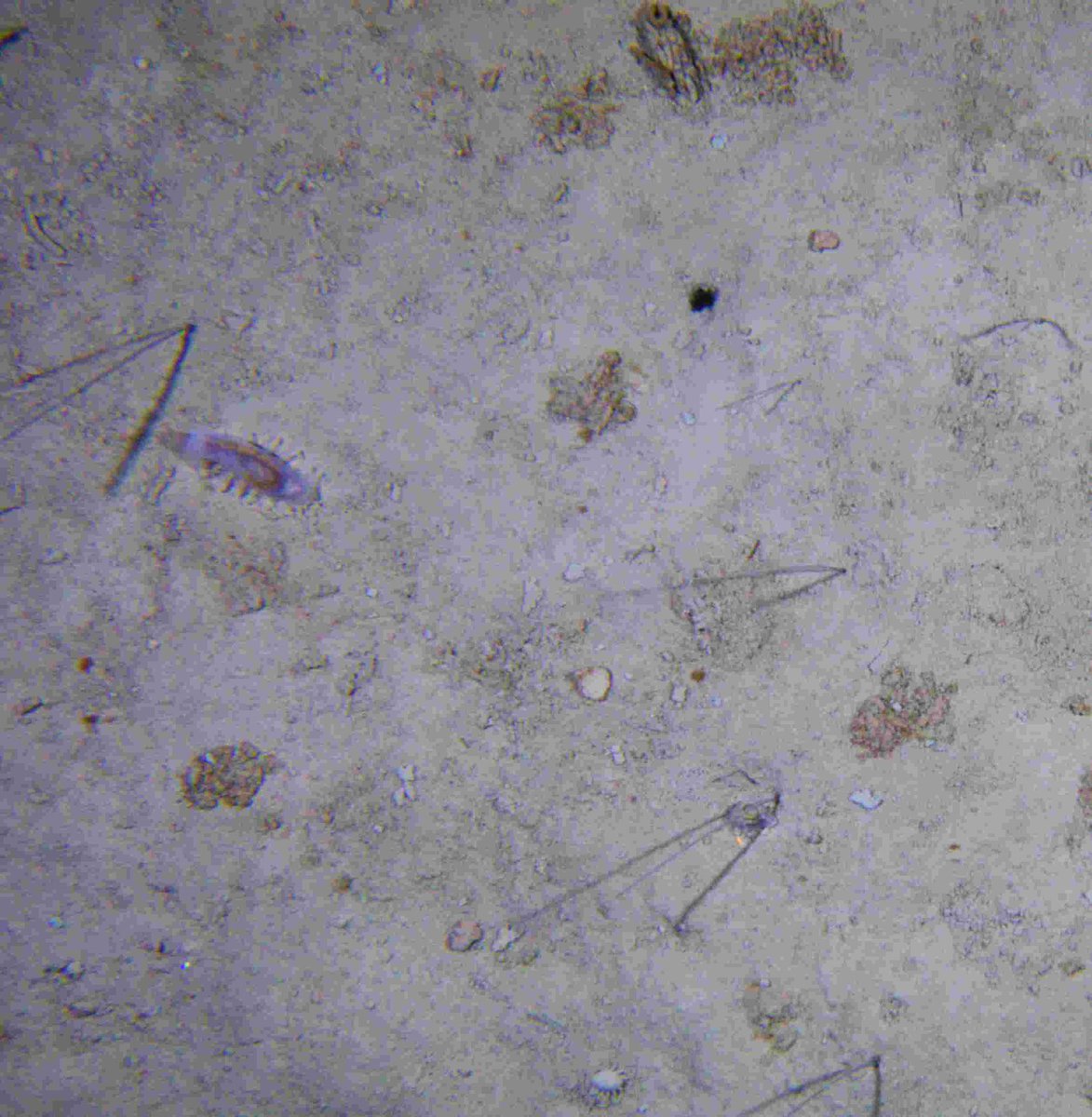
ALT A muddy sea floor seen from above. Sea cucumbers and worm tubes are visible
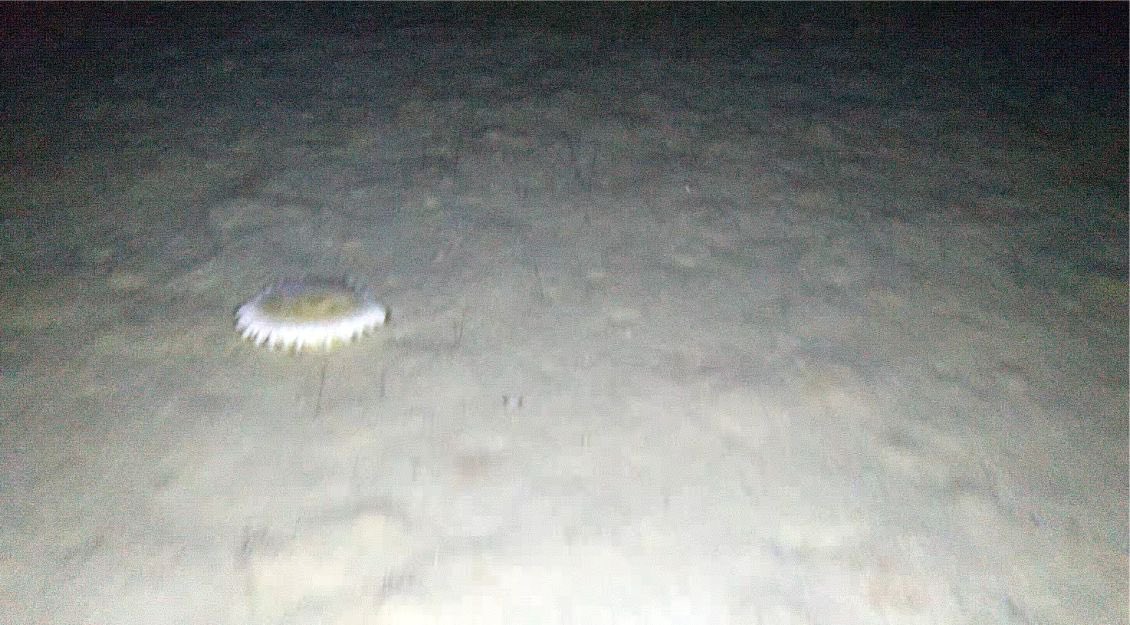
ALT A screen grab from a video of the sea floor shows a white sea anemone surrounded by mud
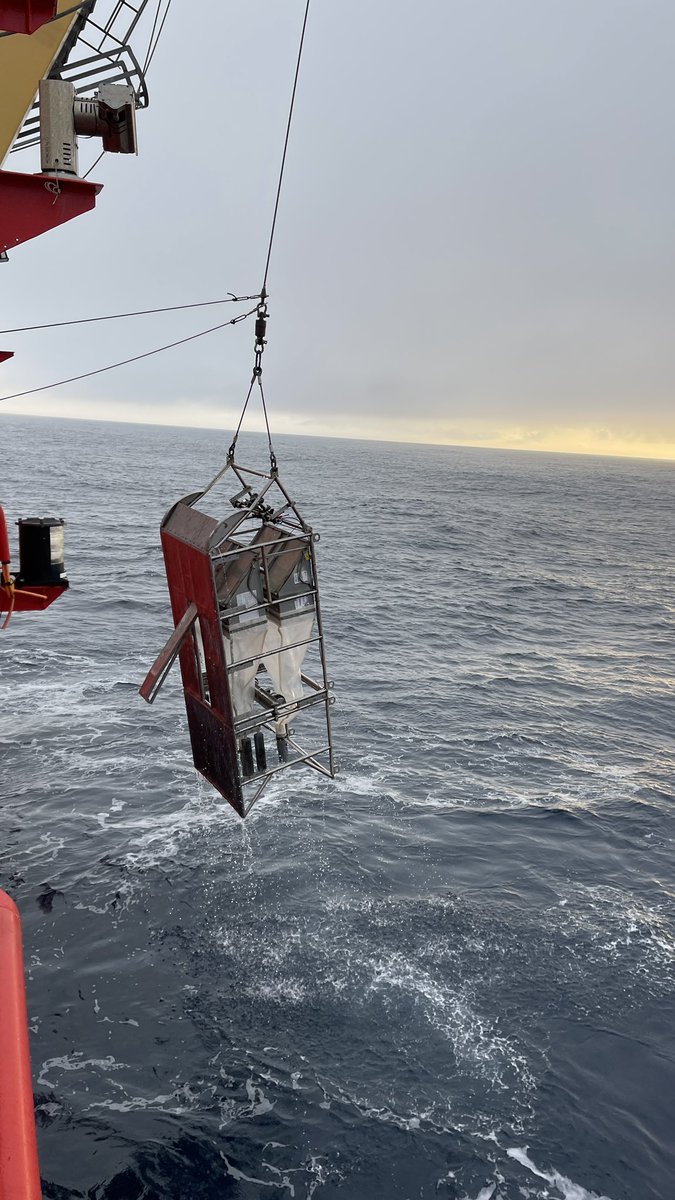
Using a range of equipment, the #SDAScience team have set about trying to understand this unique habitat. We deployed up 7.6km (4.7 miles) of winch cable at a time (over 100 km/62 miles in total), to lower 2 camera systems, 2 types of trawl and the CTD into the abyss! (3/4)
ALT The epibenthic sledge hanging over the back of the ship
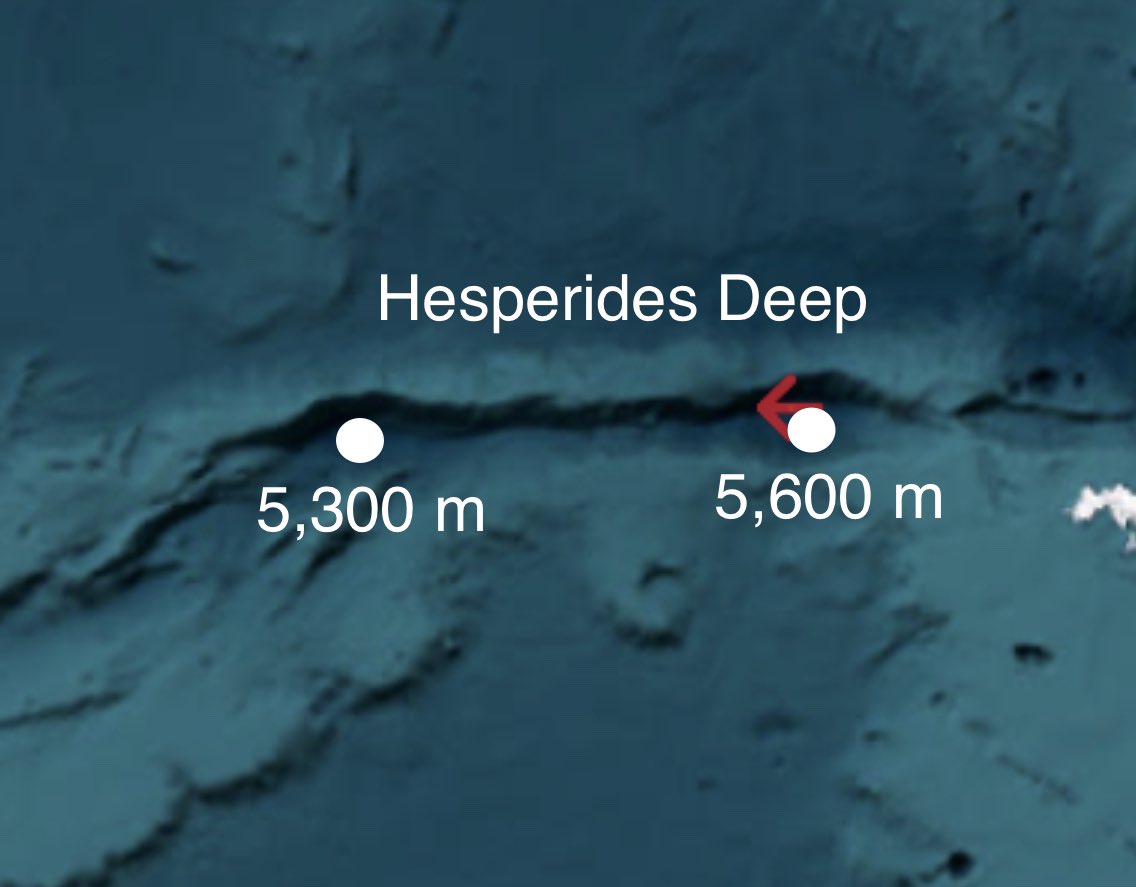
The Hesperides Deep includes two basins that get as deep as 5.6 km (3.5 miles) in depth - making it amongst the deepest 6% of the Southern Ocean sea floor. To our knowledge, nobody has ever reported collecting sea floor creatures from this abyssal area before!! #SDAScience (2/4)
ALT A map showing the depth of the tow basins of the Hesperides Deep (5,300 m and 5,600 m).
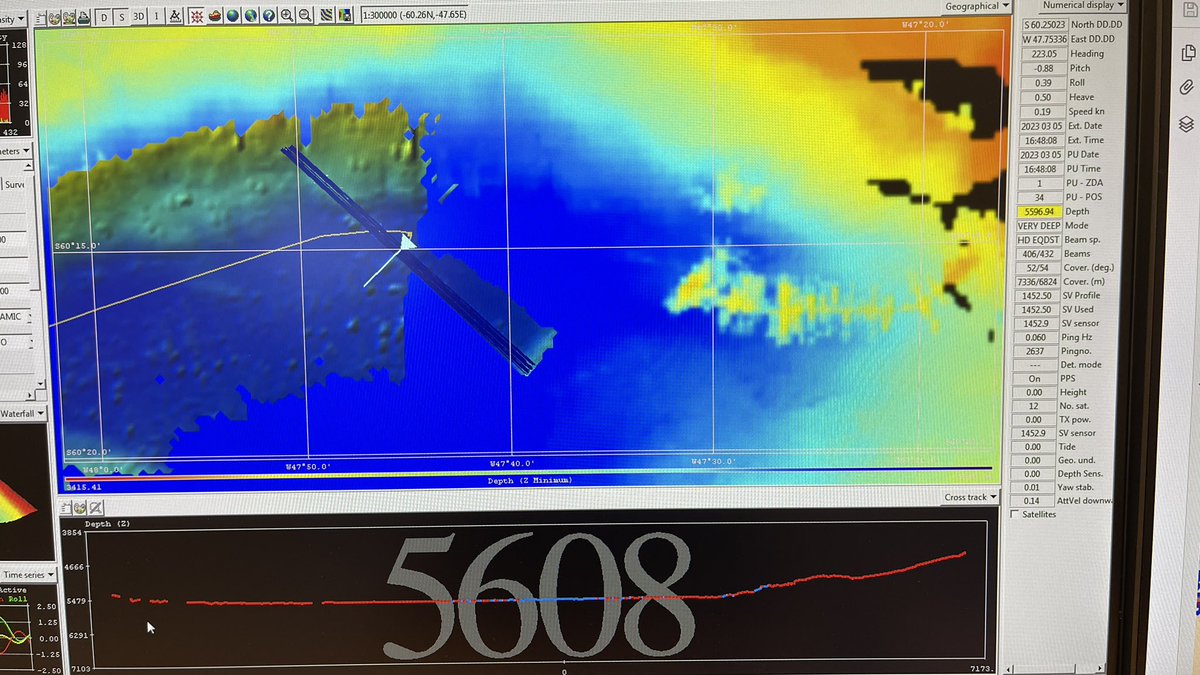
ALT A screen capture of the bathymetry system used to measure ocean depth saying 5608 m
Over the past week @griffiths_huw & @morroghmax, the crew and #SDAScience team have been testing the new deep sea research capabilities of the #RRSSirDavidAttenborough in one of the deepest and least explored parts of #Antarctica, the Hesperides Deep! ๐งต(1/4)
ALT A map showing the location of the Hesperides Deep
ALT The catch from an Agassiz trawl, including stones and starfish
ALT Deploying the trawl. Crew and scientists dressed in orange and attached to safety lines.
All done for Project RaCE:TraX on SD025, lots of seawater and mud to analyse thanks to all the support and enthusiastic help from amazing crew and scientists โค๏ธ
#SDAScience continues, on to moorings and Hesperides Deep!