Theo Ford retweeted

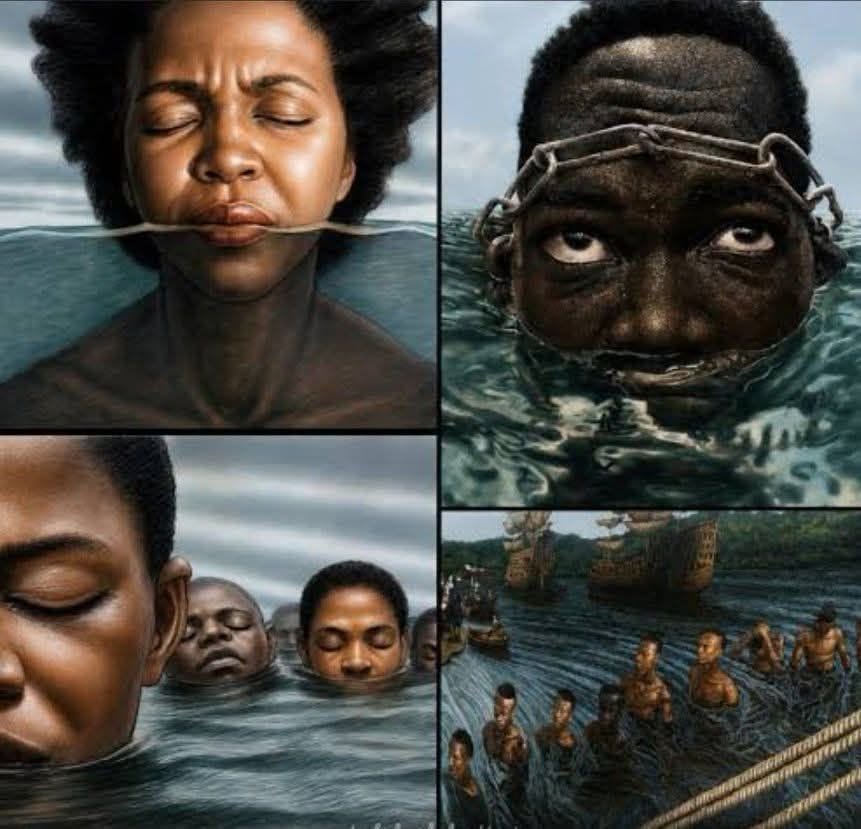
In 1803, A group of enslaved Africans took over a slave ship and grounded it on an island. But when they realized slavery was still waiting for them, many walked into the ocean together and drowned instead of going back in chains.
The Igbo Landing is a historic site at Dunbar Creek on St. Simons Island, Glynn County, Georgia. It is the site of one of the largest mass suicides of enslaved people in history. Historians say Igbo captives from modern-day Nigeria, purchased for an average of $100 each by slave merchants John Couper and Thomas Spalding, arrived in Savannah, Georgia, on the slave ship the Wanderer in 1803.
In May 1803, the Igbo and other West African captives arrived in Savannah, Georgia, on the slave ship the Wanderer. They were purchased for an average of $100 each by slave merchants John Couper and Thomas Spalding to be resold to plantations on nearby St. Simons Island. The chained slaves were packed under deck of a coastal vessel, the York, which would take them to St. Simons. During the voyage, some enslaved men rebelled, took control of the ship, drowned their captors, and grounded the ship.
The sequence of events that occurred next remains unclear. It is known only that they marched ashore, singing, led by their high chief. Then at his direction, they walked into the marshy waters of Dunbar Creek, committing suicide. Roswell King, a white overseer on the nearby Pierce Butler plantation, wrote the first account of the incident. He and another man identified only as Captain Patterson recovered many of the drowned bodies. Apparently only a subset of the 75 Igbo rebels drowned. 13 bodies were recovered, but others remained missing, and some may have survived the suicide episode, making the actual numbers of deaths uncertain.
Regardless of the numbers, the deaths signaled a powerful story of resistance as these captives overwhelmed their captors in a strange land, and many took their own lives rather than remain enslaved in the New World. The Igbo Landing gradually took on enormous symbolic importance in local black folklore. The mutiny and subsequent suicide by the Igbo people was called by many locals the first freedom march in the history of the United States.
10
202
563
19,481

Slav “Amor of Killer” who tries hard to replace me after Slav (Polish) gay Edward Bartkus tried last year.
My enemy is “it”, not “him”/“her”, for “its” manifestations will continue until the day both Sun & Moon shine in the Sky as all of two-winged & four-leged come to bow to me
5
crim retweeted

Every time I see people around me make XOguri or VaBourbon for cm's I feel a little sad for them, I genuinely hate meta slaves just resorting to building the best uma possible instead of building their most favorite uma to be the best
37
4
119
4,078
Todd🌈 retweeted

Wish Granted 🔥 @zerkamp79384
Kara Diaz Muscular Shemale Domination
Kara Diaz completely destroys her tiny white slave.
She takes him apart with raw power and total domination.
@ChrisSkylineGTR
Follow me 4 free ✌️😁✌️
3
160
1,872
20,126
meme thief retweeted

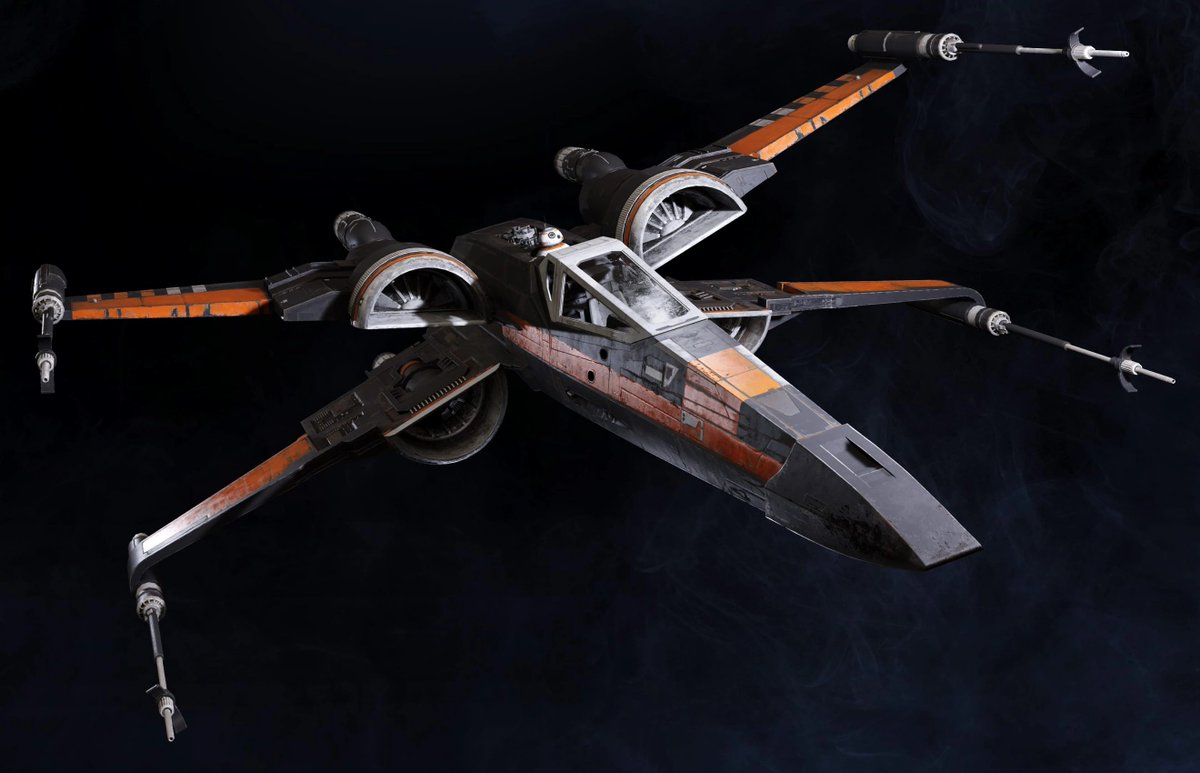
All four of these are from the pre-Disney acquisition. Like, holy larp, but that's the Millennium Falcon, that's the Slave-One, and one is a LEGO TIE-Fighter. This guy is a moron who doesn't know what to say, but then again, he's a Nazi, and these guys are morons.
Jun 13

Crazy how after 13 years of Disney Star Wars, they still haven't produced a SINGLE iconic ship design



1
1
20
Dame Alun Roberts retweeted

The BBC is part of a Blitzkrieg of misinformation and anti-slav propaganda, banging the drum for war against Russia. I'm sickened by how low Britain has sunk.
Spamorana is once again wheeled out to smear anyone standing in the way of western and Israeli imperialism.
#Panorama
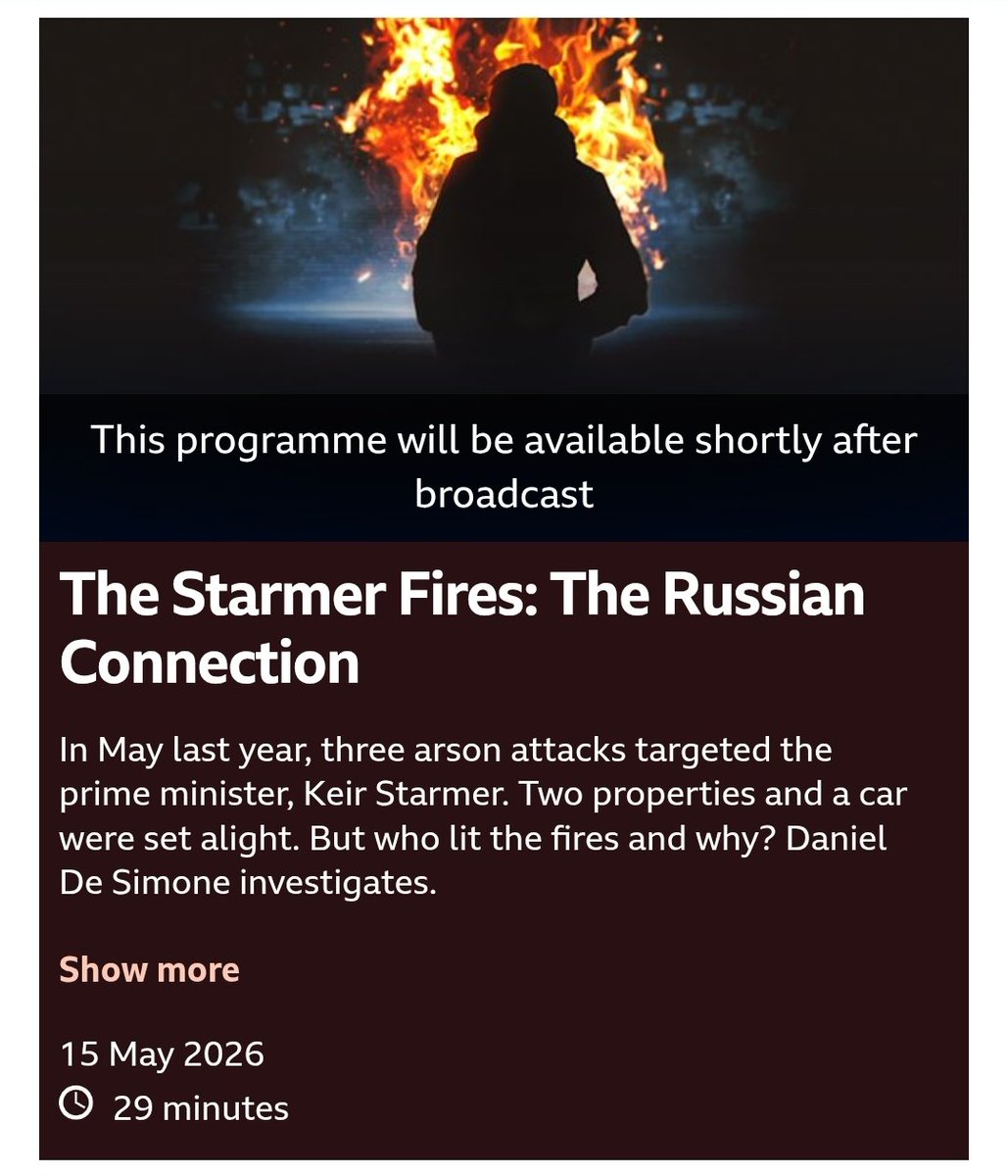

According to the @BBCNews article, the sources for this information were a ghost Ukrainian policeman called "Vitaliy Sova", and Hope Not Hate - a well known front for British Intelligence product.
This article is a fraud. It's British gov disinformation.
bbc.co.uk/news/articles/c8r2…
10
35
97
4,858

i dont deny anything you said but history requires context when europeans arrived in places like benin explorers like olfert dapper were stunned by the grandeur of the city noting streets broader than those in amsterdam history is complex just as the roman empire relied on massive forced labor even giving us the word slave from slav no one defines white history solely by servitude it is a tragedy that many of us fixate on slavery when we have such vast rich histories while the trans atlantic trade was uniquely brutal due to its racialization and duration making it feel much more recent in our collective psyche we must stop reducing our entire legacy to this one trauma
13
S. B. retweeted

Jun 14
250€ in 5 Minuten
Ohne jegliche Gegenleistung
Das ist FINDOM
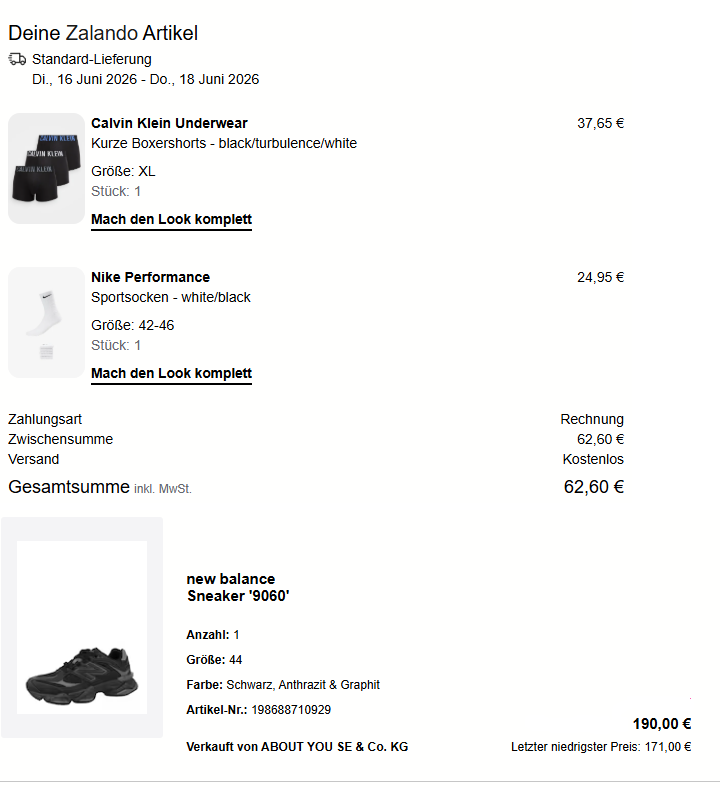
Wahrer Luxus, ich sende Links ohne Größen und der Slave weiß sofort was zu tun ist und in welcher Größe, er was zu bestellen hat 🔥
Good boy @Slave_of_Alphas 😉

Wenn @imakeumybitch online shoppen will und dich als ATM benutzen möchte, fragst du nicht lange sondern machst es einfach. Verlange keine Gegenleistung von deinem Gott. Erfüll einfach seine Wünsche und sei dankbar, dass du ihm nützlich sein durftest. Danke Master für diese Ehre.



2
3
12
608

Narin Güran Rojin kabaiş Gülistan doku öldürülen tüm masum insanların sesi oldunuz iyiki varsınız mazlumun yanında yer aldınız vijdanlı şerefli insanlarsınız hêr hêbîn Slav rêz
1
38

Aynı şey değil Slav :) Bugünün İngiliz kraliyet ailesi kan bağı ile tahtta oturuyor. İngiltere bir Afrika kolonisine sömürge valisi atar gibi senin tampon bölgeden ibaret olan ülkene kral atadı.
3

Dobré ráno všetkým.
Dobré ráno, veľmi vážené ženy Slovanskej rasy.
Günaydın Herkesler,
Günaydın çok saygıdeğer Slav Irkı kadınları..
#CografyaKaderdir.
2
29

Canada is TEMU US and stop including Mexico , almost no Slav lives there
1
21


SHUT UP @kiraincongress you are not even a Slav .
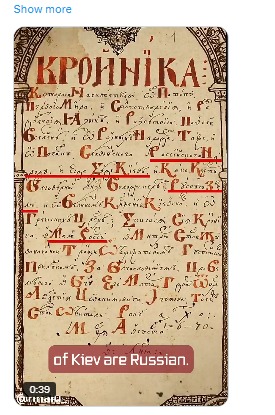
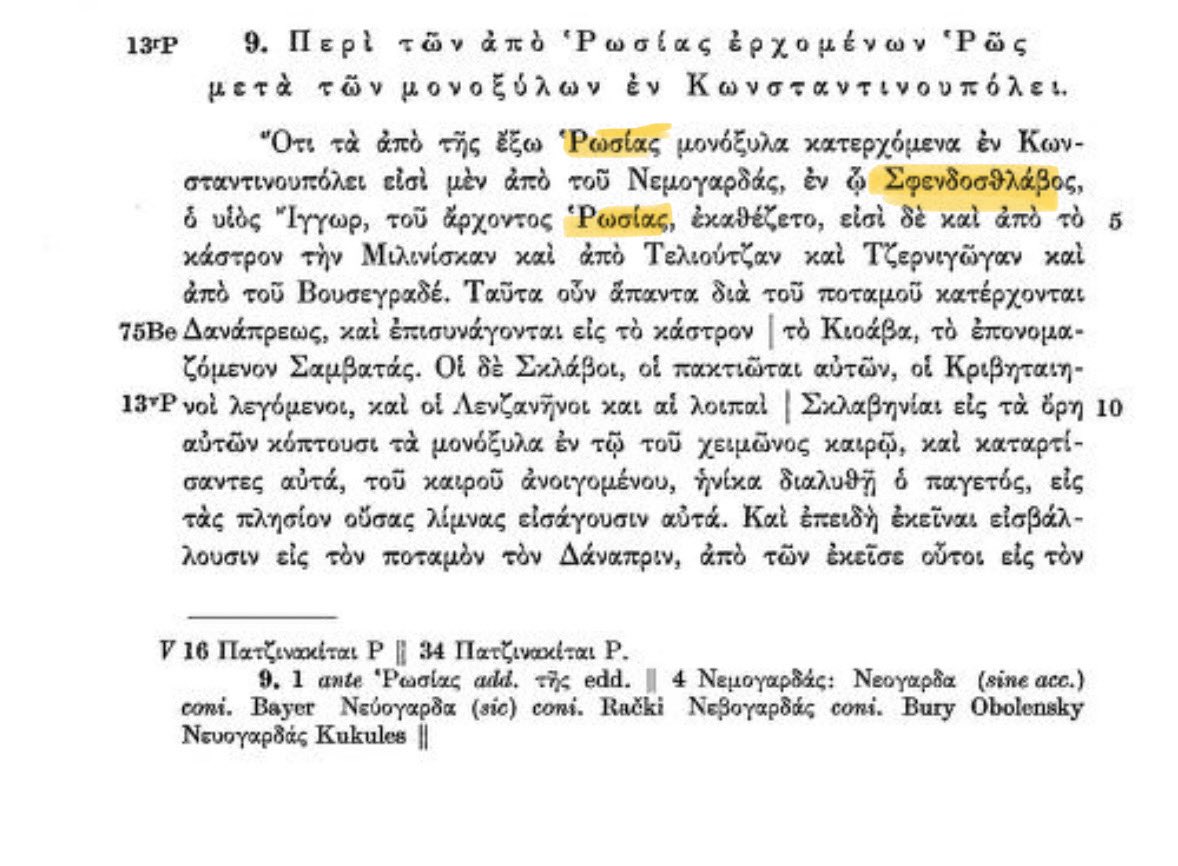
Kievan Rus is INEXTRICABLY Linked to Russia. Read Huyston Chronicles written in Old Slavonic Russian and Greek Byzantine Text ; Prince Igor of Russia - Russian Kievan .
@ZelenskyyUa Faulty air defence or False Flag.
No Crater

France's Foreign Minister put it well:
A strike on the Lavra is the equivalent of bombing Notre-Dame.
This is what russia calls defending Christianity.
1
5