
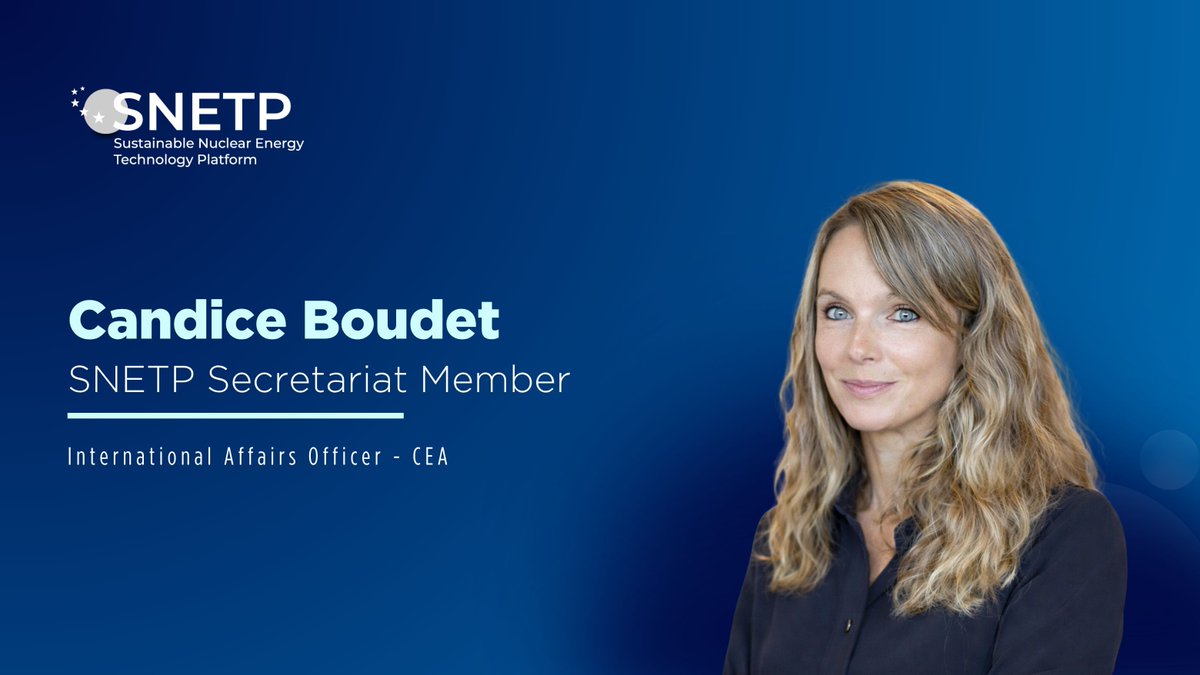
👥 Meet our Secretariat members!
Today, we are meeting Candice Boudet who represents @CEA_Officiel in the SNETP Secretariat and serves as Chief of Staff for the Generation IV International Forum (GIF).
Stay tuned for more spotlights coming soon!
#MeetThePeopleBehind
1
1
33
📩 Are you subscribed to the SNETP Newsletter?
From cutting-edge research to policy shifts and key events, the SNETP Newsletter keeps you connected to the heart of European nuclear innovation.
🔔 buff.ly/ZFtjeTJ
#NuclearEnergy #CleanEnergy
1
2
28

Apr 29
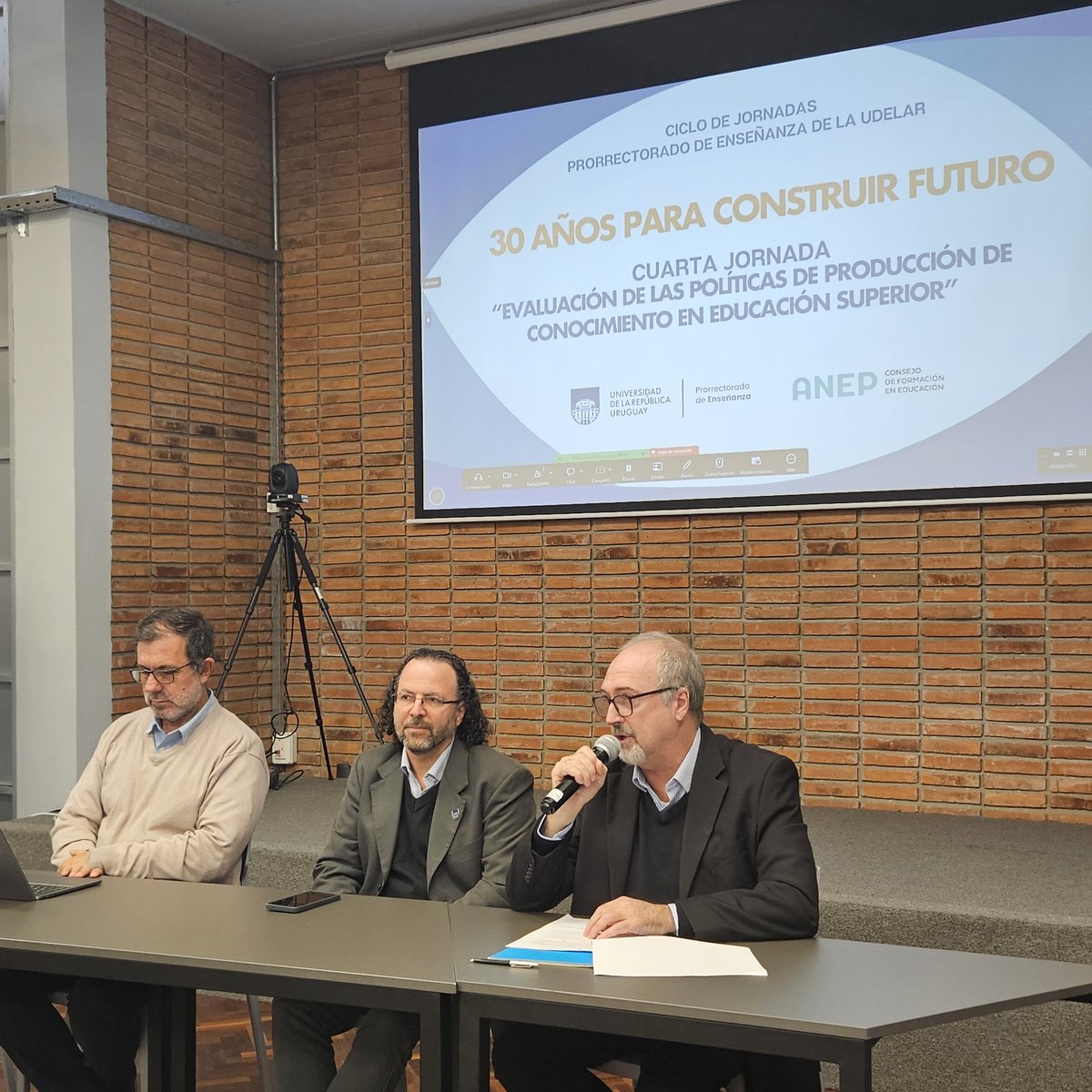
Jornada sobre la producción de conocimiento en Educación Superior reunió a autoridades y referentes del SNETP cfe.edu.uy/index.php/institu…
1
2
82

MI SNETP MALE

3
251
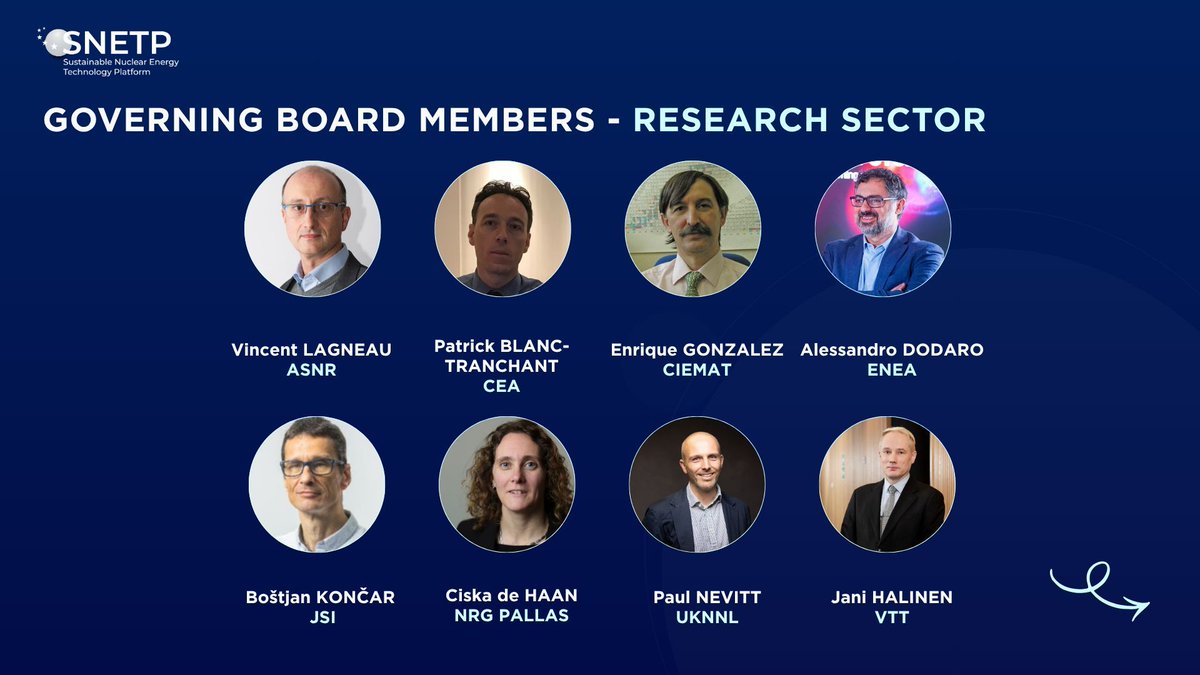
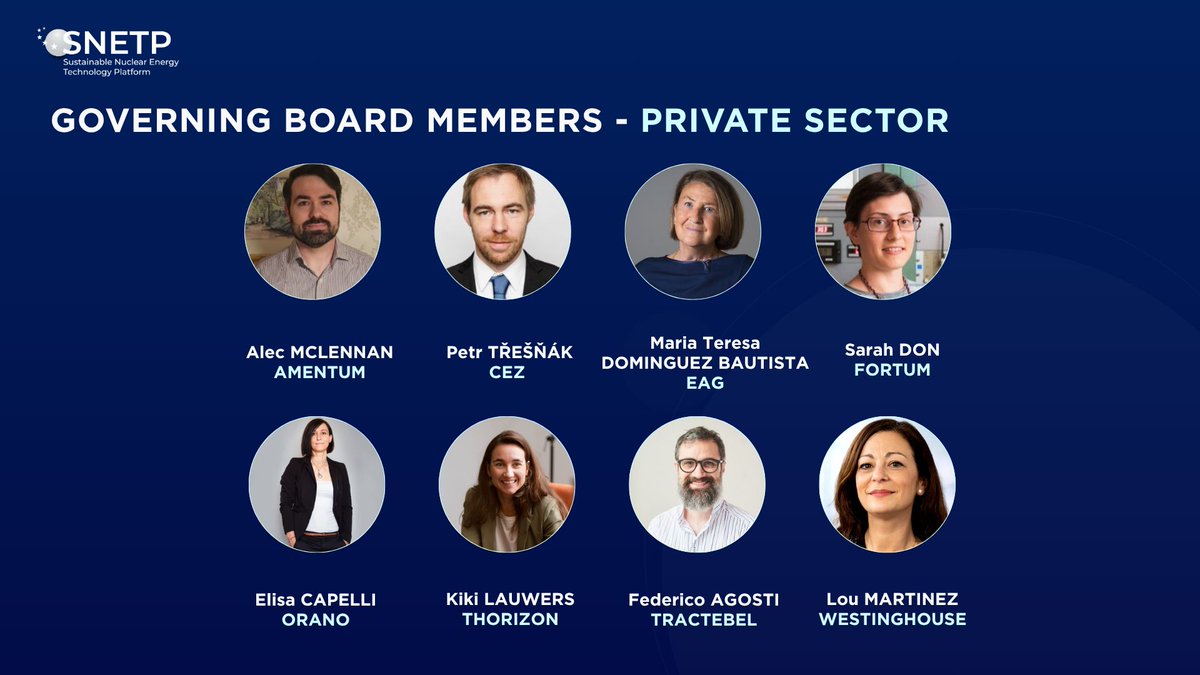
A new chapter for SNETP began last week in Madrid where our General Assembly elected a renewed Governing Board.
We are proud to introduce the 16 members who will help guide SNETP through the years ahead!
#NuclearIndustry #NuclearResearch
2
2
127
🌐 Looking for the next big step in #NuclearInnovation? April is packed with high-level events focused on the future of energy in Europe and beyond.
But first, a reminder that the SNETP Forum 2026 kicks off tomorrow in Madrid!
Mark your calendars! 👉 buff.ly/RSCXPkx
4
7
1,553
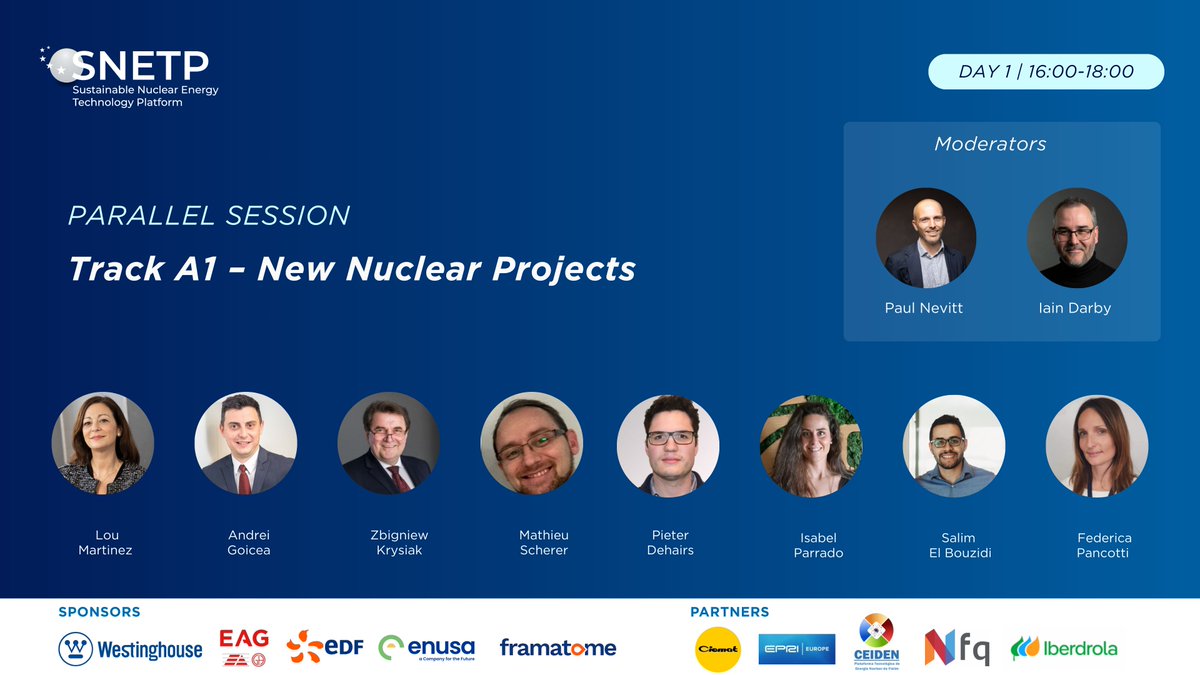
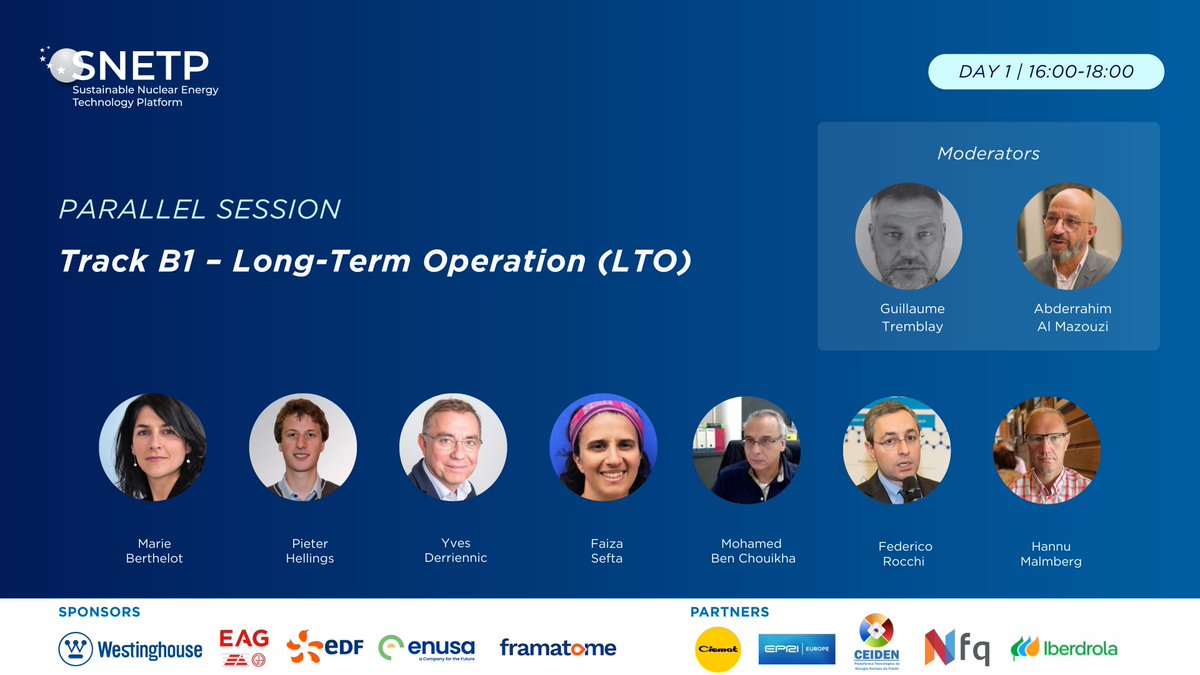
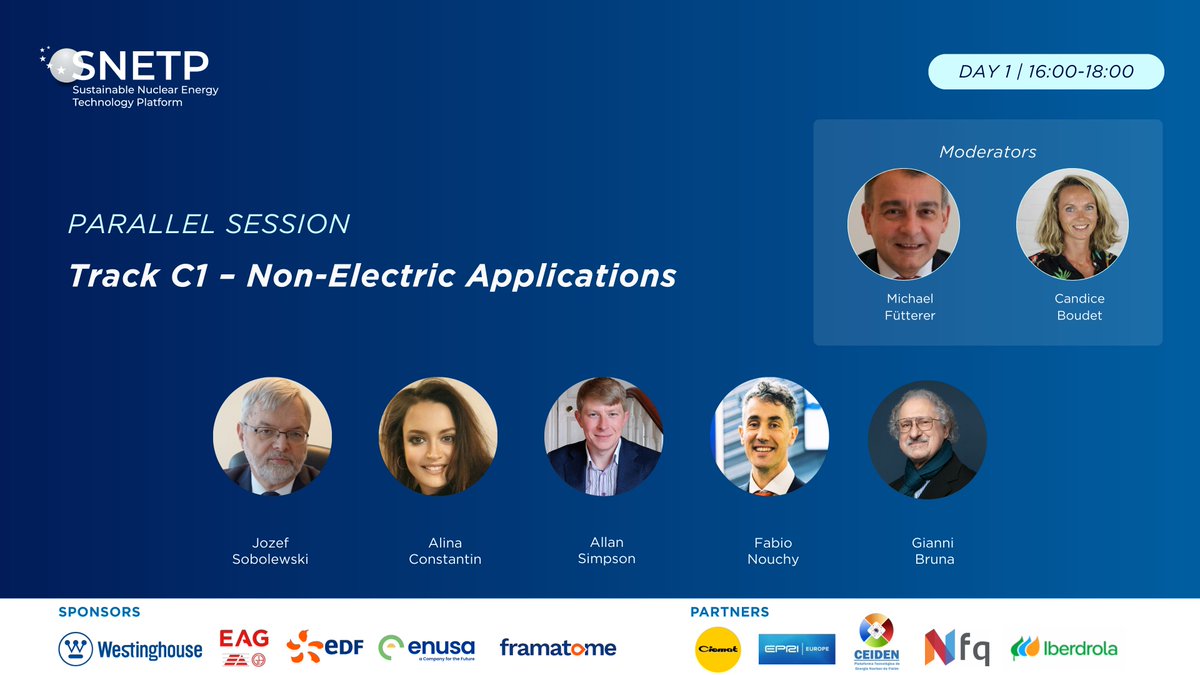
📰Dive into SNETP Forum 2026 – Day 1 Parallel Sessions on March 25!
3 parallel tracks, 3 big opportunities shaping Europe’s nuclear future.
🔹 New Nuclear Projects
🔹Long-Term Operation (LTO)
🔹 Non-Electric Applications
👉Check out the full programme: buff.ly/oZOQZgW
1
6
1,477
⚛️Spotlight on our Sponsor: @WECNuclear
We are proud to welcome Westinghouse as a key sponsor for the SNETP Forum 2026! Westinghouse, a global leader in nuclear technology, is at the forefront of the "Nuclear Renaissance".
🔗About Westinghouse: buff.ly/MH9F7LH
3
8
1,768
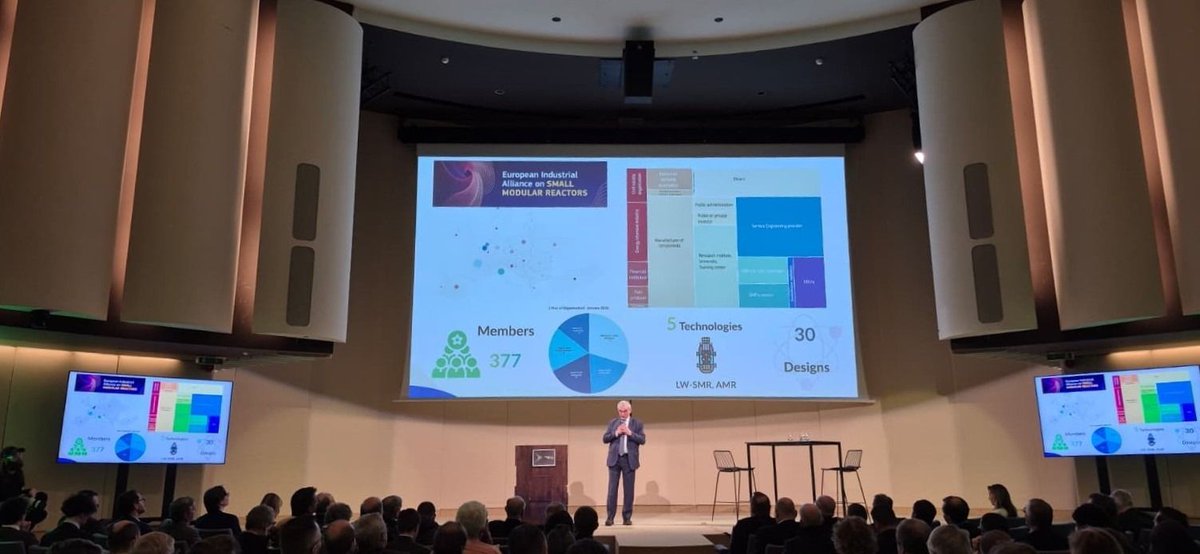
📢SNETP at the Heart of Europe’s Nuclear Innovation
Last week, at the high-level “Taking the Lead” event in Brussels, our President, Bernard Salha, delivered a powerful keynote: decarbonizing Europe’s industry requires the perfect synergy between large-scale reactors and SMRs.
1
4
1,310
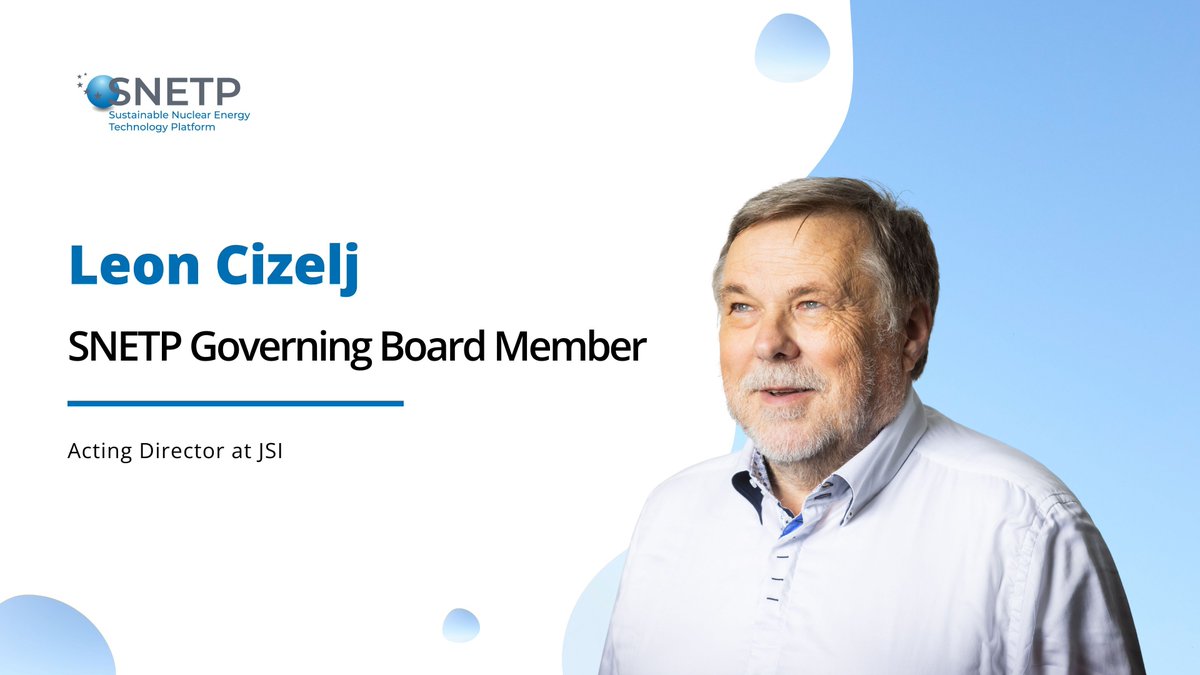
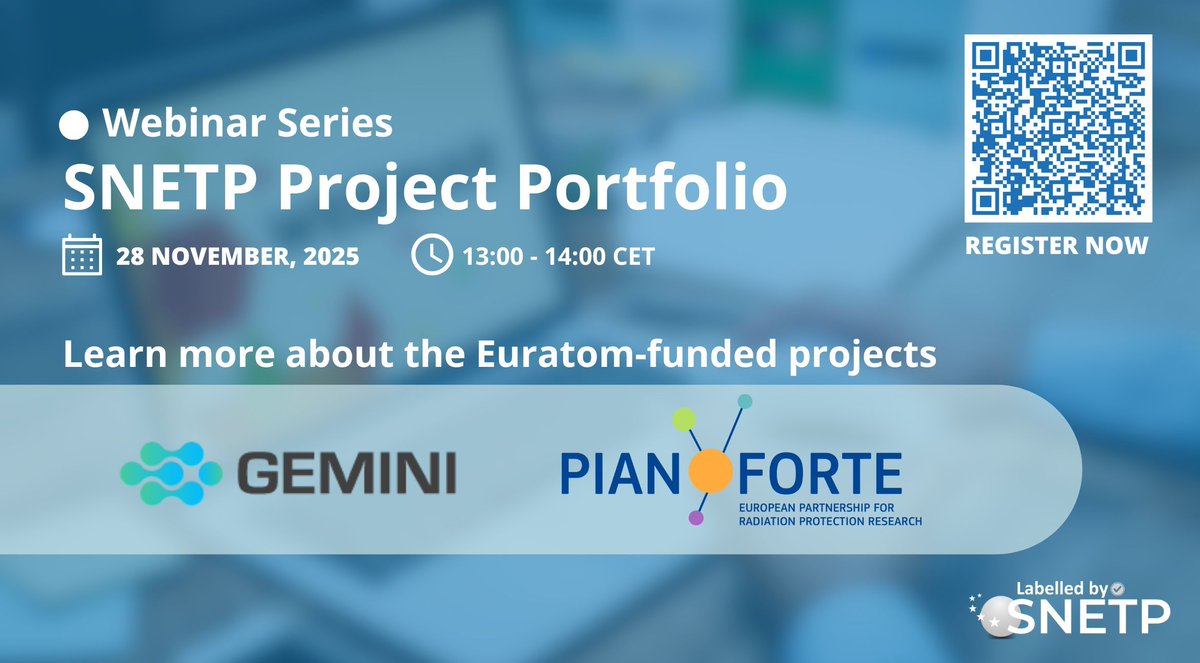
🔔 Don’t miss the 9th SNETP Portfolio Webinar on 28 Nov, 13:00–14:00 CET!
Featuring 2 key #Euratom projects:
🔹 GEMINI 4.0, driving zero-emission industry
🔹 PIANOFORTE_EU, advancing radiological protection
🌍 Join the discussion!
🔗 buff.ly/he0dSIu
1
2
72
📅 November is packed for #nuclear!
Don’t miss the SET Plan Conference, @Exhibition_WNE 2025 (Paris), @ENLIT_Europe (Bilbao), and the SNETP GEMINI 4.0 & PIANOFORTE webinar (28 Nov, online).
Stay updated on events & insights 👉 buff.ly/FsZGj0i
3
71
🌍 Catch SNETP at @Enlit_Europe 18–20 Nov!
🔋 Explore how our Euratom-funded projects like METIS, EASI-SMR, @ElPeacetolero & LLMS4EU drive nuclear innovation, AI, and cross-sector solutions for a resilient, climate-neutral Europe.
2
84

🌍⚡ In the latest EU Energy Projects Podcast, two of our General Secretariat members explain why nuclear is key for a reliable, low-carbon Europe, from perception to SMRs.
🎧 Listen: buff.ly/07zd7MF
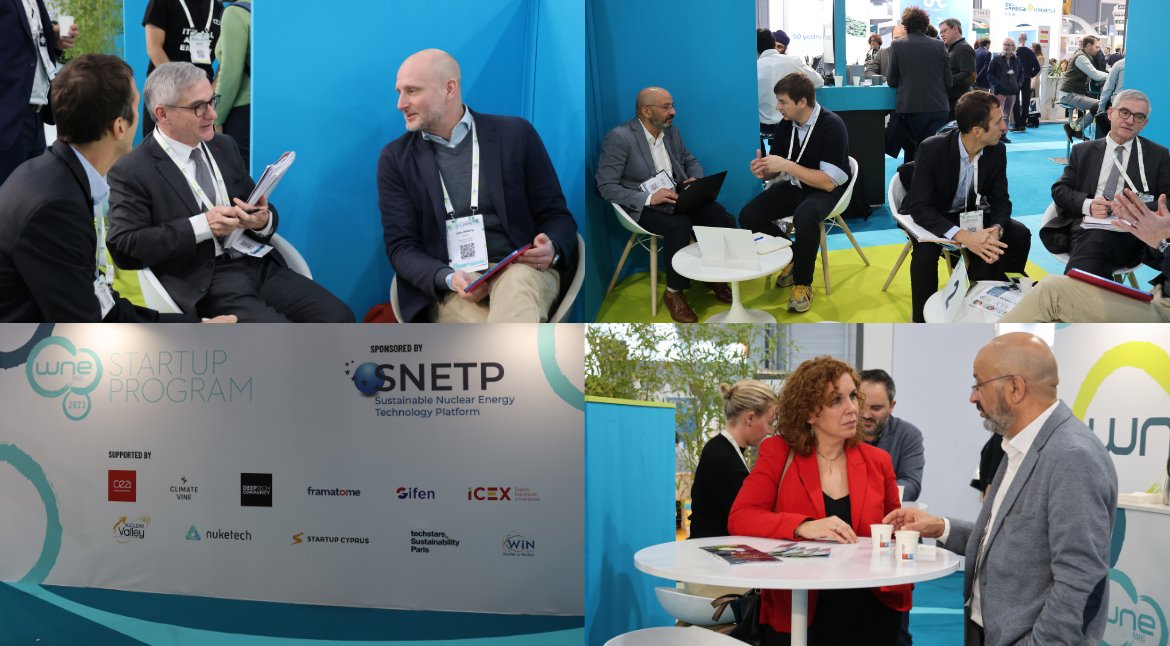
SNETP will be at @Enlit_Europe Nov 18-20 in the EU Projects Zone!
2
9
1,878

22 Sep 2025
📰PKEE Regulatory Monitoring 15–21 September 2025
📢 Check out the key developments in European energy and climate policy over the past week – we’ve gathered the most important updates for you! ⤵️
📝 PKEE’s position on administrative burdens in environmental legislation
PKEE calls for reducing administrative burdens that hinder energy investments. It advocates, among others, simplifying procedures for permitting and reporting, integrating data into a single portal, providing clearer guidance for enforcement authorities, and prioritising grid investments. It also highlights the need to remove overlapping obligations under the IED Directive and to recognise energy security as an overriding public interest in the Habitats Directive.
🎙️PKEE Energy Day 2025
On 14 October, at Concert Noble in Brussels, the PKEE Energy Day 2025 will take place. The event will assess the progress the Union has made since the publication of the Draghi Report, particularly in the areas of energy security, competitiveness, and clean energy. Discussions will focus on three key areas: security of supply, economic competitiveness, and accelerating the clean energy transition. The media partner of the event is Euractiv – registration is open events.euractiv.com/event/in….
🌱EU climate negotiations – postponed decisions and a temporary compromise
France and Germany, together with a large group of other EU countries, ultimately blocked the adoption of greenhouse gas reduction targets for 2035 and 2040 at the Environment Council on 18 September. The decision has been postponed to the October European Council summit. The Danish Presidency simultaneously proposed sending to the UN, instead of a full plan, a “letter of intent” containing a temporary reduction range for 2035 of 66.3% to 72.5% compared to 1990 levels. On 18 September, EU environment ministers adopted a joint declaration, committing to present a final target before the COP30 conference in Brazil. The EU will therefore miss the September deadline set by the UN under the Paris Agreement – at the New York climate summit it will present the letter of intent, signalling its direction of action. Final decisions will depend on the outcome of the October European Council, which is also expected to discuss the 2040 target.
📚 Mario Draghi’s Report – one year after publication
On 16 September, European Commission President Ursula von der Leyen opened the conference “One Year After the Draghi Report”. She stressed that the report has become a reference point for EU action, identifying three key areas: innovation, a joint decarbonisation and competitiveness plan, and reducing dependence on external supplies. The Commission President pointed to some successes – including an increase in the share of low-emission sources in the EU energy mix (over 70%) and investments in transmission grids and renewables. However, she also highlighted persistent high energy prices, barriers in the single market, and the risk of losing a competitive edge in key industrial sectors amid global competition. She announced the creation of a Competitiveness Fund, further regulatory simplification, and greater investment in clean technologies, critical raw materials, and defence. M. Draghi himself, assessing the EU’s progress last week in implementing his report’s recommendations, noted that while the Commission has prepared valuable proposals (e.g. under the Affordable Energy Action Plan), full implementation remains crucial. This was also confirmed by the Bruegel think tank in its latest analysis.
⛔️ 19th package of sanctions against Russia
The European Commission has proposed the 19th package of sanctions against Russia, introducing an embargo on Russian LNG imports (effective from 2027). Broader restrictions are also planned for the banking, cryptocurrency, and energy sectors – including companies from China and India that import Russian oil. The effectiveness of measures in these areas has so far been mixed, and experts stress that without US support, the new steps may also have limited impact. Adoption of the package requires unanimity among EU countries, and Slovakia and Hungary have already announced their opposition to any new sanctions on Russian products.
🇩🇪 Germany’s energy transition monitoring report
The corrective plan for German energy policy – presented on 15 September by Economy Minister Katherina Reiche – indicates that the country may not achieve its onshore and offshore wind targets by 2030, and that producing 10 GW of green hydrogen by then will be “barely achievable”. Among the 10 key recommendations in the document is adapting generation development to grid conditions to avoid power surpluses and excessive grid expansion. Subsidies for residential photovoltaic installations will be abolished; large installations will earn revenues via PPAs or CfDs instead of guaranteed tariffs, and will receive no subsidies during hours of negative prices. By 2027, Germany is to establish a technology-neutral capacity market – five models are currently under analysis, with the final design depending on the pace of coal plant phase-out and the size of the capacity gap.
⚛️ European Industrial Alliance for SMRs presents an action plan
On 15 September, the Alliance published a 5-year strategic plan to facilitate the deployment of small modular nuclear reactors (SMRs) in the EU in the early 2030s. The plan includes 10 actions, covering, among others, expanding the market for SMRs beyond electricity generation, unlocking financing, and simplifying regulatory frameworks. The Alliance, established in February 2024, brings together more than 350 SMR stakeholders, with its work coordinated by the European Commission, NuclearEurope, and the SNETP platform.
🫧Problems with enforcing hydrogen rules in the EU
A new report by the International Energy Agency (IEA) warns that the EU’s hydrogen ambitions are weakening due to the lack of implementation of REDIII provisions by Member States. Although the Union’s target is to produce and import 20 million tonnes of hydrogen by 2030, many projects have been delayed or cancelled. At the same time, only Denmark has fully implemented the necessary regulations, which has forced the European Commission to launch infringement procedures. The lack of a clear demand signal undermines investment and the credibility of the EU hydrogen sector.
⛽️ EMBER report: electrification progress and the fossil fuel sector outlook
According to a new Ember report, the development of electrification – described as the “electrotechnology revolution” – is improving efficiency, reducing costs, and gradually replacing imported fossil fuels, which could lead to a decline in global demand for them by 2030. At the same time, the IEA highlights growing difficulties in maintaining oil and gas production – nearly 90% of investment in the extraction sector is currently directed at compensating for production declines. Maintaining current levels would require significant new resources by 2050.
2
4
1,761

📰 Monitoring Regulacyjny PKEE 15-21.09.2025
📢 Sprawdź, co ważnego wydarzyło się w europejskiej energetyce i polityce klimatycznej w ostatnich dniach – zebraliśmy dla Ciebie najciekawsze tematy! ⤵️
📝 Stanowisko PKEE ws. obciążeń administracyjnych w prawodawstwie środowiskowym
PKEE apeluje o ograniczenie obciążeń administracyjnych utrudniających inwestycje energetyczne. Postuluje m.in. uproszczenie procedur i wydawania pozwoleń oraz raportowania, integrację danych w jednym portalu, jaśniejsze wytyczne dla organów egzekwujących przepisy oraz priorytetyzację inwestycji sieciowych. Wskazuje też na potrzebę usunięcia nakładających się obowiązków w Dyrektywie IED oraz uznania w Dyrektywie Siedliskowej bezpieczeństwa energetycznego za nadrzędny interes publiczny.
🎙️ PKEE Energy Day 2025
Już 14 października, w Concert Noble w Brukseli, odbędzie się PKEE Energy Day 2025. Wydarzenie ma na celu ocenę postępów, jakie Unia poczyniła od ogłoszenia Raportu Draghiego, zwłaszcza w obszarach bezpieczeństwa energetycznego, konkurencyjności i czystej energii. Dyskusje będą koncentrować się na 3 kluczowych obszarach: bezpieczeństwie dostaw, konkurencyjności gospodarki i przyspieszeniu transformacji w kierunku czystej energii. Partnerem medialnym wydarzenia jest Euractiv - rejestracja trwa events.euractiv.com/event/in….
🌱 Unijne negocjacje klimatyczne – przesunięte decyzje i tymczasowy kompromis
Francja i Niemcy, wraz z dużą grupą innych krajów UE, zablokowały ostatecznie przyjęcie 18 września, na Radzie ds. Środowiska, celów redukcji emisji gazów cieplarnianych na 2035 i 2040 r. Decyzja przesunięta została na szczyt Rady Europejskiej w październiku. Duńska Prezydencja zaproponowała jednocześnie przesłanie do ONZ, zamiast pełnego planu, „listu intencyjnego”, zawierającego tymczasowy zakres redukcji emisji na 2035 r. od 66,3 do 72,5% w stosunku do poziomów z 1990 r. 18 września unijni ministrowie ds. środowiska przyjęli wspólne oświadczenie, zobowiązując się przedstawić finalny cel przed konferencją COP30 w Brazylii. UE nie dotrzyma więc wrześniowego terminu, wyznaczonego przez ONZ w ramach Porozumienia Paryskiego – na szczycie klimatycznym w Nowym Jorku zaprezentuje list intencyjny, sygnalizujący kierunek działań. Ostateczne ustalenia będą zależały od wyników październikowej RE, która omawiać ma również cel na 2040 r.
📚 Raport Mario Draghi’ego – rok po publikacji
16 września przewodnicząca KE, Ursula von der Leyen, otworzyła konferencję nt. „One Year After the Draghi Report”. Podkreśliła, że raport ten stał się punktem odniesienia dla działań Unii, wyznaczając 3 kluczowe obszary: innowacje, wspólny plan dekarbonizacji i konkurencyjności oraz ograniczanie zależności od dostaw z zewnątrz. Szefowa KE wskazała na pewne sukcesy – m.in. wzrost udziału niskoemisyjnych źródeł w miksie energetycznym UE (ponad 70%) oraz inwestycje w sieci przesyłowe i OZE. Zwróciła jednak uwagę na utrzymujące się wysokie ceny energii, bariery na wspólnym rynku i ryzyko utraty – wobec konkurencji globalnej – przewagi w kluczowych sektorach przemysłu. Zapowiedziała m.in. powstanie Funduszu Konkurencyjności, dalsze uproszczenia regulacyjne oraz większe inwestycje w czyste technologie, surowce krytyczne i obronność. Sam M. Draghi, oceniając w minionym tygodniu postępy Unii w realizacji zaleceń jego raportu zaznaczył, że choć KE przygotowała wartościowe propozycje (np. w ramach Affordable Energy Action Plan), to kluczowe pozostaje ich pełne wdrożenie. To samo potwierdza think-tank Bruegel w swojej najnowszej analizie.
⛔️ 19. pakiet sankcji wobec Rosji
KE zaproponowała 19. pakiet sankcji wobec Rosji, wprowadzający embargo na import rosyjskiego LNG (od 2027 r.). Planowane są również szersze ograniczenia dotyczące sektora bankowego, kryptowalut i energetycznego – m.in. firm z Chin i Indii, które importują rosyjską ropę. Dotychczasowa skuteczność działań w tych obszarach była różna, a eksperci podkreślają, że bez wsparcia USA nowe środki także teraz mogą mieć ograniczony wpływ. Przyjęcie pakietu wymaga też jednomyślności państw UE, a Słowacja i Węgry już zapowiedziały sprzeciw wobec jakichkolwiek nowych sankcji na produkty z Rosji.
🇩🇪 Raport monitorujący transformację energetyczną Niemiec
Plan korekty niemieckiej polityki energetycznej – zaprezentowany 15 września przez Minister ds. Gospodarki, Katherinę Reiche – wskazuje, że kraj może nie osiągnąć celów dotyczących lądowej i morskiej energetyki wiatrowej do 2030 r., a produkcja 10 GW zielonego wodoru w tym terminie będzie „ledwie osiągalna”. Wśród 10 najważniejszych rekomendacjidokumentu, jest m.in. dostosowanie rozwoju źródeł wytwórczych do uwarunkowań sieciowych, co pozwoli unikać nadwyżek mocy i nadmiernej rozbudowy sieci. Zlikwidowane zostaną dopłaty do przydomowych instalacji fotowoltaicznych; duże instalacje będą zarabiać na PPA lub CfD zamiast na taryfach gwarantowanych, a w godzinach ujemnych cen – mają w ogóle nie otrzymywać subsydiów. Do 2027 r. Niemcy utworzyć mają neutralny technologicznie rynek mocy – analizowanych jest obecnie 5 jego modeli; ostateczny kształt zależeć będzie m.in. od tempa wycofywania elektrowni węglowych z systemu i rozmiaru luki mocowej.
⚛️Europejski Sojusz Przemysłowy ds. SMR przedstawia plan działania
15 września Sojusz opublikował 5-letni plan strategiczny, który ma ułatwić wdrożenie w UE na początku lat 30-tych małych modułowych reaktorów jądrowych. Plan zawiera 10 działań, dotyczących m.in. poszerzenia rynku dla SMR poza wytwarzanie energii elektrycznej, odblokowania finansowania oraz uproszczenia ram regulacyjnych. Sojusz, powołany w lutym 2024 r., skupia ponad 350 podmiotów sektora SMR, a jego prace koordynują Komisja Europejska, NuclearEurope i platforma SNETP.
🫧 Problem z egzekwowaniem zasad dotyczących wodoru w UE
Nowy raport Międzynarodowej Agencji Energetycznej (MAE) ostrzega, że unijne ambicje wodorowe słabną z powodu braku wdrażania przepisów dyrektywy REDIII przez państwa UE. Choć cel Unii to produkcja i import 20 mln ton wodoru do 2030 r., wiele projektów zostało opóźnionych lub anulowanych. Jednocześnie jedynie Dania w pełni wdrożyła niezbędne regulacje, co zmusiło KE do wszczęcia procedur naruszeniowych. Brak wyraźnego sygnału popytowego podważa inwestycje i wiarygodność unijnego sektora wodorowego.
⛽️ Raport EMBER: rozwój elektryfikacji i sytuacja w sektorze paliw kopalnych
Zgodnie z nowym raportem Ember, rozwój elektryfikacji – określany jako „rewolucja elektrotechnologii” – przyczynia się do zwiększenia efektywności, obniżenia kosztów oraz stopniowego zastępowania importowanych paliw kopalnych, co może doprowadzić do spadku globalnego popytu na nie do 2030 r. Równolegle MAE zwraca uwagę na narastające trudności w utrzymaniu produkcji ropy i gazu – niemal 90% inwestycji w sektorze wydobywczym przeznacza się obecnie na kompensację spadków produkcji. Jednocześnie utrzymanie obecnych poziomów wymagałoby znacznych nowych zasobów do 2050 r.

3
61
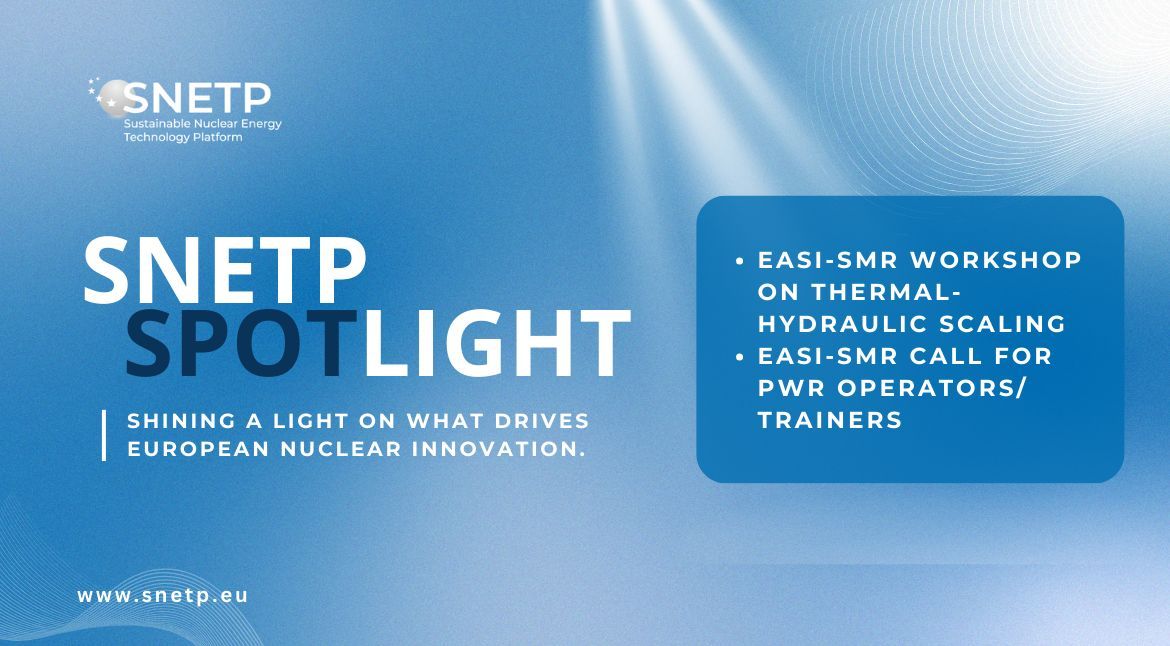
🌍 SNETP SPOTLIGHT on EASI-SMR!
Advancing SMR safety for Europe’s low-carbon future.
🔹 Workshop on Thermal-Hydraulic Scaling (Italy, Dec 2025 – grants available)
🔹 Call for PWR operators/trainers (Halden, 2026)
👉 Details: buff.ly/mvi0qAW
1
2
44
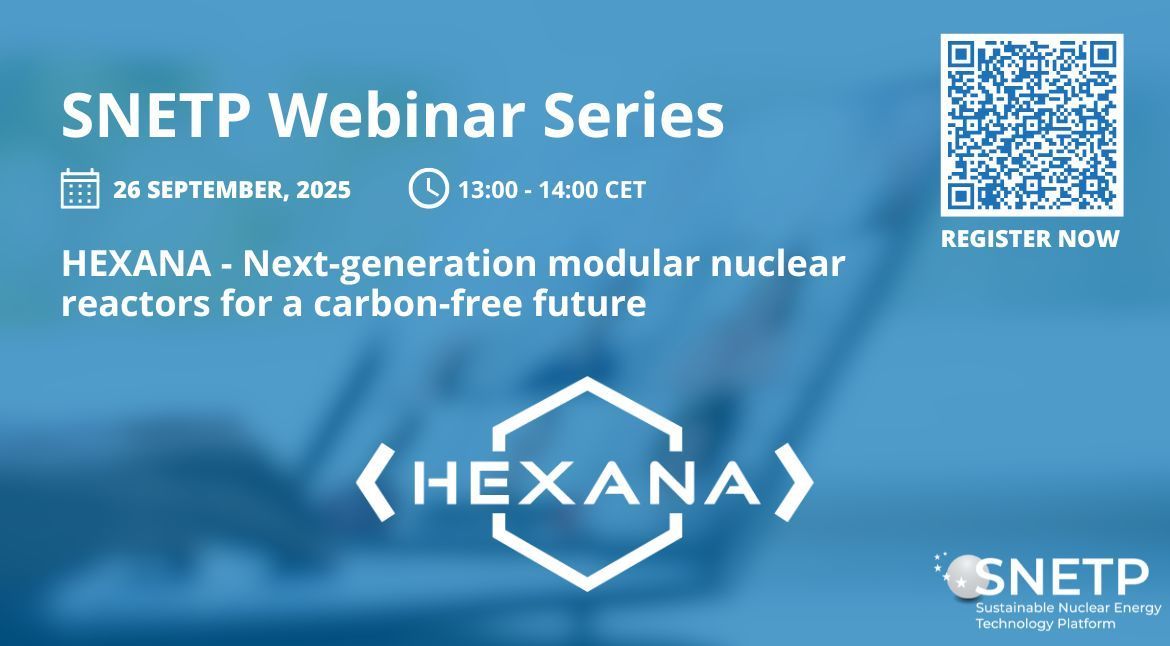
🚀 Don’t miss the next SNETP Webinar!
📅 Sept 26, 13:00 CEST
Discover how @Hexana_Fr is rethinking nuclear energy with Gen IV innovation to decarbonise industry:
✅ Sodium fast reactors
✅ Thermal storage
✅ New R&D & partnerships
📌 Register now: buff.ly/Pe3b6e0
4
2
483