
As someone whose family (Gist) owned a shooting estate on Dartmoor, I’ve seen the moor up close for decades.
We loved the landscape, the wildlife, and the traditional hill farming that goes with it. But I also saw firsthand how decades of heavy grazing pressure — particularly sheep in the wrong places and at the wrong times — turned diverse heathland into monocultures of purple moor-grass and stunted heather that support far less wildlife.
Natural England’s push for significant grazing reductions (in some cases around 75% in livestock units on CERTAIN commons under NEW Higher Level Stewardship agreements) is not an attack on farmers. It’s a science-led attempt to get our protected Sites of Special Scientific Interest (SSSIs) and Special Area of Conservation back into favourable condition.
The evidence from long-term monitoring is clear: Overgrazing prevents dwarf shrubs (heather, bilberry, etc.) from regenerating.
Winter sheep grazing hits young shoots hardest when other forage is scarce. The once-beautiful landscape has gone from a rich tapestry of plants to a monochrome grassland.
This has contributed to sharp declines in breeding waders and other moorland birds, the degradation of peat soils, and a reduction in overall biodiversity.
If we do not act, moorland birds like the Curlew and Lapwing, that once filled the landscape in spring with their calls, will become extinct.
We’ve already seen stocking rates fall substantially over the past 25 years under previous schemes, yet many SSSI units remain in unfavourable condition. Further targeted adjustments — lower densities, better seasonal timing, and a shift toward more cattle and ponies — are needed for genuine habitat recovery.
Ponies, in particular, can be excellent conservation grazers when managed appropriately to control Molinia.
This isn’t about removing people or livestock from the moor. It’s about finding a sustainable balance that keeps viable commoning businesses while restoring the internationally important habitats we’ve been trusted to look after. Farmers and commoners rightly expect proper support and fair transition payments during the change — and they should get it.
Dartmoor’s future depends on honest, evidence-based management, not slogans.
Healthy moorland benefits everyone: wildlife, carbon storage, water quality, and the cultural heritage we all value. Let’s work with the science, not against it.
In the countryside, fine country estates, farmers, shooters and conservationists are all working hard to restore nature.
#Dartmoor #Moorland #Conservation
7
As someone whose family owned a shooting estate on Dartmoor, I’ve seen the moor up close for decades.
We loved the landscape, the wildlife, and the traditional hill farming that goes with it. But I also saw first-hand how decades of heavy grazing pressure — particularly sheep in the wrong places and at the wrong times — turned diverse heathland into monocultures of purple moor-grass and shortened heather that supports far less wildlife.
Natural England’s push for significant grazing reductions (in some cases around 75% in livestock units on certain commons under NEW Higher Level Stewardship agreements) is not an attack on farmers. It’s a science-led attempt to get our protected Sites of Special Scientific Interest (SSSIs) and Special Area of Conservation back into favourable condition.
The evidence from long-term monitoring is clear: Overgrazing prevents dwarf shrubs (heather, bilberry, etc.) from regenerating.
Winter sheep grazing hits young shoots hardest when other forage is scarce.
This has contributed to sharp declines in breeding waders and other moorland birds, the degradation of peat soils, and reduced overall biodiversity.
If we do not act, iconic birds like the Curlew and Lapwing, that once filled the landscape in spring with their calls will become extinct.
The once-beautiful landscape has gone from a rich tapestry of plants to a monochrome grass.
We’ve already seen stocking rates fall substantially over 25 years through previous schemes, yet many SSSI units remain in unfavourable condition. Further targeted adjustments — lower densities, better seasonal timing, and a shift toward more cattle and ponies alongside sheep — are needed for genuine habitat recovery. Ponies in particular can be excellent conservation grazers when managed appropriately.
This isn’t about removing people or livestock from the moor. It’s about finding a sustainable balance that keeps viable commoning businesses while restoring the internationally important habitats we’ve been trusted to look after. Farmers and commoners rightly expect proper support and fair transition payments during the change — and they should get it.
Dartmoor’s future depends on honest, evidence-based management, not slogans.
Healthy moorland benefits everyone: wildlife, carbon storage, water quality, and the cultural heritage we all value. Let’s work with the science, not against it.#Dartmoor #Moorland #Conservation
52
As someone whose family owned a shooting estate on Dartmoor, I’ve seen the moor up close for decades.
We loved the landscape, the wildlife, and the traditional hill farming that goes with it. But I also saw first-hand how decades of heavy grazing pressure — particularly sheep in the wrong places and at the wrong times — turned diverse heathland into monocultures of purple moor-grass and shortened heather that supports far less wildlife.
Natural England’s push for significant grazing reductions (in some cases around 75% in livestock units on certain commons under NEW Higher Level Stewardship agreements) is not an attack on farmers. It’s a science-led attempt to get our protected Sites of Special Scientific Interest (SSSIs) and Special Area of Conservation back into favourable condition.
The evidence from long-term monitoring is clear: Overgrazing prevents dwarf shrubs (heather, bilberry, etc.) from regenerating.
Winter sheep grazing hits young shoots hardest when other forage is scarce.
This has contributed to sharp declines in breeding waders and other moorland birds, the degradation of peat soils, and reduced overall biodiversity.
If we do not act, iconic birds like the Curlew and Lapwing, that once filled the landscape in spring with their calls will become extinct.
The once-beautiful landscape has gone from a rich tapestry of plants to a monochrome grass.
We’ve already seen stocking rates fall substantially over 25 years through previous schemes, yet many SSSI units remain in unfavourable condition. Further targeted adjustments — lower densities, better seasonal timing, and a shift toward more cattle and ponies alongside sheep — are needed for genuine habitat recovery. Ponies in particular can be excellent conservation grazers when managed appropriately.
This isn’t about removing people or livestock from the moor. It’s about finding a sustainable balance that keeps viable commoning businesses while restoring the internationally important habitats we’ve been trusted to look after. Farmers and commoners rightly expect proper support and fair transition payments during the change — and they should get it.
Dartmoor’s future depends on honest, evidence-based management, not slogans.
Healthy moorland benefits everyone: wildlife, carbon storage, water quality, and the cultural heritage we all value. Let’s work with the science, not against it.#Dartmoor #Moorland #Conservation
4
2
13
561

Jun 13
@LukePollard you could also write to DEFRA to ask why @NaturalEngland have paused designating SSSIs and failing to protect sites like Middlewick Ranges that meets multiple SSSI criteria. @mod_dio are also failing to meet their statutory biodiversity duty
5
29
May 28
This may be “outstanding” habitat but it is not a Priority habitat supporting nationally important invertebrates, grassland fungi and Nightingales as well as Barbastelle and 9 other species of bats. You have a statutory duty to designate SSSIs and are avoiding this @SaveRanges
May 27

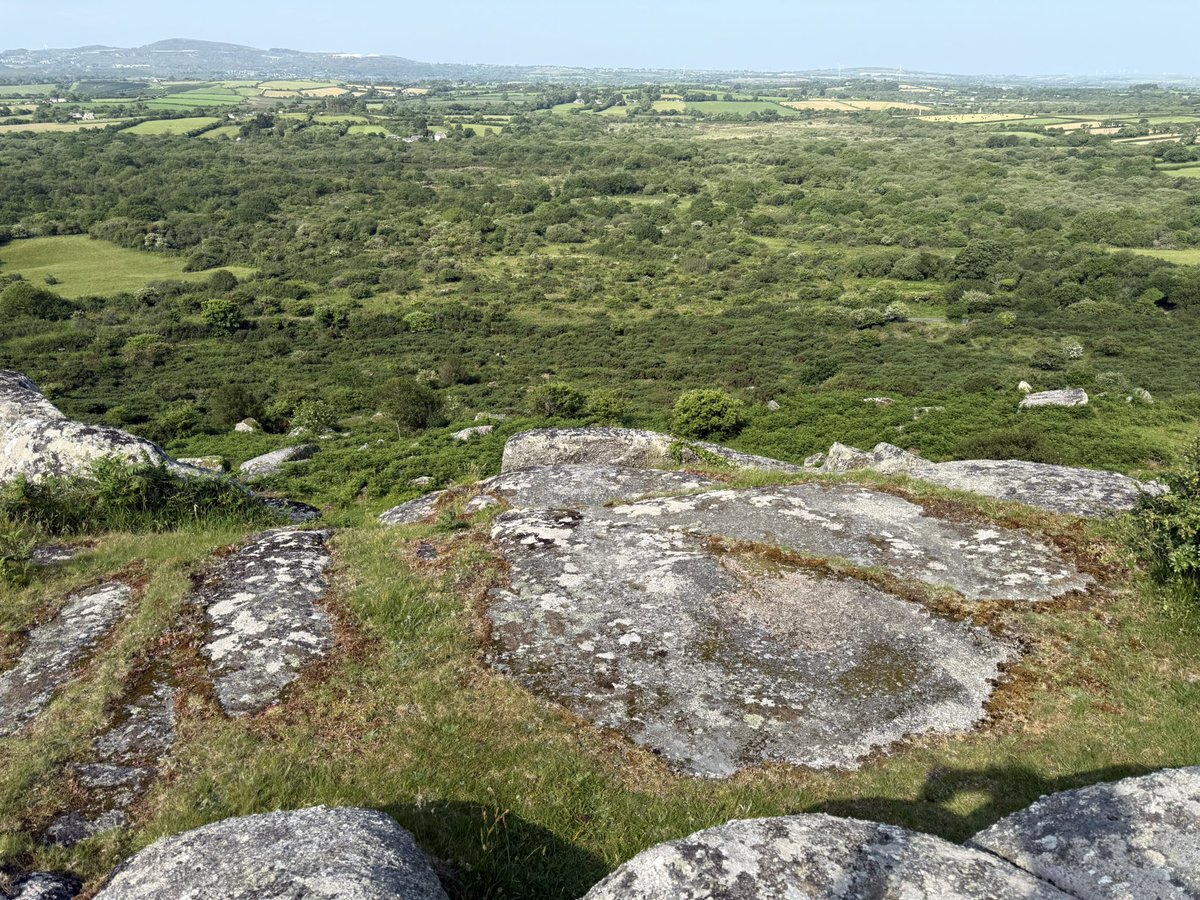
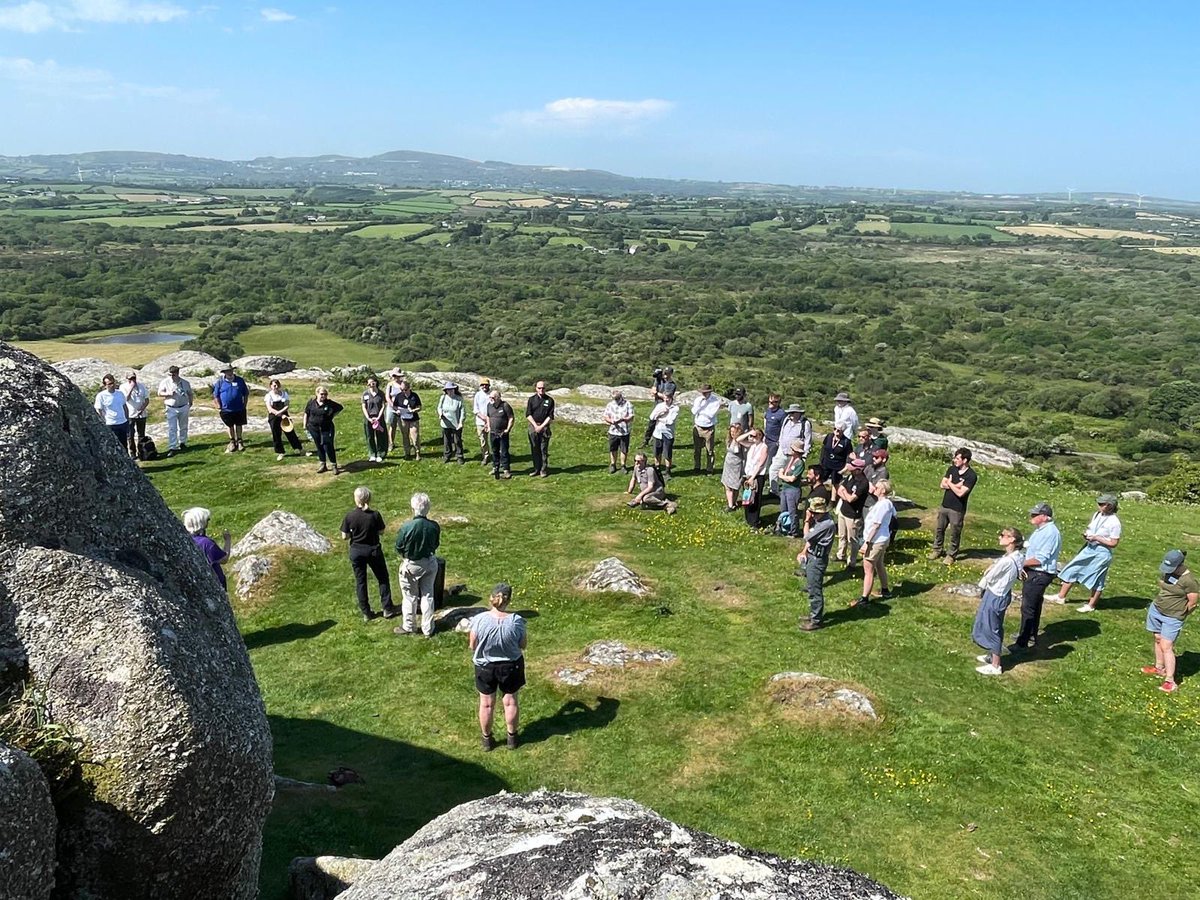
A new National Nature Reserve declared today - The Mid-Cornwall Moors NNR. Excellent to join the @NaturalEngland team to mark the moment & to meet the partner organisations who have made it possible. 1100 hectares of outstanding habitat included in number 14 of the King’s Series.

1
11
22
481

And SOUTH EAST Water's Broad Oak Reservoir (that might now get built 30 years after proposal) is due to be filled by pumping water 10 miles from SOUTHERN Water's endangered chalk streams (right next door to TWO SSSIs🙄)
@RussellB1ggs @RosieP4 @Feargal_Sharkey @SOSWhitstable
1
4
4
385

May 20
It’s the most heavily regulated landscape on earth, pretty much.
Lots of individuals landowners, SSSIs, historic sites etc etc.
It’s a patchwork quilt of legal ‘my home is my castle’ or equivalent. The entire countryside is a legal NIMBY.
Which has pros and (expensive) cons.
1
1
10
637

Ponies seem to attract a special kind of outrage - the point where the circles intersect on the Venn diagram of animal welfare/veganism and nationalism. It makes it very difficult to have an adult conversation on the value of pony grazing to our SSSIs.
1
2
17
May 13
yet @NaturalEngland say financial constraints prevent them designating SSSIs and protecting our most vulnerable habitats and threatened species. Will these need to become extinct in England before they qualify for funding?
1
5
13
208

May 10
I think they also did look at jiggling it a bit one way or the other. But of course any move creates other issues further up the line. This is just a crowded country (which France and Spain are not!), with ancient woods and churches and SSSIs. Not easy to route a railway through
1
2
35
May 7
Section 40 species and habitats are being lost because of Natural England’s failure to designate SSSIs. Middlewick Ranges and similar sites are under threat with potential losses of endangered species. The law is the law but @TonyJuniper is choosing which to apply.
6
11
261
May 7
While I support @NaturalEngland for implementing legislation to protect nature at Hinckley Point- this again raises the question of why they are ignoring their duty to notify SSSIs as laid out in Section 28 of the Wildlife and Countryside Act @TonyJuniper
May 6
I see that @lfg_uk are still seeking to deflect from the fact that we have environmental laws in place to protect endangered species. While those laws exist, it is our responsibility @NaturalEngland to help developers meet their obligations.
1
3
9
399

May 4
Under Labour, @NaturalEngland have stopped designating SSSIs. These are sites supporting Priority Habitats and protected species. Under Labour, Priority Habitats are no longer a priority and 'protected' species are no longer being protected.
2
3
9
152
May 4
@NaturalEngland have stopped designating SSSIs. These sites support our most 'special' sites with Priority Habitats and 'protected' species. Underfunding and cash for trash means Priority Habitats are no longer a priority and protected species are no longer being protected. 😡
2
18
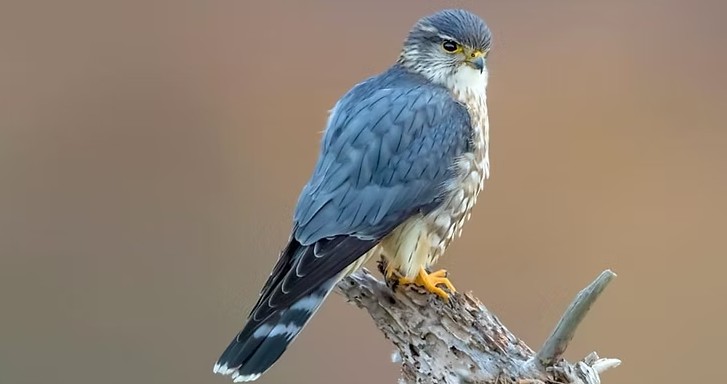
The Moorland Association has formally written to Natural England's Chief Executive over serious concerns about the UK Merlin Survey 2026.
🐦 We do not object in principle to properly conducted Merlin monitoring. Many members have undertaken it for years.
The concerns are about governance:
- Estates report surveyors on land where consent was never given - and in some cases never sought
- No systematic use of existing estate Merlin records
- Heather burning and grouse moor management are being recorded under the survey
- The role of the RSPB, Raptor Study Groups and BTO Schedule 1 permits remains unclear
📋 For hen harrier brood management on SSSIs, surveyors required Access Plans, written consent and licence documentation. The Merlin survey appears to operate to a lower standard.
The 2025 Corry Review called for regulation that is predictable, transparent and outcome-focused. Trust on the moor is built the same way.
Read more on our website.
2
21
318
May 3
Can we have a blog with a full explanation about why Natural England are no longer designating SSSIs and when you intend to re-open the Designation Pipeline? What are you doing about the planning granted on the A1 Ashfield site?
3
146
May 3
I 100% agree @TonyJuniper which is why I don’t accept that Natural England can decide to not meet their statutory duty yo designate SSSIs. Those laws, as you say, are there for a reason!
2
3
6
154
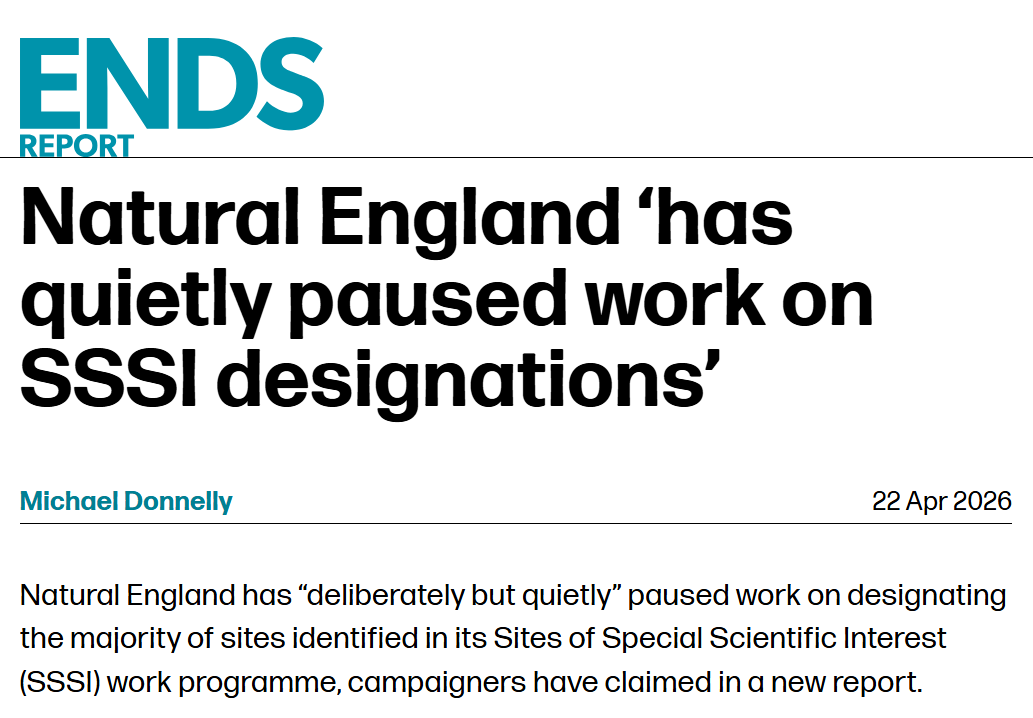
~ 1/2 of sites being considered as SSSIs have been waiting more than 7 years, and Ashfield A1’ has been lost to development while in the pipeline
Issues only came to light because NE accidentally shared confidential internal memos with campaigners
wildjustice.org.uk/unprotect… @XR_BSE
5
2
64

Apr 30
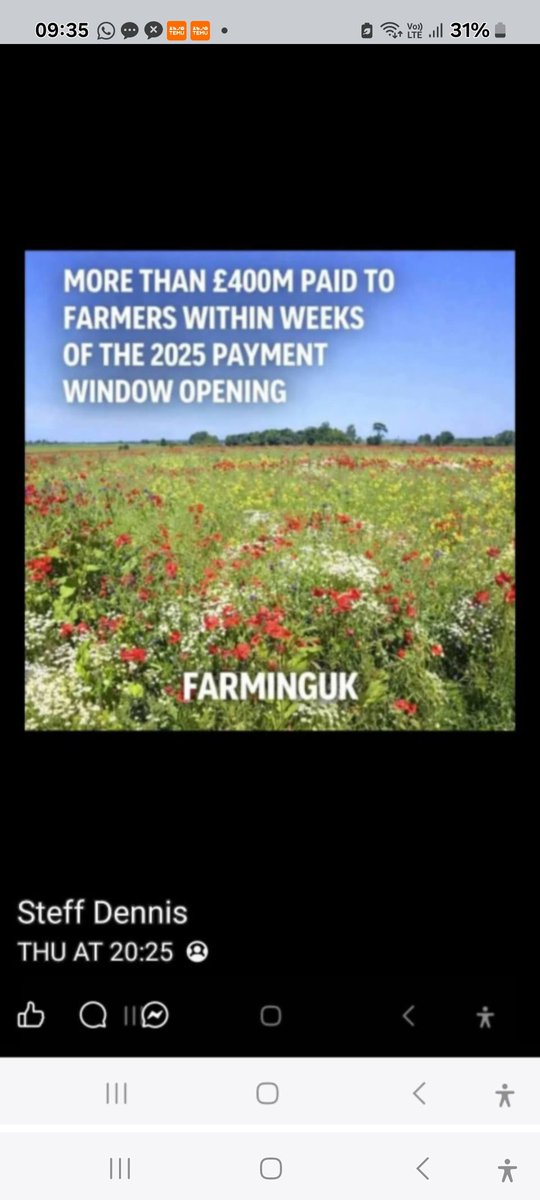
@_Government_UK injects nearly £350 million into farming in boost to Britain’s food security
Government injects £343 million of funding into the rural economy last week, benefiting more than 31,000 farmers
This includes payments worth £223 million to Countryside Stewardship revenue customers and £74 million to Environmental Stewardship customers, administered by the Rural Payments Agency (RPA).
The Government is providing over £5 billion to the farming budget – the largest ever increase investment in sustainable food production in our country’s history. To further support farmers Ministers have today announced new details on how farmers will benefit from improved and optimised farming schemes.
A new and improved Countryside Stewardship Higher Tier (CSHT) scheme will open in 2025, providing new quarterly payments designed to improve farmers’ cashflow and a rolling application window so customers can apply throughout the year.
It also includes new actions to improve flood resilience and species abundance and important funding to secure enhanced environmental benefits and deliver for nature recovery, including sensitive areas such as Sites of Special Scientific Interest (SSSIs).
Secretary of State for Environment, Food and Rural Affairs Steve Reed said:
Our commitment to farmers is steadfast.
That is why this Government is working hard to get money into farmers bank accounts as well as announcing today how farmers can benefit from the new Countryside Stewardship Higher Tier scheme, with more flexible actions, improved payments to help cashflow and a rolling application window.
It’s part of our £5 billion farming budget over two years - the largest ever directed at sustainable food production in our country’s history.
As we set out our Plan for Change, we are focused on supporting our farmers, supporting rural economics growth and boosting Britain’s food security.
Rural Payments Agency Chief Executive Paul Caldwell said:
Our farmers are the heartbeat of the nation’s rural economy, and RPA remains focused on supporting them by getting payments into bank accounts as quickly as possible.
I am very pleased that this December we have been able to inject more funding than ever from environmental schemes into the rural economy.
This comes at the same time as providing more certainty over the details in Higher Tier offer to enable farmers to see for themselves how it can benefit them.
CSHT will open through an initial controlled roll out to ensure everyone gets the necessary support. Initially, applications will be by invitation – on a rolling monthly basis.
We are also publishing an additional 14 Sustainable Farming Incentive (SFI) endorsed actions, further improving the offer. These will be available from summer 2025 to enable farmers and land managers to contribute further benefits to Grassland, Heritage, and Coastal sites, among others.
Further payments made in December include £39 million under SFI, as part of the quarterly payments system designed to improve farmers’ cashflow and a further £7.4 million has been paid to customers who have completed Capital Grants works.
As part of its New Deal for Farmers, the Government will set up a new British Infrastructure Council to steer private investment in rural areas including broadband rollout in our rural communities.
We are also developing a 25-year farming roadmap, focusing on how to make the sector more profitable in the decades to come.
Farmers and land managers are stewards of the environment, and we will continue to invest in them to make their businesses, food production and our country more sustainable and resilient through Environmental Land Management.
defrafarming.blog.gov.uk/202……
Find out about applying for Farming Investment Fund schemes
Updated11 December 2024
nfuonline.com/updates-and-in…
2
2
26