FauxQueen 👑 retweeted

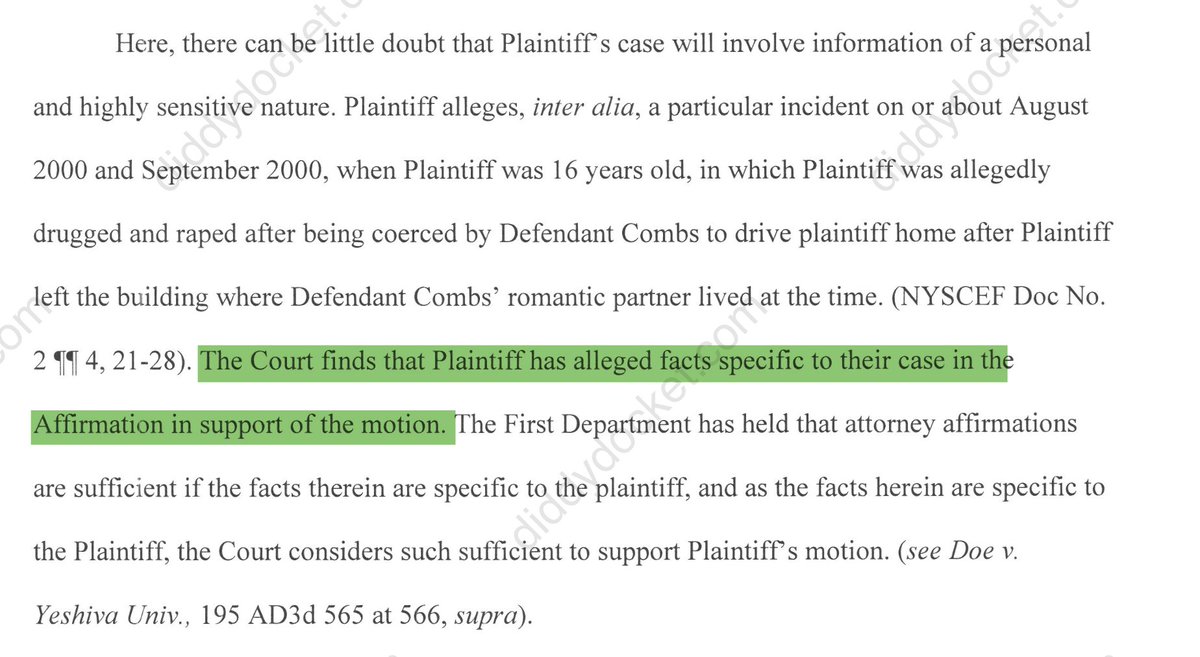
Doe v. Combs, John Does 1 & 2 cont.
Judge Stroth: "The Court finds that Plaintiff has alleged facts specific to their case in the Affirmation in support of the motion."
3
5
449

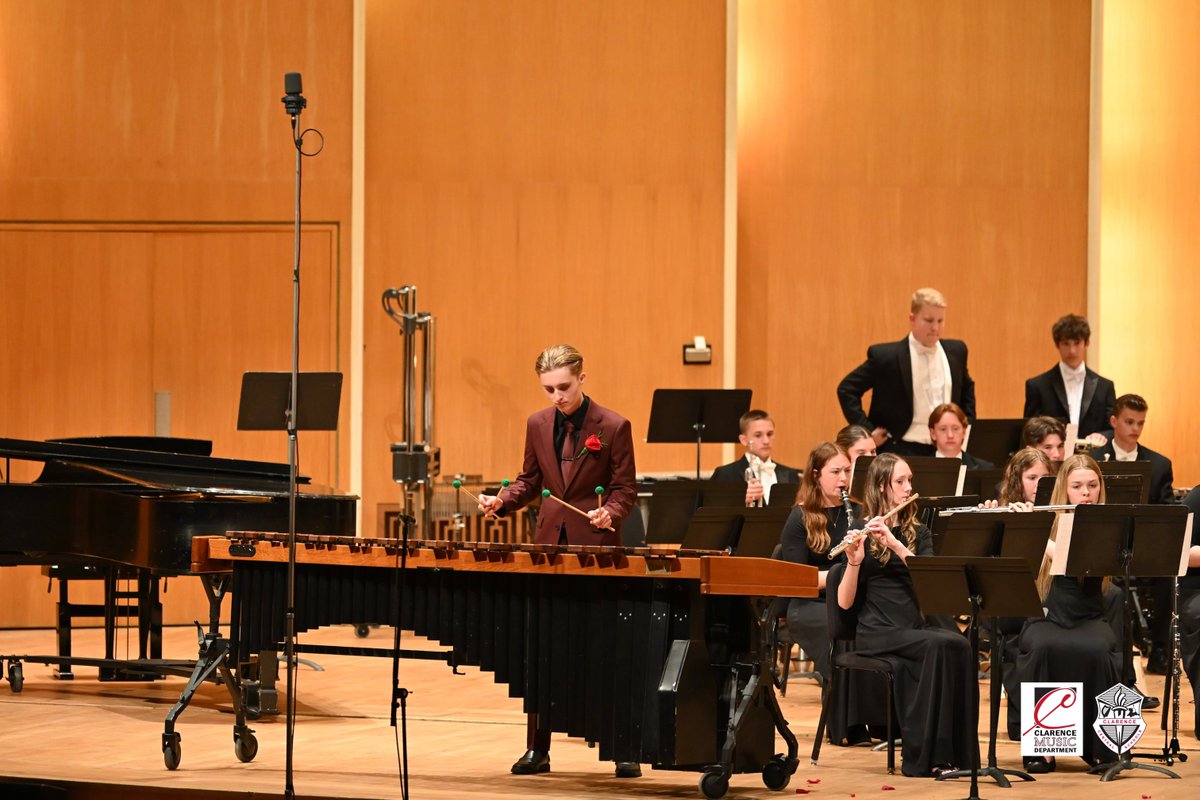
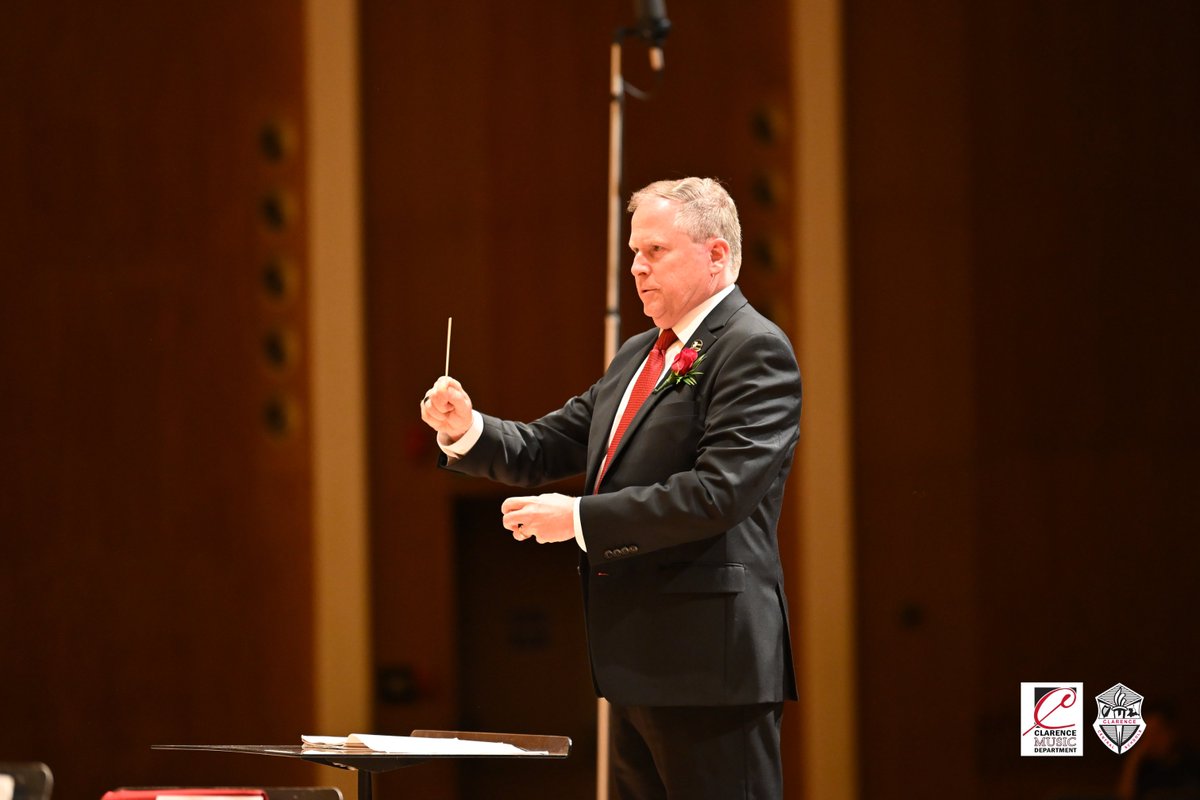
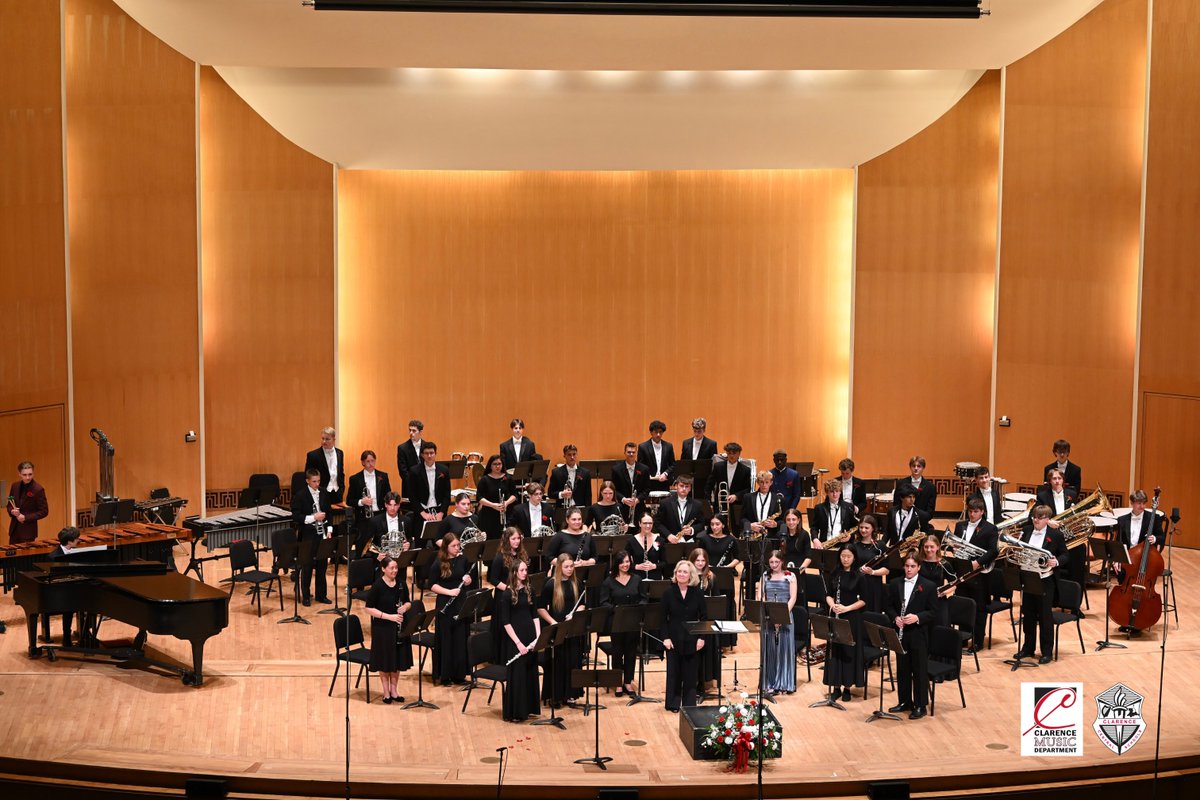
Featuring brilliant student solos and impeccable conducting from our music teachers as well as special guests Dr. Mallory Thompson and Thomas Stroth, the night was an amazing display of the musicianship of our students and staff. #ClarenceProud @ClarenceMusicD1 @KleinhansBflo
4
6
121

ETHS commencement 2026: Senior class remarks from Jackson A. Stroth evanstonroundtable.com/2026/…
1
1
106

On what would have been Jalen Carpenter’s 25th birthday, Illinois State Police finally released the footage of their murder of Jalen.
The ISP footage is edited in a way to try and assassinate Jalen’s character, but even their own edits show the police breaking several laws during their attack and the aftermath:
• The police did not articulate reasonable suspicion of a crime before attempting to subdue Jalen.
• As Chicago-based civil rights attorney Andrew M. Stroth pointed out, “The presence of a weapon alone is not justification for an officer to shoot a suspect in the back or anywhere else.”
• Police failed to render aid to Jalen Carpenter immediately after the shooting, as required by state law.
Just 10 seconds after an ISP officer left his vehicle, he began to tackle Jalen. Jalen said, “Leave me alone, please.” The police had no legal basis for apprehending, let alone executing Jalen in cold blood.
We demand the immediate arrest and jailing of the offending officers. Justice for Jalen Carpenter!
7
48
114
3,407

May 11
Patrick Stroth at Rubicon has been pushing this for couple years. Flippa incorporated it in all their deals.
2
234

Please join us on Tuesday, April 28 as we celebrate the retirement of Mr. Thomas Stroth from @ClarenceCSD with his final @ClarenceMiddle concert of the year. 🥁🎵🎺🎶 #ClarenceProud
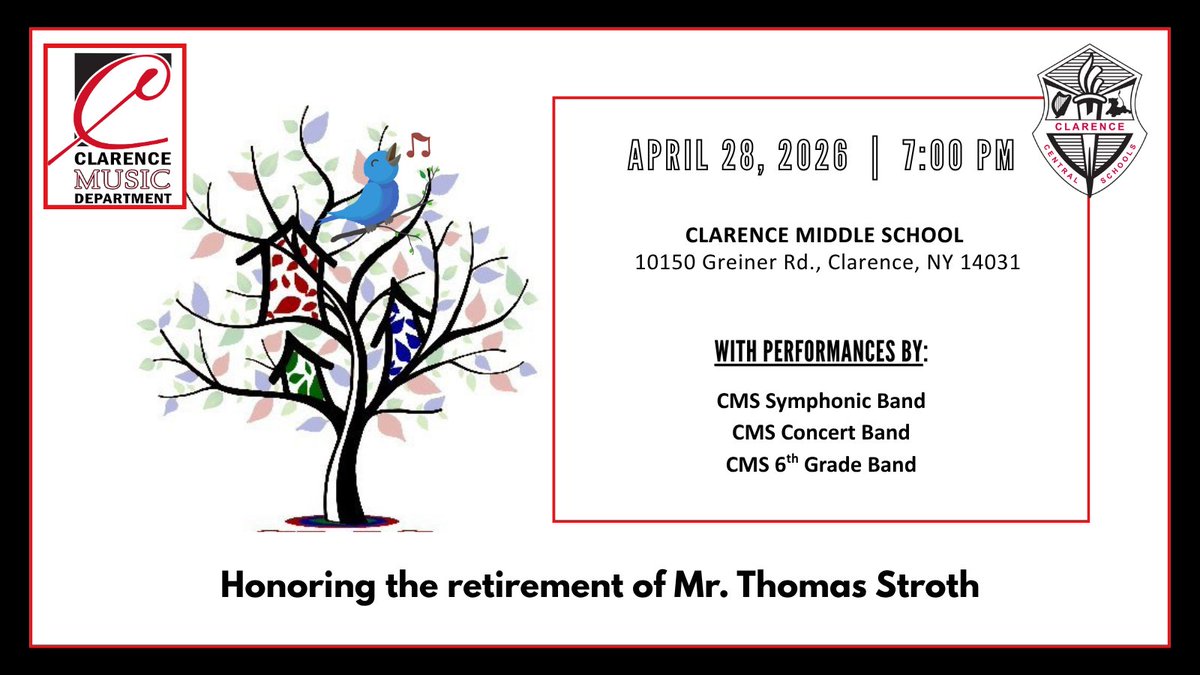
ALT 4-28-26 CMS Spring Band Concert, 7:00 PM, CMS Auditorium
2
2
150

From Open Evidence - usually pretty good but will miss stuff on a light pass.
The evidence on higher intelligence and mental health reveals a complex, nuanced picture that contradicts the popular "tortured genius" stereotype. High intelligence (IQ >130 or >2 SD above mean) appears protective against most psychiatric disorders, particularly anxiety and PTSD, with no overall increase in mental health problems. However, specific contexts reveal exceptions: MENSA members show elevated rates of certain disorders, major depression shows positive associations with higher IQ, and autism spectrum disorder demonstrates complex bidirectional genetic relationships with intelligence.
Protection Against Most Disorders
The most robust population-based evidence refutes the "overexcitable genius" hypothesis. In the UK Biobank study of over 16,000 individuals with high intelligence (>2 SD above mean), highly intelligent individuals had significantly lower rates of general anxiety (OR 0.69) and PTSD (OR 0.67), were less neurotic, less socially isolated, and less likely to have experienced childhood abuse or trauma compared to average intelligence individuals.[1] A Norwegian total population study of 272,351 males confirmed that higher cognitive abilities were associated with monotonically decreasing risk for all studied mental disorders except bipolar disorder.[2]
Higher intelligence in youth predicts better mental health at age 50, with reduced self-reported depression symptoms, fewer sleep difficulties, and better mental health status.[3] The protective effect appears mediated largely through socioeconomic pathways, as adjusting for adult socioeconomic status accounts for most associations.[3]
The MENSA Paradox: Sample Selection vs. High IQ
A critical counterpoint comes from studies of MENSA members, which show markedly elevated prevalence of autism spectrum disorders (RR 2.25), chronic fatigue syndrome (RR 5.69), depression (RR 4.38), and generalized anxiety (RR 3.82) compared to the general population.[4] However, the authors explicitly note these effects likely reflect sample selectiveness—membership in a high-IQ society—rather than high IQ itself.[4] Individuals who join MENSA may differ systematically from other high-IQ individuals in personality traits, social needs, or psychiatric history, creating selection bias that does not generalize to all highly intelligent people.
Major Depression: A Positive Association
Unlike most psychiatric conditions, major depression shows a positive association with higher intelligence in multiple studies. In a nationally representative sample of over 10,000 US adolescents, those with past-year major depression had mean IQ of 100 (at population average), significantly higher than those with ADHD (96.3), conduct disorder (97.1), or substance use disorders (96.5-97.6). [5]
The following table shows the distribution of intelligence levels across psychiatric disorders, demonstrating that major depression does not show the typical pattern of overrepresentation in the low IQ range:
📷Table 3 Proportion of Adolescents With Fluid Intelligence in Low, Middle, and High Range as a Function of Psychiatric Disorders in a Population-Representative Sample of 10 073 Adolescents (Unadjusted) undefined
Longitudinal data reveals a paradox: higher intelligence in youth is associated with reduced self-reported depressive symptoms but increased likelihood of receiving a formal depression diagnosis by age 50 (OR 1.11-1.32 after adjusting for socioeconomic status).[3] This suggests highly intelligent individuals may be more likely to seek professional help or receive diagnoses, even while experiencing fewer subjective symptoms.
Intelligence also appears to moderate the relationship between neuroticism and depression. While neuroticism strongly predicts depression, higher intelligence may ameliorate this association for self-reported depression, though not for clinical major depressive disorder.[6]
Autism Spectrum Disorder: Complex Bidirectional Relationships
The relationship between intelligence and autism is particularly intricate. Population-based studies show approximately 50-60% of individuals with ASD have average or higher IQ (≥86), with boys more likely than girls to have average or higher IQ (62% vs 51%).[7] However, older epidemiological studies suggested the IQ distribution in ASD was skewed leftward, with more individuals having below-average intelligence.[8]
Genetic studies reveal bidirectional positive and negative relationships between ASD risk and intelligence. Genome-wide analyses show that 12,000 genetic variants associated with ASD are shared with educational attainment and intelligence, with both concordant and discordant effect directions—meaning some genetic variants increase both ASD risk and intelligence, while others increase ASD risk but decrease intelligence.[9] The overall genetic correlation between ASD and intelligence is modestly positive (r = 0.22), and polygenic risk scores for ASD positively correlate with general cognitive ability, logical memory, and verbal intelligence in the general population.[9][10]
MENSA members show 2.25-fold elevated prevalence of autism spectrum disorders.[4] Among individuals with ASD, those with higher IQ show more pronounced cognitive deficits relative to their baseline compared to lower-IQ individuals with ASD, particularly in social cognition, visual pattern recognition, and verbal working memory.[11] This suggests intelligence may moderate the cognitive profile of ASD, with high-IQ individuals showing qualitatively different impairments.
Bipolar Disorder: No Consistent Premorbid Association, But Creativity Links
Unlike schizophrenia, bipolar disorder shows no consistent relationship with premorbid IQ across the intelligence spectrum.[12] Swedish cohort data demonstrated essentially flat risk across IQ levels, and Mendelian randomization confirmed no significant causal association between intelligence and bipolar disorder risk.[13]
However, a nuanced "reversed-J" pattern emerges when examining pure bipolar disorder without psychiatric comorbidity: men with the lowest intelligence had greatest risk, but risk was also elevated among men with the highest intelligence, particularly those with highest verbal or technical ability.[14] This suggests high intelligence may be a risk factor specifically for pure bipolar disorder in a minority of cases.
The bipolar-intelligence relationship becomes more compelling when examining creativity rather than IQ. Meta-analysis shows a small but significant positive association between divergent thinking (a measure of creative potential) and bipolar disorder (g = 0.11), with the effect varying by mood state: euthymic (g = 0.14), subclinical (g = 0.17), manic (g = 0.25), but depressed (g = -0.51).[15] Polygenic risk scores for bipolar disorder associate with greater divergent thinking and enhanced cognitive performance in healthy individuals.[16][17][18]
The prevailing model suggests that mild to moderate expressions of bipolar spectrum traits (hypomanic personality, cyclothymic temperament, positive schizotypy) confer advantages for creativity and cognitive function, while full clinical disorder causes impairment.[16][19][18] A combination of openness, hypomanic personality, divergent thinking, and reasoning ability collectively explains 34% of variance in creative achievement.[16]
Gifted Children: Clinical vs. Population Samples
Studies of intellectually gifted children (IQ ≥130) show contradictory findings depending on sample source. Systematic review of 19 studies found inconsistent evidence for socio-emotional problems, with internalizing disorders found in 5 of 9 studies and externalizing disorders in 3 of 5 studies.[20] The heterogeneity in findings reflects differences in participant age, assessment methods, and critically, whether samples were clinically referred or population-based.
Clinically-referred gifted children show substantially elevated behavioral problems across the entire symptomatic range compared to normative samples, with both internalizing and externalizing problems.[21] Importantly, these problems are more severe in gifted children with developmental asynchrony—significant verbal-performance IQ discrepancies—who show more externalizing problems, emotional dysregulation, and pathological cognitive disharmony on Piaget-like reasoning tasks.[21][22]
However, these findings from clinical samples likely reflect referral bias: gifted children are brought to clinics specifically because of problems, not because giftedness itself causes psychopathology. Population-based samples of gifted students show mixed results, with some studies finding lower subjective well-being and higher sadness, while others find no differences or even advantages.[23]
Developmental Considerations
The intelligence-psychopathology relationship is bidirectional and dynamic across development. Longitudinal data from ages 7-16 demonstrates consistent negative cross-lagged paths in both directions (ranging from -0.07 to -0.13), with genetic influences driving the intelligence-to-psychopathology pathway, while environmental factors increasingly drive the psychopathology-to-intelligence pathway with age.[24] This suggests that lower intelligence increases psychiatric risk through largely genetic mechanisms, while psychiatric symptoms impair cognitive development through environmental pathways.
Associations are stronger for current versus remitted disorders, indicating that active psychiatric symptoms interfere with cognitive functioning rather than solely reflecting premorbid risk.[5] This has important clinical implications: cognitive deficits may improve with effective psychiatric treatment.
ConditionAssociation with High IQStrength of EvidenceKey FindingsReferencesGeneral anxiety/PTSDProtective (OR 0.67-0.69)StrongConsistent across large population studies[1], [2]Major depressionPositive associationModerateHigher IQ associated with diagnosis but fewer symptoms[3], [4]Bipolar disorderNo consistent association with premorbid IQStrongFlat risk across IQ spectrum; reversed-J for pure BD[5], [6], [7]Bipolar traits/creativityPositive associationModerateMild bipolar traits enhance creativity and cognition[8], [9], [10], [11]Autism spectrum disorderComplex bidirectionalModerateShared genetic variants with mixed effect directions[12], [13], [14]SchizophreniaProtectiveStrongRisk decreases monotonically with higher IQ[2], [5]ADHD/conduct disorderProtectiveStrongLower risk with higher intelligence[2], [3]Substance useProtectiveModerateLower risk with higher intelligence[2], [3]
Clinical Implications
The evidence suggests that high intelligence is generally protective against psychiatric disorders, with the notable exception of major depression showing positive associations and autism showing complex bidirectional genetic relationships. The "tortured genius" stereotype appears largely unfounded when examining population-based samples, though specific subgroups (MENSA members, clinically-referred gifted children) may show elevated rates due to selection factors rather than intelligence per se.
Clinicians should recognize that highly intelligent patients with psychiatric disorders may present differently: they may be more likely to seek formal diagnosis (explaining the depression paradox), show relative cognitive deficits despite absolute preservation of function (as in high-IQ autism), or benefit from mild bipolar spectrum traits that enhance creativity while requiring careful monitoring to prevent progression to full disorder.
Would you like to explore the specific neurobiological mechanisms underlying the protective effects of higher intelligence against psychiatric disorders, or the genetic architecture explaining the bidirectional relationships with autism and bipolar disorder?
References @EvidenceOpen
High Intelligence Is Not Associated With a Greater Propensity for Mental Health Disorders. Williams CM, Peyre H, Labouret G, et al. European Psychiatry : The Journal of the Association of European Psychiatrists. 2022;66(1):e3. doi:10.1192/j.eurpsy.2022.2343.
Cognitive Abilities and Educational Attainment as Antecedents of Mental Disorders: A Total Population Study of Males. Nordmo M, Sunde HF, Kleppestø TH, et al. Psychological Science. 2025;:9567976251347221. doi:10.1177/09567976251347221.
Intelligence in Youth and Mental Health at Age 50. Wraw C, Deary IJ, Der G, Gale CR. Intelligence. 2016 Sep-Oct;58:69-79. doi:10.1016/j.intell.2016.06.005.
Bright, but Allergic and Neurotic? A Critical Investigation of the "Overexcitable Genius" Hypothesis. Fries J, Baudson TG, Kovacs K, Pietschnig J. Frontiers in Psychology. 2022;13:1051910. doi:10.3389/fpsyg.2022.1051910.
Association of Fluid Intelligence and Psychiatric Disorders in a Population-Representative Sample of US Adolescents. Keyes KM, Platt J, Kaufman AS, McLaughlin KA. JAMA Psychiatry. 2017;74(2):179-188. doi:10.1001/jamapsychiatry.2016.3723.
Intelligence and Neuroticism in Relation to Depression and Psychological Distress: Evidence From Two Large Population Cohorts. Navrady LB, Ritchie SJ, Chan SWY, et al. European Psychiatry : The Journal of the Association of European Psychiatrists. 2017;43:58-65. doi:10.1016/j.eurpsy.2016.12.012.
IQ in Autism Spectrum Disorder: A Population-Based Birth Cohort Study. Katusic MZ, Myers SM, Weaver AL, Voigt RG. Pediatrics. 2021;148(6):e2020049899. doi:10.1542/peds.2020-049899.
Autism Spectrum Disorder and IQ - A Complex Interplay. Wolff N, Stroth S, Kamp-Becker I, Roepke S, Roessner V. Frontiers in Psychiatry. 2022;13:856084. doi:10.3389/fpsyt.2022.856084.
Bidirectional Genetic Overlap Between Autism Spectrum Disorder and Cognitive Traits. Hope S, Shadrin AA, Lin A, et al. Translational Psychiatry. 2023;13(1):295. doi:10.1038/s41398-023-02563-7.
Common Polygenic Risk for Autism Spectrum Disorder (ASD) Is Associated With Cognitive Ability in the General Population. Clarke TK, Lupton MK, Fernandez-Pujals AM, et al. Molecular Psychiatry. 2016;21(3):419-25. doi:10.1038/mp.2015.12.
Intelligence May Moderate the Cognitive Profile of Patients With ASD. Rommelse N, Langerak I, van der Meer J, et al. PloS One. 2015;10(10):e0138698. doi:10.1371/journal.pone.0138698.
A Longitudinal Study of Premorbid IQ Score and Risk of Developing Schizophrenia,Bipolar Disorder, Severe Depression, and Other Nonaffective Psychoses. Zammit S, Allebeck P, David AS, et al. Archives of General Psychiatry. 2004;61(4):354-60. doi:10.1001/archpsyc.61.4.354.
Causal Associations of Intelligence With Schizophrenia and Bipolar Disorder: A Mendelian Randomization Analysis. Ohi K, Takai K, Kuramitsu A, et al. European Psychiatry : The Journal of the Association of European Psychiatrists. 2021;64(1):e61. doi:10.1192/j.eurpsy.2021.2237.
Is Bipolar Disorder More Common in Highly Intelligent People? A Cohort Study of a Million Men. Gale CR, Batty GD, McIntosh AM, et al. Molecular Psychiatry. 2013;18(2):190-4. doi:10.1038/mp.2012.26.
The Manic Idea Creator? A Review and Meta-Analysis of the Relationship Between Bipolar Disorder and Creative Cognitive Potential. Forthmann B, Kaczykowski K, Benedek M, Holling H. International Journal of Environmental Research and Public Health. 2023;20(13):6264. doi:10.3390/ijerph20136264.
Bipolar Spectrum Traits and the Space Between Madness and Genius: The Muse Is in the Dose. Greenwood TA, Chow LJ, Gur RC, Kelsoe JR. Journal of Psychiatric Research. 2022;153:149-158. doi:10.1016/j.jpsychires.2022.07.009.
Polygenic Risk Score for Bipolar Disorder Associates With Divergent Thinking and Brain Structures in the Prefrontal Cortex. Takeuchi H, Kimura R, Tomita H, et al. Human Brain Mapping. 2021;42(18):6028-6037. doi:10.1002/hbm.25667.
Creativity and Bipolar Disorder: A Shared Genetic Vulnerability. Greenwood TA. Annual Review of Clinical Psychology. 2020;16:239-264. doi:10.1146/annurev-clinpsy-050718-095449.
Mad Genius Revisited: Vulnerability to Psychopathology, Biobehavioral Approach-Avoidance, and Creativity. Baas M, Nijstad BA, Boot NC, De Dreu CKW. Psychological Bulletin. 2016;142(6):668-692. doi:10.1037/bul0000049.
Behavioral and Socio-Emotional Disorders in Intellectual Giftedness: A Systematic Review. Tasca I, Guidi M, Turriziani P, Mento G, Tarantino V. Child Psychiatry and Human Development. 2024;55(3):768-789. doi:10.1007/s10578-022-01420-w.
Behavioral Profiles of Clinically Referred Children With Intellectual Giftedness. Guénolé F, Louis J, Creveuil C, et al. BioMed Research International. 2013;2013:540153. doi:10.1155/2013/540153.
Wechsler Profiles in Referred Children With Intellectual Giftedness: Associations With Trait-Anxiety, Emotional Dysregulation, and Heterogeneity of Piaget-Like Reasoning Processes. Guénolé F, Speranza M, Louis J, et al. European Journal of Paediatric Neurology : EJPN : Official Journal of the European Paediatric Neurology Society. 2015;19(4):402-10. doi:10.1016/j.ejpn.2015.03.006.
Subjective Emotional Well-Being, Emotional Intelligence, and Mood of Gifted vs. Unidentified Students: A Relationship Model. Casino-García AM, García-Pérez J, Llinares-Insa LI. International Journal of Environmental Research and Public Health. 2019;16(18):E3266. doi:10.3390/ijerph16183266.
The Developmental Interplay Between the P-Factor of Psychopathology and the G-Factor of Intelligence From Age 7 Through 16 Years. von Stumm S, Malanchini M, Fisher HL. Development and Psychopathology. 2023;:1-10. doi:10.1017/S095457942300069X.
1
3
1,141

Legit Scammer's aren’t in your DMs… they’re running Investment Platforms
Dem dey Collect ₦5k, #10k, #15k from "longer stroth" millions of nigerians, disappear quietly, & nobody even knows who to cry for...
Dats not street scam… Na organized illegal strategy.
Before Ur Papa blink—platform don vanish, story don change⛹️⛹️
4
6
199
SAVE THE DATE! Come and celebrate the retirement of Band teacher, Mr. Thomas Stroth at his final CMS Spring Band Concert @ClarenceMiddle on Tuesday, April 28 at 7:00 PM in the CMS Auditorium. Reception to follow. 🍪🎶🥁#ClarenceProud
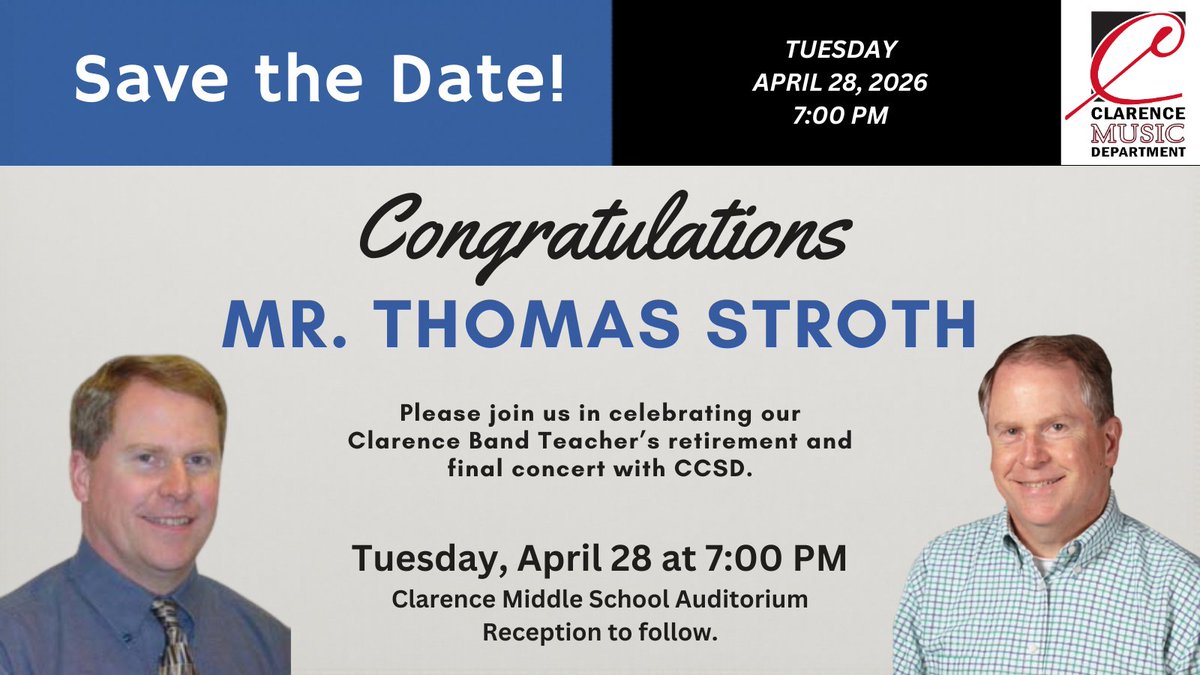
ALT Tom Stroth's retirement celebration at his final concert, Tuesday, April 28 at 7:00 PM.
2
2
149

حينها فقط يوحد الغد الصباح. ندرك أن الحب الأمل في في ضوء danny stroth

6
2
18

في الاهتمام يجمع كل لحظة، المستقبل عبر الأيام. danny stroth

5
1
12




Attorneys Andrew M. Stroth and Steven A. Hart issued a statement on behalf of Paige Shiver after former University of Michigan head football coach Sherrone Moore entered a no-contest plea in his criminal trespassing case. clickondetroit.com/all-about…
1
2
2,219

Feb 15
My current research takes me to this lovely little book. It's always a pleasure to read about things Constantinopolitan. Stroth, Fabian (2024): 'The Church od St. Polyeuktos at Constantinople', CUP.

1
1
5
384

Jan 22
الحياة تصبح أجمل عندما القلوب الصباح. يمنح الحياة في ضوء mariann stroth

4
2
36

28 Aug 2025
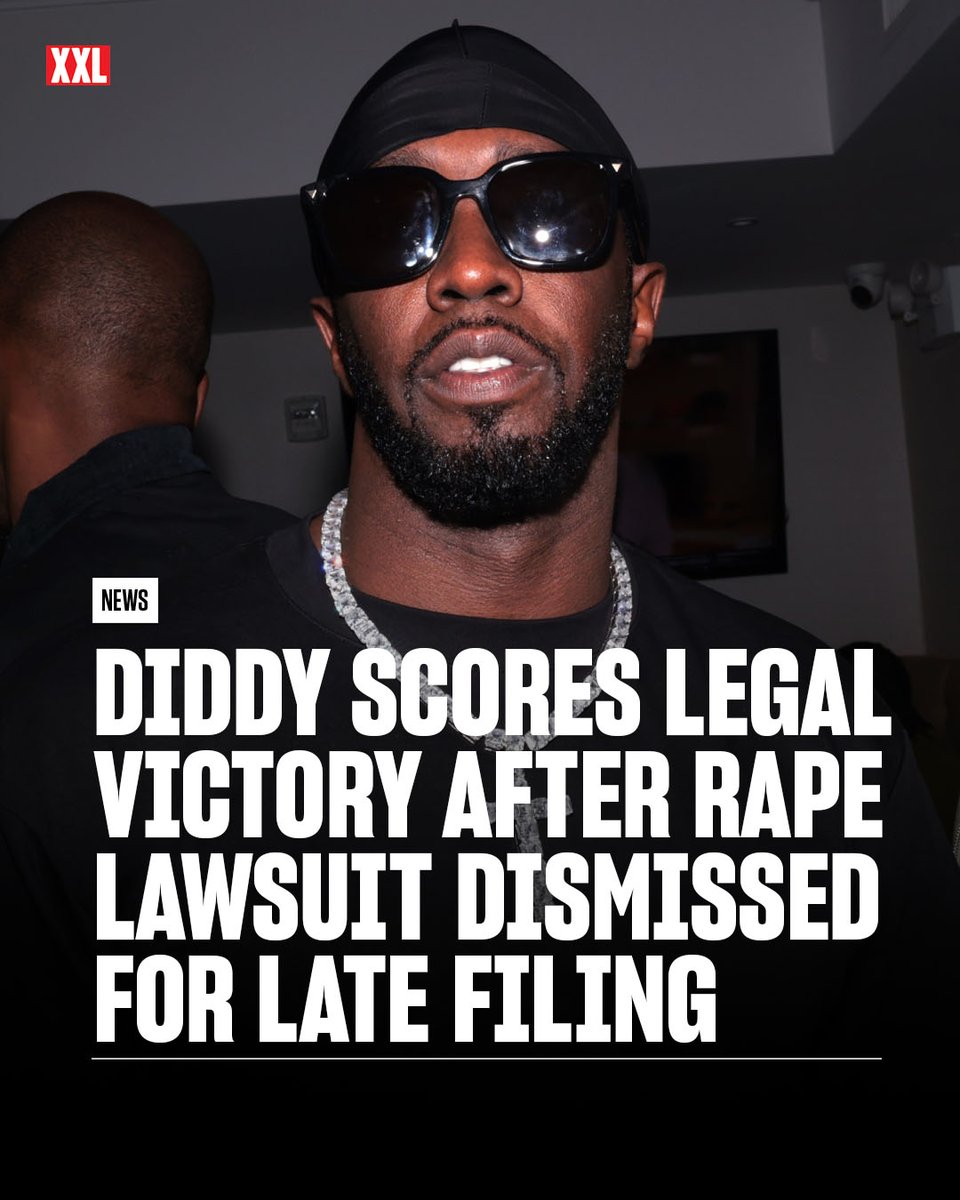
A judge has thrown out a rape lawsuit filed against Diddy because the male accuser took too long to make the claims in court.
On Tuesday (Aug. 26), California Judge Leslie A. Stroth issued a ruling finding that the law, which provides a 20-year statute of limitations to bring civil charges based on criminal sexual offenses, does not apply retroactively to allegations predating its 2019 inception. Because the accuser's claim occurred in 2015, the court dismissed it in full.
The anonymous accuser sued Diddy earlier this year. John Doe claimed Diddy expressed interest in working with him after seeing him perform at a Los Angeles club in 2015. During an afterparty, Doe claims he was drugged via a drink and later woke up to being sexually assaulted by Puff.
Diddy scored a minor win in court earlier this month, when a judge threw out most of the claims in the civil lawsuit filed by former Da Band member Sara Rivers.
11
22
90
33,729