
May 20
🚨 The Silent Kidney Damage
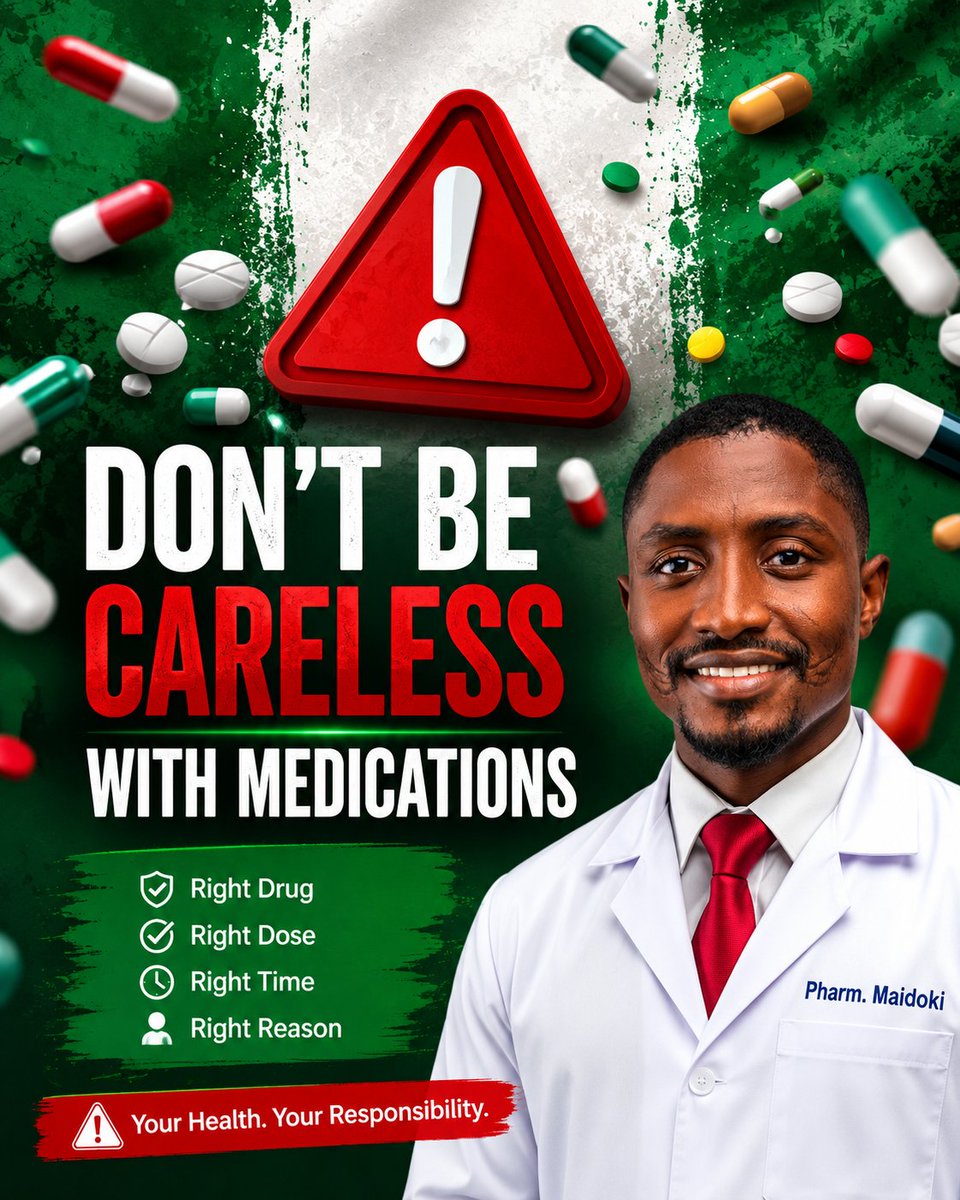
A man regularly used strong painkillers for body pains without monitoring.
During admission, the pharmacist noticed signs of medication-induced kidney injury and quickly recommended dose adjustments and safer alternatives to the doctor.
Early intervention prevented permanent damage.
Not every painkiller is safe for long-term use.
How often do you take painkillers without professional advice?
📢 Send this to someone who self-medicates too often.
#DrugSafety #PublicHealth #SafeMedicationUse
5
10
16
557

25 Oct 2025
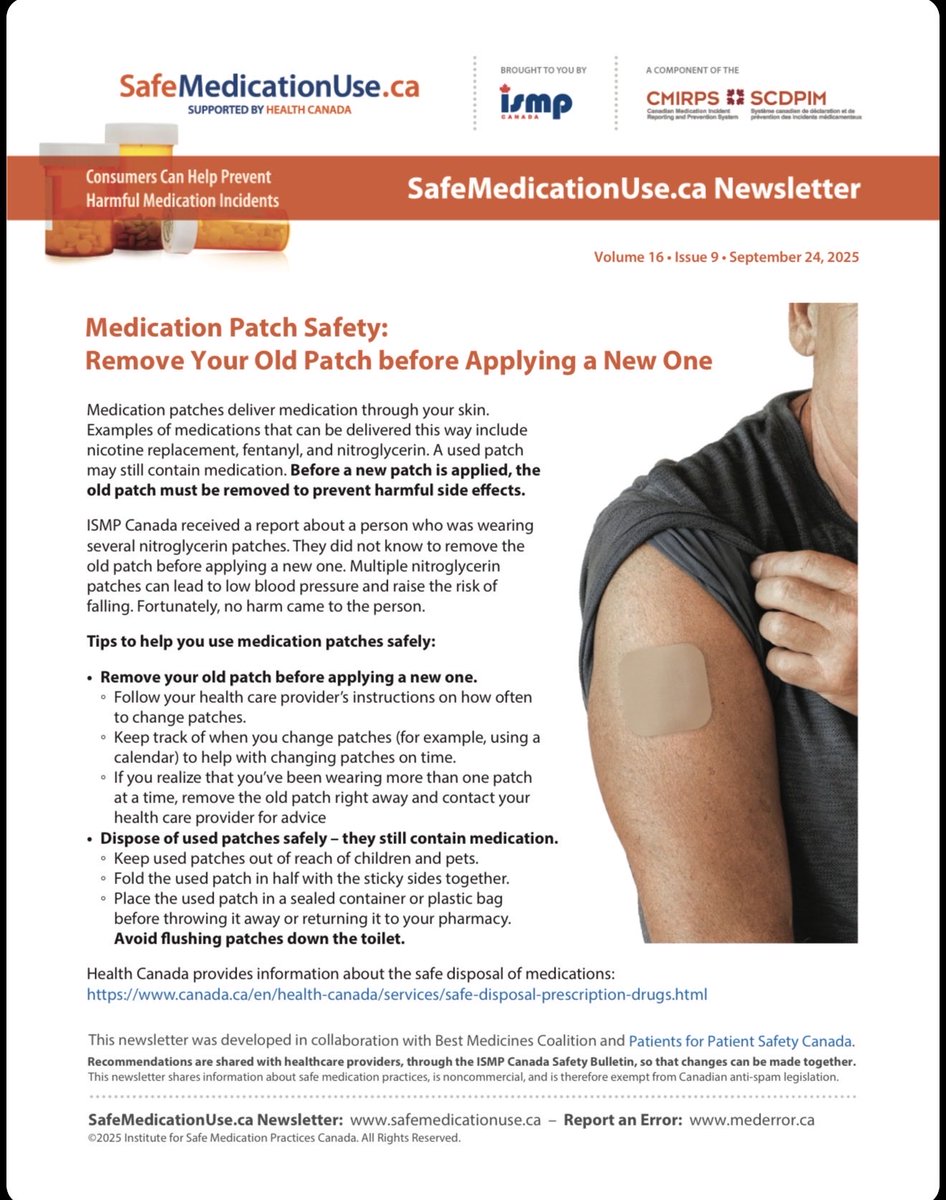
احذر التكرار: لصقة دوائية واحدة تكفي
تُعد اللصقات الدوائية وسيلة فعالة لإيصال الدواء إلى الجسم عبر الجلد، وتُستخدم في حالات متعددة مثل الإقلاع عن التدخين باستخدام لصقات Nicotine Replacement Therapy، أو في علاج الآلام المزمنة بلصقات Fentanyl، أو في حالات الذبحة الصدرية باستخدام لصقات Nitroglycerin. ورغم سهولة استخدامها، إلا أن تجاهل تعليمات السلامة قد يؤدي إلى مضاعفات صحية خطيرة.
في تقرير صادر عن ISMP Canada، بالتعاون مع SafeMedicationUse.ca وبدعم من Health Canada، تم توثيق حالة لمريض استخدم عدة لصقات Nitroglycerin في وقت واحد دون أن يزيل اللصقة القديمة قبل وضع الجديدة. هذا الخطأ أدى إلى انخفاض ضغط الدم وزيادة خطر السقوط، ولحسن الحظ لم يُصب المريض بأذى.
اللصقة المستخدمة لا تكون خالية تمامًا من الدواء، بل قد تحتوي على كمية متبقية قادرة على إحداث تأثير إضافي غير مرغوب فيه. لذلك، فإن إزالة اللصقة القديمة قبل وضع الجديدة أمر ضروري لتفادي الجرعة الزائدة أو التداخل الدوائي.
ينصح الخبراء باتباع الخطوات التالية لضمان الاستخدام الآمن:
• إزالة اللصقة القديمة قبل وضع الجديدة مباشرة.
• الالتزام بتعليمات الطبيب أو الصيدلي حول توقيت تغيير اللصقات.
• استخدام وسيلة لتتبع مواعيد التغيير، مثل التقويم أو التنبيه الهاتفي.
• في حال اكتشاف وجود أكثر من لصقة، يجب نزع القديمة فورًا والتواصل مع مقدم الرعاية الصحية.
• التخلص من اللصقات المستخدمة بطريقة آمنة، لأنها لا تزال تحتوي على مادة فعالة.
• حفظ اللصقات المستعملة بعيدًا عن متناول الأطفال والحيوانات الأليفة.
• يُفضل طي اللصقة المستخدمة بحيث تلتصق الجهتان اللاصقتان ببعضهما، ثم وضعها في كيس بلاستيكي محكم قبل التخلص منها أو إعادتها إلى الصيدلية.
• يُمنع التخلص منها عبر المرحاض أو المغسلة.
ملاحظه :- يمكنني اضافه هذه النقطه من عندي اضافه لماسبق (يجب التاكد من ازاله اي لصقات قبل اجراء اي فحوصات بالاشعه المغناطيسيه MRI)
تأتي هذه التوصيات ضمن جهود ISMP Canada لنشر ثقافة السلامة الدوائية، بالتعاون مع Best Medicines Coalition وPatients for Patient Safety Canada. كما توفر Health Canada معلومات إضافية حول التخلص الآمن من الأدوية عبر موقعها الرسمي.
إن الالتزام بهذه الإرشادات لا يحمي الفرد فحسب، بل يسهم في تعزيز سلامة المجتمع ككل، ويُعد خطوة مهمة نحو رعاية صحية أكثر أمانًا ووعيًا.
#MedicationSafety #TransdermalPatch #ISMPCanada #HealthCanada #SafeMedicationUse #NitroglycerinPatch #PatientSafety #PharmacyAwareness #DrugSafetyTips
9
2,056

21 Oct 2025
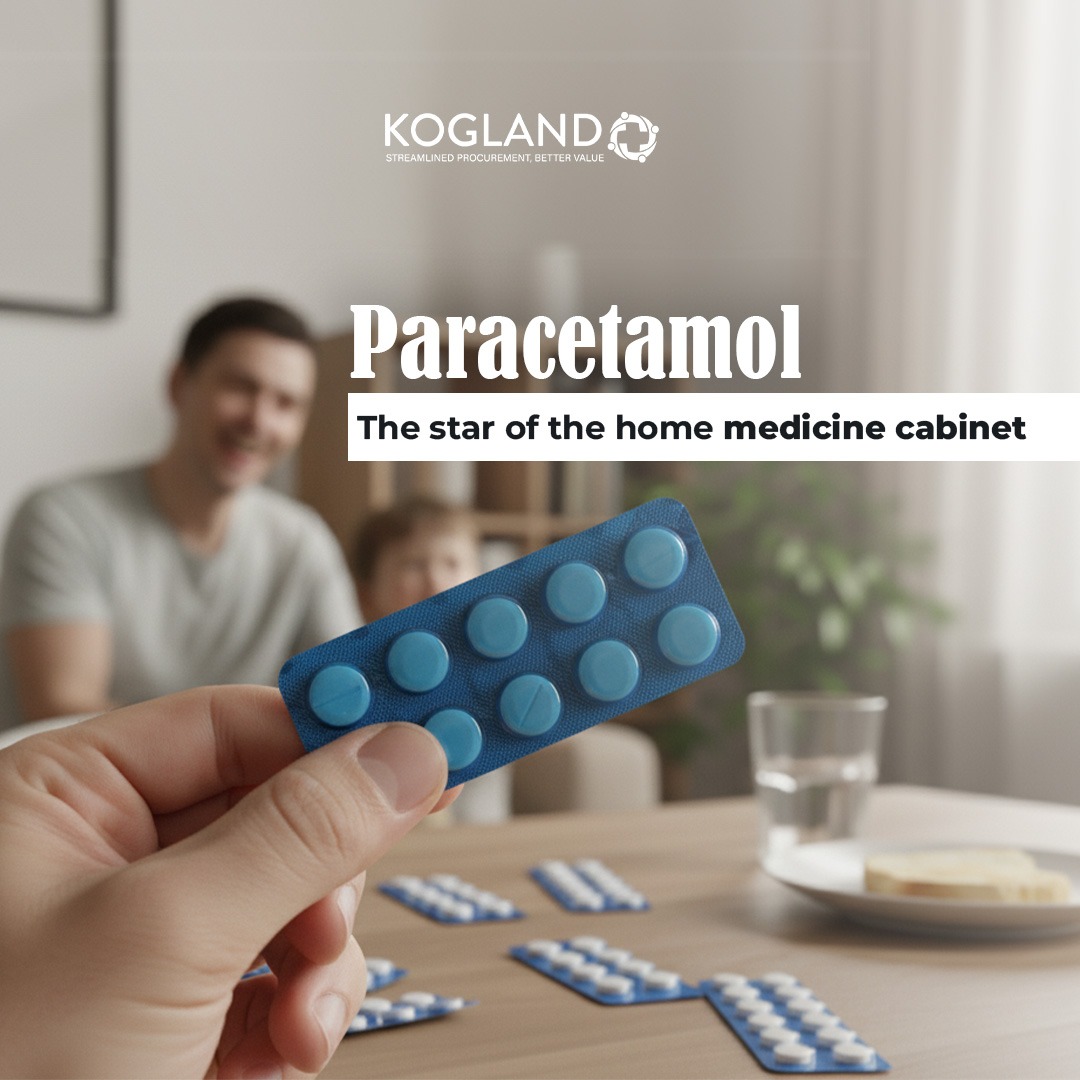
Are you taking paracetamol safely? Do you know the risks of excessive use? Share your thoughts! How do you ensure safe medication practices? Read our latest blog to learn if Paracetamol is your friend or foe : kogland.com/blog/why-paracet…
#kogland #Paracetamol #SafeMedicationUse
2
14

25 Sep 2025
On World Pharmacist Day, we recognise pharmacists as key healthcare enablers. Their expertise ensures medication safety, patient education, and better treatment outcomes.
Today, we celebrate their dedication to strengthening healthcare systems worldwide. #WorldPharmacistDay
#PharmacyProfession #PharmacistsInAction #SafeMedicationUse #PharmacyLeadership
1
4
482

7 May 2025
⚠️ Daily Dose of Caution: The Risks of Over-The-Counter Medications
May 7 – CLARITIN: Safer Doesn’t Mean Side-Effect-Free
Claritin (loratadine) is a second-generation antihistamine, marketed as “non-drowsy” — but that doesn’t mean it’s completely risk-free.
Here’s what you need to know:
😴 Still Causes Drowsiness (Sometimes)
While less sedating than Benadryl, Claritin can still cause drowsiness in some people — especially in higher doses or when combined with other medications.
💊 Overuse & Double-Dosing
Claritin is long-acting (once daily), but many people take it with other allergy meds without realizing they’re doubling up on antihistamines — which can increase side effects like dry mouth, dizziness, and rapid heart rate.
🫀 Heart & Liver Caution
People with liver disease or heart rhythm problems should check with their provider before using Claritin regularly.
👧 Kids & Claritin
Children’s Claritin is dosed by weight, not age — and too much can lead to restlessness, headache, or sleep issues.
Safe Use Tip:
Take only once daily (10 mg for adults), and avoid mixing with other antihistamines unless directed.
⚠️ Just because Claritin is “non-drowsy” doesn’t mean it’s side-effect-free. Know your body — and what you’re taking.
💬 Have you ever had side effects from allergy meds? Let us know — and don’t miss tomorrow’s post on OTC sleep aids!
#ClaritinCaution #LoratadineSafety #AllergyMedRisks #OTCWarning #DailyDoseOfCaution #KnowBeforeYouSwallow #SafeMedicationUse #MedicationAwareness
2
9
943
28 Apr 2025
⚠️ Medication Safety Tip for April 28: Opioid Medications and Their Black Box Warnings
Opioids, including oxycodone, hydrocodone, morphine, methadone, and tramadol, are potent pain relievers. However, due to their high potential for misuse and serious adverse effects, the FDA mandates black box warnings—the most stringent warnings—for all prescription opioids.
Key Black Box Warnings:
Addiction, Abuse, and Misuse: Even when used as prescribed, opioids carry a significant risk of addiction and misuse, potentially leading to overdose and death.
Life-Threatening Respiratory Depression: Opioids can cause severe respiratory depression, which may be fatal.
Neonatal Opioid Withdrawal Syndrome (NOWS): Prolonged opioid use during pregnancy can result in NOWS, a potentially life-threatening condition in newborns.
Risks with Concomitant Use of CNS Depressants: Combining opioids with benzodiazepines or other central nervous system depressants increases the risk of profound sedation, respiratory depression, coma, and death.
Specific Concerns:
Methadone: Beyond the general opioid warnings, methadone carries additional risks, including QT interval prolongation and Torsades de Pointes, which can lead to fatal heart arrhythmias.
Tramadol: This opioid is associated with increased risks in individuals who are ultra-rapid metabolizers, leading to higher opioid levels and potential toxicity.
Recommendations:
Prescribe the lowest effective dose for the shortest duration necessary.
Monitor patients closely for signs of misuse, abuse, and addiction.
Exercise caution when prescribing opioids to populations at higher risk of adverse effects, such as the elderly or those with respiratory conditions.
Stay Informed:
For more information on medication safety and to stay updated on healthcare advocacy, follow us on social media and subscribe to our email newsletter.
#MedicationSafety #OpioidRisks #BlackBoxWarning #AmericanFrontlineNurses #PatientEducation #AprilAwareness #SafeMedicationUse #StayInformed #HealthcareAdvocacy
1
2
679
26 Apr 2025
⚠️ Medication Safety Tip for April 26: The Dangers of Flexeril (Cyclobenzaprine)
Flexeril (cyclobenzaprine hydrochloride) is a muscle relaxant commonly prescribed for short-term relief of muscle spasms associated with acute musculoskeletal conditions. While effective for some patients, Flexeril carries several significant risks that warrant careful consideration.
Key Safety Concerns:
Sedation and Cognitive Impairment: Flexeril can cause drowsiness, dizziness, and impaired mental acuity, which may affect the ability to perform tasks requiring alertness, such as driving or operating machinery. These effects may be exacerbated when combined with alcohol or other central nervous system depressants.
Serotonin Syndrome Risk: When used in conjunction with other serotonergic drugs (e.g., SSRIs, SNRIs, MAO inhibitors), Flexeril may increase the risk of serotonin syndrome—a potentially life-threatening condition characterized by symptoms such as confusion, agitation, rapid heart rate, and high blood pressure.
Cardiovascular Effects: Due to its structural similarity to tricyclic antidepressants, Flexeril may have adverse cardiovascular effects, including arrhythmias and conduction disturbances. Its use is contraindicated in patients during the acute recovery phase of myocardial infarction and in those with arrhythmias, heart block, or congestive heart failure.
Anticholinergic Effects: Flexeril possesses anticholinergic properties, which can lead to dry mouth, blurred vision, urinary retention, and constipation. These effects may be more pronounced in the elderly population.
Age-Related Warnings:
Elderly Patients (65 and older): Older adults may experience higher plasma concentrations and prolonged half-life of cyclobenzaprine, increasing the risk of adverse effects such as confusion, delirium, and falls. Flexeril is generally not recommended for use in the elderly due to these heightened risks.
Pediatric Use: Flexeril is not approved for use in individuals younger than 15 years old. Safety and efficacy have not been established in this population.
Recommendations:
Flexeril should be prescribed at the lowest effective dose for the shortest duration necessary, typically not exceeding two to three weeks.
Patients should be closely monitored for signs of adverse reactions, especially when initiating therapy or adjusting doses.
Healthcare providers should exercise caution when prescribing Flexeril to populations at higher risk of side effects, such as the elderly or those with hepatic impairment.
At American Frontline Nurses, we emphasize the importance of understanding the medications you take. Always discuss potential risks and benefits with your healthcare provider to make informed decisions about your treatment options.
#MedicationSafety #Flexeril #Cyclobenzaprine #HealthRisks #AmericanFrontlineNurses #PatientEducation #AprilAwareness #SafeMedicationUse
1
4
841
23 Apr 2025
⚠️ Medication Safety Tip for April 23: The Dangers of Veozah (Fezolinetant)
Veozah (fezolinetant) is an oral medication approved to treat moderate to severe hot flashes associated with menopause. While it offers relief for many, it's essential to be aware of potential serious health risks associated with its use.
FDA Boxed Warning:
In September 2024, the FDA added a Boxed Warning—the most prominent warning—to Veozah's prescribing information due to the risk of rare but serious liver injury. This decision followed postmarketing reports of patients developing elevated liver enzymes and symptoms of liver injury after treatment.
Who Should Avoid Veozah:
Individuals with known cirrhosis.
Patients with severe renal impairment or end-stage renal disease.
Those taking strong CYP1A2 inhibitors, which can interfere with the drug’s metabolism.
Serious Health Risks:
Liver Injury: Veozah can cause rare but serious liver injury.
Elevated Liver Enzymes: Increases in hepatic transaminase levels have been observed.
Other Side Effects: Common adverse reactions include abdominal pain, diarrhea, insomnia, back pain, and hot flushes.
Recommendations:
Undergo liver function tests before starting Veozah.
Continue liver monitoring monthly for the first two months, then at months 3, 6, and 9.
Immediately discontinue use and consult a healthcare provider if symptoms like nausea, vomiting, or yellowing of the skin or eyes occur.
At American Frontline Nurses, we emphasize the importance of informed decisions regarding your health. Stay educated and consult with healthcare professionals to determine the best course of action for your individual needs.
#MedicationSafety #Veozah #HealthRisks #AmericanFrontlineNurses #MenopauseRelief #PatientEducation #AprilAwareness #SafeMedicationUse
1
2
6
1,216
12 Apr 2025
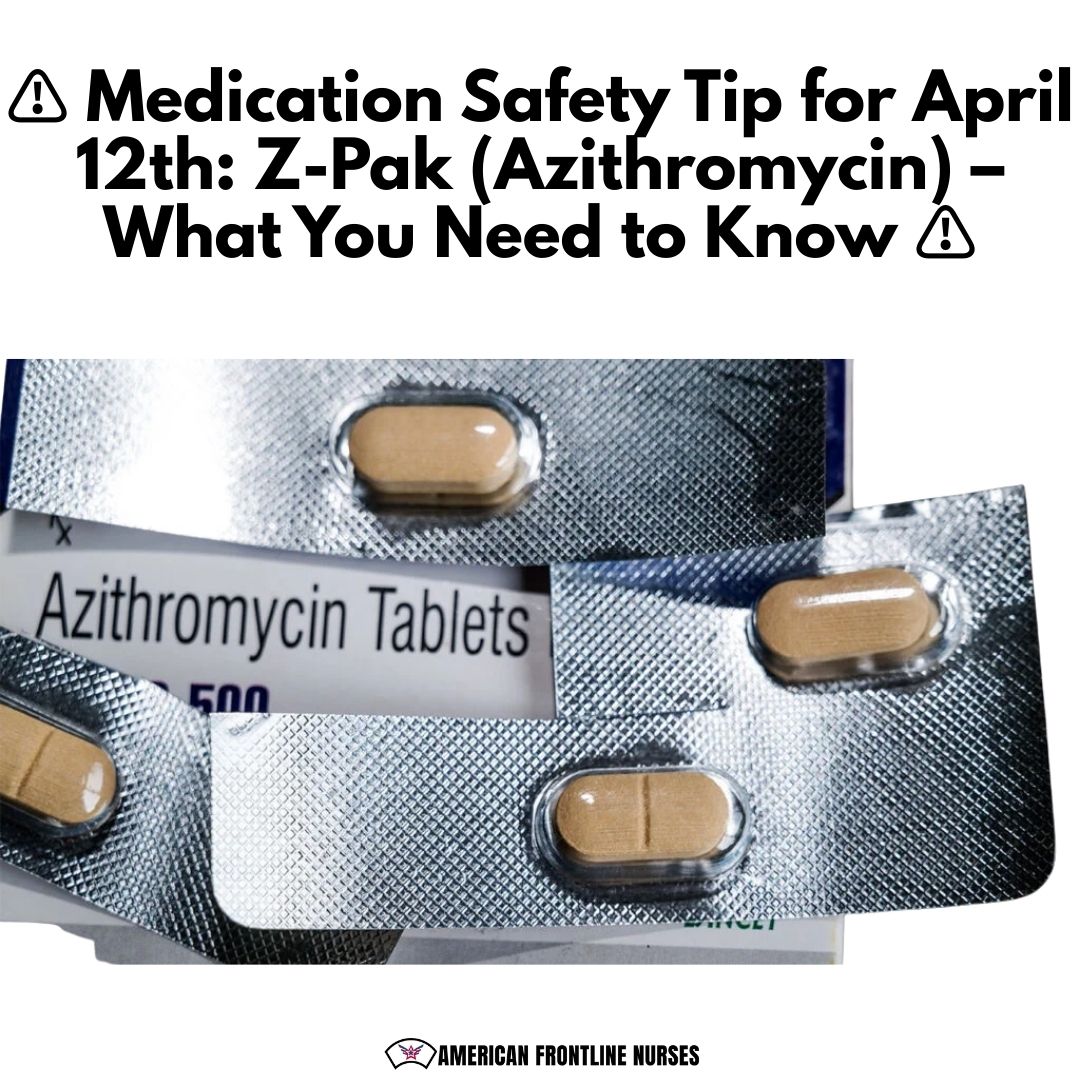
⚠ Medication Safety Tip for April 12th: Z-Pak (Azithromycin) – What You Need to Know ⚠
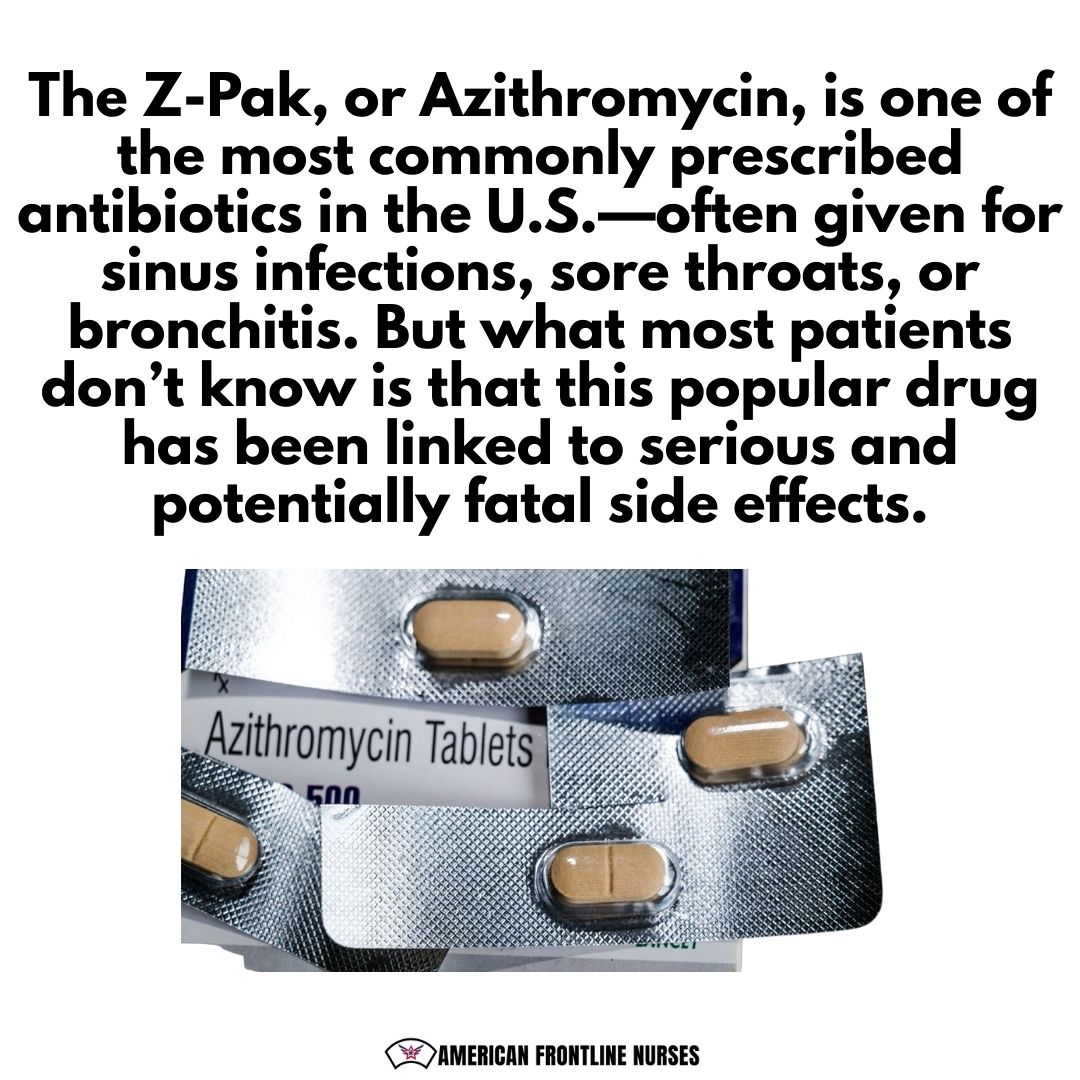
The Z-Pak, or Azithromycin, is one of the most commonly prescribed antibiotics in the U.S.—often given for sinus infections, sore throats, or bronchitis. But what most patients don’t know is that this popular drug has been linked to serious and potentially fatal side effects.
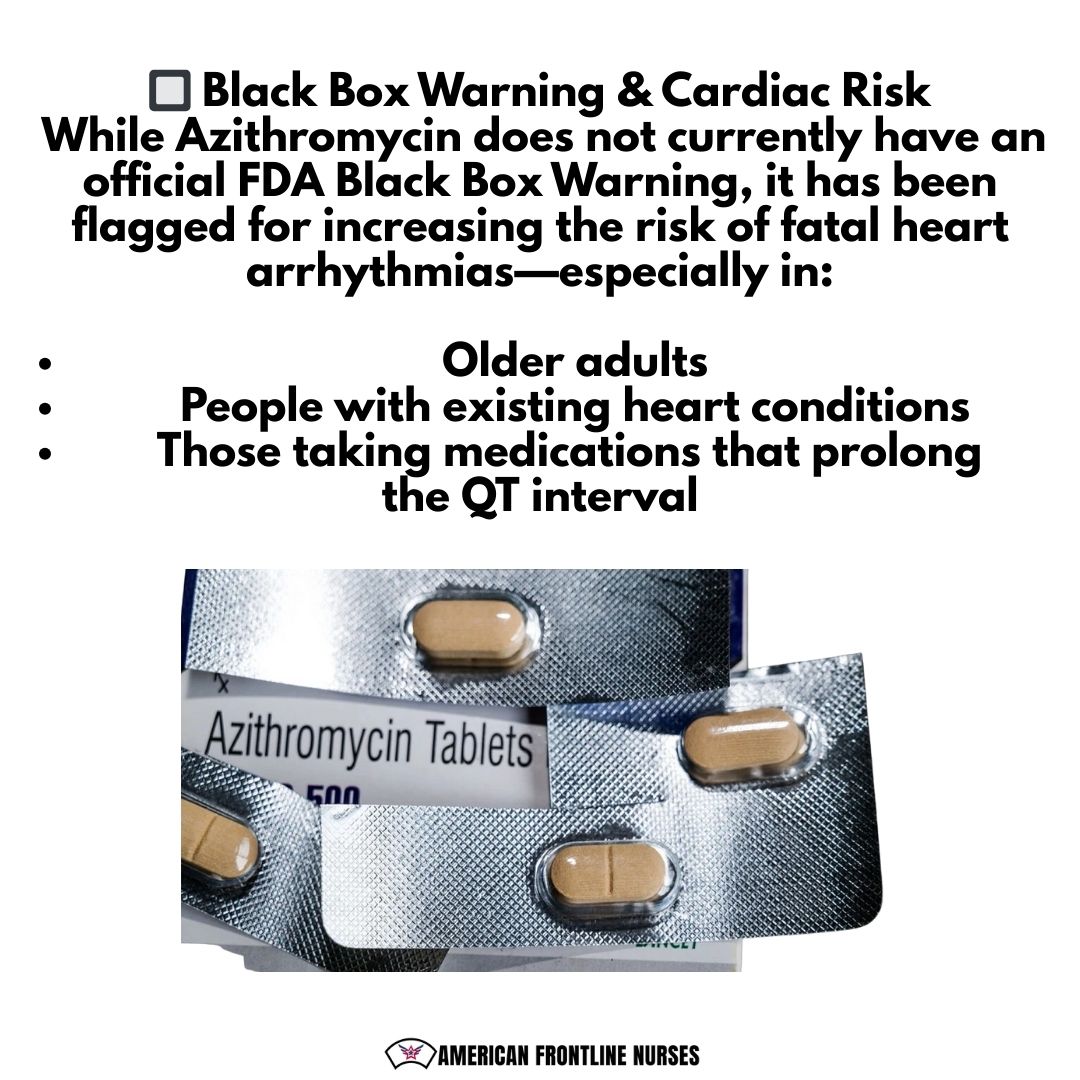
🔲 Black Box Warning & Cardiac Risk
While Azithromycin does not currently have an official FDA Black Box Warning, it has been flagged for increasing the risk of fatal heart arrhythmias—especially in:
Older adults
People with existing heart conditions
Those taking medications that prolong the QT interval
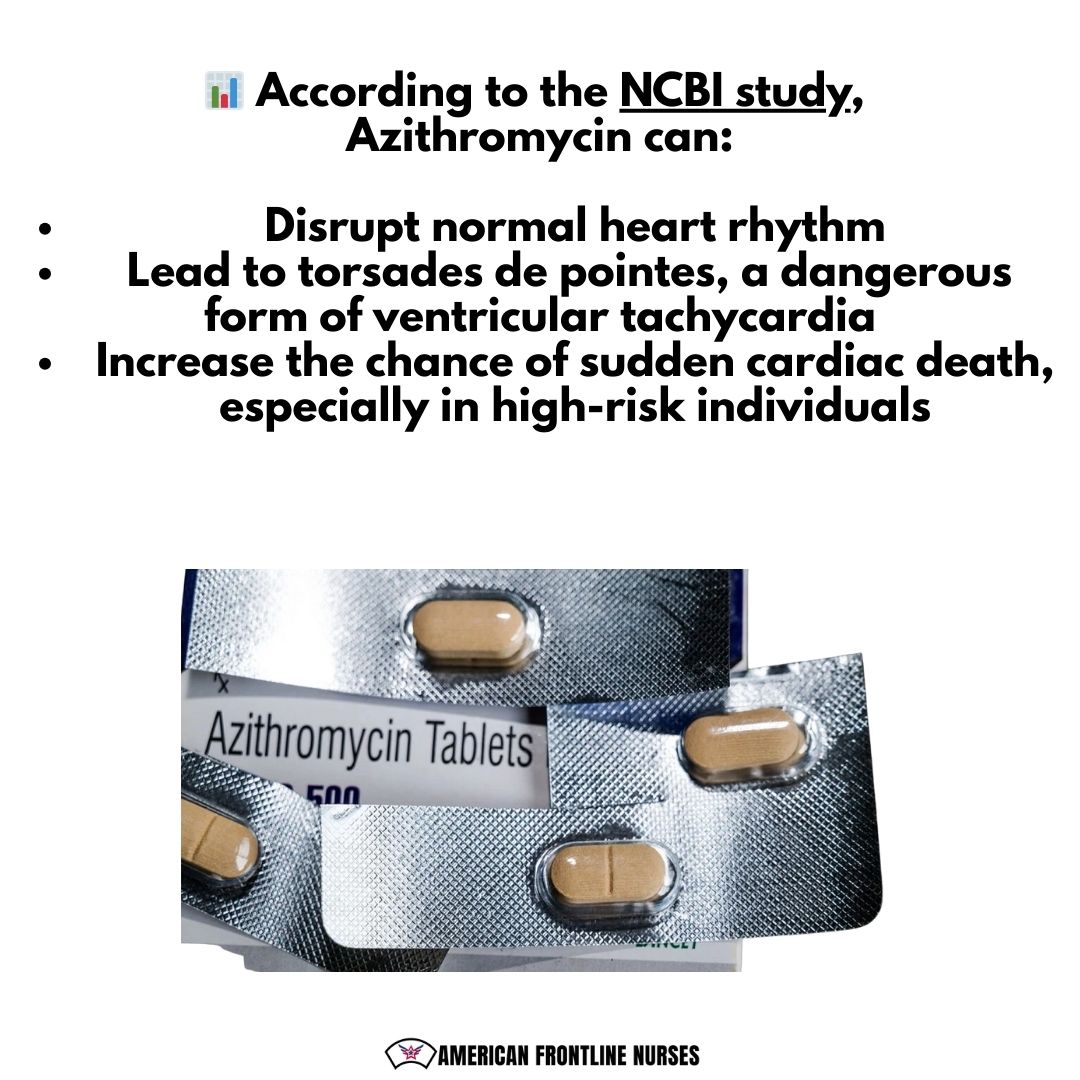
📊 According to the NCBI study, Azithromycin can:
Disrupt normal heart rhythm
Lead to torsades de pointes, a dangerous form of ventricular tachycardia
Increase the chance of sudden cardiac death, especially in high-risk individuals
📌 The FDA issued a safety communication warning about these risks, urging caution in prescribing Azithromycin to patients with known cardiac risk factors.
💡 What You Can Do:
✔ Ask your provider if a safer antibiotic might be available—especially if you have heart disease or take medications that affect heart rhythm
✔ Report symptoms like chest pain, fainting, or irregular heartbeat immediately
✔ Avoid self-medicating or requesting Z-Paks “just in case”—they are often not effective for viral infections like the common cold
At American Frontline Nurses, our mission is to make sure patients have access to the full story when it comes to their health. Medications like Azithromycin may seem harmless due to how often they’re prescribed, but even common drugs carry real risks. Stay informed. Stay empowered. 💙
#MedicationSafety #ZPakRisks #Azithromycin #HeartHealth #AmericanFrontlineNurses #QTProlongation #PatientEducation #KnowYourMeds #AprilAwareness #SafeMedicationUse
1
2
7
374
6 Apr 2025
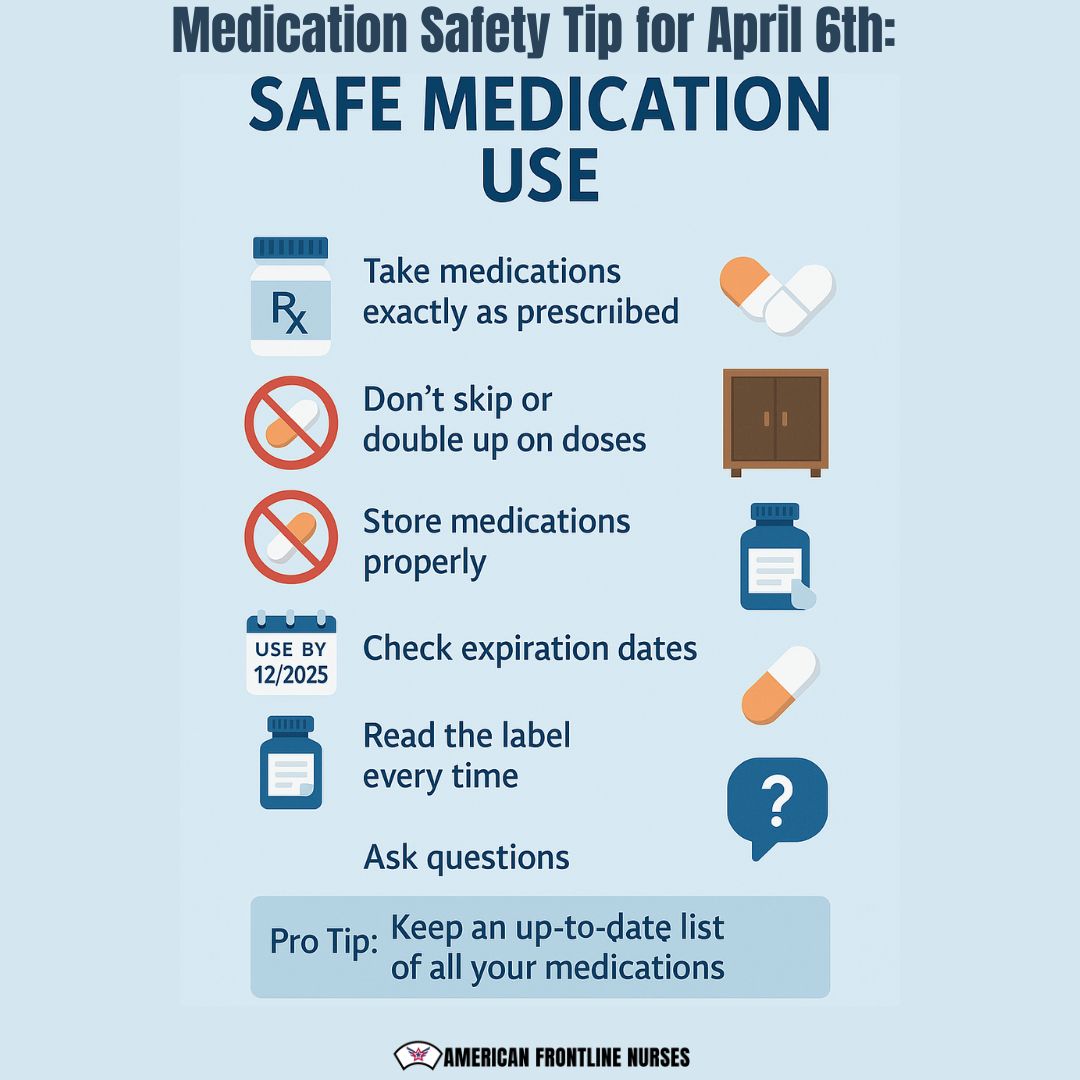
💊 Medication Safety Tip for April 6th: Safe Medication Use 💊
Taking your medications the right way is just as important as taking the right medication. Practicing safe medication use helps prevent harmful side effects, interactions, and serious health risks.
🔑 Key Tips for Safe Medication Use:
✔ Take medications exactly as prescribed – Follow the dose, timing, and instructions from your provider.
✔ Don’t skip or double up on doses – If you miss a dose, ask your pharmacist what to do.
✔ Store medications properly – Keep them in a cool, dry place away from children and pets.
✔ Don’t share medications – What works for one person could be dangerous for another.
✔ Check expiration dates – Expired medications may not work or could be harmful.
✔ Read the label every time – Even familiar meds can have new instructions or warnings.
✔ Ask questions – Talk to your doctor or pharmacist if you’re unsure about anything.
💡 Pro Tip: Keep an up-to-date list of all your medications—including over-the-counter drugs and supplements—and bring it to every appointment.
At American Frontline Nurses, we believe informed patients are safer, healthier patients. Stay tuned for more tips during Medication Safety Week! 💙
#MedicationSafety #SafeMedicationUse #AmericanFrontlineNurses #AprilAwareness #KnowYourMeds #StayInformed #HealthTips
2
6
200

📢 EAHP supports the #MedsAware campaign by @AdPhaAU! Medication safety matters!
🔗 Join the movement & learn more here: adpha.au/news-advocacy/MedsA…
#MedicationSafety #Pharmacy #EAHP #SafeMedicationUse #HospitalPhamarcy #HospitalPharmacist #Hospital #Australia
1
4
273

18 Aug 2024
📚 Download Now "Drug Food Interactions Book: A Simple Guide"! 🍎💊
احصل علي نسختك الآن من دليل فادك الملخص لاهم تفاعلات الادويه مع الغذاء
A must-read for anyone looking to navigate the intricate dance between medications & food
من خلال هذا الرابط:
fadic.net/courses/drug-food-…
#HealthLiteracy #SafeMedicationUse 📖🔍
#DrugFoodInteraction
2
161

24 Jun 2024
Popping OTC medications without seeing a doctor?
Join us this Tuesday on @ClassicFM973 as we discuss OTC misuse & the dangers of self-Rx! Learn how pharmacists can ensure safe medication use.
#YourHealthMatters
#AskYourPharmacist
#SafeMedicationUse
#DrugAbuseAwareness

2
5
263

Rx Gist: Your guide to safe medication use.
We are set to launch on Wednesday, 8th May 2024.
#RxGist #SafeMedicationUse #PreLaunch #Drugs #medication
1
1
5
67

2 May 2024
Great tips for patients and caregivers--including considerations regarding medication management issues in chronic conditions. #safemedicationuse #maybeitsyourmeds #healthyaging
4 Tips for Managing Multiple Chronic Health Conditions dailycaring.com/4-tips-multi… via @DailyCaring
3
95
1 Dec 2023
Can’t wait to read this article in full. Thank you @Deprescribing for posting #polypharnacy #safemedicationuse
27 Nov 2023

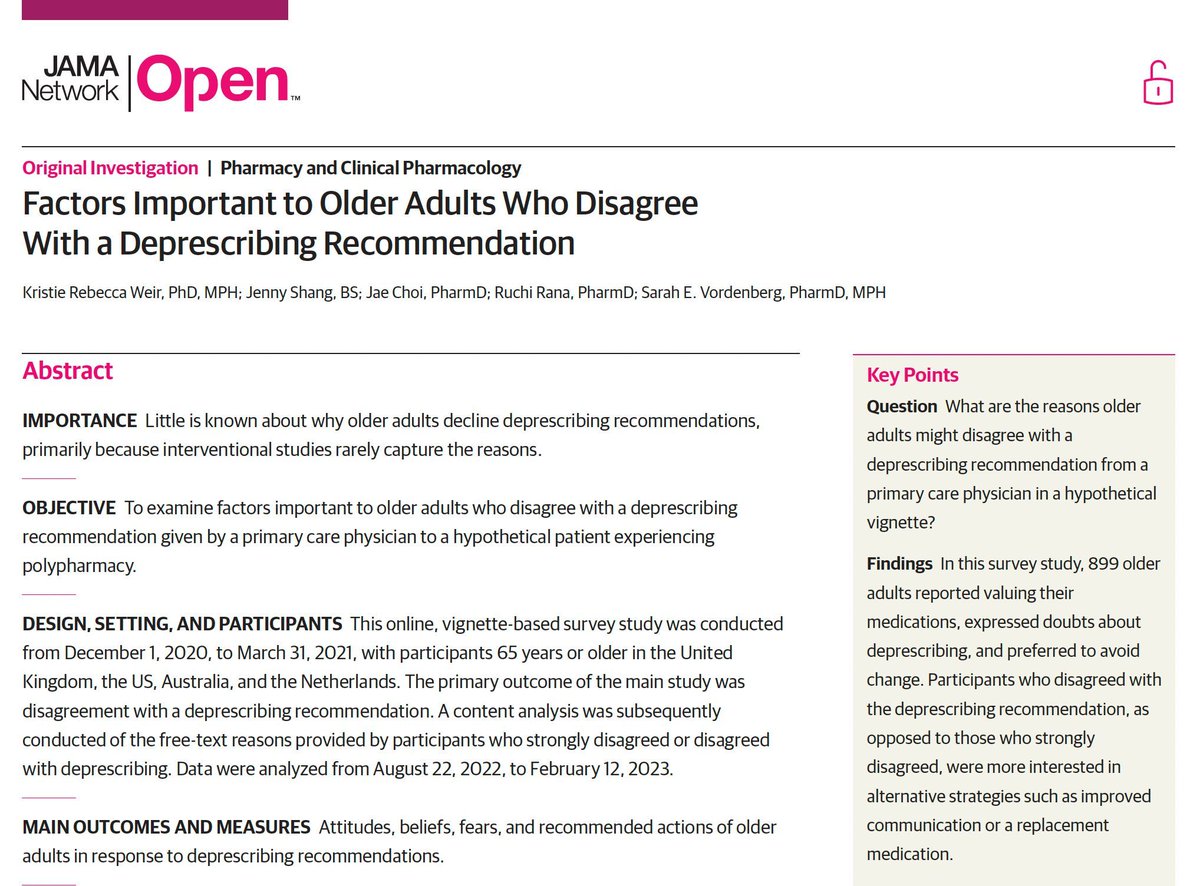
For older adults who disagree w/ #deprescribing, survey study describes why:
Doubts about deprescribing, valuing medications, & a preference to avoid change.
buff.ly/47riQXd
Resources to facilitate shared decision-making for deprescribing here:
buff.ly/416wOM9
2
178
9 Oct 2023
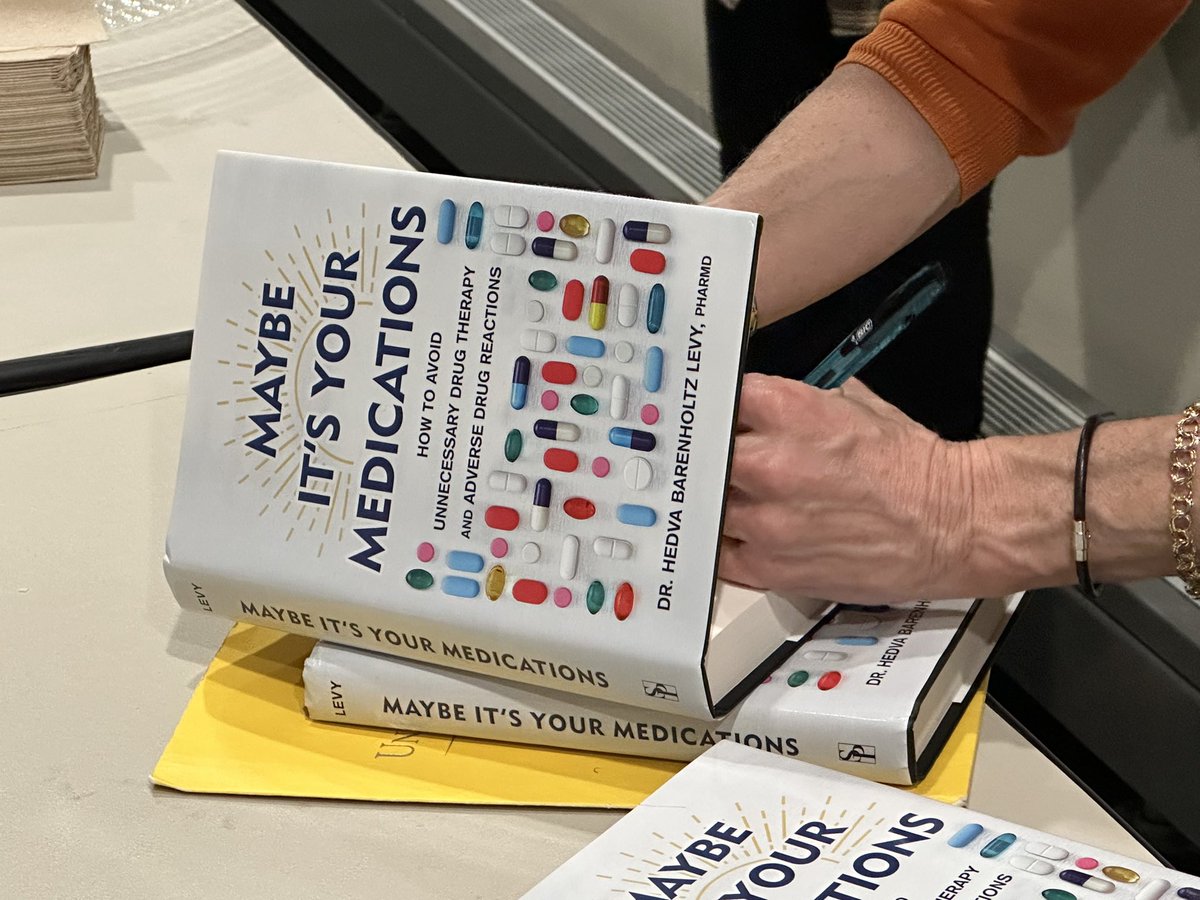
At UConn school of pharmacy to speak with #students and #seniorcarepharmacists about “Maybe It’s Your Medications”—Why this book is needed and how it is a resource for older adults to start talking about the meds we [over]use! #safemedicationuse


2
89
28 Sep 2023
I had a great time talking with @NicholeDawsey on her podcast. She brings to light important topics for the community. Medication use has risks and benefits and we need to be talking about how to use our medication‘s more safely. #pharmacy #safemedicationuse
27 Sep 2023

Loved having @HedvaPharmD on the pod for the second time. Her book is a must-read!
2
86
18 Aug 2023
What a feeling to see my book “Maybe It’s Your Medications” at a local bookstore! #safemedicationuse #maybeitsyourmeds


1
4
134
25 Jul 2023
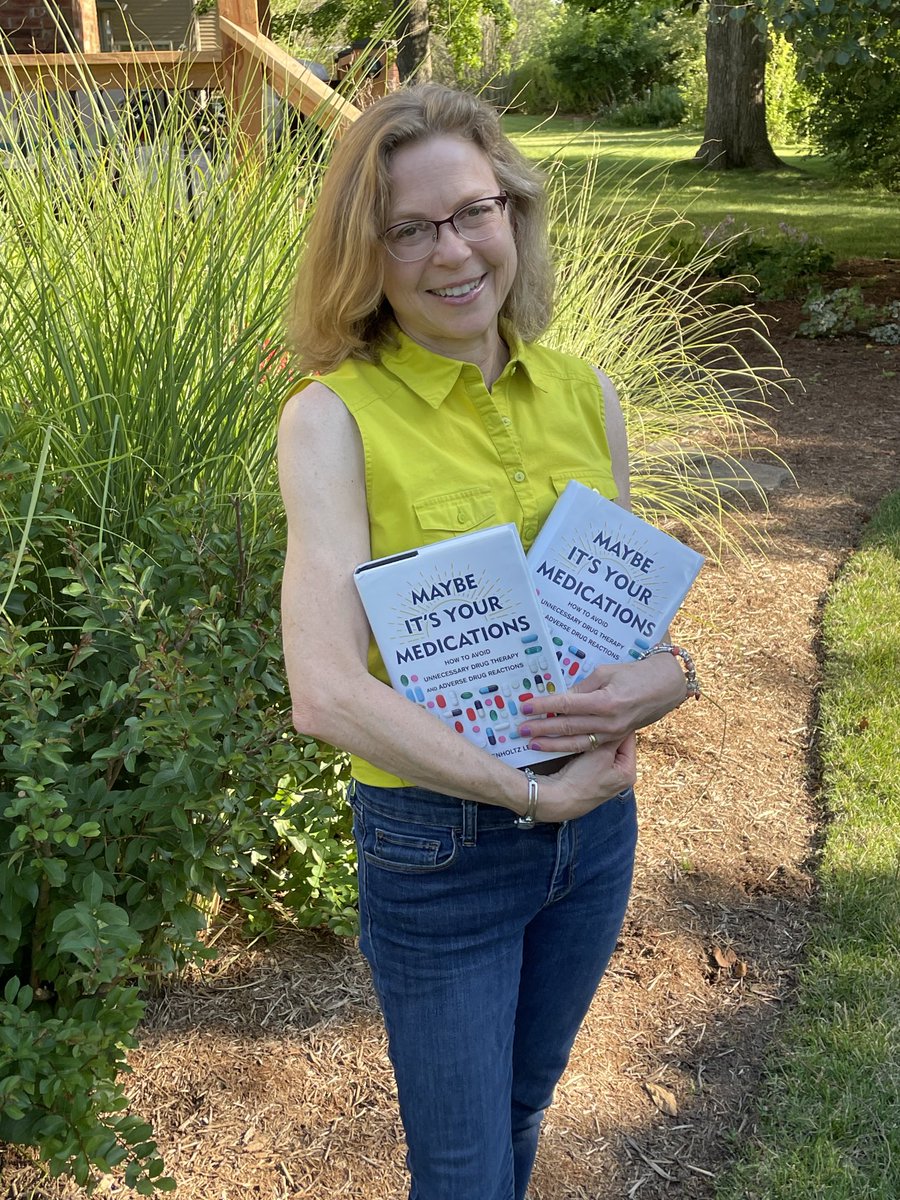
Today “Maybe It’s Your Medications” launches! It is a new tool to help us reduce medication overload and inappropriate polypharmacy Patients need to be engaged as part of their health care team. #safemedicationuse #polypharmacy #seniorcarepharmacists
1
2
15
386