12 Jan 2024
Treat all power assets especially cables as live for your safety.
Stay Alert, Stay Safe, and Save Lives.
#YEDC
#SafetyFirstFriday #PowerDistribution
#WeAreHereToServe
3
1
3
276
29 Dec 2023
Your safety is our top priority, and we appreciate your cooperation in ensuring a secure environment for you and your community.
#YEDC
#SafetyFirstFriday #Electricity
#WeAreHereToServe
1
2
185

8 Sep 2023
A disaster or an emergency can strike at any time Make sure you and your family are #OnTheLine and prepared. #SafetyFirstFriday.
1
1
634

23 Apr 2021
It’s Safety First Friday with our Officer Paz! Tune in for an important Safety First Tip👮♂️#FieldsInspires #SafetyFirstFriday @McHiPride @McAllenISD
2
9

13 Jul 2018
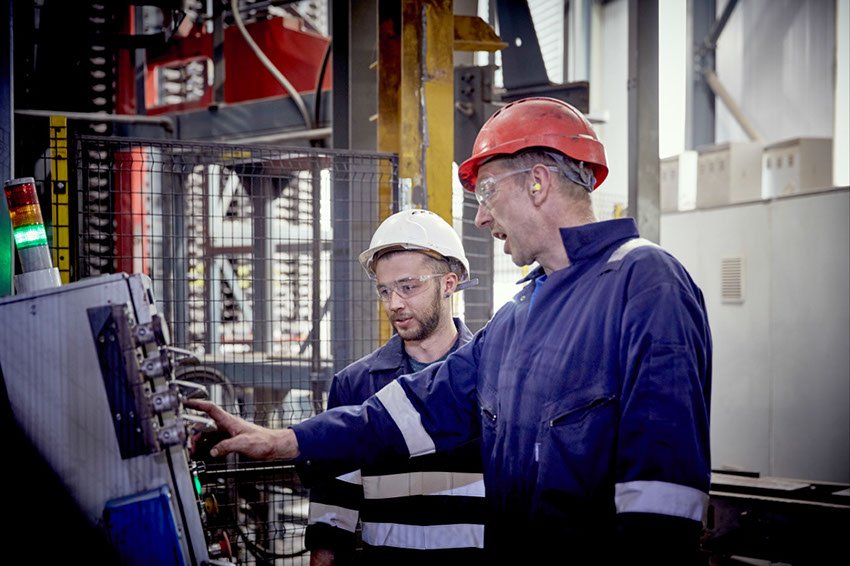
We are constantly doing the most we can to ensure that our workplace is clean and that our employees are using the safest practices, which is why we are proud of our Health and Safety ISO 18001 certificate #SafetyFirstFriday
3
20 Apr 2018
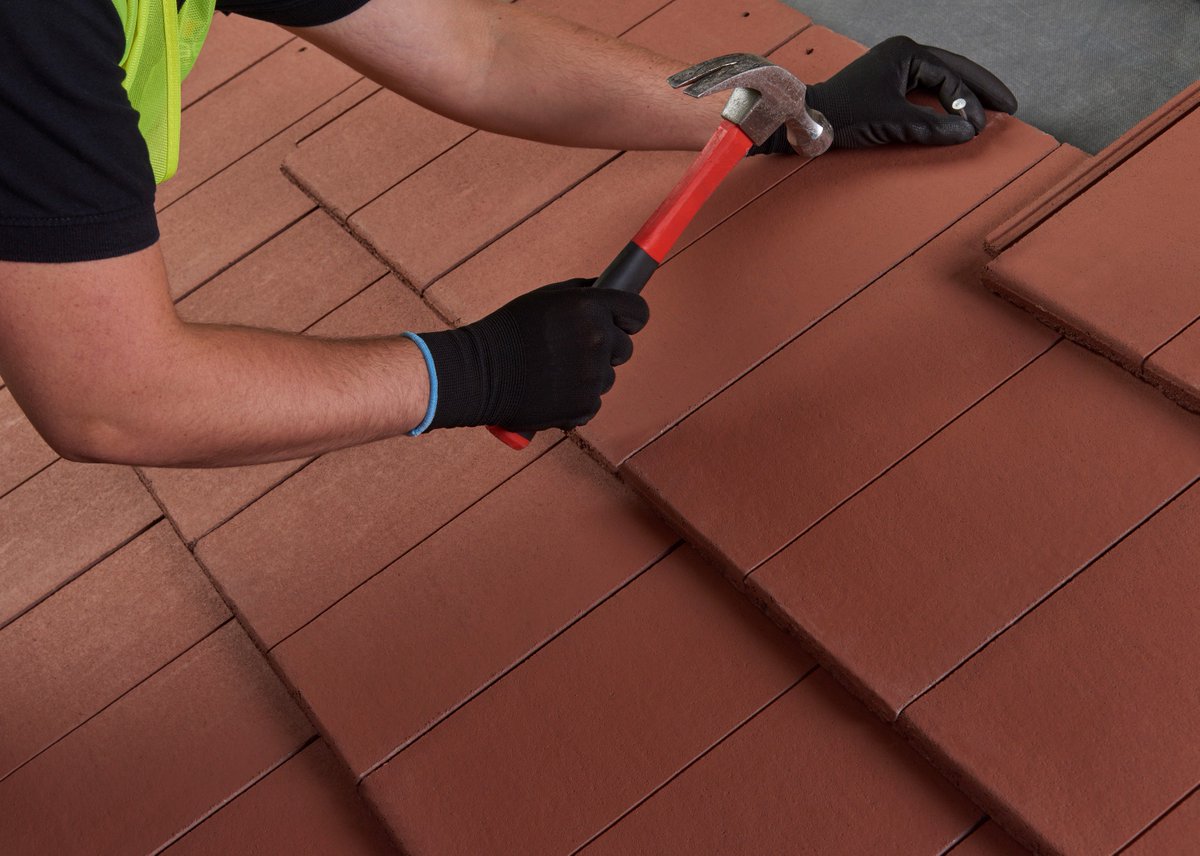
April might nearly be over but the April showers are still causing slippery conditions for roofers. Make sure weather conditions are always considered when working on roofs and the right safety equipment is put in place #SafetyFirstFriday

2
5
13 Apr 2018
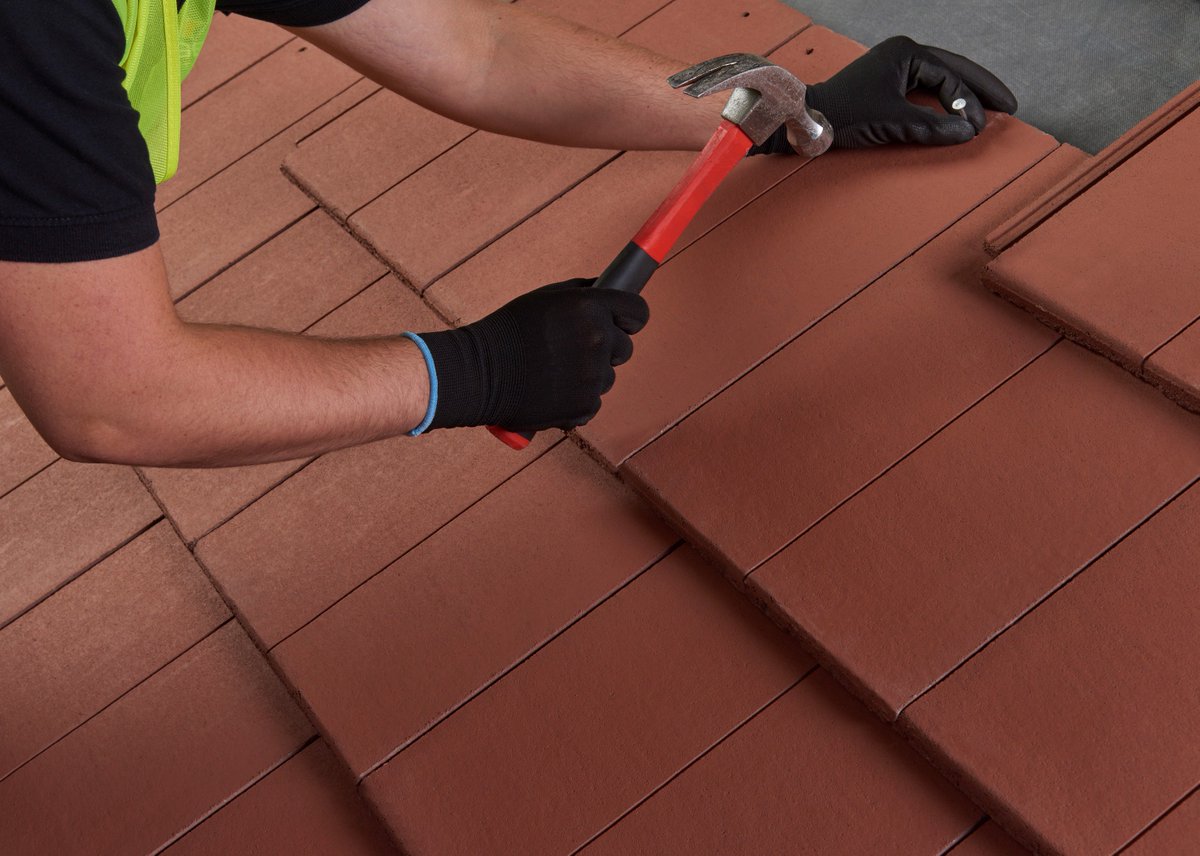
Make sure all your workers are fully trained in working on a #roof. If there is someone on the roof who has not been properly trained, they are a rooftop safety hazard and could cause serious injury to themselves or others #SafetyFirstFriday
1
7
30 Mar 2018
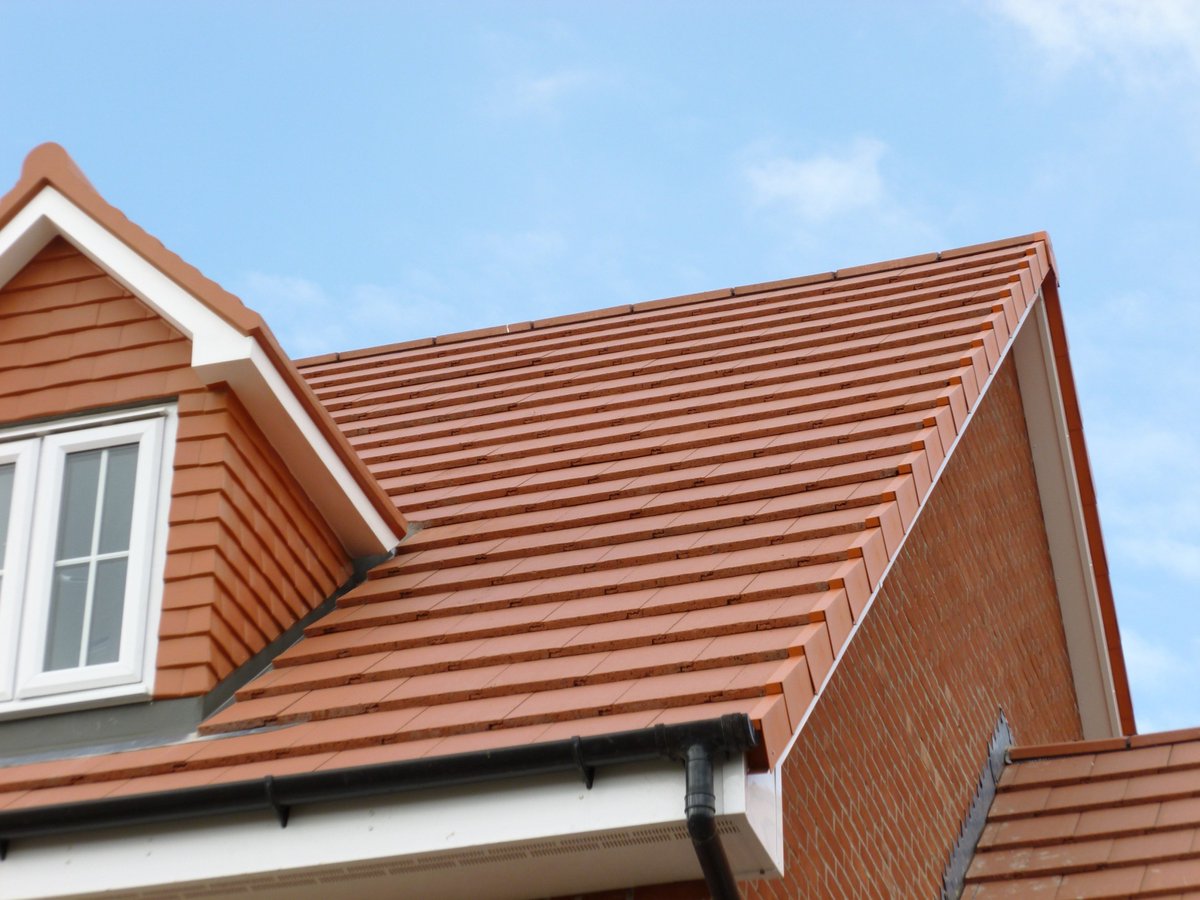
Did you know that there is on average 217 fatal injuries to workers on roofs each year? Make sure you always take caution when working at height and that the right equipment is in place to protect your worker's safety #SafetyFirstFriday
23 Mar 2018
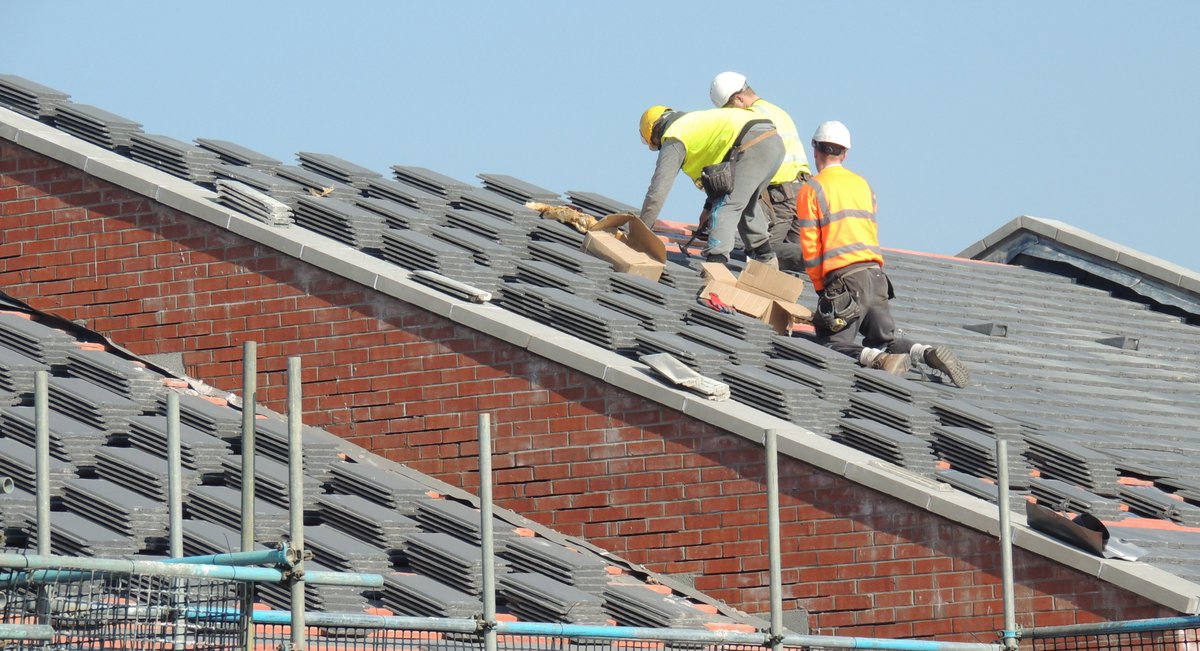
#SafetyFirstFriday Working on roofs is very perilous, even if it is popping up for a quick look. People should always be trained, competent, and fully aware of all the necessary risks and how to mitigate them #Roofing Safety
2
16 Mar 2018
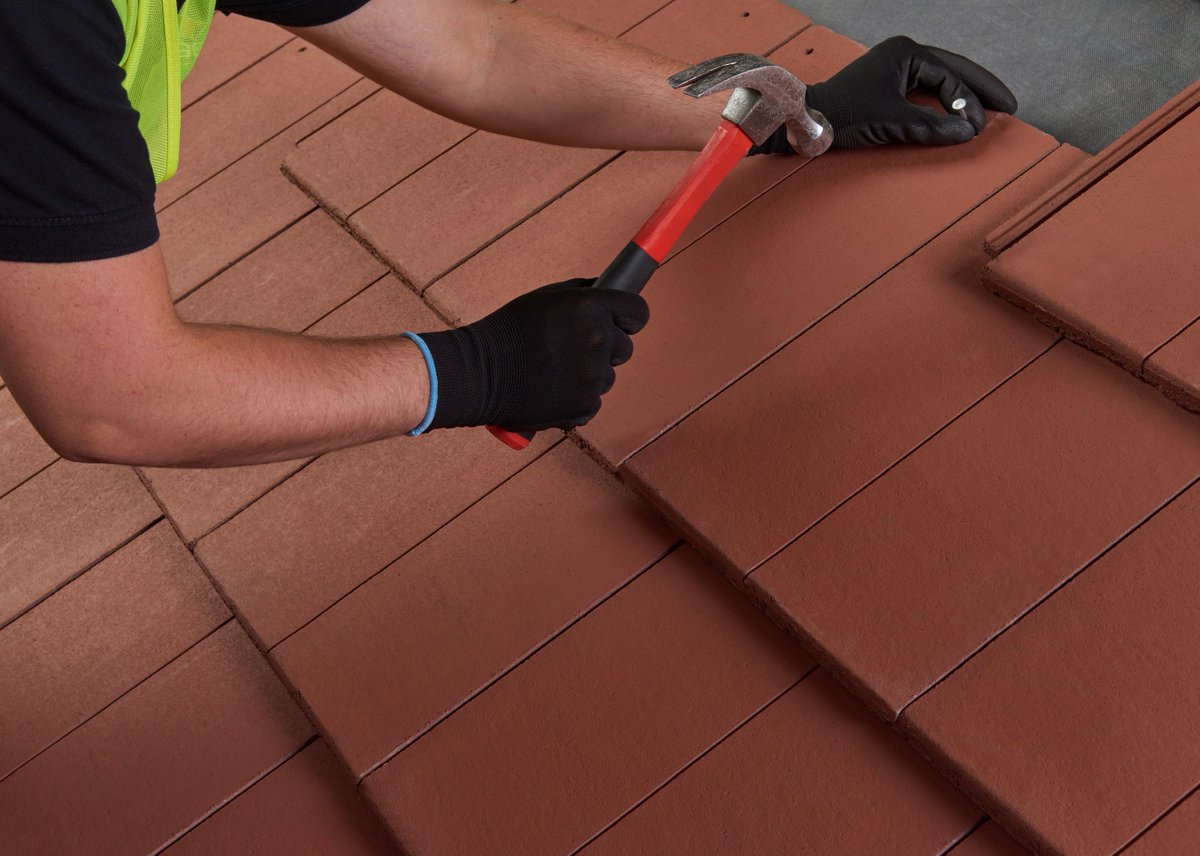
#SafetyFirstFriday The Work at Height Regulations 2005 should always be used when working at height to plan the work. It lays out a hierarchy of the different measures that can be taken #Roofing
1
2
9 Mar 2018
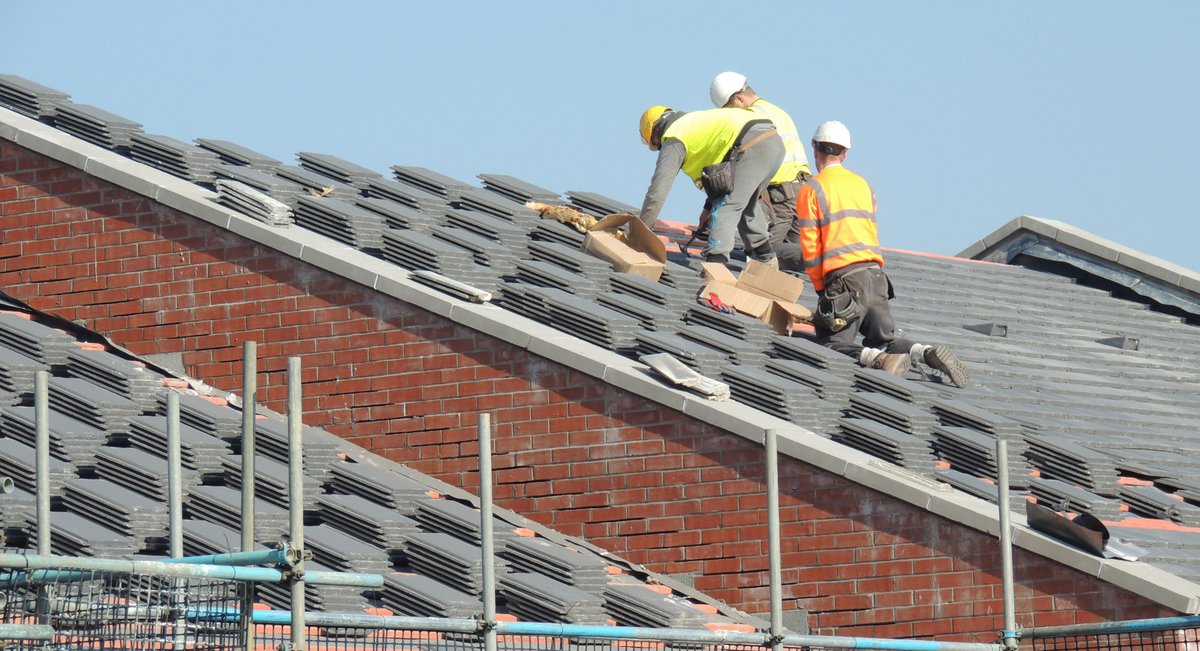
#SafetyFirstFriday Work on or near fragile roof surfaces requires a combination of stagings, guard rails, fall restraint, fall arrest and safety nets slung beneath and close to the roof #Roofing
5
2 Mar 2018
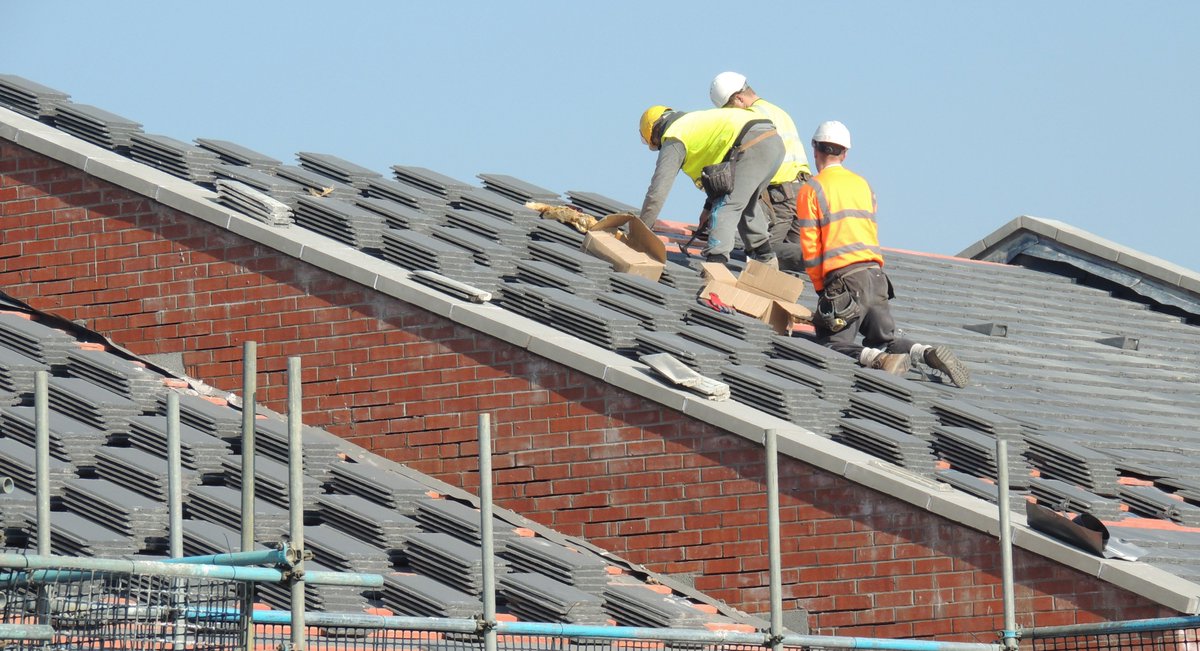
Employers must ensure that ladders are inspected by a competent person for visible defects on a periodic basis and after any occurrence that could affect their safe use according to OSHA requirements #SafetyFirstFriday #RoofingSafety
1
3
23 Feb 2018
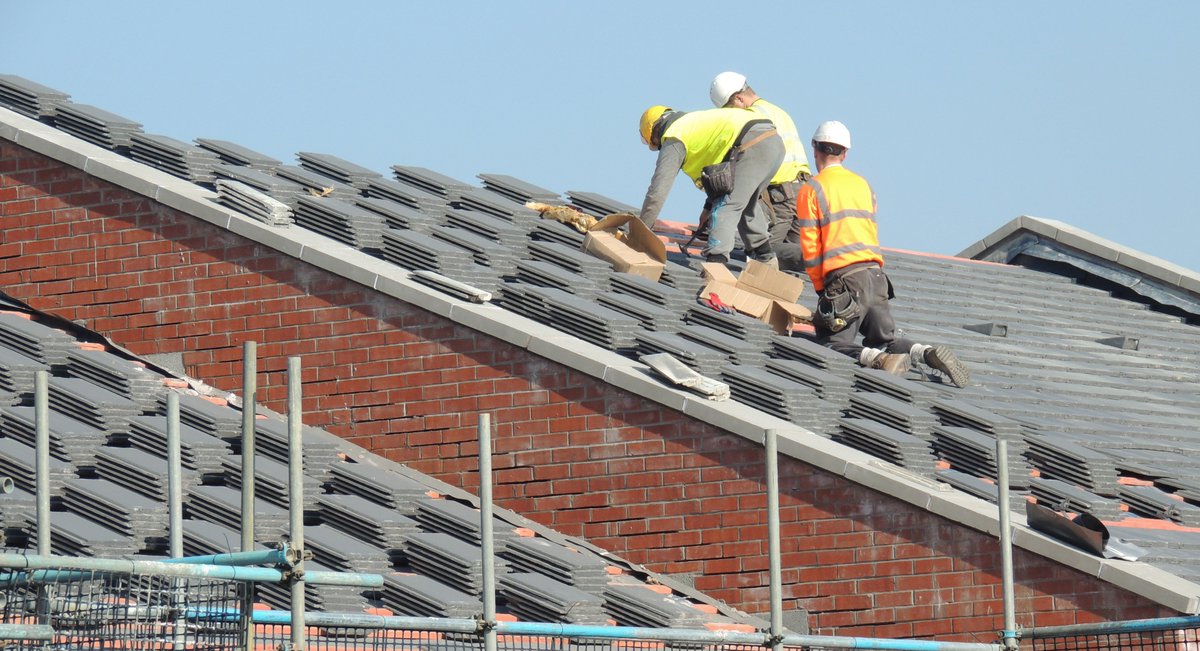
Guardrail systems must be able to withstand a 200-pound force in any outward or downward direction within 2 inches of the top edge #SafetyFirstFriday #RoofingSafety
1
16 Feb 2018
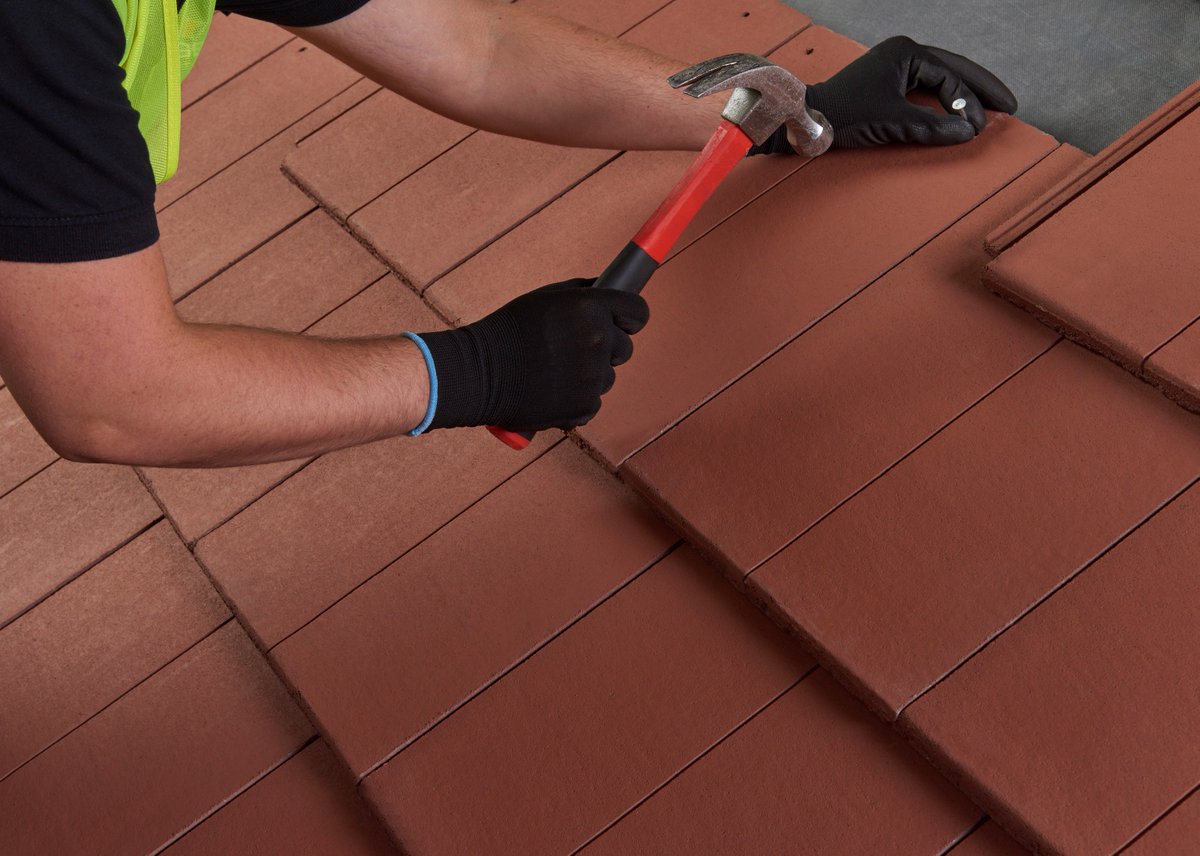
Falls can be prevented and lives can be saved through three simple steps: "Plan, Provide and Train" - Always plan ahead, provide the right equipment and train workers to use the equipment safely #SafetyFirstFriday #RoofingSafety
1
3
9 Feb 2018
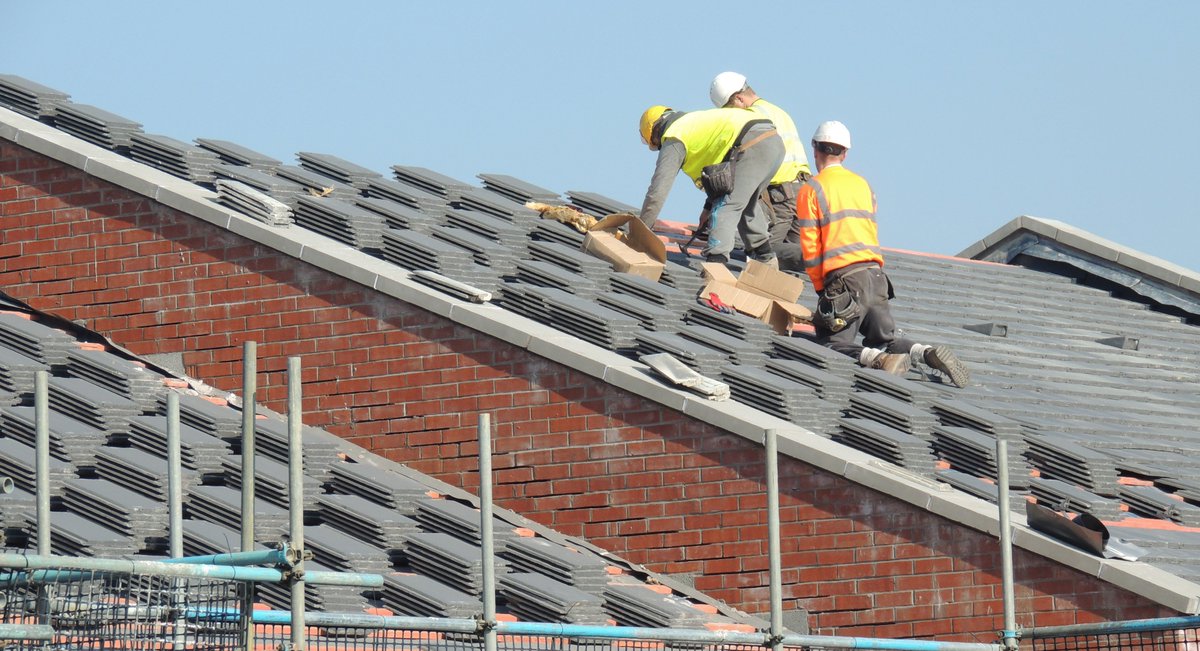
Working on roofs is very perilous, even if it is "popping up for a quick look". People should always be trained, competent, and fully aware of all the necessary risks and how to mitigate them #Roofing #SafetyFirstFriday
3
5
2 Feb 2018
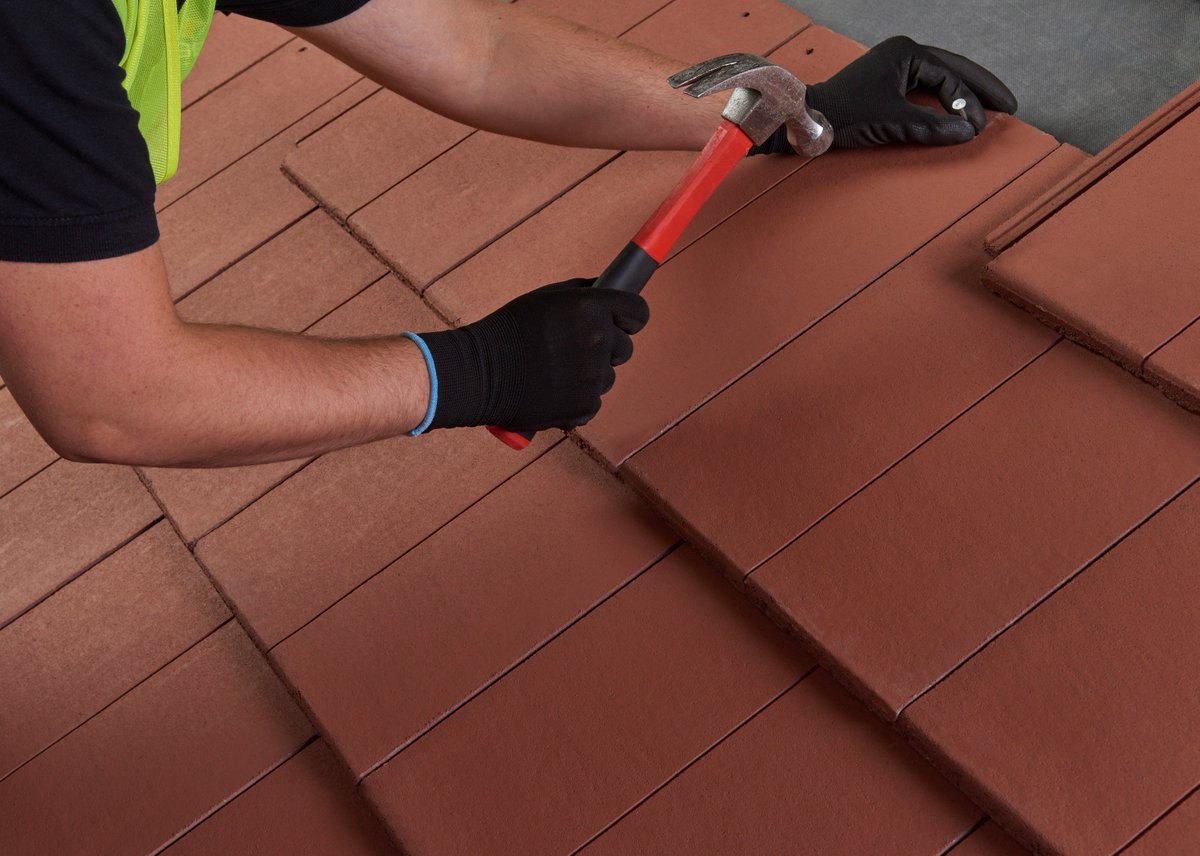
The Work at Height Regulations 2005 should always be used when working at height to plan the work. It lays out a hierarchy of the different measures that can be taken where work must be undertaken at height #SafetyFirstFriday #Roofing
2
19 Jan 2018
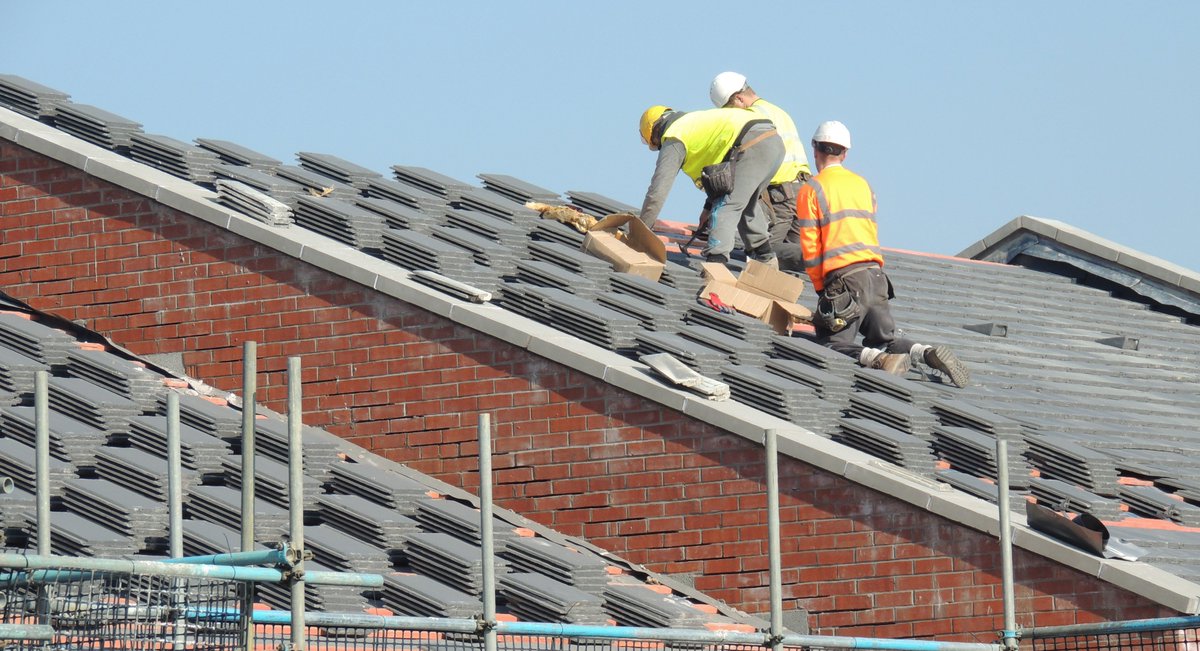
#SafetyFirstFriday Before beginning the job, focus on identifying fall protection needs. Survey the roof to determine if there are pre-installed anchorages available that can be used. If not, then plan immediately to protect workers from falls #RoofingSafety
2
5 Jan 2018
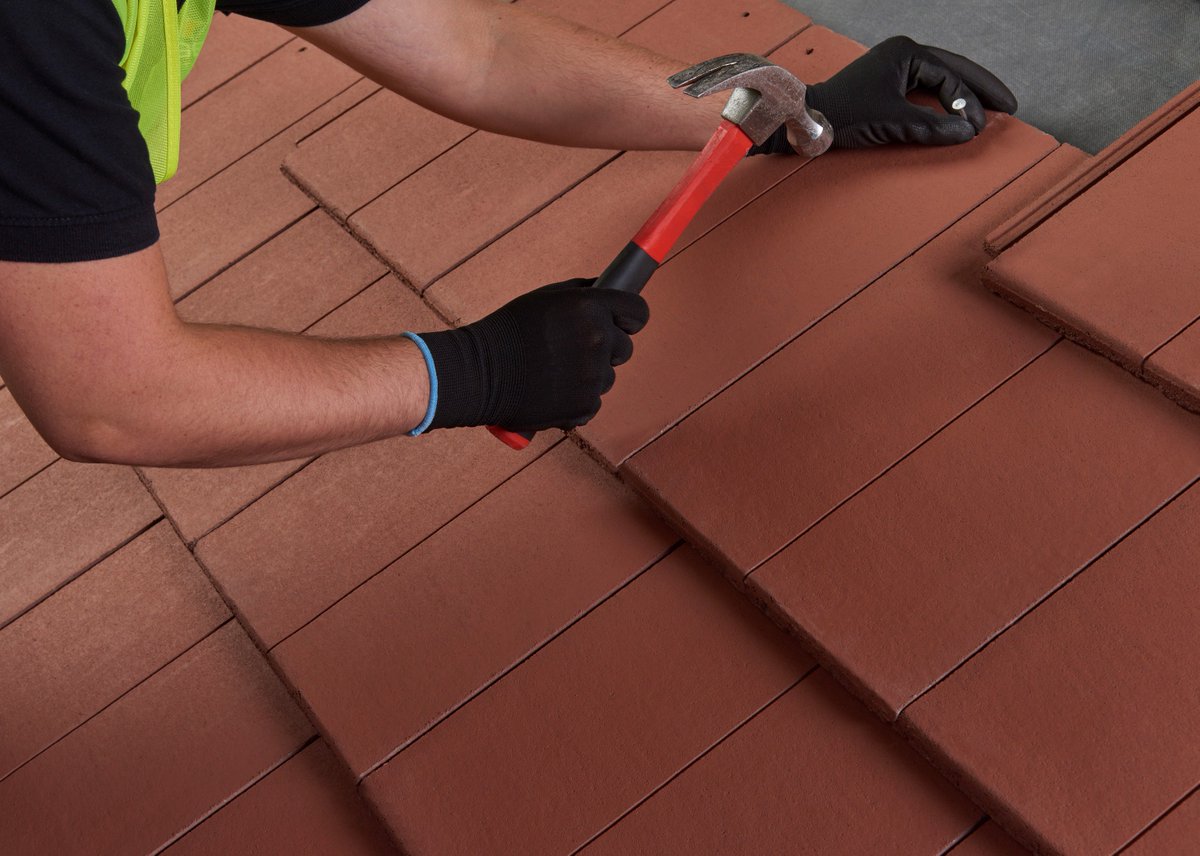
#SafetyFirstFriday Employers must provide roofers with fall protection equipment that meets OSHA requirements whenever they work 6 feet or more above a lower level #RoofingSafety #Advice #Roof
1
1
8 Dec 2017
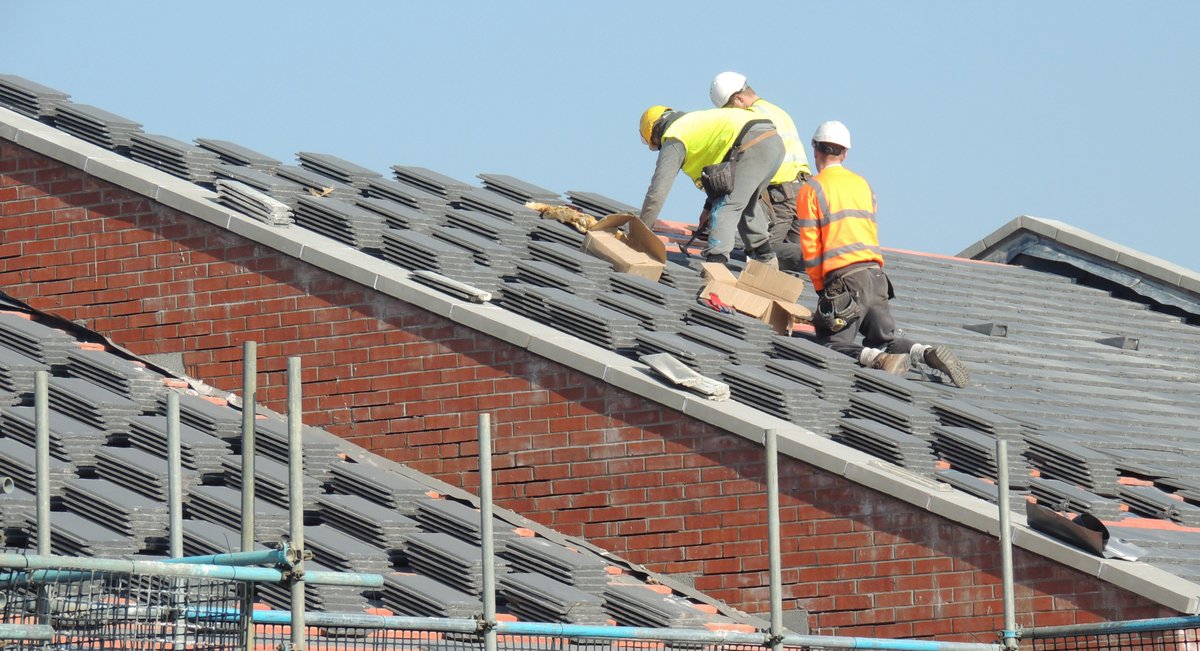
#SafetyFirstFriday All roofs should be treated as fragile until a competent person has confirmed they are not. Do not trust any sheeted #roof, whatever the material, to bear the weight of a person.
1
1
1 Dec 2017
#SafetyFirstFriday Sloping roofs require scaffolding to prevent people or materials falling from the edge. You must also fit edge protection to the eaves of any roof and on terraced properties to the rear as well as the front #Roofing #Roof