
Cable Chaos at SoundEngine this weekend with multiple sampling sessions happening in parallel.
Ask any questions about the setup in the comments!
#MusicProduction
#SoundDesign
#ElectronicMusicProduction
#SamplePacks
#SoundBanks
#BehindTheScenes
#InTheStudio
1
9

Ultimate Minimal Bundle vol III
collabs.shop/flaihi
👉🏾✨Use my coupon code MISTERMAESTROOFFICIAL at checkout for 20% off entire order✨👈🏾
#IQSounds #Samples #samplepacks #MIDI #Loops #presets #TechHouse #MusicProducers #MelodicTechno #TechHouseSamplePack
14
Minimal Grooves Artist Series - BizZa vol I
collabs.shop/knq31v
👉🏾✨Use my coupon code MISTERMAESTROOFFICIAL at checkout for 20% off entire order✨👈🏾
#iqsounds #IQSoundsMusic #IQSoundsMusicProduction #Samplepacks #loops #presets #midi #MusicProduction #MusicProducers
6
Glitched Minimal vol III (Minimal/Deep Tech Sample Pack)
collabs.shop/rmmnot
👉🏾✨Use my coupon code MISTERMAESTROOFFICIAL at checkout for 20% off entire order✨👈🏾
#iqsounds #IQSoundsMusic #IQSoundsMusicProduction #Samplepacks #loops #presets #midi #MusicProduction
4
Dance Like That (Minimal-Tech House)
collabs.shop/rgdfuu
👉🏾✨Use my coupon code MISTERMAESTROOFFICIAL at checkout for 20% off entire order✨👈🏾
#iqsounds #IQSoundsMusic #IQSoundsMusicProduction #Samplepacks #loops #presets #midi #MusicProduction #MusicProducers
9

May 20
worst part of mac ableton producers sending you stems/samplepacks: .DS_STORE & _.asd polluting everything everywhere
1
5
160

Tech house producers. Four Banger Samples packs, 1,131 WAV MIDI files, down from $100 to $15. soundshockaudio.com/deals/th… #SamplePacks #TechHouse

2
12

ontem fui pra sessao sem meu hd achei que ia dar tudo errado e foi até bom pq saiu um dos melhores beats q eu ja fiz na vida e tenho ctz q isso foi pq experimentei com os samplepacks diferentes no pc do shirts valeu meu mano camisas
3
243

Check out my latest review >>> Devious Machines Duck 2
sounds-of-revolution.com/rev…
Cheers,
Oli
#deviousmachines #sounddesign #sounddesigner #technoproducer #samples #samplepacks #musicproducerslife #proaudio #vst #protools #ableton #logicpro
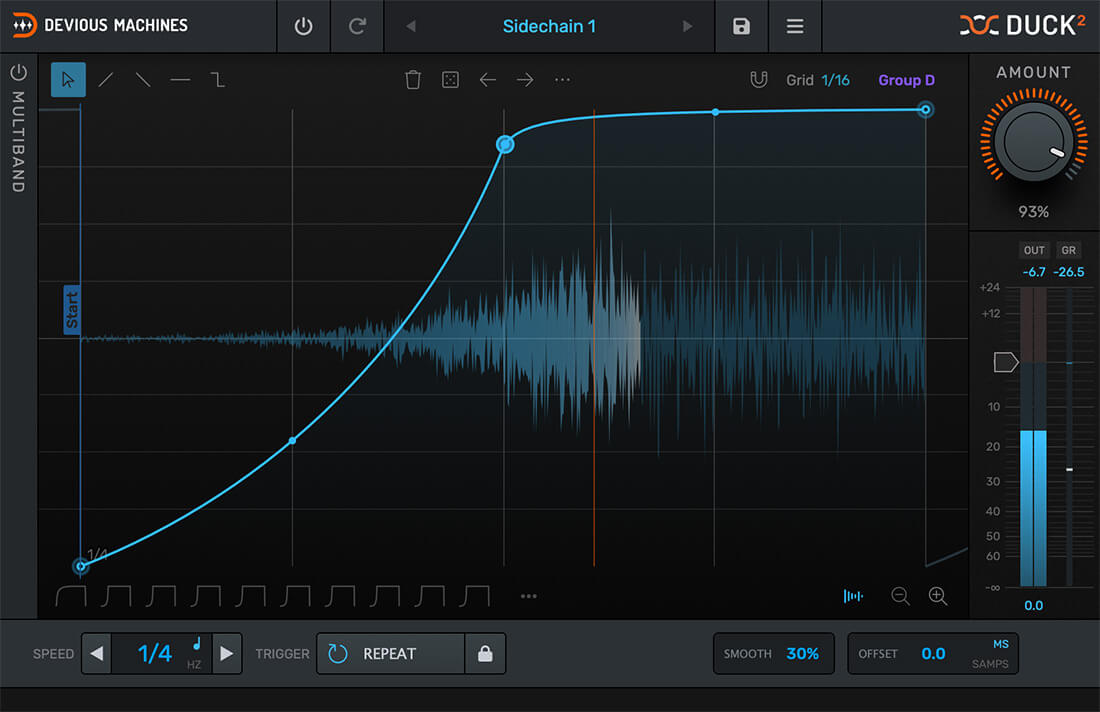
2
94

Mar 13
just wait until they find out how to actually use the stock FL plugins and make their own synths and learning sound design for samples instead of relying on presets and samplepacks
1
1
13
955

Jan 30
The last couple years, I've watched Linux come more to the forefront because of improvements to the software that enables Windows games to run on Linux through WINE/Proton. As this has happened, I've seen the popularity of people trying Linux and switching become more common.
I don't think we'll see this as much on the Music Production and DJ side of things, but I'd like to record my thoughts and recommendations here for anyone curious or interested.
I used Linux on side-machines (and some dual-boots) for years while still using Windows on my main production and DJ machines before finally switching completely to Linux around the time Windows 8 came around. I think my first Linux installs where around the Ubuntu version 7.0 or 8.0 time (still Gnome 2 desktop times).
While there are many ways to brute-force using Windows software on Linux, I think going full native applications is the way to go long-term and is a better experience (as well as more rewarding).
The main things that kept me on Windows back then was Ableton Live for production, Traktor for DJing/DVS, and Sony Vegas for video editing. They're all tricky or practically impossible to run effectively in Linux without losing functionality or performance or using a virtual machine (which is a pain for workflow and takes too much resources).
For the last 12 years or so, I use Bitwig Studio for production (with no Windows plugins bridged, only Native Linux plugins), MIXXX for DJing (even with DVS), and Kdenlive for video editing.
For Linux distros, I've been using Manjaro, and then Arch Linux over that time for my distros of choice since switching full-time. I learned using Ubuntu/Xubuntu initially beforehand.
with that background in mind, my recommendation and warnings for any producers and/or DJs wanting to switch is:
- Accept that you'll probably bork your system several times until you learn how to use it well. Sometimes while learning the ins/outs just nuking it all and starting from scratch is the best way to start fresh using the knowledge you've learned to that point. To that effect, plan for it, acticipate it, and save/backup your files and projects while you're learning so you can pick up where you left off easier. The temptation early on while first diving into Linux will be to run around and install all the cool new software you find while trying to find replacements for your Windows apps, and loading a bunch of stuff like that can lead to system issues over time, so it's liking your first batch of systems will be full of trash early on and you'll break something. I recommend that you use those early systems as times to experiment to find what you like, then nuke it and start fresh trying to only have what you actually use and like each time, eventually you'll have a set of preferences and apps that you can rely on to be there for you and work well together.
- While you're in more control of the update process in Linux, things can break depending on how well curated your system install is. You have to be mindful of how often you're updating your system because it will not hold you by the hand to do it. That said, it's great when you have mission critical stuff and you just want to simply not update for a bit so you can have the most piece of mind before a show or project.
- Linux is not Windows, don't try to get it as drop-in replacement, and don't force it to run Windows native applications (even if they can run well in some cases). While you can bridge some windows VSTs to run, it's a bit hit and miss, and upkeeping your system gets more complicated when you have the backends for doing this setup (which can be an overall headache long-term). Besides, with some digging you'll find a very cool sea of native plugins that are well worth your time (including some awesome premium software available by third-party devs such as U-HE, ACM, Kazrog and TAL, so it's not just freeware that's great).
- While there's so much hardware that will work plug-n-play, there's a lot that won't. Instead look for stuff that works out-of-the-box. There are lists online of audio interfaces that work well in linux, go for that instead of trying to hack using stuff that manufacturers have built to actively be a pain in the but without their specific proprietary drivers). Pretty much if it's listed as "USB Class-Compliant" it's usually a safe bet it'll just show up in Linux without much hassle. I recommend Focusrite and Tascam as most of their stuff works for audio interfaces. And in general most basic midi usb controllers work without trouble. anything with fancy third-party software and third-party drivers is usually not going to work as intended but can sometimes still be partially functional. Once you have hardware that isn't fighting you, it's actually easier than Windows because you generally don't have to worry about drivers anymore.
- Linux is only as good as your skill in how to work it. It's not going to hand-hold you. You can get more stable performance and latency overall, but you have learn a new way of thinking on how the audio stack works, it's not the same as windows drivers and ASIO, you have to learn ALSA, Jack, Pulse Audio, and Pipewire audio frameworks and how they all can coexist on a system to connect to each other (it's actually really cool and flexible once you "get it" it's a bit like a built-in "ReWire" for those that remember ReWire lol). Once you learn it, it's actually more simple to use, there's so many times I've watched friends struggle with issues that would be simple to do in Linux, or features that are just native to the audio-stack that would be soft-locked in software for windows hidden behind pay-walls.
- Don't Dual-Boot a production machine long-term. While it's nice for testing purposes, you'll get better performance and stability long-term if you don't dual-boot. I recommend start with a side-machine and learn how to make it run well before switching on your main system.
- Take time to find software that works for you and your workflow. That said, realize that there will be things that are "better" as well as drawbacks. For example, you may not have your favorite VSTi plugin, but maybe you'll find several that replace what that did or even find plugins that are better. In the beginning I bridged Windows plugins and over time I eventually built up so many cool linux native plugins I felt confident in abandoning the struggle to force Windows plugins to run, and honestly it's been one the best decisions I've ever made.
With all that said, why do I even like Linux?
- Total control of my system for better or worse without being beholden to Microsoft's decisions.
- The shear amount of great free (and paid) software/plugins available within the Linux ecosystem
- Better performance on older or modest systems
- Better customization options
- No system bloat (or as much as you want)
- The struggle is actually fun for me. Learning things through troubleshooting problems is rewarding.
- More control over update process
- Unique tools for Linux that have more features than even paid apps for windows/mac
I just like being different and I think the flexibility Linux has makes it so I feel like i'm not just using the same shit everyone else uses. these days with samplepacks, presets, tutorials being so plentiful, its all too easy to just fall into using all the same stuff and sounding too similar, for better or wose I think different tools lead to different results and I like that.

3
141


Jan 9
#MixingAndMastering #VocalMixing #UndergroundProducer #DailyBeat#musicproduction #samplepacks #loopkits #musicproducer #beatmaker
1
247
Jan 7
MixingAndMastering #VocalMixing #UndergroundProducer #DailyBeat#musicproduction #samplepacks #loopkits #musicproducer #beatmaker
1
215
Jan 6
Which one’s your focus today? Comment Sample pack for some 🔥
#musicproduction #producers #beatmakers #samplepacks #musiccommunity
1
1
222
Jan 1
#SoundDesign #BeatChallenge #SamplePack #TypeBeat #ProducerCommunity #MixingAndMastering #VocalMixing #UndergroundProducer #DailyBeat#musicproduction #samplepacks #loopkits #musicproducer #beatmaker
219