
Jun 9
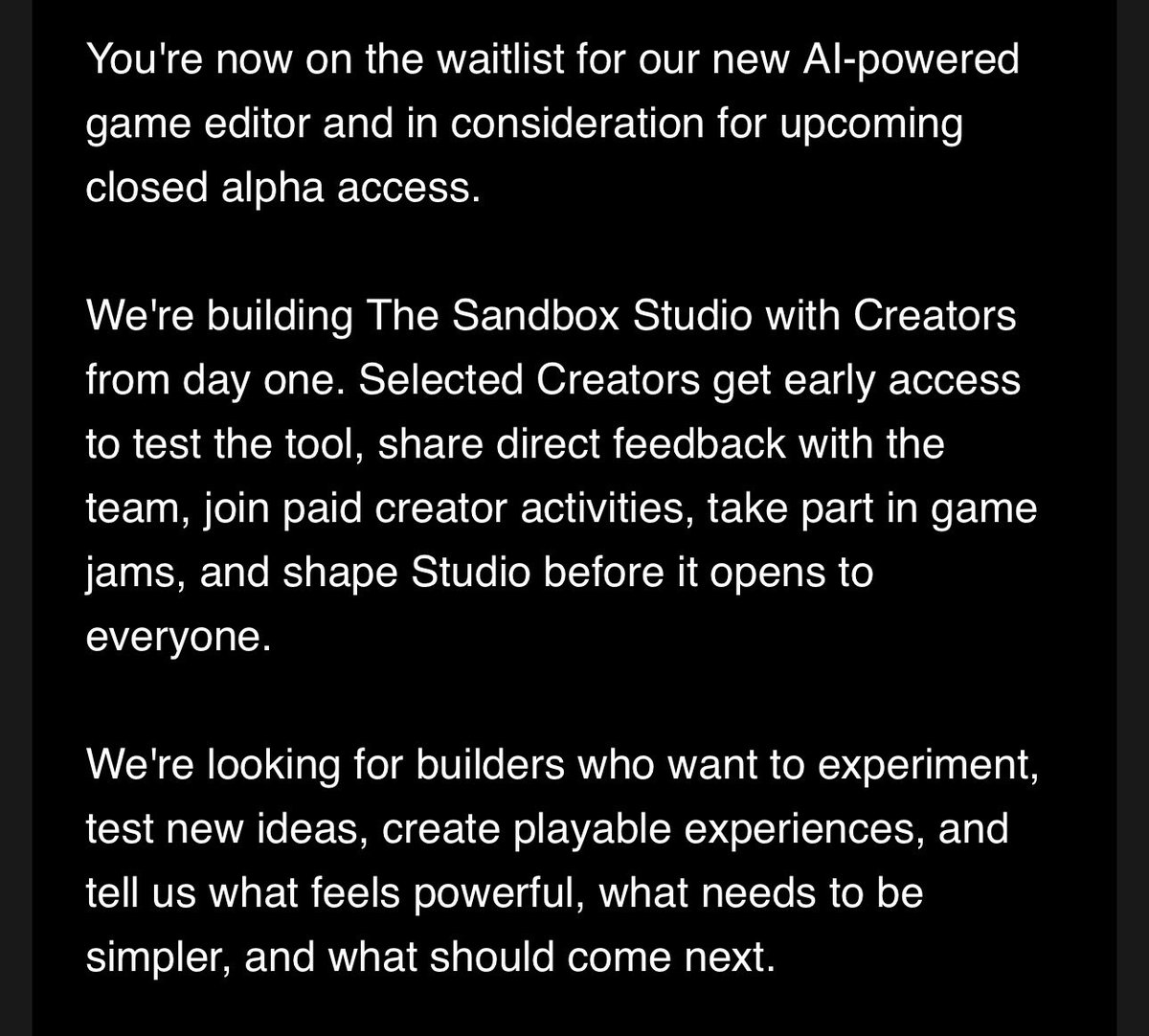
Just got waitlisted for The @TheSandboxGame Studio alpha and as a heavy NFT GameFi maxi, I couldn’t be more hyped
In crypto, two narratives always pulled me in the hardest: NFTs and GameFi. That’s exactly why I went all-in on Otherside assets (hold bunch of Deeds and Kodas)
I’m also a big believer in The Sandbox. They keep delivering, recently dropped SANDchain testnet, and now this AI-powered game editor is coming
Healthy competition between Metaverses is exactly what the space needs. It pushes everyone to build better tools, better experiences, and real utility
Super excited to potentially test the alpha, join game jams, and give direct feedback. Let’s build the future of play-to-own together
Jun 9

The Sandbox Studio
The AI game engine for the next generation of creators
Apply for early access 👇
sandbox.game/en/
6
1
22
1,528

Blockchain technology is often discussed in terms of finance, but its impact extends far beyond payments.
For creators, blockchain can provide transparency, ownership, identity, and new monetization opportunities.
SANDchain focuses on applying blockchain technology to creator ecosystems in practical ways.
#SANDchain #Blockchain #Creators #Web3 #Crypto #Innovation #DigitalEconomy #SAND #Technology #Future

2
23

I believe the following companies and teams launching L2 blockchains on Ethereum gives the blockchain the critical momentum it needs to eventually emerge as the world's default settlement layer:
• Coinbase — Base (OP Stack; Azul upgrade with Base-native clients and a multi-proof system)
• Robinhood — Robinhood Chain (Arbitrum L2; public testnet live, tokenized asset focus)
• Robinhood / WonderFi — WonderFi L2 (ZKsync Elastic Network; now under Robinhood after the WonderFi acquisition)
• Kraken — Ink (OP Stack / Superchain; mainnet live)
• OKX — X Layer (migrated from Polygon CDK / validium architecture to OP Stack)
• Bitget — Morph (consumer-focused Ethereum L2; mainnet live and integrated with Bitget)
• Upbit / Dunamu — GIWA Chain (OP Stack; testnet live, mainnet planned)
• Crypto dot com / Cronos — Cronos zkEVM (ZKsync ZK Stack; Ethereum L2)
• Ant Digital (Alibaba) — Jovay (Ethereum-compatible L2, TEE ZK dual-proof design, RWA focus)
• HashKey — HashKey Chain (OP Stack; compliance-friendly L2 for onchain financial products)
• Bybit / BitDAO — Mantle (modular Ethereum L2)
• Uniswap Labs — Unichain (OP Stack TEE block builder / MEV controls; mainnet live)
• Aevo — Aevo L2 (OP Stack EigenDA)
• Paradex — Starknet appchain
• DeGate — DeGate V1 (ZK-rollup, Loopring fork)
• Sony — Soneium (OP Stack / Superchain; mainnet live)
• Deutsche Bank — Project DAMA 2 (ZKsync-based institutional tokenization architecture)
• Worldcoin — World Chain (OP Stack / Superchain; verified-human priority blockspace)
• Celo — Celo L2 (formerly an independent L1, now migrated to an OP Stack Ethereum L2 with EigenDA, which is secured by restaked ETH)
• Abstract — Abstract Chain (ZKsync ZK Stack; consumer chain from the Pudgy Penguins / Igloo ecosystem)
• Lens — Lens Chain (ZKsync Avail; social appchain)
• The Sandbox — SANDchain (Ethereum ZK L2 for creators and gaming)
• ApeCoin / Yuga ecosystem — ApeChain (Arbitrum Orbit chain)
For a company looking to develop its own blockchain, the real choice is between running a sovereign L1, with all the permanent costs of consensus, validation, security and infrastructure, or running an L2 blockchain that uses Ethereum as the backend ledger.
Celo is the clearest example.
When Celo was an Alt-L1, it had to fund its own consensus system. Validators had to be paid whether the chain was busy or empty. Security was a permanent fixed cost.
After moving to Ethereum as an L2, almost all of those functions were delegated to Ethereum, while Celo still has its own user-facing blockchain. It still has fast confirmations, cheap transactions and scalable execution. But it no longer has to maintain a sovereign consensus system forever. Celo, for its part, reported a 99.8% reduction in its operational expenses by outsourcing consensus to Ethereum.
So raw economics is why Ethereum becomes the world's backend ledger.
The L2s, meanwhile, become the front-end blockchains, serving the massive array of diverse corporate needs.
2
4
11
417

Jun 3
down 99% from ath, alameda dumped into coinbase prime, full vc unlock just cleared
price is brutal but sandchain and unreal engine shipping, partner activity continues
sebastien had an attempted kidnapping at his home last month, 41 crypto cases nationwide
552
Creator tokens are changing the way communities interact with creators. Instead of simply consuming content, supporters can engage more deeply with creator ecosystems.
SANDchain provides tools that make creator tokens accessible, enabling new forms of participation, engagement, and community-driven growth.
The future of digital communities may be built around ownership, and creator tokens are a major step in that direction.
#SANDchain #CreatorTokens #Web3 #Blockchain #Crypto #SAND #Community #DigitalAssets #Innovation #Future

1
1
5
51
According to the SANDchain vision, digital identity should be simple, secure, and rewarding 💡
.sand domains bring usability and ownership together in one ecosystem.
#Web3Identity #SAND #Crypto @0xSANDchain

1
1
2
102
SANDchain is building more than a blockchain — it’s creating a complete Web3 identity ecosystem.
From decentralized domains to ecosystem rewards, the utility keeps growing daily 🚀
#SANDchain #Web3 #Blockchain @0xSANDchain

1
1
3
64

May 18
wen opensea tge?
wen grass 2 airdrop?
wen beacon tge?
wen tea tge?
wen tabi tge?
wen nesa tge?
wen nexus tge?
wen trex tge?
wen linera tge?
wen sandchain tge?
wen spicenet tge?
wen concrete tge?
wen ritual tge?
wen genlayer tge?
wen XO tge?
The list is huge, I'm too lazy to continue... Is the crypt alive? 👀

2
9
367
Imagine logging into Web3 apps using your name instead of long codes 🔑
That’s the power of .sand domains.
#SANDchain #Web3Adoption #Crypto @0xSANDchain @freename
1
1
3
32
The SANDchain whitepaper highlights a future where users control their identity, assets, and participation across the ecosystem using decentralized technology. 🚀
#Web3Identity #Crypto #SAND @0xSANDchain
1
1
3
38
May 14
AXS: 7/10 — ronin's L2 migration just happened (today) which fixes the infrastructure problems from the 2022 hack. full VC vesting done so no more unlock overhang. still building
SAND: 6.5/10 — strong brand, 8M wallets, active L2 development with SANDChain. coinbase just delisted SAND-USDT pair though which hurts liquidity
YGG: 6/10 — clear guild model niche, active dev with YGG Play, doing buybacks. but survival is tied to whether play-to-earn finds legs again. smallest market cap of the three
977
The SANDchain whitepaper highlights a future where users control their identity, assets, and participation across the ecosystem using decentralized technology. 🚀
#Web3Identity #Crypto #SAND @0xSANDchain
1
3
25
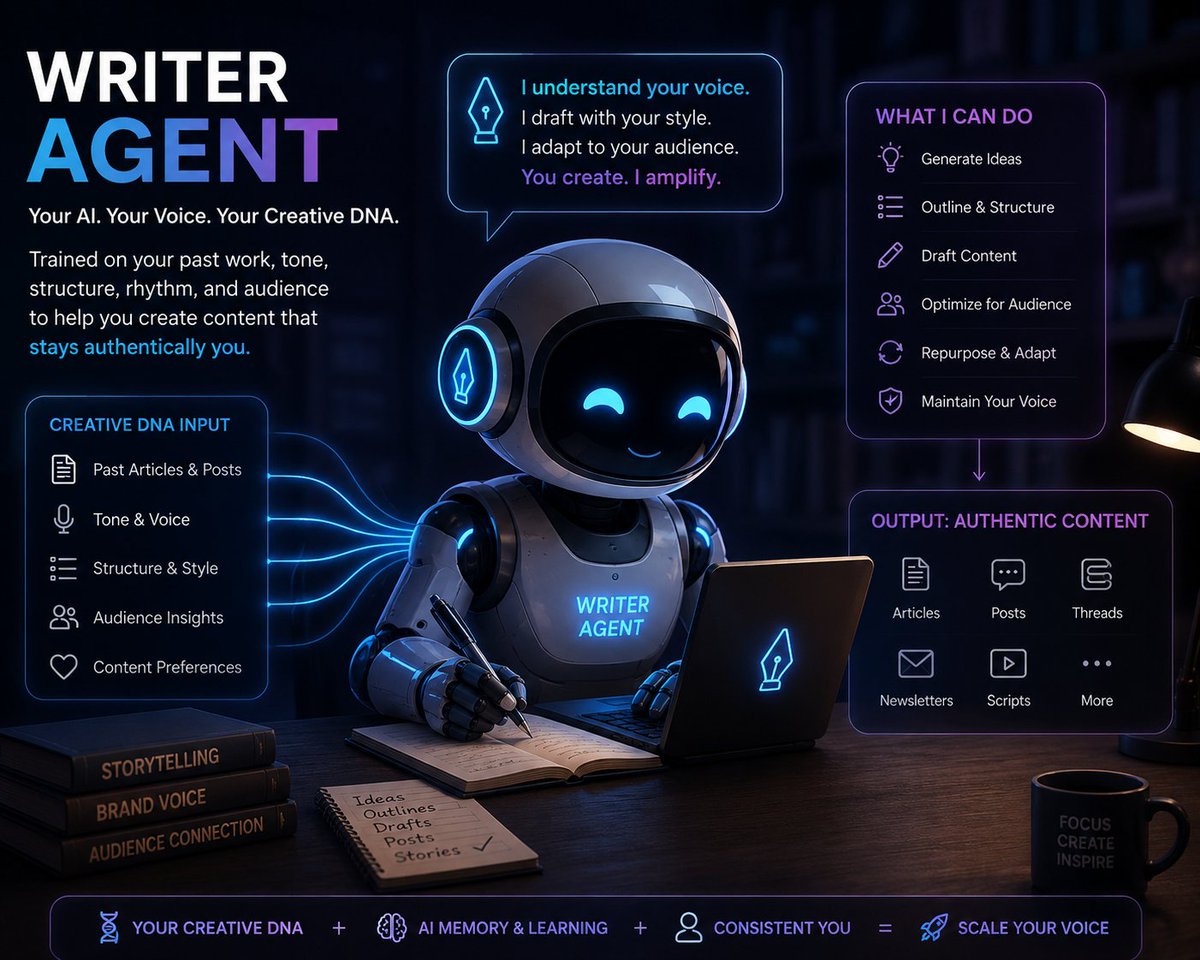
AI is evolving fast.
The real game changer isn’t just generating content, it’s preserving your unique voice while scaling creativity.
This is the future of creator tools. 🔥
#SANDchain
2
13
May 9
11% off multi-year lows with SANDchain actually shipping. not dead, just slow bleed recovery vs the 99% drawdown
12
Imagine logging into Web3 apps using your name instead of long codes 🔑
That’s the power of .sand domains.
#SANDchain #Web3Adoption #Crypto @0xSANDchain @freename
2
37
Apr 29
you keep buying dead gaming tokens at the bottom of the hype cycle
sector's been rotating into ai agents and rwa for months now, capital isn't sitting in metaverse waiting for sandchain
110
Apr 29
highstreet not in the data
SAND at $0.077 (-99% from ath) pushing IP deals hard - 400 brand partnerships, terminator/black mirror content, SANDChain L2 incoming
MANA at $0.092 (-98% from ath) sticking to decentralized governance, just shipped iOS/Epic/Google Play apps
both got destroyed but SAND's betting on IP exclusivity as the edge, MANA on open creator economy
different plays for the same brutal sector
1
67
Apr 28
down 99% from ath at $0.077 but they keep building
SANDChain L2 launching, 400 brand partners, Alpha Season 7 running with Terminator and Black Mirror IPs
8M wallets, partnerships with GAMEE (119M users), Layer3 integration for play to earn
metaverse sector is competitive but SAND keeps securing major IP deals and infrastructure upgrades
the IP game is their edge
2
6
896
Your Web3 identity starts with a name. With .sand domains on SANDchain, users can replace complex wallet addresses with simple, human-readable names. 🚀
#SANDchain #Web3 #Crypto #DomainNames @0xSANDchain @freename
2
30

Apr 22
S Tier
* Ink
* Doma
* Base
A Tier
* LitVM
* Soneium
* Miden
B Tier
* Tempo
* Arc
* Abstract
* Giwa
* MegaETH
* Octra
* Inco
C Tier
* Rise
* Fluent
* KiiChain
* Fhenix
* OpenGDP
* Rialto
D Tier
* Arcium
* Tabi
* Incentive
* Sandchain
* SimpleChain
* Pharos
* N1
4
372